How To Choose Between Pine Straw And Mulch For A Healthier Georgia Garden This July
July does not give Georgia garden beds much room for error.
The sun bakes bare soil. Afternoon storms hit hard. Humidity keeps stems damp. Weeds move fast the moment light reaches the ground.
The material you spread over the soil can either help the bed handle all of that, or make the problems worse.
Pine straw and bark mulch both have a place.
They cool soil, slow moisture loss, reduce weeds, and make beds look finished. But they do not behave the same way.
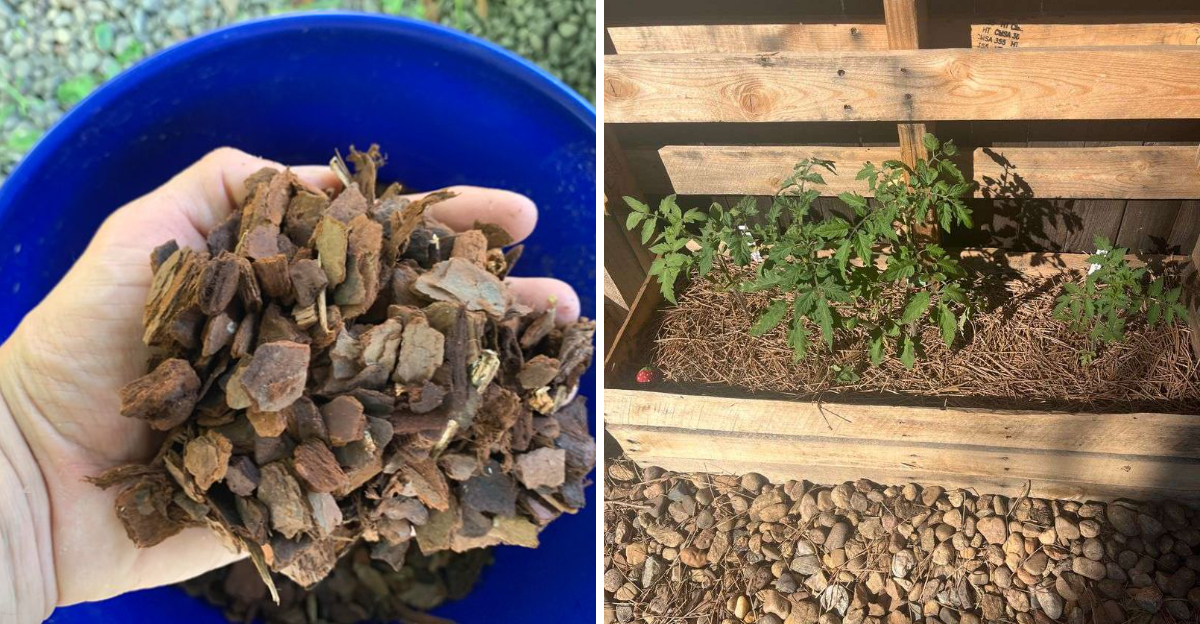
Pine straw grips slopes, breathes well, and works easily around vegetables. Bark mulch lasts longer, holds a polished look, and protects established shrubs and trees with less frequent refreshing.
The smartest choice depends on the bed in front of you.
So how do you choose between pine straw and mulch for a healthier Georgia garden this July?
Start with the slope, the plant type, the heat exposure, the storm pattern, and how much maintenance you actually want to do.
1. Match Mulch To The Bed
One material does not fit every Georgia bed.
A vegetable row, a shrub border, a tree ring, and a steep foundation slope all need different things in July. The right ground cover depends on how that space handles heat, water, roots, and storms.
Shrub beds often suit bark mulch.
Established azaleas, camellias, gardenias, hollies, and mixed foundation plantings usually benefit from a longer-lasting layer that keeps soil covered through the hottest part of summer.
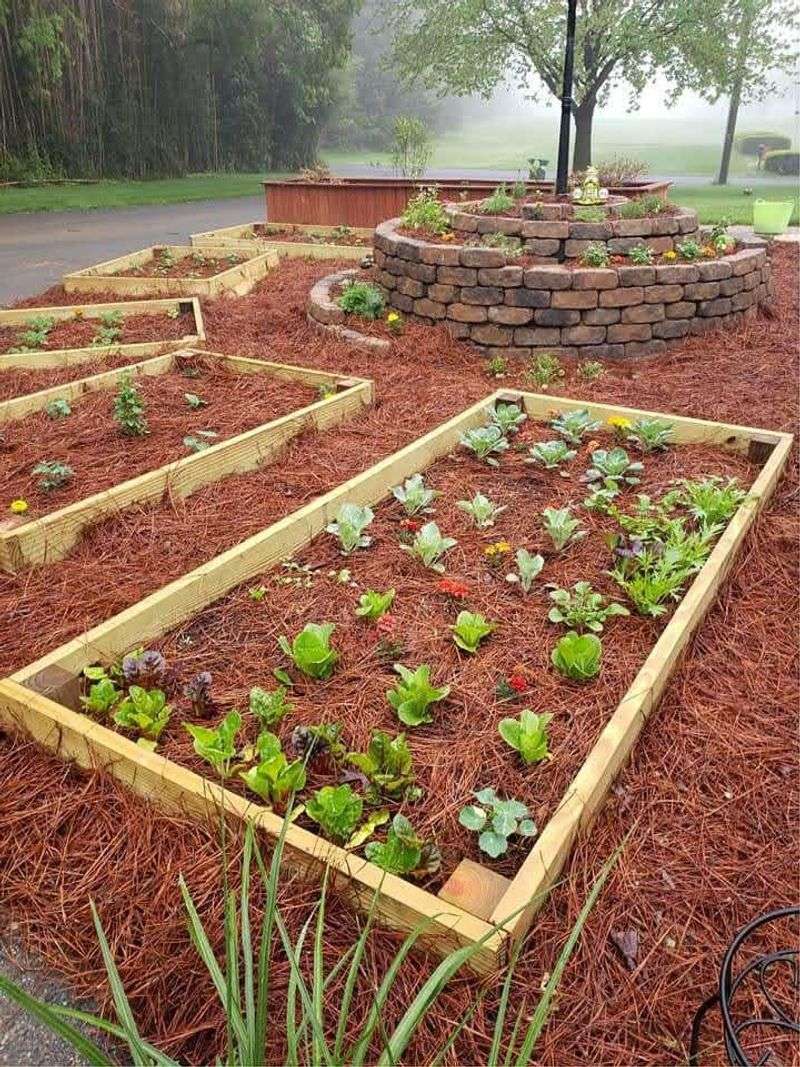
Vegetable beds often suit pine straw.
It is lighter, easier to pull back for planting or harvesting, and simple to move around tomatoes, peppers, squash, and herbs without disturbing roots too much.
Sun exposure matters.
Beds in full afternoon sun need strong soil cooling and moisture protection. Shaded beds may need more airflow near stems so humidity does not linger.
Slope changes the decision.
A flat front bed can hold bark mulch well. A sloped bed may send bark floating downhill after the first hard thunderstorm.
Appearance counts too.
Bark mulch gives a clean, finished look. Pine straw brings a softer, more natural Georgia landscape feel, especially around native plants and woodland-style beds.
Maintenance style matters.
Pine straw usually needs refreshing more often. Bark mulch tends to hold longer with less fuss.
Choose for the bed, not the whole yard.
That one shift prevents a lot of July garden frustration.
2. Choose Pine Straw For Slopes
A Georgia slope can expose the wrong mulch fast.
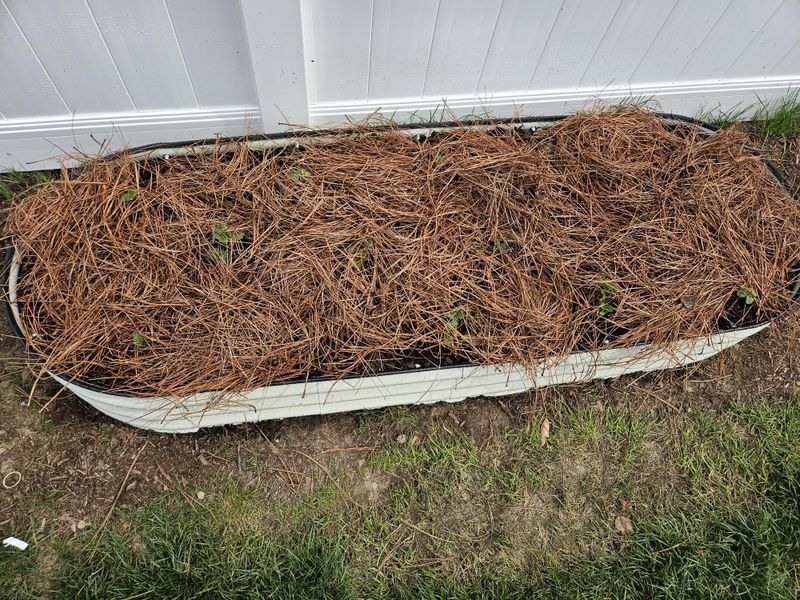
After a heavy summer storm, bark pieces may float, slide, and gather at the bottom of the bed. Pine straw behaves differently because the needles settle together and grip the surface.
That interlocking texture is the advantage.
As pine straw settles, the needles form a loose mat. That mat helps hold soil in place and resists runoff better than loose bark on many slopes.
Stormwater slows down.
Instead of rushing straight across bare soil, water moves through the pine straw layer more gradually. That gives moisture more time to soak in before the next wave of July heat arrives.
Your Georgia Garden Changes Every Week. Your Plan Should Too.
Gardening in Georgia changes quickly throughout the season. Every Friday you’ll receive a simple weekly plan showing exactly what to plant, prune, fertilize, harvest, and protect so you never miss the right timing.
Slopes dry quickly.
Water naturally runs downhill, so roots on banks and inclines can struggle between storms. Pine straw helps keep the surface cooler and reduces rapid moisture loss.
It is easier to spread too.
Hauling heavy bags of bark mulch up an incline gets old fast. Pine straw bales are lighter and easier to shake into place with a rake or by hand.
Refresh after settling.
Fresh pine straw looks fluffy at first, then compresses. Add enough depth so the soil stays covered after it settles.
Watch the lower edge.
Some straw may still gather near the bottom after extreme rain. Rake it back into thin spots before weeds take advantage.
For slopes, pine straw is the practical choice.
It stays where bark often refuses to.
3. Use Bark For Longer Coverage
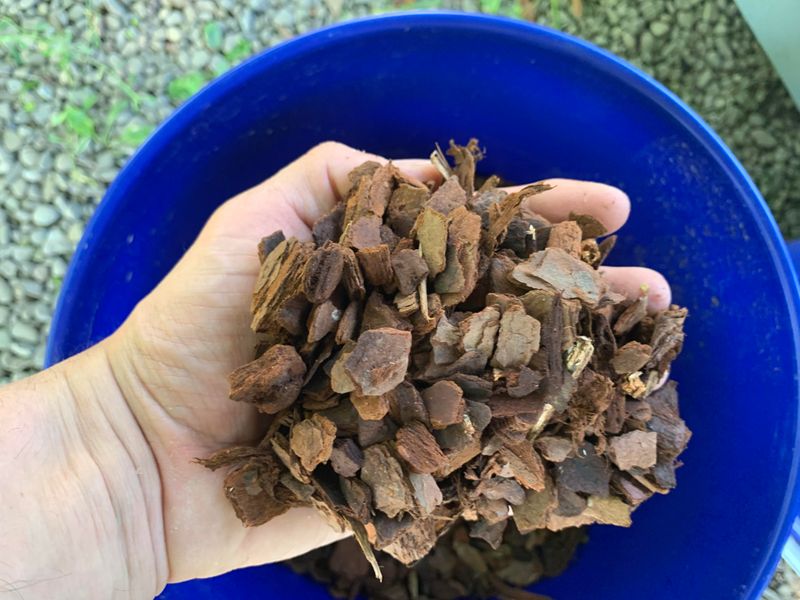
Some beds need a cover that lasts.
Established shrub beds, tree rings, and foundation plantings are not places most gardeners want to refresh every few weeks. Bark mulch earns its place by breaking down slowly and holding coverage longer.
That slower breakdown helps in July.
A two to three inch layer can protect soil through heat, rain, and weed pressure without needing constant top-ups.
Tree rings benefit especially.
Tree roots need steady moisture and cooler soil. Bark mulch helps create that buffer, as long as it stays pulled back from the trunk.
Shrub borders look polished.
Bark mulch gives front-yard beds a clean, finished look that holds up well around larger ornamentals. It can make mixed plantings look more intentional during the messy middle of summer.
Color lasts longer than pine straw.
Pine straw naturally fades as it weathers. Bark mulch, especially darker types, often keeps its visual impact through more of the season.
The soil still gains organic matter.
As bark slowly decomposes, it feeds the soil over time. That gradual process supports soil structure and microbial life.
Use the right depth.
Two to three inches is usually enough. A deeper layer can hold too much moisture against shallow roots or block water from moving evenly.
Bark mulch is the low-fuss option for stable beds.
Put it where you want longer coverage and less July maintenance.
4. Go Deeper With Pine Straw
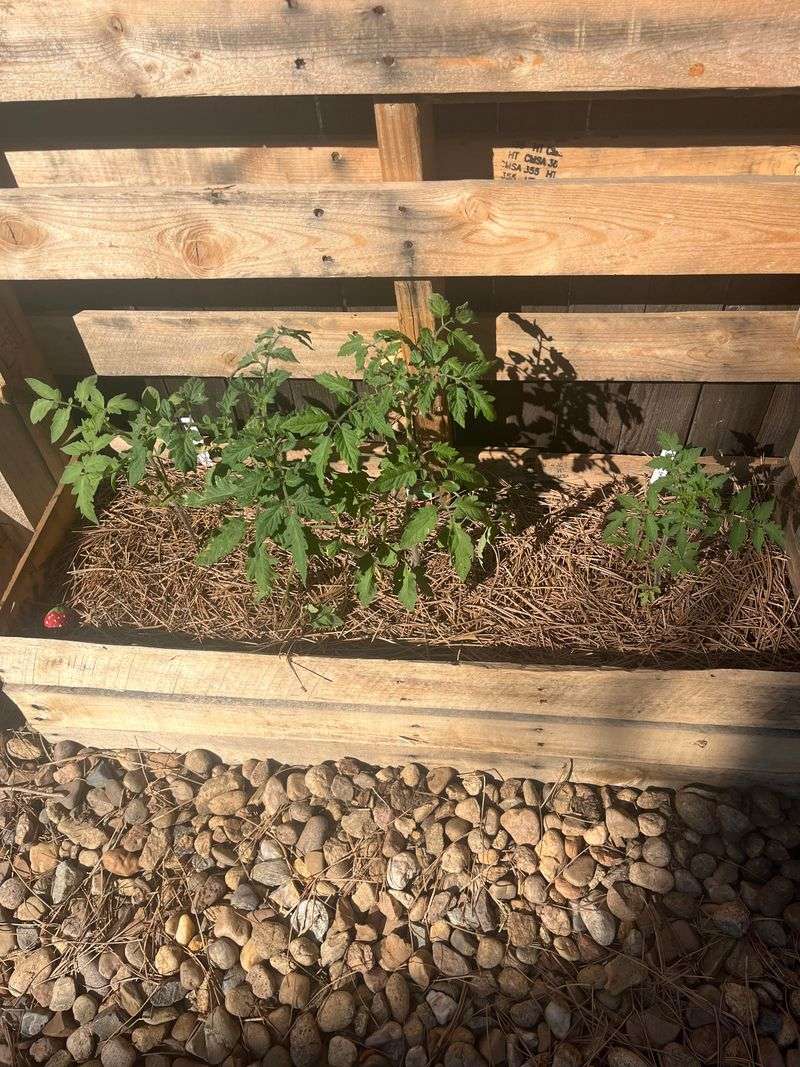
Fresh pine straw settles more than gardeners expect.
Right after spreading, it looks fluffy and full. A few rains later, the layer compresses into a thinner mat. That is normal, but it means a shallow layer will not protect the soil for long.
Start with enough volume.
A new bed usually needs about three to four inches of pine straw at application. After settling, the goal is a solid layer that still shades the soil and blocks weed seeds from light.
Thin pine straw invites weeds.
Open patches give crabgrass, chamberbitter, nutsedge, and other summer weeds a perfect place to sprout. Coverage matters more than a light decorative dusting.
Refresh older beds differently.
A bed that already has pine straw may only need a lighter top-up. Fluff the old layer first, then add fresh straw where the soil is showing.
Long needles cover better.
Longleaf pine straw tends to knit together well and often looks neater for longer than shorter, broken needles.
Do not bury plant crowns.
More depth does not mean piling straw against stems. Keep the coverage wide and even, not mounded around plant bases.
Check after storms.
Rain can compress or shift the layer, especially near downspouts and bed edges. Raking it back into place takes only a few minutes.
Pine straw works best when it has enough body.
Too thin, and it becomes decoration instead of protection.
5. Keep Mulch Off Stems
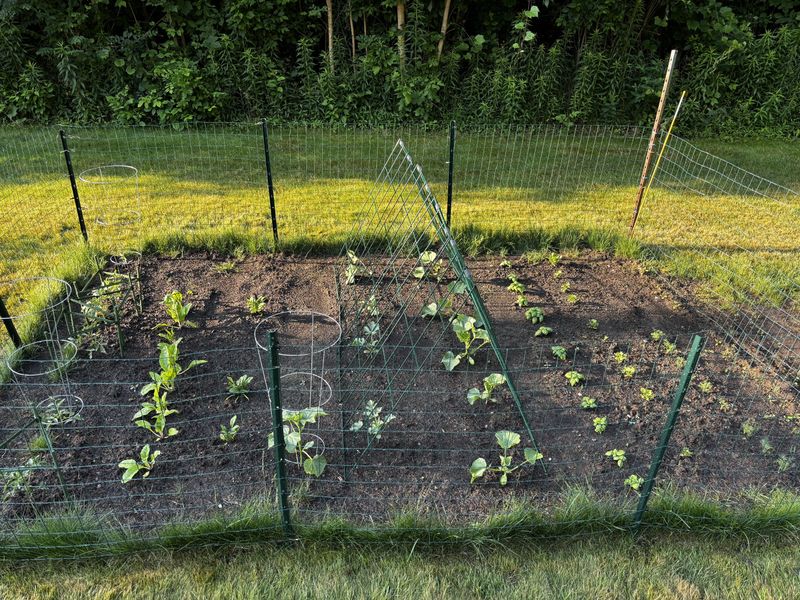
Mulch touching stems can cause trouble fast.
Georgia humidity already keeps plant crowns and trunks damp. Packing pine straw or bark mulch against them creates a dark, moist pocket where rot and fungal problems can build.
The fix is simple.
Leave a clear gap around every stem, crown, and trunk. Two to three inches of breathing room can make a major difference in plant health.
Trees need extra care.
Never pile mulch in a cone against the trunk. That volcano shape traps moisture against bark and can damage the root flare over time.
Shrubs need space too.
Azaleas, hydrangeas, gardenias, and young shrubs all benefit from mulch over the root zone, not pressed into the base of the plant.
Vegetables are vulnerable in July.
Tomatoes, peppers, squash, cucumbers, and basil can develop stem problems when wet mulch stays packed against them during humid nights.
Pine straw dries faster than bark.
That makes it a little more forgiving near tender plants, but it still should not be tucked tightly against the crown.
Spread like a doughnut.
Keep the center open around the plant and spread the material outward across the root zone.
This is one of the easiest mistakes to avoid.
Healthy mulch protects roots without smothering stems.
6. Refresh After Summer Storms
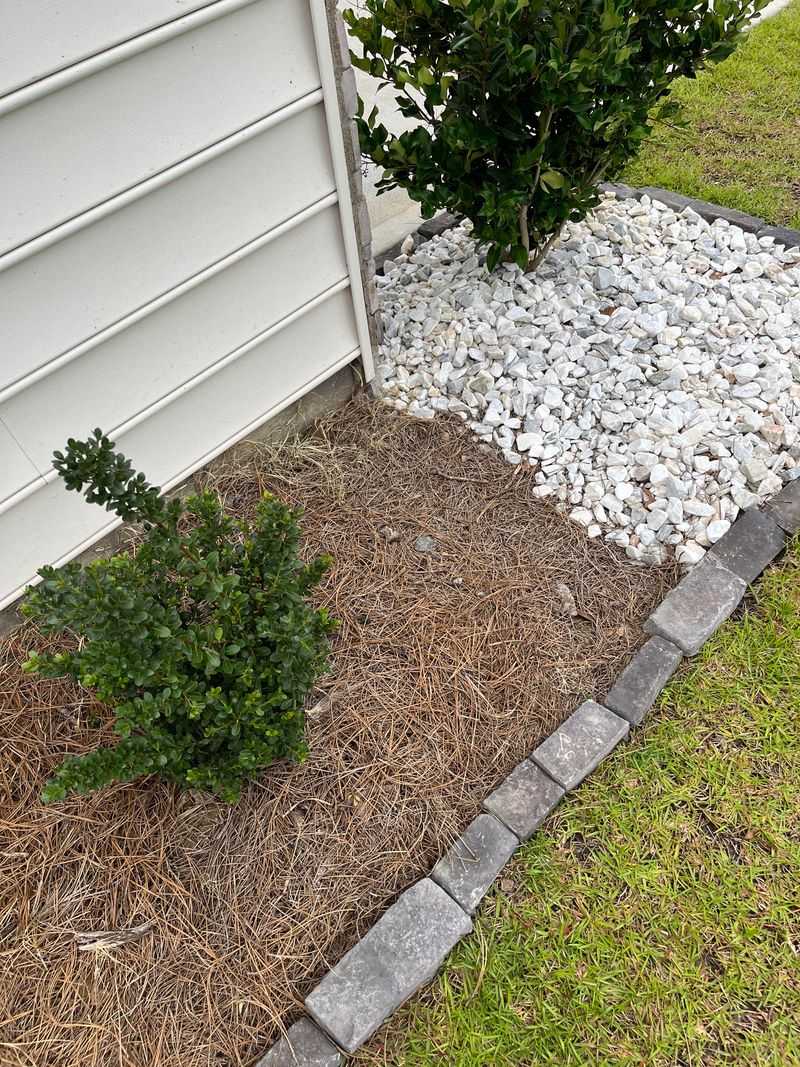
A July thunderstorm can rearrange a bed in minutes.
Mulch that looked perfect at noon may be piled against the curb by dinner. Pine straw may bunch into corners, and bark may float into paths or low spots.
Walk the beds after hard rain.
Look for exposed soil, washed edges, mounded material, and mulch pressed against plant stems. Those small shifts can create bigger problems during the next hot day.
Bare soil dries quickly.
Once the sun returns, uncovered patches lose moisture fast and invite weeds. Covering those spots again should be part of storm cleanup.
Pine straw usually shifts.
It often moves in clumps or gathers at the downhill side of a bed. A rake can usually pull it back into place quickly.
Bark mulch may float.
Check downspouts, drainage channels, and low areas where water runs hard. Bark can travel farther than expected during a fast storm.
Keep extra material on hand.
One bale of pine straw or a couple bags of bark mulch can save a midweek garden-center trip after a storm.
Do not wait too long.
Weeds respond quickly to exposed soil in warm, wet weather. A few days can be enough for new seedlings to appear.
Storm cleanup is not just cosmetic.
It keeps the mulch doing its real job: protecting the soil after the rain has moved on.
7. Watch Heat Around Rock
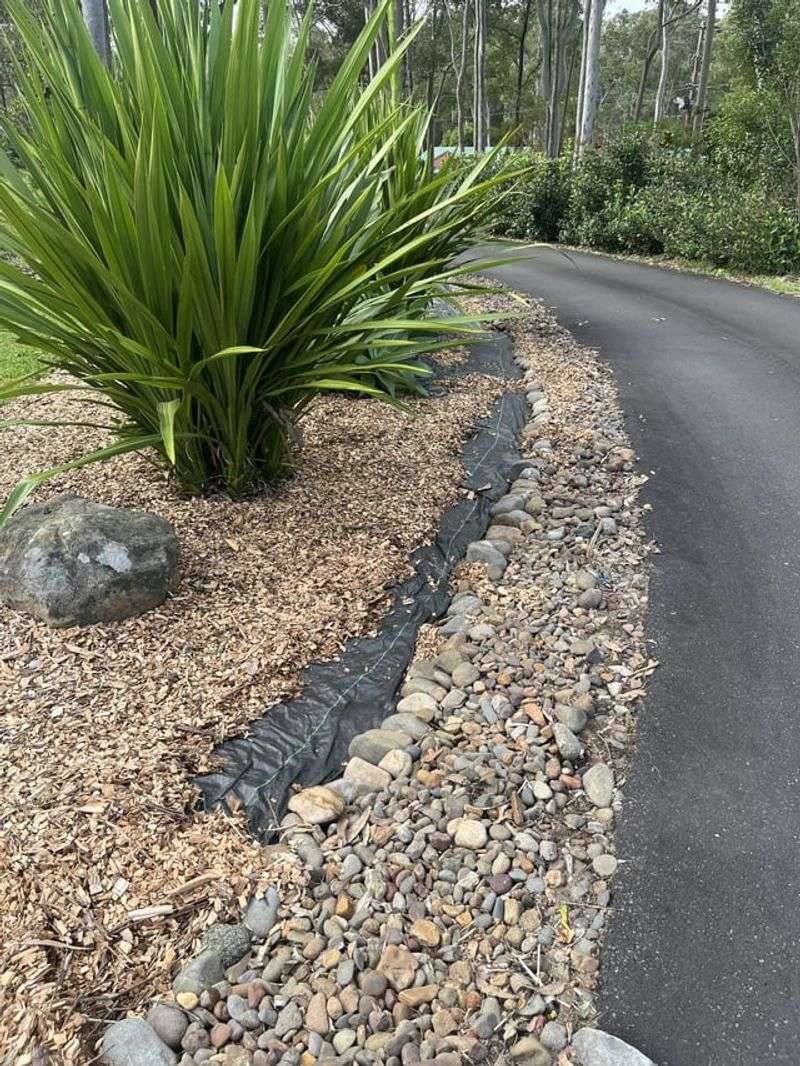
Rock mulch can make July harder on plants.
Decorative gravel and stone may look neat, but they absorb heat all day and release it back into the bed long after sunset. In Georgia summer, that extra heat can be rough on roots.
Organic mulch behaves differently.
Pine straw and bark mulch insulate the soil and help keep the root zone cooler. That matters for shallow-rooted shrubs, perennials, and moisture-loving plants.
Rock does not feed the soil.
It does not break down into organic matter, support soil microbes, or improve texture over time. Beds under rock can become harder and less forgiving as years pass.
Heat-sensitive plants struggle most.
Hydrangeas, gardenias, hostas, ferns, young shrubs, and many perennials often prefer cooler, moister soil than rock provides in July.
Reflected heat adds pressure.
Beds near sidewalks, driveways, brick walls, and foundation surfaces can become extra hot when rock mulch is added on top.
Consider replacing problem areas.
Pull rock back from stressed plants and use bark mulch or pine straw instead. The root zone usually benefits quickly from cooler, more moisture-friendly coverage.
Rock still has a place.
Dry creek beds, cactus-style plantings, and drainage areas may use it well. Most traditional Georgia garden beds need something gentler.
In July, root comfort matters.
Organic cover usually gives plants a much better chance to handle the heat.
8. Use Both Where They Make Sense
The best answer may not be one or the other.
Many Georgia gardens work better with pine straw in some areas and bark mulch in others. Mixing materials by function can make the whole landscape easier to manage.
Use pine straw on slopes. It grips better, spreads faster, and handles inclines more naturally than loose bark.
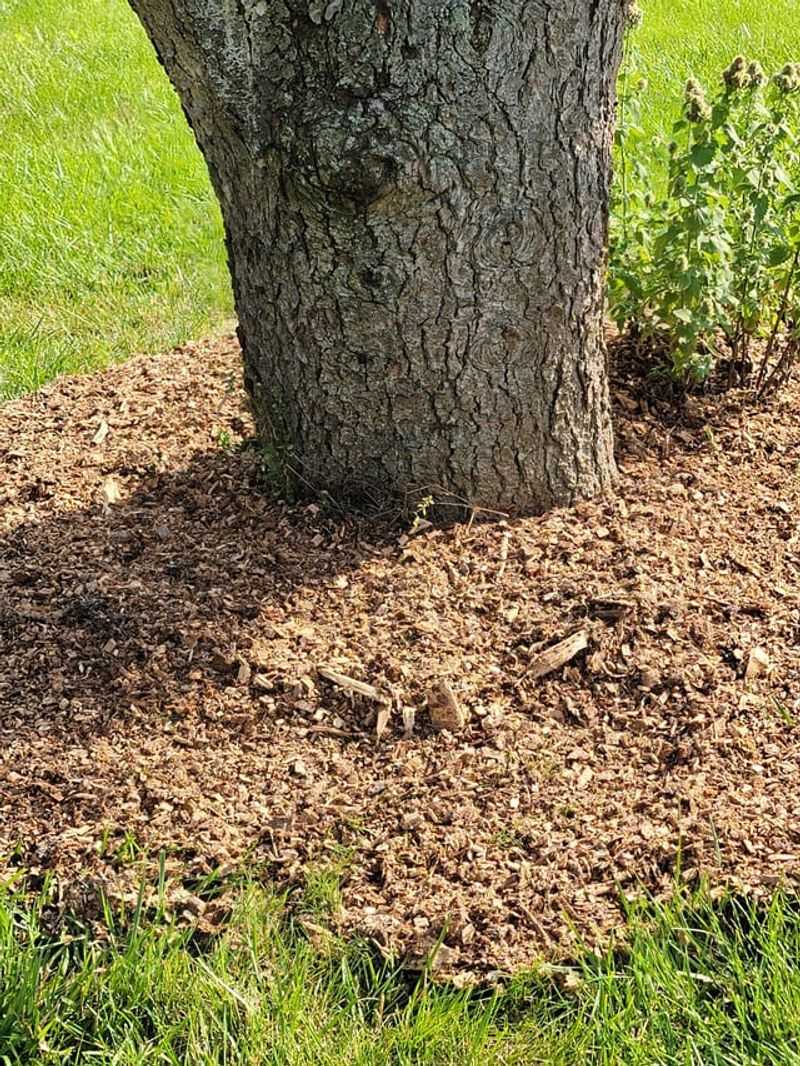
Use bark around established shrubs and trees. It lasts longer, looks polished, and protects larger root zones with fewer refreshes through summer.
Use pine straw near vegetable rows. It is easy to move aside for planting, harvesting, and checking soil moisture. It also breathes well around seasonal crops.
Use bark where runoff is light. Flat beds away from downspouts and drainage paths are usually better places for bark mulch to stay put.
Match the look by zones. A front foundation bed can use bark for structure, while a backyard slope uses pine straw for function. The garden still looks intentional when each material has a clear job.
Avoid mixing randomly in the same small bed.
That can look patchy and make maintenance harder. Use clean edges or separate areas so the choice feels planned.
Think like July, not like spring. The best material is the one that handles heat, storms, moisture, weeds, and plant health in that exact spot.
A healthier Georgia garden does not need one perfect mulch. It needs the right cover in the right place.