The Most Underrated Ohio Native That Fills Shady Beds And Supports More Pollinators Than Hostas
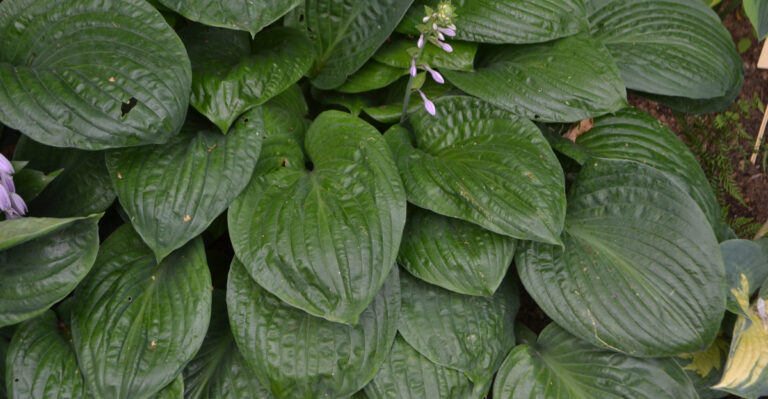
Hostas have earned their place in Ohio shade gardens, but they leave one thing behind: a lot of empty potential. A shady corner can do more than hold green leaves.
It can become a place where pollinators find food, native wildlife finds support, and your garden feels connected to the landscape around it.
One overlooked Ohio native handles those darker spaces beautifully, filling areas where many gardeners assume only ornamental foliage will work.
It does not demand the spotlight. There are no flashy nursery displays pushing it into every backyard, yet it quietly performs a job many common shade plants never attempt.
Its flowers, structure, and seasonal changes give the garden something happening beyond simple coverage. The best part is that it fits into the places where homeowners often run out of ideas: under trees, along woodland edges, and in beds where sunlight barely reaches.
Your shade garden may not need another hosta. It may need a plant that brings the whole space to life.
1. A True Ohio Native With Deep Woodland Roots
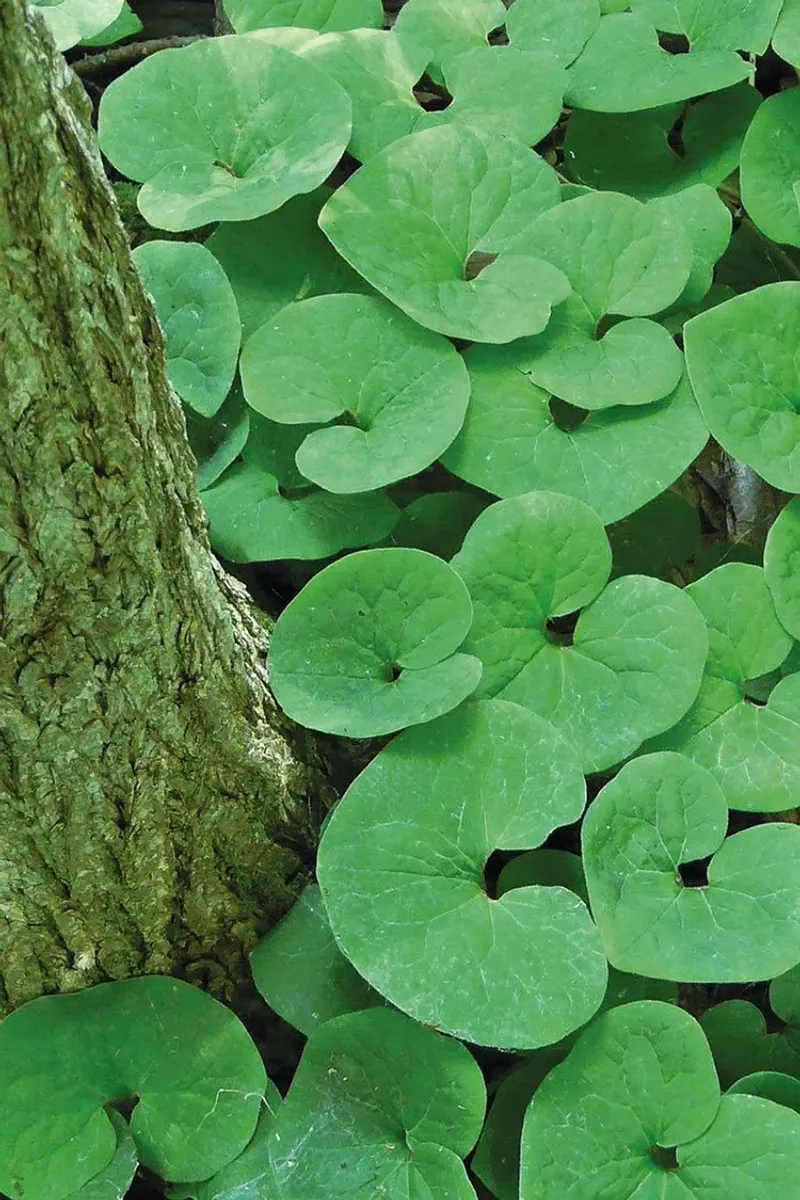
Long before fancy garden centers existed, wild ginger was already thriving across Ohio’s forests. Known by its scientific name Asarum canadense, it grows naturally in rich, leafy woodlands from one end of the state to the other.
Because it belongs here, this plant already knows how to handle Ohio’s weather, soil, and seasons. That makes it easier to grow than many plants shipped in from far away places.
Native plants like wild ginger have spent thousands of years building relationships with local insects, birds, and soil life. When you plant something that truly belongs to your region, you help keep that natural web strong and healthy.
Gardeners who love a low-fuss plant will appreciate how comfortable wild ginger feels in a shady bed. It does not need constant babying once it settles in.
Choosing a native also means you are helping protect Ohio’s wild heritage right in your own backyard. Every patch you plant adds a little piece of the forest back to the neighborhood.
If you want a plant with a real sense of place, wild ginger delivers. It carries the story of Ohio’s woodlands with every leaf it unfurls each spring.
2. Charming Heart-Shaped Leaves You Will Adore
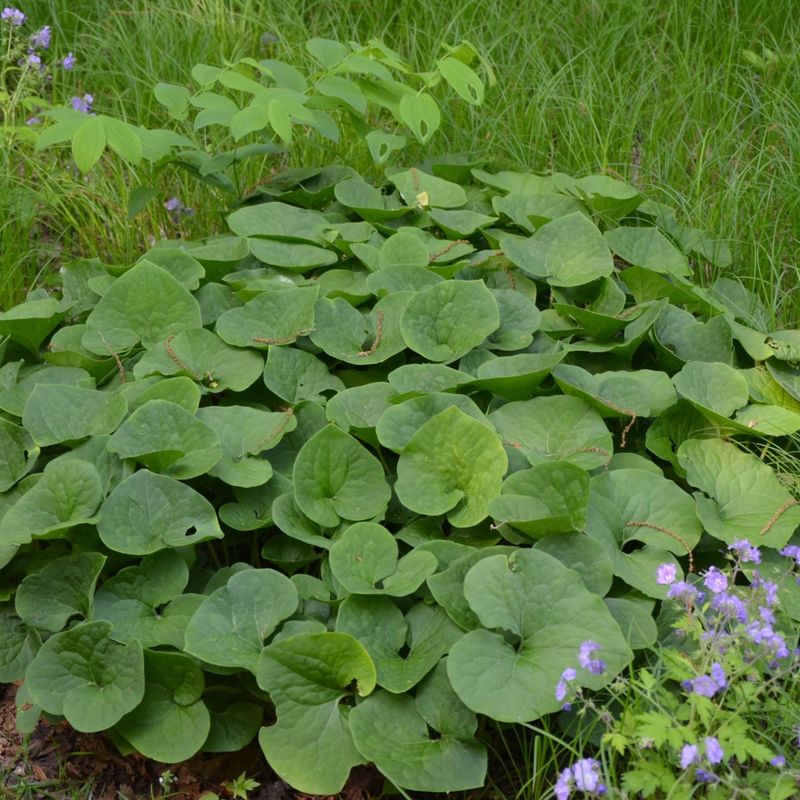
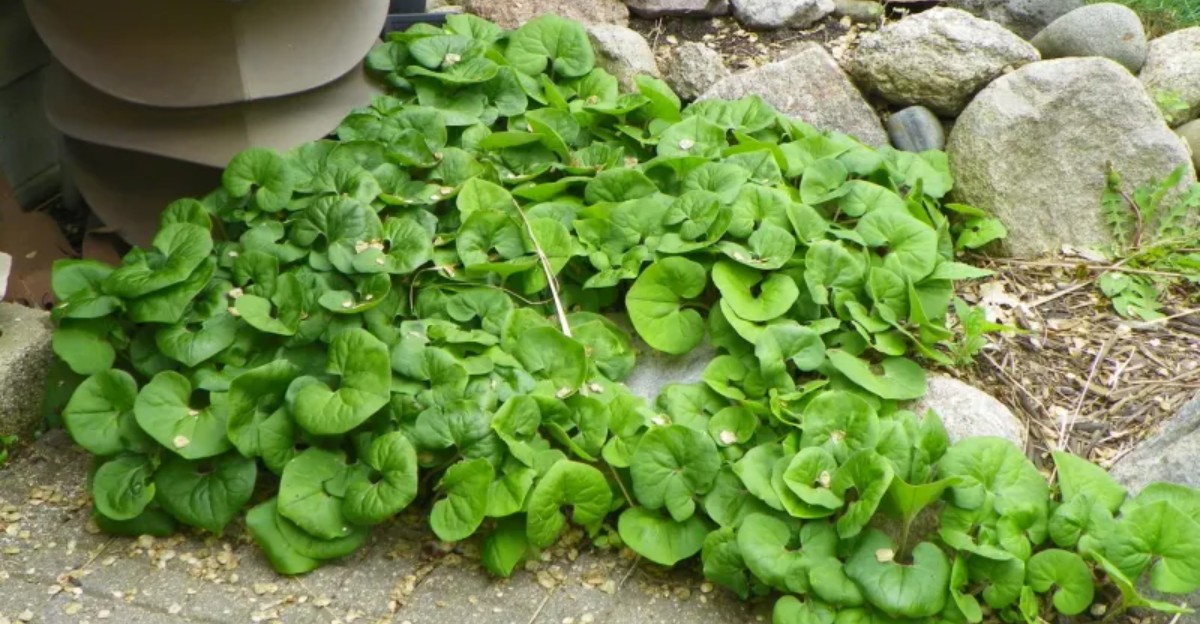
The first thing most people notice about wild ginger is its adorable leaves. Shaped like little hearts, they can grow up to six inches wide and cover the ground in a soft green blanket.
The whole plant stays short, usually only four to eight inches tall. That low, spreading habit makes it perfect for filling in bare spots without towering over everything else.
Those big leaves do more than look pretty. They shade the soil beneath them, helping keep moisture in and keeping the ground cool during hot summer days.
Run your fingers across the leaves and you will feel a slightly fuzzy, velvety texture. It gives the plant a soft, touchable quality that many stiff garden plants simply do not have.
Your Ohio Garden Changes Every Week. Your Plan Should Too.
Gardening in Ohio changes quickly throughout the season. Every Friday you’ll receive a simple weekly plan showing exactly what to plant, prune, fertilize, harvest, and protect so you never miss the right timing.
Because the leaves overlap so neatly, they create a tidy carpet that looks polished with almost no effort. You will not need to fuss with trimming or shaping.
Gardeners who want a lush, full look in a shady spot will love how quickly this greenery fills in. Plant a few clumps and watch them knit together into a smooth, leafy rug that brightens the darkest corners of your yard.
3. Perfect For Those Tricky Shady Spots
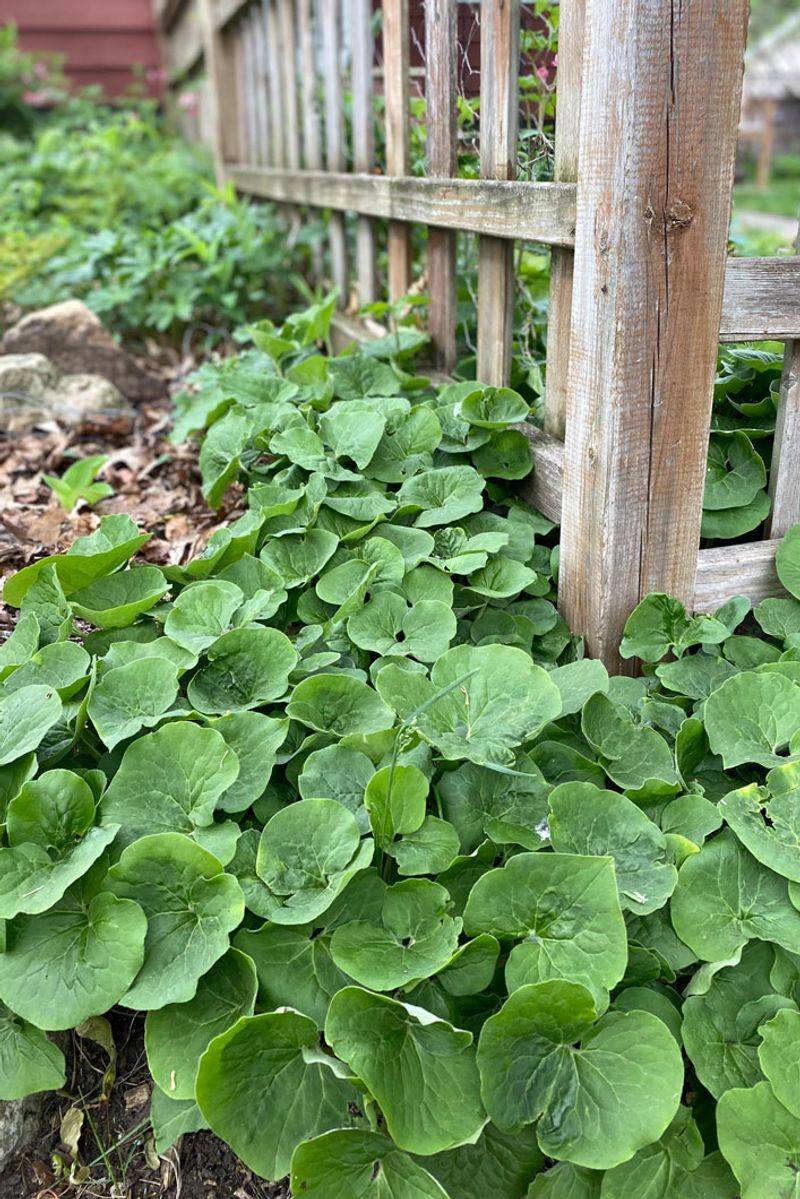
Every gardener knows the pain of a shady corner where nothing wants to grow. Wild ginger actually prefers those spots, thriving in full to partial shade where sun-loving plants would sulk.
What it really craves is soil that stays moist but drains well. Think of the damp, spongy ground you find on a forest floor, and you have the perfect recipe for happy wild ginger.
If your yard sits under big trees or beside a shady fence, this plant can turn that trouble zone into something beautiful. It fills space that often stays empty and dull.
To keep it happy, add a little mulch or compost so the soil holds water without turning soggy. A layer of fallen leaves in autumn works wonderfully too.
During dry spells, give it a good drink now and then. Once the roots settle in, though, it becomes pretty tough and forgiving.
Pair it with ferns or other shade lovers for a woodland feel that looks natural and calm. The combination creates a peaceful green retreat.
For anyone tired of staring at a bare patch beneath the trees, wild ginger offers a simple, reliable fix that just keeps getting better each year.
4. Secret Flowers Hiding Near The Ground
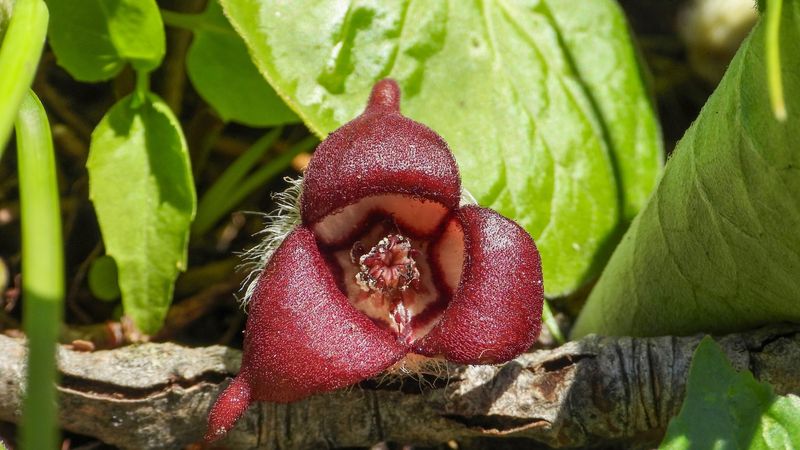
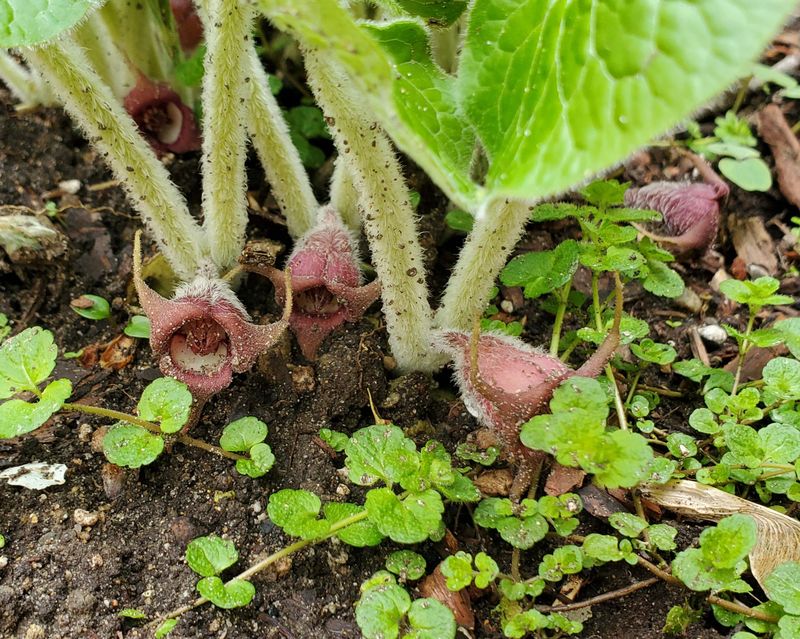
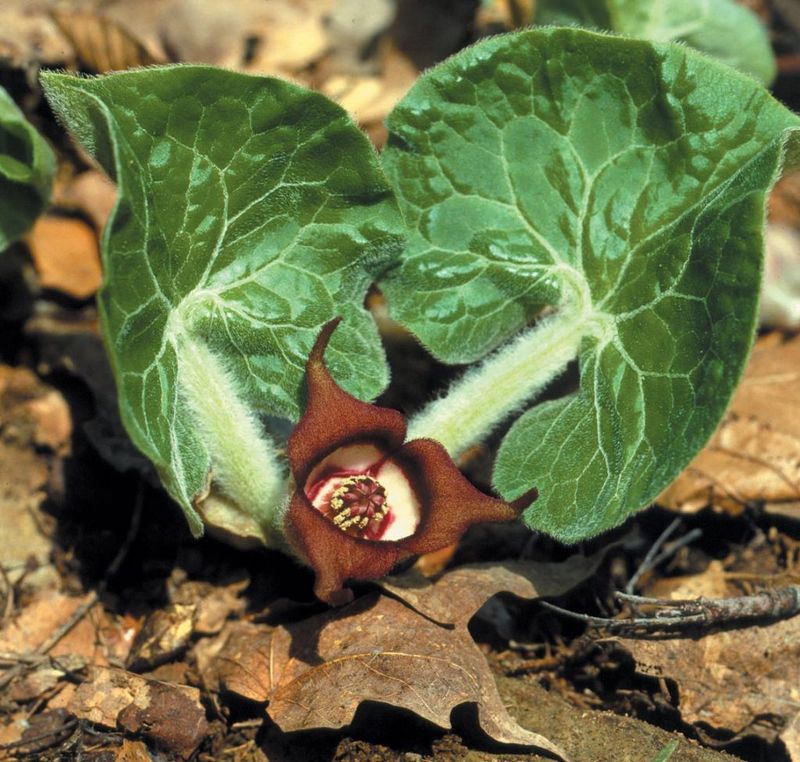
Here is a fun surprise most people miss entirely. Wild ginger grows flowers, but they hide right down at ground level, tucked beneath those big heart-shaped leaves.
The blooms appear in spring, usually from April to May. They are bell-shaped and colored a rich brownish-maroon that almost looks like the forest floor itself.
You really have to get down and gently lift the leaves to spot them. It feels a bit like discovering a hidden treasure that the plant tried to keep to itself.
Scientists think the low position helps attract certain crawling insects that stay close to the ground. The dark color may even remind bugs of decaying leaves they like to visit.
Kids especially love hunting for these sneaky flowers. It turns a simple walk through the garden into a little scavenger hunt full of surprises.
While the blooms will never win a beauty contest against showy roses, they have a quiet charm all their own. Their mysterious style makes them memorable.
Next spring, take a moment to peek under the leaves of your wild ginger. Finding those hidden bells is one of the small, delightful rewards of growing this unusual native plant.
5. Tiny Pollinators And Ants Come Calling
The strange little flowers do more than hide. They quietly invite small visitors like flies, gnats, and ants to stop by and explore.
These tiny creatures crawl into the low-slung blooms looking for shelter or a snack. In the process, they may help move pollen from flower to flower.
Interestingly, researchers have found that wild ginger can also pollinate itself. That means it does not fully depend on insects to make seeds, which is a clever backup plan.
Ants play an extra special role after the flowers fade. They carry the seeds away to new spots, helping the plant spread naturally across the forest floor.
This partnership between plant and insect shows how connected nature really is. Even the smallest bugs have an important job to do.
By welcoming these overlooked pollinators, wild ginger adds life and movement to a shady bed that might otherwise seem still and quiet.
Watching ants march across the ground carrying seeds is a reminder that gardens are busy, living places. There is always something happening if you look closely.
Planting wild ginger means opening the door to a whole crew of tiny helpers who keep the woodland cycle turning year after year.
6. Deer-Resistant Greenery That Beats The Weeds
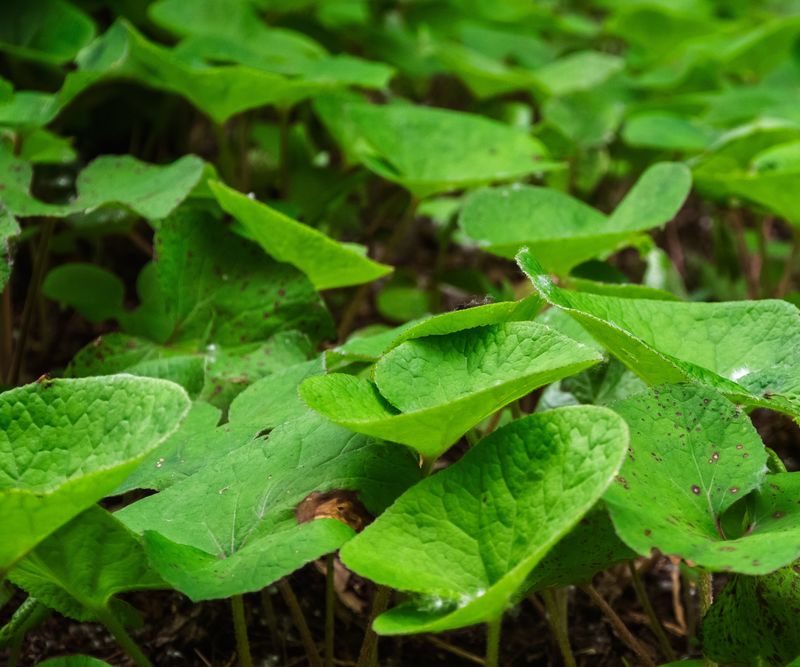
Anyone who has watched deer nibble their garden to nubs will cheer for this next fact. Wild ginger is naturally deer-resistant, so hungry visitors tend to leave it alone.
Even better, it keeps its leaves all season long. Many woodland plants fade or disappear by midsummer, but wild ginger stays green and full from spring through fall.
Once it settles in, the plant forms a thick, dense mat across the ground. That solid cover leaves little room for weeds to sprout and take over.
Fewer weeds means less work for you. Instead of pulling stubborn intruders all summer, you can simply enjoy your leafy carpet doing its job.
The steady foliage also protects the soil from washing away during heavy rain. Its roots and leaves work together to hold everything in place.
Gardeners who want a low-maintenance plant will find a loyal friend here. It asks for little and gives back plenty in return.
Picture a shady bed that stays neat, green, and weed-free without constant effort. That is exactly what an established patch of wild ginger provides.
For busy people or beginners, this reliable groundcover takes a lot of stress out of gardening while still looking wonderful.
7. Why It Outshines The Popular Hosta
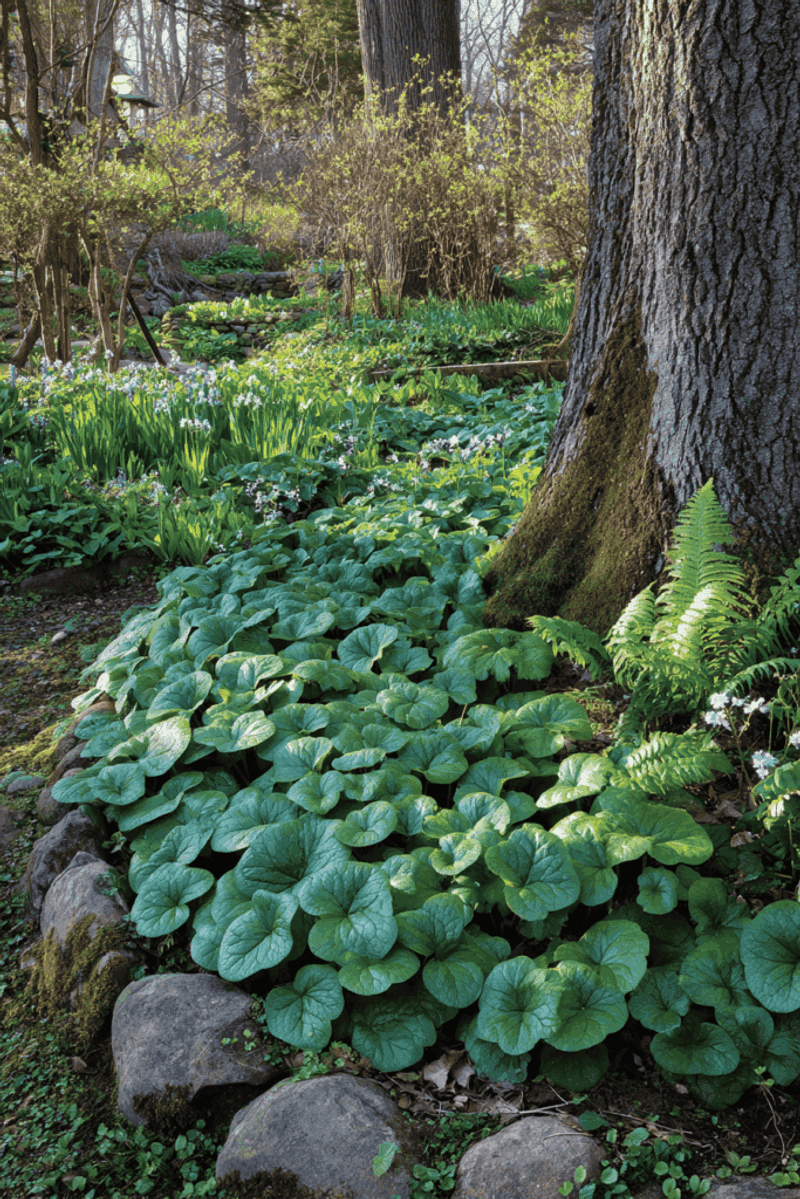
Hostas are everywhere in shady gardens, and they certainly look nice. But when it comes to helping nature, wild ginger runs circles around them.
Hostas mostly just fill space and offer a bit of shade. They give very little back to the insects, butterflies, and soil life that keep a yard healthy.
Wild ginger, on the other hand, feeds caterpillars, welcomes pollinators, and supports beneficial bugs. It works as part of a living community instead of standing alone.
Its roots and fallen leaves also improve the soil over time, adding richness that helps other plants nearby. That quiet gift keeps giving year after year.
Choosing wild ginger does not mean giving up beauty. Those heart-shaped leaves look just as lovely as any hosta, maybe even more charming.
Think of it as getting a plant that pulls double duty. It decorates your garden and helps the environment at the same time.
Swapping a few hostas for wild ginger is a small change that makes a real difference for local wildlife. Every patch counts.
If you want a shade plant that gives back to the world around it, wild ginger is the smarter, more generous choice by far.
8. A Natural Groundcover That Handles Ohio’s Seasons
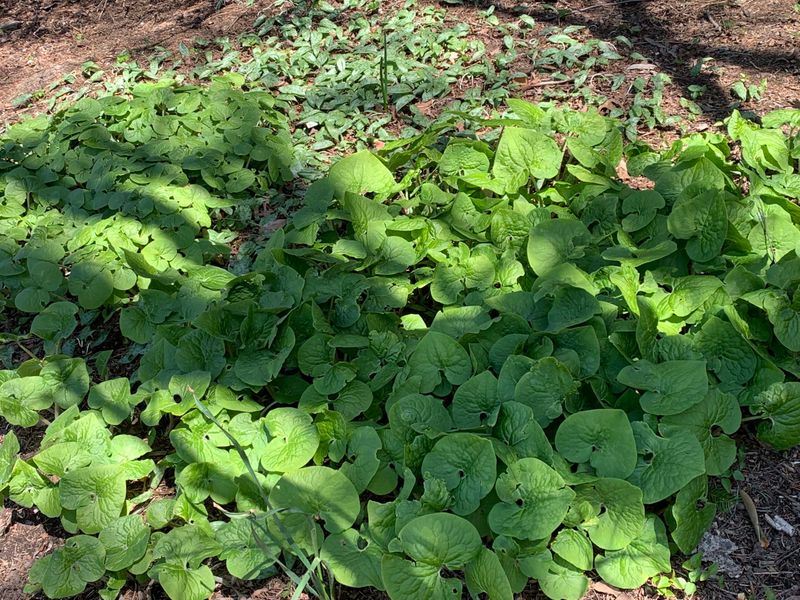
One of the best things about wild ginger is that it already understands the rhythm of Ohio weather. It has spent generations growing through the same changing seasons that your backyard experiences every year.
When spring arrives, the plant wakes up with fresh leaves that quickly spread across shady areas. During summer, those broad leaves help shade the soil and create a cooler environment beneath the canopy.
Then, as autumn arrives, the foliage slowly fades back and the plant settles underground until the next growing season.
That seasonal cycle makes wild ginger a wonderful choice for gardeners who want a landscape that feels natural instead of constantly needing attention. You do not have to fight its growth habits or force it to fit into a space where it does not belong.
In woodland gardens, beneath mature trees, or along shaded pathways, wild ginger blends into the environment beautifully. It creates the kind of layered look you often see in Ohio forests, where different plants work together instead of competing for attention.
The fact that it disappears during winter is not a weakness. It is part of what makes native plants so resilient.
Wild ginger rests when conditions become difficult and returns when the weather gives it another chance to grow.
For gardeners who want a plant that follows the seasons instead of struggling against them, wild ginger is a quiet but dependable choice.
9. How To Add Wild Ginger To Your Ohio Shade Garden
Adding wild ginger to your yard is not about creating an instant burst of color. It is about building a long-lasting patch of greenery that becomes more beautiful and useful with time.
The best place for wild ginger is a shady area that already feels a little like a woodland corner. Look beneath large trees, along north-facing sides of buildings, or anywhere that receives filtered sunlight instead of harsh afternoon heat.
Plant it in rich soil that holds moisture but still drains well. A layer of natural mulch or fallen leaves can help recreate the conditions wild ginger enjoys in the forest.
Once established, it can slowly spread through underground stems called rhizomes, gradually creating a fuller groundcover.
Give new plants some patience. Wild ginger is not the type of plant that takes over overnight, but that slower growth is part of its charm.
Over time, a few small plants can become a lush carpet that transforms an empty shady area into something that feels alive.
Pair it with other Ohio woodland natives like ferns, trilliums, or other shade-loving plants to create a garden that looks like it has always belonged there.
A single patch of wild ginger may seem like a small addition, but it represents a bigger idea. Every native plant you add helps bring a little more of Ohio’s natural landscape back into your own backyard.