What To Do If You Find A Black Widow While Stacking Firewood In Georgia
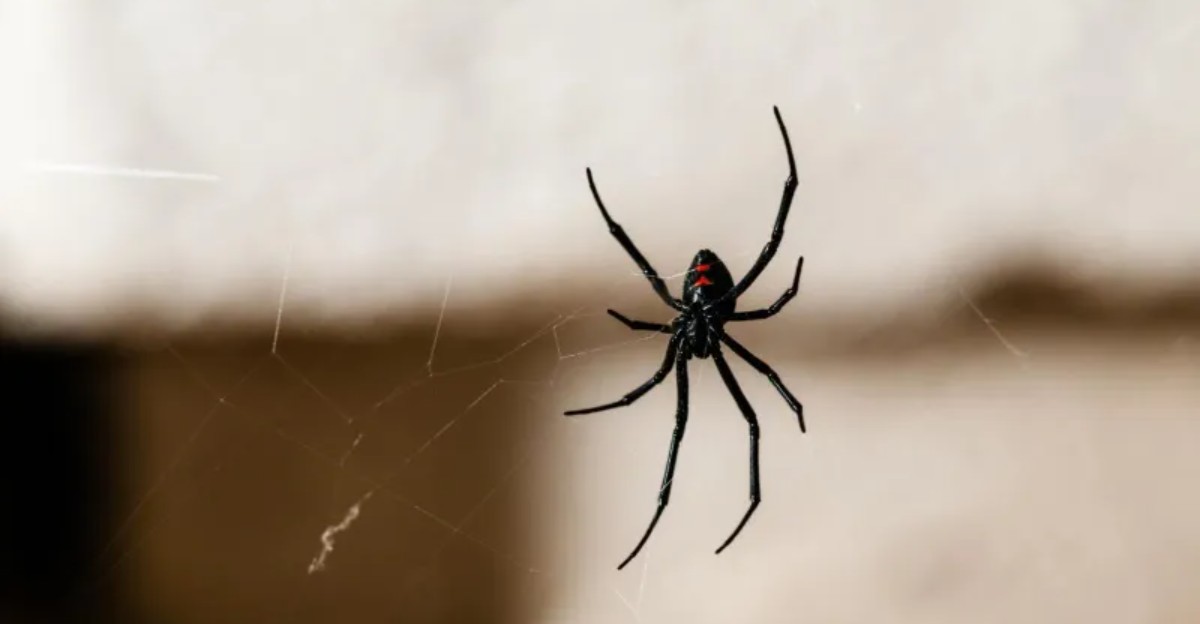
Reaching between two logs and finding a shiny black spider nearby can change your firewood plans in seconds. Your next move matters more than trying to finish the stack quickly.
Black widows favor sheltered spaces, which makes an undisturbed woodpile a place worth checking carefully.
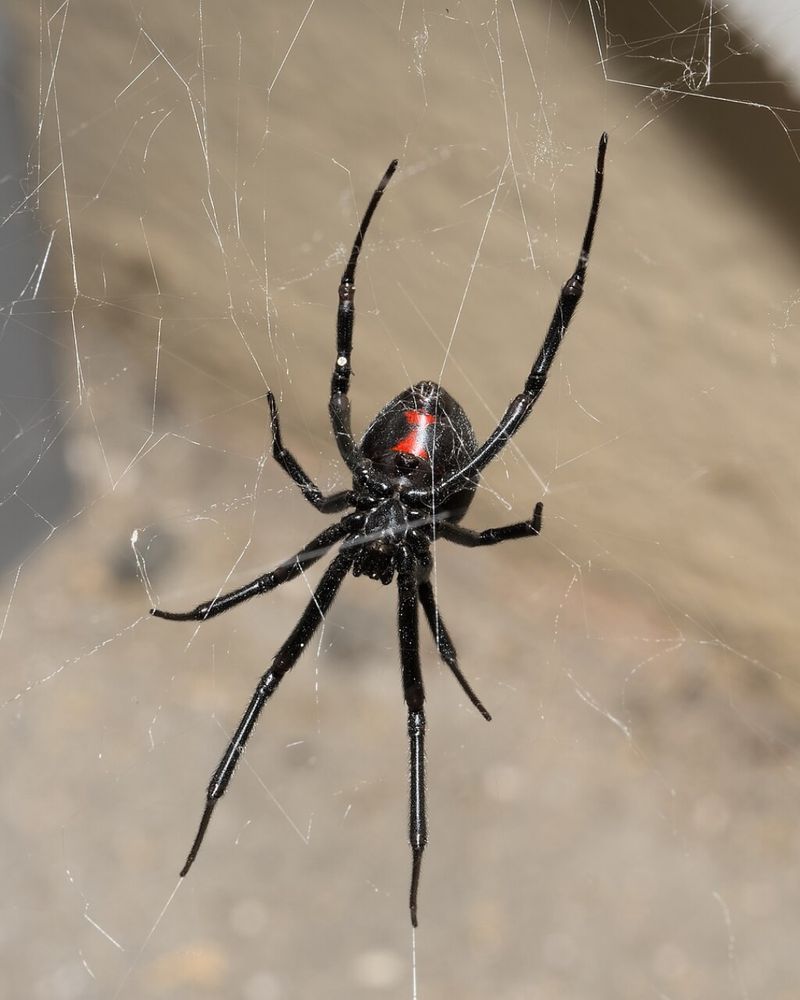
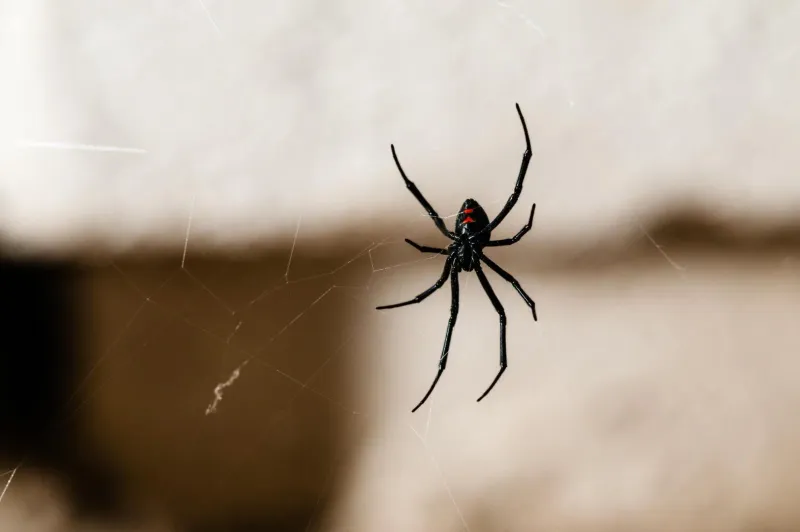
That does not mean every dark spider deserves the same reaction. In Georgia, knowing the markings of a black widow helps you respond without guessing or getting unnecessarily close.
Once you recognize what you found, leave enough space to handle the situation safely.
Moving logs with bare hands or reaching into hidden gaps can put you closer than necessary. Simple precautions can make the job much safer without turning the woodpile into a major problem.
Know what to do next, and you can handle the discovery calmly.
1. Do Not Reach Back Into The Woodpile Right Away
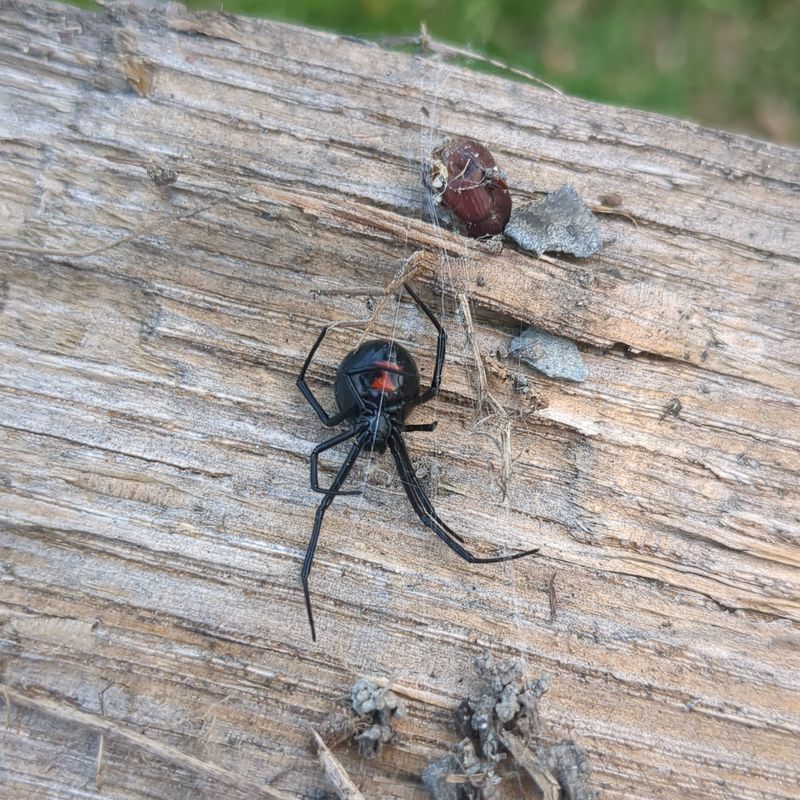
Finding a black widow between two logs is a good reason to stop what you are doing. Pull your hands away slowly, then give yourself enough room to see the area without leaning over the pile.
Black widows usually stay in sheltered places rather than chasing after you.
The bigger concern comes from putting a hand into the same dark gap where the spider is hiding and leaving it little room to escape.
In Georgia, firewood stacks can provide plenty of protected cracks where these spiders remain out of sight. Once you spot one, assume nearby gaps may also deserve a careful look before you continue moving wood.
Watch where the spider goes, but do not poke into the opening with your fingers. If it disappears beneath bark or between logs, leave that section alone until you can approach it with better visibility and proper protection.
When you are ready to continue, move pieces with a fireplace tool, rake, or another long-handled tool first. This gives you distance while exposing hidden surfaces.
Taking an extra minute here is much easier than dealing with a bite. The stack can wait until you have a safer way to continue.
2. Black Widows Choose Dark Spaces Between Logs For Shelter
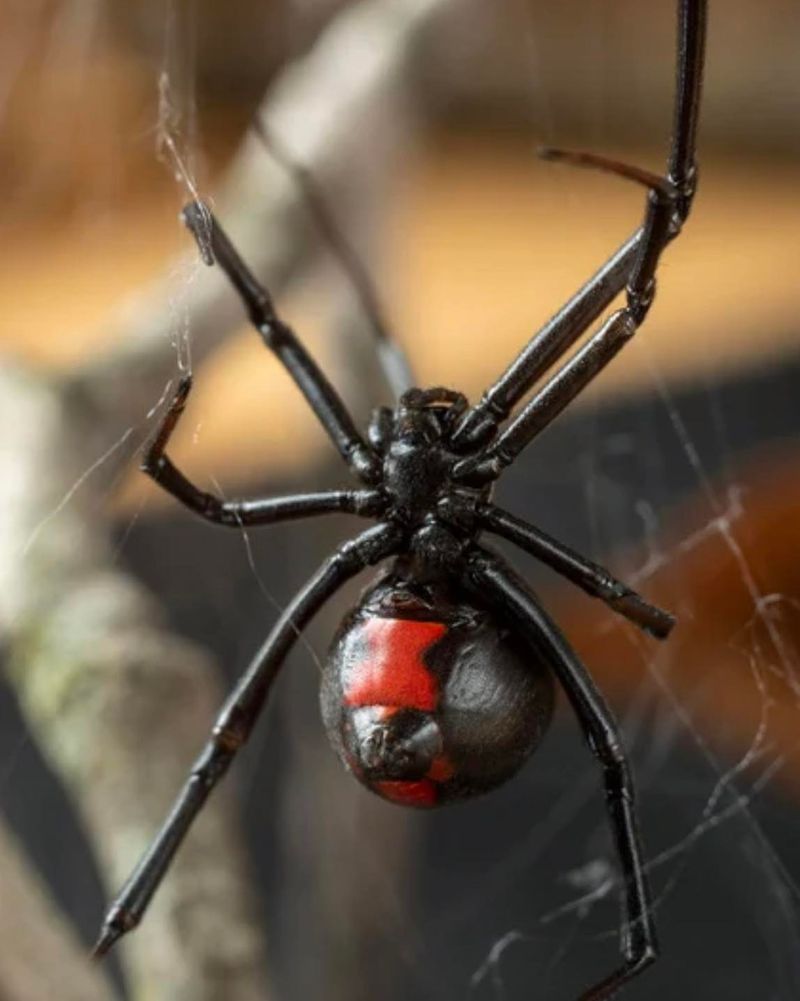
A firewood pile offers exactly the kind of cover a black widow can use. Narrow gaps stay shaded, protected from weather, and relatively quiet, especially when the same logs have been sitting untouched for weeks.
That is why finding one spider should make you pay closer attention to the structure of the pile. Loose bark, deep cracks, and spaces where two logs meet can all provide sheltered spots that are easy to miss.
Black widow webs can also offer a clue before you see the spider itself. Their webs are usually irregular and tangled rather than the neat, circular webs associated with many familiar yard spiders.
In Georgia, outdoor woodpiles may remain useful shelter through much of the year because the climate gives spiders a long active season.
Use a flashlight when the gaps are too dark to inspect clearly. Look beneath loose bark and around the lower portions of the stack without placing your fingers into spaces you cannot see.
Your Georgia Garden Changes Every Week. Your Plan Should Too.
Gardening in Georgia changes quickly throughout the season. Every Friday you’ll receive a simple weekly plan showing exactly what to plant, prune, fertilize, harvest, and protect so you never miss the right timing.
Once you understand why the pile appeals to them, the discovery feels less mysterious. It also gives you a clear reason to inspect first and grab a log only after checking what is around it.
3. Give The Spider Space Instead Of Trying To Handle It
Before you return to the woodpile, cover the skin most likely to brush against bark or hidden webbing. Sturdy work gloves and long sleeves create a useful barrier when you are lifting, turning, or carrying logs.
Long pants and closed-toe shoes are worth adding as well.
Firewood can shift unexpectedly, and spiders may be tucked underneath pieces near your hands, wrists, ankles, or feet.
In Georgia, warm September weather can make heavy clothing uncomfortable, so choose tightly woven work clothes that still allow you to move easily. Protection does not need to feel bulky to be useful around a woodpile.
Check your gloves before sliding your hands inside them, especially if they have been stored in a shed, garage, or outdoor bin.
Gloves are helpful, but they should never become a reason to reach blindly into a dark opening. Thick material lowers the chance of direct skin contact, yet careful handling remains the more important habit.
Pick logs up from surfaces you can see whenever possible. If bark is loose, turn the piece with a tool first and inspect underneath.
Good clothing adds protection, while careful habits keep you from relying on it alone.
4. Work Gloves And Long Sleeves Add Important Protection
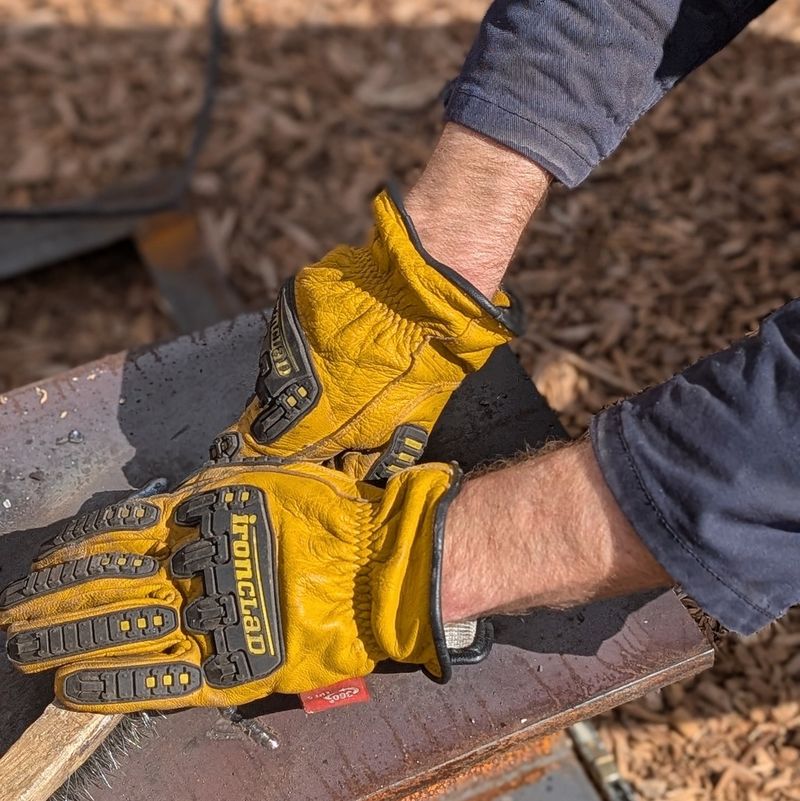
Before you return to the woodpile, cover the skin most likely to brush against bark or hidden webbing. Sturdy work gloves and long sleeves create a useful barrier when you are lifting, turning, or carrying logs.
Long pants and closed-toe shoes are worth adding as well. Firewood can shift unexpectedly, and spiders may be tucked underneath pieces near your hands, wrists, ankles, or feet.
In Georgia, warm September weather can make heavy clothing uncomfortable, so choose tightly woven work clothes that still allow you to move easily. Protection does not need to feel bulky to be useful around a woodpile.
Check your gloves before sliding your hands inside them, especially if they have been stored in a shed, garage, or outdoor bin.
Gloves are helpful, but they should never become a reason to reach blindly into a dark opening. Thick material lowers the chance of direct skin contact, yet careful handling remains the more important habit.
Pick logs up from surfaces you can see whenever possible. If bark is loose, turn the piece with a tool first and inspect underneath.
Good clothing adds protection, while careful habits keep you from relying on it alone.
5. Inspect Each Log Before Picking It Up Again
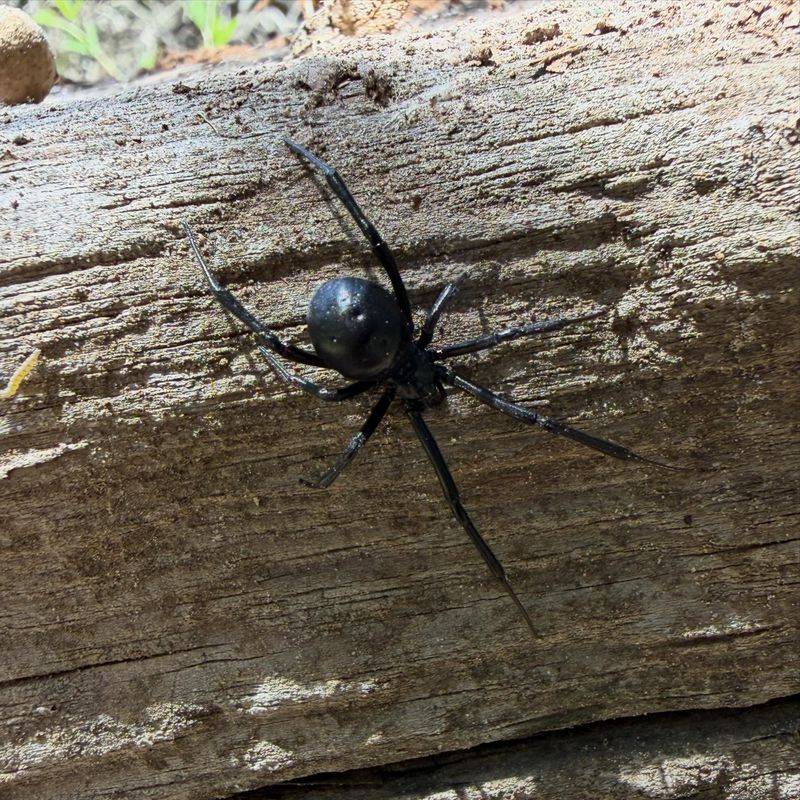
After finding one black widow, treat each nearby log as something to inspect before you grab it. Start with the surfaces you can see, then use a tool to turn the wood so the hidden side comes into view.
Pay close attention to loose bark, deep cracks, knot holes, and narrow spaces where webbing collects. Black widows can remain tucked into these areas while nearby pieces are moved.
Their tangled webbing may be easier to notice than the spider itself. Shine a flashlight across darker gaps at an angle, since strands can become more visible when light catches them.
In Georgia, a woodpile can also shelter many harmless spiders and other small creatures, so do not assume every web belongs to a black widow. Look for clear identifying features before deciding what you have found.
If one log has suspicious webbing or a spider hidden beneath the bark, set it aside using a tool rather than holding it close to your body.
Continue the same routine as you work through the stack. Turning first, looking carefully, and lifting second may feel slower, but it keeps hidden surfaces from becoming an unpleasant surprise in your hands.
6. A Cleaner Woodpile Leaves Spiders Fewer Places To Hide
Once the immediate problem is handled, take a look at how the firewood is stored. A pile surrounded by weeds, fallen leaves, loose boards, and peeling bark offers many sheltered spaces beyond the gaps between logs.
Cleaning up that clutter makes the area easier to inspect every time you need wood. It also removes some of the quiet cover spiders can use around the base and edges of the stack.
In Georgia, keeping vegetation trimmed around stored firewood can be especially useful during the long warm season.
You can see your footing and spot webbing sooner.
Raise firewood off the ground on a rack or sturdy support when practical. Keeping the stack organized and away from the exterior wall of your home also makes both sides easier to check.
Do not pack every piece so tightly that you cannot see where your hands are going. Accessible edges are easier to handle carefully than a leaning pile full of debris.
Even a tidy woodpile can still attract a spider from time to time. The goal is not to promise a spider-free stack, but to reduce hidden cover and make each future trip for firewood easier to manage safely.
7. Know What To Do If A Bite Happens
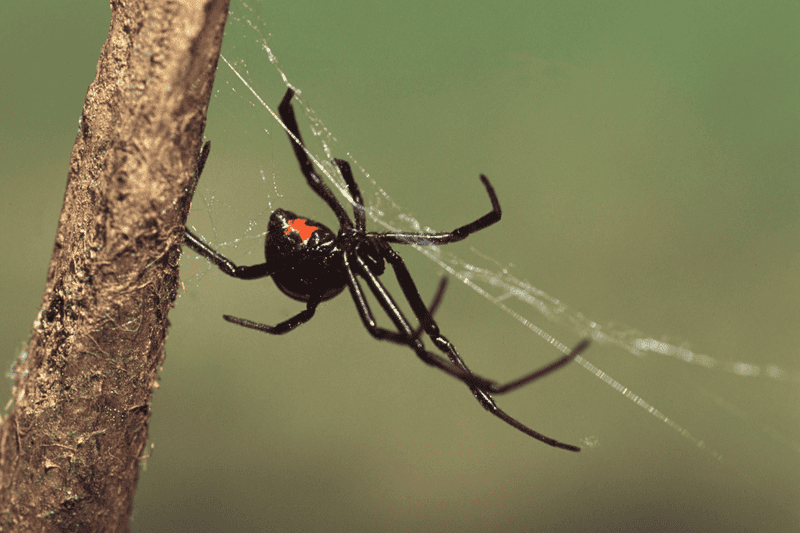
If you think a black widow has bitten you, stop handling the firewood and move to a safe place. Wash the bite area with soap and water, then apply a wrapped cold pack for short periods to help with discomfort and swelling.
Do not cut the skin, squeeze the bite, or try to remove venom yourself.
Keep the area still while you arrange medical guidance.
Black widow bites can cause pain, and symptoms may become widespread. Muscle cramping, abdominal pain, nausea, sweating, weakness, or breathing problems deserve prompt medical attention.
In Georgia, you can contact a medical professional or Poison Control for guidance based on the symptoms and circumstances. Call emergency services if severe symptoms develop, especially for breathing trouble or rapidly worsening symptoms.
If the spider is still visible, do not risk another bite trying to capture it. A clear photo taken from a safe distance can be useful for identification, but your safety comes first.
Note when the bite occurred and how symptoms change afterward. That information can help a medical professional.
Quick, sensible action matters far more than trying home remedies or waiting to see whether strong symptoms simply pass.