The Most Useful Native Shrub You Can Plant In Georgia
One shrub can solve several garden needs without demanding the spotlight every month of the year. That kind of versatility is worth considering before your next planting.
The best choice is not simply the shrub with the biggest flowers or boldest foliage.
Think about what the plant contributes after blooming ends and the seasons continue changing. For Georgia gardens, a well chosen native can offer lasting value while fitting naturally into the local landscape.
That makes usefulness a much bigger idea than appearance alone.
The right shrub can earn its space through changing weather and different stages of growth. Choose according to your yard, and those benefits can continue long after planting day.
Before buying another familiar favorite, discover which native shrub may quietly become one of your hardest working plants.
1. One Native Shrub Can Solve Several Yard Problems At Once
Most yards have a problem corner. Maybe it stays wet after rain, or it faces a neighbor’s driveway, or nothing planted there has ever looked right.
Wax myrtle tends to handle those awkward spots better than most nursery shrubs. Its roots tolerate periodic wetness, and the foliage fills in thickly enough to block a view.
Gardeners across Georgia often use it as a fix-all when they run out of ideas.
Part of the appeal is that you get several benefits from one purchase. Screening, evergreen color, wildlife food, and erosion control come bundled together rather than requiring four different plants.
Growth is quick by shrub standards, often a couple of feet a year in decent conditions.
That speed matters when you want privacy sooner rather than five seasons from now. Results will vary with soil, water, and how much sun the spot gets.
Another practical point is maintenance. Established plants rarely need supplemental watering except during long droughts, and pests seldom cause serious trouble.
Deer usually pass it by, though hungry deer in winter will sample almost anything.
Rub a leaf between your fingers and you will smell a spicy, bayberry-like scent. That aromatic oil is part of why browsing animals and many insects keep their distance.
One shrub, several jobs handled, which is exactly what busy homeowners want.
2. Wax Myrtle Brings Year Round Greenery To The Landscape
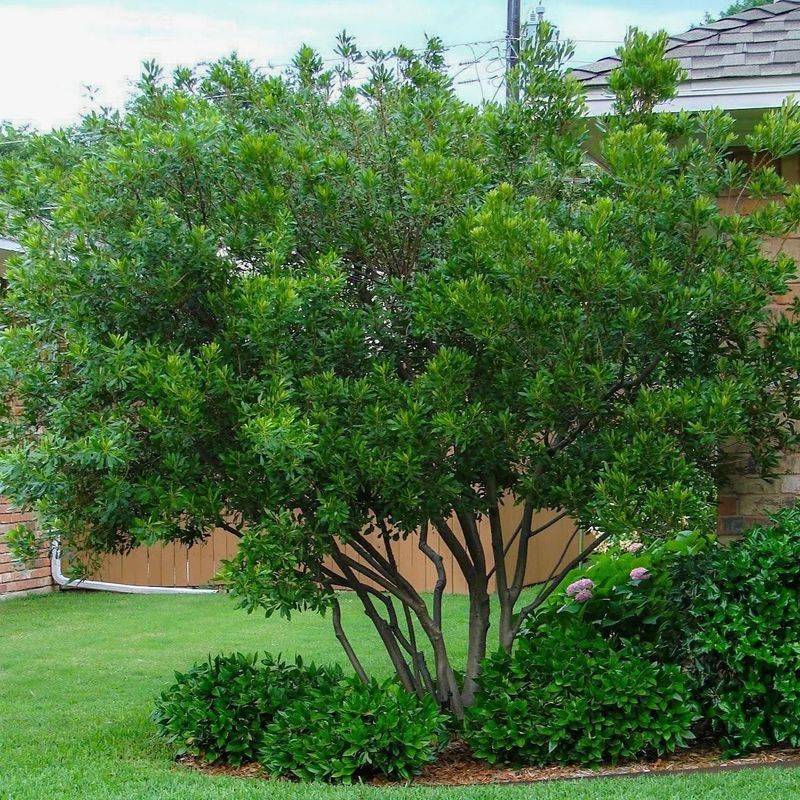
Winter yards can look bare fast. Wax myrtle stays leafy when maples and crepe myrtles have dropped everything and gone gray.
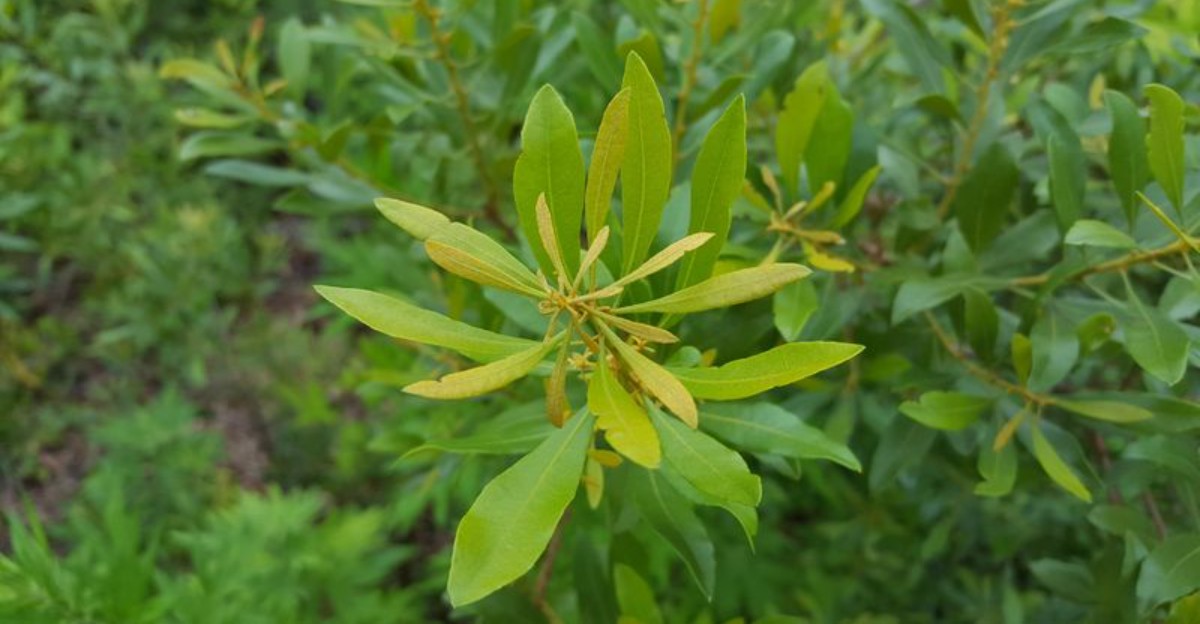
Leaves are narrow, olive-green, and slightly leathery, with a faint sheen that catches low winter light.
Cold snaps in north Georgia may cause some leaf browning during unusually harsh winters, especially on young plants. Established shrubs typically push fresh growth again in spring.
Because the foliage holds through the cold months, the shrub anchors beds that otherwise look empty from December to March. Pair it with deciduous plants and the bed keeps structure all year.
Color stays consistent rather than shifting dramatically with the seasons.
Gardeners sometimes use it as a backdrop for perennials, letting the steady green make flower colors pop. Coneflowers, black-eyed Susans, and asters all look sharper against it.
Your Georgia Garden Changes Every Week. Your Plan Should Too.
Gardening in Georgia changes quickly throughout the season. Every Friday you’ll receive a simple weekly plan showing exactly what to plant, prune, fertilize, harvest, and protect so you never miss the right timing.
New spring growth comes in a lighter shade before deepening.
Worth knowing: wax myrtle is technically semi-evergreen in colder zones, so leaf drop can happen after a rough freeze. That is normal and rarely a lasting setback.
Avoid heavy pruning in late fall, since fresh growth going into a freeze is more vulnerable.
If evergreen texture matters to you, few native options give this much presence for the money. It looks good in January, which is more than most shrubs can claim.
3. Dense Growth Makes It Useful For Privacy And Screening
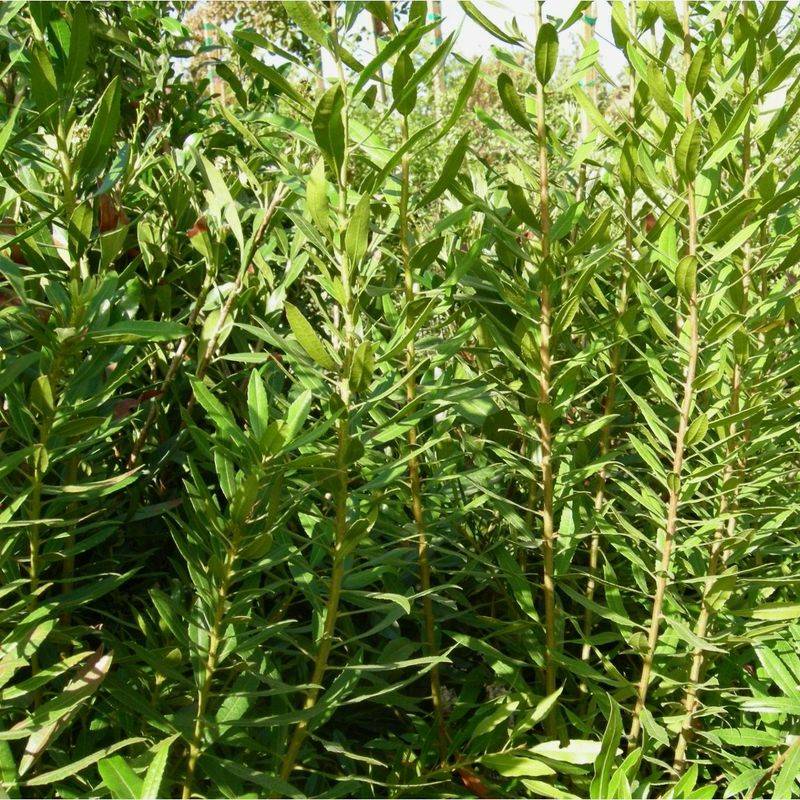
Want a living fence without waiting a decade? Wax myrtle grows thick and tall enough to do the job in a reasonable stretch of time.
Mature plants commonly reach ten to fifteen feet, sometimes taller in favorable spots. Width often runs eight to ten feet, so give each plant room.
Spacing around five to eight feet apart usually creates a solid screen as branches knit together.
Density improves with light pruning while the plant is young. Tipping back new growth encourages branching low on the plant instead of leggy stems up top.
Skip that step and you may end up with a see-through hedge and bare ankles.
Some homeowners in Georgia let theirs grow into small multi-trunk trees instead, removing lower limbs for a sculpted look. Both approaches work, but pick one early and stay consistent.
Screening performance depends on sun exposure. Plants in deep shade stretch and thin out, which weakens the barrier you were after.
Noise reduction is modest at best, so treat any hedge as a visual screen rather than a sound wall.
Wind protection is a real bonus in open yards, especially along property edges. Branches flex rather than snap during storms.
Give it a few seasons and that row of small shrubs turns into a wall of green you barely have to think about.
4. Small Berries Provide A Valuable Food Source For Birds
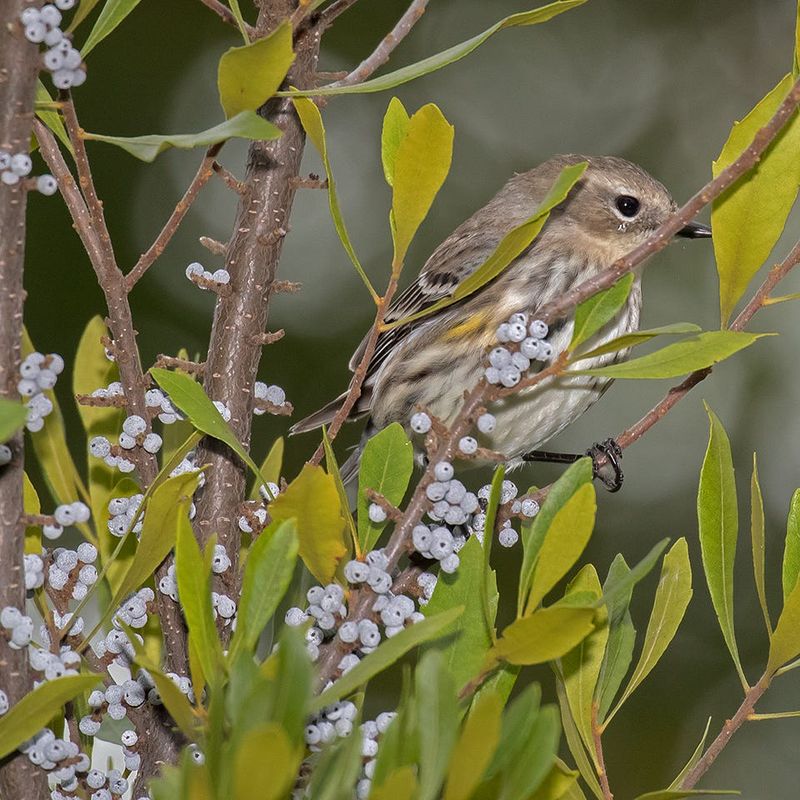
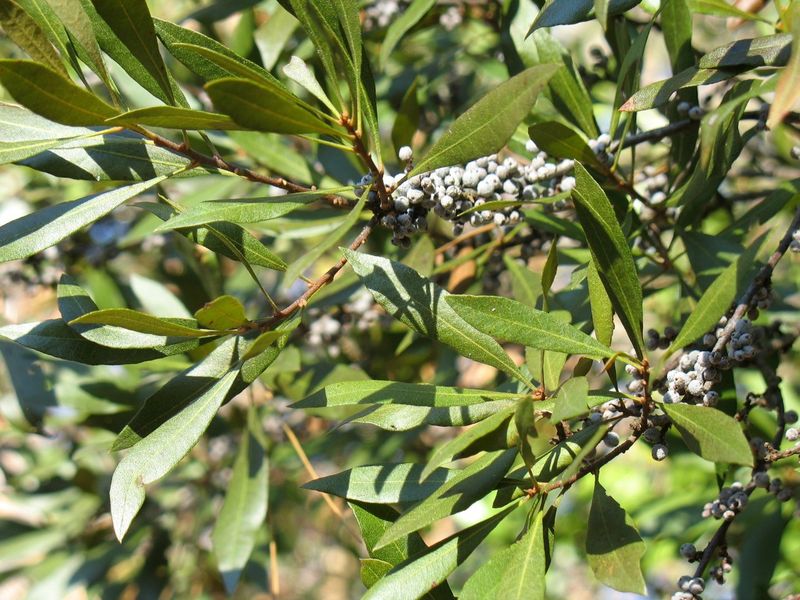
Birds notice this shrub long before people do. Female wax myrtles produce clusters of tiny blue-gray berries coated in waxy resin.
Yellow-rumped warblers are famous for feeding on them, which is how the bird earned the old nickname myrtle warbler.
Berries hang on through winter, offering calories when insects are scarce and other fruit has been stripped clean.
Only female plants set fruit, since wax myrtle has separate male and female plants. Nurseries do not usually label them, so buying a few plants improves your odds of getting fruit.
Pollination happens by wind, and a male somewhere nearby helps considerably.
Beyond food, the dense interior gives songbirds cover from hawks and cats. Cardinals and mockingbirds often nest inside the tangle of branches.
Backyard birders in Georgia frequently plant a cluster near feeders for that reason.
Historically, the waxy berry coating was boiled down to make bayberry candles. It takes a huge quantity of berries for a single candle, so it was never a casual project.
Fruit set varies year to year depending on weather during bloom.
Do not spray insecticides near a shrub you want birds to use, since insects on the foliage feed nestlings in spring. Leaving the plant alone is usually the best management plan.
5. It Adapts To Both Damp And Fairly Dry Ground
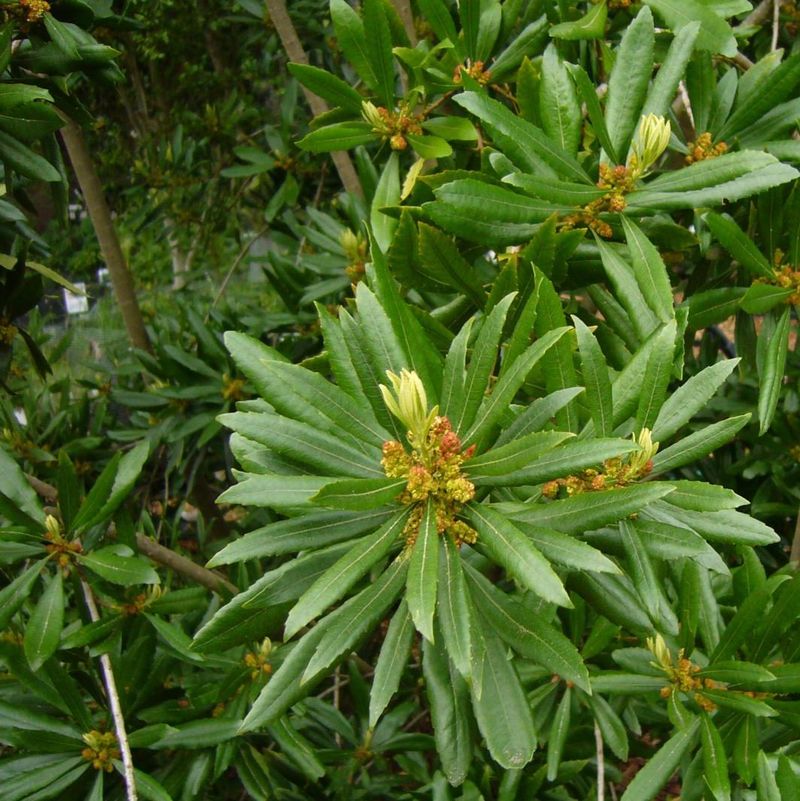
Soggy ground ruins most shrubs. Wax myrtle grew up in the coastal plain along ditches, pond edges, and low woods, so wet feet do not bother it much.
Plant it in a drainage swale and it will often thrive where azaleas rot.
Drought tolerance is the surprising half of the equation. Once roots are established, usually after a full growing season, the shrub handles dry spells reasonably well.
Heavy red clay is common across much of Georgia, and wax myrtle tolerates it better than many ornamentals. Compacted clay still benefits from loosening the planting hole edges.
Skip deep amendments that create a bathtub effect in the hole.
Sandy soil near the coast works too, though those plants may want water more often during a hot stretch. Mulch a few inches deep and keep it off the trunk.
Salt spray tolerance makes it a solid pick for coastal yards.
Roots fix nitrogen through a partnership with soil bacteria, which is why the shrub does fine in poor ground. Fertilizer is rarely necessary and heavy feeding can push weak, floppy growth.
Water new plants weekly through the first summer, more during a serious dry run.
Extremes still have limits, so a spot that stands underwater for weeks is asking too much of any shrub.
6. Sun Or Light Shade Can Both Work For This Shrub
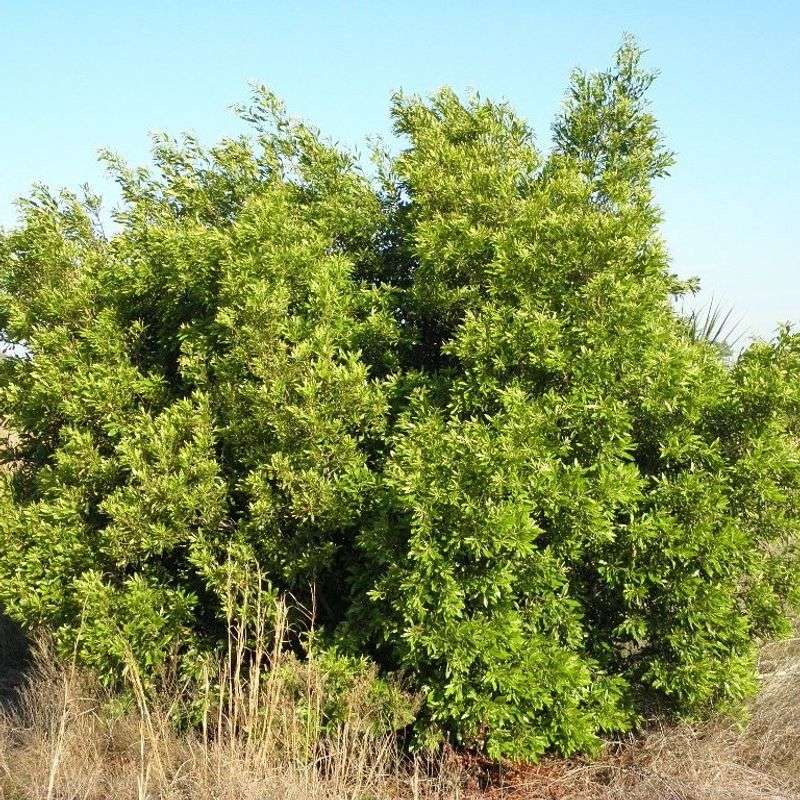
Flexibility with light is where wax myrtle really earns its keep. Full sun produces the tightest, bushiest growth and the heaviest berry crop.
Partial shade still works, though plants stretch toward the light and grow looser.
Under mature pines and oaks, expect an open, airy shape rather than a solid green wall. Some gardeners actually prefer that look and prune it into a small tree.
Deep shade is the real limit, since thin growth and sparse foliage follow.
Six hours of direct sun is a reasonable target for hedge use. Less than that and you may need closer spacing to close the gaps.
Hot afternoon exposure rarely causes problems here, even during the worst of a Georgia July.
Reflected heat from driveways and brick walls is handled better than by most broadleaf evergreens. Water more often during the first year in those spots.
East-facing beds give morning sun and afternoon relief, which suits the plant nicely.
Keep in mind that light changes over time as nearby trees grow. A shrub planted in full sun ten years ago may be sitting in shade today, and thinning growth is often the first clue.
Selective limb removal overhead can restore density without moving anything. Otherwise, relocating a young plant in late winter is usually manageable.
7. The Right Location Can Turn It Into A Long Term Landscape Staple
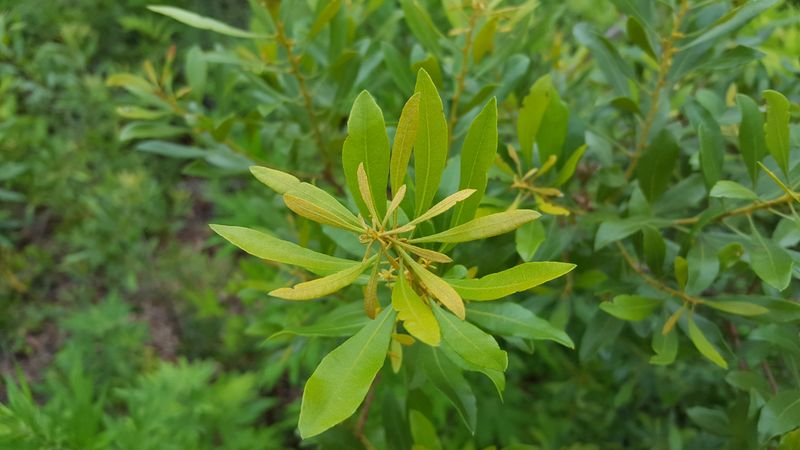
Placement decides whether you love this shrub or fight it. Wax myrtle spreads by suckers and can wander well beyond where you planted it.
Give it space away from patios, septic fields, and tight foundation beds.
Property lines, back fences, and slopes suit it far better than a narrow strip by the front door. Roots hold soil on banks and reduce washing during heavy rain.
Suckering can be managed by mowing around the base or pulling shoots each spring.
Plan for mature size instead of the pot size at the nursery. A one-gallon plant looks harmless and can reach twelve feet with real width.
Fall and early spring are the easiest planting windows across Georgia, giving roots time before summer heat arrives.
Prune in late winter if you want to shape it, cutting back to a branch rather than shearing flat. Sheared plants get thick outer shells and hollow middles.
Old, overgrown specimens usually respond well to hard renewal pruning.
Lifespan runs long enough that these often outlast the people who planted them, though storms and site conditions play a role.
Choose the spot carefully, water it through year one, and mostly leave it alone after that. Few shrubs give back so much for so little ongoing effort.