What Georgia Boxwoods Need In September Before Cooler Fall Weather Arrives
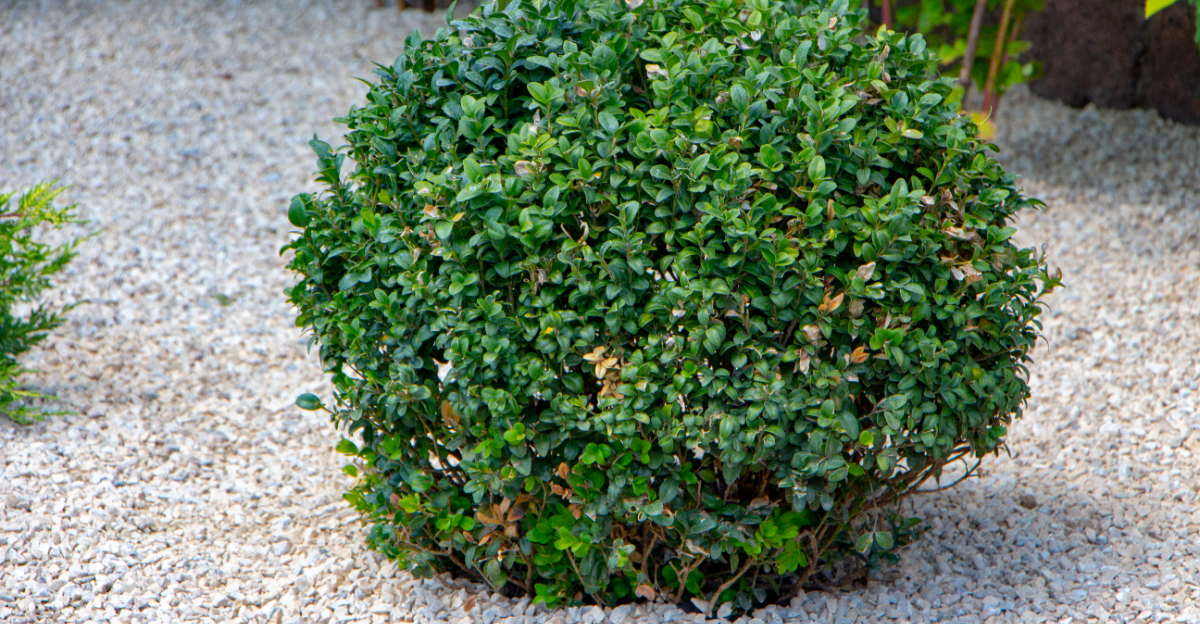
Your boxwoods may still look perfectly fine in September, but this month can shape how well they handle the changing season. Small care choices now can prevent unnecessary stress later.
Georgia weather often stays warm well into September, so do not treat your shrubs like fall has fully arrived. Pay attention to what the plants are actually showing you.
Check the soil before reaching for the hose, especially after stretches of dry weather. Boxwoods need steady moisture, but constantly wet roots can create other problems.
Resist making major changes just because summer is winding down. Healthy shrubs benefit from consistent care rather than sudden attention.
Cooler weather will gradually change what your boxwoods need.
Give them the right support now, and they can enter fall in far stronger, healthier shape.
1. September Is When Boxwood Care Starts To Change
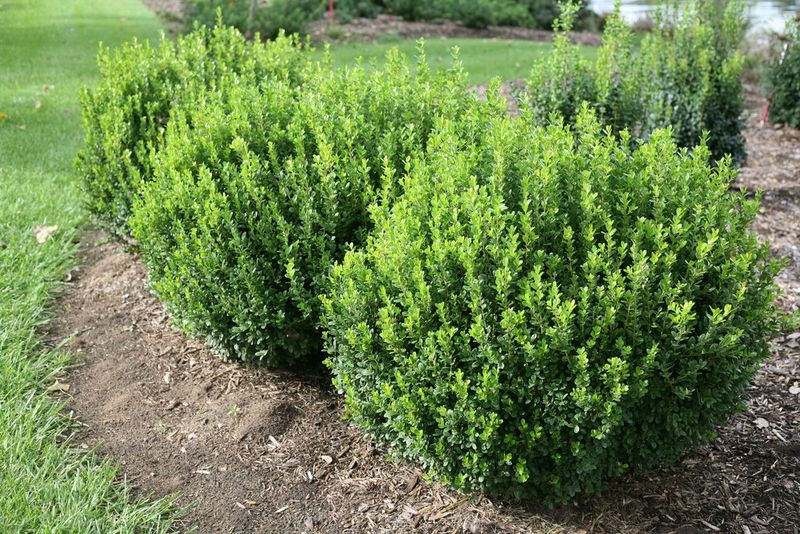
Boxwoods do not send out obvious warning signs when they need attention. By the time something looks wrong, the problem has usually been building for weeks.
September is the month where catching up on care actually pays off.
In Georgia, the heat does not vanish overnight. Temperatures in early September can still push into the upper 80s.
Boxwoods are still actively stressed from summer, and that stress carries forward if nothing is done.
Roots are quietly working even when the tops of the plant look fine. Giving them the right support now helps the whole shrub transition smoothly.
Think of September as a reset month, not a rest month.
Checking your boxwoods for signs of leaf scorch, thinning, or discoloration is a smart first step. Catching small issues early gives you more options.
Waiting until October means cooler temps have already slowed the plant’s ability to recover.
Boxwood care in fall is less about doing more and more about doing the right things. Watering, mulching, and holding back on certain tasks matter most right now.
A calm, steady approach this month sets the stage for a strong-looking shrub all season long.
2. Keep The Soil Moist When Dry Weather Continues
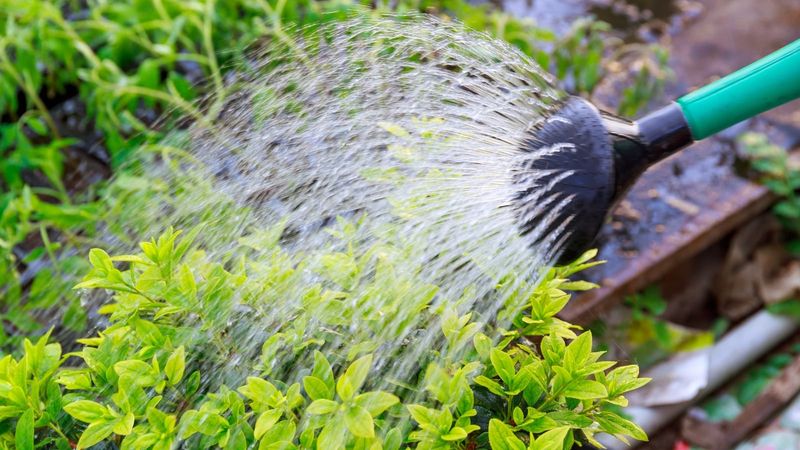
Dry soil in September can do real damage to boxwoods before most people even notice a problem. Shallow roots are especially vulnerable when late-summer heat lingers and rain stays scarce.
Boxwoods prefer consistent moisture, not soggy ground. Watering deeply once or twice a week tends to work better than light, frequent sprinkles that barely reach the root zone.
Checking the soil a few inches down before watering helps avoid overdoing it.
Sandy soils drain fast and may need more frequent watering. Clay-heavy soils hold moisture longer but can also suffocate roots if waterlogged.
Knowing your soil type makes a big difference in how often you water.
Early morning is the best time to water. Moisture has time to soak in before afternoon heat pulls it back out.
Evening watering leaves foliage damp overnight, which can encourage fungal problems.
A simple finger test works well. Push your finger about two inches into the soil near the shrub.
If it feels dry at that depth, it is time to water. If it feels cool and slightly damp, you can likely wait another day or two.
Your Georgia Garden Changes Every Week. Your Plan Should Too.
Gardening in Georgia changes quickly throughout the season. Every Friday you’ll receive a simple weekly plan showing exactly what to plant, prune, fertilize, harvest, and protect so you never miss the right timing.
Consistent watering through September helps roots stay active and strong. Well-hydrated boxwoods handle the shift to cooler fall weather much more smoothly than stressed, dry ones do.
3. Fresh Mulch Helps Protect The Roots As Fall Approaches
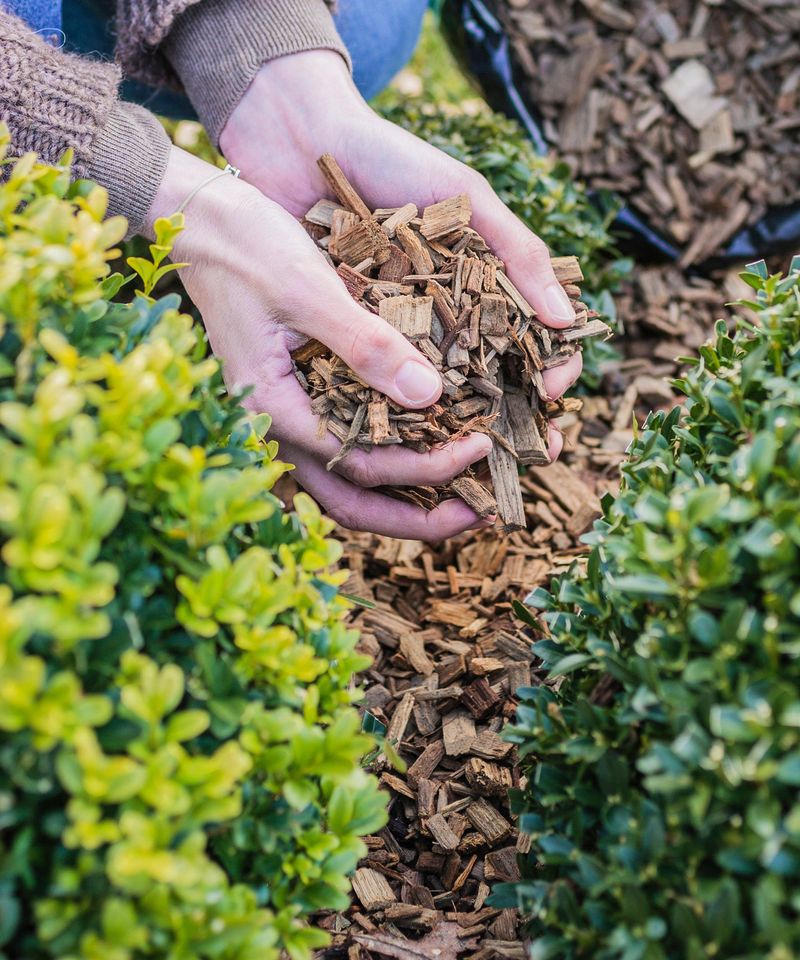
Mulch might be the most underrated tool in a boxwood grower’s toolkit. A fresh layer applied in September does several things at once, and none of them are complicated.
Root temperatures stay more stable under a good layer of mulch. As nights start to cool, that buffer helps roots avoid the stress of rapid temperature swings.
Boxwoods respond well to consistent conditions.
Moisture retention is another big benefit. Mulch slows evaporation from the soil surface, which means less frequent watering during dry stretches.
That matters a lot when September rain is hit or miss.
Aim for about two to three inches of mulch around each shrub. Keep it pulled back an inch or two from the main stem.
Mulch piled directly against the stem can trap moisture and lead to rot over time.
Pine straw, shredded hardwood, and wood chips all work well. Pine straw is especially common in the Southeast and breaks down slowly.
Whichever material you choose, fresh mulch looks tidy and signals to neighbors that someone is paying attention.
Skipping mulch in fall is a missed opportunity. Roots that stay protected through temperature changes tend to recover faster in spring.
A bag or two of fresh mulch now is a small investment with a solid return come March.
4. Skip Heavy Pruning This Late In The Growing Season
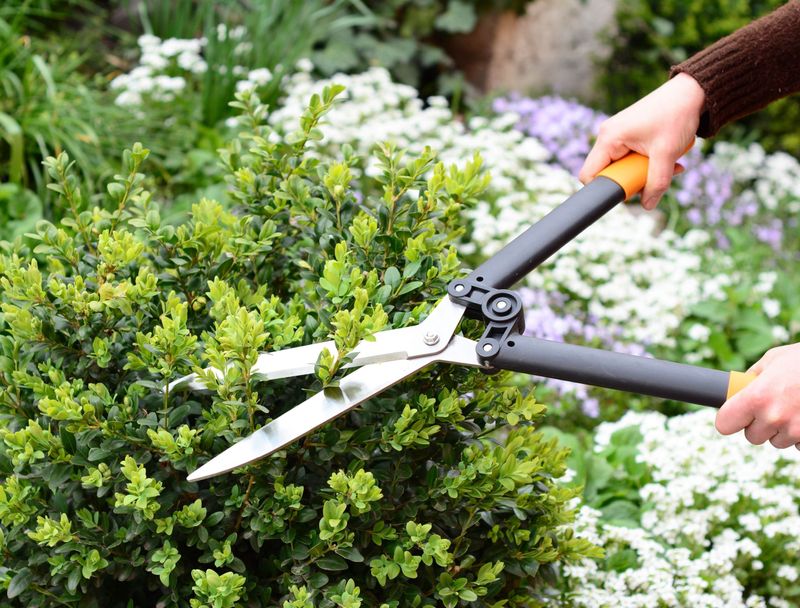
Grabbing the pruning shears in September feels productive, but cutting too much now can backfire. Heavy pruning late in the season pushes boxwoods to produce new growth at exactly the wrong time.
Fresh growth that emerges in September or October is soft and tender. It has not had enough time to toughen up before cold nights arrive.
That new growth is much more likely to suffer damage when temperatures drop.
Light shaping is fine. Clipping a few stray branches or tidying up an uneven edge will not cause problems.
What to avoid is removing large amounts of foliage or cutting back hard into older wood.
Major pruning is best saved for late winter or very early spring, just before new growth begins. Doing it then gives the plant a full growing season to recover and fill in properly.
September pruning does not allow that recovery window.
Some gardeners feel pressure to neaten things up before fall. Light trimming to remove damaged or crossing branches is reasonable.
Going beyond that is where the risk increases.
Patience pays off here. Leaving boxwoods mostly alone in September protects the energy they have stored from summer.
Healthy stored energy is what fuels strong new growth when warm weather returns in spring.
5. Hold Back On Fertilizer That Pushes Fresh Growth
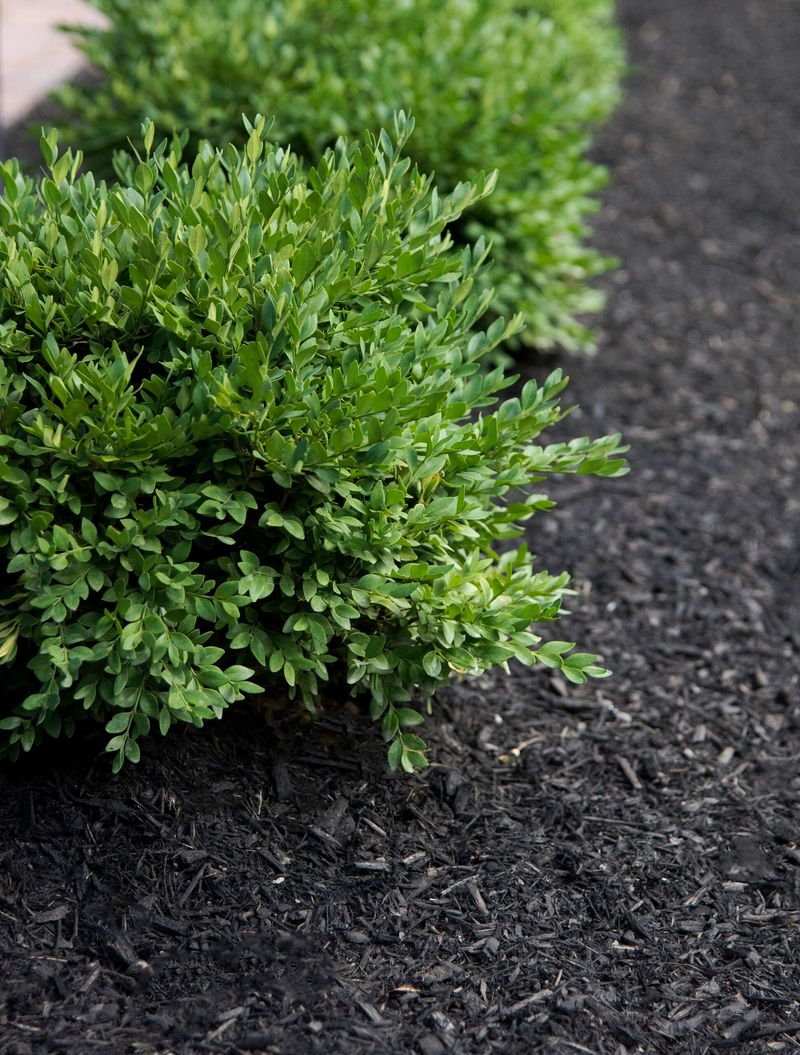
Fertilizer feels like a helpful thing to reach for, but timing matters more than most people realize. Applying a nitrogen-heavy fertilizer in September can push boxwoods into a growth surge they are not ready for.
New growth that appears in fall is not the same as spring growth. It is soft, quick, and has very little time to harden before cooler temperatures settle in.
That makes it far more vulnerable to cold injury than growth produced earlier in the year.
If you fertilized in spring or early summer, your boxwoods likely have enough nutrients to carry them through. Healthy soil with good organic matter holds nutrients well into the fall season.
An extra application right now is usually not necessary.
Slow-release fertilizers applied earlier in the season continue feeding gradually over several months. Checking when your last application was made helps you avoid accidental overfeeding.
Overlapping applications can cause more harm than skipping one entirely.
If you feel your boxwoods are genuinely struggling and underfed, a soil test is the most reliable way to confirm what is actually needed. Guessing at nutrient deficiencies can lead to applying the wrong thing at the wrong time.
Holding back on fertilizer in September is a form of care, not neglect. Letting the plant slow down naturally is exactly what prepares it for a healthy, stable fall and winter ahead.
6. Keep Water Off The Leaves To Lower Disease Risk
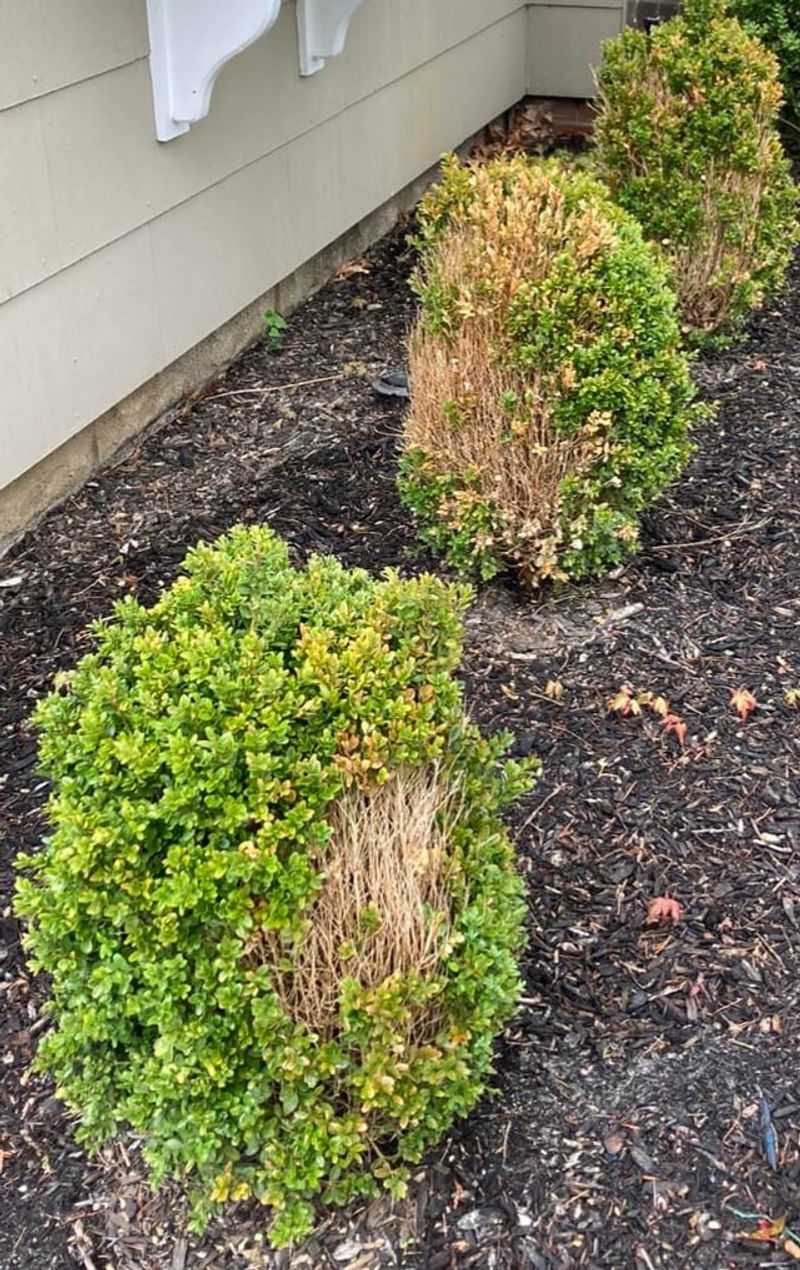
Wet leaves and warm nights are a recipe for fungal trouble on boxwoods. September in the South still brings plenty of humidity, which makes proper watering technique especially important this time of year.
Boxwood blight and other fungal issues spread quickly when foliage stays damp for extended periods. Overhead sprinklers that soak the leaves are a common contributor.
Shifting to ground-level watering cuts that risk noticeably.
Soaker hoses or drip irrigation deliver water directly to the root zone. The foliage stays dry while the roots get exactly what they need.
That simple switch can make a meaningful difference in disease pressure over time.
Timing matters too. Watering in the early morning gives any accidental leaf moisture a chance to dry off before evening.
Nighttime watering is the worst option because leaves stay wet through the cooler overnight hours when fungal spores are most active.
Spacing between plants also affects airflow. Boxwoods planted too closely together trap humidity and slow drying.
If shrubs are crowded, thinning nearby plants or removing a few branches to open up airflow can help reduce moisture buildup.
Catching fungal problems early is much easier than managing them once they spread. Regularly looking at the undersides of leaves and checking for spotting or discoloration helps you stay ahead of issues before they become harder to manage.
7. Healthy Roots Help Boxwoods Head Into Cooler Weather Strong
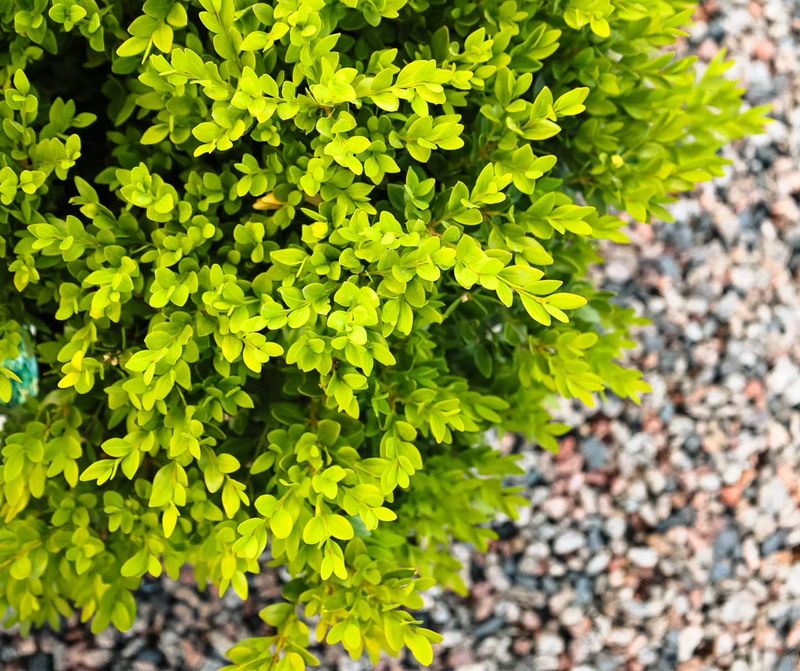
Strong roots are what carry a boxwood through the cold months. Everything done above ground in September is really just supporting what is happening underground.
Root health is the foundation of a resilient shrub.
Boxwoods have relatively shallow root systems. That makes them more sensitive to soil compaction, drought, and temperature swings than deeper-rooted plants.
Loose, well-aerated soil around the root zone helps roots spread and access nutrients more easily.
Avoid walking or parking equipment near boxwood root zones. Compacted soil reduces the oxygen and water roots need to function well.
Even small amounts of repeated foot traffic over the same area can cause noticeable stress over time.
Across Georgia, late-summer soil conditions vary quite a bit. Some areas see drought stress linger well into fall.
Others deal with heavy clay that holds too much water after rain. Adjusting care based on your actual soil conditions matters more than following a generic schedule.
Adding compost to the soil surface around boxwoods can gradually improve soil structure without disturbing roots. It breaks down slowly and feeds beneficial soil organisms that help roots stay healthy.
A light top-dressing in September works well.
Boxwoods that head into fall with strong, healthy roots tend to green up faster and fuller in spring. The work done now in September quietly pays off months later when warmer weather returns and the growing season begins again.