The Most Useful Native Shrub You Can Plant In Texas
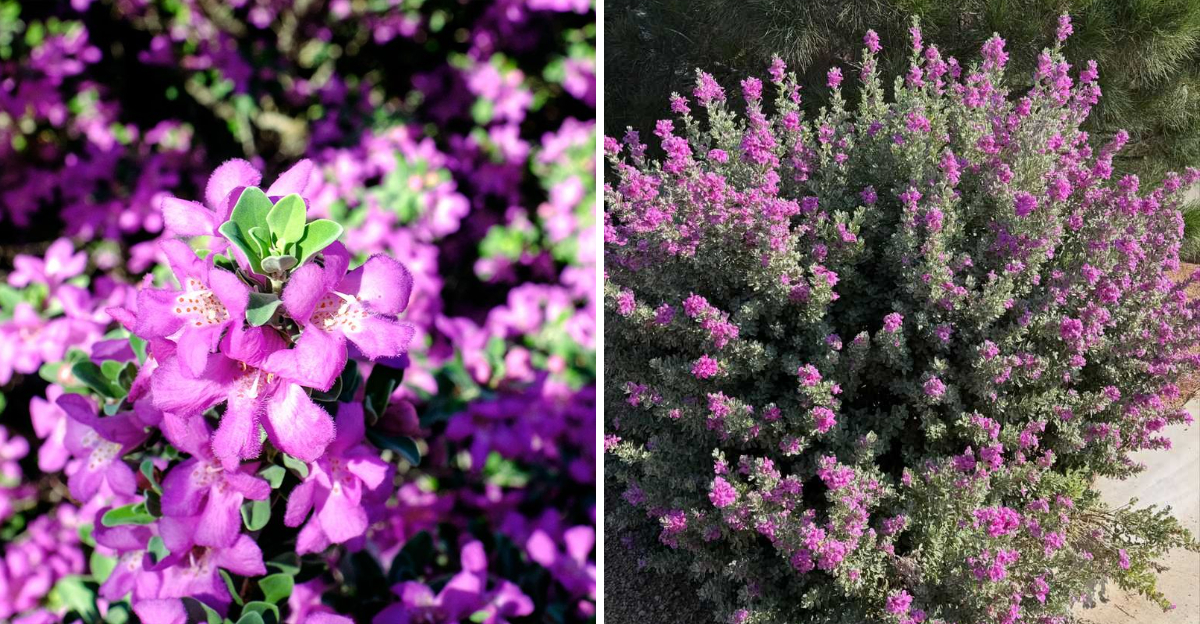
There are thousands of plants you could add to a Texas garden. But every once in a while, a plant comes along that earns the word useful in a way that most others simply don’t.
Not useful in one dimension, not just pretty or just drought tolerant or just wildlife friendly, but genuinely useful across so many fronts that it becomes hard to justify not having it somewhere in the yard. This native Texas shrub is that plant.
It handles the Texas heat and drought without complaint. It supports pollinators, feeds birds, and provides the kind of dense habitat structure that benefits the broader yard ecosystem in ways that most ornamental shrubs never come close to.
It can serve as a privacy screen, a foundation plant, a garden anchor, or a wildlife corridor depending on where and how you use it.
It’s native, which means it belongs here in a deep and meaningful way that no imported ornamental can replicate.
Texas Sage Is Built For Harsh Texas Conditions
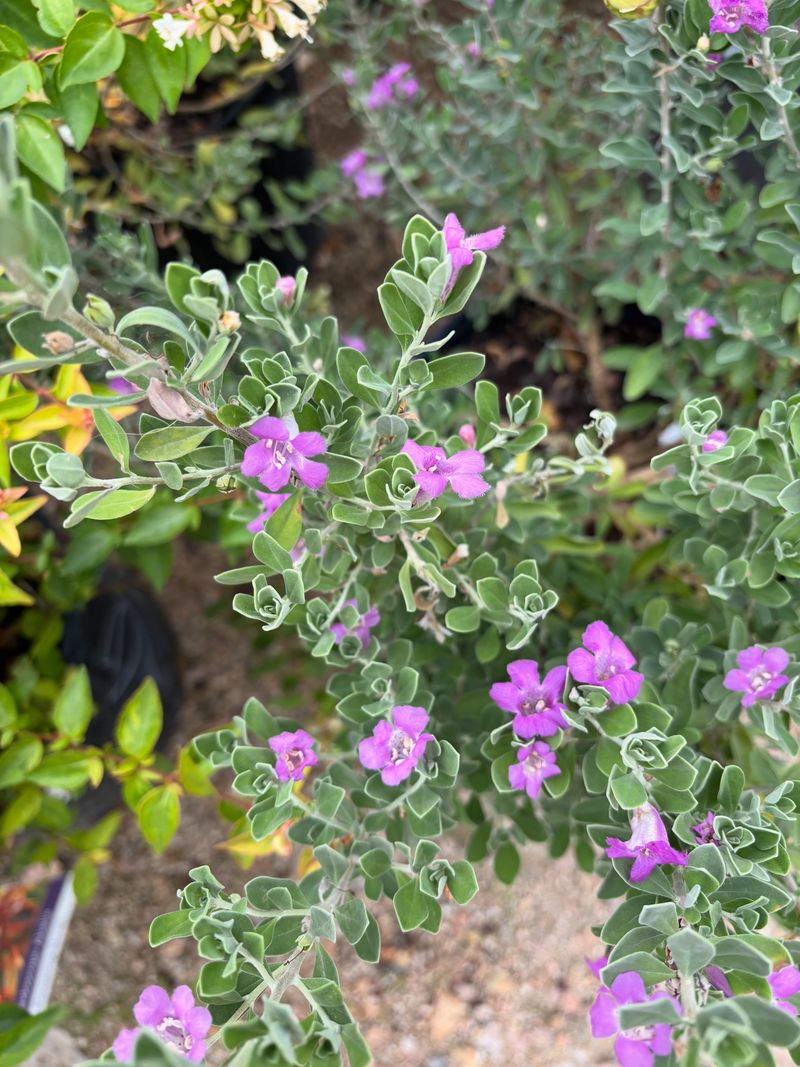
Out in the wild stretches of West Texas, where the sun beats down hard and the rain barely shows up, Texas sage (Leucophyllum frutescens) grows without any help at all. That alone tells you a lot about what this plant can handle.
It is one of the toughest native shrubs found anywhere in the state, and it has earned that reputation honestly.
Texas sage loves full sun. It actually needs it to grow properly and look its best. Shady spots will cause it to become leggy and weak, so always plant it where it gets at least six to eight hours of direct sunlight every day.
Heat does not slow it down either. While other shrubs in your yard might look stressed during a brutal July or August, Texas sage keeps its cool.
The silvery-gray leaves are covered in tiny hairs that reflect sunlight and help the plant hold onto moisture. That built-in design is what makes it so well-suited to Texas conditions.
Once you get it established in the ground, it needs much less water than most traditional landscape shrubs.
During the first growing season, give it regular water to help the roots settle in. After that, nature usually takes over. Rainfall alone is often enough to keep it healthy.
Texas sage is native to the Chihuahuan Desert region, which stretches from West Texas into Mexico. Gardeners across the state, from the Hill Country to the Gulf Coast, have found success growing it in their landscapes. It is truly a plant built for where it lives.
It Brings Color When Summer Gardens Struggle
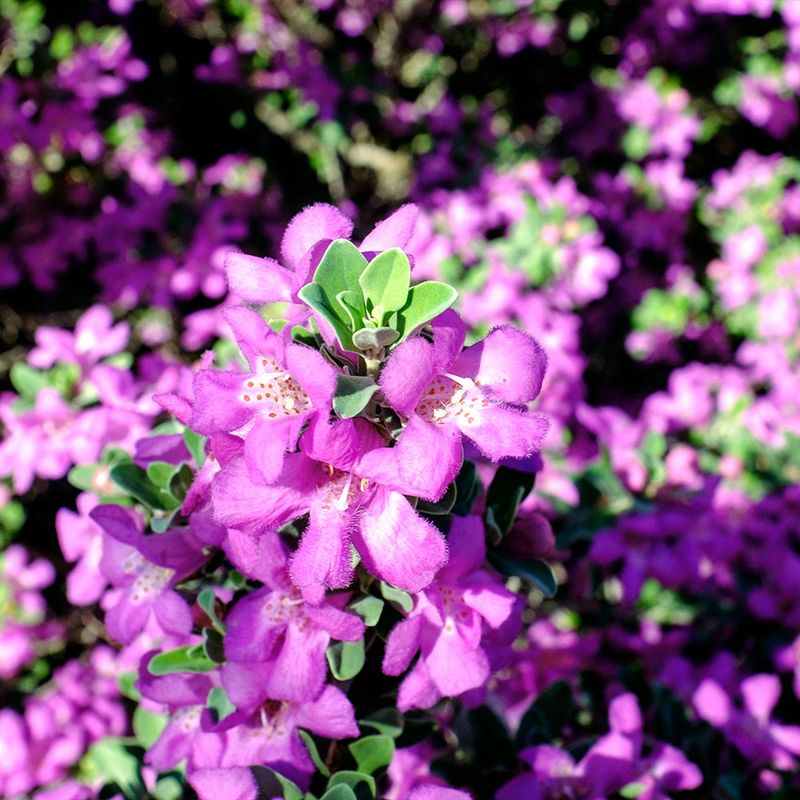
Most gardeners know the frustration of a summer yard that looks washed out and tired by August. Everything seems to slow down, fade, or just give up when the heat peaks.
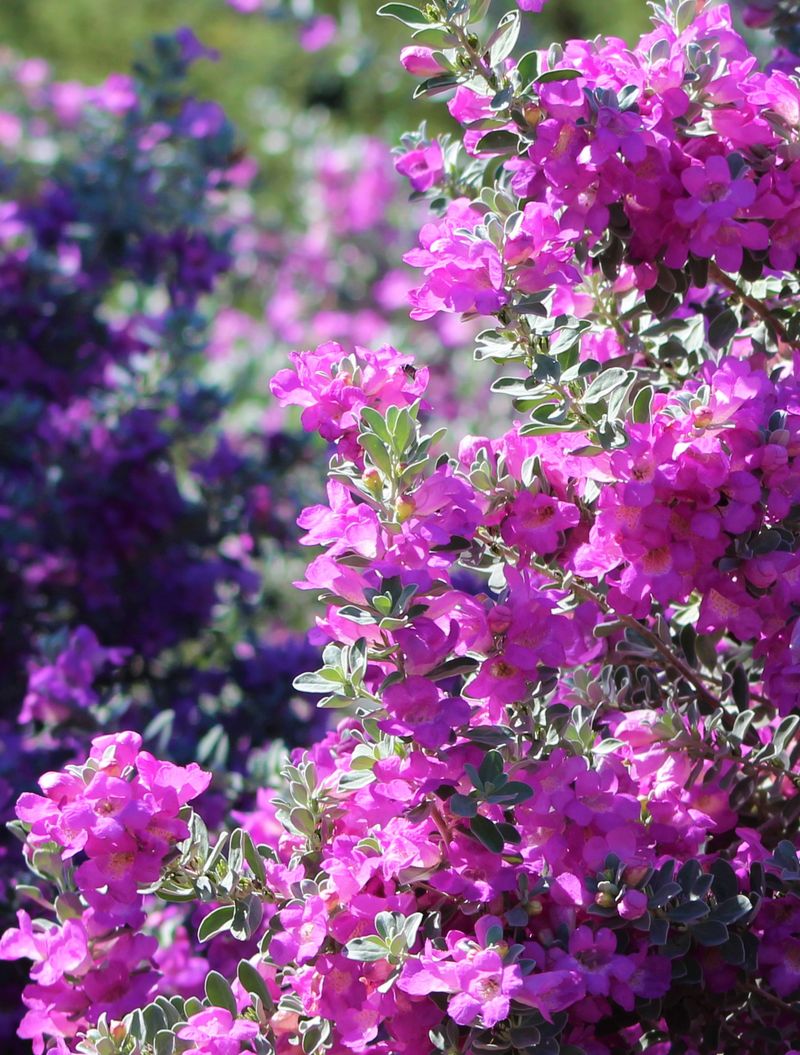
Texas sage does something completely different. Right after a good soaking rain, it bursts into bloom almost overnight, covering itself in purple, pink, or white flowers that stop people in their tracks.
Your Texas Garden Changes Every Week. Your Plan Should Too.
Gardening in Texas changes quickly throughout the season. Every Friday you’ll receive a simple weekly plan showing exactly what to plant, prune, fertilize, harvest, and protect so you never miss the right timing.
That blooming behavior is one of the most fascinating things about this shrub. Old-timers in Texas used to call it the barometer bush because its flowers seemed to predict rain.
When humidity rises before a storm, the plant gets the signal it needs to bloom. It is not magic, just biology, but it feels pretty magical when you see a gray-leafed shrub suddenly explode with color.
The blooms are small but plentiful, and they cover the whole plant in a way that looks almost like a purple cloud. Depending on the variety and your local climate, you might see multiple bloom cycles throughout the warmer months.
Each one follows a period of rainfall or high humidity. Late summer and early fall are when many other plants in your yard start looking rough. That is exactly when Texas sage can shine the brightest.
While your roses and perennials are winding down, this shrub can still be putting on a show.
Having that late-season color is a real bonus for any landscape. It keeps your yard looking alive and interesting even when the gardening season feels like it is winding down. Few plants offer that kind of reliable color at such a low cost of effort.
It Works In Difficult Landscape Spots
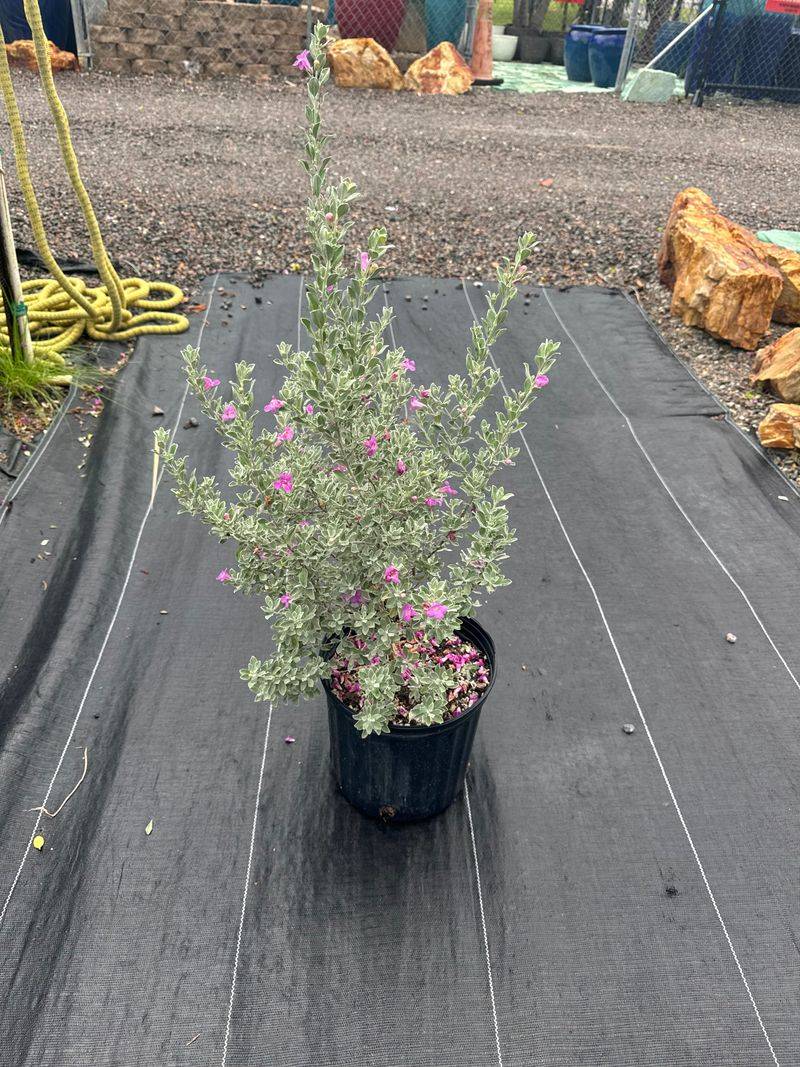
Every yard has that one spot that seems impossible to plant. Maybe it is a steep slope baking in full sun, a strip of ground along a hot concrete driveway, or a rocky patch where nothing seems to want to grow.
Texas sage was practically made for places like these. Poor soil is not a problem for this shrub. In fact, it actually prefers lean, well-drained soil over rich, heavily amended garden beds.
If you plant it in soil that holds too much moisture or has too much fertilizer, it can actually struggle more than it would in tough, native ground. Less really is more when it comes to Texas sage.
Reflected heat is another challenge that many plants simply cannot handle. Spots next to walls, fences, or pavement can get brutally hot as surfaces absorb and radiate the sun’s energy.
Texas sage handles that reflected heat without missing a beat. Its silvery foliage and natural drought adaptations make it a reliable performer even in those extra-intense microclimates.
Slopes and hillsides are also great places to use this shrub. The root system helps hold soil in place, which makes it a practical choice for erosion control in areas where rainfall runoff is a concern. You get beauty and function in one plant.
Landscapers and homeowners across Texas have learned to lean on Texas sage for those tricky spots where other plants have failed before.
If you have a problem area in your yard that you have given up on, give this tough native shrub a try. It handles difficulty with ease.
It Provides More Than Just Flowers
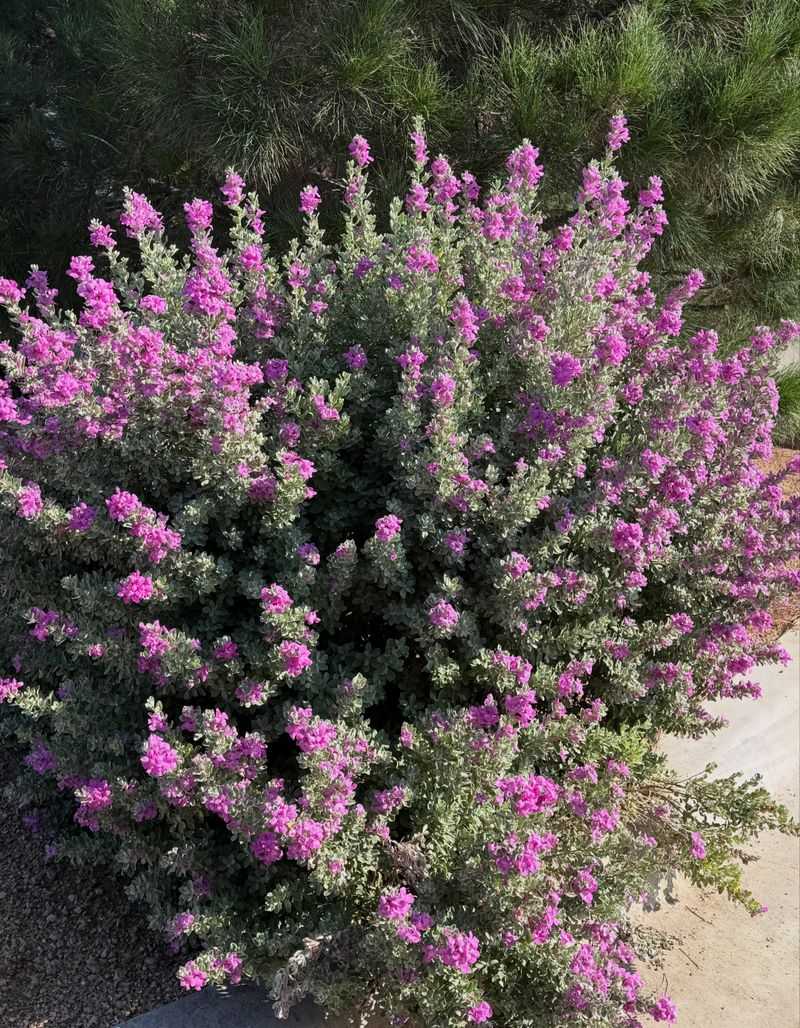
Pretty flowers are a great reason to plant any shrub, but Texas sage brings a lot more to the table than just good looks. The dense, bushy growth habit of a mature Texas sage plant creates excellent cover for small wildlife.
Birds, in particular, love to shelter in its branches, especially during hot afternoons or when they need a safe spot away from predators.
When those purple or pink blooms open up after a rain, the action around the plant picks up fast. Bees are some of the most frequent visitors, drawn in by the nectar-rich flowers.
Native bees, honeybees, and bumblebees all show up to take advantage of the bloom. Watching a fully flowering Texas sage buzzing with bee activity is one of those simple backyard pleasures that never gets old.
Butterflies also find the flowers attractive. Adding Texas sage to your yard is a genuine step toward creating a more pollinator-friendly space.
With pollinator populations under pressure across the country, planting natives like this one makes a real difference at the local level.
Beyond the wildlife benefits, the shrub itself provides year-round visual structure. Even when it is not blooming, the soft silvery-gray foliage adds texture and color contrast to a landscape.
It pairs beautifully with other native plants like black-eyed Susans, lantana, and autumn sage.
Think of Texas sage as a multi-purpose plant that earns its place in the landscape in several ways at once.
It feeds pollinators, shelters wildlife, looks great through multiple seasons, and does it all without asking for much in return. That is a genuinely hard combination to beat.
Proper Planting Makes The Biggest Difference
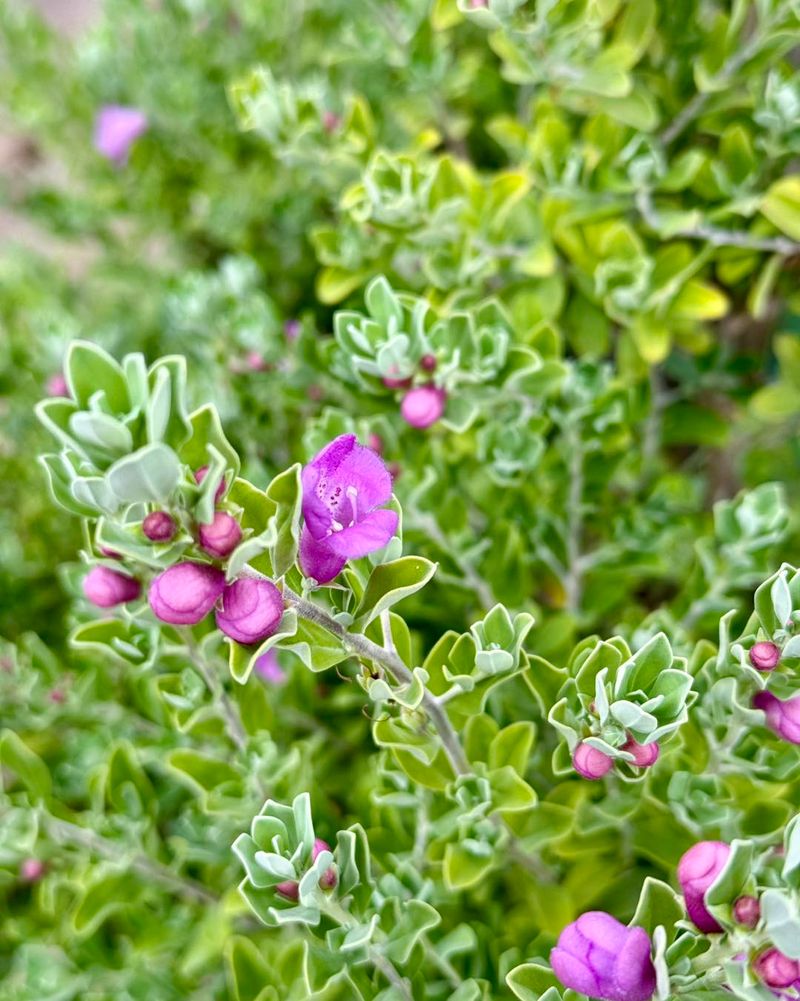
Getting Texas sage off to a strong start comes down to a few simple decisions made right at planting time. Choose the right spot, prepare the soil correctly, and water it properly in the beginning.
Do those three things well, and this shrub will reward you for years with almost no extra effort on your part. Sunlight is non-negotiable. Pick a location that gets full sun for most of the day.
Six to eight hours of direct sunlight is the minimum, but more is even better. A shady spot will produce a weak, floppy plant that never looks quite right and rarely blooms the way it should.
Drainage is just as important as sunlight. Texas sage absolutely cannot sit in wet or waterlogged soil for extended periods.
If your yard has heavy clay soil that drains slowly, consider planting it in a raised bed or amending the planting area with coarse sand or gravel to improve drainage before you put the plant in the ground.
When you first plant it, water it regularly for the first few months to help the roots establish. After that, back off significantly.
Overwatering is one of the most common mistakes people make with this shrub. Too much water, especially in clay-heavy soils, can cause root problems that weaken the plant over time.
Avoid adding heavy fertilizers to the planting hole or surrounding soil. Texas sage does not need or want a rich growing environment.
Keeping things simple and close to natural conditions is the key. A little restraint at planting time sets the whole relationship up for long-term success.
Keep Maintenance Simple
One of the best things about growing Texas sage is how little it asks of you once it is established. Many gardeners make the mistake of treating it like a formal hedge plant that needs constant shaping and trimming.
That approach actually works against the plant and can ruin its natural beauty over time. Heavy pruning is something to avoid with Texas sage. Cutting it back too hard or too often stresses the plant and removes the branches that would have produced flowers.
If you over-prune year after year, you end up with a dense, twiggy shrub that barely blooms and looks nothing like the graceful, rounded plant it is supposed to be.
Light shaping after a bloom cycle is really all it needs. If you want to clean up the edges or keep it from getting too wide for its space, wait until after the flowers fade and then do some gentle trimming.
Use hand pruners instead of electric hedge trimmers for a more natural result that does not leave flat, boxy cuts on the plant.
Fertilizing is something most gardeners can skip entirely. Texas sage grows well without supplemental feeding, and adding fertilizer can actually push too much leafy growth at the expense of flowers.
Let the plant grow on its own terms and it will perform better for you. Checking for dry or crossing branches once a year is a good habit. Remove anything that looks unhealthy or is rubbing against another branch.
Beyond that simple step, Texas sage is a plant that genuinely thrives on being left alone. Trust the plant, keep your hands light, and enjoy the results.