The Mulch And Border Mistakes Ohio Gardeners Make That Invite Ticks Closer To The House
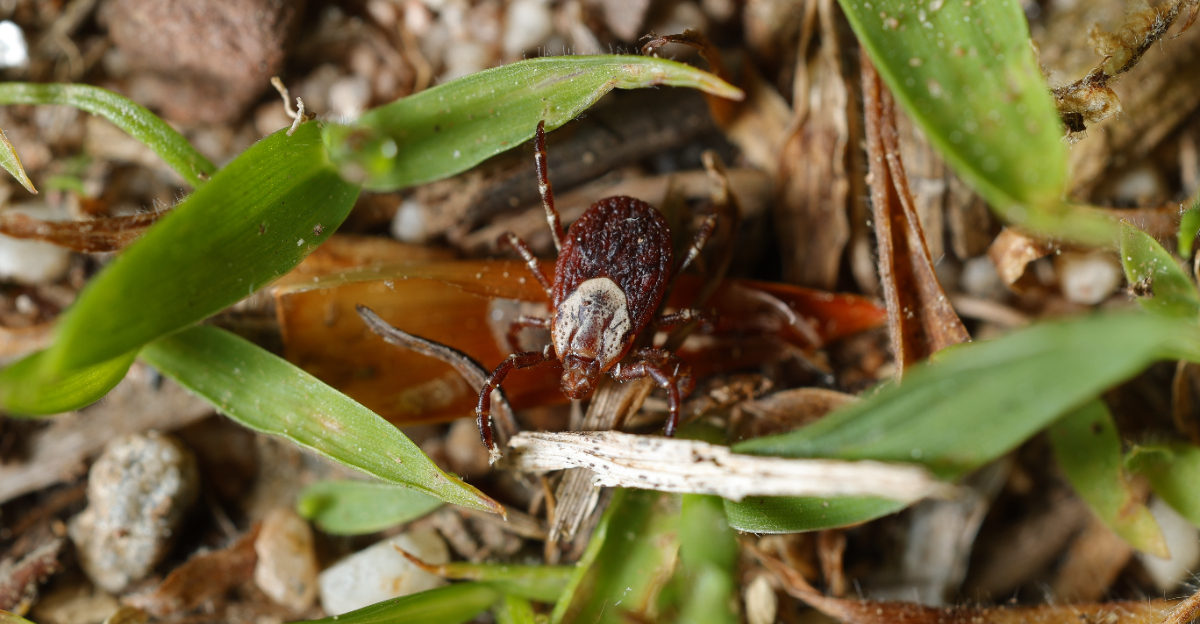
Ticks do not wander randomly into Ohio yards. They follow conditions and most yards are accidentally rolling out a welcome mat one landscaping decision at a time.
Mulch piled too deep along the foundation. Border edges that stay damp and shaded all day.
Leaf litter that builds up between plants and never fully dries out. These are not dramatic oversights.
They are ordinary yard maintenance habits that happen to create exactly the cool, moist, sheltered environment ticks prefer to move through and settle into. The closer those conditions exist to the house, the shorter the distance between ticks and the people and pets going in and out every day.
A few specific mulch and border habits show up repeatedly in yards with high tick pressure and most homeowners have no idea the connection exists. Fixing them does not require a landscape overhaul.
It just requires knowing what to look for.
1. Piling Mulch Too Thick Creates Damp Cover Ticks Can Use
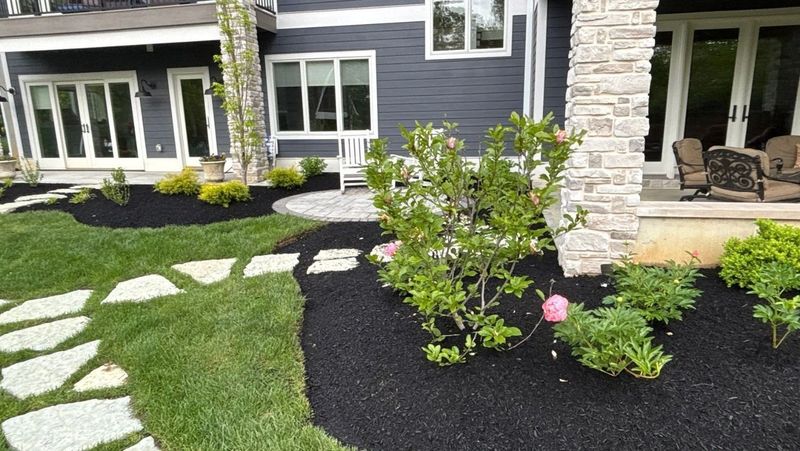
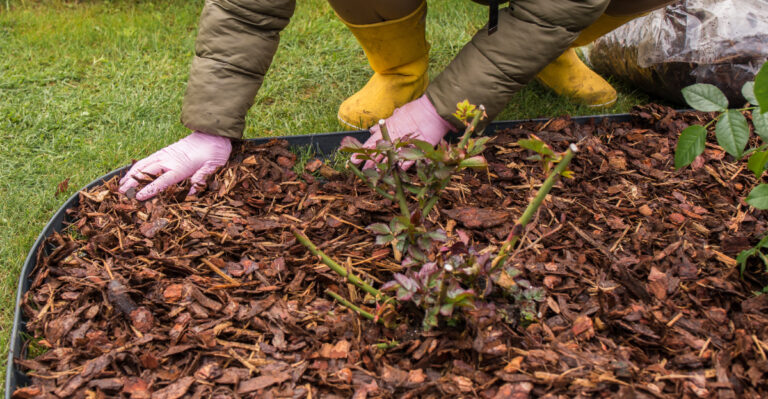
Mulch is one of the most useful tools in any gardener’s toolkit. It holds soil moisture, moderates temperature, and keeps weeds down.
The problem is not mulch itself. The problem is when it gets piled so thick that it stays wet, compacts into a mat, and collects fallen leaves and debris along the foundation.
Ohio State University Extension recommends keeping mulch at a moderate depth, typically around two to three inches for most landscape beds.
When layers get stacked year after year without removing old material, the base can become dense, soggy, and hard to dry out.
That kind of damp, sheltered edge is harder to clean and inspect, especially close to the house.
Pull mulch back a few inches from stems, walls, and foundation edges. Avoid piling fresh mulch directly on top of old decomposed layers without clearing the old material first.
Refresh beds only when the existing mulch has thinned out, not just because it looks faded on top.
Keep the border between mulch and your foundation visible and open. A clean edge there makes it easier to spot any buildup of leaf litter or debris that collects over time.
Check thick mulch zones near doorways and pet paths more often during warm months when tick activity is highest in this state.
2. Letting Leaf Litter Collect Along Borders Keeps Edges Moist
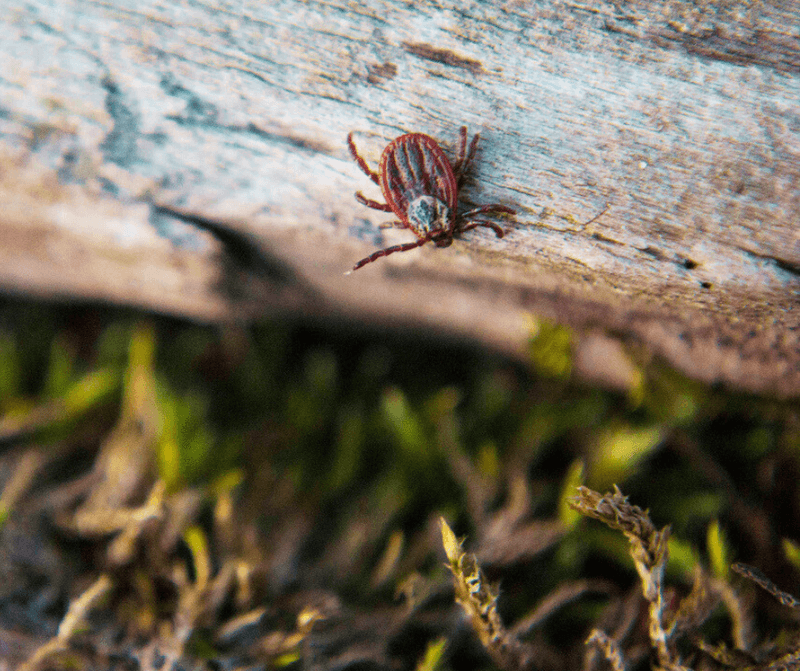
A heavy layer of matted leaves pressed against a fence, wall, or patio edge does more than look untidy. It holds moisture against the ground, creates a dense, shaded layer, and makes that border harder to keep dry and open.
Ohio State University Extension and Ohio Department of Health guidance both point to leaf litter, brush, and tall weeds. Those are the kinds of habitat that can support tick-friendly conditions.
Clearing heavy leaf buildup from high-use borders is one of the most practical things you can do for tick-aware yard maintenance. Focus on the edges near doors, seating areas, children’s play spaces, and pet routes.
Those are the zones where contact with leaves and debris is most likely.
Your Ohio Garden Changes Every Week. Your Plan Should Too.
Gardening in Ohio changes quickly throughout the season. Every Friday you’ll receive a simple weekly plan showing exactly what to plant, prune, fertilize, harvest, and protect so you never miss the right timing.
Leaves do have ecological value in low-traffic naturalized areas away from the house. A brush pile at the back of a large property is very different from a soggy mat of leaves packed against your patio wall.
The location matters as much as the volume.
Rake borders near the house regularly, especially after heavy leaf fall in autumn. Bag or compost the material rather than pushing it against fences or foundation beds.
A clean, open border along your most-used outdoor edges is a simple habit that takes very little time but makes a real difference in how manageable those spaces stay.
3. Planting Dense Ground Covers Right Against The House Adds Hiding Places
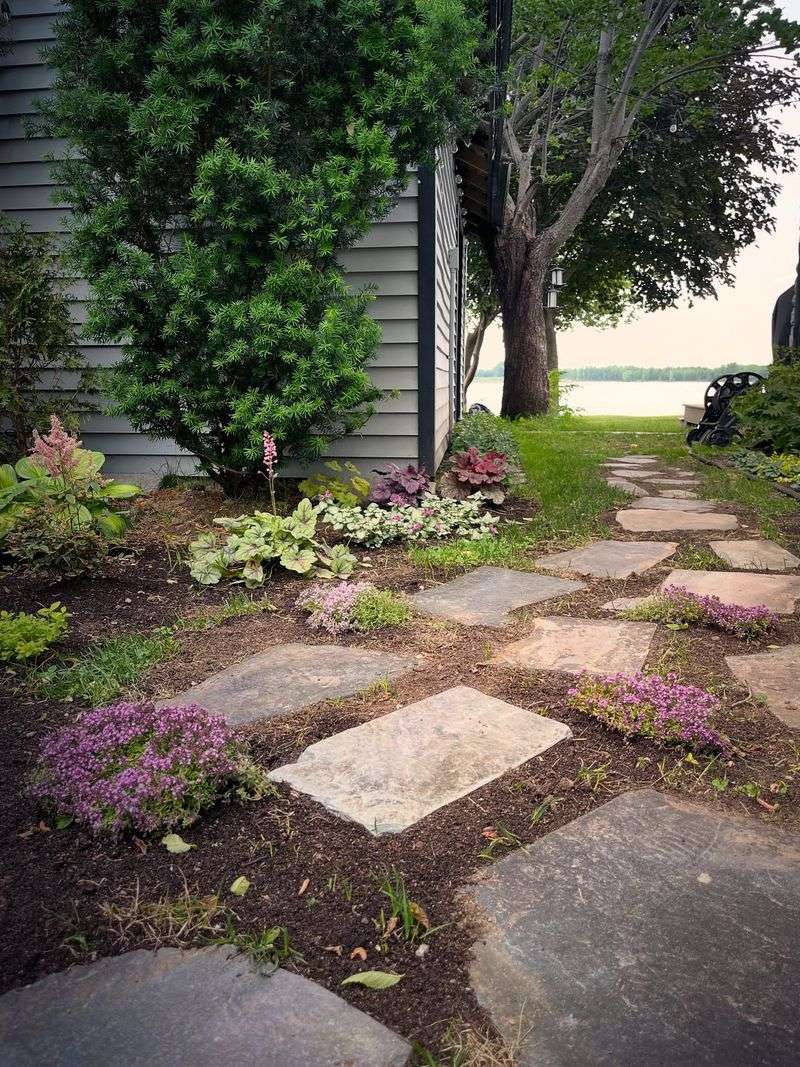
Not every ground cover is a problem. Low, well-maintained plants along a foundation can look clean and hold soil well.
The issue comes when ground covers grow into thick, unmanaged mats that trap fallen leaves and hold moisture underneath. That growth also makes it difficult to see what is happening at ground level near the house.
Dense, sprawling plants like English ivy, wintercreeper, periwinkle, and Japanese pachysandra are common in Ohio landscapes. But they can become invasive and very hard to manage once established.
Their thick growth can hide debris buildup, provide cover for small rodents, and make routine inspection of the foundation edge much harder.
OSU Extension has noted that invasive ground covers can spread aggressively and crowd out other plants, creating management problems beyond just aesthetics. Thin dense patches regularly, especially near steps, doors, and walkways.
Keep a clear, visible strip between any ground cover and your foundation wall.
If you are replanting a foundation bed, choose lower, well-behaved plants that stay open enough to allow airflow and easy cleanup. Avoid anything that roots as it spreads and becomes difficult to pull back.
A ground cover you can manage in fifteen minutes is always a better choice near the house than one that takes over and hides everything underneath it.
4. Leaving Tall Weeds Behind Beds Gives Ticks A Shady Pathway
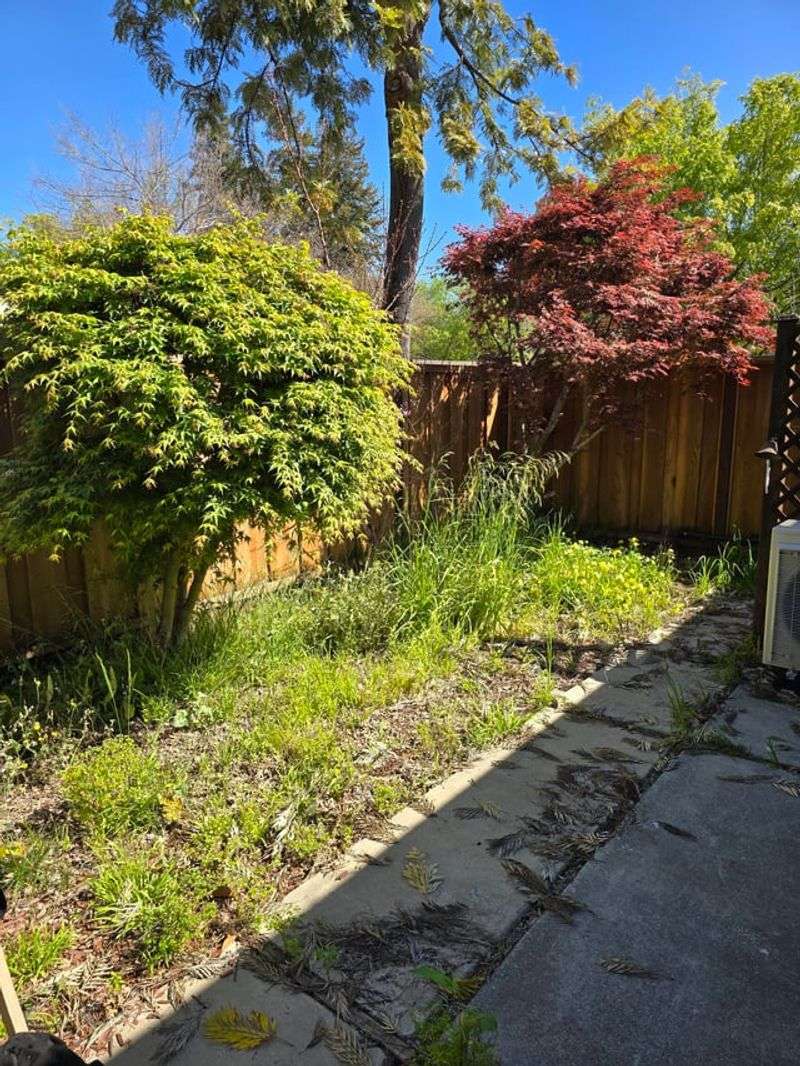
Most homeowners tidy the front face of their garden beds but completely ignore what is growing behind them. That narrow strip between the back of the bed and a fence, shed, or garage wall is exactly the kind of spot that gets overlooked for months.
Tall weeds and grasses can grow thick and shaded there, creating a corridor that connects brushier areas of the yard to spaces closer to the house.
OSU Extension guidance consistently points to tall weeds, grass, and brush as tick-favorable habitat. Removing or trimming those neglected strips is one of the most straightforward steps you can take.
Mow fence lines regularly, trim the back edges of beds, and do not let side yards or alley strips go unmanaged through spring and summer.
Shaded side yards between homes are another common problem zone. They tend to stay damp, grow weeds fast, and get cleaned up less often than front or back yards.
Check those strips when you do your regular yard work rather than skipping them.
A string trimmer can handle most of these edges in just a few minutes per session. Keep the vegetation low and the ground clear of debris along fence lines and back bed edges.
That habit alone can make a meaningful difference in how open and manageable your yard perimeter stays through the warmer months.
5. Skipping A Gravel Or Wood-Chip Strip Weakens The Yard Buffer
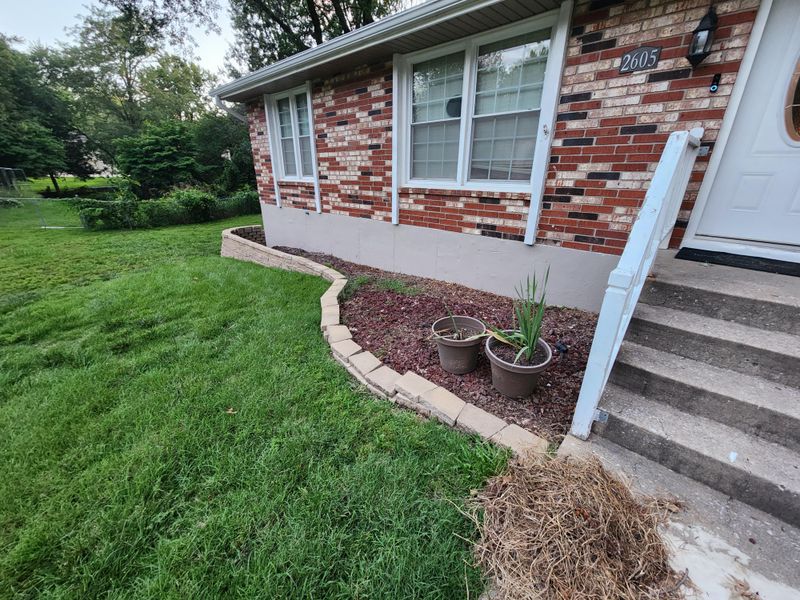
One of the more practical suggestions from CDC and Extension-style guidance is the use of a wood-chip or gravel strip. It works as a transition zone between maintained lawn areas and brushier or wooded edges.
The idea is to create a drier, cleaner separation between spaces where people spend time. That separation helps distance those spaces from the kind of habitat that is more likely to support ticks and their host animals.
This kind of barrier does not repel ticks or make your yard completely protected. No single landscape change does that.
But a well-maintained strip of wood chips or gravel can create a physical and environmental break. That break reduces how easily debris, leaf litter, and small animals cross from brushy edges into your lawn and garden zones.
A strip about three feet wide placed along a wooded border, a back fence line, or the edge of a naturalized area is a reasonable starting point.
Keep it clear of weeds and leaf buildup, because those materials can fill it in quickly and undo the benefit of having it there at all.
Gravel strips near patios or play areas also stay drier than mulched zones, which is part of what makes them useful near high-traffic spaces. Check the strip a few times each season and rake out any leaf litter or debris that has blown in.
A simple buffer, kept clean, is worth more than an overgrown one.
6. Stacking Firewood Near Borders Invites Tick-Carrying Wildlife Closer
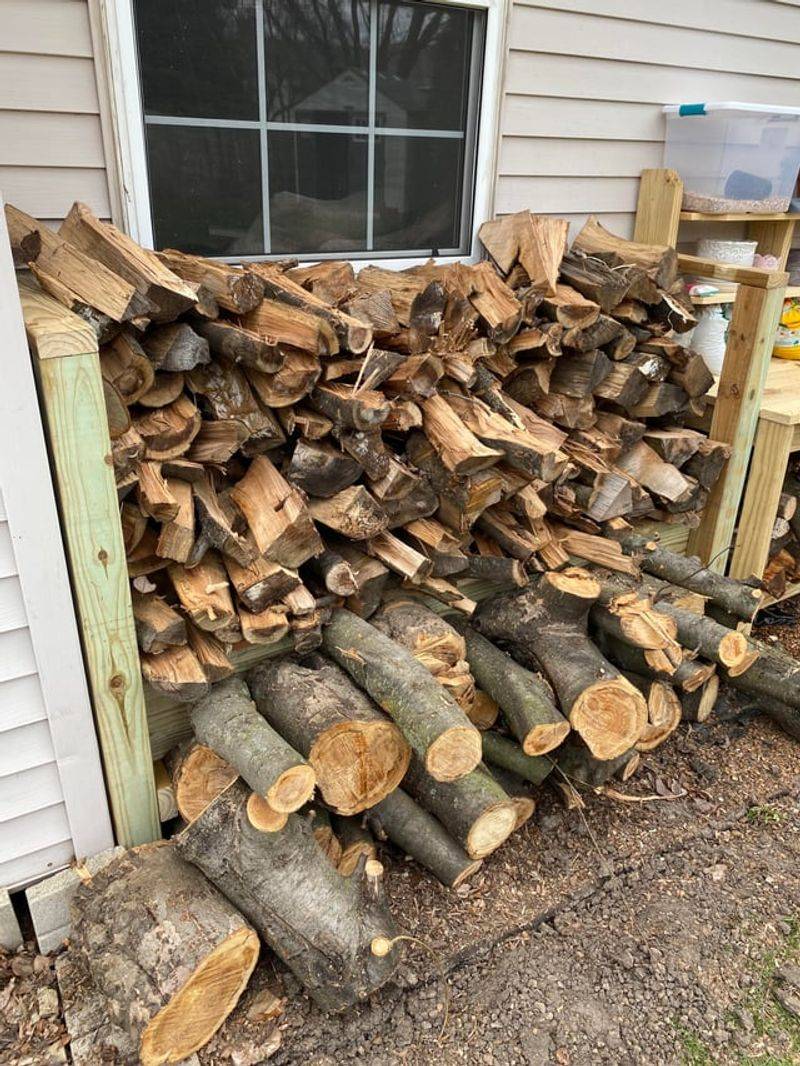
A firewood pile that sits right next to the patio or foundation bed might be convenient. But it can create the kind of clutter that shelters mice, voles, and other small rodents.
Those animals can carry ticks, and when they nest or travel near the house, they bring that risk closer to your doors and outdoor spaces.
OSU Extension recommends removing brush piles and reducing clutter near the home as part of managing habitat for small mammals.
A tidy, elevated woodpile placed away from the foundation and patio is a much better option than a loose stack sitting on bare ground next to the house.
Stack firewood neatly in rows, off the ground if possible, and in a spot away from doors, seating areas, and pet routes. Clear weeds and leaf litter from around the base of the stack regularly.
Loose debris around the pile gives small animals even more reason to nest there.
Keep the area around your firewood visible and clean. A cluttered woodpile with weeds growing up through it is harder to inspect and much more likely to shelter wildlife that you would rather keep at a distance.
Moving the stack even ten or fifteen feet away from the house edge can reduce how often rodents travel right along your foundation and border beds looking for shelter.
7. Letting Shrubs Touch Walkways Makes Tick Checks Harder
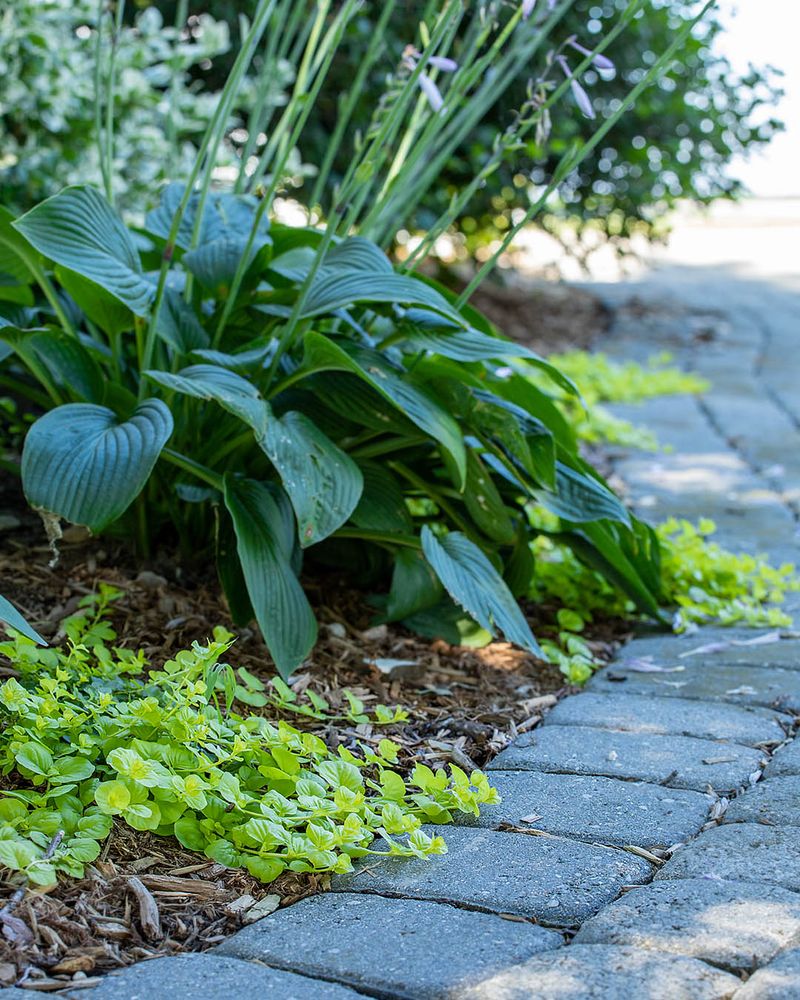
Shrubs that spill over a walkway or press against a front step are a very common sight in local yards, especially when pruning gets pushed back season after season.
The real concern with overgrown shrubs along paths is how often people and pets brush directly against the foliage.
They may also brush against any leaf litter trapped beneath it as they move in and out of the house.
Dense shrub bases can stay shaded and damp even on warm days. Fallen leaves collect underneath, debris builds up, and the space becomes harder to clean without cutting the shrub back first.
Keeping shrubs pruned away from walkways, steps, and entryways makes those spaces easier to maintain and easier to pass through without contact with foliage.
Prune shrubs back far enough that there is clear space between the foliage and the edge of the path. Remove deceased leaves and debris from underneath shrubs near walkways a few times each season.
Avoid planting large, spreading shrubs within two or three feet of a heavily used path, especially near the front door or side gate.
Clear sightlines along a walkway also make it easier to spot any buildup of leaves or weeds before it becomes a bigger problem.
A shrub that is pruned, open at the base, and kept back from the pavement is much easier to manage than one that has quietly taken over the path edge.
8. Forgetting Pet Paths Lets Ticks Ride Straight Toward The Door
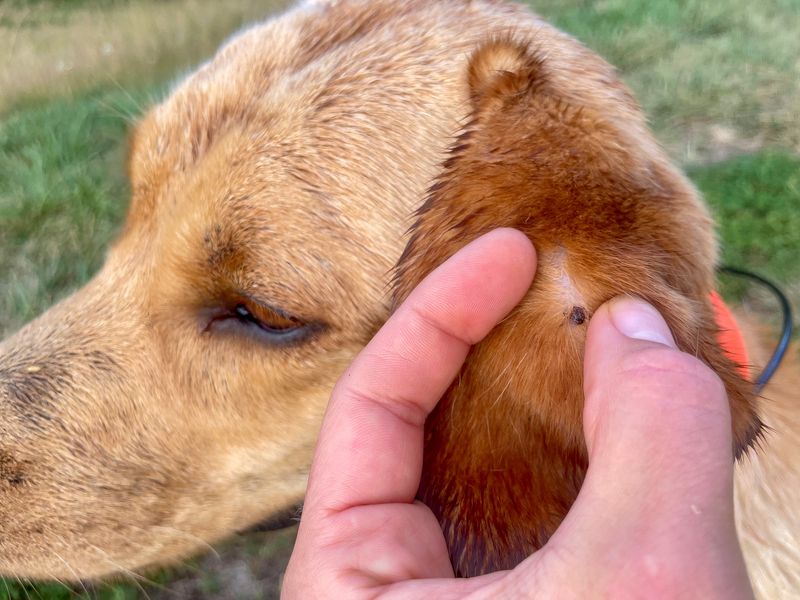
Dogs and outdoor cats are enthusiastic explorers, and they tend to follow the same routes every day. Those repeated paths often run right along fence lines, through mulch beds, beside shrubs, and across shaded edges.
Every brushy or leafy zone a pet moves through is a place where ticks can attach and then ride right back toward the door, the couch, or the people in the house.
Keeping pet paths mowed short and clear of leaf litter makes a real difference. Look at where your dog or cat actually walks and focus your maintenance on those specific routes rather than just the open lawn.
A cleared path along the fence is more useful than a perfectly mowed center yard if your pet never walks there.
Remove leaf litter near gates, back doors, and anywhere pets enter the house from the yard. Check pets thoroughly after outdoor time, especially during warmer months when tick activity is highest in this state.
Talk with your veterinarian about prevention options that are appropriate for your specific pet and its lifestyle.
The Ohio Department of Health recommends checking yourself, children, and pets after spending time outdoors. A quick check of your dog after every outing is a habit that takes under a minute but can catch a tick before it has time to attach.
That simple step, done consistently, matters more than most landscape changes you could make.