The Mulch Habit That Can Bring Termite Activity Closer To A Florida House
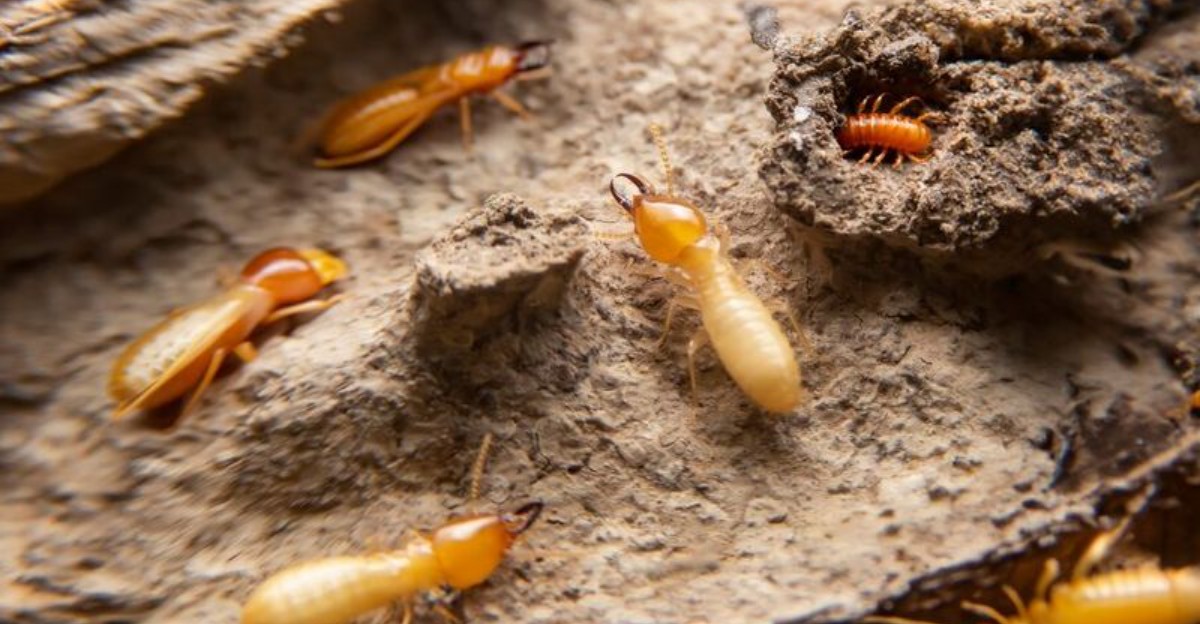
Mulch looks like the tidy finishing touch on a flower bed. Termites see it as a welcome mat that happens to lead straight to your front door.
Florida already gives these insects plenty to work with: warm soil, steady moisture, and wood everywhere. A fresh layer of the wrong kind of mulch in the wrong spot adds shelter and a snack bar to the deal.
Nobody notices until a pest inspector points at the foundation and frowns.
One habit makes the problem worse, and it feels like good yard care. Homeowners repeat it every season without a second thought.
The fix costs almost nothing and takes an afternoon. A shovel, a ruler, and a little attention are about all it takes.
Take a walk along your foundation before the next mulch delivery shows up.
1. Termites Are Already In Florida Soil
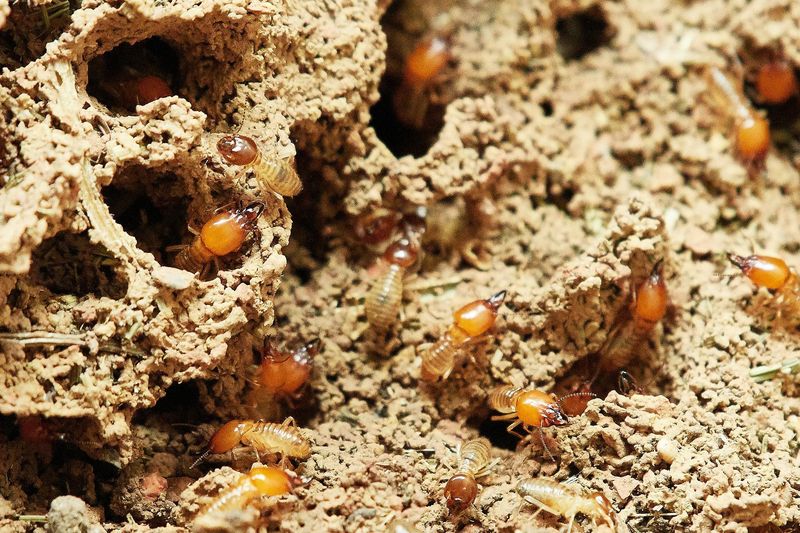
Picture a sunny Florida yard with green grass and swaying palms. Below that calm scene, a whole hidden world is buzzing along in the dirt.
Our state is home to more than 20 kinds of termites. Subterranean termites are among the most common, and they cause a large share of the damage to homes in the state.
The Eastern subterranean termite is one of the most destructive groups. It lives across Florida and loves the warm, sticky weather.
Drywood and dampwood termites live here too, with dampwood types often found in wet tree holes or soggy wood.
So here is the big idea to remember. Many people worry that bags of mulch might carry termites home from the store.
That can happen now and then, but the termites already living near your house are usually the bigger risk.
Think of it like ants at a picnic. The ants were in the park long before you spread out your blanket.
Your job is to avoid setting the table right next to their front door.
Once you know termites are likely nearby, you can plan smarter. The goal is to make the space around your home less friendly.
The next sections show how mulch fits into that plan, and what simple habits help keep these busy diggers out in the yard where they belong.
2. Mulch Itself Isn’t The Real Draw

Good news first: your mulch is not a giant dinner bell. Termites do not smell it from across the neighborhood and march over in a line.
In fact, mulch is not their top food choice. Termites tend to prefer higher quality wood, like boards, beams, and old stumps.
Wood chips are small and break down fast, so they are not much of a feast.
Still, there is a catch. Wood mulch contains cellulose, the plant material termites eat.
So while it is not their favorite meal, they will snack on it if it is around.
The bigger issue is what mulch does to the space beneath it. A layer of mulch changes the ground into a shady, damp hideout.
That kind of spot feels like a five-star hotel to a termite looking for comfort.
Your Florida Garden Changes Every Week. Your Plan Should Too.
Gardening in Florida changes quickly throughout the season. Every Friday you’ll receive a simple weekly plan showing exactly what to plant, prune, fertilize, harvest, and protect so you never miss the right timing.
Here is a simple way to think about it. Mulch is less like a buffet and more like a cozy waiting room.
Termites can rest there, stay safe, and look around for the real food nearby, which might be your house.
That is why switching mulch brands is not the full answer. What matters most is how deep you pile it and how close it sits to your walls.
Those two choices shape the setting termites find when they show up.
3. Thick Mulch Keeps Soil Moist And Mild For Termites
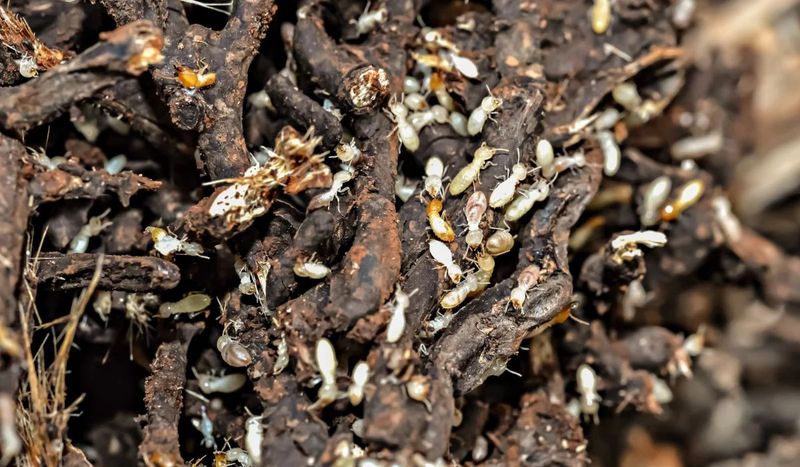
Try this quick test after a hot afternoon. Pull back a thick pile of mulch and touch the soil underneath.
Chances are it feels cool and damp, even when the top looks dry. That is mulch doing its job for your plants.
It holds water in and keeps the ground temperature steady from day to night.
Plants enjoy that, and so do subterranean termites. These insects need moisture to thrive, because their soft bodies dry out fast in open air.
A damp, mild layer of soil is just what they are hunting for.
Depth makes a big difference here. When mulch gets thicker than about 3 inches, it can trap too much water.
The soil stays soggy for days, and the area turns into a comfy home base for termites.
The University of Florida Extension suggests keeping mulch under 2 inches deep near your house. That thinner layer still helps with weeds and looks neat.
It also lets the soil breathe and dry out between rains.
A handy habit is to check depth each spring. Old mulch packs down, and many people add a fresh layer on top every year.
After a few seasons, that turns into a deep pile without anyone noticing. A quick poke with a ruler keeps things in check.
4. Deep Mulch Can Bridge Treated Soil Around The House
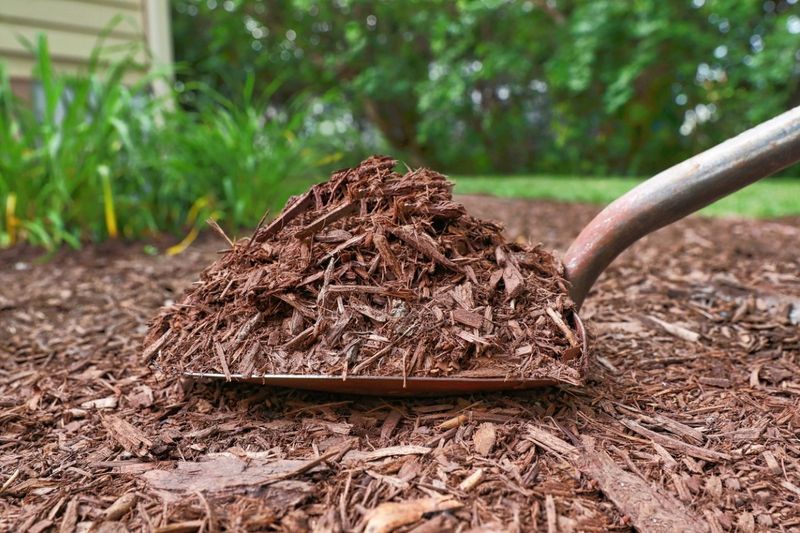
Imagine building a moat around a castle, then tossing a plank across it. That is what deep mulch against a wall can do.
Many Florida homes have soil treated with termiticides around the foundation. This treated zone acts like a guard line.
Termites that cross it are likely to run into trouble before reaching the house.
Now pile mulch high against the wall. Suddenly, termites can travel through the mulch instead of the treated soil.
The mulch becomes a bridge, letting them skip the guard line and head straight for your home.
The worst part is that you may not see it happening. Termites hidden in mulch can move from the yard to the wood in your walls quietly.
Without a gap, there is no clear spot where their path shows up.
Fixing this is a simple weekend job. Rake mulch away from the foundation so it does not touch the siding or cover the lower wall.
Look for spots where mulch has slid or washed up against the house after storms.
Also think about new projects. Adding a raised bed or fresh soil next to the house can raise the ground level and cover treated areas.
If you are unsure, ask your pest control company before changing the soil near your foundation.
5. Keep Mulch Under 2 Inches Within A Foot Of The House
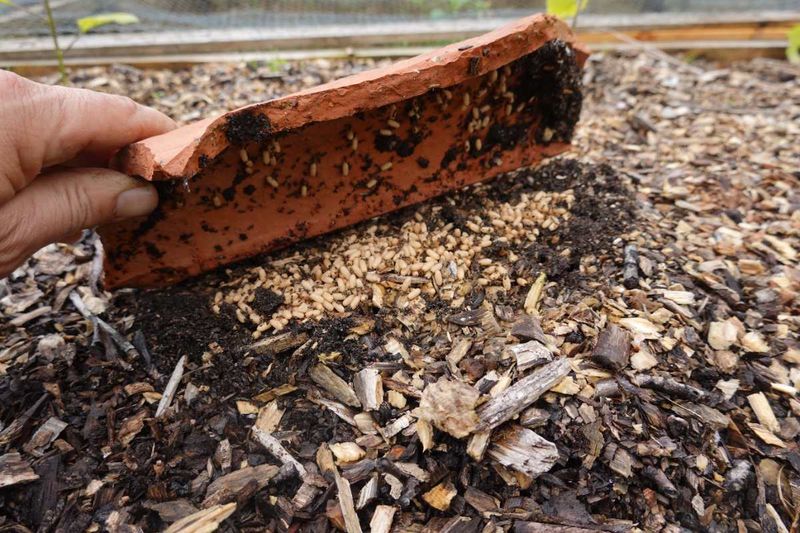
A ruler might be the most useful garden tool you are not using. When it comes to termites, a few inches really count.
Experts suggest a buffer zone of about 12 inches next to the foundation. In that strip, keep either bare soil or a very thin layer of mulch, less than 2 inches deep.
The University of Florida Extension backs this idea because it lets the soil dry out on its own.
Out past that first foot, you have more room to work. A general rule is to keep mulch around 2 to 3 inches deep.
Try not to go past 4 to 6 inches anywhere in the yard.
Here is an easy way to set it up. Lay a yardstick flat along the wall and mark the edge with a garden hose or small stakes.
Rake the mulch thin inside that line, and spread it a little thicker beyond it.
Some folks like to fill the buffer with gravel or decorative stones. These do not feed termites and dry quickly after rain.
Just keep the stones low and away from the siding.
Fun fact: thinner mulch can actually help plants too. Roots get more air, and fewer mushrooms pop up.
Your beds stay pretty while your house stays better protected.
6. Leave A 6-Inch Inspection Gap Below The Siding
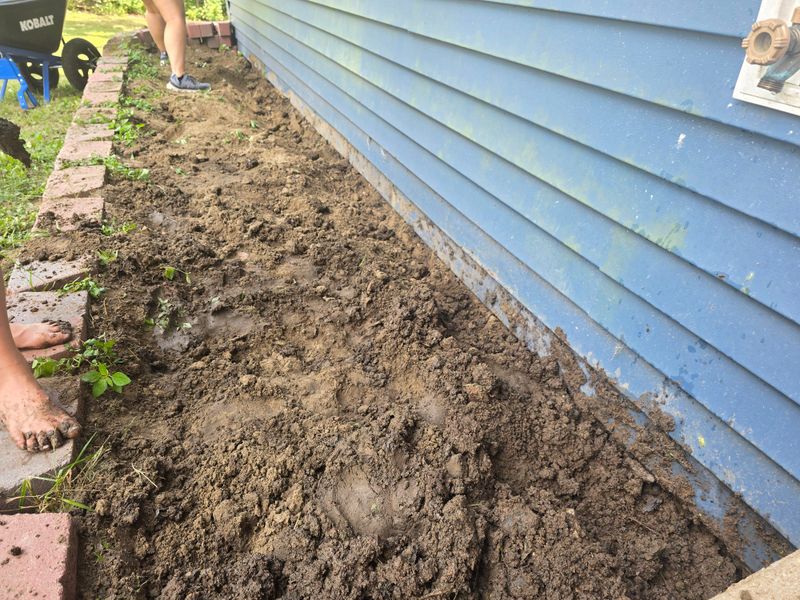
Building rules are not the most exciting reading. Still, one line in the Florida Building Code could save you a lot of money.
The code calls for at least 6 inches of space between the finished grade and the bottom of the siding. The finished grade means the top of your soil or mulch.
So if mulch creeps up, that safe gap shrinks without you noticing.
This space works like a window into termite activity. When the lower wall stays bare, you can see anything trying to climb up.
It gives you a fair chance to catch trouble before it reaches the wood inside.
Some local codes ask for a 2 to 6 inch strip of bare foundation wall below the sill plate. Many experts say more is better.
A gap of 8 or even 12 inches makes checking much easier.
Walk around your house with a tape measure and check a few spots. Pay close attention to corners, downspouts, and flower beds where soil tends to build up.
If the gap looks thin, pull back the mulch or lower the soil level.
Think of it as a clear stage. When nothing hides the bottom of your walls, any unwanted guest has nowhere to sneak past the spotlight.
7. That Gap Lets You Spot Mud Tubes
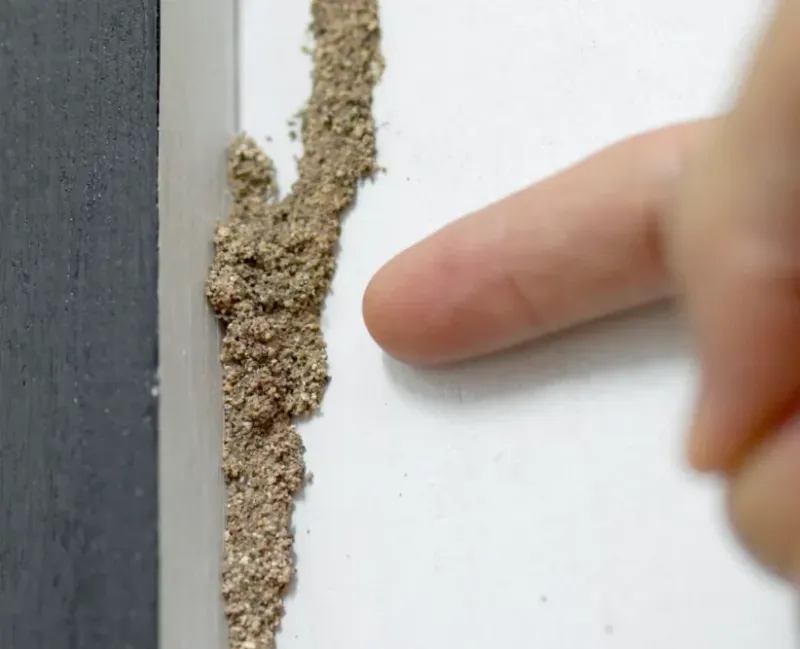
Ever seen a thin line of dried mud running up a wall? It might look like a kid drew it with a dirty finger, but it could be a termite highway.
Those lines are called mud tubes. Subterranean termites build them from soil, bits of wood, and their own spit.
The tubes keep them safe from dry air and enemies as they travel between their underground nest and their food.
Most mud tubes are about as wide as a pencil. They can be light brown, dark brown, or grayish, with a gritty, dirt-like feel.
You might spot them on foundations, walls, or inside crawl spaces.
Finding one is often the first clear sign that termites are active. That is exactly why the inspection gap matters so much.
If mulch covers the wall, those tubes stay hidden until the damage is already underway.
Make a habit of checking the gap a few times a year. Spring is a great time, since termite activity picks up as things warm.
Bring a flashlight and look along corners and behind shrubs.
If you find a tube, avoid scraping it all away right away. Snap a photo and call a licensed pest pro.
They can confirm what it is and plan the best treatment.
8. Keep Irrigation At Least A Foot From The Walls
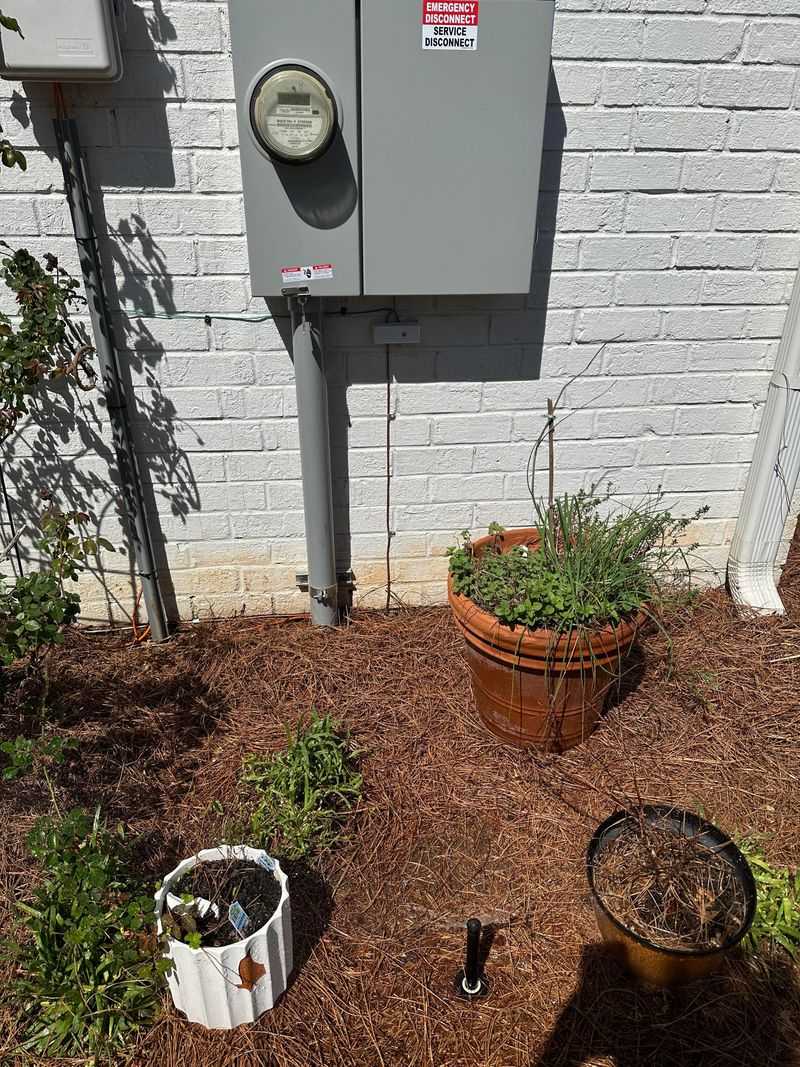
Sprinklers clicking on at sunrise are a classic Florida sound. Sadly, those same sprinklers might be giving termites a daily drink right by your walls.
Watering too close to the house keeps the soil wet for long stretches. Termites love that moisture, and wet ground near the foundation can encourage them to settle in.
Even worse, too much water near the walls may void some termite warranties.
The Florida Building Code says irrigation lines should end at least 12 inches from the foundation. That one foot of distance helps keep the soil right next to the house drier.
It is a small rule with a big payoff.
Take a quick walk while your system runs. Watch where the water lands, and look for heads that spray onto walls or soak the buffer strip.
Many heads can be turned or swapped for ones with a shorter spray.
Drainage plays a role too. Soil around the house should slope away from the walls so rain flows out into the yard.
If water pools by the foundation after storms, it may be time to regrade or add a downspout extension.
Bonus tip: wet siding can also lead to mold and stains. Keeping water off the walls helps your home look better while staying safer.
9. Move Firewood, Compost And Rain Barrels Away From The House
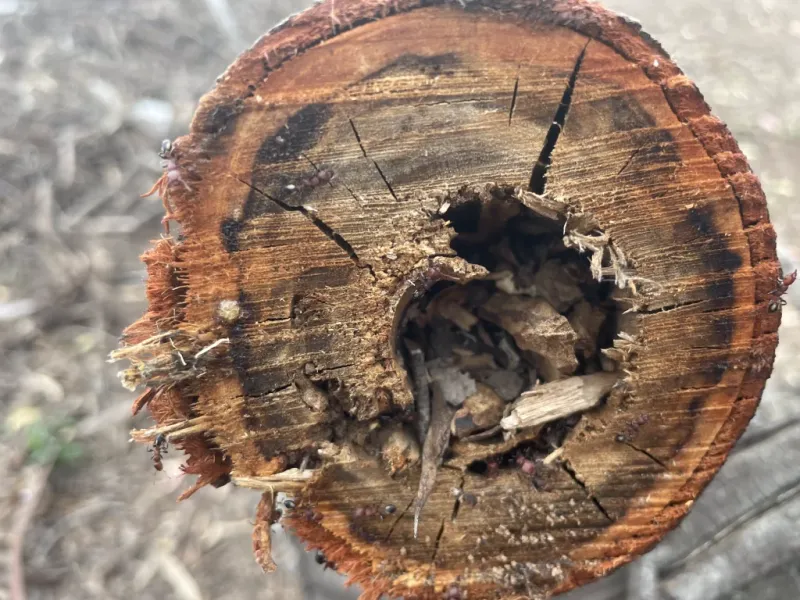
Mulch is not the only backyard habit worth a second look. A cozy stack of firewood by the back door can be just as tempting.
Store firewood at least 3 feet from the house. In high termite areas, 20 to 30 feet away is even better.
Raise the stack 6 to 12 inches off the ground on metal or concrete supports, and cover only the top so air can flow.
Check the pile now and then for mud tubes. If you see any, keep that wood away from the house and call for help.
Compost piles deserve the same care. They are full of damp plant matter, which is a termite treat.
Keep them out in the yard instead of tucked against a wall.
The Building Code also says cellulose material should not be buried within 15 feet of the foundation. That includes scraps of wood and old stumps left in the soil.
Rain barrels are great for saving water, but they hold moisture right where you place them. Set them on a stand and let the overflow drain away from the walls.
Like sprinklers, they work best a good distance from the house.
A little rearranging today can keep your home a lot less inviting tomorrow.