Painted Buntings Are Heading Toward Florida Gardens – Here’s What They Want to Find
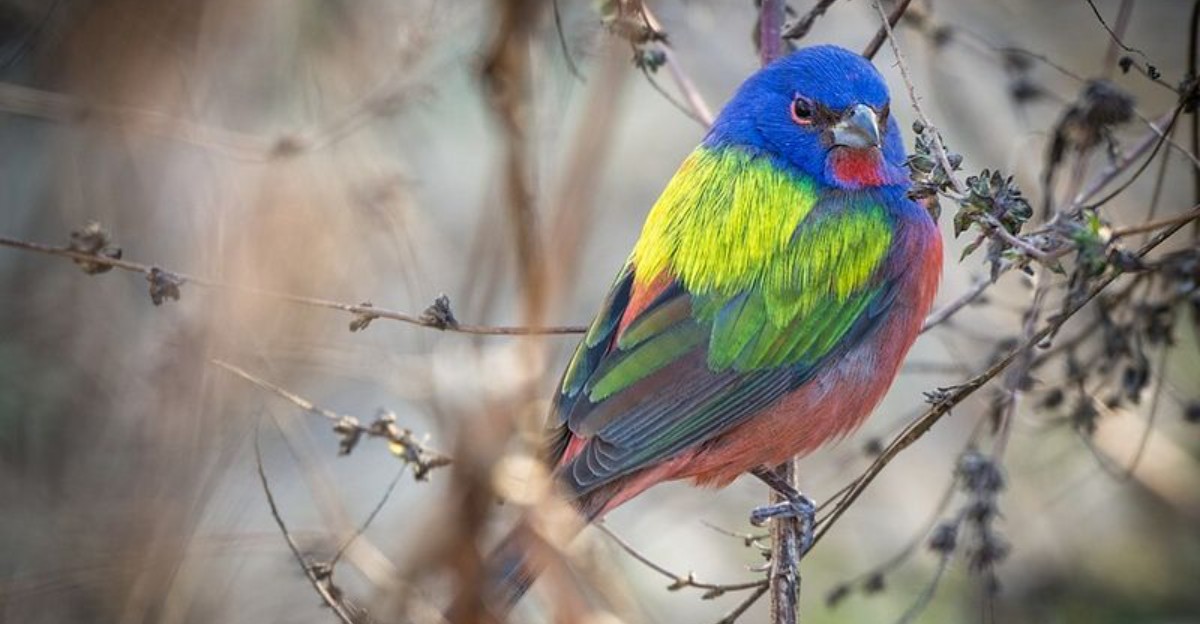
Somewhere north of the Florida line, a bird that looks like it lost a fight with a paint set is packing for the trip south.
Painted buntings rank near the top of every birder’s wish list, and they’re about to pass through. Some will skip your yard without a glance.
Others will settle in for the winter and stay until spring.
The birds follow a short checklist when they scout a place. Seed in a feeder only covers part of it.
Plenty of yards that look perfect to you fail the test on a detail nobody mentions.
They’re shy, too. A bunting won’t land where it feels exposed, no matter how good the menu looks.
Get your yard ready before the first flash of color shows up. A little planning now could earn you the best visitor of the season.
1. Dense, Low Shrubs To Hide In
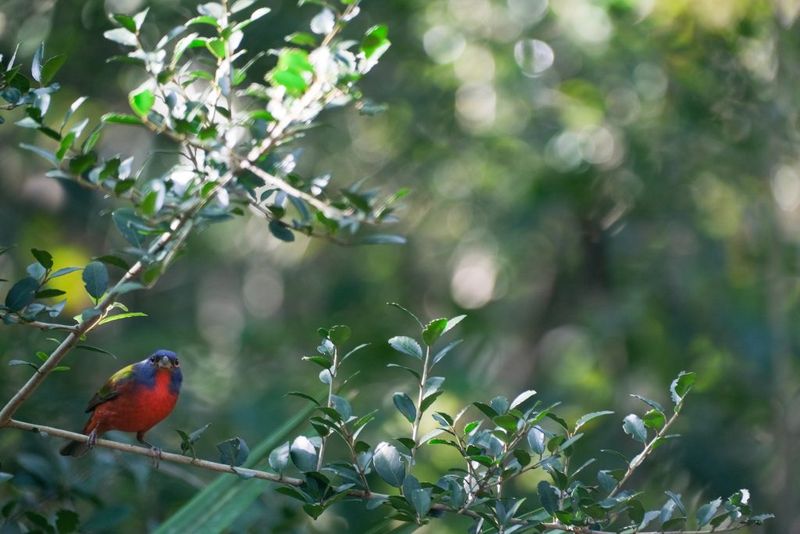
Think of a thick shrub as a bunting’s safe room. When a hawk swoops by, these little birds want a leafy hideout just a quick hop away.
Painted Buntings love low, dense plants that keep them tucked out of sight. Native Florida shrubs do this job well and often feed them too.
Wax myrtle, beautyberry, elderberry, and wild plum are all strong picks.
Simpson’s Stopper and Firebush also work nicely in Florida yards. They stay leafy, handle the heat, and offer berries or flowers that pull in insects.
Those bugs become extra snacks for hungry birds.
In the wild, these birds spend time in coastal hammocks and scrub. Those places are packed with tangled, low growth.
You can copy that feel by planting shrubs in clusters instead of single rows.
Height matters more than you might guess. Nests are usually built in shrubs or small trees within about six feet of the ground.
So skip the urge to trim everything into neat, open shapes.
A slightly messy hedge is a welcome sign to a bunting. Let a few branches grow thick and layered.
Your yard may look a bit wilder, but to these colorful visitors, it will look like home.
Fun fact: females are lime green, which helps them blend right into leaves.
2. Native Grasses And Weeds Going To Seed
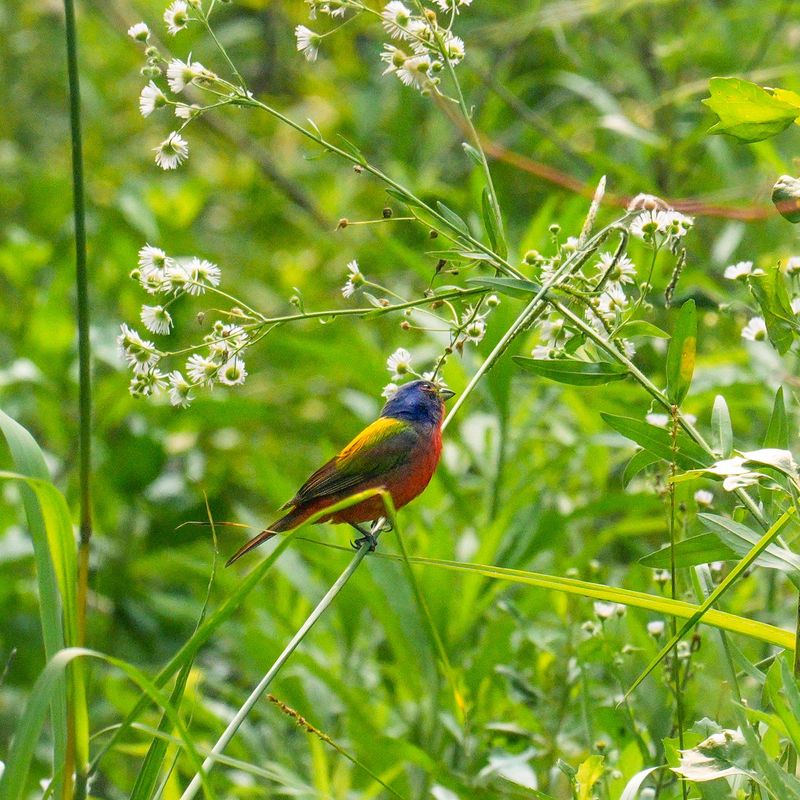
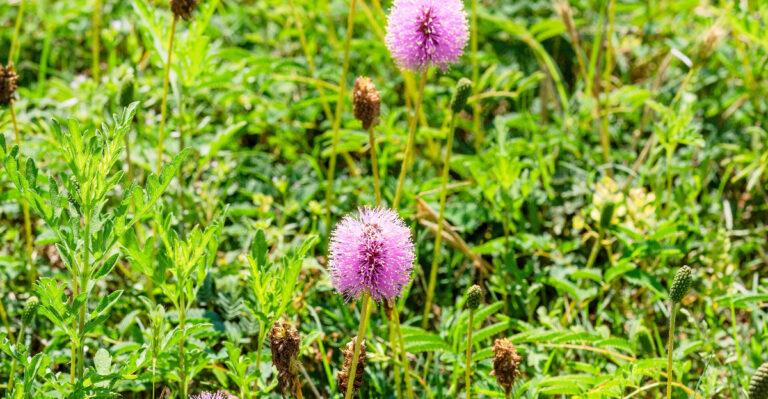
Good news for anyone who dislikes mowing. Those shaggy seed heads you were about to cut are a buffet for buntings.
Painted Buntings eat lots of seeds from native grasses, wildflowers, and even common weeds. They often hunt for food right on the ground.
A patch left a little wild gives them plenty to pick through.
Some of their favorite seeds come from bristle grass, pigweed, wood sorrel, and spurge. Panic grass, sedges, and dock are popular too.
Many of these plants pop up on their own without any help.
If you want to plant on purpose, Florida has great native grasses to choose from. Try Elliott’s Lovegrass, Purpletop, Switchgrass, or Little Bluestem.
Muhly grass adds pink clouds in fall, while Fakahatchee grass makes a bold, leafy clump.
Your Florida Garden Changes Every Week. Your Plan Should Too.
Gardening in Florida changes quickly throughout the season. Every Friday you’ll receive a simple weekly plan showing exactly what to plant, prune, fertilize, harvest, and protect so you never miss the right timing.
The trick is patience. Let the grasses flower and form seeds before you trim them back.
Waiting until late winter gives birds months of food.
You do not need to turn your whole lawn into a meadow. A small corner or a strip along a fence works fine.
Add a simple sign saying the area is a bird garden, and the neighbors will see it as a plan, not a missed chore.
Your lazy patch suddenly has a very good excuse.
3. White Millet At The Feeder
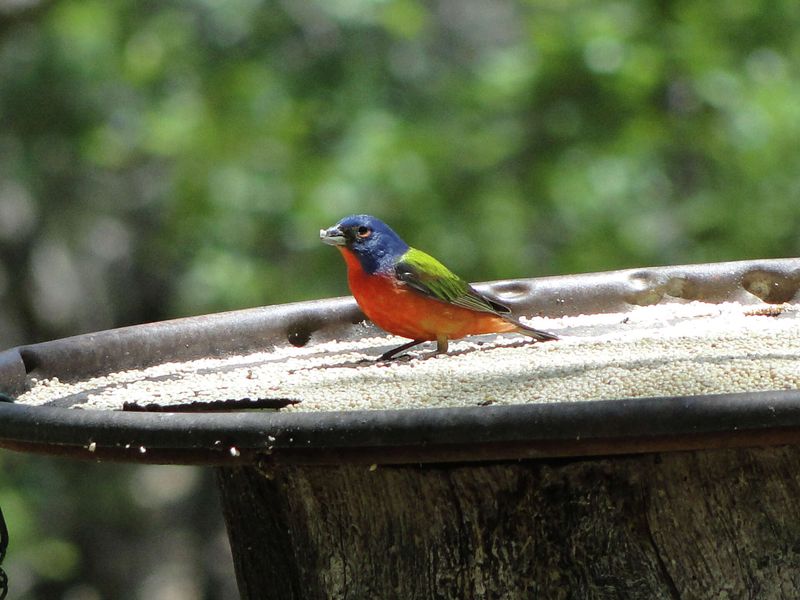
Ask any Florida bird lover what brought buntings to their yard, and the answer is usually two words. White millet.
White proso millet is the top choice for pulling these birds to a feeder. The small, round, pale seeds fit their short, thick beaks just right.
Many backyard birders say it beats every other seed they have tried.
Not all millet is the same, though. Red millet and milo show up in cheap seed mixes, but buntings rarely care for them.
Most of it ends up tossed on the ground and wasted.
Here is a sneaky tip. Avoid mixing your millet with sunflower seeds.
Sunflower draws bigger birds that crowd the feeder, and shy buntings will often wait in the bushes instead of joining in.
Hulled white millet is another smart move. The outer shell is already removed, so fewer seeds sprout into weeds under your feeder.
Cleanup becomes much easier too.
Start filling feeders in early fall, since some birds may arrive as early as mid-August. Most show up between October and mid-November.
Keep the seed fresh and dry, because damp millet can spoil fast in Florida humidity.
One small bag of the right seed can make a huge splash of color outside your window.
4. A Caged Feeder That Keeps Bigger Birds Out
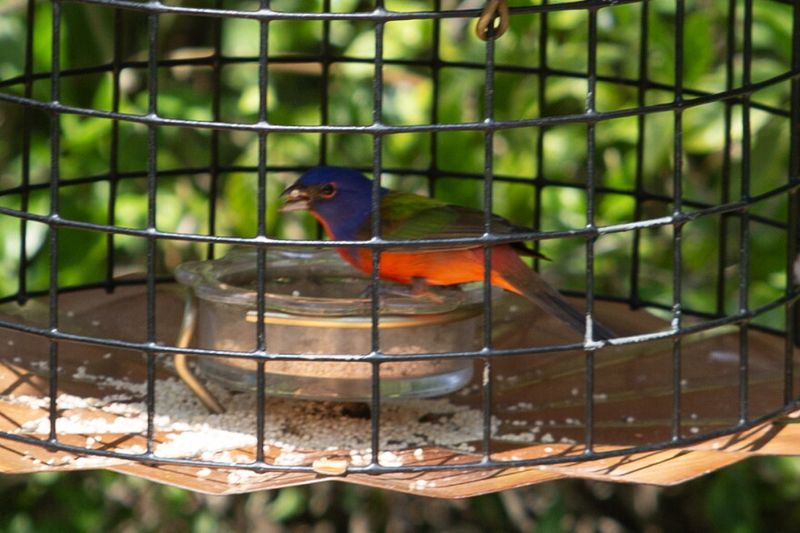
Ever watched a grackle hog a feeder like it owns the place? Buntings have, and they usually just give up and leave.
A caged feeder solves this problem neatly. It is a regular seed feeder surrounded by a wire cage.
The openings are big enough for small songbirds but too tight for bullies.
Grackles, blue jays, and even cardinals get blocked out. Squirrels and other critters have a much harder time reaching the seed too.
That leaves more millet for the little guys.
Buntings seem to feel safer inside the cage as well. The wire acts like a shield between them and larger birds.
Some people notice their buntings visit more often once a caged feeder goes up.
When shopping, check the size of the cage openings. Around one and a half inches is common for small-bird feeders.
Pick a sturdy model that is easy to open and clean.
Fill it with white millet only, and hang or mount it low. Buntings like to stay close to the ground and near cover.
A feeder high in an open spot may sit untouched.
Think of it as a VIP lounge with a strict guest list. Only the smallest, brightest visitors get past the velvet rope.
5. A Feeder Close To Cover, But Not Too Close
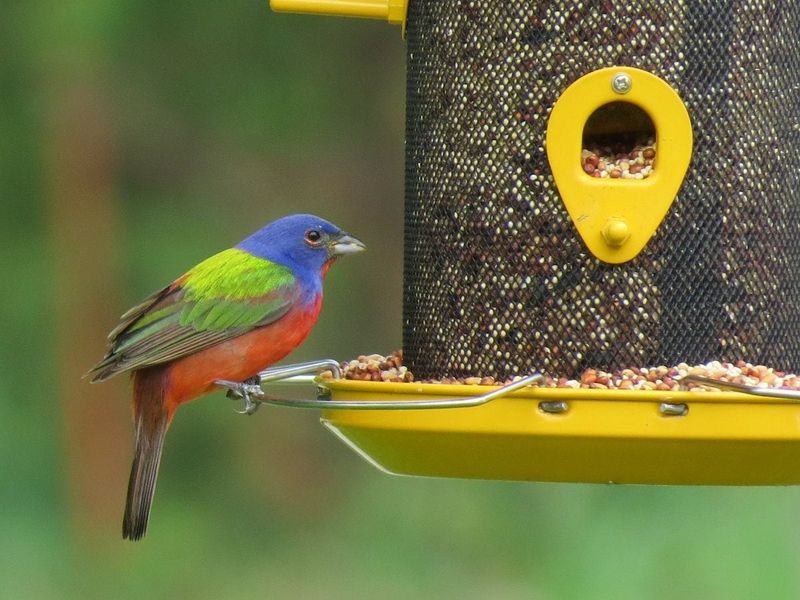
Placing a feeder for buntings is a bit like setting a picnic table. It needs to feel cozy and safe, yet still give a good view of the surroundings.
These timid birds want shrubs nearby so they can dash to safety if something scary appears. But a feeder buried inside a bush lets cats or other dangers sneak up unseen.
Balance is the goal.
Many bird watchers aim for about 10 to 12 feet between the feeder and the nearest cover. That gap gives buntings open space to scan for trouble.
It also keeps the escape route short.
Low feeders and ground feeding spots near cover tend to work better than hanging feeders in wide open areas. Buntings spend much of their time close to the ground.
Meet them at their level.
Another neat trick is creating a green path. Buntings like a line of plants leading from where they rest to where they eat.
A row of shrubs or tall grasses works like a hidden hallway.
Try placing the bunting feeder away from your main feeders too. A separate spot keeps busy crowds from scaring them off.
With a little moving around, you will find the sweet spot your colorful guests prefer.
6. A Shallow Birdbath With Fresh Water
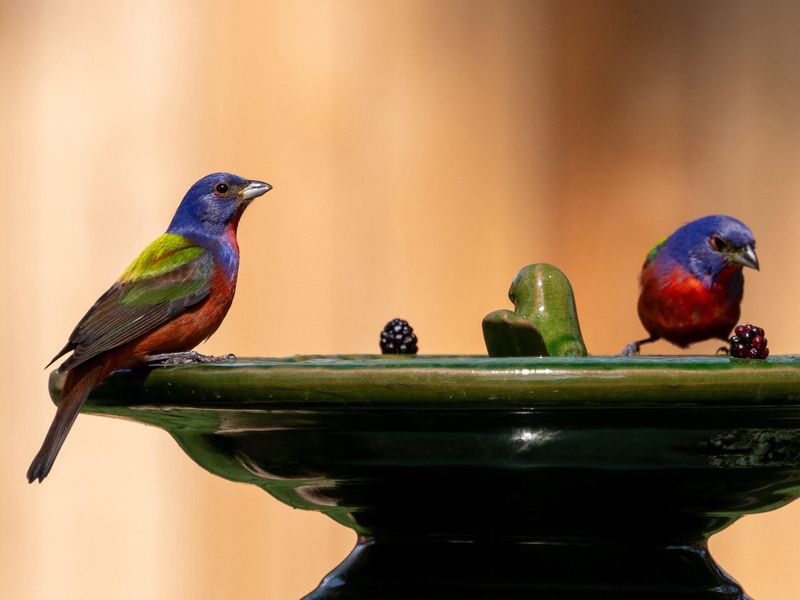
Florida heat makes everyone thirsty, including tiny birds. A splash of cool water can be just as tempting as a full seed tray.
Painted Buntings are small, so deep bowls can feel unsafe to them. A shallow birdbath, about one to two inches deep, suits them best.
Adding a flat rock inside gives them an easy place to stand.
Fresh water makes a real difference. Try to dump and refill the bath every day.
This keeps it clean and helps stop mosquitoes from laying eggs.
Moving water works like a magnet. A small dripper or mister creates sound and sparkle that birds notice from far away.
Many solar-powered fountains are cheap and simple to set up.
Location matters here too. Place the birdbath near protective shrubs so buntings can hop in and out quickly.
A wet bird flies a bit slower, so nearby cover helps it feel safe.
Scrub the bowl with a brush once a week to remove slime. Skip soap and harsh cleaners, since a plain water rinse usually does the job.
A diluted vinegar wash can help with stubborn spots.
Watching a bunting take a bath is a real treat. It flutters, shakes, and sparkles like a living rainbow in the sunlight.
7. A Yard Without Prowling Cats
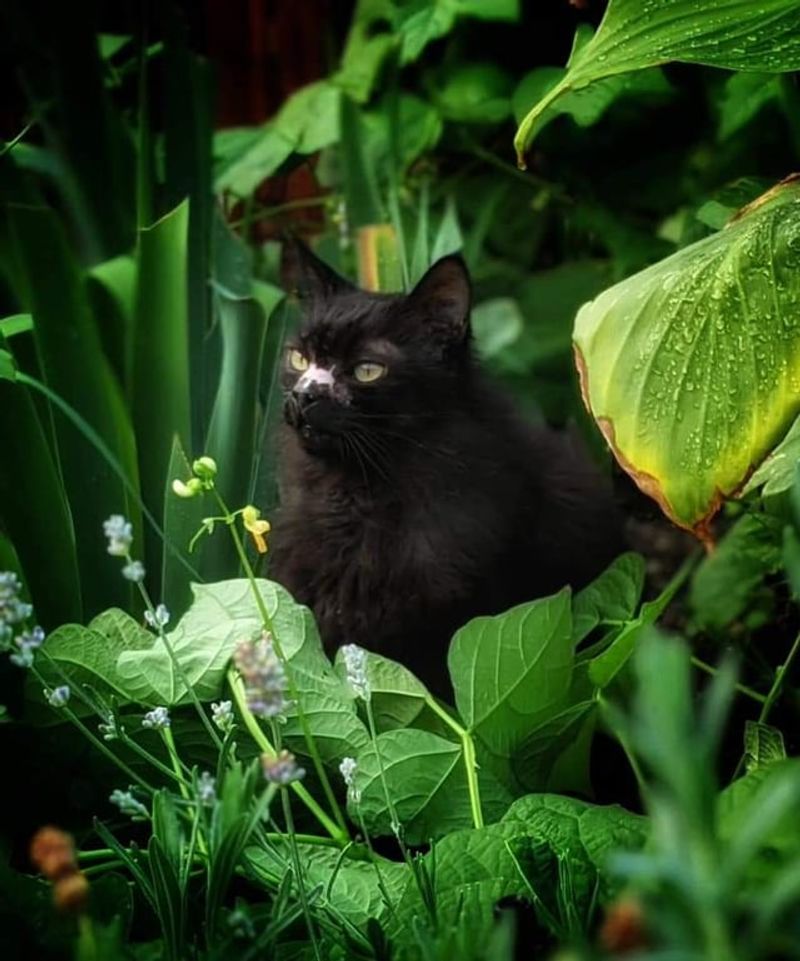
Here is a number that surprises many people. Free-roaming cats take at least one billion birds a year in the United States.
Cats are skilled hunters, even when they are well fed and friendly at home. Songbirds like Painted Buntings feed low to the ground, which puts them right in a cat’s reach.
One quiet pounce is all it takes.
The harm goes beyond hunting. Studies show that just seeing a cat can stress birds out.
Stressed birds may feed less or leave an area, which can hurt their numbers over time.
The kindest fix is simple. Keep pet cats indoors, or give them a screened porch or a cat patio.
Many cats adapt well and stay safer from cars and illnesses too.
Stray or neighborhood cats are trickier. Motion-activated sprinklers can gently send them on their way.
Thorny native shrubs near feeders also make sneaky approaches harder.
Florida has programs that look at how cats affect its wildlife. The state is home to many rare animals, so this issue matters a lot here.
Talking kindly with neighbors can help as well. Many cat owners have no idea how much birds struggle.
A friendly chat may protect your buntings better than any fence.
8. A Quiet Corner Where They Can Feed Undisturbed
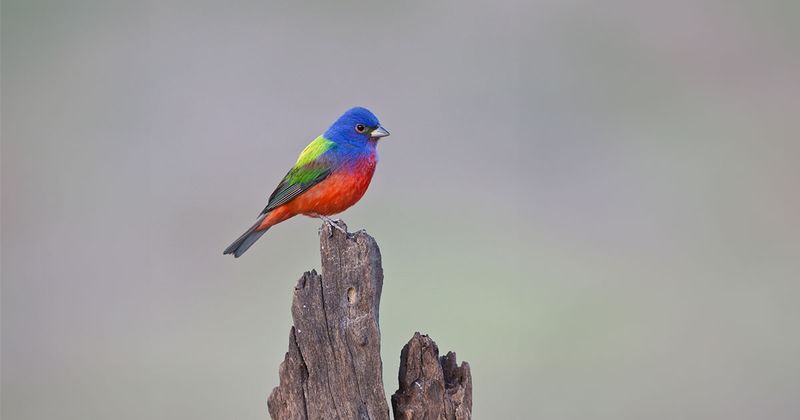
Some birds are party animals. Painted Buntings are more like the guest who slips in through the back door and hopes nobody notices.
In spite of their bright feathers, these birds are shy. They like calm spots where they can eat without being bothered.
Loud noise, frequent foot traffic, and barking dogs can send them flying.
Busy feeding areas also feel stressful to them. When mourning doves, jays, and sparrows crowd around, buntings often skip the competition entirely.
They would rather wait or leave.
So pick a quiet corner of your yard for them. A side garden, a back fence line, or a spot away from your patio can work well.
Away from the leaf blower and the kids’ soccer games is ideal.
Try viewing from a window instead of standing outside. Binoculars let you enjoy the colors up close without causing a scare.
A small chair placed far back can also work if you sit still.
Keep your routine steady. Refill feeders at around the same time each day and move slowly when you do.
Birds learn patterns and relax once they know what to expect.
Patience pays off. The calmer the corner, the longer these jewel-toned guests will linger.
9. A Welcome Worth Returning To Each Year
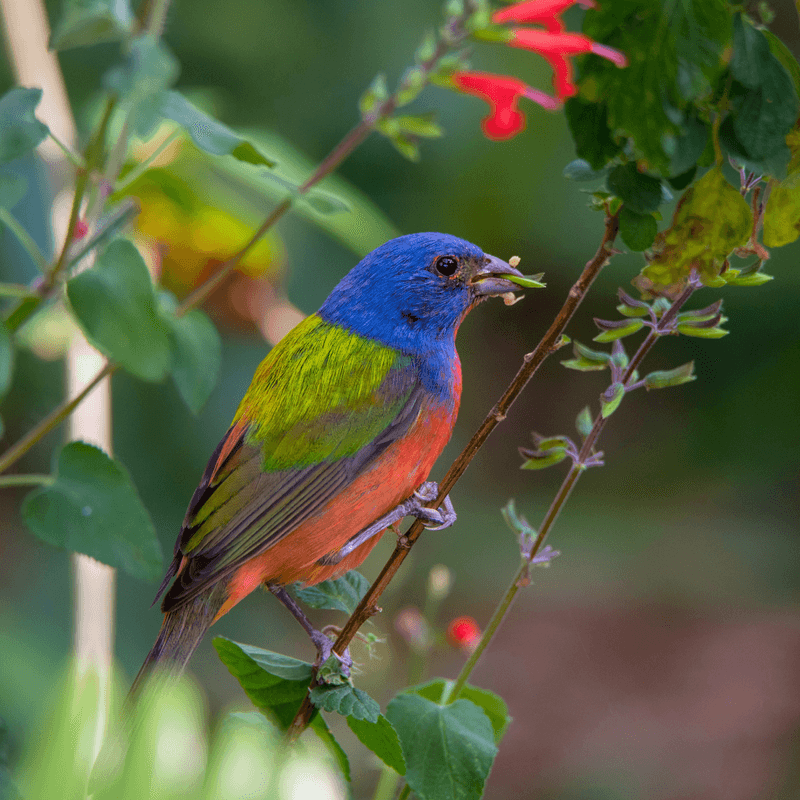
Many Florida bird lovers swear their buntings come back to the same feeder each fall. It feels like greeting old friends after a long trip.
Birds remember good places. When a yard offers food, water, and shelter season after season, buntings are more likely to return.
Steady care builds that memory.
Keep your feeders and birdbath going through the whole visiting season. Most buntings stay in Florida until around April.
Stopping too early can send them hunting elsewhere.
Skipping pesticides is a big deal. Bug sprays wipe out the insects buntings rely on, especially during nesting season when babies need protein.
A yard buzzing with beetles and caterpillars is a healthy yard for birds.
Let wildflowers and native grasses finish their life cycle too. When they go to seed, they offer a natural snack bar that needs no refilling.
This also helps butterflies and bees.
Keep a simple notebook or phone log of when your first bunting arrives. Over a few years, you may spot a pattern.
That helps you get ready earlier each season.
Fun fact: young males look green like females until their second year. So that plain green visitor might grow into a rainbow star next fall.