Think Your Bougainvillea Is Ready For Summer? Do These 6 Things In May To Be Sure
May is bougainvillea’s “are you ready for this?” month in Florida. The sun feels stronger, the heat starts to crank up, and the rainy season is waiting just offstage with dramatic timing.
If your bougainvillea has been flashing bright color all spring, this is the moment to give it a quick check before summer turns the dial higher.
A little May attention can help with stronger growth, cleaner leaves, better drainage, and a watering routine that makes sense for Florida’s weather.
Bougainvillea can handle plenty of heat when it has full sun, good airflow, and soil that does not stay soggy. Think of this as a pre-summer tune-up, minus the clipboard and tiny plant hard hat.
1. Prune Lightly After The Bloom Cycle Slows
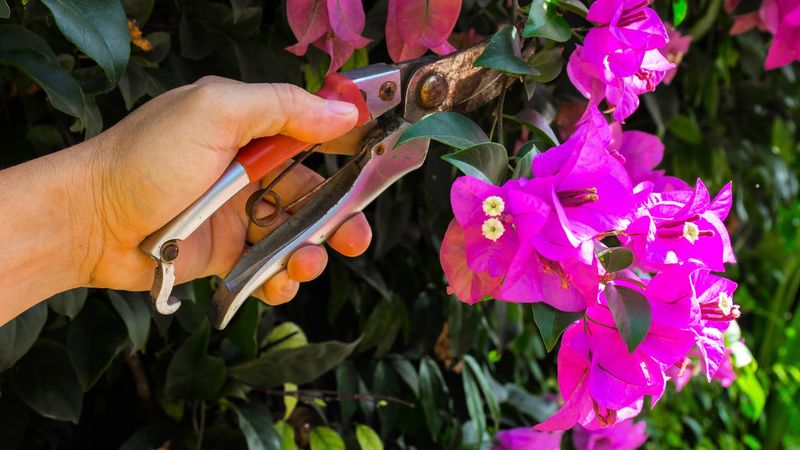
When the flush of spring color starts to fade and fewer bracts are opening on the vine, that is a good signal that a light pruning session could help.
Bougainvillea blooms on new growth, so trimming spent stems after a bloom cycle encourages the plant to push out fresh shoots that can carry flowers later in the season.
Going too heavy with the shears in May, though, can stress the plant right before summer heat builds.
In Florida, the combination of strong sun and rising humidity means plants are already working hard just to stay comfortable. A light trim rather than a hard cutback keeps the plant from spending too much energy recovering.
Focus on removing damaged or crossing stems, any branches that look weak, and tips that have clearly finished blooming.
Container bougainvilleas on patios and balconies tend to respond well to light shaping at this time of year because the roots are confined and recovery happens faster when conditions are warm.
In-ground plants along fences or trellises can handle a bit more trimming, but keeping cuts modest in May is usually the safer approach.
Sharp, clean tools help reduce the chance of introducing problems to fresh cuts.
A little patience goes a long way here, since bougainvillea often rewards a gentle touch in spring with a stronger show of color once summer rains begin rolling through Florida in the weeks ahead.
2. Go Easy On Fertilizer Before Summer Growth Takes Off
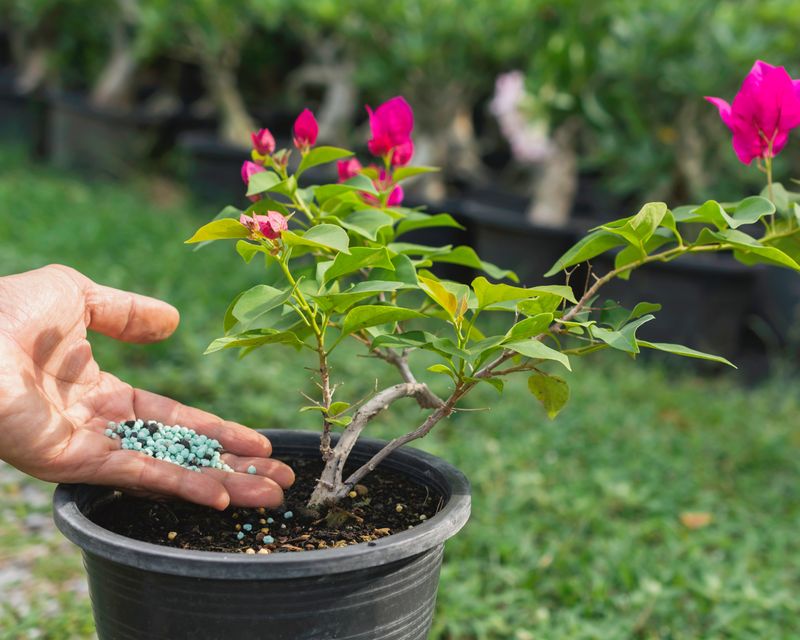
Fertilizing bougainvillea sounds straightforward, but the timing and type of fertilizer matter more than most people expect.
One of the most common mistakes Florida gardeners make is reaching for a high-nitrogen fertilizer when they want to see more blooms.
Too much nitrogen tends to push leafy green growth at the expense of the colorful bracts that make bougainvillea so eye-catching.
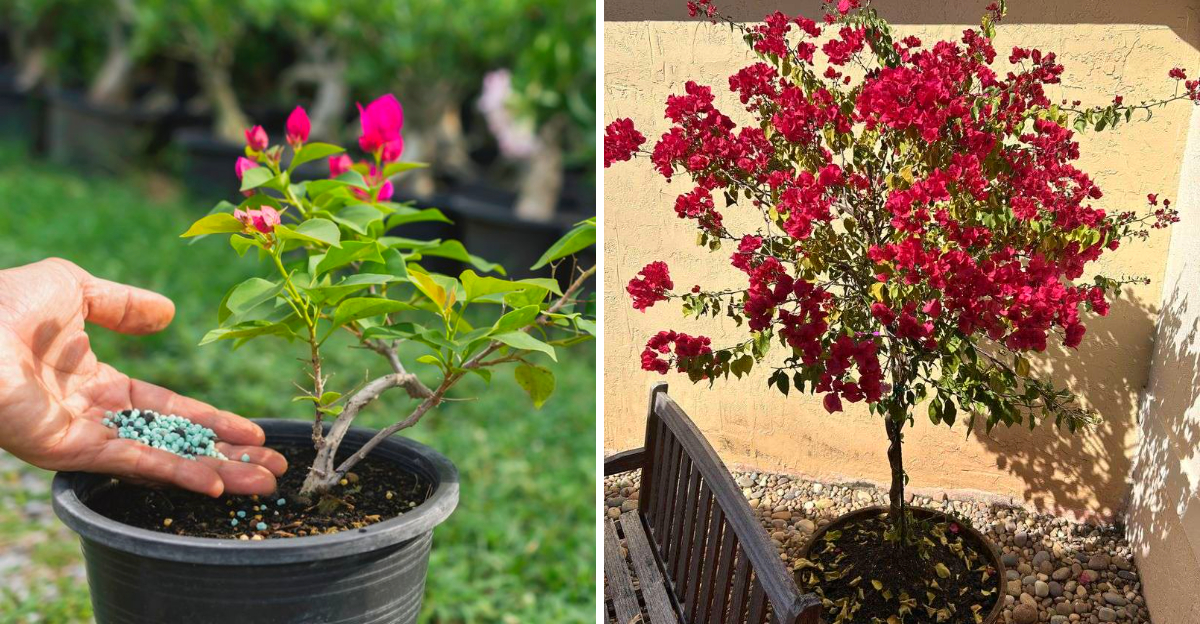
In May, the plant is coming out of its spring bloom cycle and starting to build energy for the growing season ahead. A balanced or low-nitrogen fertilizer with added micronutrients tends to support flowering better than a heavy feeding at this stage.
Sandy Florida soils drain quickly and do not hold nutrients the way richer soils do, so smaller, more frequent applications often work better than one large dose.
Your Florida Garden Changes Every Week. Your Plan Should Too.
Gardening in Florida changes quickly throughout the season. Every Friday you’ll receive a simple weekly plan showing exactly what to plant, prune, fertilize, harvest, and protect so you never miss the right timing.
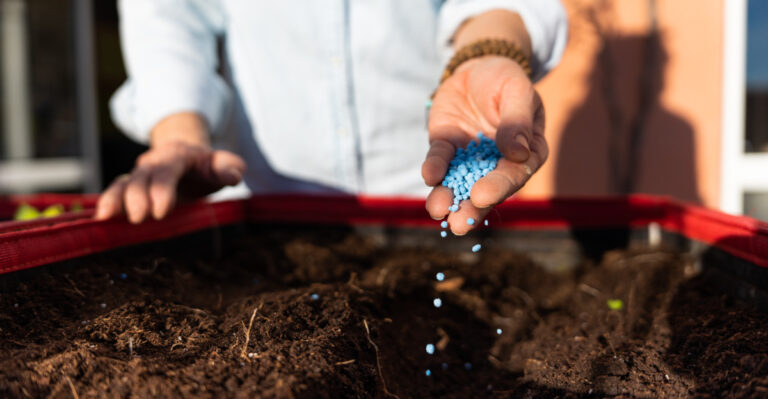
Slow-release granular options can be a practical choice for in-ground plants because they feed steadily over time without creating sudden growth spurts that the plant may struggle to sustain through summer heat.
Container plants may benefit from a diluted liquid feed since nutrients wash through potting mix faster than garden soil.
Avoid fertilizing a plant that is already showing signs of stress, such as wilting or yellowing leaves, since feeding a stressed plant can sometimes make things harder rather than easier.
Waiting until the plant looks stable and is producing healthy new growth gives fertilizer the best chance of being useful rather than overwhelming.
3. Check Drainage Before The Rainy Season Arrives
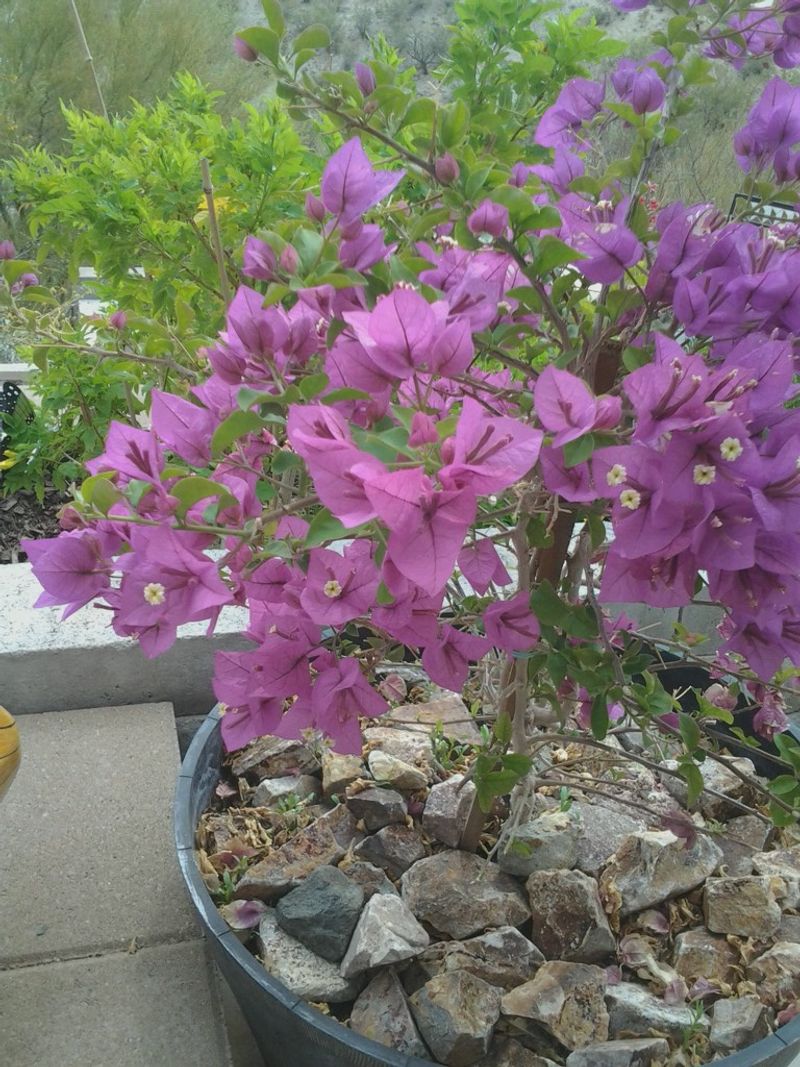
Standing water is one of the quickest ways to cause trouble for bougainvillea, and May is the right time to check whether your setup is ready for Florida’s summer rains.
Once the rainy season kicks in, water can accumulate fast in low spots, poorly graded beds, and containers without adequate drainage holes.
Bougainvillea roots do not handle soggy conditions well and can decline if they sit in waterlogged soil for extended periods.
Florida’s sandy soil drains quickly in many areas, which actually works in the plant’s favor. However, some yards have clay pockets, compacted spots, or landscape fabric that slows water movement more than expected.
Walking the area after a heavy spring rain and looking for puddles that linger for more than a few hours can help identify problem zones before the summer wet season makes them worse.
For container plants, checking that drainage holes are clear and unblocked is a simple but easy-to-overlook task. Saucers left filled with water under pots can keep roots sitting in moisture longer than the plant would prefer.
Elevating containers slightly on pot feet or a rack allows excess water to escape freely. In garden beds, adding a little extra organic material or adjusting the grade slightly can help redirect water away from the root zone.
Getting drainage right before the rains arrive consistently is one of the most practical things Florida gardeners can do to support long-term bougainvillea health through the wet summer months.
4. Inspect Leaves And Stems For Pest Trouble
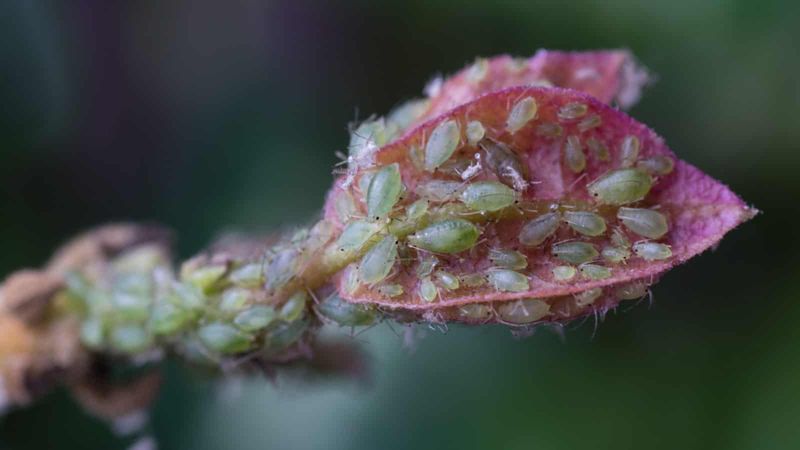
Warmer temperatures in May bring more insect activity to Florida gardens, and bougainvillea is not completely off the menu for common pests.
Aphids, caterpillars, scale insects, and loopers can all show up on bougainvillea at this time of year, sometimes without much visible warning until the damage becomes noticeable.
Taking a few minutes to flip leaves over and look at stems closely can catch problems before they spread.
Aphids tend to cluster near new growth tips, leaving behind a sticky residue that can attract other issues. Caterpillars and loopers chew irregular holes in leaves and bracts, which can affect the plant’s appearance and overall vigor going into summer.
Scale insects often look like small bumps on stems and can be easy to miss during a quick glance. A slower, more deliberate inspection once or twice in May is worth the effort.
For light infestations, a strong spray of water directed at affected areas can dislodge many soft-bodied insects without the need for anything more involved.
Insecticidal soap or neem-based products are options that many Florida gardeners find useful for moderate pest pressure, though following label directions carefully is always the right approach.
Avoiding broad-spectrum treatments unnecessarily helps protect beneficial insects that visit bougainvillea flowers.
Keeping the plant healthy through proper sunlight, drainage, and watering also makes it more resilient against pest pressure, since stressed plants in Florida’s warm climate tend to attract more insect activity than those growing in good conditions.
5. Water Thoughtfully Until The Rains Return
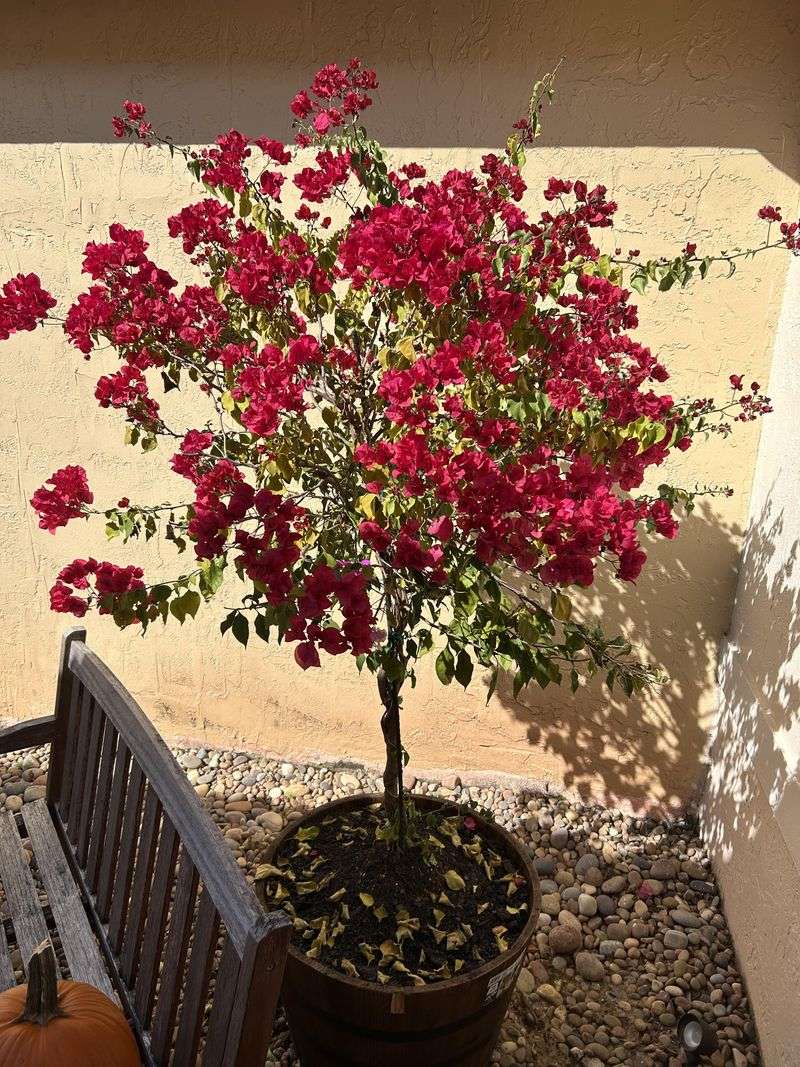
May sits in that in-between stretch where Florida’s dry season is winding down but the summer rains have not yet settled into a reliable pattern.
That means bougainvillea in the ground or in containers still needs some supplemental watering, but the amount and frequency deserve a little thought rather than a set-it-and-forget-it approach.
Overwatering in May can be just as problematic as underwatering, especially as humidity begins to climb.
Bougainvillea generally performs better when the soil is allowed to dry out slightly between waterings rather than staying consistently moist.
In Florida’s warmer spring conditions, checking the soil a few inches below the surface before watering gives a more reliable picture than going by how the surface looks.
If the soil still feels damp, waiting another day or two is usually the better call.
Container plants dry out faster than in-ground plants, especially when sitting in full Florida sun on a patio or balcony. Smaller pots in particular may need water more frequently as temperatures rise in May.
Morning watering tends to work well because it gives foliage time to dry before the heat of the day builds, which can help reduce the chance of fungal issues developing in humid conditions.
Once the summer rainy season arrives and showers become more frequent and predictable, the need for supplemental watering typically drops.
Paying attention to what the plant and the soil are telling you in May sets a smarter watering rhythm heading into summer.
6. Avoid Big Root Disturbance Before Peak Heat
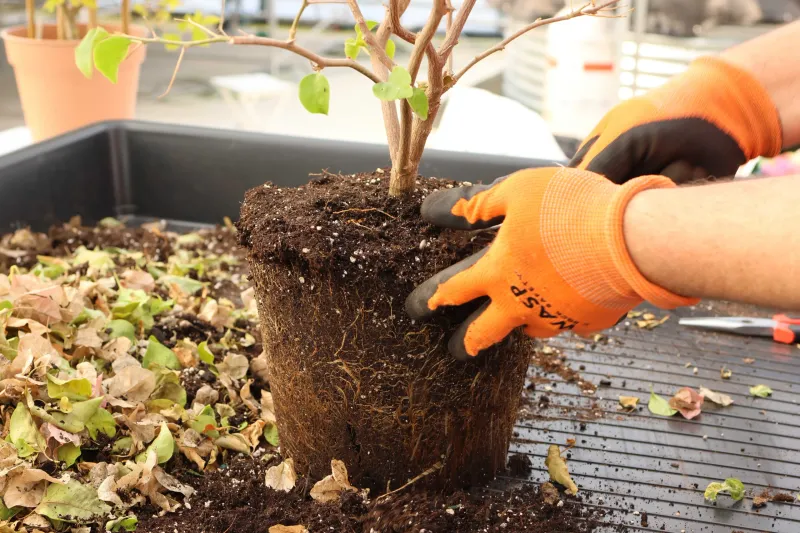
Transplanting or repotting bougainvillea right before the hottest part of the Florida summer is a move that often leads to more setbacks than successes.
The root system of bougainvillea is somewhat sensitive, and disturbing it significantly when the plant is about to face peak heat and intense sun can slow recovery considerably.
May is generally not the ideal window for major root work unless there is a pressing reason that cannot wait.
If a container plant is clearly rootbound and struggling, moving up to a slightly larger pot with fresh, well-draining potting mix can be done carefully in early May while temperatures are still more manageable.
The key is to handle the root ball gently, avoid shaking or breaking apart the roots more than necessary, and give the plant a shaded or partially shaded recovery spot for a short period after the move rather than placing it immediately back in full Florida sun.
In-ground plants that have been established for a season or more are usually better off left alone at this time of year.
Moving a mature bougainvillea from one spot to another in May puts it through transplant stress right when summer heat is building, which can result in significant leaf and bract loss as the plant tries to cope.
If relocation is necessary, waiting until cooler conditions return in fall tends to give the plant a much better chance of settling in without a long period of stress.
Patience in May often pays off by the time summer is in full swing across Florida.