The Only Native Texas Plant You Need If You Want Hummingbirds In Your Garden All Season Long
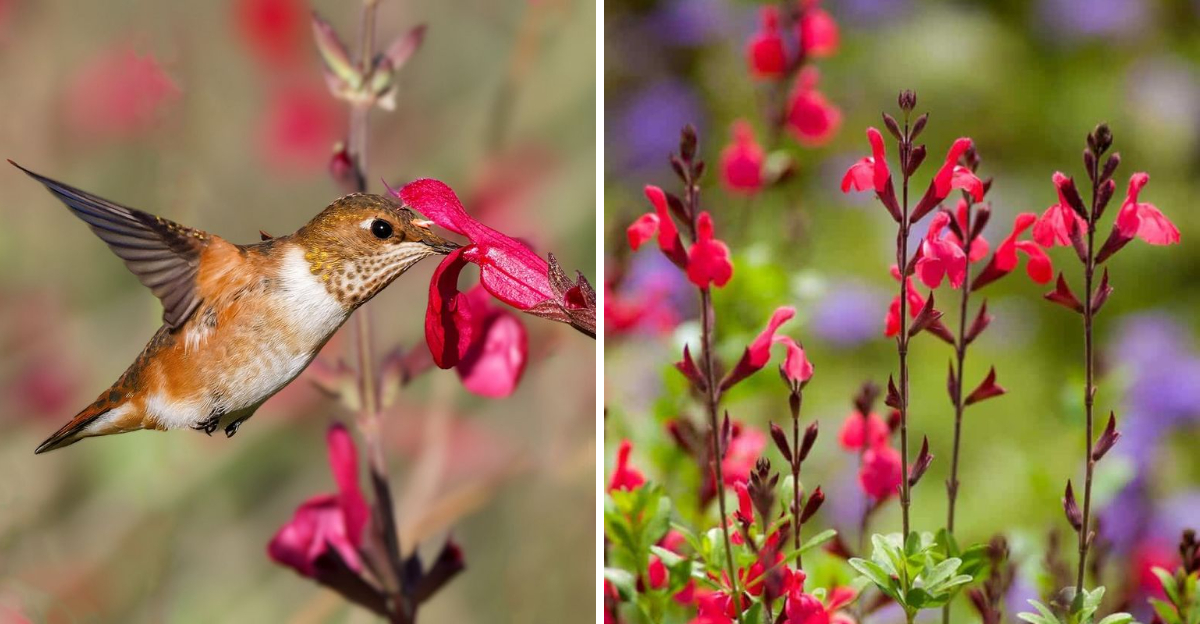
Hummingbirds are hands down one of the most magical things you can attract to your garden. There’s something about watching those tiny, lightning fast wings and jewel toned feathers that never gets old.
But if you’ve been putting out feeders and still not seeing many visitors, there’s a good chance you’re missing something important. Hummingbirds don’t just want sugar water. They want a real home. And there’s one native Texas plant that delivers exactly that.
It blooms at just the right times, produces exactly the kind of flowers hummingbirds go absolutely crazy for, and it keeps them coming back all season long. Not just for a quick visit here and there.
We’re talking regular, reliable hummingbird activity right outside your window. The best part?
This plant is native to Texas, which means it was literally built for this climate. It handles the heat, the drought, and the unpredictable Texas weather without breaking a sweat.
One plant. All season long. A garden full of hummingbirds. Keep reading to find out what it is.
Autumn Sage
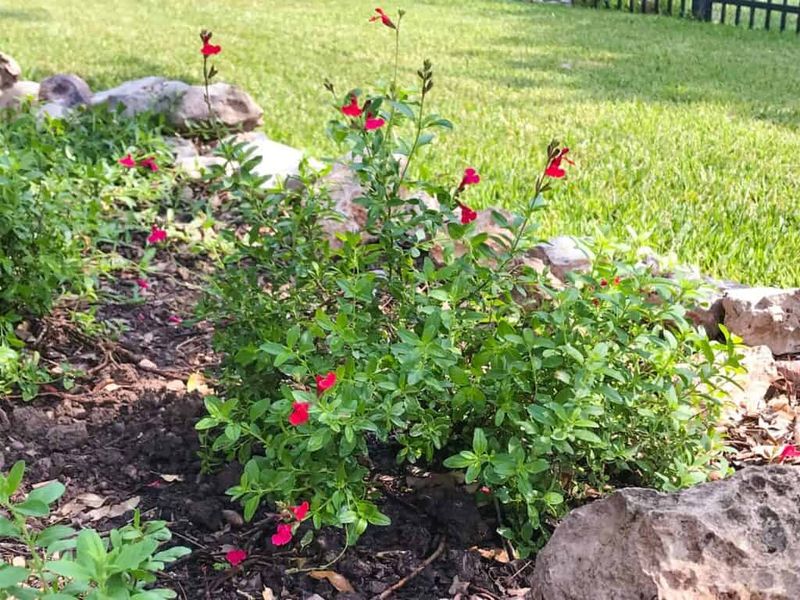
Walk through almost any Texas native plant nursery in spring, and you will likely spot autumn sage right away. Its cheerful clusters of tubular flowers in shades of red, coral, pink, and purple make it hard to miss.
Botanists and gardeners know it by its scientific name, Salvia greggii, but most Texans simply call it autumn sage.
Autumn sage is a compact, woody perennial shrub that typically grows between two and four feet tall and wide. It is native to the Trans-Pecos region of Texas and northern Mexico, which means it evolved in some seriously tough conditions.
That rugged background is exactly why it performs so well across Texas gardens, from the Hill Country to the Gulf Coast.
Gardeners love autumn sage for more than just its looks. It is a plant that truly earns its spot in the yard by attracting pollinators, especially hummingbirds, almost constantly during its long bloom season.
Few other native plants offer that kind of consistent wildlife value. For anyone who wants a low-effort, high-reward plant that fits beautifully into a Texas landscape, autumn sage checks every box.
It is tough, colorful, and reliably wildlife-friendly. Once you plant one, you will probably want several more.
Why Hummingbirds Love Autumn Sage
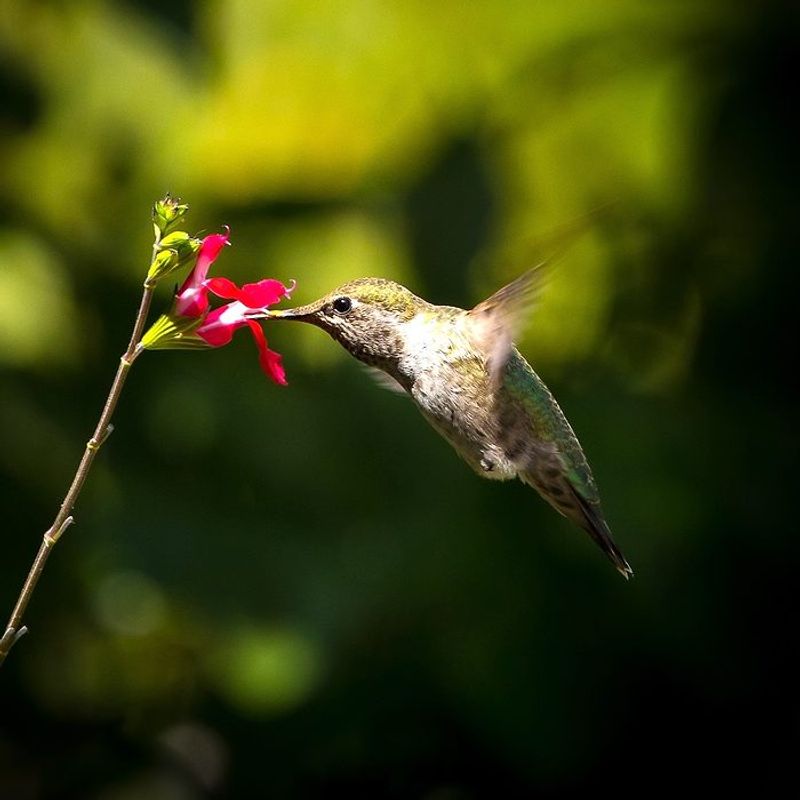
Hummingbirds are built for tubular flowers, plain and simple. Their long, slender bills and even longer tongues are perfectly shaped to reach deep inside a narrow bloom and lap up nectar.
Autumn sage produces exactly that kind of flower, making it one of the most naturally hummingbird-friendly plants you can grow in Texas.
Color also plays a big role. Hummingbirds are strongly attracted to red and orange shades, and autumn sage delivers those colors in abundance.
Red and coral varieties are especially powerful at catching a hummingbird’s eye from a distance. Once they spot those blooms, they will return again and again as long as the flowers keep coming.
Your Texas Garden Changes Every Week. Your Plan Should Too.
Gardening in Texas changes quickly throughout the season. Every Friday you’ll receive a simple weekly plan showing exactly what to plant, prune, fertilize, harvest, and protect so you never miss the right timing.
Beyond color and shape, autumn sage offers something else hummingbirds need: a reliable nectar source. Hummingbirds burn enormous amounts of energy during flight and need to feed frequently throughout the day.
A plant that blooms consistently over many months gives them a dependable food stop they can count on.
Pink, purple, and white varieties of autumn sage also attract hummingbirds, though perhaps not quite as quickly as the red ones.
Still, mixing several color varieties together creates a vibrant, layered display that appeals to hummingbirds and adds real visual interest to your garden. The more autumn sage you plant, the more hummingbird activity you are likely to see.
Its Long Bloom Season Makes It So Valuable
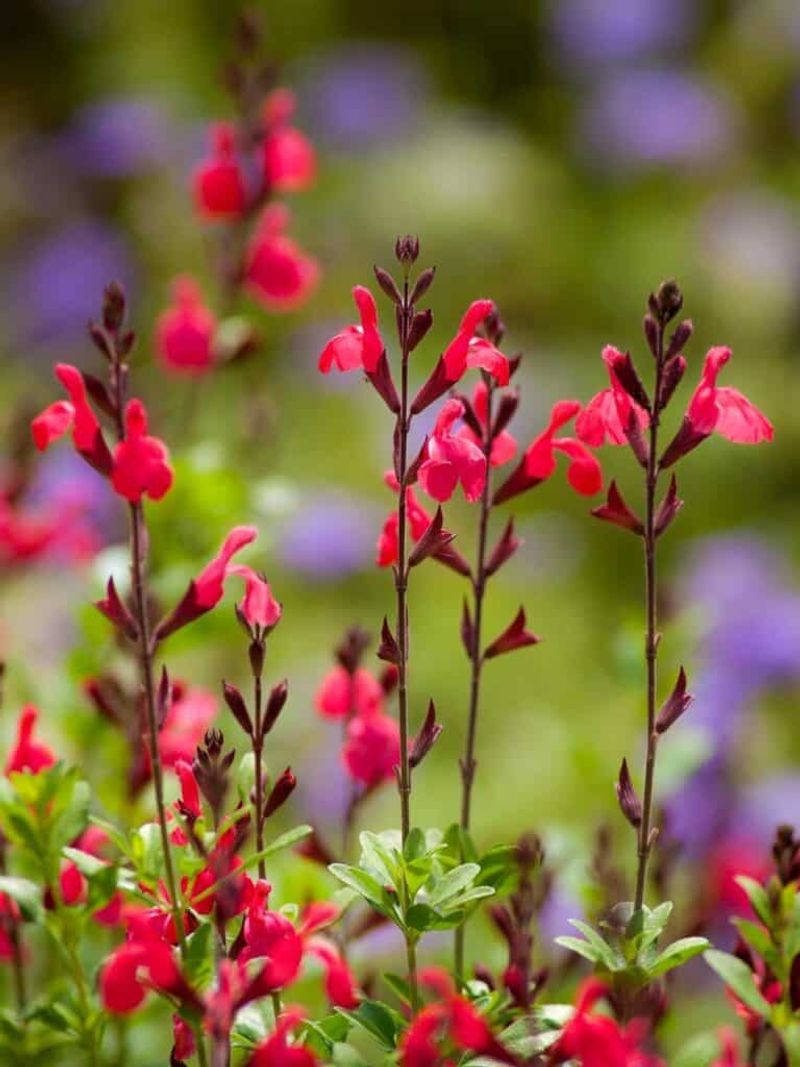
Most flowering plants in Texas put on a show for a few weeks and then call it done. Autumn sage refuses to follow that pattern.
According to the Native Plant Society of Texas, autumn sage has a bloom season that runs from March all the way through November. That is an extraordinary stretch of time for any plant to keep producing flowers.
That long flowering window matters a lot when it comes to hummingbirds. Ruby-throated hummingbirds pass through Texas during spring and fall migration, and broad-tailed and black-chinned hummingbirds are present during the warmer months.
Having autumn sage in bloom during both migration periods and the active summer season means your garden can support hummingbirds at multiple points throughout the year.
The plant does not bloom all at once in one massive flush and then stop. Instead, it blooms in waves, cycling through periods of heavy flowering followed by short rest periods before pushing out fresh blooms again.
Light trimming after each flush helps speed up the next round of flowers. Few native Texas plants can match that kind of seasonal staying power. Spring-blooming plants miss the fall migrants entirely.
Fall bloomers miss the spring rush. Autumn sage bridges both seasons beautifully, making it one of the most strategically useful plants a hummingbird gardener in Texas can choose.
Planting it means you are covered from early spring right through the last warm days of autumn.
Where To Plant Autumn Sage In Texas Gardens
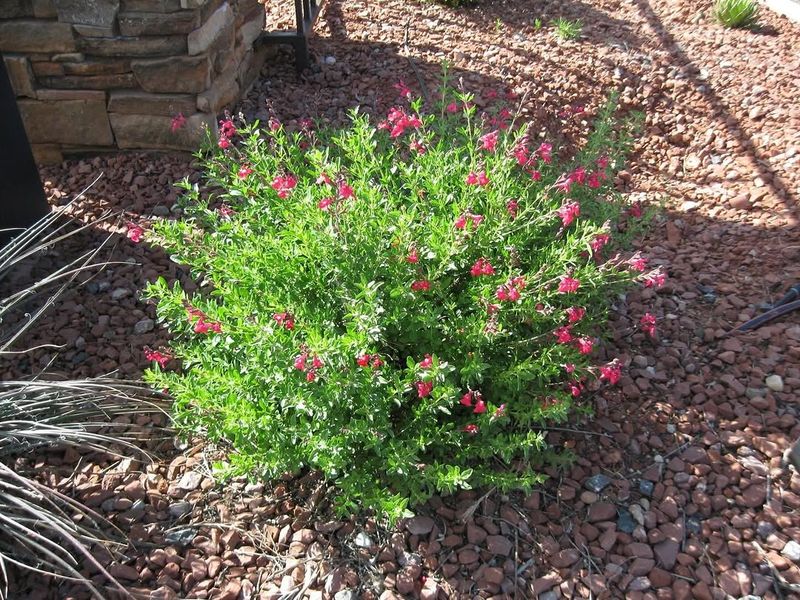
Autumn sage is not a fussy plant about where it lives, but it does have a few preferences that will help it truly shine. Full sun is its first love.
Give it at least six hours of direct sunlight each day, and it will reward you with the most abundant blooms possible. Partial shade is tolerable, but flowering will be noticeably reduced.
Well-drained soil is the other major key. Autumn sage absolutely does not like sitting in wet or waterlogged ground for extended periods.
Sandy, rocky, or even poor soils are perfectly fine as long as water drains away quickly. This makes it an excellent choice for the rocky Hill Country, caliche-heavy Central Texas soils, or the sandy coastal areas of South Texas.
In terms of garden placement, autumn sage is wonderfully versatile. Plant it along borders for a splash of color that lasts all season.
Use it in pollinator beds alongside other native wildflowers. It fits naturally into cottage gardens, xeriscapes, and rock gardens.
Planting it along pathways or near seating areas lets you enjoy the hummingbird activity up close.
One useful tip is to group several plants together rather than planting just one. A mass planting of autumn sage creates a much larger visual target for passing hummingbirds and provides more nectar overall.
Three to five plants grouped together in a sunny border can transform a quiet backyard into a lively hummingbird hotspot almost overnight once the blooms open.
How To Keep It Blooming And Looking Good
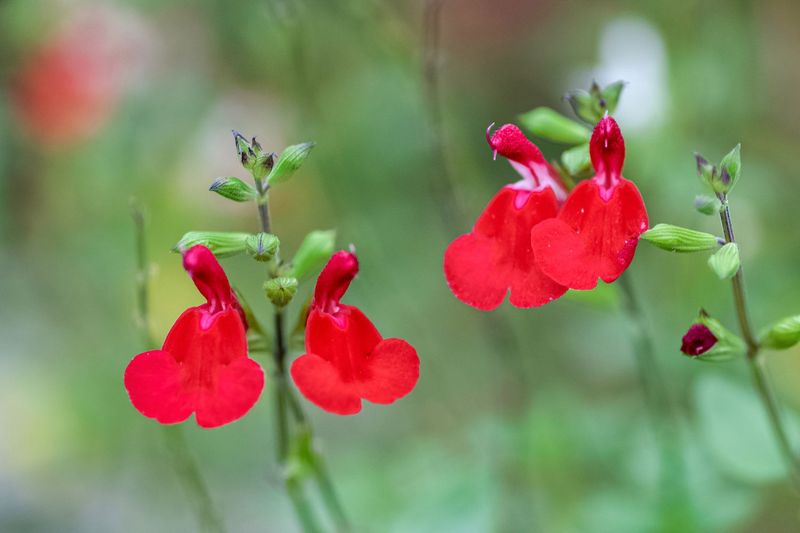
One of the best things about autumn sage is how little work it needs once it gets established. After the first growing season, when roots have settled in and spread, this plant becomes genuinely drought-tolerant.
That said, during extreme Texas heat waves in July and August, giving it a deep drink of water every week or two can help it keep blooming rather than going dormant.
Trimming is the most important maintenance step for keeping autumn sage looking tidy and flowering generously. After each bloom flush finishes and the flowers start to fade, go in with clean pruning shears and cut the stems back by about one-third.
This light shearing removes spent growth, encourages the plant to push out fresh stems, and triggers the next round of blooms much faster than if you simply leave it alone.
Early spring is also a great time to give autumn sage a more thorough pruning. Cut the entire plant back by about half before new growth begins in late February or early March.
This keeps the shrub from getting too woody and leggy over time and encourages a dense, compact shape that looks great all season long.
Fertilizer is rarely needed and can actually cause more harm than good by pushing leafy growth at the expense of flowers. Autumn sage thrives on neglect in that department.
Healthy soil with good drainage and plenty of sunshine is genuinely all it needs to perform beautifully year after year in a Texas garden.
A Native Plant With Big Backyard Payoff
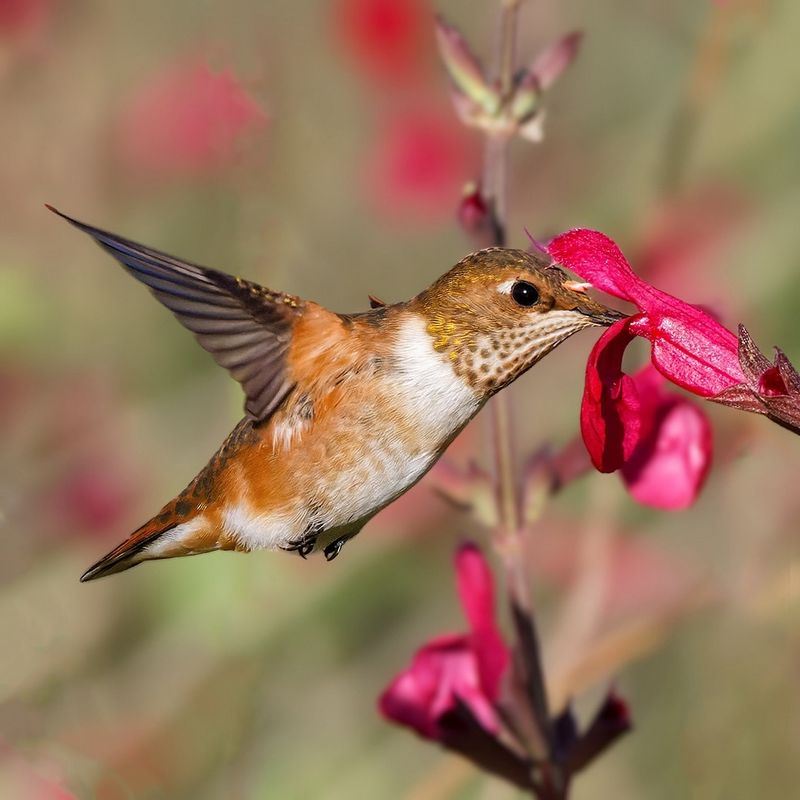
When you step back and look at everything autumn sage brings to a Texas garden, the case for planting it becomes pretty hard to argue with. It is beautiful, drought-tolerant, and low-maintenance.
It blooms for the better part of the year. And it is one of the most reliably hummingbird-attractive native plants available to Texas gardeners.
No single plant can guarantee that hummingbirds will show up in your yard every single day all season long. Birds are wild creatures with their own schedules and habits.
But autumn sage is widely recognized by native plant experts and wildlife gardeners as one of the strongest choices a Texas gardener can make when the goal is consistent hummingbird activity. It stacks the odds heavily in your favor.
Pairing autumn sage with other Texas natives like Turk’s cap, salvia coccinea, and native lantana can make your garden even more attractive to hummingbirds and other pollinators. Variety helps keep the garden interesting for wildlife throughout the season.
If you are ready to make a real difference for hummingbirds in your backyard, start with autumn sage. Plant three, five, or even seven shrubs together in a sunny spot with good drainage, and watch what happens.
The clusters of tubular blooms will light up your garden with color while quietly working as a hummingbird magnet from early spring through late fall. It is one of those rare plants that looks great, helps wildlife, and asks for very little in return.