Why Brown Marmorated Stink Bugs Are Suddenly Crawling Into Pennsylvania Homes
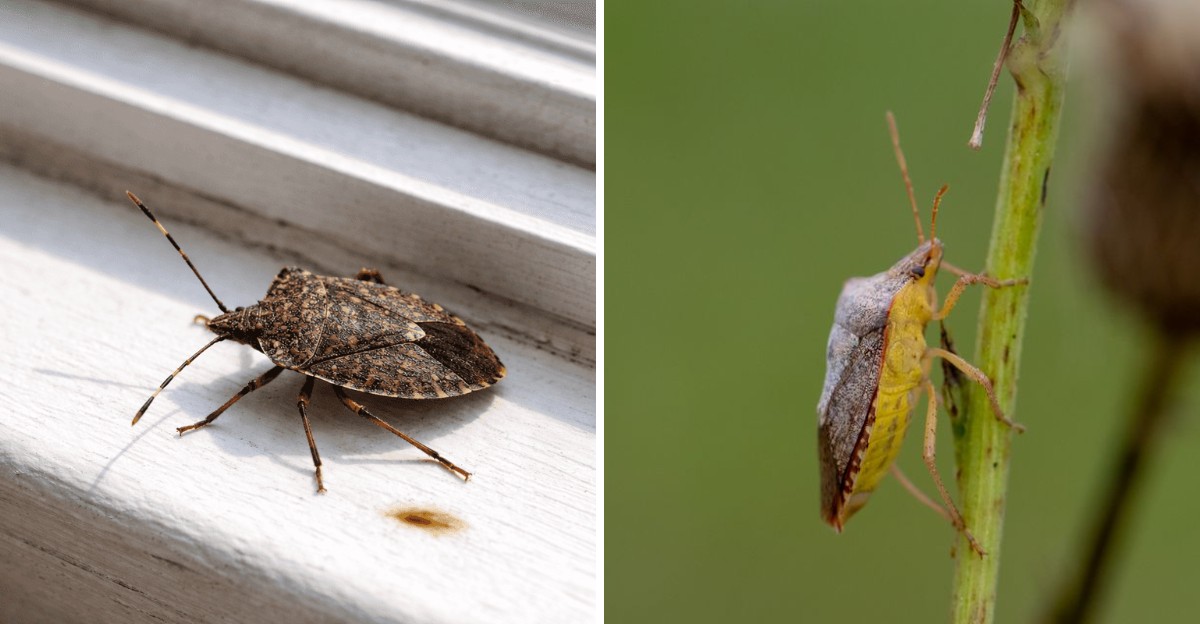
If stink bugs have been appearing inside your Pennsylvania home with increasing frequency lately, the timing is not a coincidence.
Brown marmorated stink bugs follow a seasonal pattern that plays out across Pennsylvania every fall with a predictability that most homeowners experience firsthand before they fully understand what’s driving it.
These insects are not invading randomly. They’re following a biological directive that kicks in at a very specific point in the year, and the homes they choose to enter reflect conditions on the exterior that most residents have never thought to address.
Understanding what’s actually triggering the fall invasion, gives you a real and practical advantage in reducing how many make it inside this season.
1. Shorter Days And Cooler Temperatures Trigger Their Search For Shelter
The leaves are turning gold, the air smells like apples, and suddenly your porch is covered in brown bugs. It feels like they came out of nowhere, but there is a clear reason behind the timing.
Brown marmorated stink bugs pay close attention to the calendar in their own way. They sense the amount of daylight each day. When days get shorter in September, a signal switches on inside their bodies.
That signal tells them summer is over. They stop eating and stop laying eggs. Their only goal becomes finding a safe, dry place to wait out the cold months.
Cooler temperatures add to the urgency. Once nighttime lows start dipping into the 50s, the bugs start moving in large groups. Across Pennsylvania, this usually peaks from late September through mid-October.
Scientists call this behavior overwintering. It is similar to how some animals hibernate, though stink bugs do not sleep in quite the same way. They slow down and rest until spring warms things up again.
Knowing the timing gives you a big advantage. The best move is to get ready in August, before the bugs start looking for shelter. Check your screens, patch torn spots, and seal gaps while the weather is still warm.
Keep an eye on the forecast too. A sunny, warm day right after a cold snap often brings a big wave of bugs to your walls.
On those days, keep doors closed and try not to leave windows open for fresh air. A little planning in late summer can save you weeks of frustration in the fall.
2. Homes Mimic Their Natural Overwintering Sites
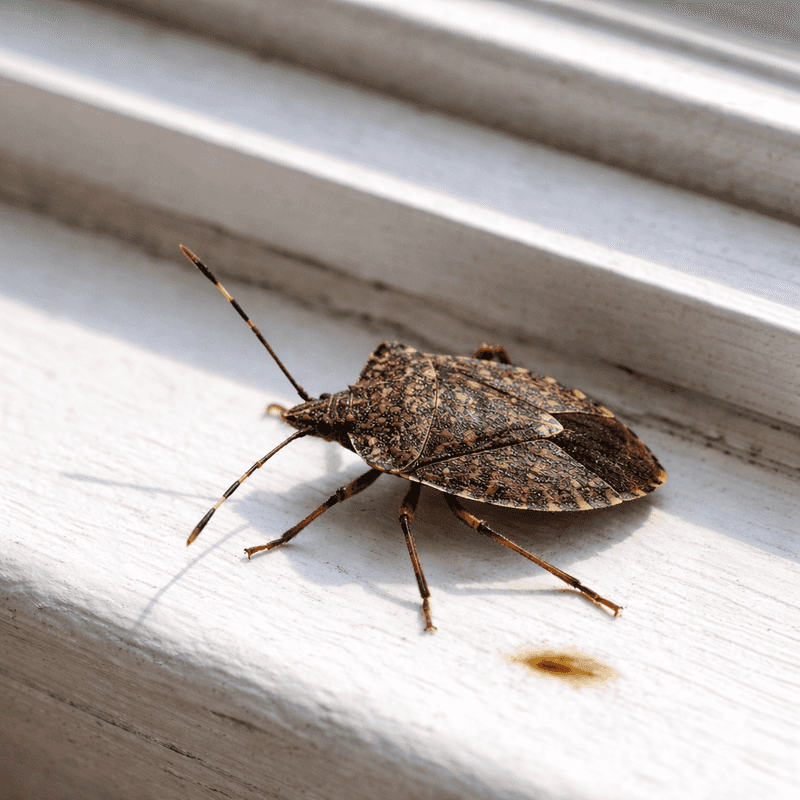
Long before they ever saw a Pennsylvania farmhouse, these bugs lived in China, Japan, Korea, and Taiwan.
Fun fact: they were first found in the United States near Allentown in the late 1990s. Experts think they hitched a ride in shipping crates.
Back in East Asia, stink bugs spend winter tucked into natural hiding spots. They crawl into cracks in rocks, under loose tree bark, and along steep cliff faces. These places stay dry and block the wind.
Now think about your house. The narrow spaces behind siding feel a lot like a rock crevice. An attic full of insulation is a lot like the inside of an old hollow tree.
Your Pennsylvania Garden Changes Every Week. Your Plan Should Too.
Gardening in Pennsylvania changes quickly throughout the season. Every Friday you’ll receive a simple weekly plan showing exactly what to plant, prune, fertilize, harvest, and protect so you never miss the right timing.
To a stink bug, your home is basically a giant, cozy cliff. It offers everything they look for in a winter hideout. There is shelter from rain, protection from snow, and very few predators.
Pennsylvania has a lot of older homes, too. Many of them have settled over the years and developed small gaps. Barns, sheds, and garages are also popular spots.
So what can you do with this knowledge? Try to make your home look less like a hiding place. Clear away stacks of firewood, old boards, and piles of leaves that sit right next to the walls.
Look closely at areas that stay dark and undisturbed. Attics, crawl spaces, and closets that rarely get opened are favorite spots. A quick check in late fall can show you where the bugs are gathering.
Once you know their favorite corners, you can focus your sealing and cleaning efforts there. Your house does not have to be their winter vacation rental.
3. Sun-Warmed Walls Draw Them In
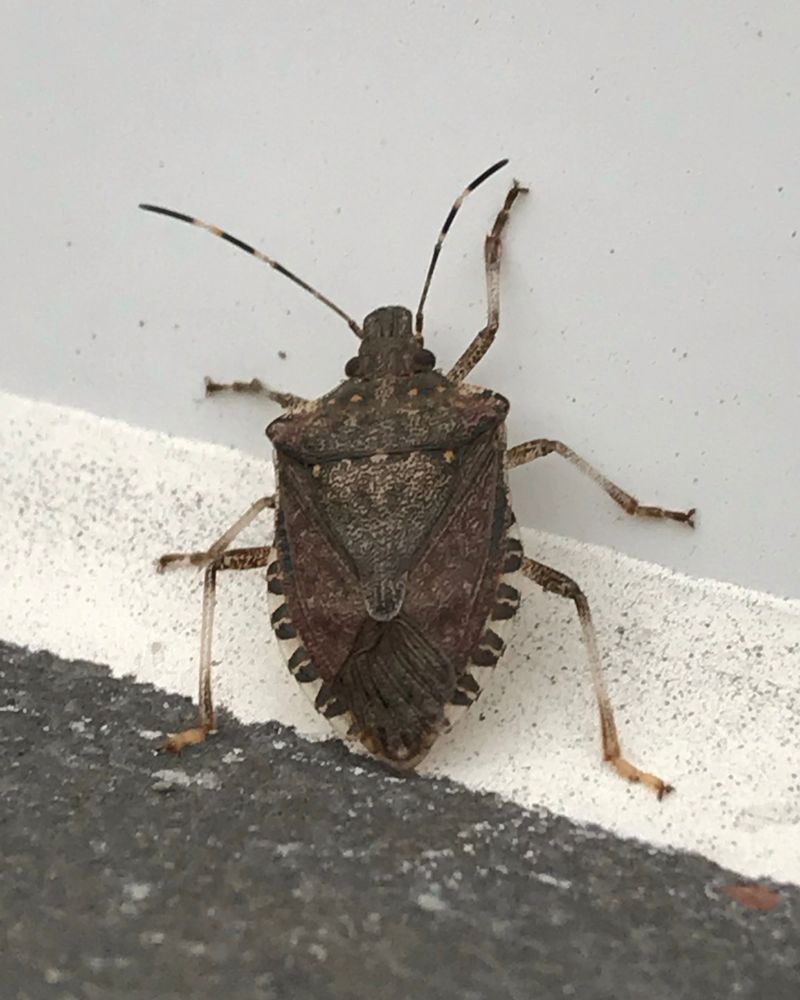
Have you ever noticed that one side of your house gets way more stink bugs than the others? You are not imagining it. The bugs love a warm wall the same way a cat loves a sunny windowsill.
South-facing and west-facing walls soak up the most sunlight in the afternoon. By 2 or 3 p.m. on a fall day, those surfaces can feel much warmer than the air around them. Stink bugs fly toward that heat and land in big clusters.
The warmth helps them stay active. Bugs are cold-blooded, so they need outside heat to move around. A sunny wall acts like a heating pad while they search for a way inside.
Light-colored siding can also catch their attention. Some studies suggest the bugs are drawn to pale surfaces that reflect sunlight. Homes near fields, orchards, or wooded areas often see the biggest crowds.
Here is a smart trick. Walk around your house on a warm fall afternoon and count the bugs on each wall. The side with the most bugs is where you should focus your repairs first.
Pay special attention to windows, vents, and trim on those sunny walls. That is where bugs sit and wait before sneaking into a crack. Sealing those spots can make a huge difference.
If bugs are already clustered outside, a bucket of soapy water works well. Hold it under them and gently knock them in with a stick or a gloved hand.
Soap breaks the surface of the water so they cannot crawl out. Try to avoid squishing them against your siding, since they will leave a smelly mark behind.
4. Small Cracks And Gaps Provide Easy Entry
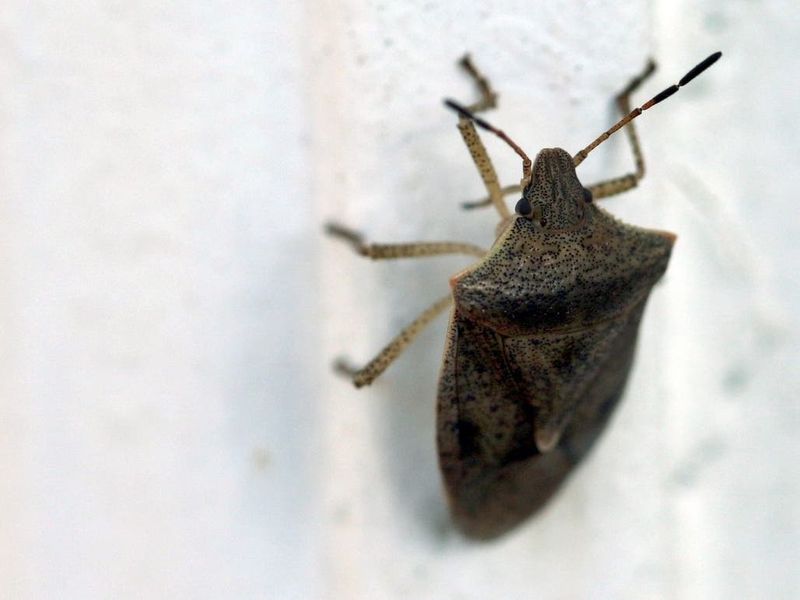
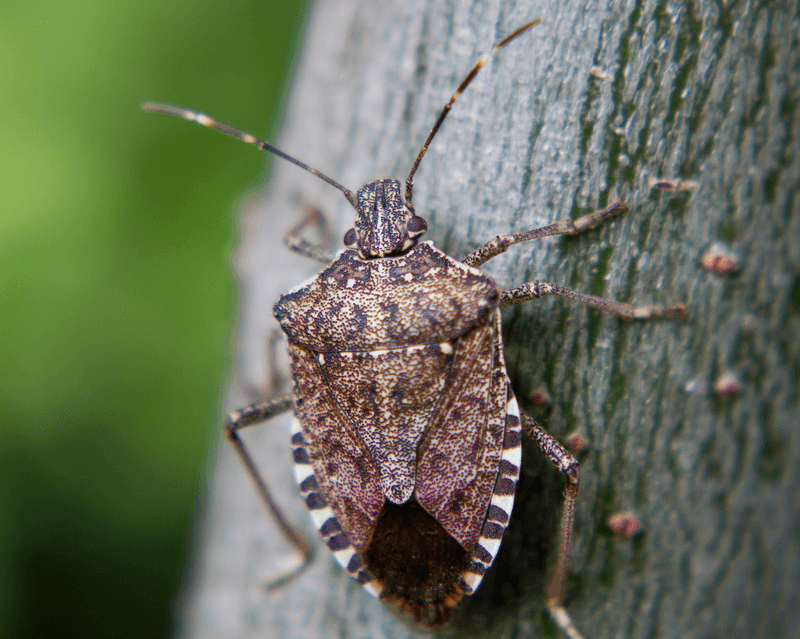
A stink bug is shaped a little like a tiny shield. Its body is flat and wide, about the size of a dime. That shape is perfect for slipping through spaces you might never notice.
Experts say an opening just one-eighth of an inch wide can be enough for a bug to squeeze through. That is about the thickness of two stacked coins. Most homes have dozens of openings like that.
Common entry points include gaps around window frames and door frames. Bugs also sneak in where cables, pipes, and wires enter the house. Chimneys, attic vents, and loose siding are other easy routes.
Luckily, fixing most of these spots is cheap and simple. A tube of silicone caulk costs just a few dollars at the hardware store. Use it to seal cracks around windows, doors, and trim.
For bigger holes around pipes and cables, try expanding foam. Replace worn weather stripping on doors, and add door sweeps to close the gap at the bottom. Fine mesh screens can cover attic and soffit vents without blocking airflow.
Check indoors too. Bugs sometimes enter through gaps around ceiling fans, light fixtures, and outlets on outer walls. Foam outlet gaskets are an easy fix.
Window air conditioners are another sneaky trouble spot. If you still have one in the window during fall, seal the edges with foam or tape. Better yet, take it out once the hot weather ends.
Grab a flashlight and a notepad, then walk around the outside of your home. Write down every crack you find, and tackle them one weekend at a time.
5. Plenty Of Summer Food Builds Large Populations
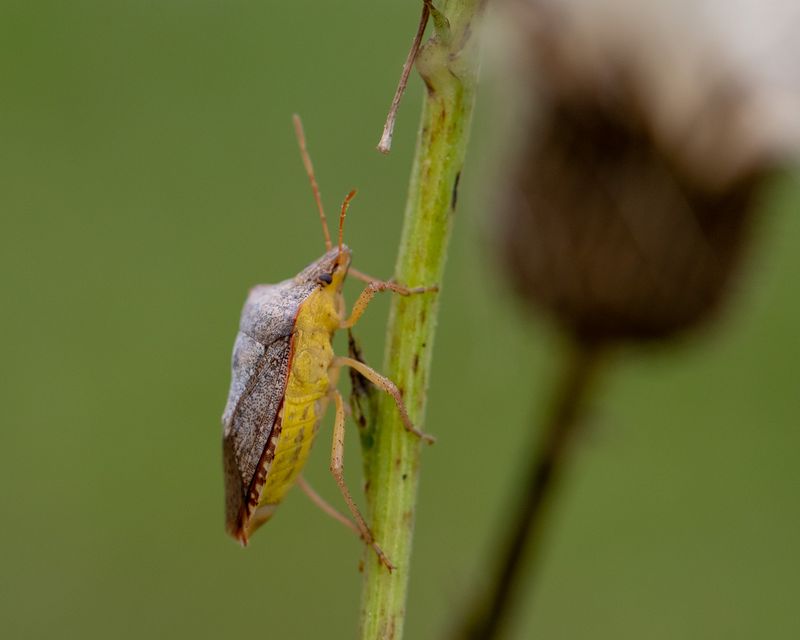
Talk to any Pennsylvania fruit grower and you will hear stories about these hungry pests. Peaches, apples, and pears can end up covered in dimpled, mushy spots. Farmers in the state have lost millions of dollars in crops because of them.
Stink bugs are not picky eaters. They feed on more than 100 different kinds of plants. Their menu includes tomatoes, peppers, sweet corn, soybeans, green beans, and many ornamental shrubs.
One of their favorite hosts is the tree of heaven. It is an invasive tree that grows fast along roads, railroad tracks, and empty lots across Pennsylvania. It is also a favorite of the spotted lanternfly, another troublesome pest in the state.
With so much food around, stink bugs can produce one or even two generations each summer.
A single female can lay a few hundred eggs in her lifetime. She lays them in neat little clusters on the undersides of leaves.
More food in summer means more bugs in fall. A warm, long growing season often leads to a bigger invasion when the weather turns. That is why some years feel much worse than others.
Gardeners can help keep the numbers down. Check the backs of leaves for small, barrel-shaped eggs that look like tiny green or white beads. Scrape them off and drop them into soapy water.
If you have tree of heaven on your property, consider having it removed. It is best to get advice from a local extension office, since this tree can resprout from its roots.
Penn State Extension offers helpful guides for homeowners. Fewer bugs in your yard this summer means fewer guests at your door come fall.
6. Warm Spells Wake Them Up Indoors
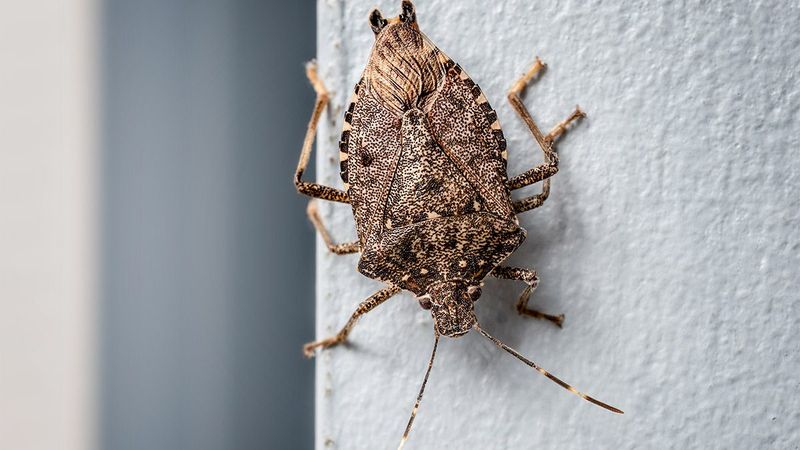
It is the middle of January. Snow is on the ground, and suddenly a stink bug buzzes past your head and lands on the kitchen light. How in the world did it get there?
The answer is that it has probably been in your house since October. After slipping inside, stink bugs hide in wall spaces, attics, and other quiet corners. They enter a resting state called diapause, which is a bit like a long nap.
During diapause, the bugs barely move and do not eat. They simply wait for spring. But their bodies are sensitive to temperature, and warmth can trick them into waking up.
A sunny winter afternoon can heat up an attic or an outside wall. Your furnace can warm the spaces behind your walls too.
When that happens, the confused bugs think spring has arrived and start crawling toward light.
That is why you often see them on windows, lamps, and ceiling lights. They are looking for a way outside to find food. Sadly for them, there is nothing to eat in your living room.
The good news is that stink bugs do not bite people, sting pets, or damage furniture. They also do not breed indoors during winter. They are mostly just a smelly nuisance.
A vacuum is your best friend for bugs that wake up inside. Use a shop vac or a vacuum with a bag you can toss, since the smell can linger in the machine.
Some people keep an old knee-high stocking over the nozzle to catch the bugs. Simple light traps with a pan of soapy water also work well in attics and dark rooms.