Digging In Your Virginia Yard Without Making This Call Could Cost You
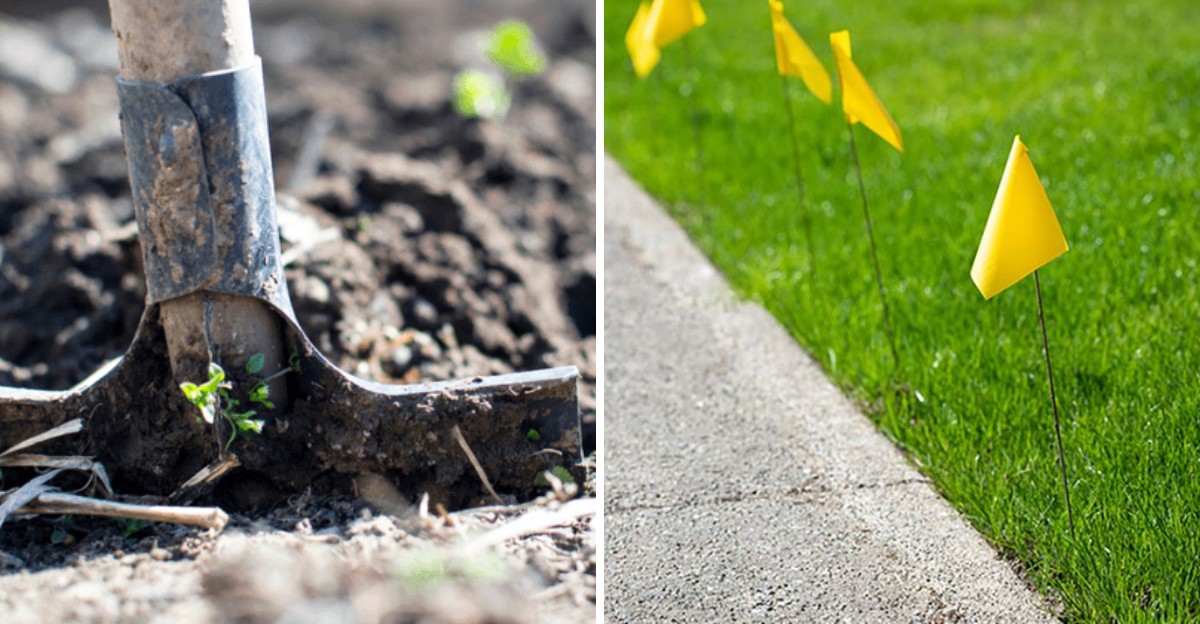
That shiny shovel in your garage might be the riskiest tool you own. Under the grass of almost every yard sits a hidden maze of wires and pipes.
Those lines keep your lights on and your water running. Most people never think about them until a spade hits something hard and the internet goes dark.
Or worse, the air suddenly starts to smell like rotten eggs. One quick, free call can help you avoid that whole mess.
Virginia law covers homeowners who dig with power equipment, not just big construction crews. Even when you’re digging by hand, VA811 urges you to call, and it’s free.
Planting a tree, setting a mailbox post, or sinking a few fence holes can all put you right on top of a buried line. Find out what the law requires before you break ground on your next weekend project.
Virginia Law Requires A Call Before Most Digging
Picture a busy spring Saturday with sunshine, fresh mulch, and a garden plan ready to go. Before that first scoop of dirt, VA811 wants you to pick up the phone.
The rule comes from the Underground Utility Damage Prevention Act. Most people simply call it the Miss Utility Law.
Under this law, you must contact 811 before most excavation, and VA811 asks everyone to call before any digging at all. Excavation means moving or displacing earth with tools, equipment, or even explosives.
A rented auger or mini excavator clearly counts. A shovel in your own yard is technically exempt, but calling is still the smart move.
Why does the state care so much about your backyard? Buried lines carry gas, power, water, sewer, and internet service to whole neighborhoods.
One careless strike can knock out service for dozens of homes. It can also put you and your family in real danger.
Here is the easy part of the process. You can dial 811 or submit a request online through the VA811 website.
Give them your address and describe where you plan to dig. Utility companies then send crews to mark their lines in your yard.
A handy tip is to outline your dig area with white paint or flags first. Locators call this white lining, and it helps them focus on the right spot.
Think of the call as a quick safety check, not a hassle. A few minutes on the phone beats weeks of trouble later.
Homeowners Should Call, Even For Small Jobs
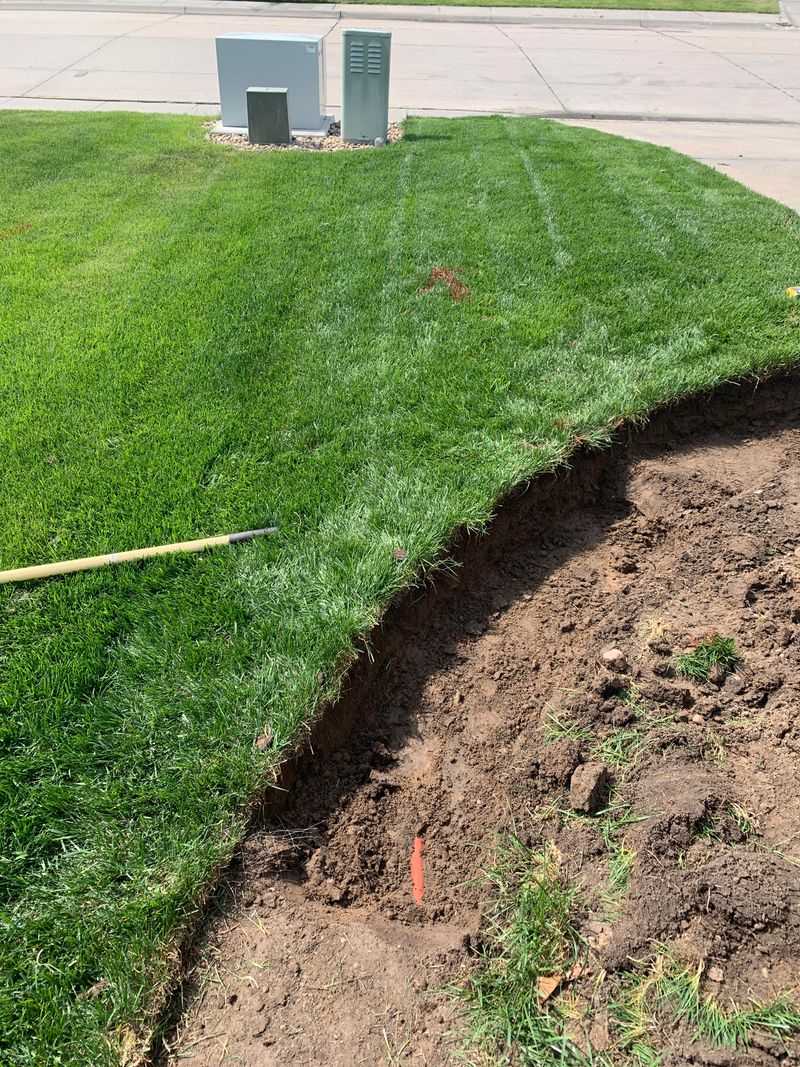
Plenty of homeowners assume the dig law targets big construction crews. That belief has led to many surprised faces and broken cable lines.
In Virginia, the rule applies to regular people using power equipment in their own yards. Hand digging is exempt, but a buried line doesn’t care whether the law covered you.
When the law does apply, no minimum depth excuses you from calling. A shallow hole can cause the same damage as a deep trench.
Small landscaping tasks deserve a call too. Edging a new garden bed or adding a border of pavers can still hit a shallow line.
Your Virginia Garden Changes Every Week. Your Plan Should Too.
Gardening in Virginia changes quickly throughout the season. Every Friday you’ll receive a simple weekly plan showing exactly what to plant, prune, fertilize, harvest, and protect so you never miss the right timing.
Many folks think a little hole cannot hurt anything. Sadly, utility lines do not care how big your project is.
A single spade can slice through a fiber line in seconds. Fixing it might take a crew several hours and cost real money.
Renters should also pay attention to this rule. If you plan to dig, talk with your landlord and make sure someone calls 811.
Here is a smart habit to build. Keep the 811 number on your fridge next to your garden plans and seed packets.
Calling for a small job might feel silly at first. Once the marks appear, many people realize how close those lines really are.
Treat every project the same, big or small. Your future self will thank you for the extra care and planning.
Planting A Tree Or Shrub Counts
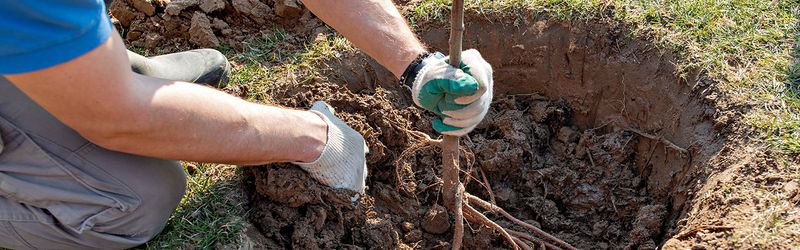
Few things feel as hopeful as planting a young dogwood. Yet that simple act of hope can turn into a costly mistake.
Planting a new tree or shrub is a great time to call 811 in Virginia. If you’re using a power auger, the law requires it.
Tree holes are often wider and deeper than people expect. Experts suggest digging a hole two to three times wider than the root ball.
That extra width means more chances to hit a hidden line. A cable or water pipe could be sitting just inches below the sod.
Here is a fun bonus of calling first. The marks help you choose a better spot for your tree long term.
Roots spread out over the years and can wrap around pipes. Planting away from lines helps protect both your tree and your services.
Height matters too when picking a planting spot. Tall trees should stay clear of overhead power lines as well as buried ones.
Garden centers often attach tags showing a plant’s mature size. Use that number to plan spacing from marked lines and your home.
Spring and fall are busy planting seasons for local nurseries. Submit your locate request early so the markings are ready when your plants arrive.
A well placed tree can shade your home for decades. Starting with a safe hole gives it the best possible beginning.
Fence Posts, Mailboxes, And Deck Footings Count Too

Ask any utility worker about common homeowner strikes. Fence posts and mailboxes usually top the list.
These projects seem harmless because the holes are narrow. However, they often go two or three feet deep into the soil.
Mailboxes sit near the road, right where many utilities run. Phone, cable, and water lines often cross that same strip of yard.
Fences follow property edges, which can also be popular paths for buried lines. A long fence means dozens of chances to hit something.
Deck footings are another big one for weekend builders. Each footing hole digs deep, and some decks need many of them.
Anchors for swing sets and play structures count as well. Even a basketball hoop base can land right on top of a gas line.
Here is a practical tip for fence builders. Mark every planned post location with white paint before calling 811.
Locators can then see exactly where you plan to dig. That makes their markings more useful for your specific project.
Hiring a contractor? Ask whether they placed the locate request themselves.
The person doing the actual digging is responsible for the call. Still, double checking gives you peace of mind and protects your home.
Even Grinding Out A Stump Needs A Call

Old stumps are stubborn neighbors that refuse to leave. When you finally decide to grind one out, call 811 first.
Many homeowners are shocked to learn this rule applies. After all, the tree is already gone and the stump looks harmless.
Stump grinders chew deep into the ground, though. They can go well below the surface and spread across a wide area.
Roots are sneaky too, and they love to grow near moisture. Over the years, roots can wrap tightly around water and sewer pipes.
Pulling out roots can drag buried lines along with them. You might snap a pipe without seeing anything happen at all.
Here is a little history bit that surprises people. Many older neighborhoods had utilities installed long before current trees were planted.
That means a mature tree may have grown right over a line. Its stump could be hiding a cable you never knew existed.
If you rent a grinder, ask the rental shop about safe use. Many shops remind customers to call 811 before heading out.
Professional stump removal companies usually handle the locate request. Confirm this before work begins so no one assumes the other person called.
A stump free yard looks fantastic once the job is done. Getting there safely just takes a little patience and a quick call.
Wait At Least Three Working Days Before You Dig

Patience might be the hardest tool in any garden shed. In Virginia, you need to wait at least three working days after calling 811.
Working days do not include Saturdays, Sundays, or legal holidays. Calling on a Friday afternoon means your wait stretches into next week.
The marking period has a specific start time. It begins at 7:00 AM on the next working day after your request.
From there, utility companies get 48 hours to mark their lines. Some finish faster, but you should plan for the full window.
How do you know everyone has responded? You can check the status of your ticket online through VA811.
The system shows which utilities have marked their lines. It also notes any companies that report no lines in your area.
Here is a planning trick many gardeners use. Call 811 the same day you buy supplies for a big project.
By the time your weekend arrives, the markings should be ready. You get to dig without rushing or guessing.
Holiday weekends deserve extra planning. Memorial Day and Labor Day can add a full day to your wait.
Rushing ahead before marks appear is a gamble with high stakes. A few extra days of waiting can save you from weeks of headaches.
The Service Is Completely Free

Good news for anyone watching their budget. Calling 811 in Virginia costs you nothing at all.
There are no fees for submitting a locate request. Homeowners and professional excavators both use the service for free.
So who pays for the locators? Utility companies cover the cost because protecting their lines saves them money.
A damaged line means repair crews, lost service, and angry customers. Preventing that damage is far cheaper than fixing it.
Skipping the call offers zero financial benefit. You save no money and take on a much bigger risk.
Compare that to the price of a single repair bill. Fixing a cut fiber or gas line can cost hundreds or even thousands of dollars.
Here is something many people do not realize. You can submit requests online any time, even late at night.
The online system lets you draw your dig area on a map. It also sends updates so you know when lines are marked.
Free does not mean the job is sloppy, either. Trained locators use special equipment to find buried lines with surprising accuracy.
In a world full of fees and hidden charges, this service stands out. It might be the best free deal any homeowner can get.
Some Utility Lines Are Buried Shockingly Shallow
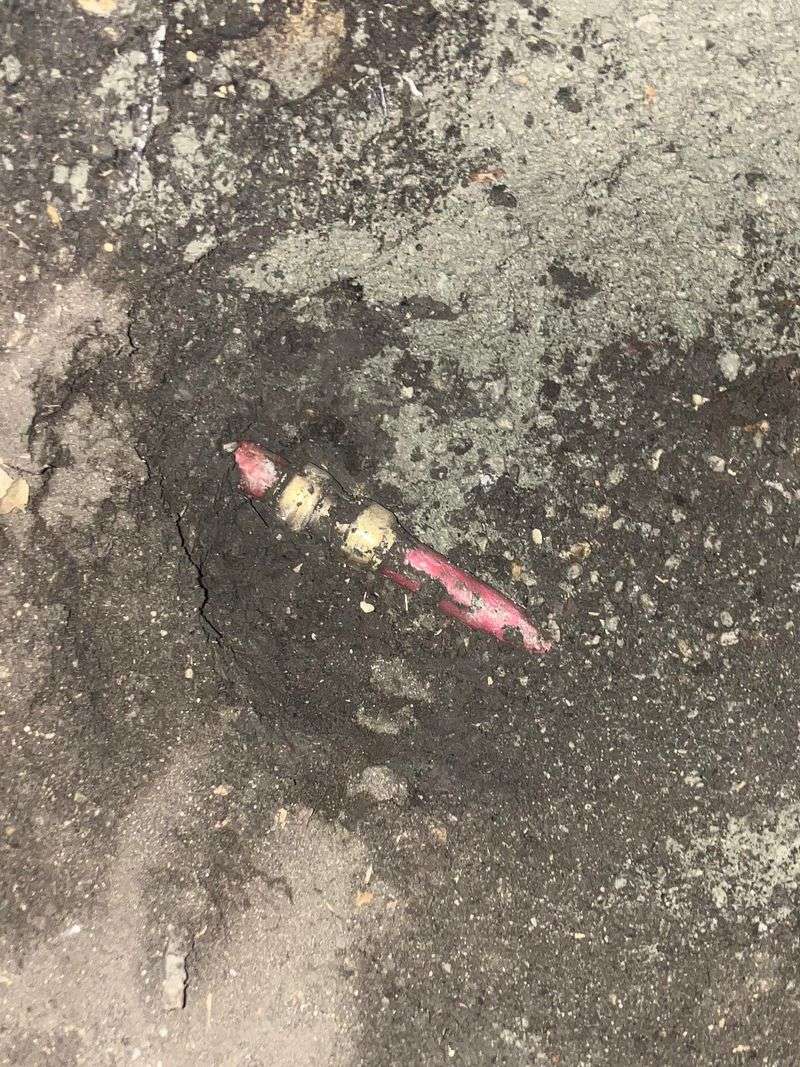
Imagine pulling up a clump of grass and finding a cable staring back. For some unlucky gardeners, that moment is very real.
Many utility lines sit much closer to the surface than people think. Cable TV and fiber optic lines can be just a few inches deep.
Why so shallow? Sometimes crews installed them that way to save time years ago.
Other times, nature moves things around over time. Erosion, heavy rain, and shifting soil can slowly bring lines closer to the top.
Landscaping changes play a role too. If someone removed soil to level a yard, buried lines lost their protective cover.
Virginia law requires operators to install lines using accepted industry standards. Still, those standards do not guarantee a line stays at its original depth.
Here is a key tip from safety experts. Paint and flags show the horizontal location of a line, not how deep it sits.
Never assume a line is safely below your shovel. Treat every marked area as if the line could be right under the grass.
Even a garden fork or aeration tool can damage a shallow line. Use gentle care whenever you work near marked spots.
Shallow lines are the reason small jobs still need a call. A few inches of soil is not much of a safety net.
Hitting A Line Can Mean Repair Bills, Fines, Or Worse
One crunch of metal under a shovel can ruin a whole month. Striking a buried line brings consequences that go far beyond a bad afternoon.
Safety comes first in this conversation. Hitting a gas line could spark a fire or explosion near your home.
Striking an electrical line can cause severe shock or serious injury. These risks are why safety officials take this rule so seriously.
Money troubles follow close behind. You could be billed for the full cost of repairing the damaged line.
Virginia can also issue fines of up to $2,500 per violation. Those penalties stack up quickly if multiple lines are damaged.
Intentionally damaging public utilities is treated even more harshly. It can be a Class 4 felony under state law.
Here is what to do if you hit something. Stop digging right away and leave the area if you smell gas.
Call 911 from a safe distance for gas leaks or exposed power lines. Then contact 811 and the utility company to report the damage.
Do not try to patch a damaged line yourself. Even a small nick can weaken a pipe or cable over time.
Calling before you dig helps keep you on the right side of the law. It also helps protect your neighbors from losing vital services.
Respect The Paint And Flags Once They’re Marked
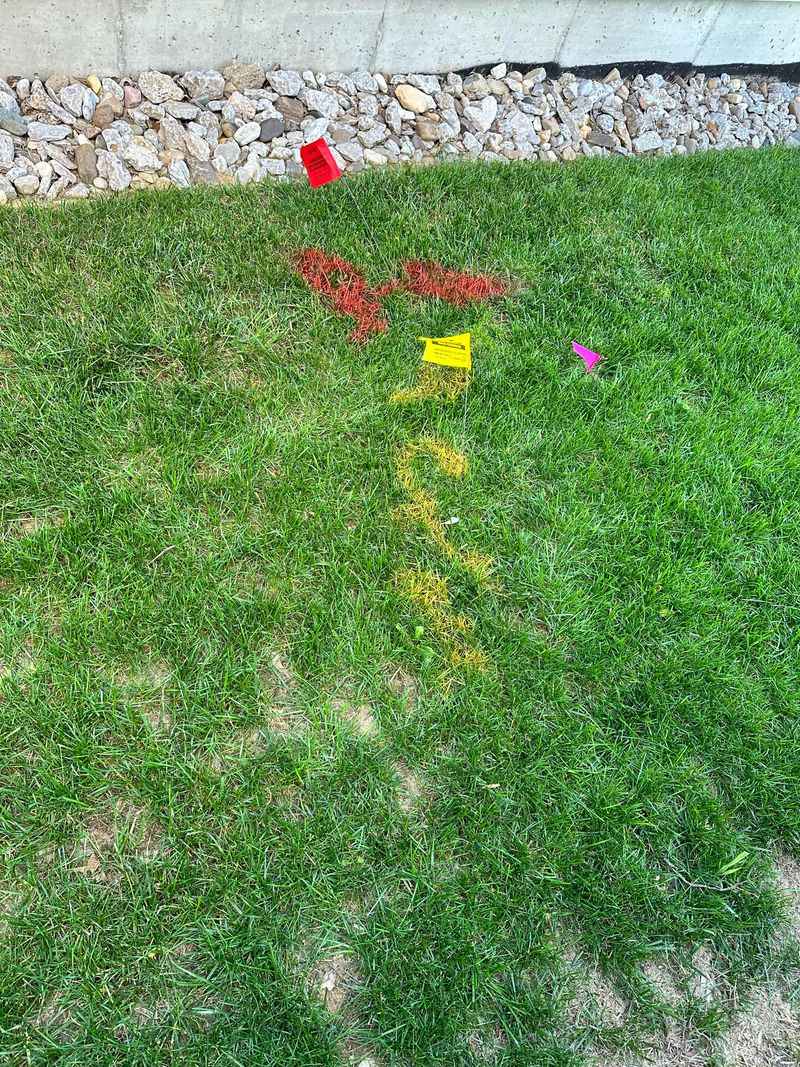
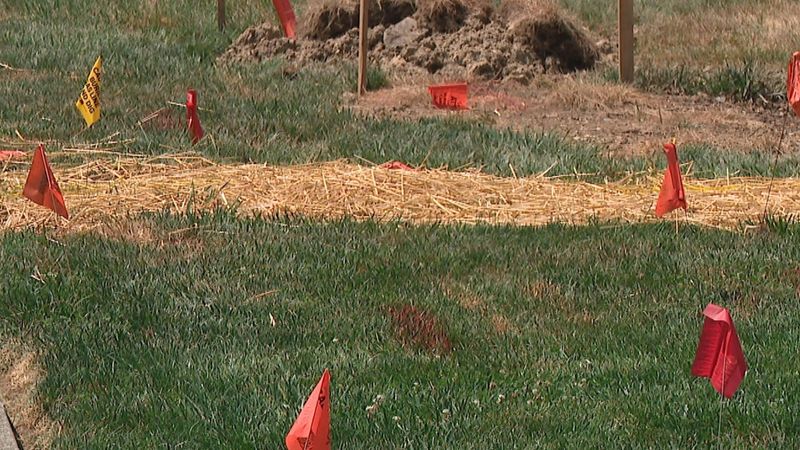
One morning, your lawn suddenly looks like a rainbow exploded across it. Those bright marks are your roadmap to safe digging.
Each color stands for a different utility. Red means electric, yellow means gas, and orange means communications like cable or phone.
Blue marks water lines, while green shows sewer pipes. White marks your planned dig area, and pink shows temporary survey markings.
Virginia law sets a two foot tolerance zone on each side of a marked line. Inside that zone, only hand digging or vacuum excavation is allowed.
Hand digging means using careful tools like a shovel with a rounded tip. Work slowly and gently pry soil rather than stabbing straight down.
Here is a timing detail many people miss. Markings are typically valid for 15 working days.
If your project drags on longer, you will need a new request. Rain, mowing, and foot traffic can also fade marks quickly.
A handy tip is to snap photos of the marks right away. Pictures help if paint washes off or flags get moved by curious kids.
Avoid pulling up flags until your project is fully finished. Your landscaper or fence crew may need those guides too.
Treat those colorful marks like a friendly warning from your yard. Respecting them is the final step to digging safely and smartly.