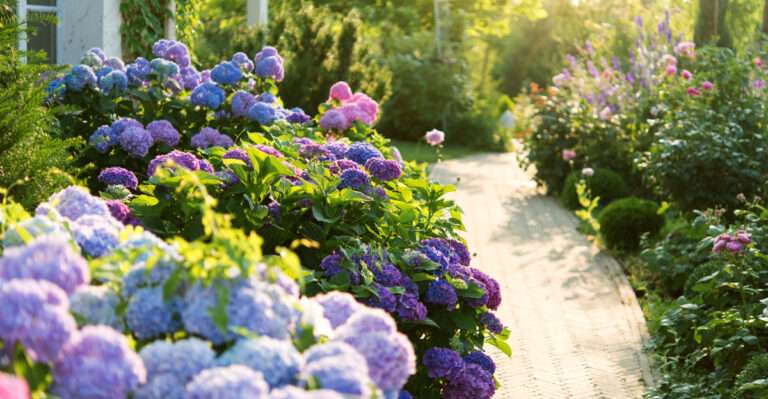
What A Hummingbird Moth In Your Maryland Garden Actually Means
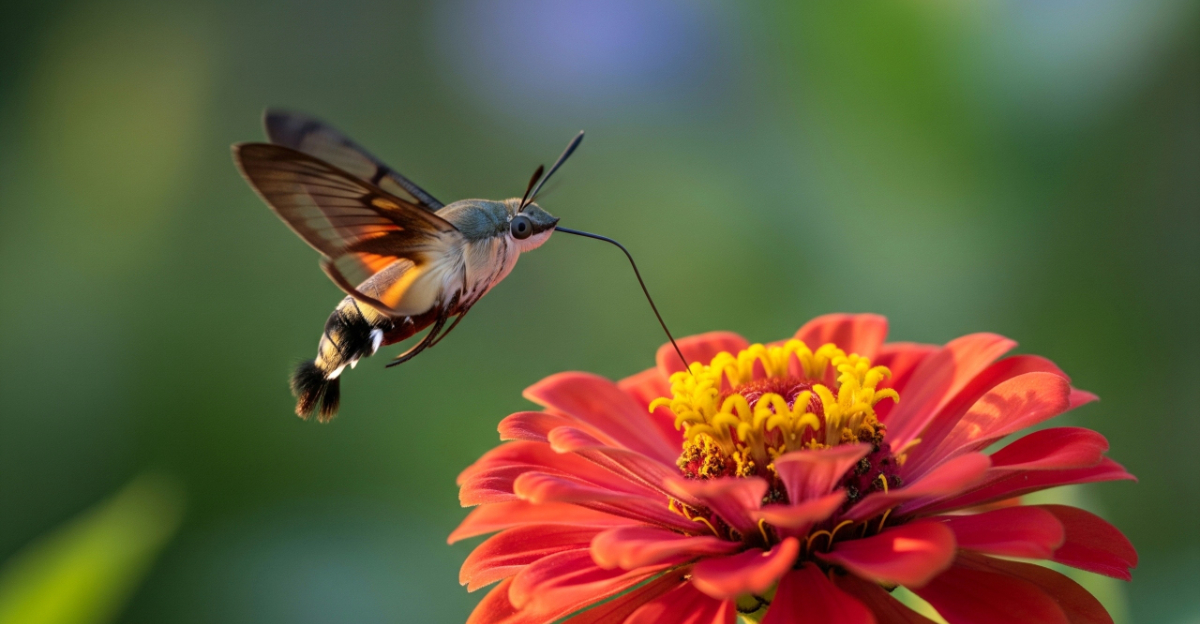
A patch of bee balm sways, and something dives in with wings moving so fast they blur into a silver haze. Your first thought is hummingbird, but the size is wrong and the antennae give it away.
This is a hummingbird moth, an insect that spends its whole life pretending to be something else. It hovers, it feeds on nectar, it even makes a faint humming sound as it works from bloom to bloom.
Most Maryland gardeners mistake it for a bird at least once before noticing the difference. The moth’s stout, tapered body and clear-paneled wings set it apart the moment you look closely.
Once you know what you’re looking at, a whole new set of questions comes up.
Hummingbird Moths Signal A Healthy Pollinator Garden
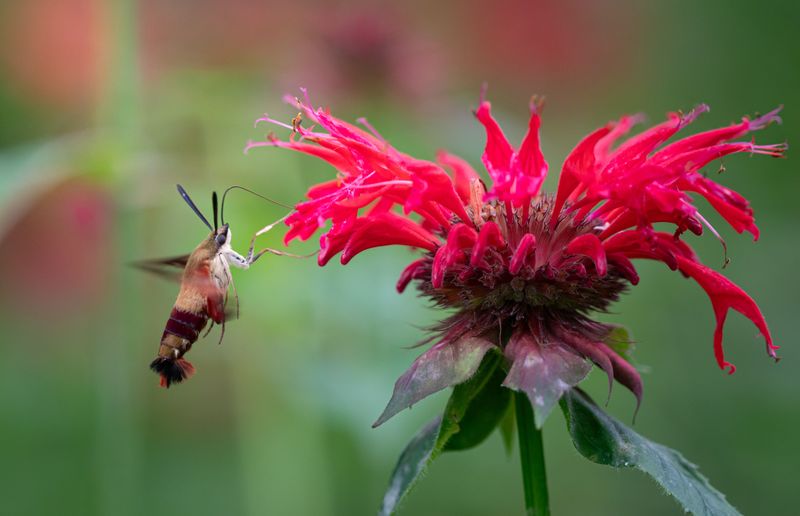
A hummingbird moth visiting your Maryland yard says something clear about its health.
These moths belong to the Sphingidae family, also called sphinx moths. They are strong indicators that your garden supports a balanced, diverse ecosystem.
Pollinators are picky about where they feed. They need clean flowers, minimal pesticide use, and a reliable food source to stick around. A hummingbird moth visiting your blooms signals all three boxes are checked.
Gardeners in Maryland often overlook how much insect diversity matters. One visiting moth species usually means several others are nearby too.
Where hummingbird moths thrive, bees, butterflies, and beetles tend to follow too. The presence of this moth also suggests low chemical interference in your yard. Heavy pesticide use drives away sensitive pollinators fast.
If you have been gardening organically, this visitor is your reward. Healthy pollinator gardens also support local food webs in powerful ways. Birds, bats, and small mammals all benefit when insect populations stay strong.
So next time a hummingbird moth zips past your petunias, smile wide. Your Maryland garden is doing something genuinely right, and that matters more than you think.
Their Daytime Flight Pattern Sets Them Apart From Bats
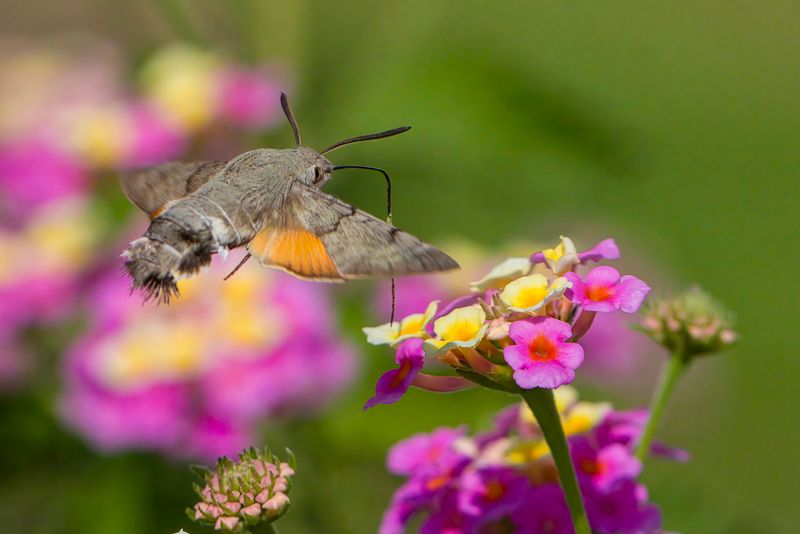
Most moths are night creatures, hiding from sunlight and chasing porch lights after dark. Hummingbird moths completely ignore that rulebook.
These insects fly boldly in broad daylight, especially during morning and late afternoon hours. That behavior alone makes them wildly unusual among their moth relatives.
Bats, the other hovering nighttime fliers, never compete with hummingbird moths for the same time slot. Bats clock out at sunrise while these moths are just warming up.
Watching one hover is genuinely mesmerizing. Their wings beat so rapidly that they create an audible hum, much like an actual hummingbird does.
Holding steady in one spot takes enormous energy to maintain. These moths must feed constantly just to fuel that wing speed.
In your garden, you will likely spot them during the warmest daytime hours on sunny days. Overcast skies tend to slow their activity considerably.
Their daytime schedule makes them far easier to observe than most other moth species. You do not need a flashlight or special equipment to enjoy watching them.
Your Maryland Garden Changes Every Week. Your Plan Should Too.
Gardening in Maryland changes quickly throughout the season. Every Friday you’ll receive a simple weekly plan showing exactly what to plant, prune, fertilize, harvest, and protect so you never miss the right timing.
Kids especially love spotting these insects because they move like living special effects. The rapid wings and hovering style look almost animated in real life.
Photographing them requires a fast shutter speed to capture those blurring wings clearly. Even blurry shots feel magical when the subject is this spectacular.
Catching one in action on a sunny afternoon is a genuine garden moment worth celebrating out loud.
Nectar-Rich Blooms Explain Their Sudden Appearance
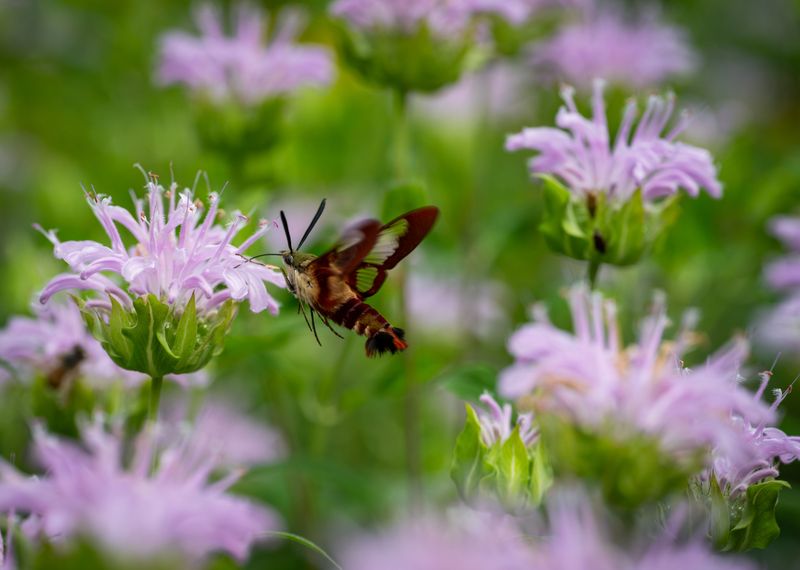
Flowers are basically billboards for hungry moths. When your garden suddenly bursts with nectar-rich blooms, expect winged visitors to find it fast.
Hummingbird moths are especially drawn to tubular flowers with deep nectar chambers. Their long, straw-like proboscis reaches places shorter-tongued insects simply cannot access.
Plants like phlox, bee balm, salvia, and honeysuckle are absolute favorites. These blooms practically send out a neon invitation that says “open for business.”
Peak bloom season in Maryland typically runs from late spring through early fall. That window lines up almost perfectly with hummingbird moth activity periods.
When multiple plants bloom simultaneously, the moths appear in greater numbers. A single flowering shrub might attract one visitor, but a full border brings a crowd.
Color matters too, though perhaps not in the way you expect. These moths are strongly attracted to purple, pink, red, and white flower tones.
Fragrance also plays a role in drawing them to specific plants. Strongly scented varieties like lavender and four-o’clocks tend to perform especially well as moth magnets.
Planting in clusters rather than single specimens makes your Maryland garden far more attractive. Moths prefer a reliable feeding patch over scattered individual blooms.
Removing spent flowers encourages plants to keep producing fresh blooms all season. That continuous supply keeps visiting moths returning day after day.
Your garden’s bloom timing is essentially setting the table for these incredible insects, and they will always show up hungry and ready to feed.
Larval Host Plants Nearby Support The Full Life Cycle
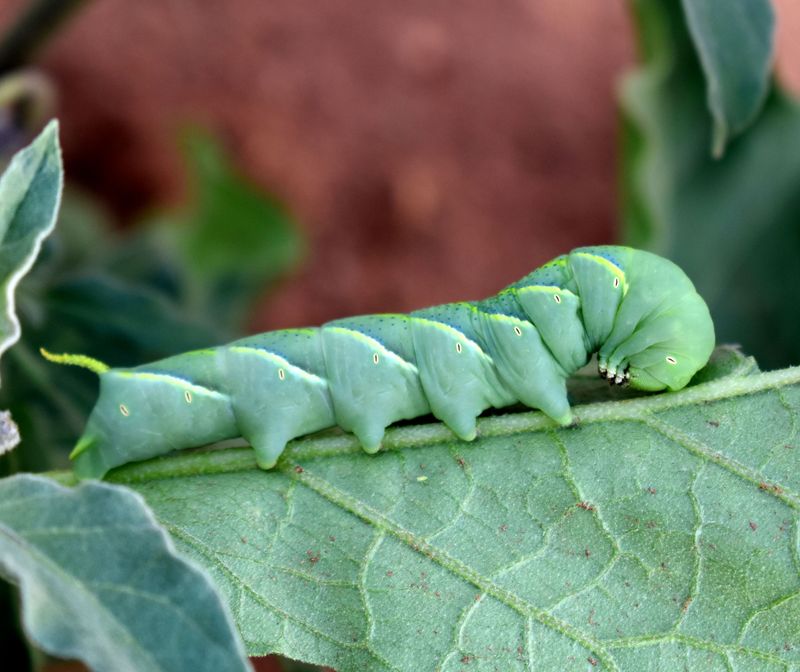
Seeing an adult hummingbird moth usually means the next generation is already nearby. These insects do not wander far from where they were born.
The larvae, known as hornworms, feed on specific host plants during their caterpillar stage. Common choices include viburnum, hawthorn, snowberry, and honeysuckle shrubs.
Finding chewed leaves on these plants is actually a sign of a healthy local population. Resist the urge to panic when you spot leaf damage on these shrubs.
The caterpillars are green with a distinctive horn at their tail end. Many gardeners mistake them for tomato hornworms, but the two are different species entirely.
Once the larvae finish feeding, they burrow into loose soil to pupate. Undisturbed garden beds with natural mulch provide the perfect underground nursery for this stage.
Tilling soil aggressively in fall or spring can harm overwintering pupae before they ever emerge. Leaving some areas of your Maryland garden undisturbed makes a real difference.
If you have viburnum or native shrubs growing near your flower beds, you are likely hosting the full moth life cycle. That is a genuinely exciting ecological achievement.
Supporting the larval stage is just as important as planting adult food sources. A garden that feeds both caterpillars and adults becomes a true moth sanctuary.
Native shrubs planted along fences or property borders serve double duty beautifully. They add privacy while quietly nurturing the next generation of these amazing pollinators.
Protecting the full life cycle keeps hummingbird moths returning to your garden for seasons ahead.
Common Look-Alikes Cause Frequent Misidentification
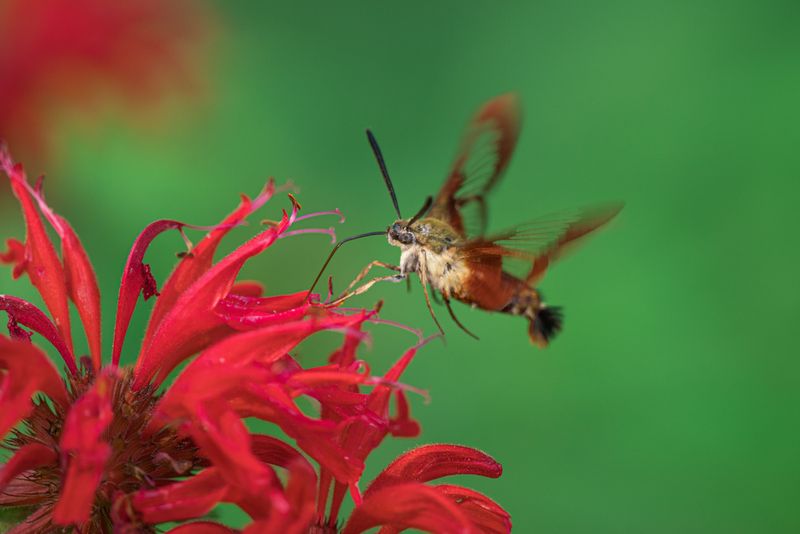
Almost every gardener who sees one for the first time thinks the same thing: that is definitely a tiny hummingbird. The confusion is completely understandable and surprisingly common.
Hummingbird moths and actual hummingbirds share a strikingly similar body shape and flight style. Both hover, both feed on nectar, and both move with incredible speed and precision.
Up close, the differences become obvious pretty quickly. Moths have antennae, six legs, and scaled wings, while birds have feathers, beaks, and two legs.
The clearwing hummingbird moth is particularly tricky to identify correctly. Its wings are nearly transparent, adding another layer of visual confusion for first-time observers.
Sphinx moths in general are frequently misidentified across the eastern United States.
Hummingbirds tend to be slightly larger and make a different kind of chirping sound. Moths are silent beyond the soft hum of their rapidly beating wings.
Body color is another helpful clue when trying to sort out what you are seeing. Hummingbird moths often display olive green and burgundy tones on their abdomen.
Watching feeding behavior for a few seconds usually settles the question. Moths extend a visible proboscis to drink, while birds insert their beak directly into blooms.
Sharing your sighting photos in local nature groups often leads to quick identification help. Experienced naturalists can spot the difference from a single blurry snapshot.
Knowing what you are actually watching makes the experience even more rewarding and oddly unforgettable.
Simple Additions Keep Them Visiting All Season
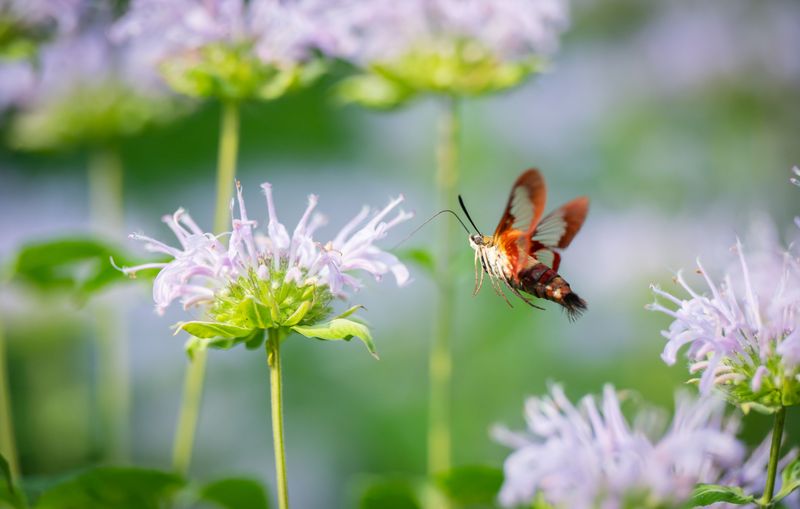
Getting a hummingbird moth to visit once is exciting. Getting them to return all season long is a garden goal worth chasing with real intention.
The single most effective strategy is staggering your bloom times throughout the growing season. Plant early, mid, and late bloomers so there is always something open and feeding-ready.
Native plants outperform non-native varieties when it comes to attracting local moth species. Wild bergamot, native phlox, and cardinal flower are all excellent starting points for any border.
Avoiding broad-spectrum pesticides matters more than almost anything else if you want repeat visitors. Even one application can eliminate an active feeding area for weeks at a time.
Shallow water features like birdbaths or small fountains add another reason for wildlife to linger. Moths do not drink from water directly, but a moist garden environment supports their overall habitat.
Leaving some leaf litter and natural debris in garden corners provides shelter and pupation sites. A slightly messy corner is actually a sign of a thoughtfully managed wildlife space.
Installing a simple motion-sensor light near your garden can help you observe nocturnal moth relatives without disturbing daytime feeders. Keeping the two populations separate benefits both groups.
Planting in groups of three or more of the same species creates a more visible target for flying insects. Single plants often go unnoticed, but clusters are hard to miss from above.
With the right plants and a hands-off approach to soil management, your garden becomes an all-season destination for hummingbird moths and other spectacular pollinators.