The Native Florida Shrub More HOA Communities Are Quietly Approving For Foundation Plantings
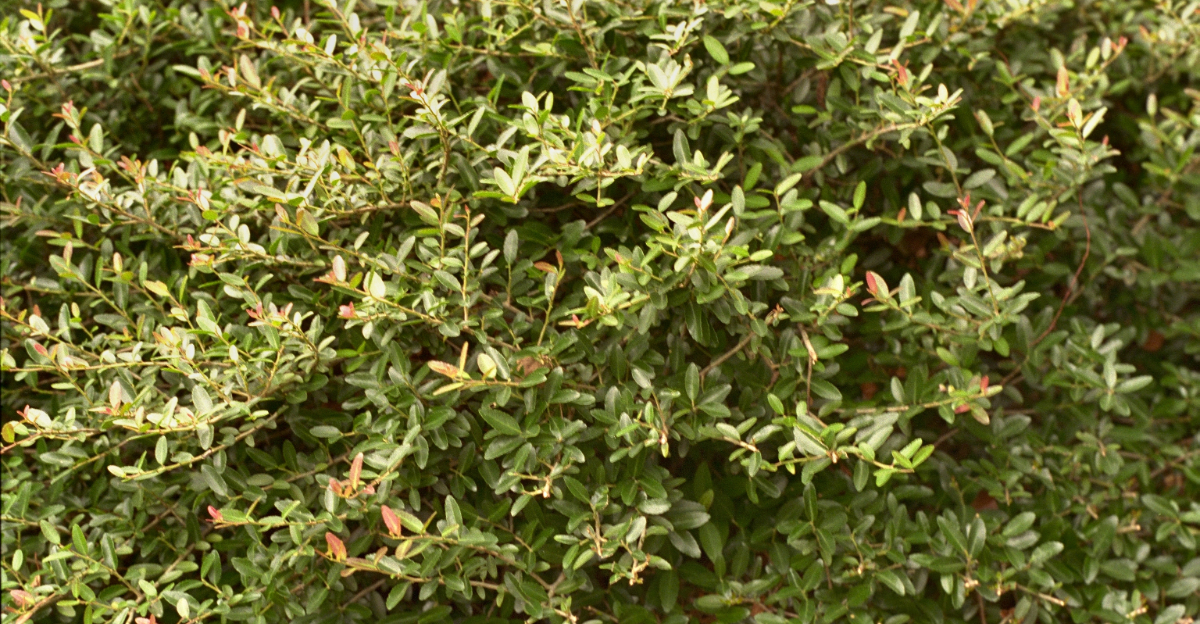
Something unusual keeps happening along fence lines across Florida. Neighborhood associations that once flagged every unruly branch are now waving through a shrub that barely reaches waist height.
This compact native has quietly earned a reputation as the plant that HOA reviewers stop arguing about. From Sarasota to Pensacola, it’s popping up in foundation beds where taller, showier shrubs used to get rejected on sight.
Homeowners aren’t just tolerating it, they’re requesting it by name at the nursery. Something about its tidy shape and hands-off nature seems to disarm even the strictest committees.
If your community has said no to nearly everything green and native, this might be the one that finally changes the answer.
A Native Shrub Winning Over HOA Boards
HOA approval used to feel impossible for native plants. Boards wanted neat, predictable, and polished, not wild-looking greenery.
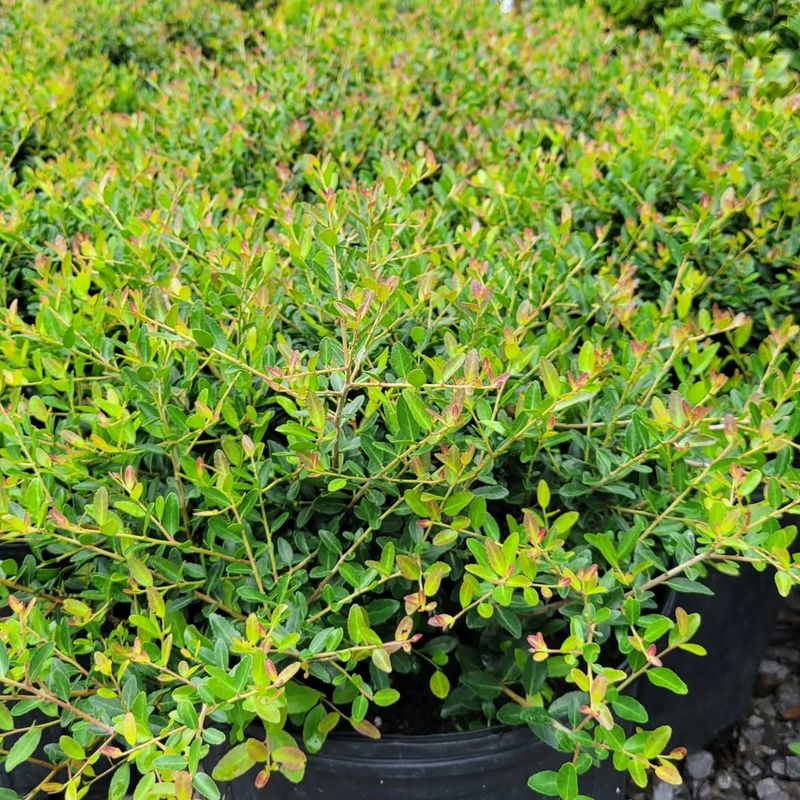
Dwarf Yaupon Holly changed that conversation fast. This native Florida shrub checks every box that picky HOA committees care about.
It grows in a tidy, rounded shape without much pruning. Neighbors walk by and assume a professional crew visited every week.
The plant stays dense and full year-round. It stays full and green through the coldest winter stretch and the hottest summer weeks.
HOA boards respond well to plants that look intentional. Dwarf Yaupon Holly has that polished, “we planned this” energy from day one.
Communities in Central and South Florida started approving it quietly a few years ago. Word spread, and now it is showing up on approved plant lists statewide.
Part of the appeal is the plant’s track record. Landscapers have used it in commercial settings for years, which gives boards confidence.
Residents who submit it for approval often bring photos of neighboring communities. That visual proof makes the process smoother and faster.
A few HOAs have gone as far as featuring it on their approved shrub lists. That is a big deal for a plant that was once considered too “naturalistic”.
Getting HOA approval for native plants is a win for everyone. One small shrub can open the door for a whole yard transformation.
Dwarf Yaupon Holly Fits The Foundation Planting Mold
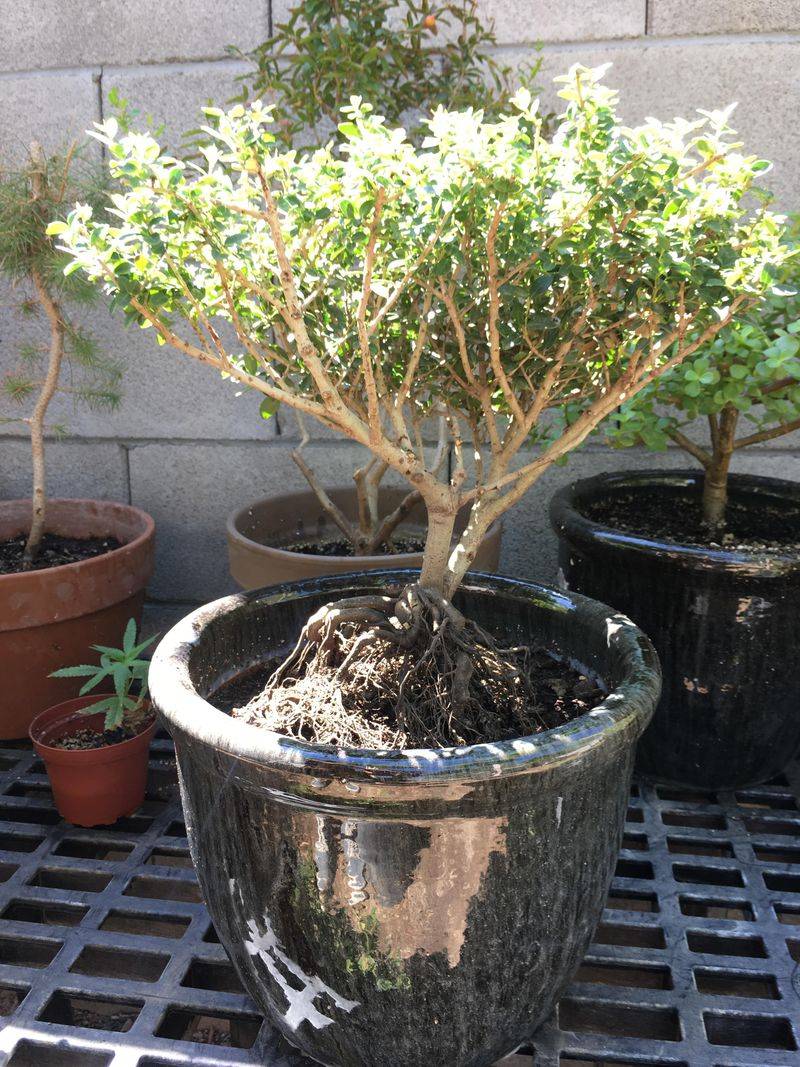
Picture the classic Florida home with a row of green shrubs hugging the front wall. That look is exactly what Dwarf Yaupon Holly delivers without any fuss.
Foundation plantings need to do a specific job. They soften the hard lines of a house and create a welcoming frame around the entrance.
This native Florida shrub handles that role beautifully. Its dense, fine-textured foliage creates a lush green backdrop against any exterior color.
The plant tops out around three to five feet tall in most conditions. That height is ideal for covering the base of a home without blocking windows.
Width stays similarly compact, usually spreading two to four feet. Spacing them along a foundation bed is straightforward and predictable.
Landscape designers love plants they can count on to behave. Dwarf Yaupon Holly rarely surprises anyone with a sudden growth spurt.
Your Florida Garden Changes Every Week. Your Plan Should Too.
Gardening in Florida changes quickly throughout the season. Every Friday you’ll receive a simple weekly plan showing exactly what to plant, prune, fertilize, harvest, and protect so you never miss the right timing.
It tolerates the heat radiating off concrete and brick foundations. Many shrubs struggle in that spot, but this one thrives right against the wall.
The glossy, small leaves catch light in a way that looks intentional and upscale. Visitors notice the polished look even if they cannot name the plant.
Pairing it with ornamental grasses or low perennials creates a layered effect. That layered look is trending in HOA communities that want curb appeal without high maintenance costs.
When a plant fits the mold this well, the whole yard benefits. One right choice along the foundation sets the tone for everything else.
Compact Growth Keeps Beds Looking Tidy
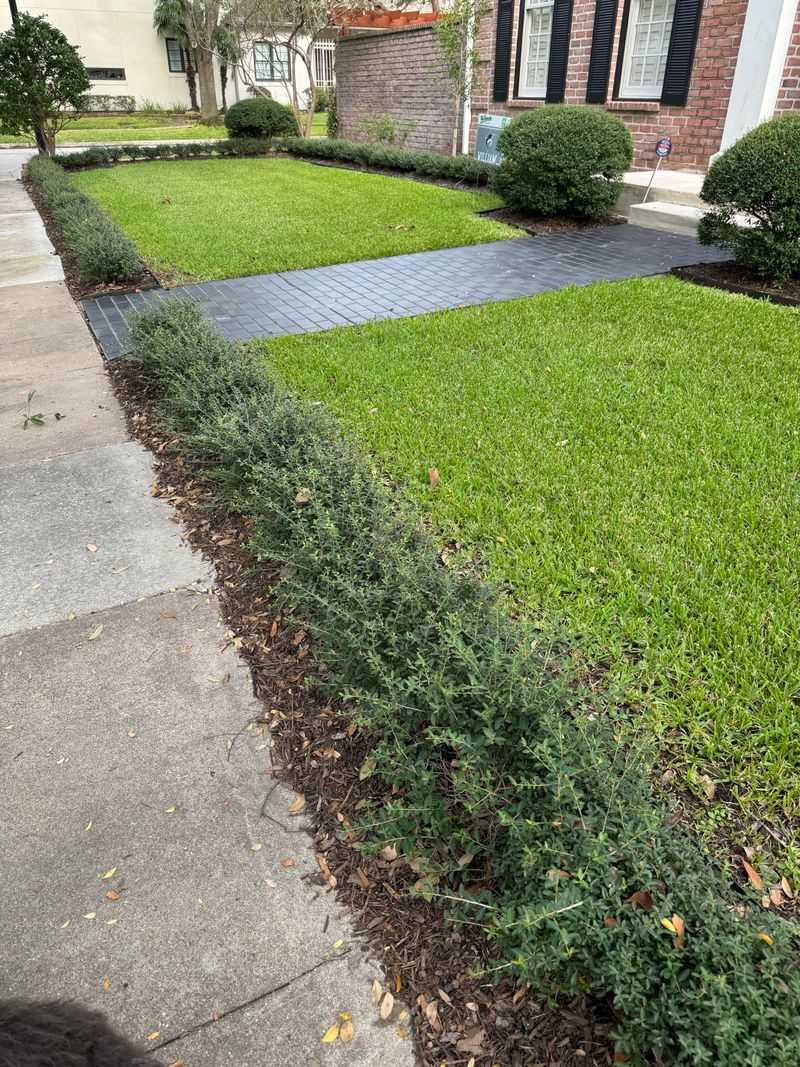
Nobody wants to spend every weekend wrestling an overgrown shrub back into shape. Compact growth is one of the biggest selling points for any foundation plant.
Dwarf Yaupon Holly earns its name honestly. The “dwarf” part means it naturally stays small without constant intervention from pruning shears.
Most homeowners only need to trim it once or twice a year. That is a dramatic difference from fast-growing alternatives that demand monthly attention.
The plant’s natural shape is a rounded mound, which looks tidy on its own. Even without trimming, it rarely looks messy or overgrown.
HOA inspectors walking through a neighborhood will pass right by without a second glance. That is exactly the outcome most homeowners are hoping for.
Slow, steady growth also means less yard waste heading to the curb. Fewer trimmings translate to fewer bags, fewer trips, and less effort overall.
Gardeners who are new to landscaping appreciate how forgiving this shrub is. Mistakes in pruning are not catastrophic because the plant bounces back reliably.
For rental properties or vacation homes, low-maintenance plants are especially valuable. A shrub that stays tidy between visits saves money on professional upkeep.
The compact habit also means roots stay where they belong. Foundation damage from aggressive root systems is not a concern with this species.
Tidy beds make the whole street look better, not just one yard. That ripple effect is something HOA boards genuinely appreciate and reward.
Native Roots Support Local Ecosystems
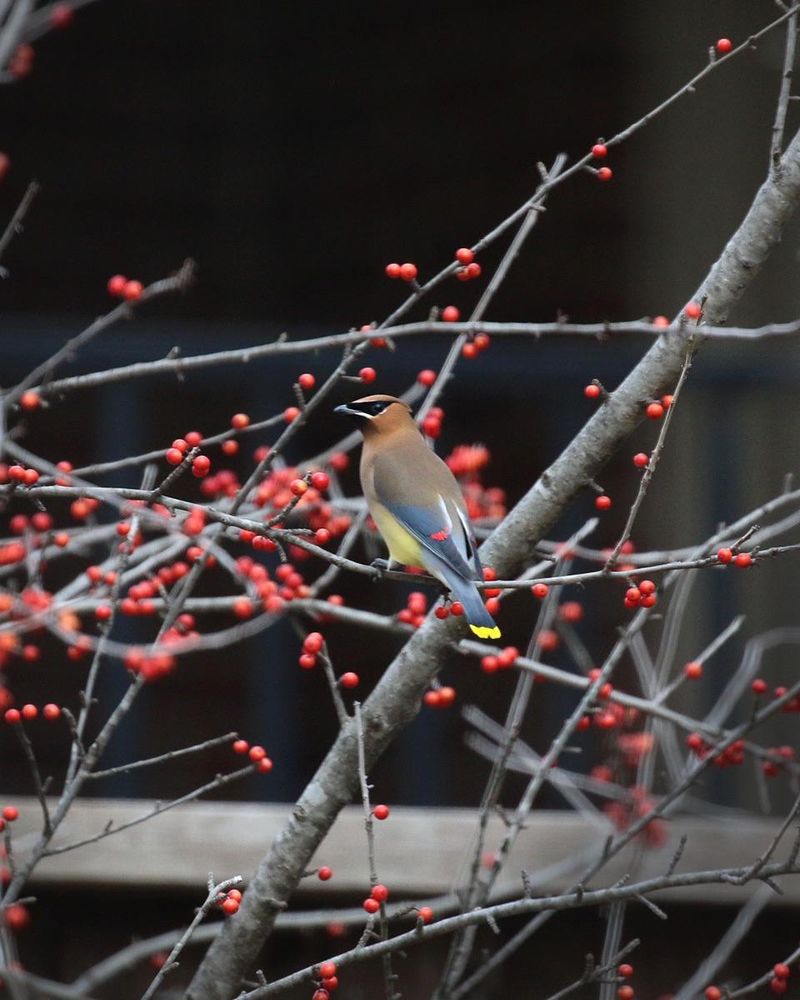
Here is something most HOA newsletters never mention: the right shrub can feed an entire food web. Dwarf Yaupon Holly does exactly that, quietly and efficiently.
As a true native species, it evolved alongside local wildlife. Birds, insects, and pollinators recognize it as a food source and shelter provider.
The small white spring flowers attract native bees before most other plants have woken up. Early pollinators depend on those early bloomers to survive.
This shrub is typically grown as a male variety, prized for its dense form rather than berries, so most yards won’t see fruit unless a berry-producing yaupon is planted nearby.
Watching wildlife visit your front yard is one of the unexpected joys of planting native species. Kids especially love spotting birds from the front window.
Non-native foundation plants often support very little wildlife. They look green but function like a food desert for local animals.
Even without berries, this native shrub still feeds pollinators through its spring flowers and hosts butterfly larvae like the Henry’s Elfin. That means your foundation bed could be quietly raising the next generation of pollinators
Some HOA communities have started earning green certifications by planting more natives. Dwarf Yaupon Holly is often the easiest starting point for those programs.
Supporting local ecosystems does not require a big yard or a big budget. Sometimes one well-chosen shrub along the front wall is enough to start.
Minimal Water And Maintenance Needs
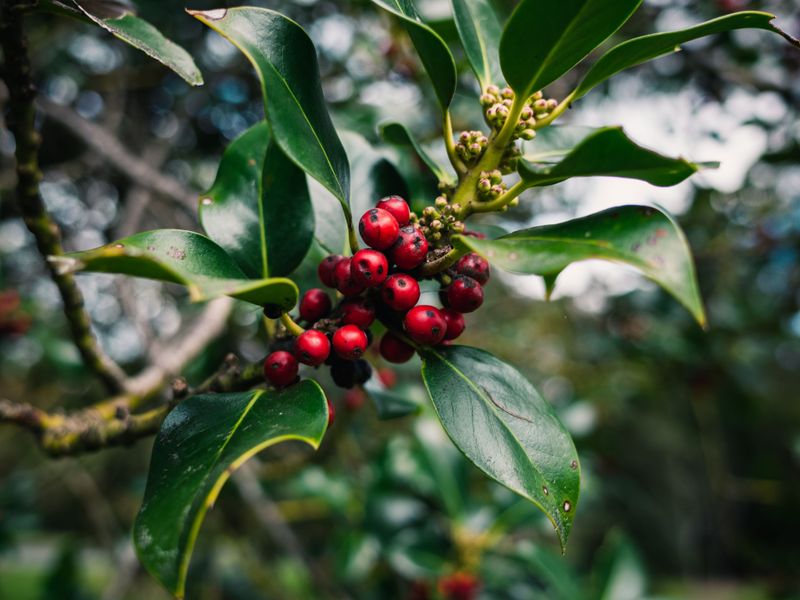
Water bills in Florida can get painful during dry season. Choosing plants that do not demand daily irrigation is one of the smartest moves a homeowner can make.
Dwarf Yaupon Holly is remarkably drought-tolerant once established. After the first growing season, it can handle long dry spells without wilting or browning.
Most native plants develop deep, efficient root systems over time. Those roots find moisture that shallow-rooted ornamentals simply cannot reach.
During establishment, regular watering for the first few months is helpful. After that, rainfall alone is usually enough to keep this shrub looking sharp.
Homeowners in water-restricted communities find native plants especially practical. Many local governments offer rebates for replacing thirsty landscaping with drought-tolerant alternatives.
Fertilizing is rarely necessary with this species. The plant adapts well to Florida’s sandy, nutrient-poor soils without needing expensive soil amendments.
Pest pressure is also notably low. Because the plant evolved here, local insects have not developed the kind of destructive relationship seen with exotic species.
Disease resistance is another quiet advantage. Root rot and fungal issues that plague other shrubs are far less common with Dwarf Yaupon Holly.
For busy families or retirees, low-maintenance landscaping is not a luxury, it is a necessity. A plant that handles itself is worth its weight in gold.
Cutting water use and yard work time frees up weekends for better things. That is a benefit every homeowner can get behind, HOA member or not.
Year Round Structure For Entryways And Beds
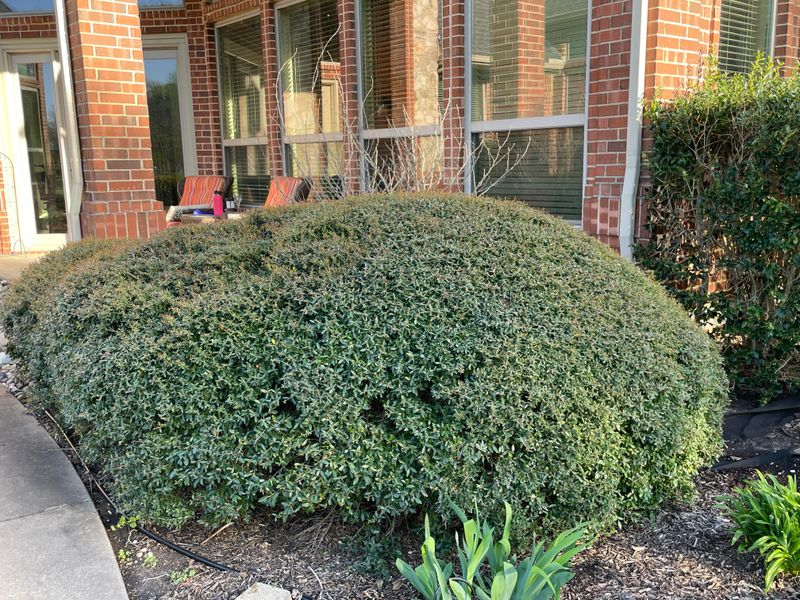
Some plants look great in spring and embarrassing by December. That seasonal inconsistency is a real problem for foundation beds that face the street all year.
Dwarf Yaupon Holly is evergreen, which means it holds its foliage through every season. By January there are still no bare sticks, and October never brings those dull, browning leaves.
Consistent color and structure matter more than most homeowners realize. A tidy, green front bed in winter makes a home look cared for even when nothing is blooming.
Entryways especially benefit from plants with year-round presence. Guests and visitors form their first impression before they even reach the front door.
Pairing this native Florida shrub with seasonal color plants creates a dynamic bed. The holly provides the backbone, while annuals and perennials rotate through for visual interest.
Landscape designers call this the “thriller, filler, spiller” approach. Dwarf Yaupon Holly is the reliable filler that holds the whole composition together.
In neighborhoods where curb appeal affects home values, evergreen foundation plants are a smart investment. Consistent structure signals pride of ownership to buyers and appraisers alike.
Winter in the Sunshine State still brings cooler temperatures and reduced rainfall. This shrub handles both without skipping a beat or dropping its leaves.
Mulching around the base helps retain soil moisture and keeps the bed looking polished. A two-inch layer of mulch is all this plant needs to stay happy.
Year-round structure is the quiet backbone of a beautiful yard. This native Florida shrub delivers that backbone reliably, season after season, without asking for much in return.