How Georgia Homeowners Keep Heavy Thunderstorm Runoff From Washing Away Yard Soil
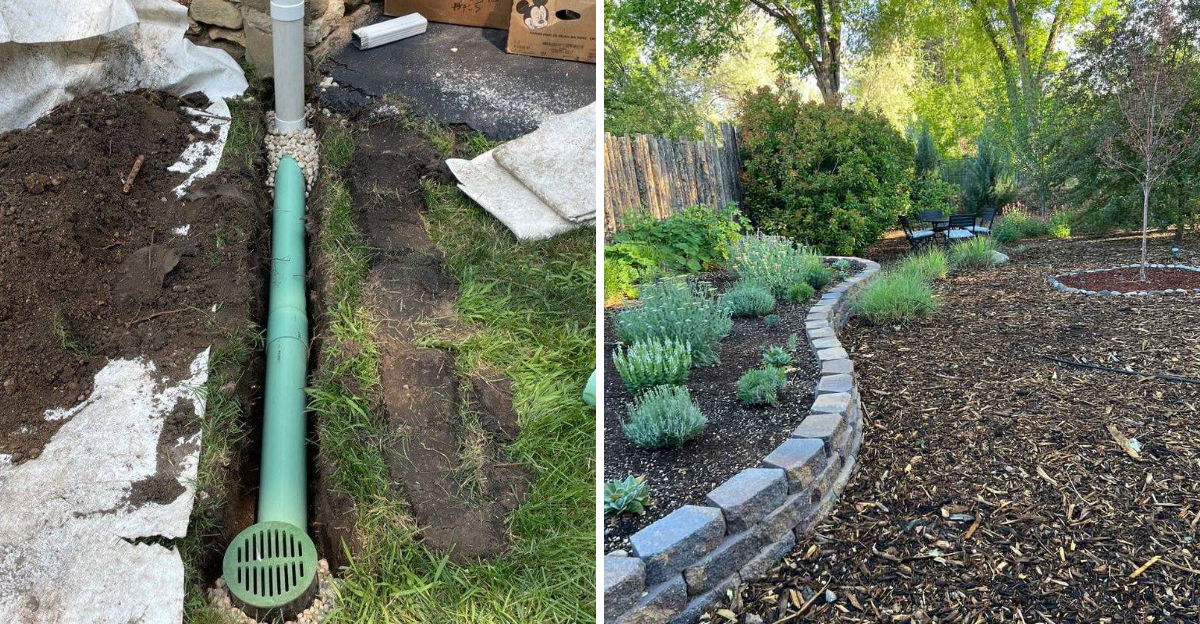
One heavy thunderstorm can change the look of your yard overnight.
Fresh mulch disappears, bare roots show up, and soil ends up where it never belonged.
Many homeowners blame the amount of rain. In reality, the way water moves across your yard often matters much more.
That is why some landscapes bounce back after every storm while others seem to lose a little more ground each time. The difference is rarely an accident.
Across Georgia, sudden downpours are part of life during the warmer months. Preparing before the next storm is always easier than fixing the damage afterward.
Take a good look at the places where water always rushes first. Those trouble spots usually tell the whole story.
A few smart changes can help your yard handle heavy rain far better. Once you know where the real problem starts, everything else becomes much easier.
1. Mulch Slows Water Before It Reaches Bare Soil
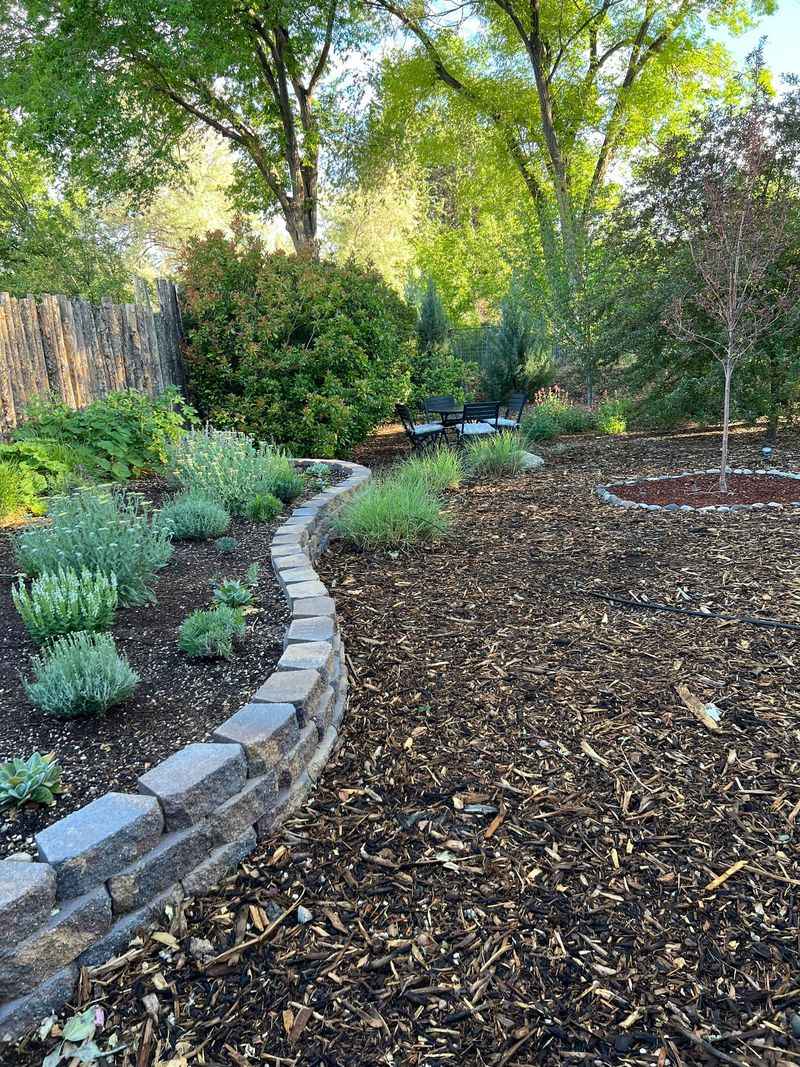
A two-inch layer of mulch can make a surprising difference during a downpour. Water hits the mulch surface and slows down instead of rushing straight across bare ground.
That slower movement gives the soil underneath more time to absorb moisture rather than lose it.
Wood chips, pine straw, and shredded bark are popular choices in the Southeast. Pine straw works especially well on slopes because it locks together and resists being washed away.
Wood chips break down over time and actually improve soil structure as they decompose.
Applying mulch around garden beds, trees, and shrubs is one of the easier tasks you can do before storm season hits. Aim for a two to three inch depth, but avoid piling it directly against plant stems or tree trunks.
That can trap moisture and cause problems over time.
Refresh mulch once or twice a year to maintain its effectiveness. Heavy storms can shift or thin it out in certain spots.
Checking after major rain events and filling in bare areas keeps your soil protected through the wettest months.
2. Ground Covers Hold Soil In Place On Slopes
Slopes are where erosion gets brutal fast. Rain hits at an angle, picks up speed, and carves channels right through bare dirt.
Without something holding the soil together, a steep yard can lose significant ground in a single storm.
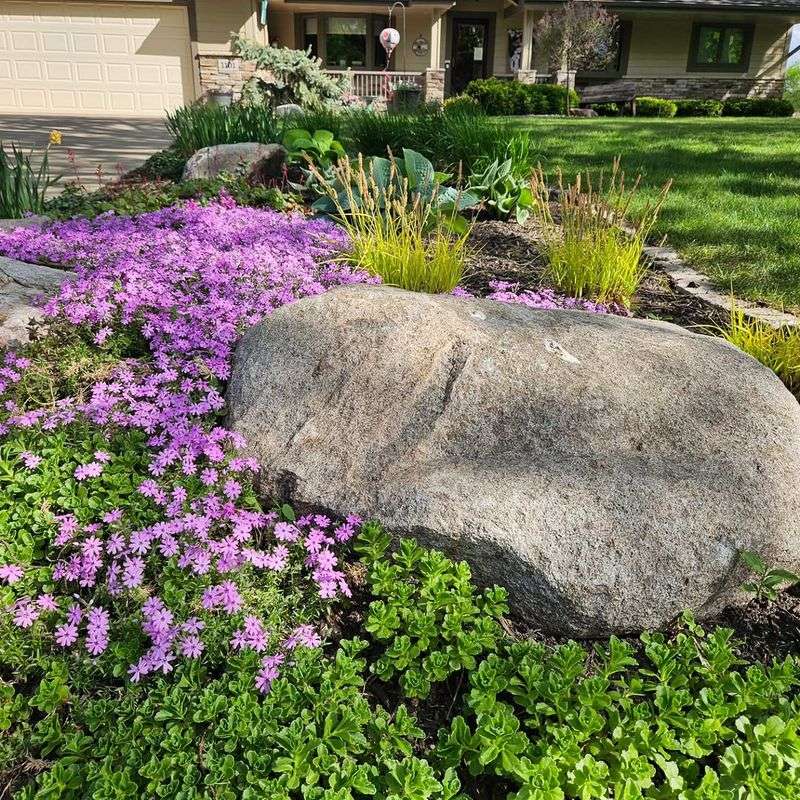
Low-growing ground cover plants spread out and form a dense mat that physically holds soil in place. Roots grip the ground while leaves and stems slow water movement across the surface.
Together, those two things dramatically reduce how much soil washes downhill.
Creeping juniper, liriope, and Asian jasmine are reliable options for sloped yards in the Southeast. Mondo grass is another solid pick because it handles both shade and heavy rain without thinning out.
Native options like wild ginger or green-and-gold work well too, especially in shadier spots.
Getting ground cover established takes a season or two, so patience matters here. Water new plantings regularly until roots take hold.
Once established, most of these plants require very little maintenance and continue protecting soil year after year.
Your Georgia Garden Changes Every Week. Your Plan Should Too.
Gardening in Georgia changes quickly throughout the season. Every Friday you’ll receive a simple weekly plan showing exactly what to plant, prune, fertilize, harvest, and protect so you never miss the right timing.
Combining ground cover with a light layer of erosion-control netting during the first growing season helps prevent soil loss while plants fill in.
3. Rain Gardens Capture Water Before It Runs Off
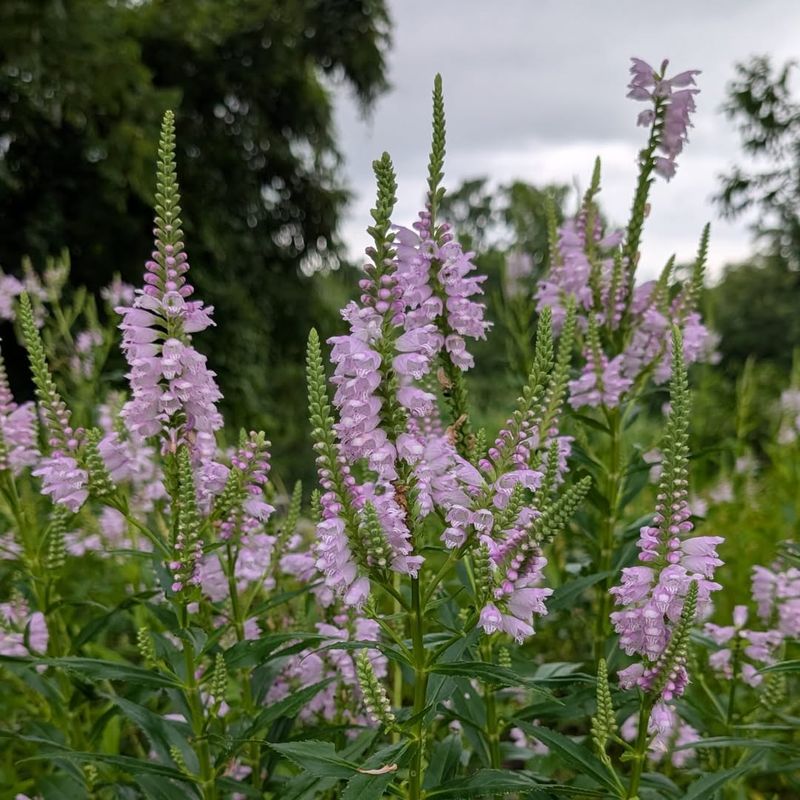
Rain gardens are one of the more underrated tools for managing stormwater in a yard. Essentially a shallow, bowl-shaped depression planted with water-tolerant plants, a rain garden collects runoff and holds it long enough for the soil to absorb it.
That keeps water from racing across the yard and carrying soil with it.
Location matters a lot with rain gardens. Placing one at the bottom of a slope or near a downspout outlet puts it exactly where runoff naturally flows.
Water fills the depression, soaks in over a few hours, and the plants help filter it along the way.
Native plants work best in rain gardens because they are adapted to both wet and dry conditions. Swamp milkweed, cardinal flower, and native sedges handle temporary flooding without struggling.
They also attract pollinators, which is a bonus most homeowners appreciate.
Sizing the rain garden correctly matters. A garden that is too small will overflow during heavy storms and not do much good.
A rough guideline is to make the garden about one-third the size of the area draining into it, though soil type and slope affect that calculation.
Maintenance is fairly light once plants are established.
4. Downspouts Should Empty Away From Eroding Areas
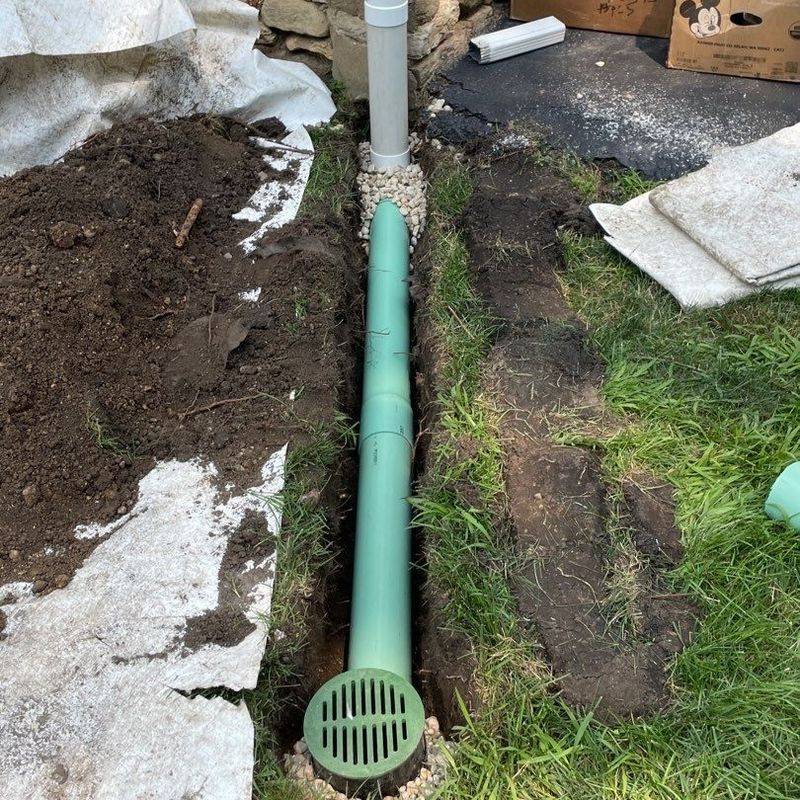
Downspouts dump a concentrated blast of water in one spot during heavy rain. That concentrated flow is one of the most common causes of erosion right next to home foundations and garden beds.
Redirecting where that water lands can prevent a lot of damage.
Downspout extenders are simple plastic or flexible tubes that attach to the end of a standard downspout. They guide water several feet away from the house before releasing it.
Moving that discharge point even six to ten feet can spread the impact across a larger area of grass or mulch.
Splash blocks are another option worth using. Placed under the downspout outlet, they disperse water outward rather than letting it concentrate in one hole.
Pairing a splash block with an extender gives even better results during heavy storms.
Underground drainage pipes connected to downspouts are a more permanent solution. Water travels through buried pipe and exits at a safer location, sometimes into a rain garden or a gravel-filled dry well.
That setup handles high-volume storms without creating surface erosion.
Walk your yard during or right after a hard rain to see where water is actually going. Downspouts that look fine in dry weather can reveal serious erosion problems when the rain is actually falling.
5. Bare Soil Washes Away Faster During Heavy Rain
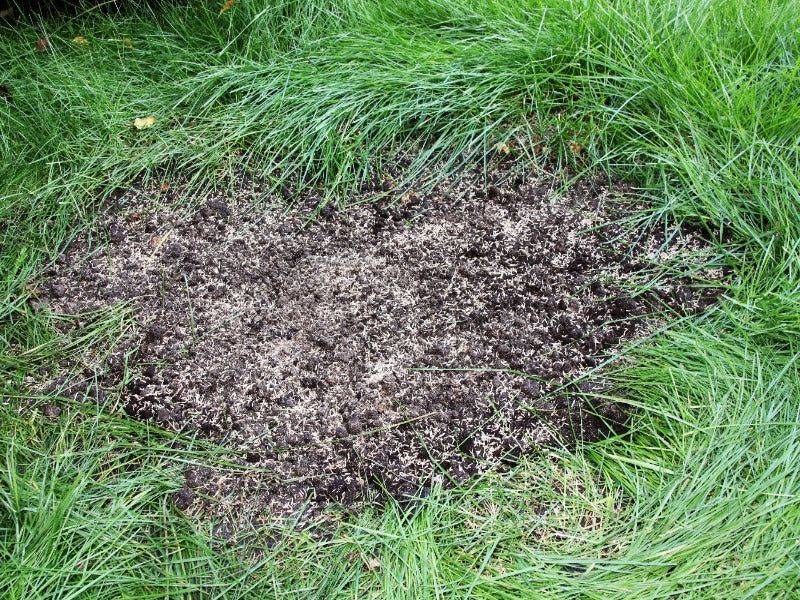
Bare soil has almost no protection against heavy rain. Raindrops hit exposed ground with enough force to loosen soil particles, and moving water carries those particles away.
Over time, this process strips the top layer of your yard, leaving behind hard, compacted earth that absorbs even less water.
Covering bare areas quickly is one of the most effective responses after construction, landscaping projects, or patches where grass has thinned out. Temporary seeding with fast-germinating grass like annual ryegrass can establish basic protection within a couple of weeks.
That quick cover buys time while a longer-term solution gets established.
Straw erosion matting is another fast fix for bare spots. Rolled out flat and pinned to the ground, it protects soil from raindrop impact while allowing seeds to germinate underneath.
It breaks down naturally over several months and does not need to be removed.
Compacted soil makes erosion worse because water cannot penetrate the surface. Aerating compacted areas before seeding or planting improves infiltration rates noticeably.
Looser soil absorbs more water, which means less runoff and less soil movement during storms.
Keeping a bag of grass seed on hand is a practical habit for homeowners in rainy regions.
6. Drainage Swales Redirect Heavy Storm Runoff
Water follows the path of least resistance. Without a planned route, it carves its own, and that usually means erosion channels through your lawn or garden.
A drainage swale gives stormwater a controlled path to follow, protecting everything on either side of it.
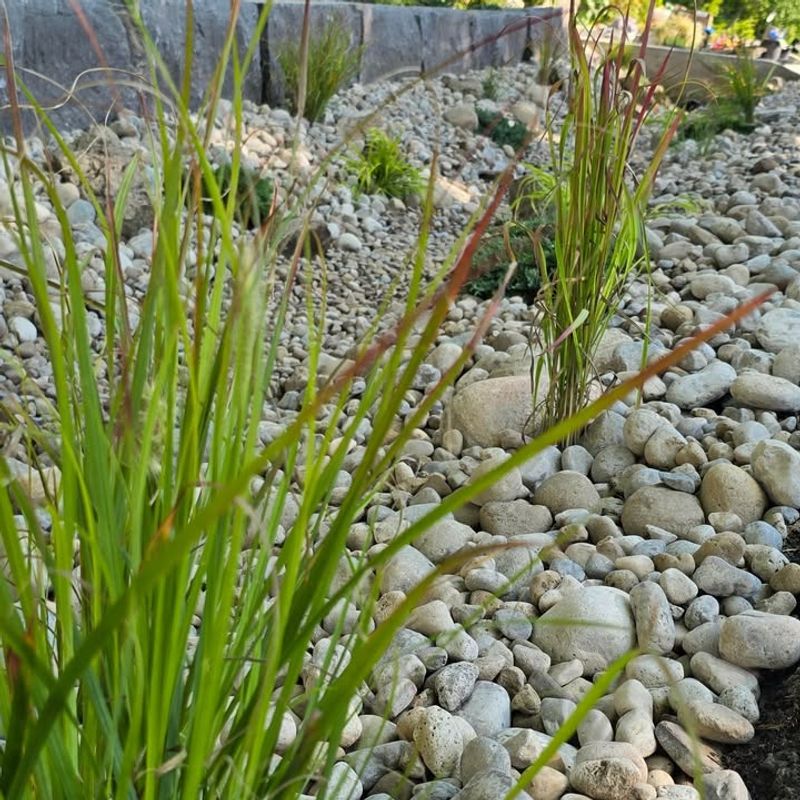
A swale is basically a shallow, gently sloped channel that moves water across or out of a yard at a controlled pace. Grass-lined swales slow the water down while it moves, which reduces erosion along the channel itself.
Rock-lined versions handle higher volumes and are more durable under repeated heavy flows.
Placement depends on where water naturally pools or flows during a storm. Observing your yard during rain helps identify the natural drainage patterns already present.
A swale typically follows or redirects those patterns toward a safe outlet like a street drain, wooded area, or rain garden.
Slope matters when designing a swale. Too steep and water rushes through and causes erosion at the outlet.
Too flat and water stalls and pools instead of draining. A gradual slope in the range of one to two percent usually moves water effectively without creating new erosion problems.
Swales need occasional maintenance, especially after heavy storms deposit debris inside the channel.
7. Deep-Rooted Native Plants Strengthen The Soil
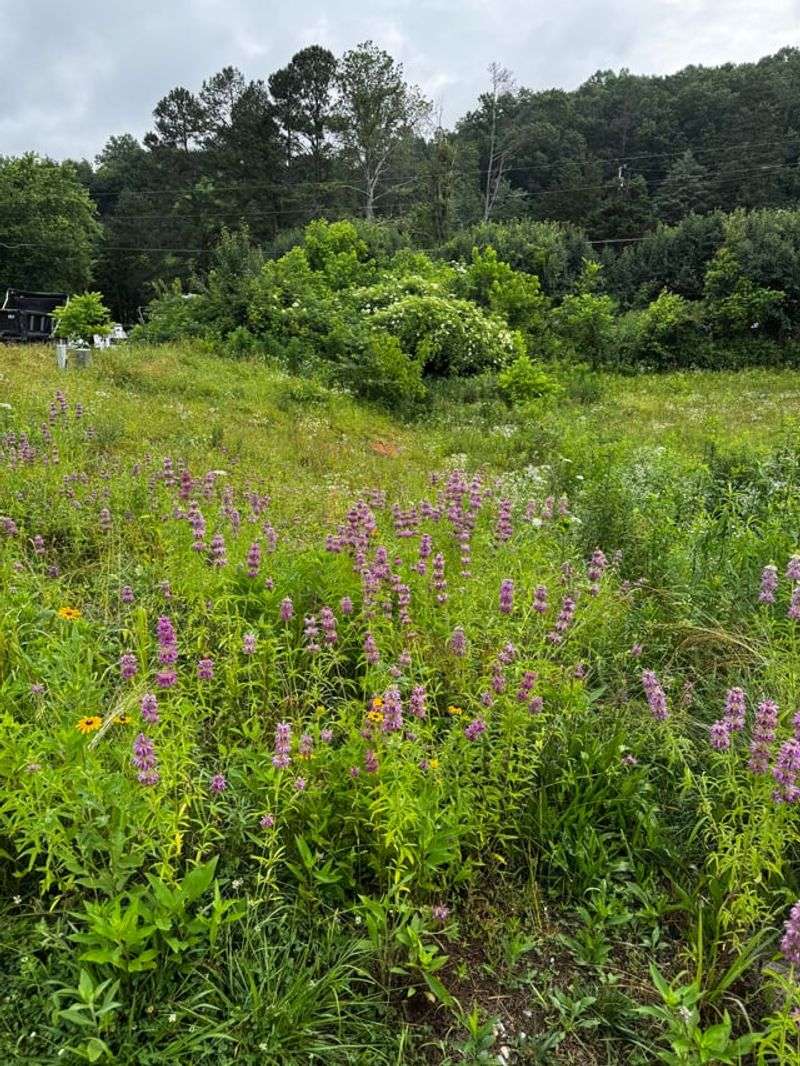
Root depth matters more than most homeowners realize. Shallow-rooted plants hold only the top inch or two of soil.
Deep-rooted natives can anchor soil several feet down, creating a strong underground network that resists even heavy runoff.
Native plants in the Southeast evolved with the region’s intense summer storms. Switchgrass, for example, develops roots that can reach four to six feet deep under the right conditions.
Little bluestem and Eastern red columbine also send roots deep into the soil profile, improving both stability and water absorption.
Beyond erosion control, deep roots break up compacted soil over time. As roots grow and eventually decompose, they leave behind channels that allow water to infiltrate more easily.
That natural process gradually improves drainage in areas that previously shed water quickly.
Native plants generally require less watering and fertilizing once established compared to non-native species. That lower maintenance level makes them practical for homeowners who want long-term protection without a lot of ongoing work.
They also tend to handle Georgia’s clay-heavy soils better than many introduced varieties.
Mixing native grasses, wildflowers, and shrubs in problem areas creates layered coverage both above and below ground.
That combination of surface coverage and deep root structure offers more reliable erosion protection than any single plant type alone.