Georgia Gardeners Risk Next Year’s Hydrangea Blooms With This October Mistake
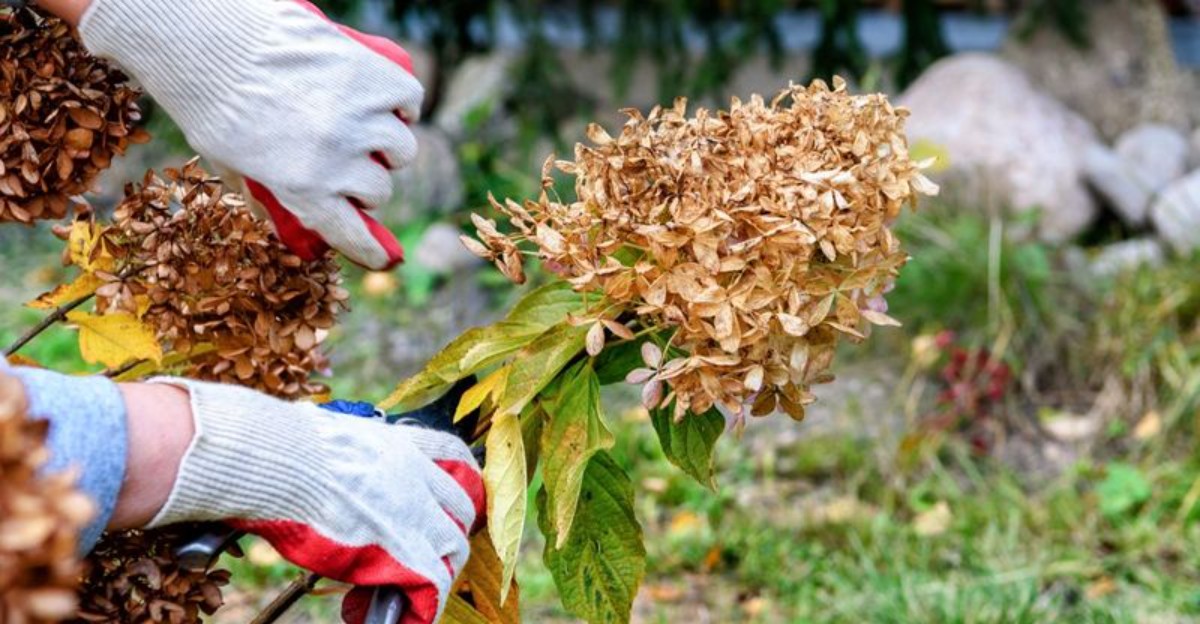
Those fading hydrangea flowers can make reaching for the pruners feel tempting, but one October trim could remove more than you intended.
Some hydrangeas have already formed the buds that will produce next year’s flowers. Cutting the wrong stems now may quietly reduce that future display.
This matters especially with bigleaf and oakleaf hydrangeas, which typically bloom on older wood.
Before trimming anything in your Georgia garden, identify which type you have and how it produces flowers. That quick check can prevent an unnecessary pruning mistake.
Leave healthy stems alone when you are unsure, rather than cutting simply because the shrub looks untidy.
October is better spent removing obvious debris and watching the plant settle into fall. Your patience now can protect the buds already waiting for next season.
1. Those Bare-Looking Stems May Already Hold Next Year’s Flowers
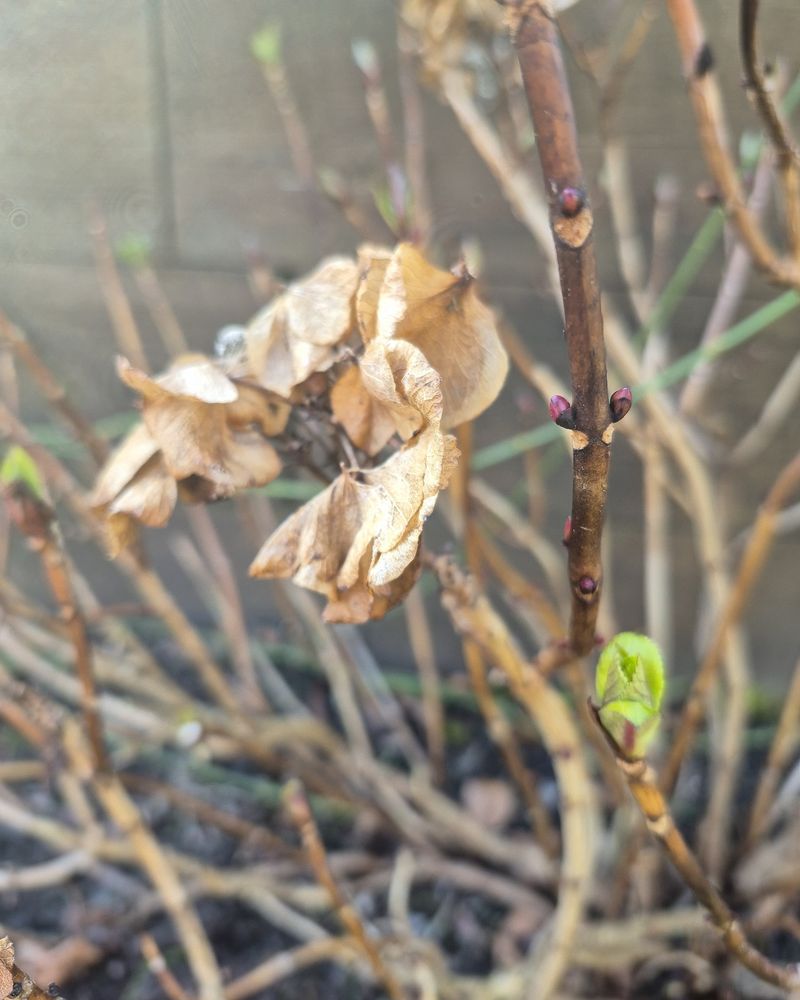
Looks can fool you in a fall garden. A hydrangea stem that seems finished for the year may be holding next summer’s flowers right at its tip.
Pruning old-wood hydrangeas in October can remove flower buds for next year, and that is the mistake so many of us make.
Bigleaf and oakleaf hydrangeas start forming their buds in late summer and early fall. By October, those buds are usually tucked inside the top part of each stem.
From a distance, you might only notice brown flower heads and a few yellowing leaves.
Get closer and look at the very end of a healthy stem. You may see a fat, rounded bud that looks a little different from the smaller leaf buds lower down.
Those plump buds are your future blooms, so cutting the stem back by half takes them right off the plant.
Here in Georgia, fall cleanup often happens on a nice weekend when the yard looks messy. Pausing for a quick bud check before you cut can save a whole season of color.
Bud size and shape vary by variety and growing conditions, so they are not always easy to spot.
When you are unsure, leaving the stem alone is the safer choice until spring shows you more clearly what is alive and ready to grow.
2. Bigleaf And Oakleaf Types Form Flower Buds On Older Stems
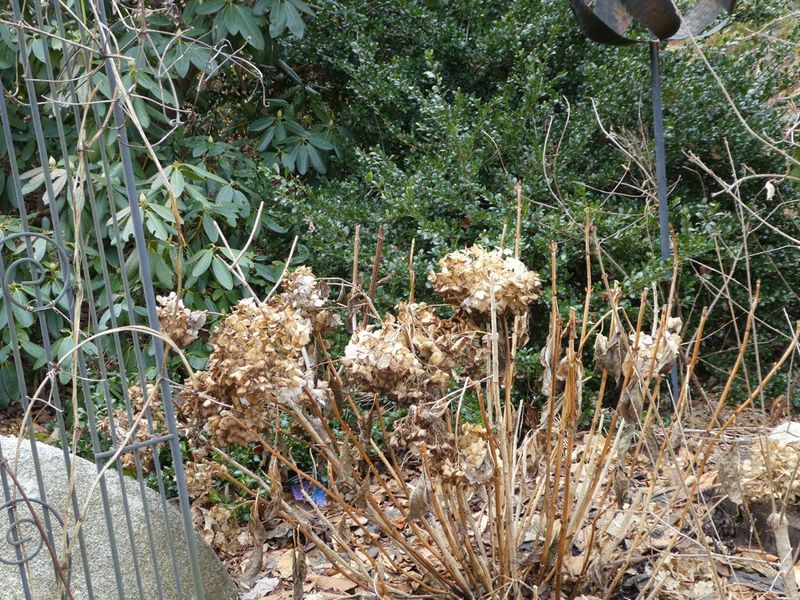
Old wood is the key phrase to remember. Gardeners use it to describe stems that grew during the previous season and stayed on the plant.
Bigleaf hydrangeas, the classic blue or pink mopheads and lacecaps, bloom mostly on these older stems.
Oakleaf hydrangeas, which are native to the Southeast and grow wild in parts of Georgia, follow the same pattern. Their buds form on last year’s growth and open the next late spring or early summer.
Because of that timing, these shrubs need their stems to survive fall and winter in good shape.
Spotting an oakleaf is fairly simple, since its big leaves look like oak leaves and often turn deep red or burgundy in fall. Bigleaf types have broad, shiny, toothed leaves and rounded or flat flower clusters.
Your Georgia Garden Changes Every Week. Your Plan Should Too.
Gardening in Georgia changes quickly throughout the season. Every Friday you’ll receive a simple weekly plan showing exactly what to plant, prune, fertilize, harvest, and protect so you never miss the right timing.
Some newer bigleaf varieties, often sold as reblooming types, can also flower on new growth.
Even so, those rebloomers usually put on their earliest and strongest show from old wood. Heavy fall pruning can still reduce that first round of flowers, though the plant may make up some of it later in summer.
Best results come from pruning these types right after they finish blooming in summer, usually by late July or early August, before new buds start forming.
3. October Trimming Can Remove Buds Before They Ever Open
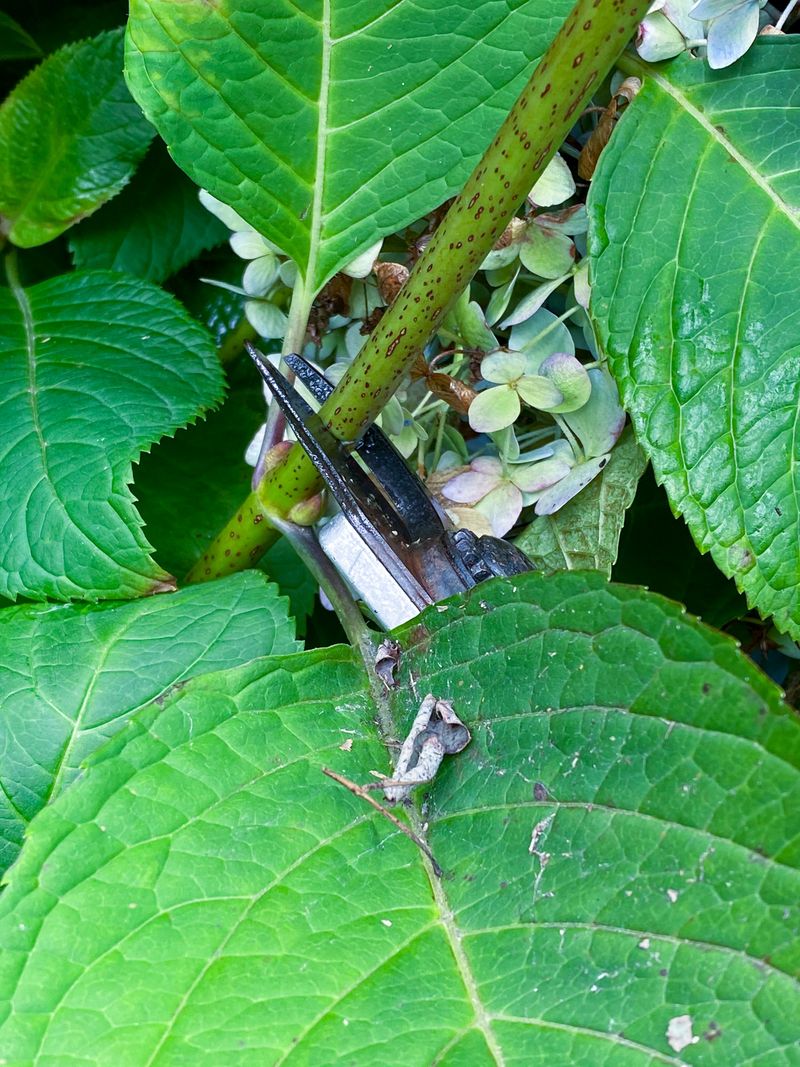
Picture a neatly sheared hydrangea in October. It looks tidy for a few months, but by next June it may be full of leaves and almost empty of flowers.
Every stem tip you remove from a bigleaf or oakleaf type can mean one less bloom next season.
Fall cuts can cause a second problem too. Pruning sometimes encourages fresh, tender growth if warm weather lingers, and that soft growth is more likely to be hurt by a hard freeze.
Warm spells in fall are common across Georgia, especially in the middle and southern parts of the state.
Leaving the stems uncut also gives the plant some natural protection. Old flower heads and leaves can shield buds a bit from cold wind, though they will not stop every freeze from causing harm.
Winter weather plays a big role either way, so even unpruned plants can lose buds in a rough year.
Instead of cutting, try a lighter job in October. Rake up fallen leaves, pull weeds around the base, and add a few inches of mulch if the old layer has thinned out.
Faded blooms can stay right where they are, since many people enjoy their papery look through winter.
4. Panicle And Smooth Hydrangeas Follow A Different Blooming Pattern
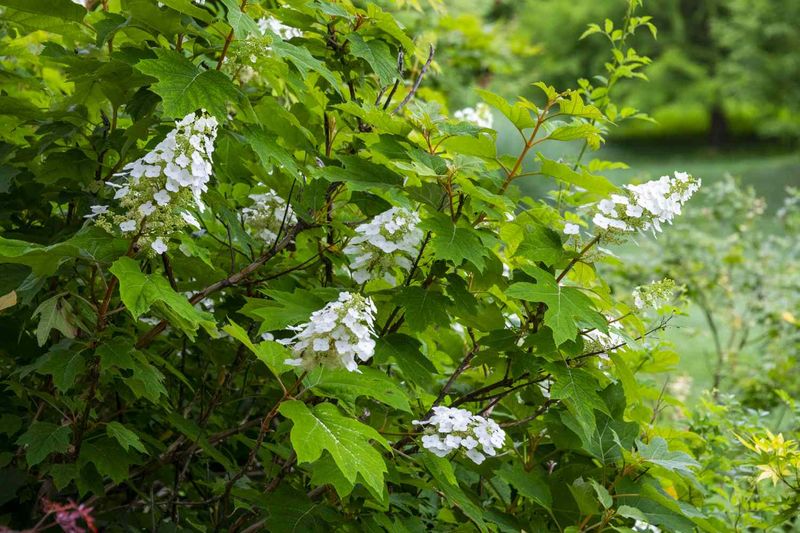
Not every hydrangea plays by the same rules. Panicle and smooth hydrangeas bloom on new wood, meaning stems that grow in the same spring they flower.
Since their buds have not formed yet in October, a fall trim usually will not wipe out next year’s show.
Panicle types, such as Limelight and Little Lime, have cone-shaped flower clusters. They often start white or lime green in summer and shift to pink or rosy tones as the weather cools.
Smooth hydrangeas, including the well-known Annabelle, produce big round white heads on thinner stems.
Gardeners in Georgia often grow both kinds because they handle heat fairly well with the right spot and steady water. Panicles usually take more sun, while smooth types tend to like some afternoon shade.
Late winter or very early spring is generally the best time to prune these two groups.
Waiting until then lets you see winter damage clearly and keeps the dried flower heads for winter interest. Cutting in fall is not usually harmful, but it offers little real benefit for the plant.
Smooth hydrangeas can be cut back fairly hard, while panicles often look best with a more moderate trim that keeps a sturdy framework.
5. Knowing Your Hydrangea Type Prevents The Wrong Cut
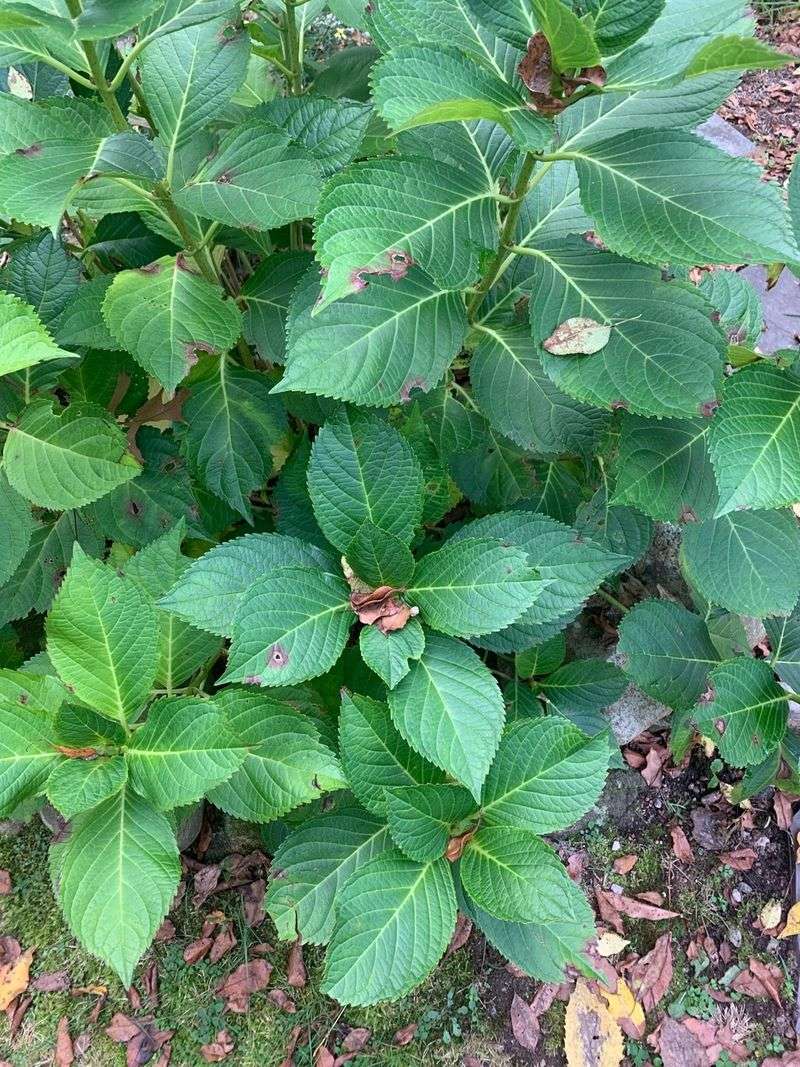
Guessing is where the trouble starts. If you are not sure which hydrangea you have, every cut becomes a gamble with next year’s flowers.
Start by checking for an old plant tag, a receipt, or a photo from the nursery where you bought it.
Leaves offer strong clues. Oakleaf types have large lobed leaves, while bigleaf types have wide, glossy leaves with saw-toothed edges.
Flower shape helps too, even when the blooms have turned brown.
Round mopheads or flat lacecaps usually point to bigleaf hydrangeas. Cone-shaped clusters often mean a panicle or an oakleaf, so check the leaves to tell those two apart.
Large white balls on thin, floppy stems commonly belong to smooth hydrangeas like Annabelle.
Your local Extension office can help when the clues do not add up. University of Georgia Extension agents often answer plant questions, and a clear photo of leaves and blooms can make the job easier.
Once you know the type, jot it down in a garden notebook or on your phone so you are not starting over each fall.
Some plants are hybrids or unusual cultivars, so a quick check with an expert is worth it if the plant still seems hard to identify.
6. Broken Or Problem Branches Are Different From Routine Pruning
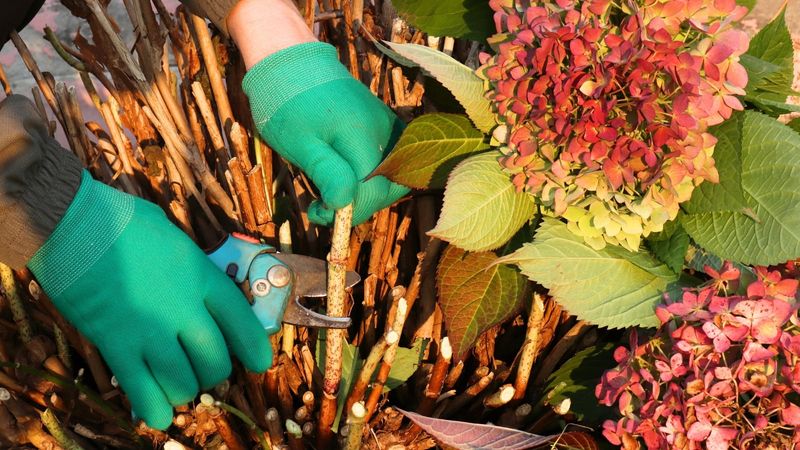
A snapped stem is a different story. Removing damaged wood in October is generally fine, even on bigleaf and oakleaf hydrangeas.
Storms, falling limbs, and curious pets can all leave broken branches behind.
Cut a broken stem back to a healthy bud or down to the base of the plant. Clean, sharp pruners make smoother cuts that are less likely to tear the bark.
Stems that are clearly brown, brittle, and hollow can also come out at any time of year.
Scratch the bark lightly with your thumbnail if you are not sure about a stem. Green tissue underneath usually means it is still alive, while brown and dry tissue suggests it is not.
Crossing branches that rub together may be worth removing, but only a few at a time.
Fall storms and occasional tropical weather can bring strong winds to parts of Georgia, so checking your shrubs after a rough week makes sense. Focus only on the damage rather than reshaping the whole plant.
Wiping your pruner blades between cuts can help reduce the spread of disease if you are removing sick-looking wood.
Bag or toss diseased material instead of adding it to your compost pile.
7. Leave Healthy Stems Standing Until The Proper Pruning Window
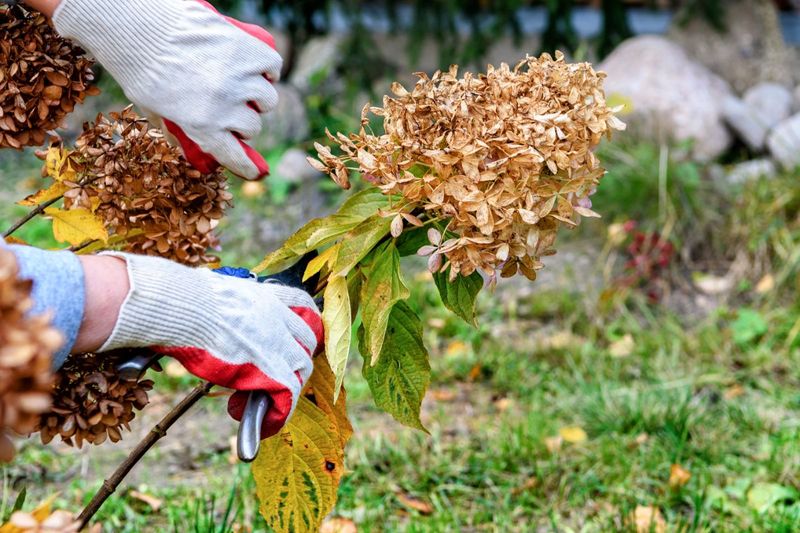
Patience pays off with hydrangeas. Healthy stems left alone through fall and winter give old-wood types their best chance to flower next year.
Timing depends on the group, so it helps to have a simple plan.
Bigleaf and oakleaf types are usually pruned soon after blooming in summer. In spring, you can lightly remove only the stems that show no new buds or green growth.
Panicle and smooth types are generally trimmed in late winter or early spring before new growth starts.
Across Georgia, spring timing can shift by a few weeks between the mountains and the coast. Watching your own plants for swelling buds is often more reliable than following a fixed date.
Leaving dried flower heads in place can add soft texture to a winter yard.
A layer of mulch, steady watering during dry fall spells, and avoiding heavy fertilizer late in the season can help the plant head into winter in good shape. These steps support the shrub, though weather still has a big say in the final result.
Late freezes can damage buds even when you do everything right.
When that happens, give the plant time, since many hydrangeas recover and push out fresh growth as temperatures warm up.