Your Florida Lawn Survived August – What To Fix Before Fall
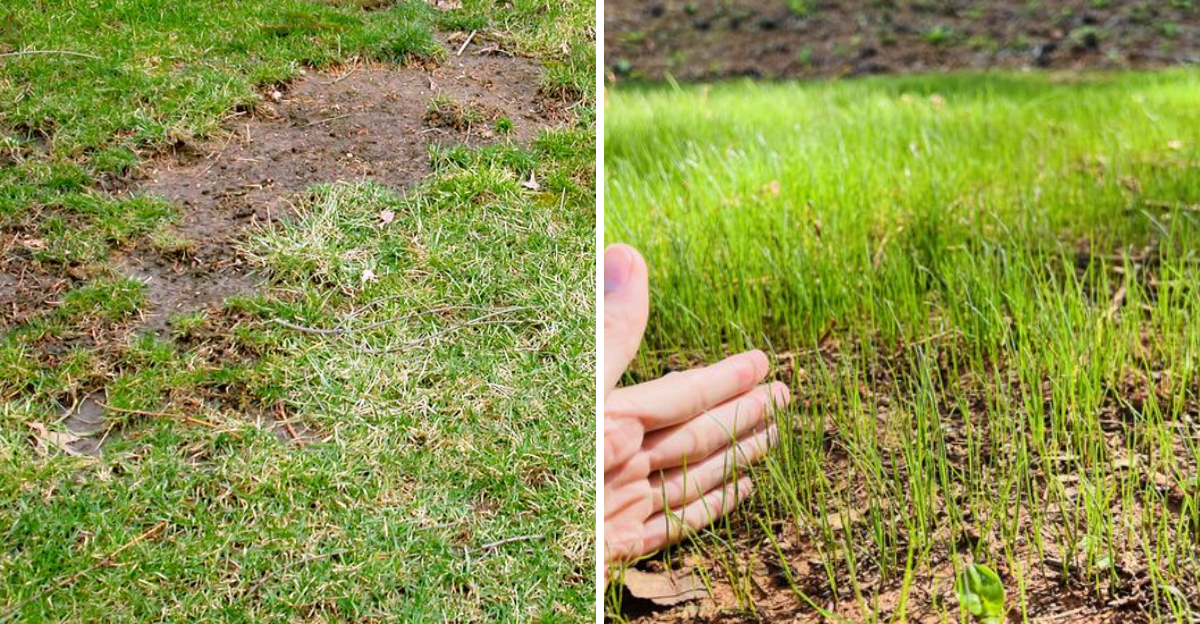
August can leave a Florida lawn looking tougher than it really is.
From the patio, the grass may still appear green enough, but weeks of heat, heavy rain, dry spells, foot traffic, and summer pests can leave behind problems that become much harder to ignore once fall arrives.
Thin patches spread. Soil stays compacted.
Weeds take advantage of weak turf. Small brown areas that seemed harmless in midsummer can suddenly demand attention.
September gives you a valuable window to read those clues before seasonal changes shift what your lawn needs. The goal is not to chase perfect grass after a brutal summer.
It is to spot the damage August left behind and decide what deserves attention now. A lawn that made it through the hottest stretch has already passed one test.
What you fix next can decide how strong it looks when Florida’s cooler months finally arrive.
1. Raise The Mower Before You Take Another Short Cut
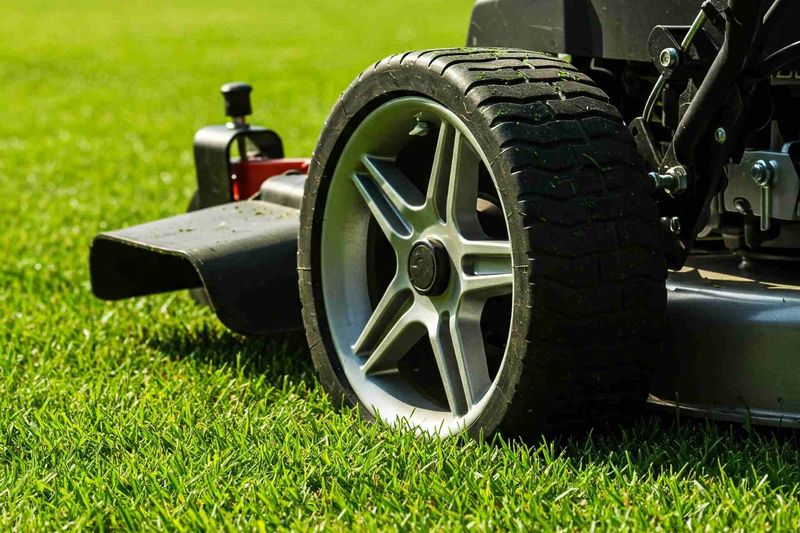
A mower blade set too low can do more damage in one pass than a month of Florida summer heat. Scalping removes the green leaf tissue that turf needs to produce energy.
Once that tissue is gone, the grass has to pull from its reserves just to survive. Repeated low cuts weaken roots and open the lawn to drought stress, pests, and weed invasion.
The right mowing height depends entirely on your grass species and cultivar. St. Augustinegrass generally performs best at 3.5 to 4 inches for most home lawns.
Bahiagrass is typically mowed at 3 to 4 inches. Centipedegrass prefers a lower range, usually around 1.5 to 2 inches.
Bermudagrass and zoysiagrass tolerate much shorter cuts, sometimes as low as 0.5 to 1.5 inches depending on the cultivar.
Before you change your blade height, identify exactly what grass you have. Mowing St. Augustinegrass at bermudagrass height will cause real problems.
Check your county’s UF/IFAS Extension office or the EDIS publication on your specific turf type for confirmed height ranges. After a stressful August, raise the mower deck slightly above the normal range for a few weeks.
This can help turf recover leaf area and rebuild root depth before fall growth slows.
2. Fix The Sprinklers Before You Blame The Grass
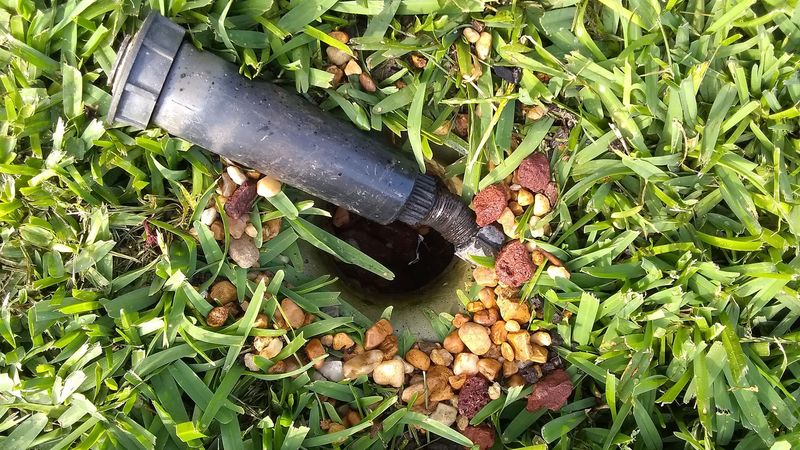
Dry corners, soggy low spots, and grass that looks stressed right next to grass that looks fine are almost always irrigation problems first. Late summer has a way of making those coverage gaps impossible to ignore.
Before assuming the turf itself is the issue, walk the yard while the system runs and watch every head.
Look for heads that are tilted, blocked by overgrown grass, or spraying pavement instead of turf. Check whether water is pooling in one area while another section barely gets wet.
Probe the soil in both the green areas and the struggling areas with a screwdriver or soil probe. Dry soil 2 to 3 inches down is a clear sign that zone is not delivering enough water.
Soggy soil that stays wet for hours after irrigation points to overspray or a drainage problem.
Your Florida Garden Changes Every Week. Your Plan Should Too.
Gardening in Florida changes quickly throughout the season. Every Friday you’ll receive a simple weekly plan showing exactly what to plant, prune, fertilize, harvest, and protect so you never miss the right timing.
UF/IFAS recommends watering based on actual turf need rather than running a timer on a fixed daily schedule. Pale or slightly blue-gray grass that shows footprinting is the turf telling you it needs water now.
That is more reliable than a calendar. Adjust run times by zone based on what the soil and grass actually show you.
Fixing a blocked head or a misaligned rotor costs almost nothing and can restore color to a struggling section within days.
3. Diagnose Those Brown Patches Before Feeding Them
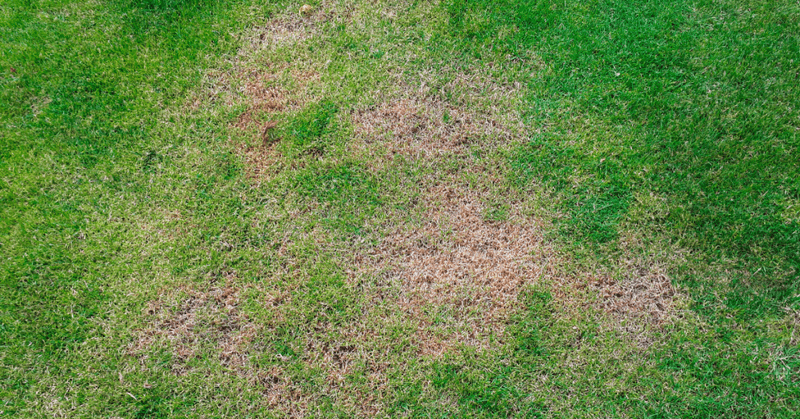
Brown patches left behind after August rarely have a single cause. Drought stress, pest activity, fungal disease, compaction, and irrigation gaps can all produce areas that look nearly identical from the street.
Pouring fertilizer on damaged turf without knowing why it is struggling is a common mistake that often makes things worse.
Start by looking at the shape of the affected area. Drought stress tends to create irregular patterns that follow sun exposure or soil type.
Pest damage often leaves distinct edges or a pulling-away quality to the turf. Disease patches sometimes show a ring pattern or a water-soaked look at the margins.
Compacted areas may be in high-traffic zones like pathways or near gates.
Pull back the turf at the edge of a brown patch and look at the roots and thatch layer. Healthy roots are white or light tan.
Damaged roots may be dark, shallow, or nearly absent. Check the soil moisture in the affected zone and compare it to a healthy area nearby.
Once you have a clearer picture of what actually caused the damage, you can respond with the right fix. A county extension agent or a UF/IFAS diagnostic lab can help confirm a cause if visual inspection does not give you a clear answer.
Fertilizer is not the starting point.
4. Late Summer Pests Can Still Be Working Under The Green
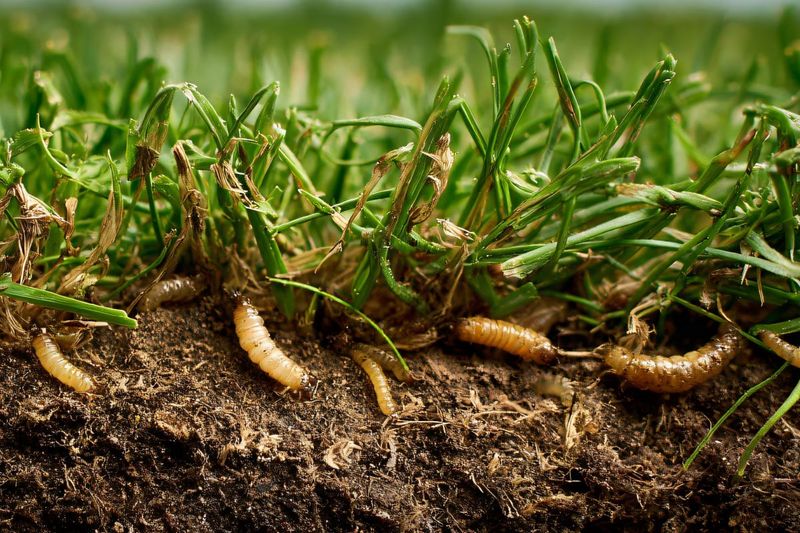
Some of the worst late-summer lawn damage happens underground or at the soil surface where you cannot see it right away. By the time brown areas appear above ground, insects may have already been feeding for weeks.
Scouting now, even if the lawn looks mostly okay, can catch a problem before it spreads into fall.
Chinch bugs are a major threat to St. Augustinegrass. They tend to show up first in hot, sunny areas near sidewalks, driveways, or along the edges of the lawn.
Part the grass at the edge of a suspicious area and look for small black-and-white insects moving quickly through the thatch. Fall armyworms can move across a lawn rapidly and often leave a chewed, ragged look to the blades.
White grubs feed on roots and cause turf to feel spongy or pull up easily like a loose carpet. Mole crickets tunnel through the soil and create raised ridges.
Each pest leaves a different pattern and requires a different response. Do not apply an insecticide simply because there is a brown area.
Confirm the pest is present and active before treating. The UF/IFAS EDIS library has identification guides for each of these insects with photos and scouting methods.
Treating the right pest at the right time is far more effective than a broad application based on guesswork.
5. Wet August Weather Can Leave A Disease Problem Behind
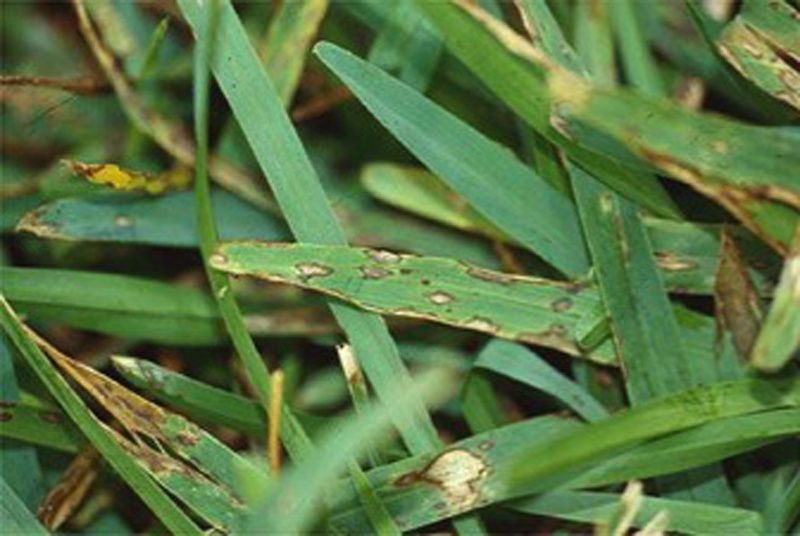
Soggy soil and prolonged leaf wetness create ideal conditions for fungal activity, and August in most of the state delivers both in abundance.
Even after the rainy pattern breaks, moisture problems can linger in low spots, shaded areas, or zones where soil drainage is poor.
That leftover moisture keeps conditions favorable for disease long after the storms pass.
Look for areas that stay wet noticeably longer than the rest of the lawn after rain or irrigation. Turf growing in persistent shade is also at higher risk because leaves dry more slowly.
Brown patch, caused by Rhizoctonia solani, is one of the most common diseases affecting St. Augustinegrass during warm, wet conditions. It often appears as circular or irregular patches with a darker, water-soaked border.
Gray leaf spot is another warm-season concern that creates small lesions on individual blades.
Color alone is not enough to confirm a disease. A patch that looks like disease might be drought stress or insect activity.
Collect a sample from the edge of the affected area, where both healthy and damaged grass meet, and send it to a UF/IFAS plant diagnostic laboratory if you are unsure. Reduce unnecessary late-day irrigation and improve air circulation where possible.
Avoiding heavy nitrogen during active disease can also lower pressure without immediately reaching for a fungicide.
6. Bare Spots Give Fall Weeds An Easy Opening
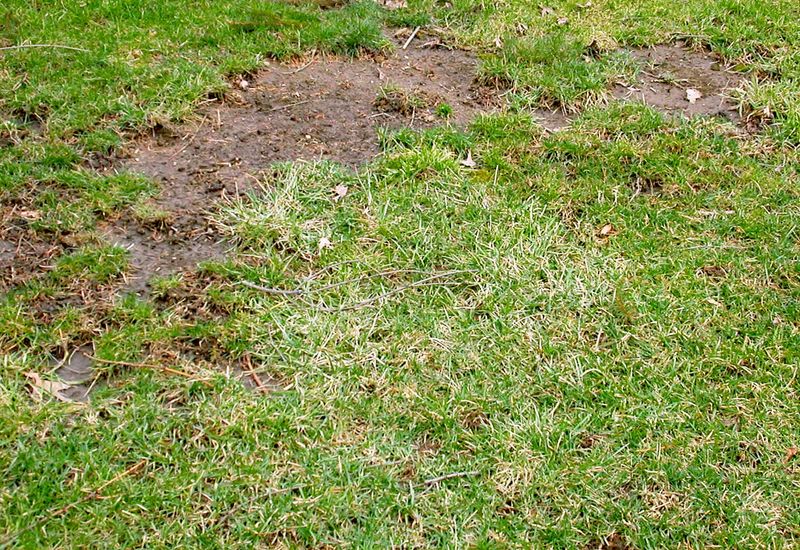
Exposed soil in September is an open invitation for weeds. Spurge, doveweed, chamberbitter, and other warm-season opportunists move fast into bare ground.
Cool-season weeds like annual bluegrass begin germinating as soil temperatures drop. A thin or bare lawn heading into fall is almost guaranteed to have a weed problem by winter.
Bare spots do not appear randomly. Something weakened or removed the turf that used to be there.
Mowing too short, heavy foot traffic, poor drainage, pest feeding, or disease can all create openings. Treating the weeds without correcting the underlying problem means the same spot will stay thin and keep filling with weeds season after season.
For warm-season grasses that are still actively growing, plugging or sodding small bare areas now gives the turf a chance to establish before growth slows.
St. Augustinegrass and zoysiagrass spread by stolons and can fill in from the edges of a patch if conditions are right and the underlying cause has been corrected.
For larger areas, check whether the soil is compacted and whether irrigation reaches the zone. Also confirm that the grass species suits the site’s sunlight and drainage conditions.
Rebuilding a competitive stand of turf is the most effective long-term answer to weed pressure. Healthy, dense grass is its own best defense.
7. Check The Calendar Before You Reach For Fall Fertilizer
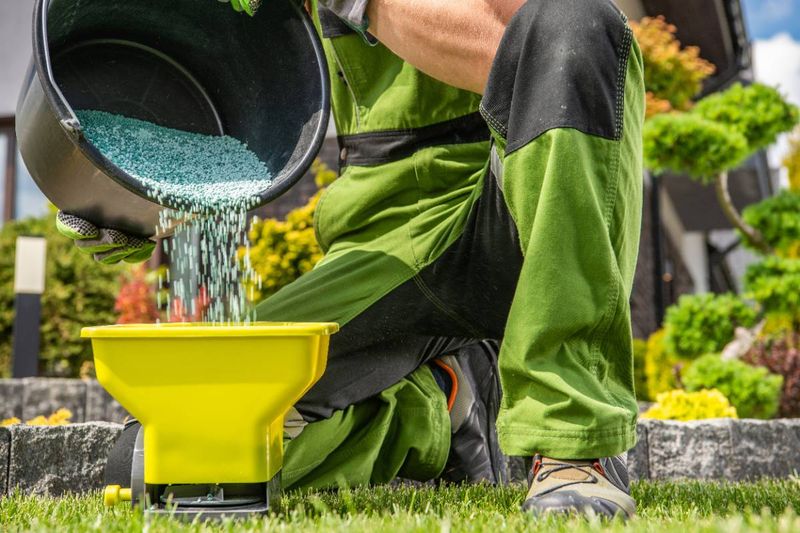
Reaching for fertilizer at the end of August feels productive, but the timing question is more complicated than it looks. North, Central, and South Florida do not enter fall at the same pace.
Turf in Gainesville may begin slowing down meaningfully in October, while lawns in Miami can stay actively growing well into November and beyond. Applying nitrogen to turf that is already slowing pushes soft, vulnerable growth that can struggle as temperatures shift.
Some counties and municipalities in the state also enforce fertilizer blackout periods that extend into September or beyond.
Miami-Dade, Pinellas, and several other counties have local ordinances that restrict nitrogen and phosphorus applications during certain months.
Check your county’s current rules before buying anything. A quick search of your county extension office or local government website will give you the current restrictions.
UF/IFAS regional turf guides provide fertilization calendars by grass species and region. For most grass types in North Florida, late September or early October is often the last reasonable window for a nitrogen application before dormancy approaches.
Central and South Florida lawns may have a wider window. Confirm that your turf is actively growing, that no local restrictions apply, and that you have addressed irrigation, pest, and disease issues first.
Fertilizer applied to stressed or damaged turf rarely produces the result homeowners expect.
8. Fix August Damage Without Forcing A September Growth Spurt
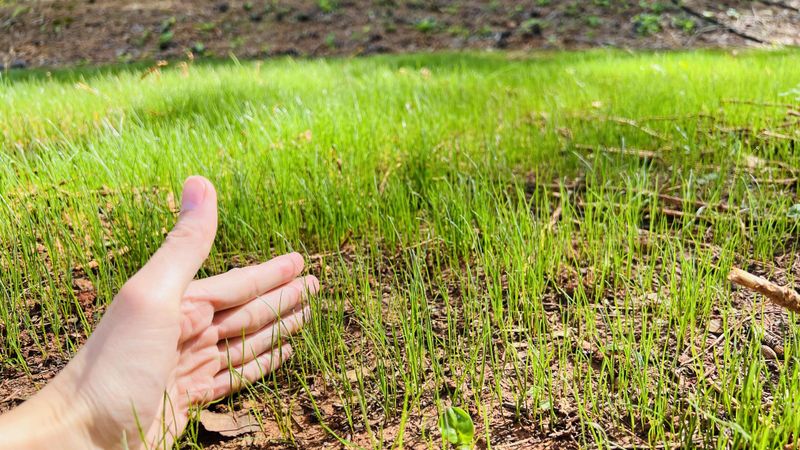
September lawn care does not need to be aggressive. The goal is to correct what August revealed, not to push the fastest or darkest lawn on the block.
Turf that is forced into rapid growth late in the season can become more vulnerable to the stress that comes with changing temperatures and reduced moisture.
Pull together everything the lawn is telling you. Mowing height should match your grass species and give the turf enough leaf area to stay strong.
Irrigation should be adjusted by zone based on actual soil moisture, not a fixed timer. Any pest or disease issue should be confirmed and treated specifically rather than broadly.
Bare areas should be plugged or sodded where turf is still growing actively, with the underlying cause addressed first.
North Florida lawns may begin slowing sooner, so the window for repair work is shorter. Lawns farther south can stay active much longer, which gives more time but also more opportunity to overdo things.
Skip the heavy nitrogen push if turf growth has already started to taper. A modest potassium application, where soil tests support it, can help turf build stress tolerance heading into cooler months.
September care works best when it is targeted and honest about what the lawn actually needs right now, not what it looked like in May.