The Native Michigan Shrub Makes A Better Understory Tree Than People Realize
Common witch-hazel has a timing strategy that no other Michigan native plant can match, and somehow it still gets walked past at the nursery without a second glance.
While everything else in the landscape is wrapping up for the season, dropping leaves and going quiet, witch-hazel waits.
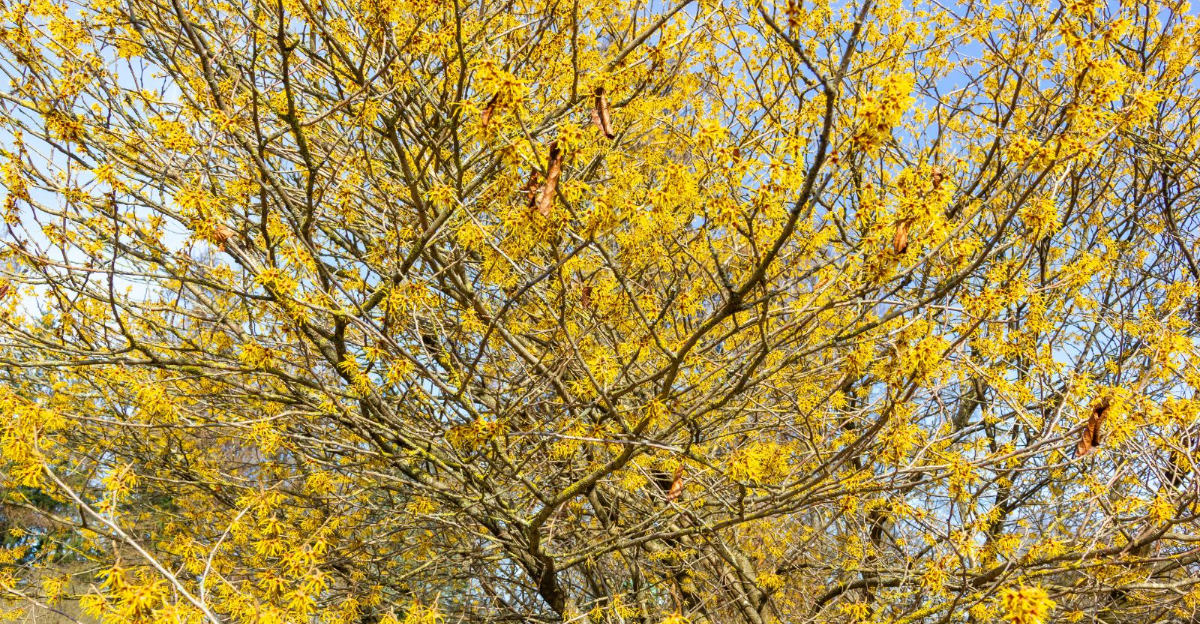
Then, in late fall, it opens spidery yellow flowers on bare branches at exactly the moment when a Michigan garden needs color the most and has essentially given up expecting any.
It grows naturally in filtered light beneath taller trees, handles the kind of shaded woodland conditions that challenge most landscape plants, and can be shaped over time into a graceful small understory tree.
For a native plant that blooms in November, asks for very little, and surprises everyone who sees it, witch-hazel is criminally underappreciated.
1. Witch-Hazel Naturally Fits Beneath Michigan’s Taller Trees
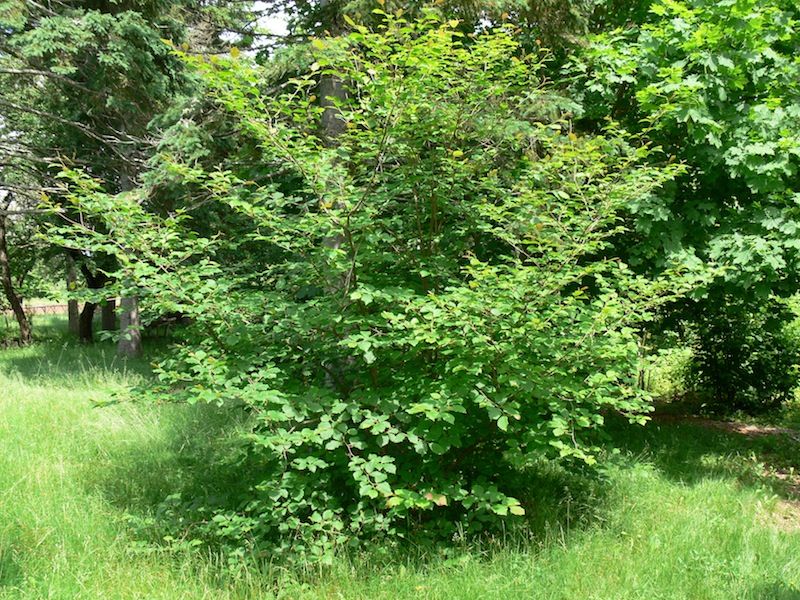
Filtered sunlight slipping through a forest canopy is exactly the kind of growing environment where common witch-hazel has carved out a natural home.
Native to Michigan, this plant occurs naturally along woodland edges, in forest openings, and beneath the canopy of taller trees.
That means it evolved alongside the same conditions found in many backyards where mature oaks, maples, or beeches cast shifting patterns of shade throughout the day.
An understory plant, by definition, occupies the vegetation layer that sits below the tallest canopy trees. Common witch-hazel fills that layer naturally, making it a genuinely appropriate fit rather than a plant being forced into a role it was never designed for.
That distinction matters when choosing plants that will actually settle in and perform over many years without constant intervention.
Not every shaded yard will suit witch-hazel equally well. Locations where dense root competition from established trees is especially heavy, or where light is extremely limited, may present challenges during establishment.
A spot along the edge of a mature tree grouping, where the canopy provides overhead shelter but the soil remains reasonably workable and moisture is available, tends to offer more favorable conditions.
The native woodland understory across Michigan is not one-size-fits-all, and witch-hazel does best when the site genuinely reflects the kind of open woodland edge it naturally calls home.
2. A Multi-Stemmed Shrub Can Become A Small Understory Tree
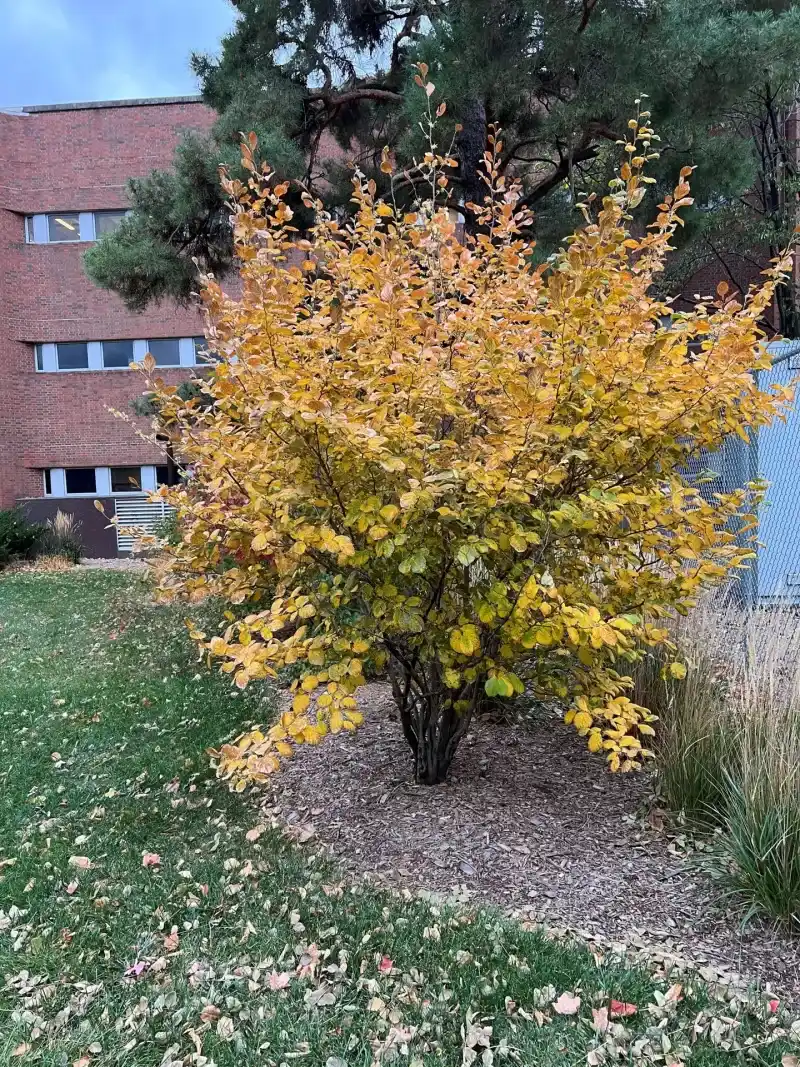
Common witch-hazel naturally grows as a large, multi-stemmed shrub rather than a conventional single-trunk tree. That is its default form in the wild, and there is nothing wrong with allowing it to develop that way in a home landscape.
The branching habit gives it a loose, open structure that looks right at home along a woodland edge or in a naturalistic planting area in a Michigan yard.
That said, Michigan State University Extension notes that common witch-hazel can be selectively pruned and trained into a small understory tree over time.
This involves gradually removing selected lower stems and encouraging a cleaner, more upright framework as the plant matures.
The result is a plant that reads more like a small tree in the landscape while still retaining much of its natural character and branching personality.
Your Michigan Garden Changes Every Week. Your Plan Should Too.
Gardening in Michigan changes quickly throughout the season. Every Friday you’ll receive a simple weekly plan showing exactly what to plant, prune, fertilize, harvest, and protect so you never miss the right timing.
Choosing to train witch-hazel into a tree form is a landscape decision, not a requirement.
Plenty of gardeners appreciate the shrub form just as much, particularly in naturalistic or woodland-inspired settings where a relaxed, multi-stemmed silhouette fits the overall design.
Neither approach is wrong.
What matters most is giving the plant enough space to develop without crowding, being patient with the process, and understanding that reshaping a naturally shrubby plant takes several seasons of gradual, thoughtful pruning rather than a single aggressive cut.
3. Partial Shade Matches Its Woodland Growing Habit
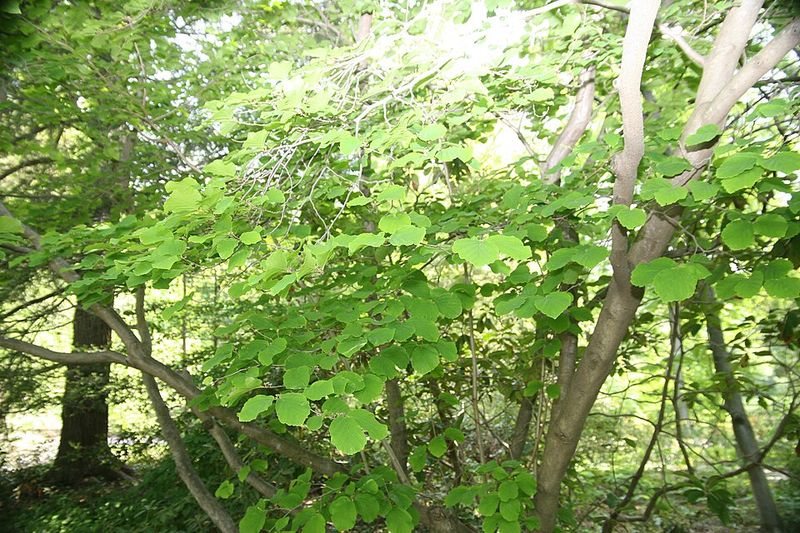
Yards with mature trees often leave homeowners searching for plants that can handle the in-between light conditions that full-sun perennials and deep-shade ground covers cannot quite manage. Common witch-hazel fits that niche well.
Its documented association with woodland environments means it has a natural tolerance for partial shade, the kind of shifting, filtered light that moves across a yard as the sun travels through the day.
In Michigan, many residential properties have exactly this kind of light because of mature tree cover that has developed over decades. Rather than viewing partial shade as a limitation, witch-hazel treats it as familiar territory.
Established plants in appropriate sites can flower, put on new growth each season, and develop attractive fall foliage color even without full direct sun throughout the entire day.
It is worth keeping expectations realistic, though. Extremely dense shade, especially in areas where a thick canopy blocks nearly all direct light, may reduce flowering and slow growth compared to brighter woodland-edge conditions.
Common witch-hazel performs best where it receives a meaningful portion of filtered or indirect light rather than near-total darkness.
Choosing a site along the edge of a tree grouping, where some open sky is visible and morning or afternoon light reaches the plant regularly, tends to give witch-hazel the conditions it needs to develop well over time in a Michigan landscape.
4. A Vase-Shaped Form Gives Witch-Hazel Room To Stand Out
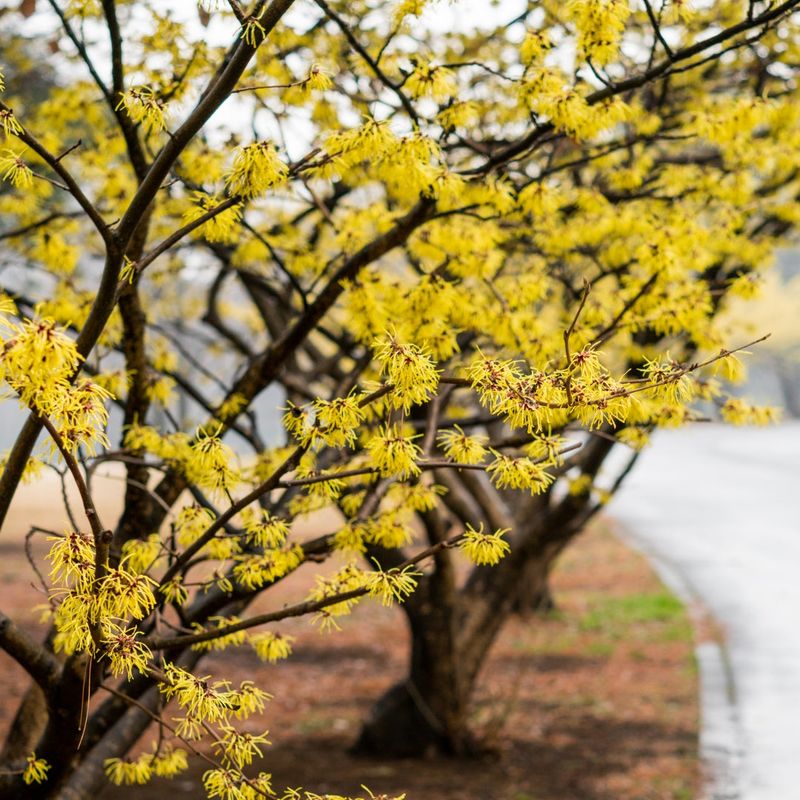
One of the most visually interesting things about common witch-hazel is the way it carries itself in a landscape.
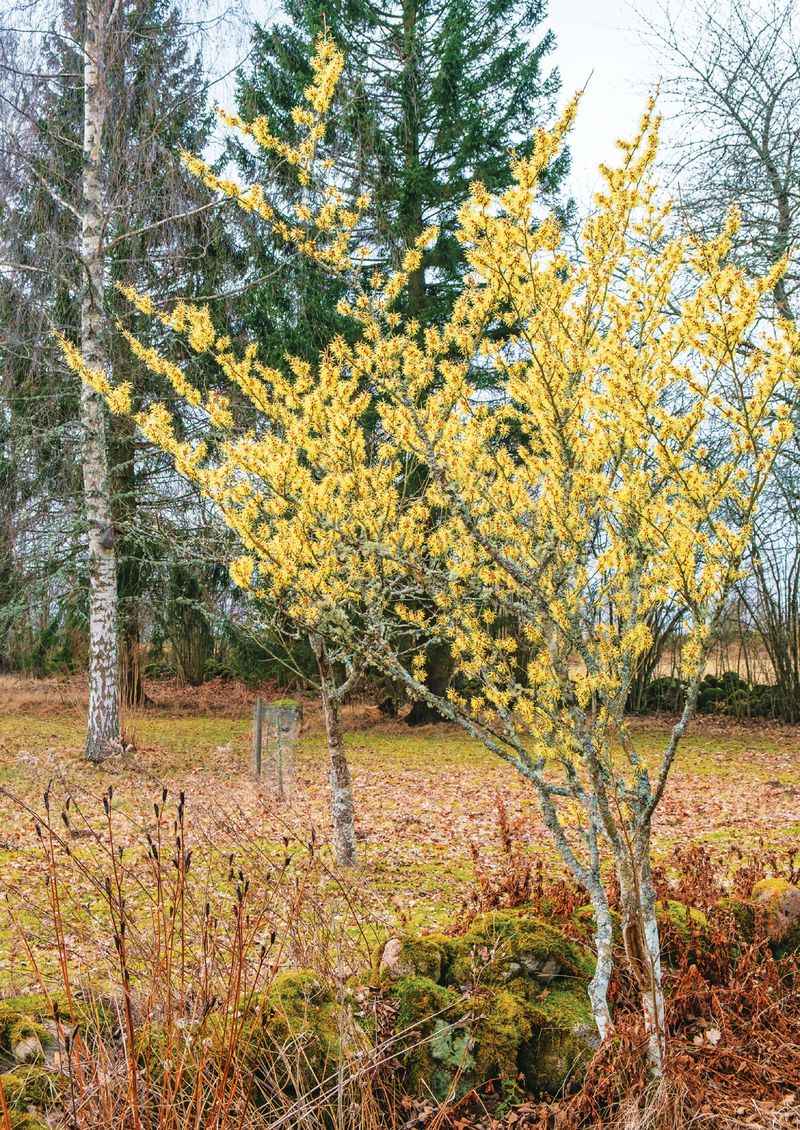
The plant tends to develop a broadly vase-shaped or spreading form as it matures, with arching branches that reach outward and upward in a way that draws the eye even when the plant is not in flower.
That branching structure gives it a distinctive silhouette that reads well against a backdrop of taller trees or an open woodland edge.
Mature common witch-hazel can develop into a sizeable plant, so giving it adequate room is genuinely important. Planting too close to structures, pathways, or other shrubs may result in the plant being crowded before it has a chance to show its natural form.
Allowing enough open space around the plant lets the vase-shaped branching develop without interference and makes the most of its natural character as a landscape specimen.
When given appropriate space and light, witch-hazel works well as an informal specimen plant, a woodland-edge accent, or an anchor for a naturalistic planting area in a Michigan yard.
The spreading habit also means that lower branches can arch gracefully toward the ground in some settings, giving the plant a layered, relaxed quality that fits naturally into landscapes designed to feel less formal and more connected to Michigan’s native woodland character.
That quality alone makes it worth a closer look.
5. Late-Fall Flowers Bring Color After Most Plants Have Finished
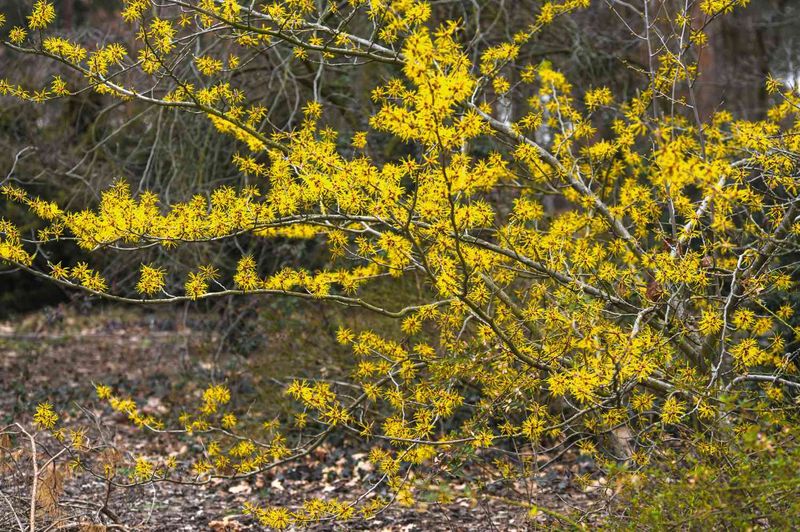
Sometime in October or November, when most Michigan woody plants have already dropped their leaves and gone dormant, common witch-hazel does something that stops people in their tracks.
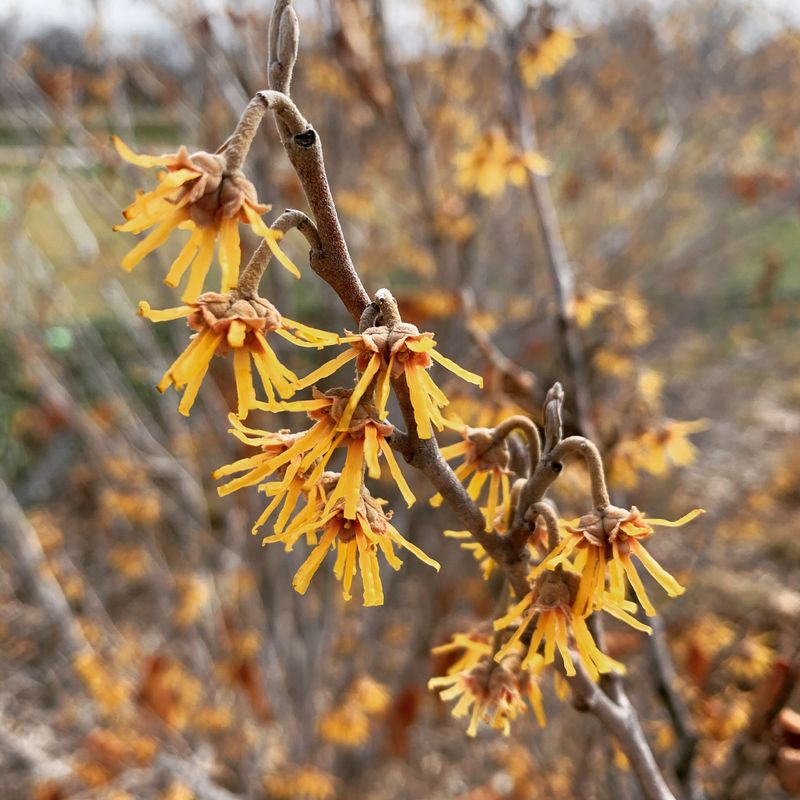
Narrow, ribbon-like yellow petals unfurl along the bare branches, producing small but unmistakable flowers at a time of year when almost nothing else in the landscape is blooming.
The effect is genuinely surprising if you are not expecting it.
The flowers of common witch-hazel are not the kind of bold, showy display that stops traffic from across the yard. They are subtle and unusual rather than flashy, with slender petals that curl and twist slightly along the stems.
Up close, they have a delicate, almost wispy quality that pairs well with the bare branching structure of the plant at that time of year. Their real appeal is timing as much as appearance.
It is important to distinguish common witch-hazel from the ornamental hybrid witch-hazels that are popular in garden centers. Many of those hybrids bloom in late winter or early spring rather than fall.
Hamamelis virginiana, the Michigan native species, is the one that flowers in true late fall, overlapping in some years with the plant’s own golden fall foliage before the leaves drop fully.
That combination of late color, unusual flowers, and Michigan-native status makes this plant genuinely worth noticing at the end of the growing season.
6. Woodland Edges Offer A Natural Model For Garden Placement
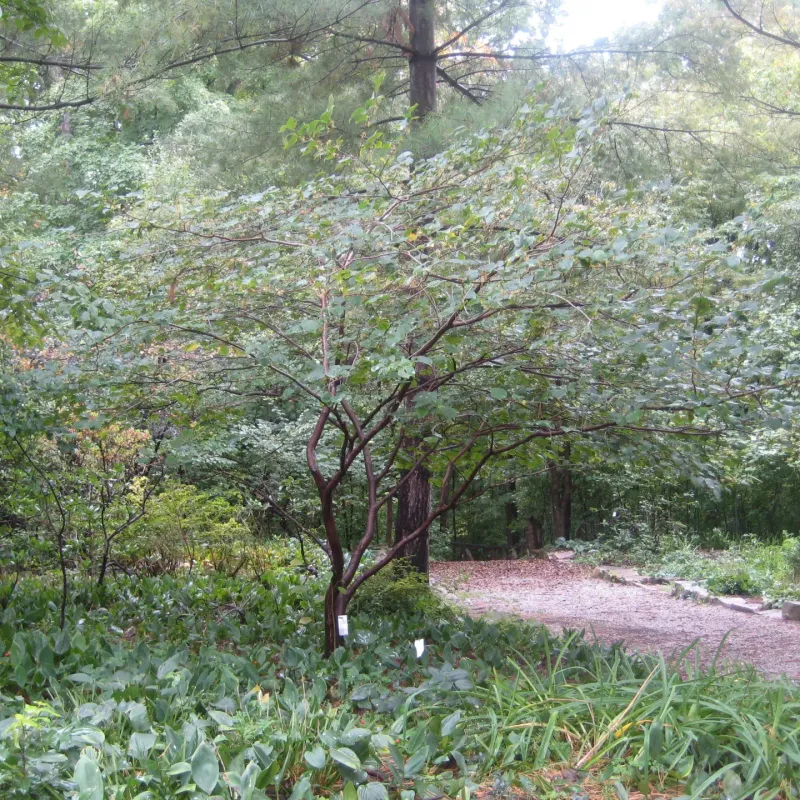
Watching where a plant grows on its own in the wild can tell you a great deal about where it will settle in most comfortably in a garden setting.
Common witch-hazel naturally shows up along woodland edges and in forest openings across Michigan, occupying the transitional zone between dense canopy forest and more open ground.
That transition zone is often one of the most interesting and productive places in any landscape.
In a residential yard, that woodland-edge model often translates to the area where a lawn or open space meets a grouping of mature trees.
Light tends to be more generous along that edge than it is directly beneath a closed canopy, and soil conditions are often less dominated by the dense, competitive root systems found immediately around large established tree trunks.
Those factors can make establishment somewhat easier for a newly planted witch-hazel compared to positioning it right against a mature tree.
Soil moisture is another consideration along woodland edges. Common witch-hazel is associated with sites that retain reasonable moisture without becoming waterlogged.
Many woodland-edge soils naturally hold moisture well, especially in areas with organic matter from years of leaf fall.
Matching that kind of site in the home landscape, with decent drainage, reasonable moisture retention, and filtered or partial light, gives newly planted witch-hazel the best starting point for settling into a Michigan yard over the first few growing seasons.
7. Selective Pruning Helps Create A More Tree-Like Shape
Shaping a naturally shrubby plant into something that reads more like a small tree takes patience and a light hand.
With common witch-hazel, the process generally involves identifying one to a few main stems that will serve as the primary structural framework and then gradually removing competing lower stems over the course of several seasons.
Trying to accomplish the transformation all at once can stress the plant and strip away too much of its natural branching character.
The goal is not to make witch-hazel look like a conventional ornamental tree. Rather, it is to open up the lower portion of the plant, create some visible trunk structure, and allow the upper canopy of branches to spread and develop freely above.
That approach preserves the plant’s natural arching, vase-shaped quality while giving it a cleaner base that reads as more tree-like in a garden setting.
Timing and approach matter.
Removing a few selected lower or crossing stems during the dormant season is generally a reasonable approach, but specific pruning schedules should reflect current guidance from Michigan State University Extension or a qualified local arborist familiar with native shrubs.
Avoid removing large amounts of growth at once, and give the plant time to respond between pruning sessions.
Common witch-hazel is not a plant that rewards impatience, but with gradual attention it can develop a genuinely attractive, tree-like presence in a Michigan landscape over time.
8. The Right Site Helps Witch-Hazel Settle Into Michigan Landscapes
Even a plant that is completely native to this region still needs appropriate conditions while its root system establishes in a new location. Common witch-hazel is no exception.
Choosing the right site from the start makes a meaningful difference in how smoothly the plant settles in and how well it develops over the first few years after planting.
Light is the first consideration. A location that provides partial shade or filtered light, similar to the woodland-edge conditions where witch-hazel naturally grows across Michigan, gives the plant familiar conditions to work with.
Soil that retains reasonable moisture without staying waterlogged tends to suit it well. If planting near mature trees, try to avoid areas where large, dense surface root systems leave little workable soil and compete heavily for available moisture.
During the establishment period, supplemental watering during dry stretches helps the plant develop a strong root system without unnecessary stress.
Mulching around the base of the plant, while keeping mulch away from the stems themselves, helps retain soil moisture and moderate soil temperature through variable seasons.
Once established over several years, common witch-hazel generally becomes more self-sufficient, though it is not accurate to describe any plant as completely maintenance-free.
Giving it a thoughtful start in a well-chosen Michigan location is the most reliable way to help it grow into the distinctive, season-extending native plant it has the potential to become.