What It Really Means When Mockingbirds Take Over Your Maryland Shrubs This Time Of Year
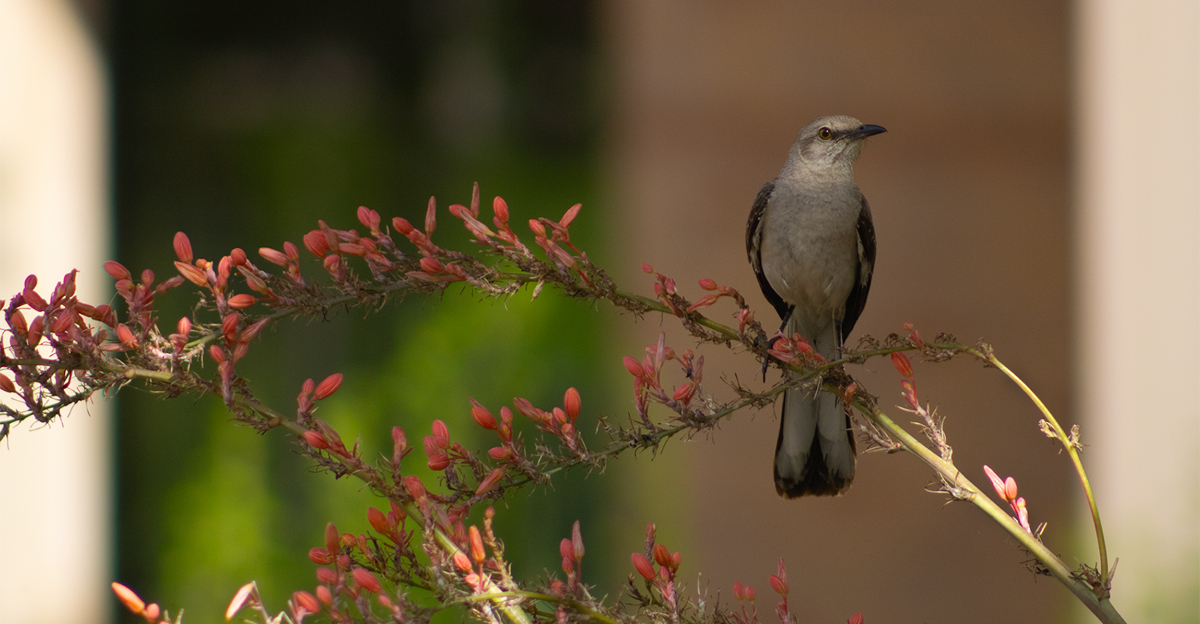
Silence breaks the moment a gray blur lands nearby. Suddenly you hear feathers flash and a tail flick sharply. Countless overlapping songs pour from a single throat near you.
Behind that racket sits a bold plan built just for you. Maryland backyards quickly became noisy stages, and yours joined the lineup fast. Bold and territorial, this mockingbird treats your porch like private property.
Every note you hear carries signals, borders, and borrowed melodies. Curious neighbors call it noisy, but you quickly sense the strategy. Maryland’s mockingbirds are never random visitors quietly settling near your home.
Watching it stare you down near your front door feels personal. Nothing about its bold presence near you happens by accident. Patterns shift constantly with you nearby, by season, mate, and threat.
Understanding this instantly changes how you see your own backyard. What happens next in your yard depends entirely on what you learn now.
Why Mockingbirds Are Showing Up In Your Shrubs Now
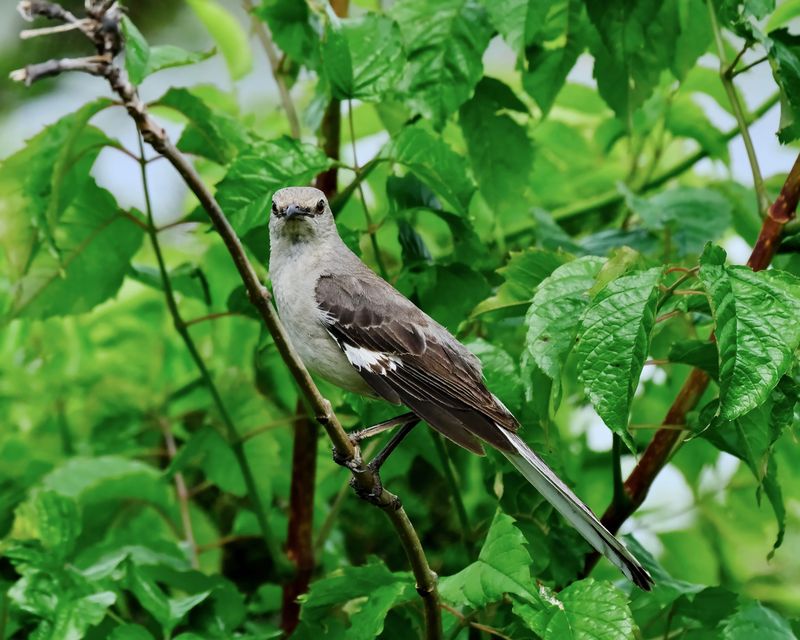
Timing is everything with mockingbirds. If you are suddenly seeing them perched on your shrubs every single day, the season is the reason.
Northern mockingbirds in Maryland become dramatically more visible in late spring and early summer. This is when food sources peak and nesting instincts kick into high gear.
Your shrubs are basically a five-star hotel for these birds right now. Dense branches offer shelter, berries provide fuel, and thick foliage hides eggs from predators.
Mockingbirds are year-round residents in Maryland, but their behavior shifts dramatically as temperatures warm up. They stop wandering and start claiming specific spots with fierce dedication.
Shrubs like holly, viburnum, and multiflora rose are especially attractive to them. These plants offer both food and structure, which is the perfect combination for a bird preparing to raise a family.
You might also notice them singing at odd hours, including late at night. That midnight concert is a signal that a male is advertising his territory to every other bird within earshot.
The arrival of mockingbirds in your shrubs is not a coincidence or a nuisance without meaning. It is a biological response to seasonal cues that have been hardwired into these birds for thousands of years.
Once you recognize the pattern, you can actually predict their behavior. Knowing why they show up helps you decide how to respond with confidence.
What Draws Mockingbirds To Certain Yards And Plants
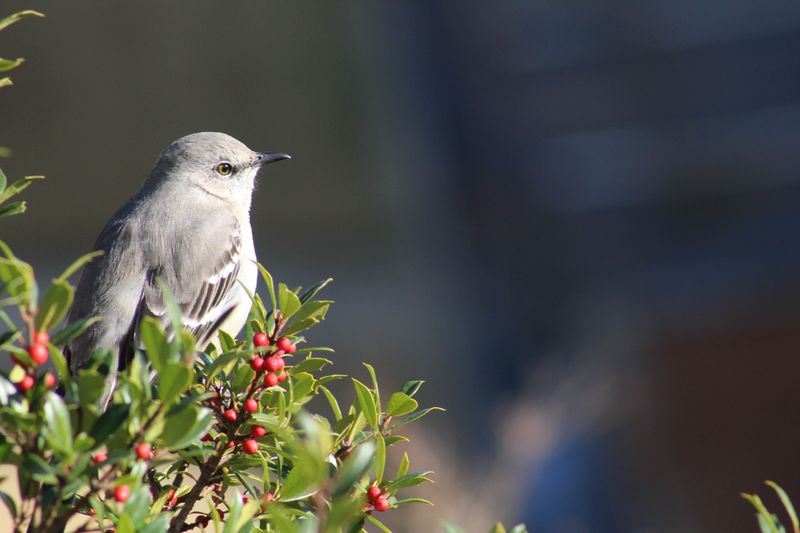
Not every yard gets chosen, and yours might be special for reasons you have not noticed yet. Mockingbirds are picky, and they have a checklist.
The number one draw is food. Mockingbirds eat both insects and berries, which means a yard with diverse plantings is a jackpot for them.
Holly bushes are among their absolute favorites in Maryland. The bright red berries are calorie-dense and easy to access, especially during the breeding season when energy demands are high.
Mockingbirds also love open sightlines mixed with dense cover. They want a tall perch to sing from and a thick shrub to retreat into, and many Maryland yards offer exactly that combination.
Your Maryland Garden Changes Every Week. Your Plan Should Too.
Gardening in Maryland changes quickly throughout the season. Every Friday you’ll receive a simple weekly plan showing exactly what to plant, prune, fertilize, harvest, and protect so you never miss the right timing.
Water sources are another magnet. A birdbath or a shallow garden pond near your shrubs can turn your yard into a prime destination almost overnight.
Yards with less pesticide use tend to attract more mockingbirds too. Healthy insect populations mean more protein-rich food, especially when parents are feeding hungry chicks.
The structure of your landscaping matters as much as the plants themselves. Layered plantings, meaning short ground cover, mid-size shrubs, and taller trees together, mimic natural habitat and signal safety to these birds.
If mockingbirds have chosen your yard, it likely reflects a healthy, balanced outdoor environment. Your space is offering something genuinely valuable, and that is a sign of a healthy, balanced outdoor environment worth celebrating.
Understanding Mockingbird Territorial Behavior This Season
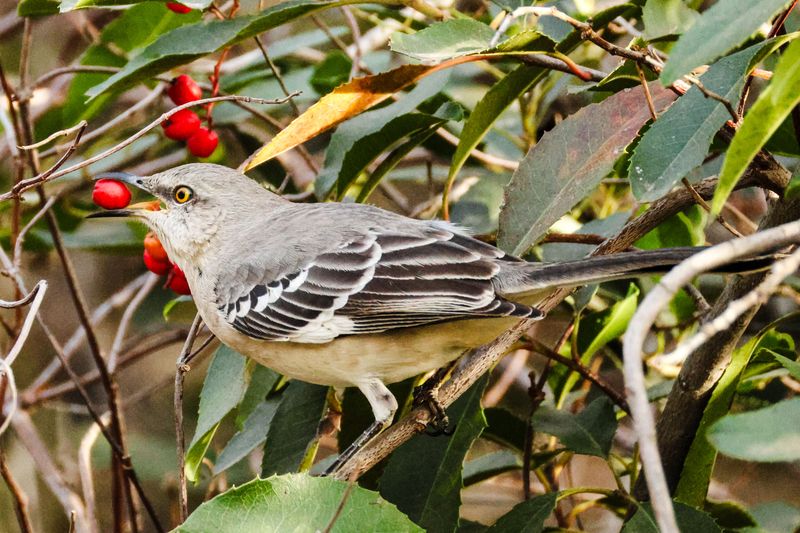
Mockingbirds do not share. Once a bird claims a shrub or a yard section, it will defend that space with surprising intensity and persistence.
Territorial behavior peaks during the breeding season, which runs roughly from April through August in Maryland. Males especially become bold and confrontational during this window.
You might see a mockingbird confronting much larger birds like crows or blue jays. Size does not deter them, and they will pursue intruders far beyond their core territory.
Their song is the first line of defense. A male can mimic dozens of other bird calls, and singing loudly signals to rivals that the space is already claimed and occupied.
Body language matters too. Watch for wing-flashing, where the bird spreads its wings to reveal white patches. Researchers believe this startles insects and warns competitors at the same time.
Female mockingbirds also defend territory, which is less common among songbirds. Both partners work together to keep the nesting zone secure throughout the season.
If you have multiple shrubs and notice one getting more attention than others, that is likely the core of their territory. Everything around it is a buffer zone they patrol regularly.
Understanding this behavior helps you coexist peacefully. You are not dealing with random aggression, you are watching a highly instinctive bird carry out a consistent, repeated pattern of nest defense.
How To Tell If Mockingbirds Are Nesting Nearby
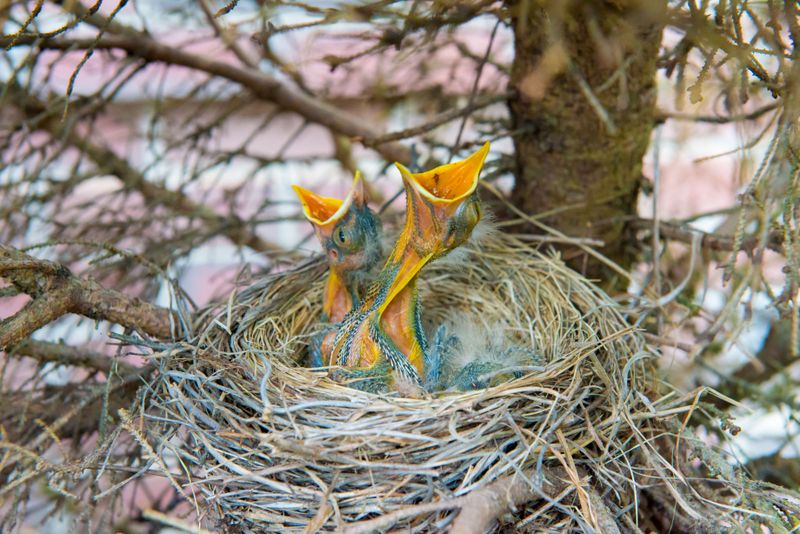
Spotting a nest is trickier than you might think. Mockingbirds are strategic builders, and they choose spots designed to fool even the most observant gardener.
Look for nests between three and ten feet off the ground. They prefer dense, thorny shrubs because the prickly branches create a natural barrier against predators.
The nest itself looks like a loose cup of twigs lined with softer materials like grass, leaves, and sometimes bits of plastic or string. It is not a tidy construction by any measure.
One of the clearest signs of nearby nesting is a sudden increase in alarm calls. If a mockingbird starts scolding you every time you approach a specific shrub, a nest is almost certainly inside.
You may also notice the adults making frequent low flights between the shrub and nearby trees. This back-and-forth pattern usually means they are feeding chicks or swapping incubation duties.
Mockingbirds raise two to three broods per season in Maryland, so nesting activity can stretch from spring well into late summer. One shrub might host multiple nesting cycles in a single year.
Avoid pruning any shrub that shows these signs. Disturbing an active nest is both stressful for the birds and protected under federal law through the Migratory Bird Treaty Act.
Patience pays off here. Watching a mockingbird family grow from eggs to fledglings is one of the most rewarding backyard nature experiences Maryland has to offer.
Are Mockingbirds Harmful Or Helpful To Your Garden
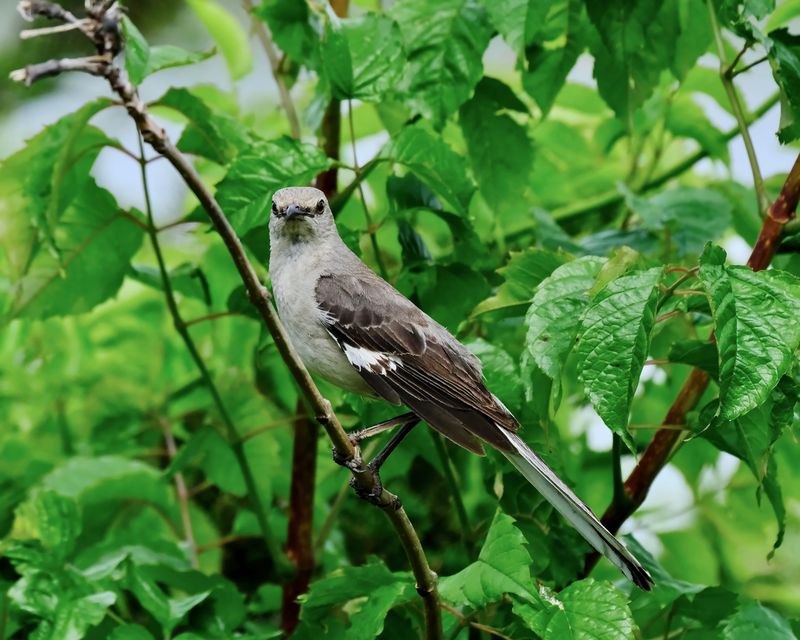
Overall, mockingbirds are beneficial for your garden, even when they are loud and vocal about it. The benefits generally outweigh the drawbacks.
On the helpful side, they consume large quantities of insects. Beetles, caterpillars, grasshoppers, and ants are all on the menu, which means natural pest control without a single chemical spray.
They also eat spiders and small lizards, keeping a wide range of garden nuisances in check. A resident mockingbird pair can cover a surprising amount of ground in a single day.
The berry-eating habit does raise some concerns. If you grow blueberries, strawberries, or other soft fruits, a mockingbird may help itself without asking for permission.
Netting your fruit plants is the most effective solution. It protects your harvest without harming the birds or disrupting their nesting patterns elsewhere in your yard.
Some gardeners worry about mockingbirds chasing away other beloved backyard birds. This is a real behavior, but most songbird species quickly learn to time their visits around the mockingbird’s patrol schedule.
The ecological value these birds bring far outweighs the occasional stolen strawberry. They are active pest managers, habitat indicators, and genuinely fascinating creatures to observe up close.
Treating them as partners rather than pests shifts the whole experience. A yard with mockingbirds is a yard that is alive, balanced, and worth spending time in every single day.
What To Do If Mockingbirds Act Defensive Toward You
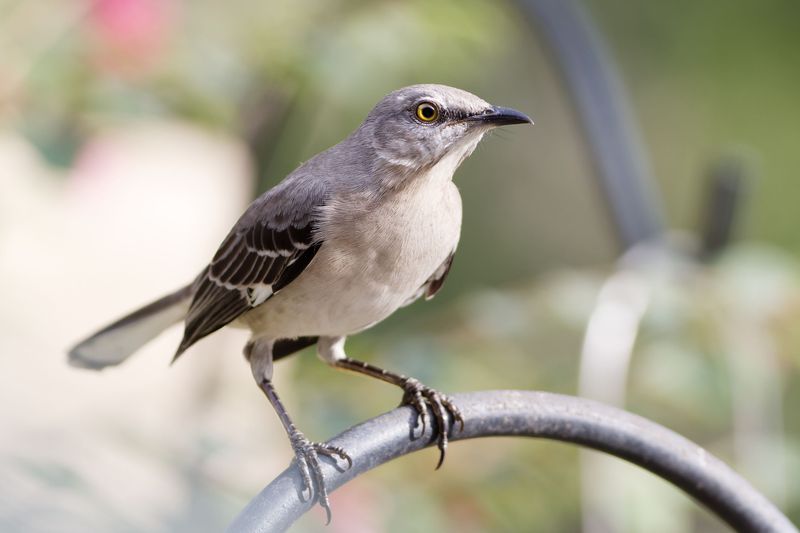
Getting swooped by a mockingbird is startling, but it is also completely normal this time of year. You are not being targeted personally, you are simply too close to something precious.
The swooping behavior almost always means a nest is nearby. The bird is not attacking out of anger, it is using a defensive display to make you back away from its young.
The simplest fix is to change your route. Walk a few feet wider around the shrub in question, and the swooping usually stops within a day or two.
Wearing a hat helps more than you might expect. Mockingbirds tend to target the highest point of a person, so a brimmed hat reduces the intensity of the encounter significantly.
Do not swat at the bird or try to scare it away. That escalates the situation and puts you in a frustrating loop where the bird becomes even more determined.
If the swooping is happening near a frequently used path, try placing a visual deterrent nearby. Reflective tape or a pinwheel near the shrub can shift the bird’s focus without causing any harm.
Children and pets should be guided away from the area during peak nesting weeks. The behavior typically fades once the chicks fledge, which usually takes about two weeks after hatching.
Mockingbirds in Maryland shrubs are simply doing what good parents do, protecting their nest with instinctive determination.