The Native North Carolina Plant That Keeps Goldfinches Feeding At Your Yard From Midsummer To First Frost
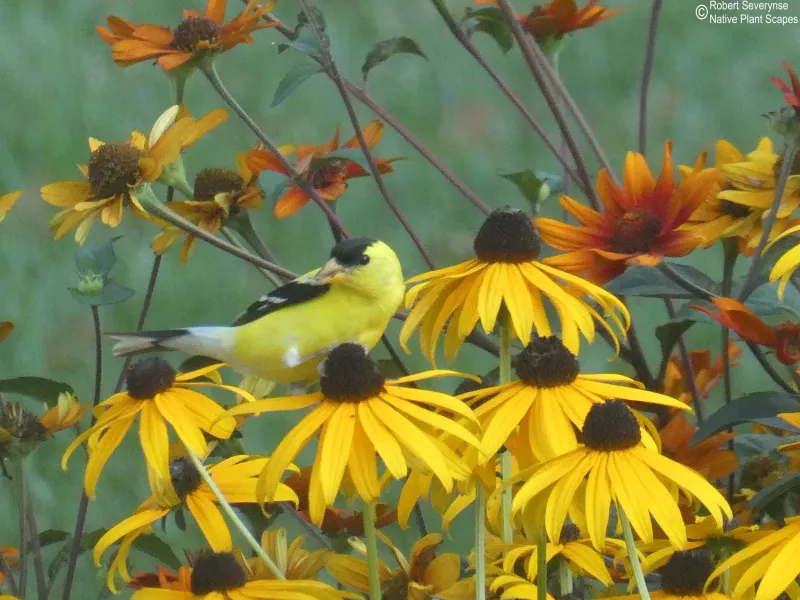
Late August in the Piedmont, you step outside with your coffee and catch a flash of yellow in the garden. A goldfinch is working the brown cones on your orange coneflower like it has been waiting all summer for this moment. That one native plant, Rudbeckia fulgida, can turn your yard into a reliable feeding stop for goldfinches from late summer through fall, and it does it without any extra effort from you once it is established. Here is what makes it work, and how to give it the best shot in a North Carolina yard.
Meet Orange Coneflower, a Reliable Food-Plant Candidate
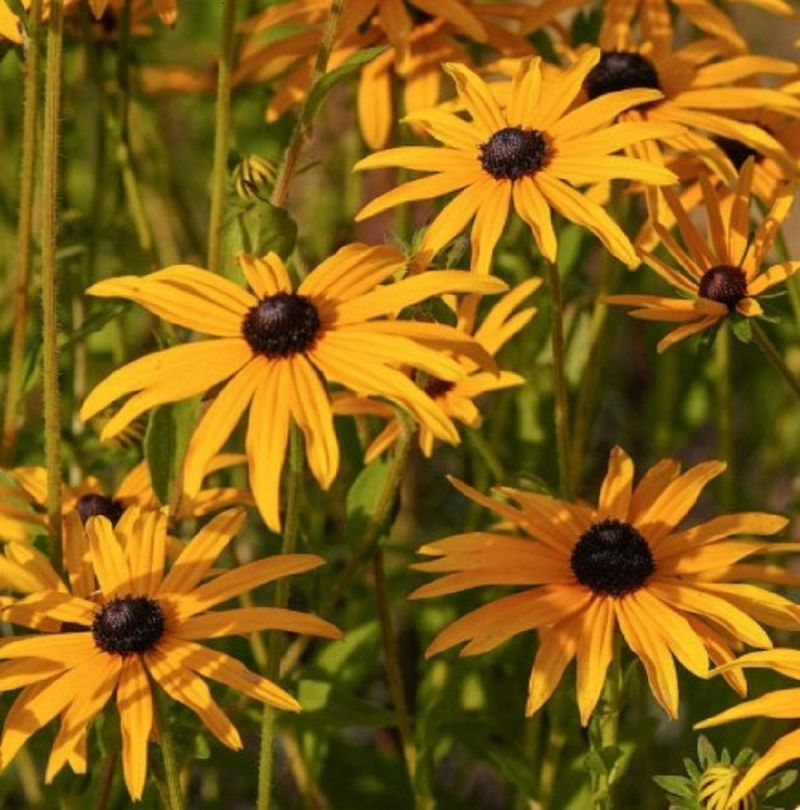
Pull up any native plant list from NC State Extension’s Orange Coneflower profile and you will find a plant that genuinely earns its place in a North Carolina yard. Orange coneflower, known botanically as Rudbeckia fulgida, is a clumping herbaceous perennial native to the mountains, Piedmont, and Coastal Plain of North Carolina. It grows roughly 2 to 3 feet tall and 1 to 2 feet wide, fits a typical garden bed without crowding everything around it, and produces the kind of seed-filled brown cones that American goldfinches actively seek out in fall.
A quick word on naming, because the garden center can be confusing. Orange coneflower and black-eyed Susan are not the same plant. Black-eyed Susan usually refers to Rudbeckia hirta, a related but distinct species. Both can produce seedheads that birds use, but if you are specifically looking for a long-lived, clump-forming native perennial, Rudbeckia fulgida is the one to ask for by botanical name.
Calling orange coneflower a well-supported option for goldfinches is accurate. Calling it a guaranteed magnet is not. Cornell Lab’s native planting guidance makes clear that local bird numbers, nearby habitat, and competing food sources all shape which birds show up and how often. What orange coneflower does reliably is produce food.
Whether goldfinches find it depends on factors you do not fully control, and that honest framing makes planning easier, not harder.
The Brown Seedheads Matter More Than the Spent Flowers
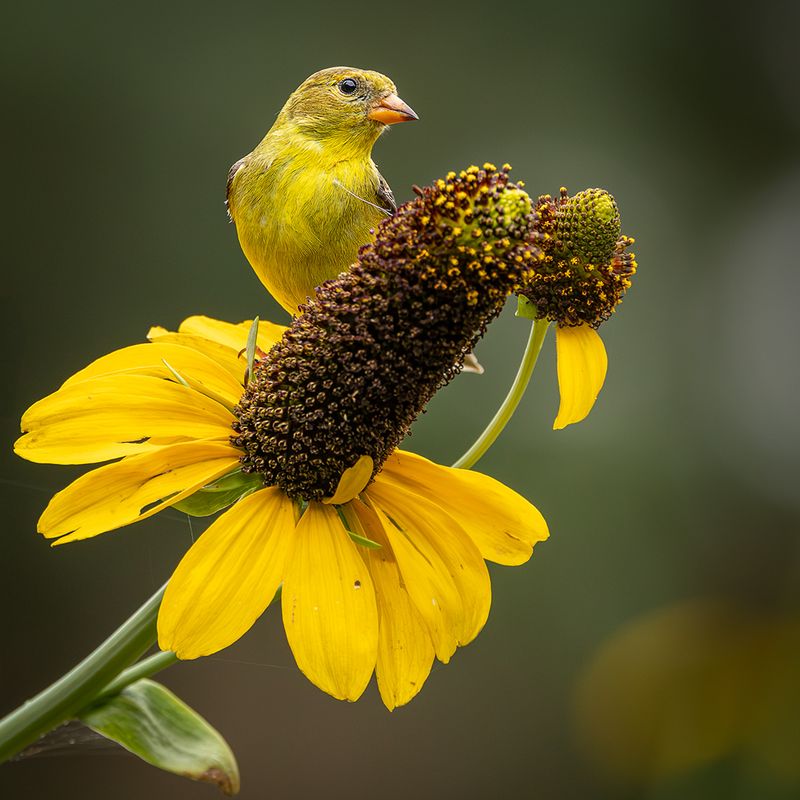
Most people deadhead their coneflowers the moment the petals drop, tidying up the garden before the neighbors notice. That is exactly the wrong move if goldfinches are your goal. The petals are the show, but the brown central cone is the paycheck, and it stays loaded with tiny seeds well after the flowers have faded.
According to NC State’s plant profile for Rudbeckia fulgida, seed availability runs from August through November. Flowering generally spans August through October, so the overlap between blooming and seed production is actually quite long. That gives goldfinches a practical food source across the bulk of fall, not just a brief window at peak bloom.
Here is where the original headline needs a small correction. The phrase “midsummer to first frost” sounds precise, but it does not match what the plant actually does. Seeds are not reliably available in midsummer, and “first frost” is not a single statewide date. NC State Climate Office data on first frost and freeze patterns shows that frost timing varies considerably from the mountains to the coast, and the NC State Freeze Date Explorer lets you look up your specific area.
Your North Carolina Garden Changes Every Week. Your Plan Should Too.
Gardening in North Carolina changes quickly throughout the season. Every Friday you’ll receive a simple weekly plan showing exactly what to plant, prune, fertilize, harvest, and protect so you never miss the right timing.
A more accurate promise is that seedheads can remain useful through fall and often into November, depending on your location and whether the cones stay intact.
Goldfinches are also late molters compared to most songbirds, meaning their bright yellow plumage peaks in summer while they are still actively moving and feeding into fall. Cornell Lab’s goldfinch life history notes that they eat almost exclusively plant material, which makes intact seed cones genuinely valuable. Resist the rake, and the birds will do the harvesting for you.
Plant a Visible Group Instead of a Lone Specimen
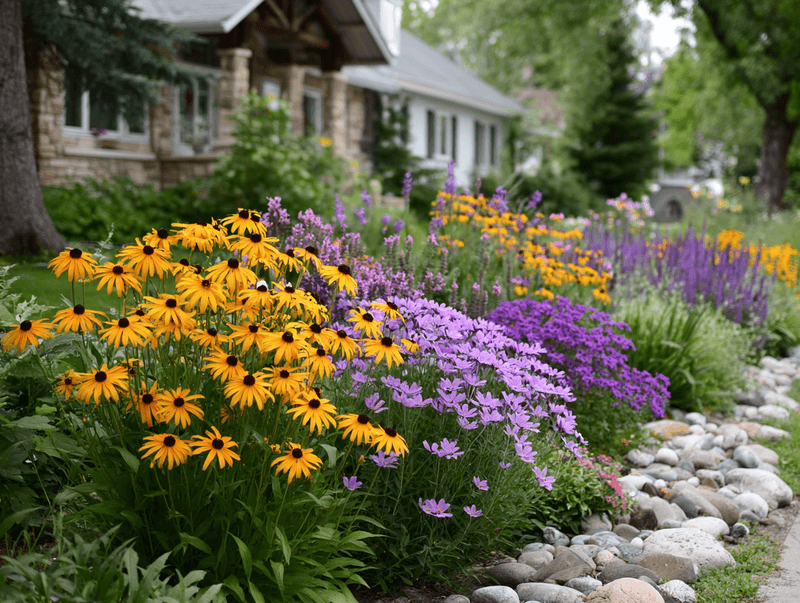
A single orange coneflower is better than none. A group of five or seven is genuinely more useful, and here is the practical reason: more plants means more brown cones standing at the same time, which creates a more visible and accessible feeding patch for birds working your yard from the air.
NC State Extension’s guide to managing backyards for birds recommends providing diverse, seed-producing plantings and leaving portions of the yard unmowed or unmanicured to support bird activity. Grouping plants together follows that same logic: you are concentrating food in one spot rather than scattering it. This recommendation comes from habitat-planting principles, not from a documented minimum number of plants needed to attract goldfinches. One plant can help.
A connected group simply gives birds more to work with.
Placement matters as much as plant count. NC State’s landscaping for wildlife resource points toward making habitat visible and accessible, which translates directly to a practical yard tip: put the group somewhere you can actually see it. A bed near the porch, along the patio edge, or within sight of a kitchen window turns a feeding event into something you get to watch. Many Piedmont gardeners discover that the best wildlife plantings are the ones positioned where the yard and the living room overlap visually, because that visibility is what keeps you invested in leaving the seedheads alone through November.
Match the Plant to Sun, Soil, and Drainage
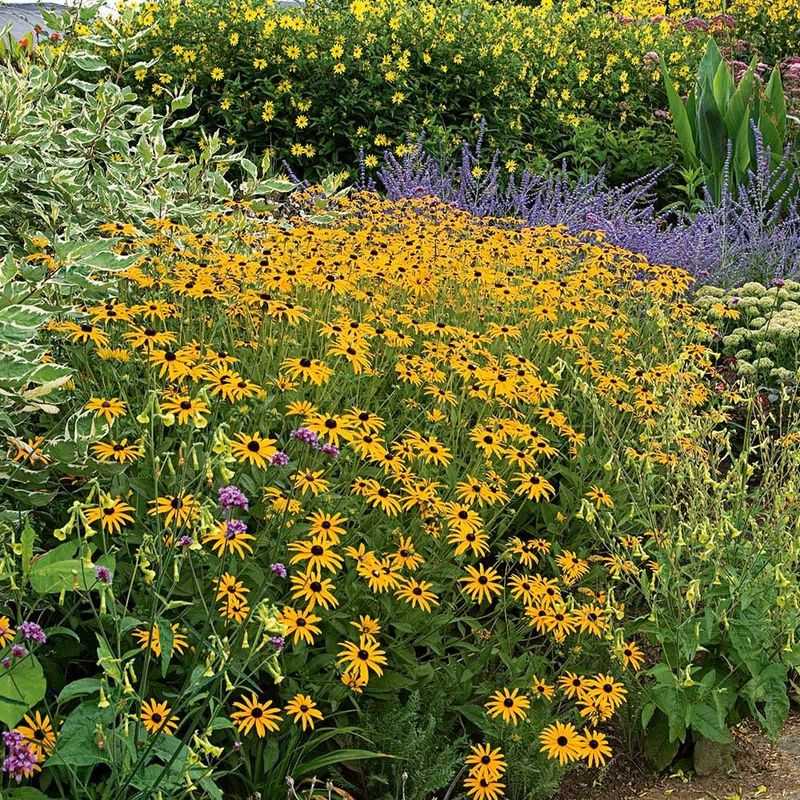
Sun is non-negotiable. Orange coneflower needs at least 6 hours of direct sunlight daily to perform well. Tuck it under a tree canopy or crowd it against a fence that blocks the afternoon sun, and it will struggle to produce the seedheads you are counting on. Most North Carolina yards have at least one open, south- or west-facing bed that qualifies.
Soil flexibility is one of the plant’s genuine strengths. NC State’s plant profile notes that Rudbeckia fulgida tolerates clay, shallow rocky soil, moist conditions, and occasional dryness. That covers a wide range of real North Carolina situations, from Piedmont red clay that bakes hard in July to the thin, rocky soils found in mountain gardens. The one firm requirement is drainage.
The plant does not want to sit in water for extended periods, so avoid low spots that pool after rain.
For spacing, a practical starting point is about 18 to 24 inches between plants, which allows each one to fill out without smothering its neighbors while still creating the connected look of a patch rather than isolated dots. NC State Extension’s native plants chapter recommends evaluating soil texture, drainage, sun exposure, and available space before planting any native, because “native” does not mean “fits anywhere.” Compact cultivars like ‘Little Goldstar’ may need less room, while a standard Rudbeckia fulgida plant can push toward the wider end of that 1- to 2-foot mature width.
The mature height of 2 to 3 feet also affects placement. Put taller plants behind shorter ones so the seedheads stay visible rather than hidden, and keep them far enough from walkways that the stems do not flop across foot traffic after a summer storm rolls through.
Use Fall Planting to Establish Roots Before Summer
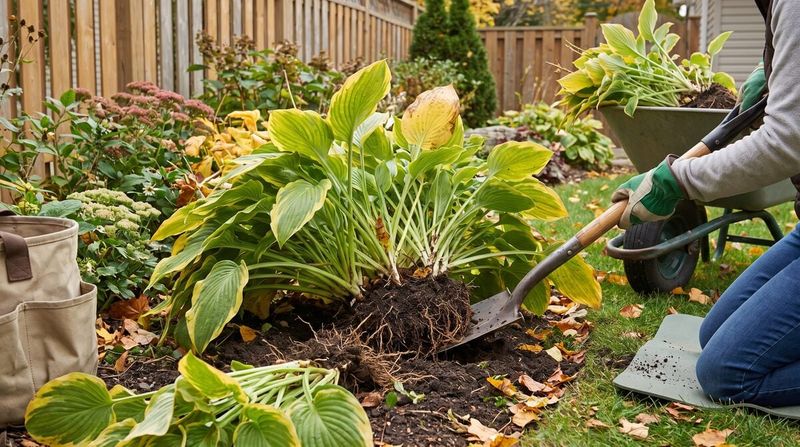
Fall planting has a quiet logic that many North Carolina gardeners overlook. When you put a native perennial in the ground in September or October, the air is cooling but the soil is still warm, which encourages root growth without the stress of summer heat bearing down on a newly transplanted crown. By the time the following July arrives with its humid, 95-degree afternoons, the plant has had months to anchor itself.
NC State Extension’s native plants handbook supports fall as a generally strong planting window for North Carolina natives, with the specific caveat that new plants still need regular watering for the first several weeks and during any hot, dry stretches. “Native” does not mean “plant it and walk away.” A newly installed Rudbeckia fulgida in coastal North Carolina faces different conditions than one going into a Sandhills garden or a mountain bed, but all of them need that establishment water regardless of regional differences.
A 2- to 3-inch layer of mulch over the root zone helps conserve moisture and keeps soil temperatures more stable through winter cold snaps. Keep the mulch a few inches away from the base of the stems so you are not trapping moisture against the crown, which can invite rot. NC State’s wildlife landscaping guide reinforces the value of mulching as part of a broader habitat approach, since it also supports ground-layer insects and improves soil health over time.
Spring planting works too, but it compresses the establishment window before summer heat arrives. Fall gives roots a longer runway, and that head start is genuinely worth the cooler-weather effort.
Leave the Seedheads Through the Bird-Feeding Season
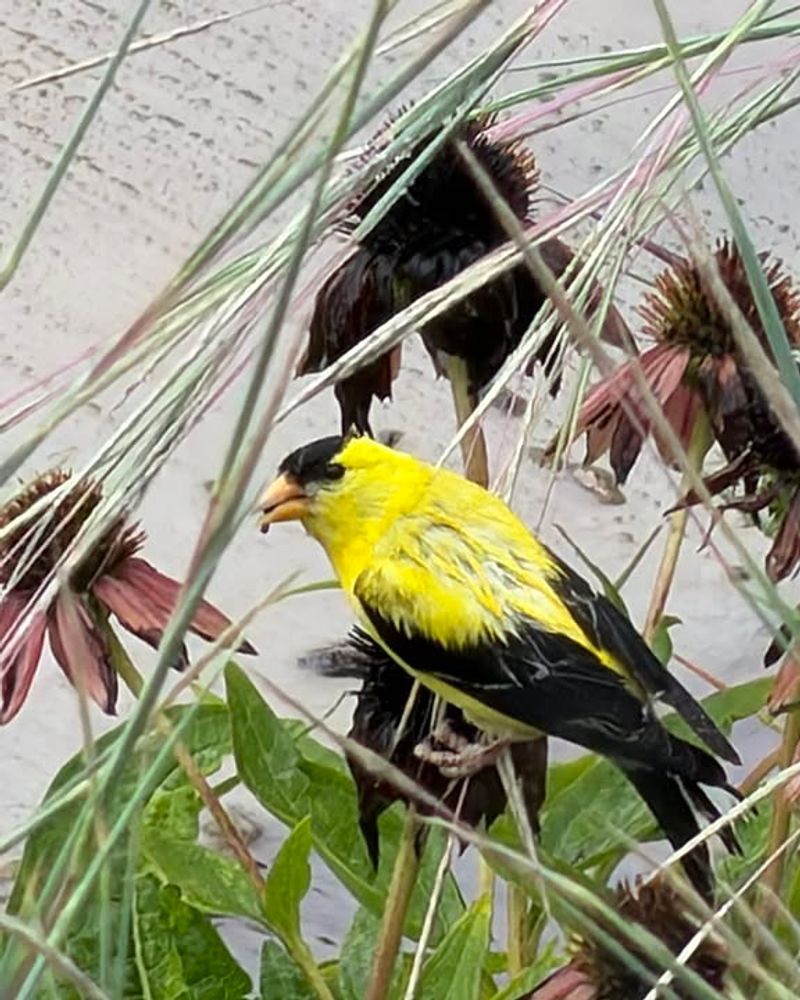
The urge to cut everything down in October is understandable. The garden looks ragged, the neighbors are raking, and a tidy yard feels like the responsible choice. But cutting the coneflower stems immediately after bloom removes the food source before goldfinches have finished using it, which defeats the whole reason you planted it.
NC State’s landscaping for wildlife guidance is direct on this point: leave seed-producing stems standing through fall and winter when supporting birds is the priority. The brown cones of Rudbeckia fulgida hold seeds that NC State identifies as fall and winter food for goldfinches, so an intact seedhead in December still has value even when the garden looks dormant.
The practical cleanup window is late winter or early spring, before new growth pushes up from the base. Cut the old stems back to a few inches, clear out the debris, and the plant takes care of the rest. This timing is not a goldfinch-specific rule; it is just sound habitat maintenance that happens to align with bird needs.
Selective cleanup is sometimes warranted earlier. If a plant shows signs of disease, if a bed becomes inaccessible, or if fallen stems are creating a tripping hazard near a path, removing those specific stems makes sense without stripping the entire planting. The goal is keeping as many intact cones standing as long as reasonably possible, not treating the garden as a monument that can never be touched until March.
Support Pollinators Without Overreacting to Pests
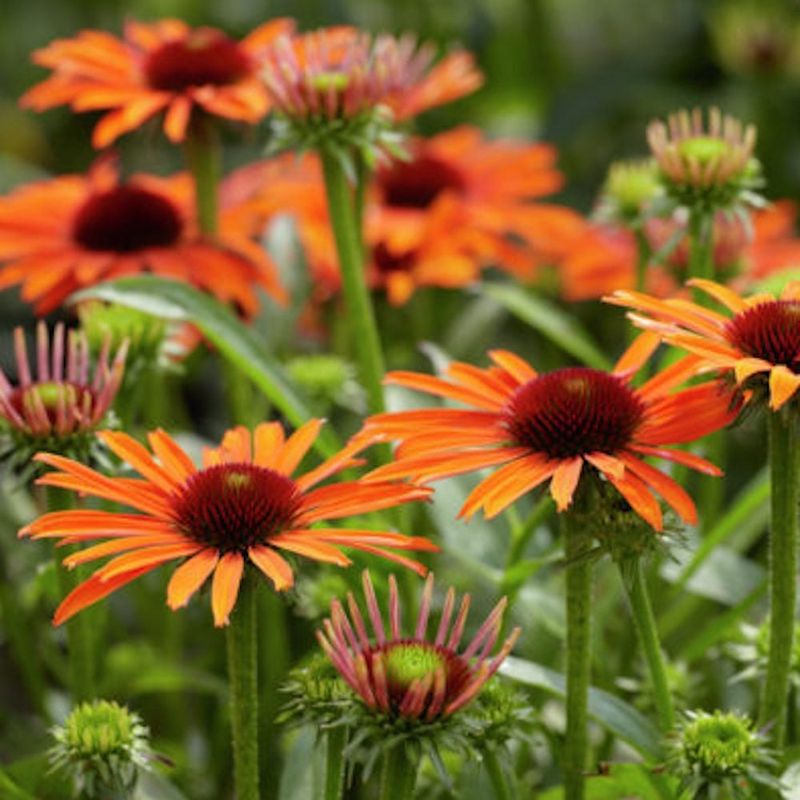
Orange coneflower earns its place in a yard well before the goldfinches arrive. During bloom, the flowers draw a steady parade of native bees, butterflies, and other beneficial insects that most North Carolina gardeners are happy to encourage. NC State’s plant profile lists it as a nectar plant and larval host for the wavy-lined emerald moth and the silvery checkerspot butterfly. Note the distinction: the wavy-lined emerald is a moth, not a butterfly, and getting that right matters if you are trying to explain the plant’s value to a skeptical neighbor.
Deer are worth an honest mention. Orange coneflower has moderate deer resistance, but moderate is not the same as immune. NC State’s wildlife landscaping resource acknowledges that deer pressure varies by location, and a hungry deer in a lean summer will sample plants it normally ignores. If your yard backs up to a wooded edge in the Piedmont or mountains, occasional browsing is a realistic possibility rather than a rare exception.
Pest pressure is generally low, but NC State’s sunflower moth guidance notes that the moth can sporadically affect composites including coneflowers. Sporadic is the operative word. Broad insecticide applications are a poor response when the flowerheads are actively attracting pollinators, and NC State’s native plants handbook advises avoiding sprays during peak pollinator activity. If treatment becomes necessary, pre-bloom or post-attraction timing causes far less collateral damage than spraying an active flowerhead.
Buy nursery-propagated plants from reputable sources. Digging specimens from roadsides, preserves, or undeveloped land can damage wild populations and may run into legal protections for certain species.
Build a Goldfinch-Friendly Yard Beyond One Plant
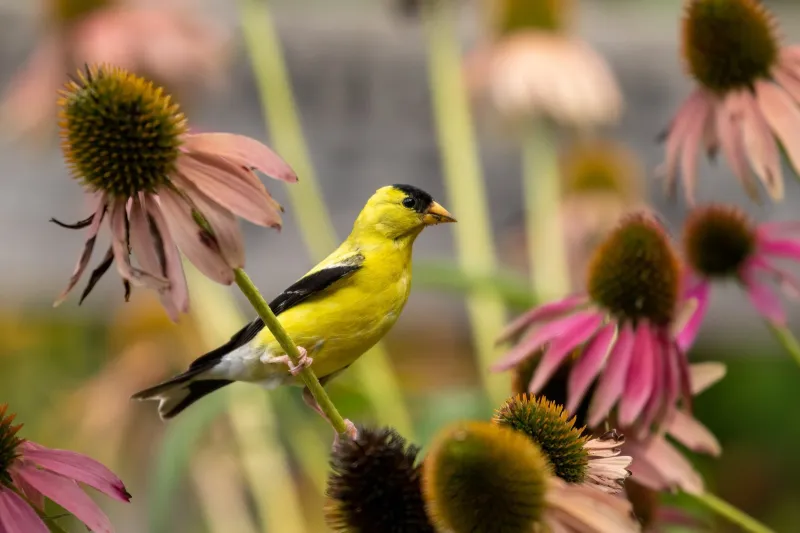
Orange coneflower does real work, but goldfinches use a wide menu. Cornell Lab’s goldfinch life history identifies sunflowers, thistles, asters, grasses, and other composite plants as important food sources across the season. Adding native goldenrod, native asters, or annual sunflowers alongside your coneflowers extends the food window and gives visiting birds more reason to linger in your yard rather than move on to the next one.
Cornell Lab’s native planting guide reinforces the value of layering different seed-producing species rather than betting everything on one plant. Coastal Plain gardeners working with sandy soil, mountain gardeners dealing with thin rocky beds, and Sandhills yards with their own drainage quirks all have native options that fit local conditions alongside Rudbeckia fulgida.
A seed feeder can complement the plant-based approach rather than replace it. Cornell Lab’s goldfinch overview confirms that nyjer and sunflower seeds are especially attractive feeder foods. If you run a feeder, keep it clean: Cornell’s feeder cleaning guidance recommends scrubbing it about every 2 weeks, and more often during wet weather, heavy use, or when sick birds appear. Moldy seed and damp hulls can spread disease, so a neglected feeder does more harm than no feeder at all.
What actually determines whether goldfinches visit your yard is a combination of intact seedheads, nearby habitat, local bird numbers, and a little seasonal luck. Plant the coneflower, leave the cones standing, and you have done what you can. Some falls will reward you with a yard full of yellow flickers, and that moment, coffee in hand, is worth every seed you left standing.