The Native North Carolina Wildflower That Keeps Blooming For Months Once It Settles In
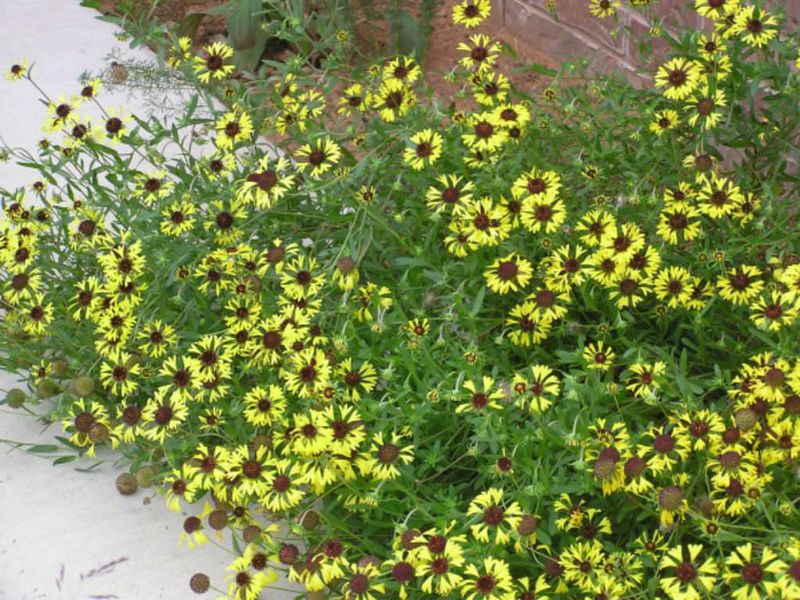
Somewhere between June and the first cool snap of October, most sunny borders in North Carolina run out of steam. Flowers fade, bees move on, and the garden starts looking tired right when you still want to sit outside in the evenings. Lanceleaf blanket flower, Gaillardia aestivalis, is a native North Carolina wildflower that can carry color and pollinator visits from late spring well into fall, given the right spot and a little patience during its first season. Once it settles into well-drained soil and full sun, this low-growing native earns its place at the front of a border without demanding much in return.
Meet the Plant Behind the Promise
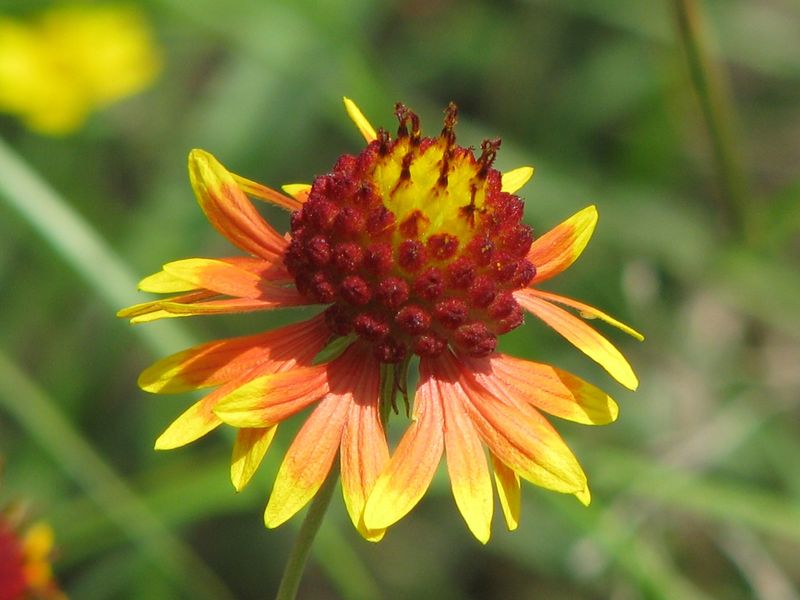
Pull up the NC State Extension plant profile and you will find lanceleaf blanket flower listed as a true North Carolina native, not a cultivated hybrid dressed up to look wild. Its full name is Gaillardia aestivalis, and that Latin detail matters because the common name “blanket flower” gets attached to several different species and hybrids at garden centers, some of which behave quite differently in terms of hardiness, color, and how long they actually last.
What you are looking for is this one. NC State Extension describes lanceleaf blanket flower as a perennial that reaches roughly 12 to 18 inches tall and spreads about 12 inches wide, which puts it squarely at the front of a sunny border or along a walkway edge. The flowers are yellow with a warm center, shaped like a daisy, and they show up from late spring and keep coming into fall when conditions cooperate.
Full sun is non-negotiable for this plant. It wants at least six hours of direct sunlight each day, and it genuinely rewards you for giving it more. Once established, it handles dry soil better than most ornamentals you will find at a big-box store, which makes it appealing for Piedmont slopes, sandy Sandhills beds, and sunny Coastal Plain borders where summer heat can be relentless.
Other blanket-flower options, including Gaillardia pulchella and the popular hybrid Gaillardia x grandiflora, have their own regional profiles and performance quirks. For a plant that is native to North Carolina and suited to a long sunny-border season, lanceleaf blanket flower is the specific plant this article is about. Know the species name before you buy, and you will bring home the right plant.
A Long Flowering Window Needs the Right Conditions
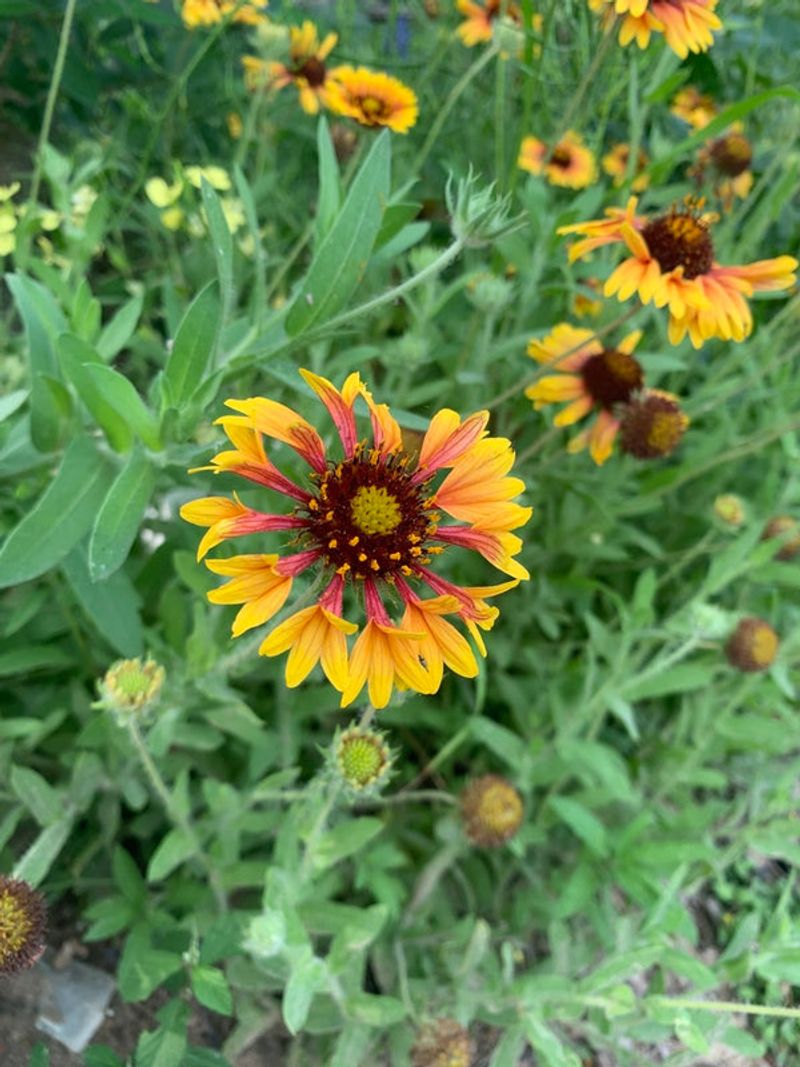
Here is where people sometimes get the wrong idea. “Blooming for months” does not mean one flower head stays open from Memorial Day through Columbus Day. Individual blooms age and drop, while the plant keeps pushing new flower heads from the same crown, creating a long seasonal window rather than a single unbroken display. Weather, drainage, plant age, and how much attention you give it all shape what that window actually looks like in your yard.
NC State Extension notes that the broader Gaillardia group blooms from spring to fall and benefits from deadheading for repeat bloom. In a North Carolina summer with weeks of 95-degree afternoons and no rain, even a tough native can slow down or pause. A plant in its first season is more vulnerable to heat gaps than one that has had a full year to push roots deep.
Your North Carolina Garden Changes Every Week. Your Plan Should Too.
Gardening in North Carolina changes quickly throughout the season. Every Friday you’ll receive a simple weekly plan showing exactly what to plant, prune, fertilize, harvest, and protect so you never miss the right timing.
The pollinator value is real and worth planting for. Bees and butterflies do visit these flowers, and the North Carolina Department of Agriculture includes blanket flower in its state pollinator-plant blend for summer and fall color. What you can count on is a useful seasonal contribution to your yard’s pollinator activity, not a guaranteed crowd at every hour of every day.
Think of the flowering window as a promise that depends on your end of the deal: sun, drainage, and a little deadheading. Hold up your side, and the plant holds up its.
Choose Sun and Drainage Before You Plant
Walk your yard on a sunny afternoon before you buy a single plant. Lanceleaf blanket flower does not negotiate on two things: at least six hours of direct sun and soil that drains reliably. Get both of those right, and the plant has a real chance. Miss on either one, and you are setting yourself up for a short, disappointing season.
NC State Extension specifically warns that root rot can occur in poorly drained soils, and that warning applies directly to some of the most common North Carolina planting situations. Heavy Piedmont red clay that stays wet after rain, low spots where roof runoff collects, areas near downspouts or driveway edges, and compacted construction soil left over from a home build are all spots where this plant is likely to fail. The roots simply cannot handle sitting in moisture for extended periods.
Sandy Coastal Plain soil and the well-drained slopes common in the Sandhills are naturally better fits. Mountain gardeners and Piedmont homeowners with clay-heavy beds may need to amend with coarse sand and compost or build a slightly raised planting area to improve drainage before putting lanceleaf blanket flower in the ground. NC State Extension guidance on native plants recommends choosing a site based on drainage, soil type, sun exposure, and available space before purchasing any plant.
Regional fit is worth a phone call. NC State lists the broader Gaillardia group across the Coastal Plain, Piedmont, and Mountains, but the individual G. aestivalis profile focuses on the Coastal region. If you are gardening in the mountains or upper Piedmont, ask a local nursery or your county Extension office whether the source material they carry is adapted to your area. Locally propagated plants are your safest bet for long-term success.
Give New Plants Water Before They Become Tough
“Drought tolerant” is one of the most misread phrases in gardening. For lanceleaf blanket flower, it means that an established plant can handle dry spells without constant irrigation. It does not mean you can plant it in July, walk away, and expect it to figure things out on its own.
New plants need consistent water during the first few weeks after planting, or until the roots have had time to move out into the surrounding soil. NC State Extension is clear that native plants are not maintenance-free during establishment and may need additional irrigation during hot, dry periods. A plant put in the ground in August during a Piedmont heat stretch is going to need more attention than one planted in a mild September.
Fall planting is genuinely the smarter move for most North Carolina native perennials. NC State Extension recommends fall planting because cooler temperatures and more reliable rainfall give roots time to settle before summer heat arrives. That head start can mean the difference between a plant that sulks through its first summer and one that actually blooms. Fall planting does not eliminate watering, though, especially if November turns dry or a warm spell follows planting.
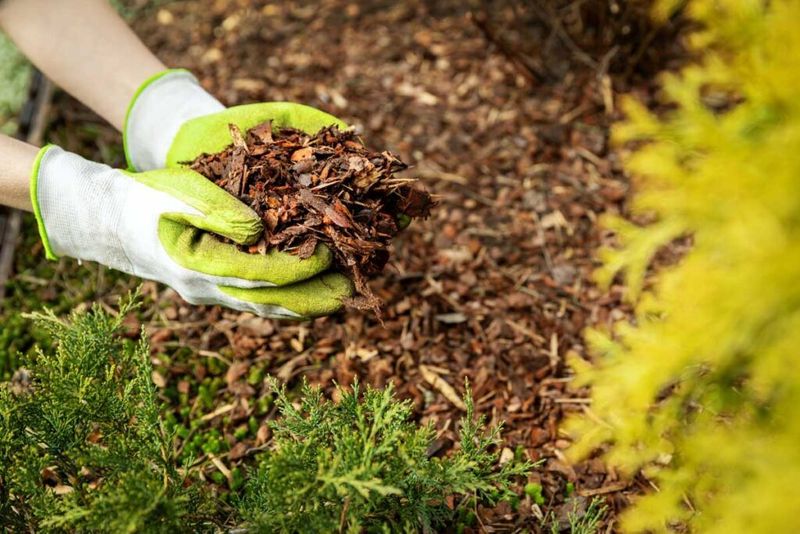
Lay down 2 to 3 inches of mulch around the plant to hold moisture and keep weeds down, but pull the mulch back an inch or two from the stems so it does not sit against the crown and trap excess moisture. NC State Extension hummingbird and butterfly habitat guidance supports mulching around native plants as a way to retain soil moisture while keeping the planting tidy. Even after the plant is fully established, a severe drought or a stretch of weeks above 95 degrees beside a south-facing wall may still call for a deep watering. Established drought tolerance is reduced dependence, not zero dependence.
Deadhead for More Flowers, or Leave Some Heads
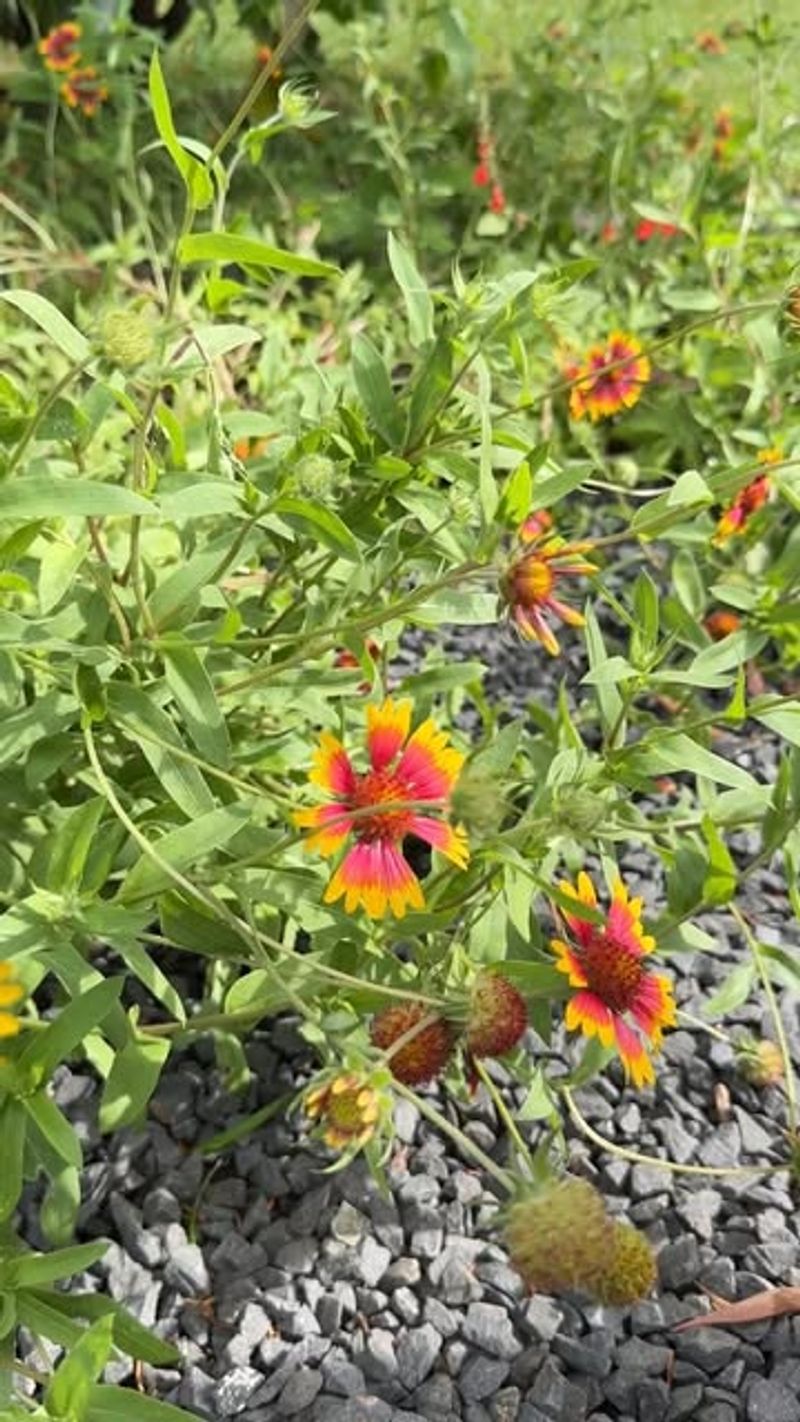
Spent flower heads left on the plant will eventually slow new bud production. Removing them, a practice called deadheading, sends the plant a signal to keep producing rather than shift its energy toward seed. For a plant you want to carry color through a long North Carolina summer, that is a useful habit to build.
NC State Extension recommends removing spent Gaillardia flowers to encourage repeat blooming. In practice, this means snipping or pinching off flower heads once the petals have dropped and the center cone is drying out, working your way around the plant every week or two during the growing season. It takes about five minutes and can genuinely extend the display.
That said, deadheading is a choice, not a requirement. NC State notes that lanceleaf blanket flower spreads through wind-dispersed seeds and can naturalize in the garden. If you want a looser, more informal native planting where the plant can come back from its own seed, leaving selected heads in place through late summer and fall is a reasonable approach. You are trading some repeat bloom for the chance that new seedlings appear nearby next season.
On fertilizer, keep it simple. This plant needs very little, and heavy feeding is more likely to push leafy growth at the expense of flowers than to improve the display. If you feel the need to feed, let a soil test guide you rather than reaching for a general-purpose fertilizer on a schedule. A plant that is sited correctly and watered through establishment rarely needs anything extra to perform.
Expect a Short-Lived Plant That May Reseed
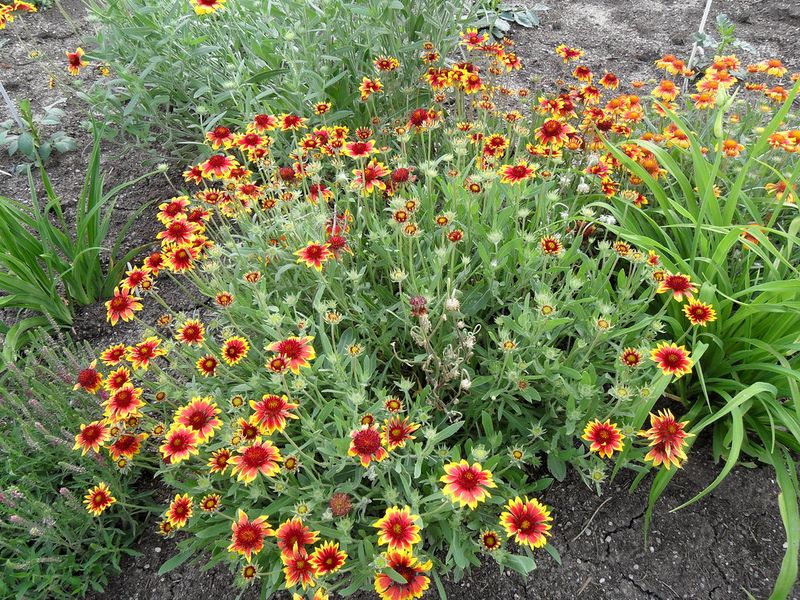
Lanceleaf blanket flower is not a plant you put in the ground once and then expect to find in the same spot twenty years later. NC State calls it fairly short-lived, and that is an honest description worth taking seriously before you plant. The original plant may last two to four years in a good site, sometimes longer, sometimes less depending on drainage, summer heat, and how wet the winter turns out to be.
The good news is that lanceleaf blanket flower spreads through wind-dispersed seeds and can naturalize in the garden, meaning the plant’s long-term presence in your border may come from a new generation of seedlings rather than the original crown. Many Coastal Plain and Piedmont gardeners find that once the plant has been in a spot for a full season, it quietly replaces itself nearby without any help.
If a tidy border is what you are after, pull or trim seed heads before they fully ripen and disperse in late summer. That keeps the plant contained to its original footprint and prevents seedlings from popping up in adjacent beds or gravel paths. If a more relaxed, naturalized look suits your yard, leave a few heads and let the plant move around on its own terms over time.
Self-seeding on this scale is manageable, not alarming. Lanceleaf blanket flower is not an aggressive spreader in the way of some non-native ornamentals. New seedlings are easy to pull or transplant when small, and the naturalized look they create in a sunny border can actually read as intentional. Plan for a plant with a personality that evolves, and you will not be caught off guard when the original crown eventually gives out.
Make Blanket Flower One Part of Pollinator Habitat
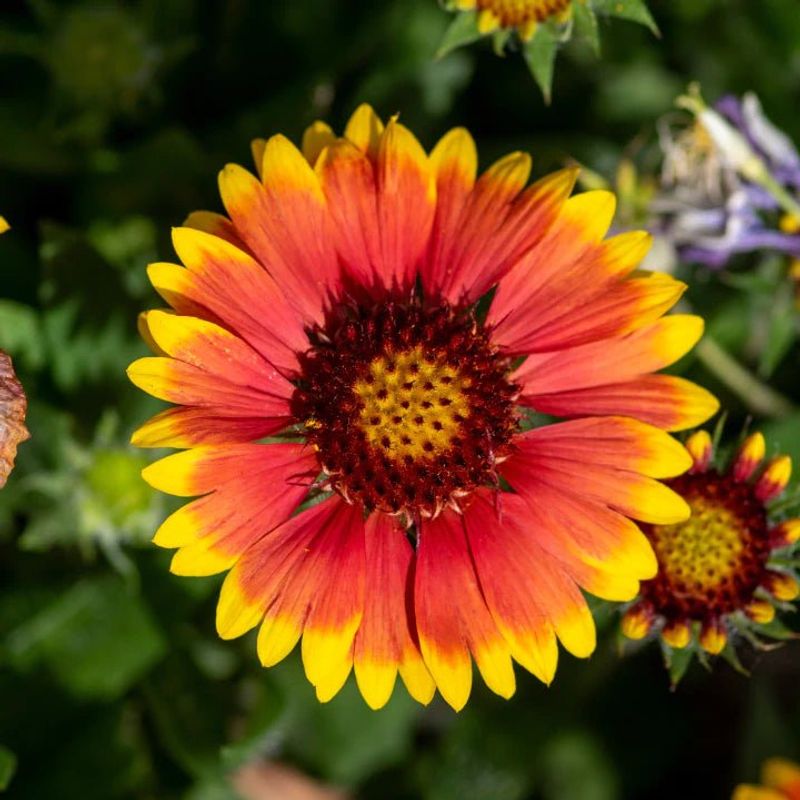
A single plant, no matter how long it blooms, cannot carry a pollinator garden on its own. Bees and butterflies need flowers across the whole season, from the first warm days of March through the last ones of October, and they need more than nectar to survive. Nesting sites, shelter, a source of moisture, and a yard that is not regularly drenched in insecticides all matter as much as which flowers you choose to plant.
NC State Extension recommends selecting at least three native species blooming in each of spring, summer, and fall to build a reliable pollinator resource. Lanceleaf blanket flower fills a long stretch of the summer slot well, but pair it with early-spring natives like native violets or wild columbine and late-season workhorses like goldenrod and asters to keep something available from one end of the season to the other.
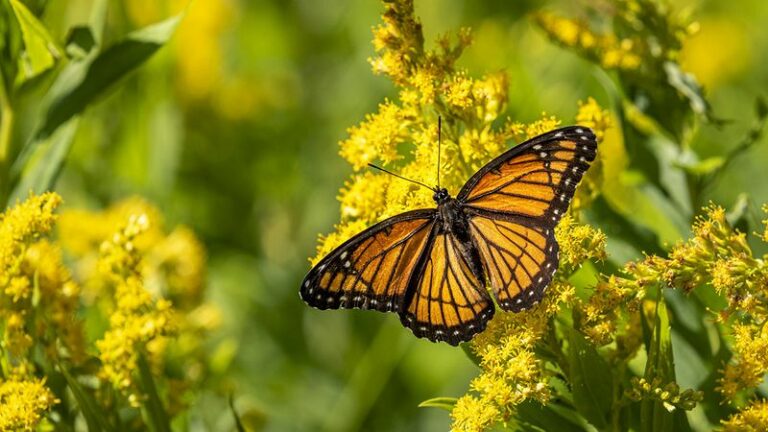
Monarchs deserve a specific mention here. Butterflies of many kinds will visit blanket flower for nectar, and that visit is worth encouraging. But monarch caterpillars cannot feed on blanket flower. Butterfly weed, Asclepias tuberosa, and other native milkweeds are the documented larval host plants for monarchs.
If supporting the full monarch life cycle matters to you, milkweed belongs in the plan alongside blanket flower, not instead of it.
When bees or butterflies are actively working your flowers, do not spray. NC State Extension warns that pesticides effective against pest insects can also harm beneficial insects, and NC State pollinator landscape guidance supports reducing pesticide exposure as a core part of any habitat plan. If you do need to treat a pest problem nearby, do it in the early morning or evening when pollinators are less active, and keep the application away from open flowers. NC State Extension pollinator habitat guidance frames the goal clearly: a succession of flowers, nesting resources, shelter, and a lighter hand with chemicals working together over time.
One well-sited lanceleaf blanket flower is a genuine seasonal layer in that plan, and that is exactly enough to ask of it.