The Native Oregon Ground Cover That Handles Foot Traffic Better Than Grass
A path through the garden does not always need a strip of grass to look soft and useful. In Oregon yards, lawns can struggle in narrow walkways or sunny spots that get stepped on often.
A low growing ground cover can be a better fit when it spreads well and stays tough under light use. The right plant can soften hard edges without asking for constant mowing.
It can also bring a more natural look to spaces between beds, stones, or casual paths. One native option worth knowing is yarrow.
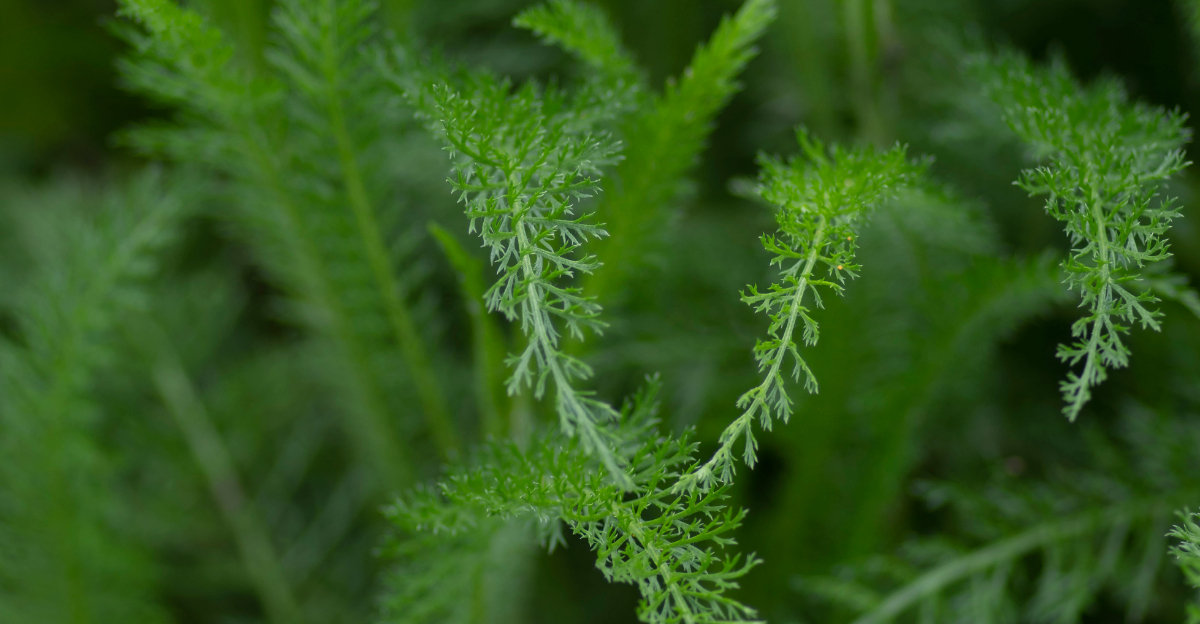
Its ferny leaves form a low mat that can handle more activity than many gardeners expect. Give it sun and decent drainage, and it can turn a worn patch into something prettier than plain turf.
1. Yarrow Makes A Lawn-Like Native Carpet
Few plants can pull off looking like a lawn while actually being something far tougher and more interesting. Yarrow does exactly that.
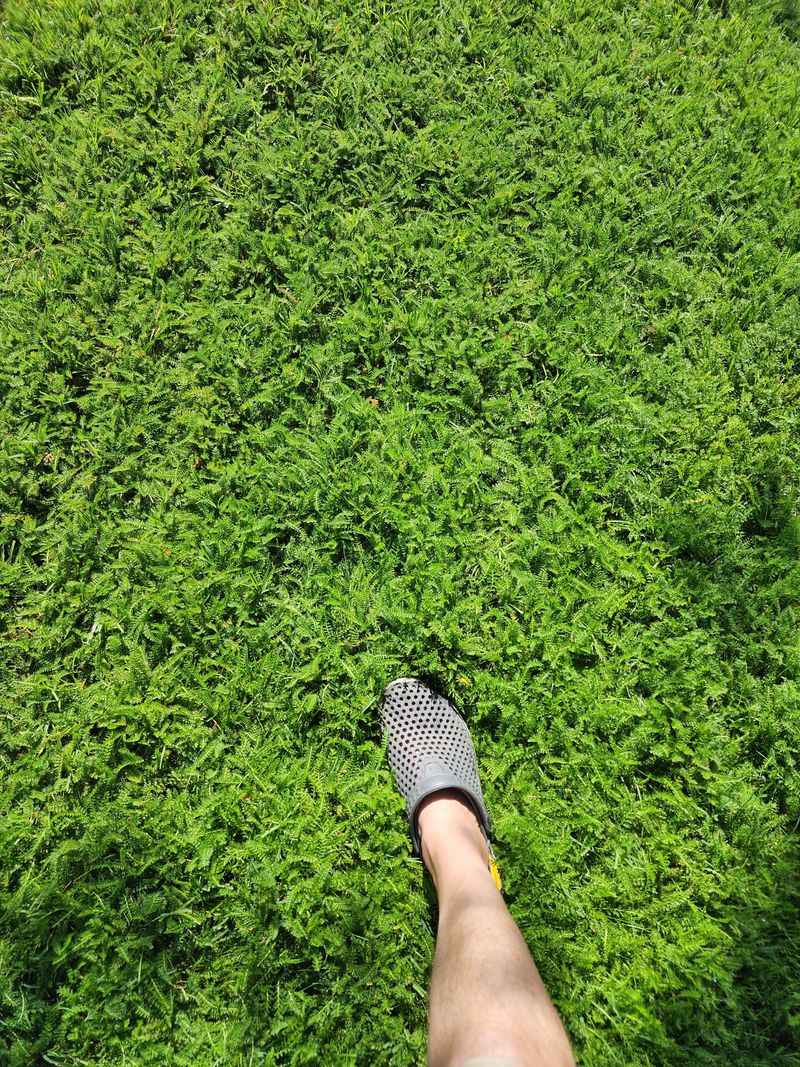
When it grows low and thick, it forms a soft, feathery carpet of finely cut green leaves that can look surprisingly similar to a well-kept lawn from a distance.
What makes this plant special is how it spreads. It sends out underground stems called rhizomes, which creep outward and fill in gaps over time.
You do not have to replant bare patches because yarrow handles that job on its own. It just keeps growing, quietly spreading across the ground without much fuss.
Many homeowners in this state are replacing tired, thirsty lawn sections with yarrow plugs or seeds. Once established, the coverage is impressive.
The leaves grow close together and overlap, which also helps block weeds from sneaking in.
Yarrow works especially well in full sun areas where grass tends to thin out or turn brown in summer. It stays green and healthy even when conditions get rough.
The texture is soft underfoot, which makes it feel pleasant to walk on. Kids and pets can move across it without causing much damage.
For anyone tired of mowing, watering, and fertilizing a lawn that never seems happy, yarrow offers a refreshing change. It is native, it is tough, and it genuinely looks good growing across a yard.
2. It Handles Light Foot Traffic Better Than Most Groundcovers
Not every ground cover can take a beating. Many popular options, like creeping thyme or clover, can hold up for a while but tend to thin out quickly in high-use areas.
Yarrow is built differently. Its growth habit and root structure make it one of the most resilient low-growing plants you can put in a yard.
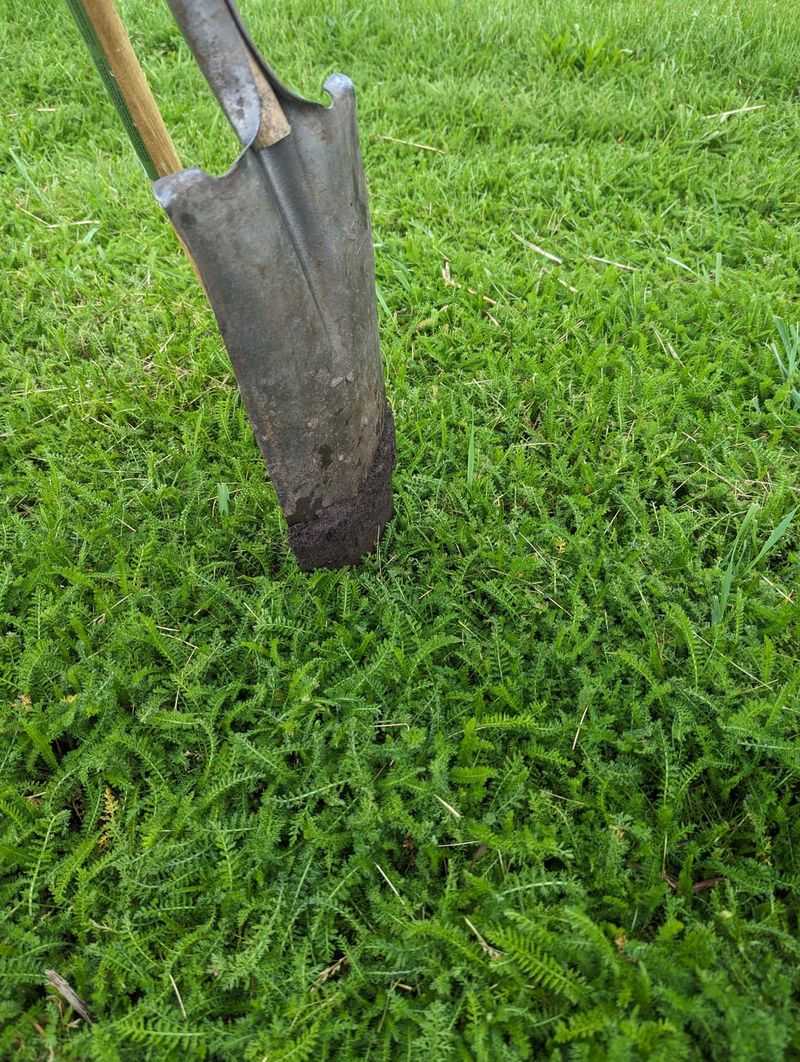
The secret is in how it grows. Yarrow forms a tight, interlocking mat of foliage that springs back after being stepped on.
Light foot traffic, like kids cutting across the yard or a dog running through regularly, does not break it down the way it would a more delicate ground cover.
That said, yarrow is not meant for a soccer field or a heavily used path. Think of it as a lawn for areas that get moderate use.
Your Oregon Garden Changes Every Week. Your Plan Should Too.
Gardening in Oregon changes quickly throughout the season. Every Friday you’ll receive a simple weekly plan showing exactly what to plant, prune, fertilize, harvest, and protect so you never miss the right timing.
A backyard where people walk through occasionally, a side yard that sees some foot traffic, or a slope that gets crossed now and then are all great fits.
Compared to most ornamental ground covers that bruise easily or go patchy under pressure, yarrow holds its shape and color well. It bounces back fast after being compressed.
Even after a rainy season of muddy footsteps, it tends to recover without much help.
For yards in this state where summers are dry and winters are wet, that kind of resilience is a big deal. Yarrow earns its reputation as a tough, walkable native plant every single season.
3. Mowing Keeps It Low And Walkable
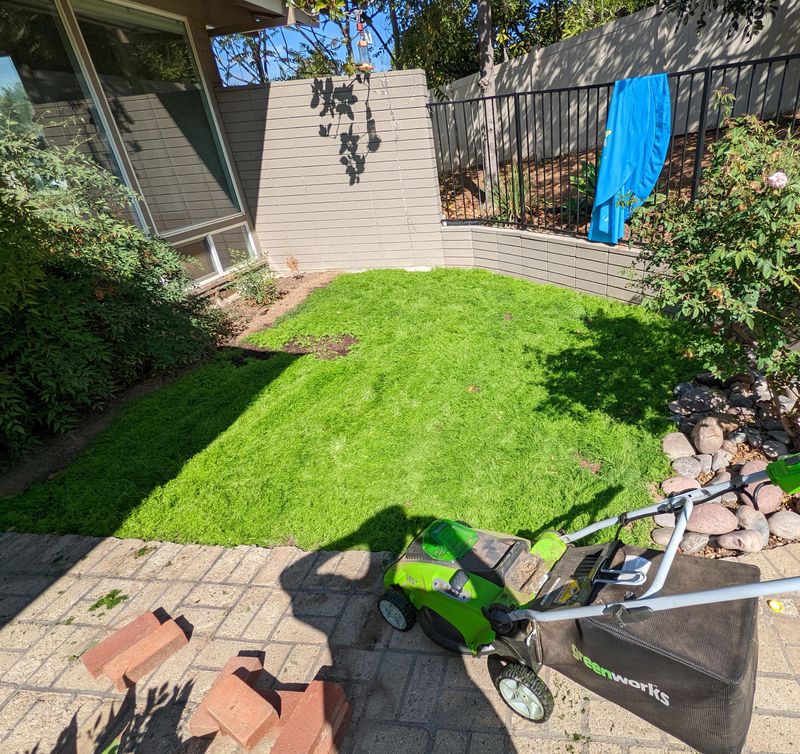
Here is something that surprises a lot of people: yarrow can be mowed. Most folks think of it as a wild, tall plant that shoots up with white flowers in summer.
But when you mow it regularly, it stays low, dense, and perfectly walkable. That changes the whole game for using it as a lawn substitute.
Mowing yarrow once or twice a month during the growing season is usually enough to keep it at a lawn-like height. Set your mower blade to about two or three inches and run it over the mat just like you would regular grass.
The plant responds by putting out more side shoots, which actually makes the coverage thicker over time.
One thing to keep in mind is timing. Try not to mow when yarrow is actively blooming if you want to support pollinators.
Either mow before the flowers open or wait until after they fade. That small adjustment lets you have a tidy, walkable surface while still doing something good for bees and butterflies.
Compared to traditional grass, yarrow needs far fewer mowing sessions per season. Grass in this region can demand weekly mowing from spring through fall.
Yarrow slows down in summer heat and does not push new growth nearly as fast, which means you spend less time behind the mower.
Less mowing means less fuel, less noise, and more free time. For a busy household, that alone makes yarrow worth trying in at least one section of the yard.
4. Deep Roots Help It Stay Green In Dry Spells
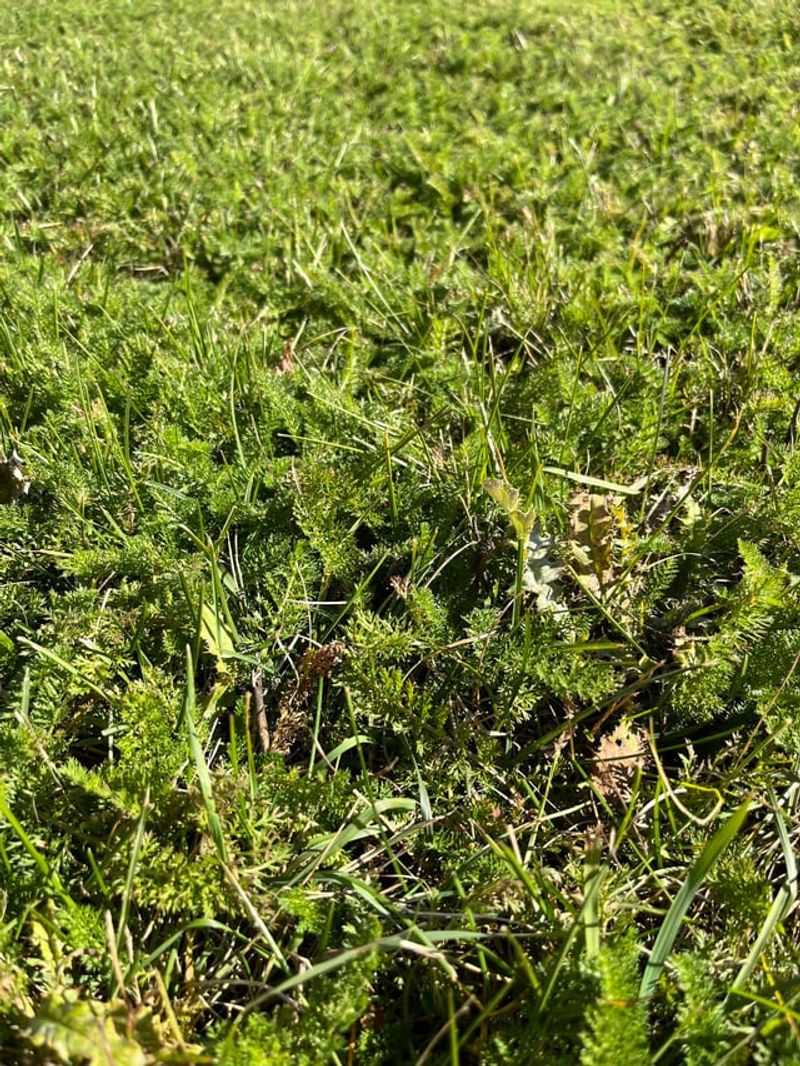
Summers in this state can get surprisingly dry. Many parts of the Willamette Valley and the southern regions go weeks without rain between June and September.
That is rough on traditional lawns, which tend to go dormant, turn brown, and look sad by mid-July. Yarrow handles dry spells in a completely different way.
The reason comes down to roots. Yarrow develops a deep, fibrous root system that reaches well below the surface.
While shallow-rooted grass is already stressed from the first dry week, yarrow is still pulling moisture from deeper layers of soil. That extra reach makes a real difference during hot, rainless stretches.
Established yarrow plants can go several weeks without supplemental watering and still look green and healthy.
New plants in their first season need more attention, but once they settle in after a year or two, they become remarkably self-sufficient.
That kind of toughness is rare in a low-growing plant. Homeowners who have tried yarrow often mention being amazed at how it stays green when everything else in the yard is struggling.
Neighbors with traditional lawns are running sprinklers daily while the yarrow patch next door is quietly thriving without any extra help.
Deep roots also help prevent erosion on slopes. The root network holds soil in place during heavy rains, which is a bonus for anyone dealing with a hillside or uneven yard.
Yarrow protects the ground above and below the surface at the same time.
5. Soft Leaves Fill Bare Soil Fast
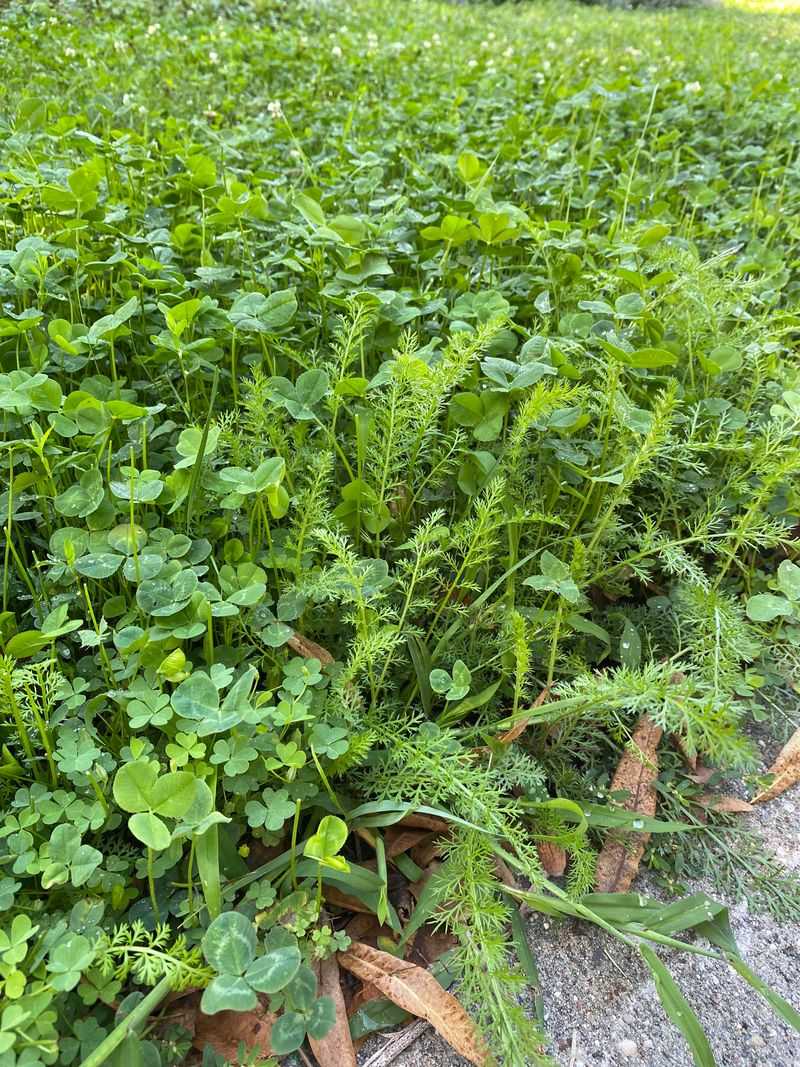
Bare soil is basically an open invitation for weeds. The moment you clear a patch of ground and leave it empty, something unwanted will move in.
Yarrow solves this problem by spreading quickly and covering bare ground before weeds get the chance to take hold.
The leaves of yarrow are finely divided and feathery, almost like a fern but softer. They grow in a rosette close to the ground and then spread outward through underground runners.
A single plant can cover a surprising amount of ground in just one growing season. Plant a few starts in spring and by fall you will have a noticeably larger patch.
What makes this especially useful is that yarrow does not need rich, prepared soil to spread. It will push into compacted areas, sandy spots, or rocky edges that most other plants would ignore.
That aggressive but controlled spreading habit makes it one of the best options for filling in problem areas around a yard.
The dense leaf coverage also shades the soil surface, which slows moisture evaporation. That means the ground underneath stays a little cooler and wetter than exposed bare soil would.
Earthworms and beneficial insects appreciate that kind of sheltered environment too.
For anyone starting from scratch with a new yard or trying to reclaim a neglected area, yarrow is a smart first choice.
It moves fast, covers well, and holds the ground while you figure out the rest of your landscaping plan.
6. Summer Flowers Feed Bees If You Let Them Bloom
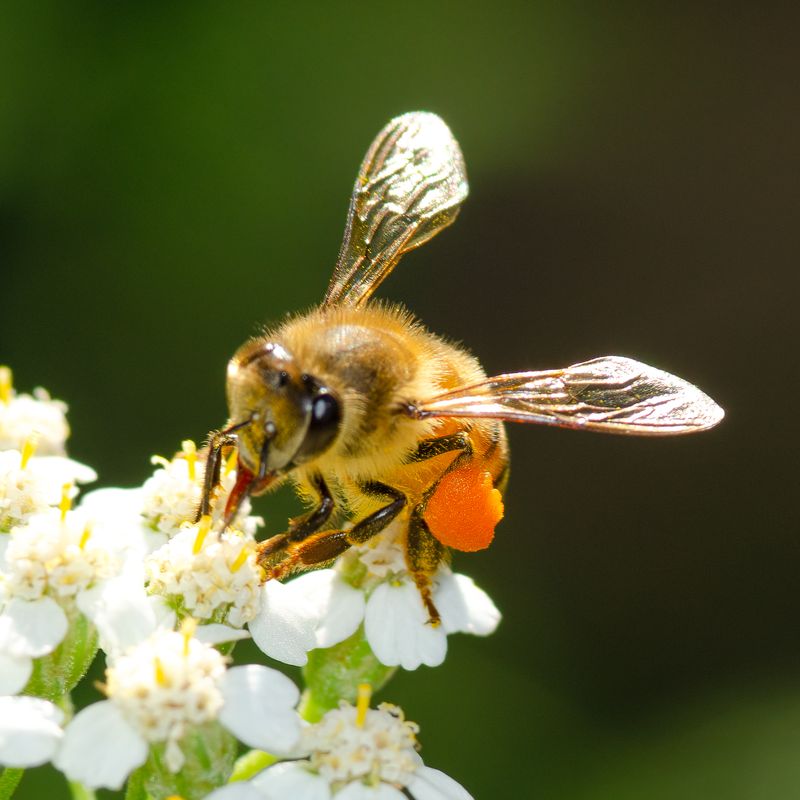
Most lawn grasses offer nothing to pollinators. They just sit there, green and silent, while bees and butterflies search for food elsewhere.
Yarrow is the opposite. When you let it bloom, it becomes a pollinator magnet that buzzes with life from early summer through late August.
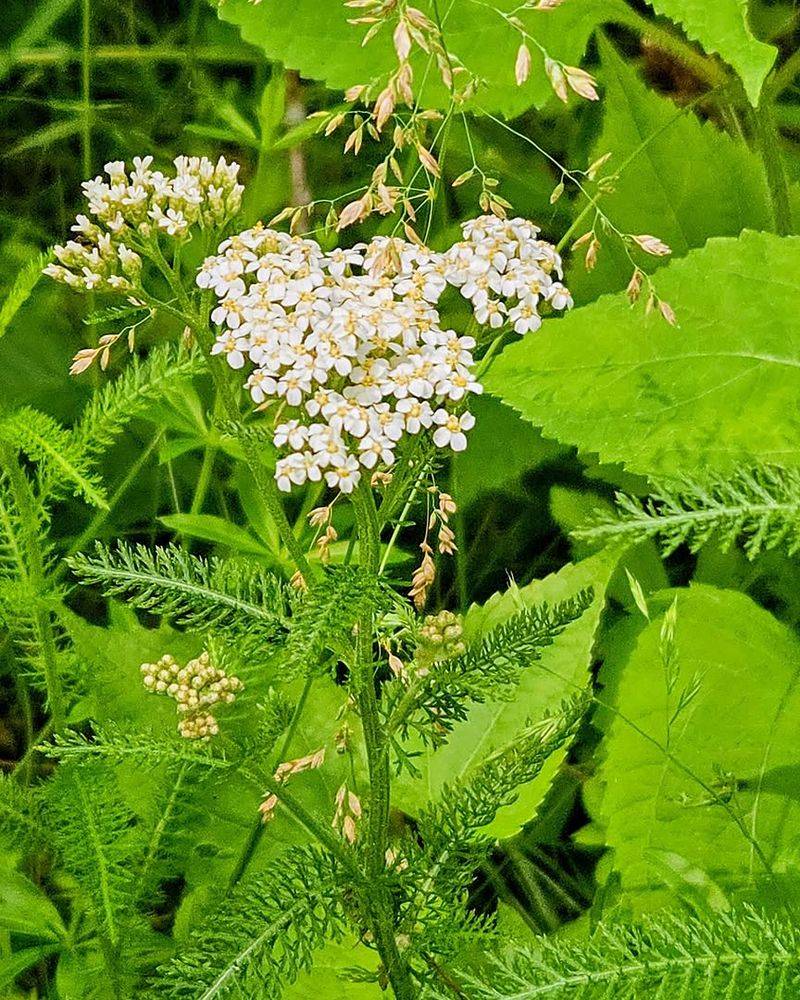
The flowers grow in flat-topped clusters called corymbs, and they are perfectly shaped for small bees, hoverflies, and butterflies to land on and feed.
Native bee species, which are critical for local ecosystems in this region, are especially drawn to yarrow blooms.
Letting even a small section of your yarrow patch flower can make a meaningful difference for local pollinator populations.
Yarrow flowers are typically white in the wild form, though cultivated varieties come in yellow, pink, and red.
The wild white form is best for pollinators because it has not been bred in ways that reduce nectar or pollen availability.
If supporting wildlife is a goal, stick with the native white-flowering type.
You get to choose how much of your yarrow you let bloom. Mow most of it to keep the walkable lawn look, but leave a border or a back section to flower.
That way you get the best of both worlds: a tidy, functional ground cover and a living habitat for beneficial insects.
Watching bees work through a patch of yarrow flowers on a warm July morning is genuinely satisfying. It is a small but real way to give something back to the ecosystem right in your own backyard.
7. It Needs Less Water Than Traditional Lawn Grass
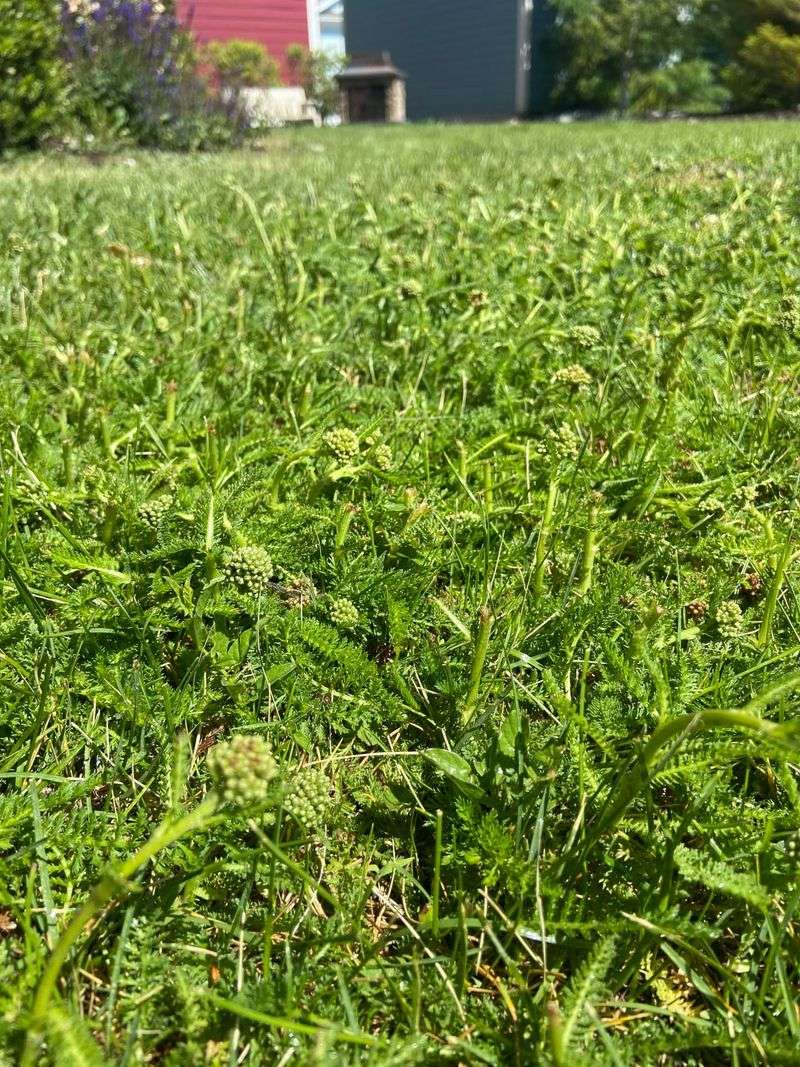
Water bills in summer can get painful, especially when you are trying to keep a thirsty lawn alive through a dry Pacific Northwest season.
Traditional turf grasses like ryegrass or fescue need regular irrigation to stay green from June through September. Yarrow changes that equation completely.
Once established, yarrow needs a fraction of the water that conventional grass requires. Most homeowners who have made the switch report cutting their outdoor water use significantly.
Some stop irrigating their yarrow patches entirely after the first year and find that the plants do just fine on their own.
This water efficiency comes from a combination of deep roots and the plant’s natural adaptation to the local climate.
Yarrow evolved in this region over thousands of years, which means it is already tuned to the wet winters and dry summers that define weather patterns here.
It knows how to slow down and conserve during drought without needing help from a sprinkler.
For households trying to reduce water consumption, replacing even a portion of the lawn with yarrow can make a noticeable difference.
Water agencies in several counties across this state have actually started promoting native ground covers like yarrow as part of conservation programs.
Some even offer rebates for homeowners who replace turf with drought-tolerant natives.
Saving water is good for the environment, good for your wallet, and good for your free time. With yarrow, you spend less time managing irrigation and more time actually enjoying your yard.
8. Poor Soil Does Not Scare It Off
Plenty of yards in this state have soil that would make a lawn care professional wince. Compacted clay, gravelly fill dirt, sandy slopes, and nutrient-poor ground are all common challenges for homeowners trying to grow something green.
Most grass varieties struggle or fail entirely in these conditions. Yarrow actually prefers them.
That might sound backward, but it is true. Rich, heavily amended soil can actually make yarrow grow too aggressively and flop over.
Lean, well-drained, even rocky soil produces tighter, more compact plants that stay low and look better as a ground cover. Poor soil is yarrow’s comfort zone. This makes it an incredible option for areas that have been written off as ungrowable.
A hard-packed strip along a driveway, a rocky hillside, a dry slope that bakes in the sun all day, a patch of fill dirt left over from construction work: yarrow can handle all of these.
It does not ask for fertilizer or soil amendments to get started. In fact, adding too much fertilizer can push yarrow toward tall, floppy growth rather than the low, dense mat you want for a walkable surface. Less is genuinely more with this plant.
Skip the compost amendments and let the soil be what it is. For gardeners who have given up on certain problem spots, yarrow offers a second chance. It is not just tolerant of poor conditions.
It is built for them, which is exactly why it has thrived in this region long before anyone tried to grow a manicured lawn.