The Native Texas Plant That Keeps Mosquitos Out Of Backyards In Summer
A Texas backyard can look perfectly inviting at sunset and still become mosquito headquarters by dinner.
That makes any plant with a repellent reputation sound almost too good to ignore.
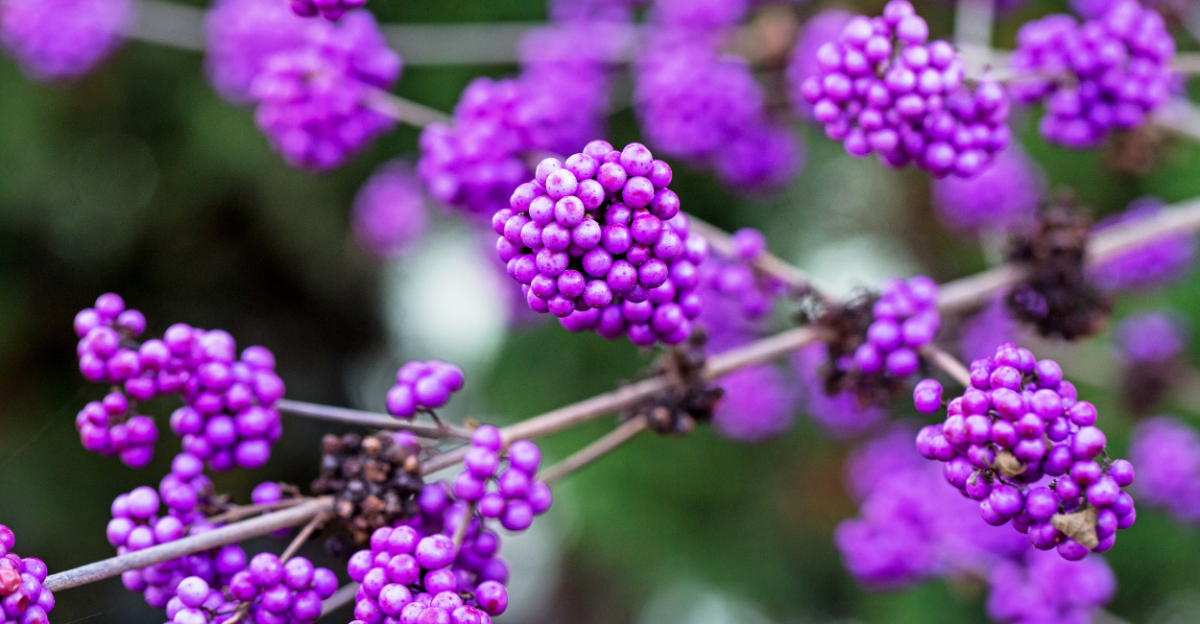
American beautyberry, Callicarpa americana, has earned plenty of attention for exactly that reason.
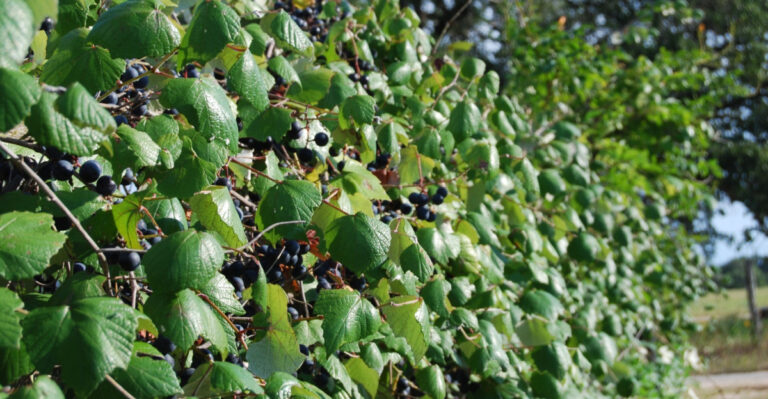
Its leaves contain compounds researchers have studied for mosquito-deterring activity, while the shrub itself brings purple fruit, wildlife value, and impressive heat tolerance to Southern gardens.
The interesting part is what the research actually means.
A beautyberry planted beside the patio does not create an invisible shield around your chairs. The useful chemistry stays inside the foliage, and real mosquito control still depends on much more than one shrub.
So why are Texas gardeners still planting it?
Because this native earns its place even after the headline gets toned down.
It handles sun or partial shade, asks for little fertilizer, feeds wildlife, and offers one fascinating extra benefit that is worth understanding before summer evenings turn especially buggy again. Across patios, porches, garden paths, and shady corners.
Plant American Beautyberry For Texas Toughness
A rough Texas summer can expose weak landscape plants quickly.
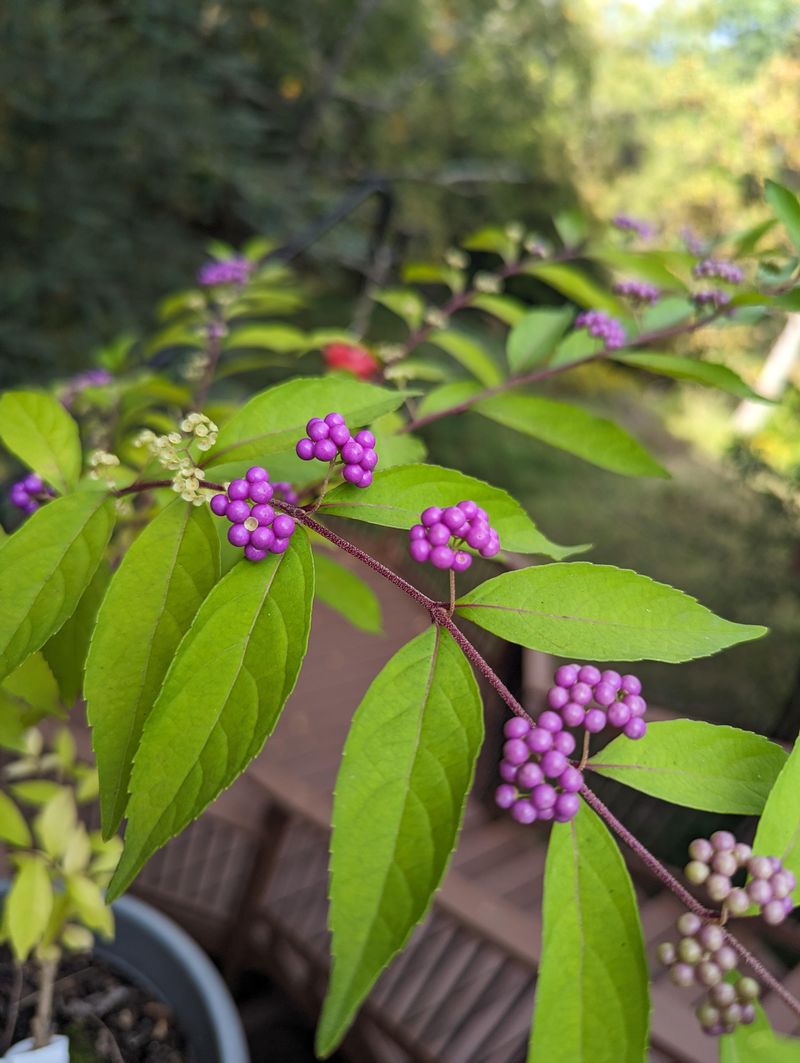
American beautyberry usually handles that test well. This native shrub grows naturally across much of the Southeast, including Texas, and adapts to woodland edges, open shade, and sunny garden borders.
Mature plants often reach about 6 to 8 feet tall and nearly as wide.
The shape stays loose and arching rather than stiff, which makes beautyberry useful in informal screens, native borders, and wildlife gardens. It looks especially natural beneath taller trees or along the edge of a more open yard.
Light can shift the form.
Full sun usually produces a denser shrub with heavier berry production. Partial shade encourages a softer, more open habit that fits woodland-style planting.
Once established, beautyberry can handle stretches of dry weather, though a deep soak helps during prolonged Texas drought. New shrubs need more consistent moisture while roots spread into the surrounding soil.
Good drainage still matters.
Clay can work as long as water does not sit around the crown for days. A broad mulch layer can help hold moisture and protect roots, but keep it away from the stems.
Beautyberry does not need perfect soil or constant attention.
That alone makes it useful before mosquitoes even enter the conversation. The shrub arrives with enough Texas toughness to earn its spot without needing a summer survival committee.
Focus On The Mosquito-Deterring Leaf Compounds
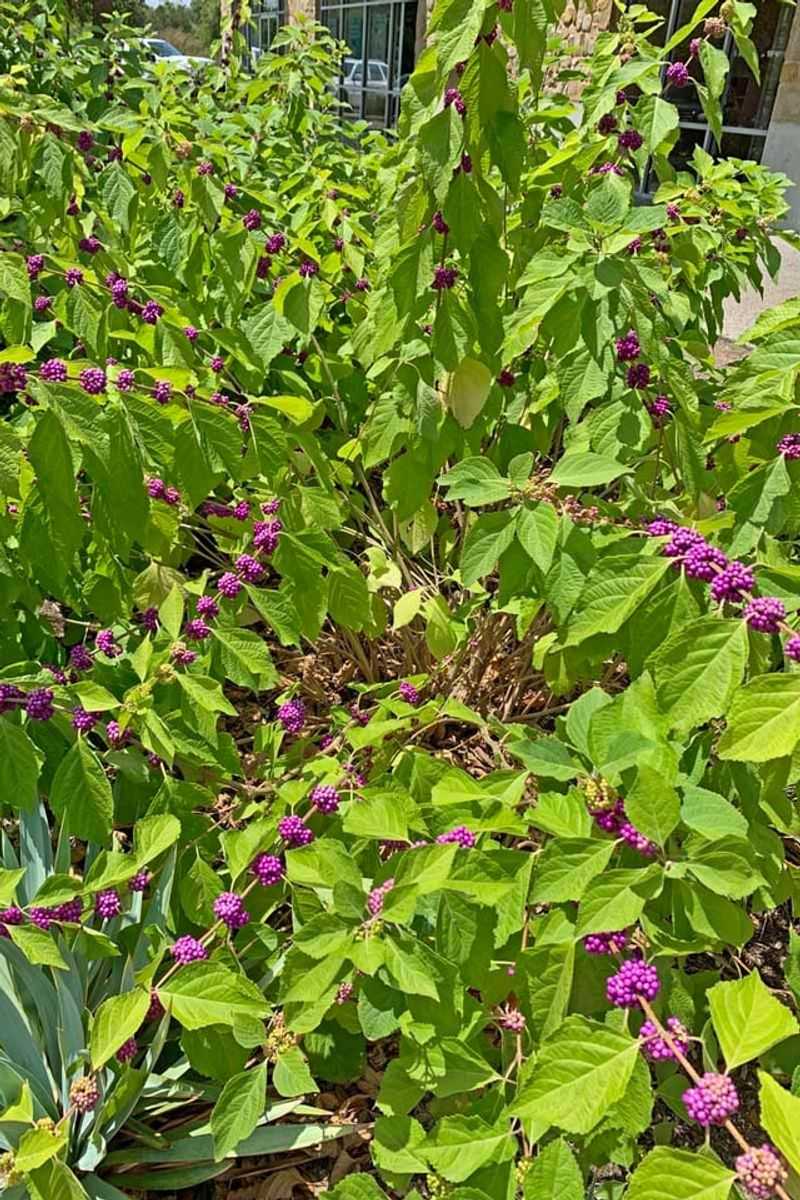
The most interesting mosquito story is hidden inside the leaves.
Researchers have identified compounds in American beautyberry foliage, including callicarpenal, intermedeol, and spathulenol, that have shown mosquito-repellent activity under controlled conditions.
That is the science behind the plant’s growing reputation.
The important detail is how those compounds become available.
They are part of the leaf tissue. A shrub growing quietly beside the porch does not release enough of them into the surrounding air to protect everyone sitting nearby.
Crushing the leaves changes the situation.
Breaking the tissue releases aromatic compounds, which helps explain why traditional use often involved rubbing crushed leaves on skin or clothing.
Your Texas Garden Changes Every Week. Your Plan Should Too.
Gardening in Texas changes quickly throughout the season. Every Friday you’ll receive a simple weekly plan showing exactly what to plant, prune, fertilize, harvest, and protect so you never miss the right timing.
Early research helped support the idea that those leaf chemicals can discourage mosquito landings.
That does not make homemade leaf rub a replacement for a tested repellent.
Concentration can vary from leaf to leaf. Skin sensitivity differs from person to person. Heat, sweat, humidity, and time outdoors can all change how long any effect lasts.
The realistic takeaway is still fascinating.
Beautyberry contains naturally occurring chemistry that mosquitoes appear to dislike under certain conditions. That is worth knowing without turning the plant into something it cannot be.
The shrub has real science behind the reputation. It just needs the headline trimmed back a little, much like an overgrown branch after winter.
Treat The Plant As Help, Not A Force Field
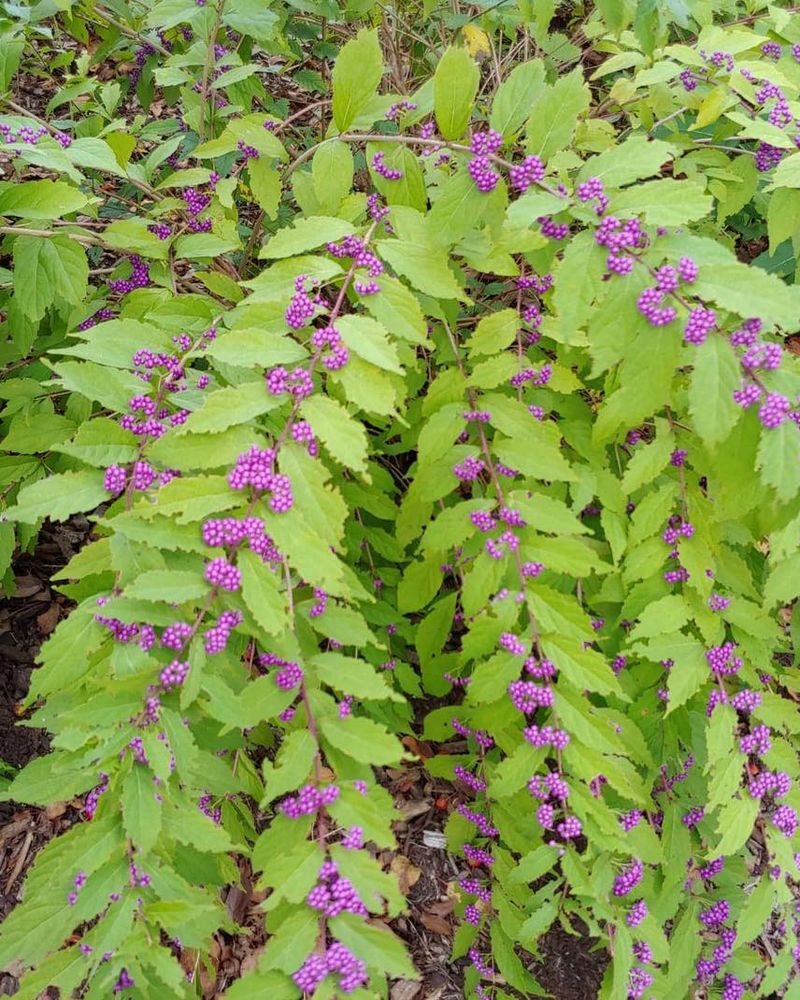
A patio surrounded by beautyberry can still have mosquitoes.
That is the part worth saying clearly.
The plant does not create a protective cloud around the yard, and it cannot replace the basic steps that reduce mosquito pressure around a Texas home.
Standing water deserves the first inspection.
Plant saucers, clogged gutters, buckets, toys, birdbaths, and low spots can hold enough water for mosquitoes to reproduce.
Emptying or refreshing those small reservoirs regularly can make a much bigger difference than adding another shrub.
Personal protection matters too.
During heavy mosquito activity, especially around dusk and dawn, proven repellents and sensible clothing give more reliable protection than leaves rubbed on skin.
Beautyberry fits best as one piece of a larger plan.
Plant it because it is native, attractive, adaptable, and useful to wildlife. Enjoy the fact that its foliage contains compounds with genuine repellent research behind them. Just do not assign the shrub a job it cannot perform from six feet away.
That realistic view makes the plant more interesting, not less.
It does not need superhero status to deserve a place beside the patio.
Beautyberry can bring color and habitat while you handle mosquito control with water management and personal protection. The shrub helps the yard in several ways, but it does not patrol the property line with a tiny mosquito clipboard.
Give Beautyberry Sun Or Partial Shade
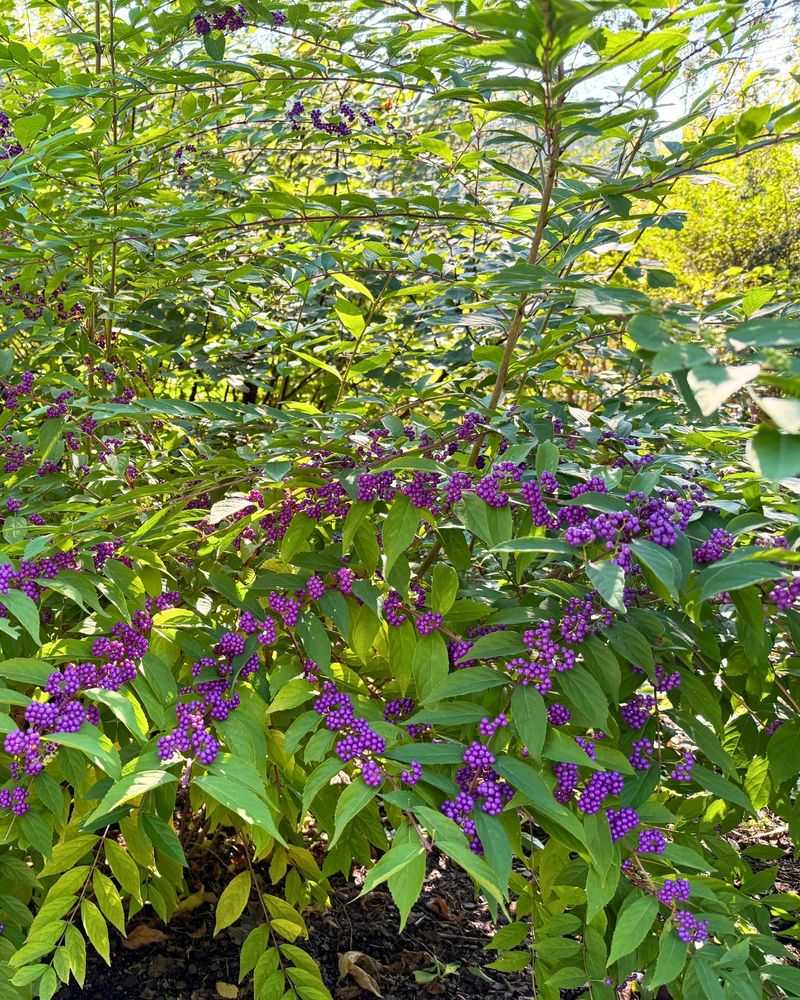
Sunlight changes both the shape and the berry show.
Give American beautyberry six or more hours of direct sun, and the shrub usually grows fuller with heavier clusters of purple fruit. That can make a sunny Texas border look especially dramatic by late summer.
Partial shade still works well.
Under live oaks or along the brighter side of a fence, beautyberry can keep a looser, more graceful form. The stems may reach farther toward available light, which gives the shrub a softer woodland look.
Deep shade asks too much.
Flowering can drop, and fewer flowers mean fewer berries later. A site with some morning sun and afternoon protection often gives gardeners a useful middle ground in the hottest parts of Texas.
Water needs shift with the exposure.
A full-sun shrub usually dries faster and may need more help during the first couple of summers. One in partial shade can often hold moisture longer, so the hose may stay parked more often.
Check the soil rather than match both plants to one schedule.
This flexibility makes beautyberry useful in yards that do not offer perfect, all-day sun.
It can handle the bright edge, the dappled middle, and plenty of Texas heat in between. Give it enough light to flower well, and the purple berry show will make the mosquito reputation feel almost like a bonus feature.
Skip Fertilizer That Makes Growth Floppy
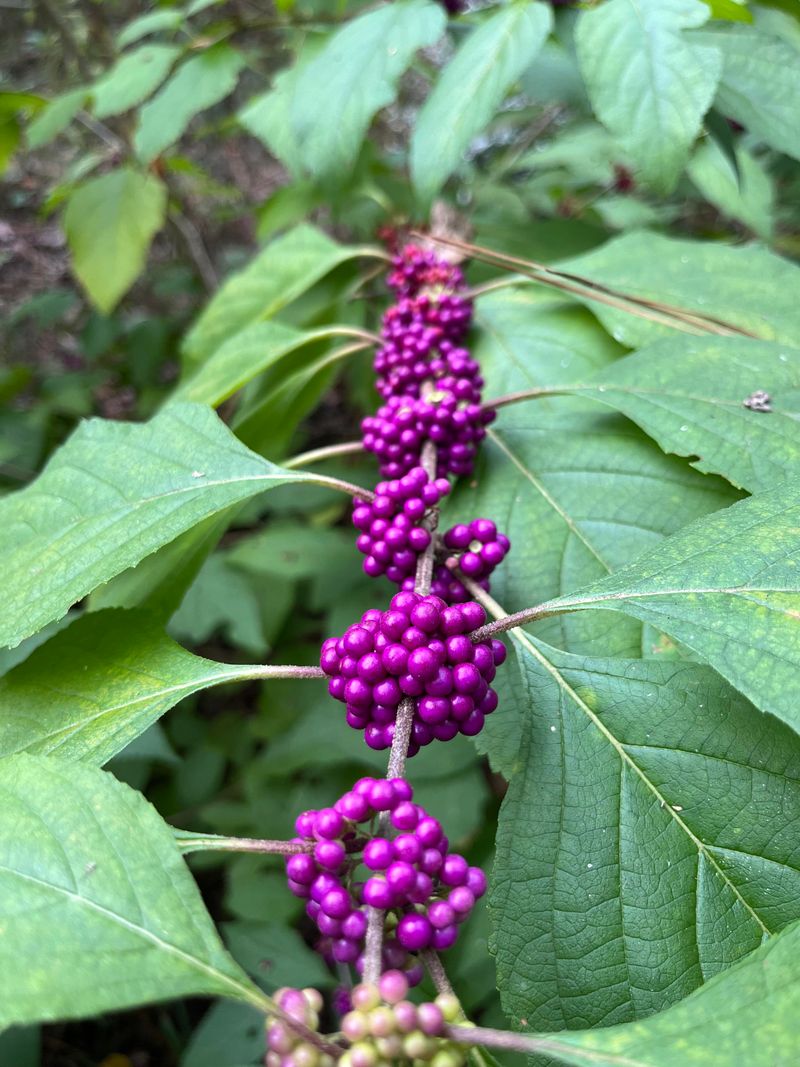
Heavy fertilizer can turn a naturally graceful shrub into a floppy green pile.
American beautyberry usually performs better with a lighter touch. It evolved in woodland edges and open native habitats where rich feeding schedules were never part of the deal.
Too much nitrogen pushes soft leafy growth.
That extra growth can bend outward, reduce the tidy arch of the stems, and shift energy away from flowers and berries. The plant may look bigger while becoming less useful ornamentally.
Most established shrubs need little supplemental fertilizer.
A modest layer of compost around the root zone can support soil life without forcing a sudden burst of growth. Keep that material away from the crown so moisture does not stay trapped against the stems.
New plants may appreciate a gentle start.
A small amount of balanced, slow-release fertilizer at planting can make sense in truly poor soil, but there is no reason to keep feeding just because the calendar says spring.
Drainage matters more than a rich menu.
Beautyberry can handle clay, sandy ground, and average garden soil as long as water does not sit around the roots for long periods.
The low-input habit is part of the appeal.
You get a shrub with strong summer presence, flowers, purple berries, and wildlife value without maintaining a fertilizer subscription.
Beautyberry is perfectly happy skipping the buffet and getting back to the business of looking good.
Cut It Back In Winter For Fresh Growth
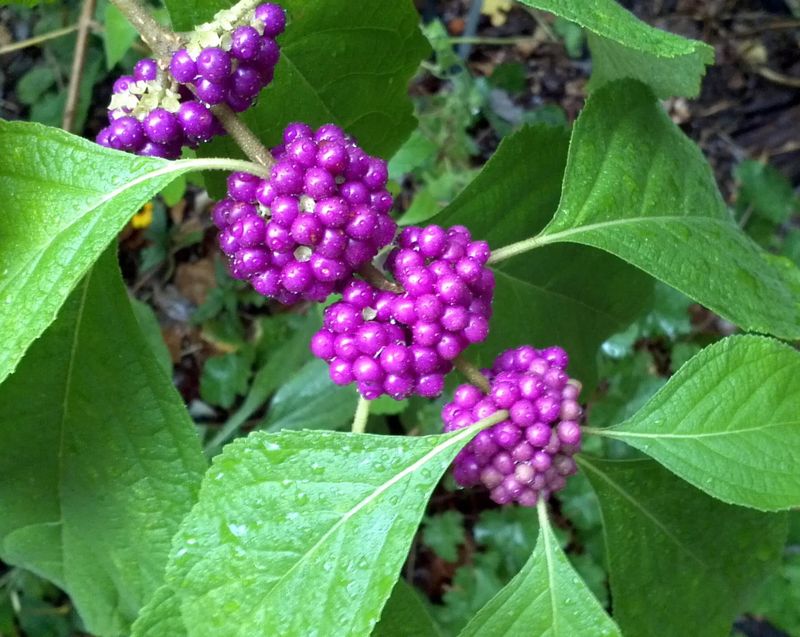
Late winter gives beautyberry its easiest reset of the year.
The shrub flowers and fruits on fresh growth, so cutting older stems back before spring encourages vigorous new shoots that can carry the next round of berries.
A hard annual cut is often practical.
In many Texas gardens, stems can be reduced to about 6 to 12 inches above the ground in late winter before active growth begins. The plant usually responds with a strong flush once warmer weather returns.
That timing matters.
Pruning too early can expose fresh cuts to colder weather, while waiting until new growth is well underway wastes energy the plant has already invested.
Use clean, sharp tools.
Remove weak, damaged, or awkward stems as you work, then clear the old material from the base. A fresh mulch layer can follow, with a small open ring around the crown.
Skipping one year will not ruin the shrub.
Beautyberry can still flower and fruit on an older framework, but repeated years without pruning may leave the center woody and sparse. A regular reset keeps the plant fuller and easier to manage.
This is one of those pruning jobs that looks severe for about five minutes.
Then spring arrives, new shoots race upward, and the shrub acts like nothing dramatic happened.
Beautyberry takes a winter haircut remarkably well and returns with enough confidence to make the pruners look far more talented than they really are.