Why Garden Experts Say To Skip Wildflower Seed Mixes In Iowa
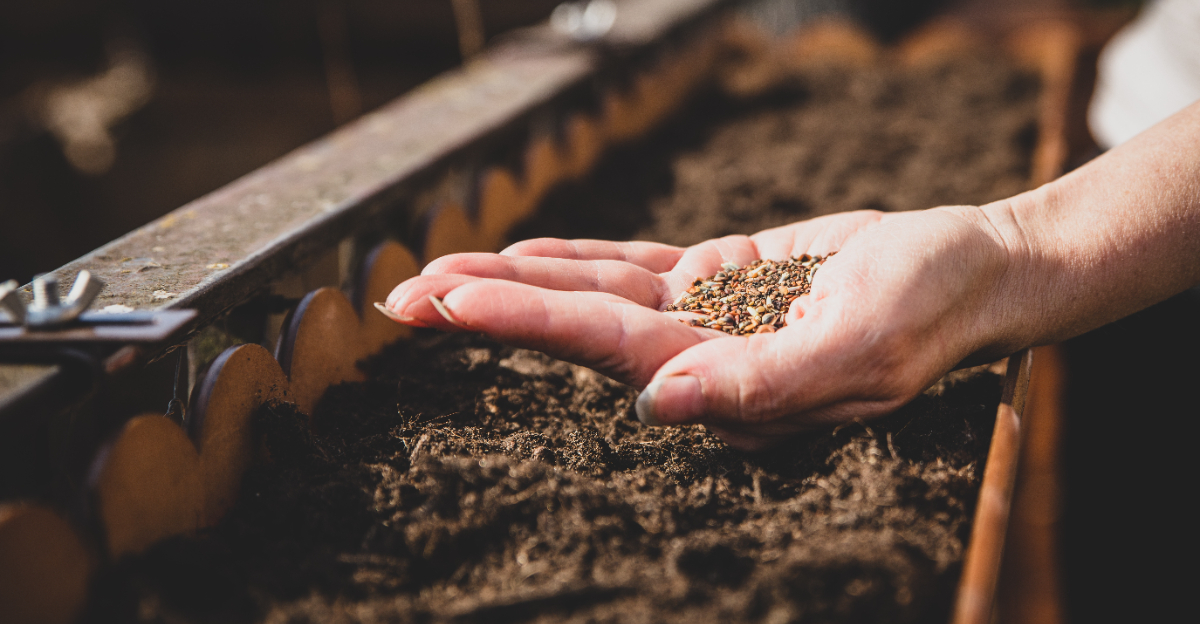
That packet of wildflower seeds practically begs to be tossed across your backyard. Bright colors, a promise of pollinators, zero effort required, what’s not to love?
Iowa gardeners who’ve been burned once tell a different story. What looks like an instant meadow can turn into a headache that outlasts your patience by several seasons.
The problem isn’t the flowers themselves. It’s what’s hiding inside those mixed packets that most shoppers never think to check.
Before you rip one open this spring, a few local growers want you to know exactly what you’re signing up for.
Most Store-Bought Mixes Aren’t Actually Native
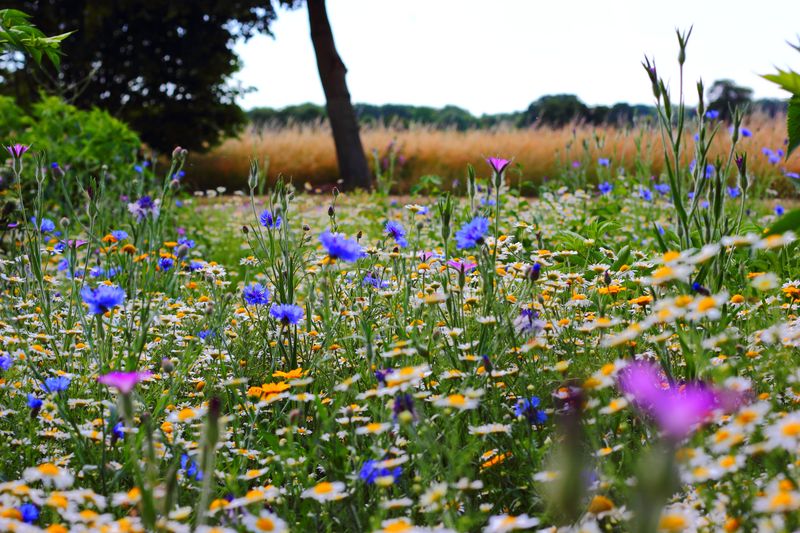
Grab any bargain-bin seed mix and flip it over. The fine print tells a story most shoppers never read.
Many popular mixes are built around flowers that grow well in California or the Pacific Northwest. Those plants look pretty on the packaging, but they have zero connection to Iowa’s prairies or woodlands.
Companies design these mixes to sell coast to coast. That means the blend inside is a one-size-fits-all formula, not a thoughtful match for your backyard in Des Moines or Dubuque.
Native plants are species that evolved in a specific region over thousands of years. They developed alongside local insects, birds, and soil types in ways that out-of-state plants simply cannot replicate.
When you plant something truly native to Iowa, it already knows how to handle a brutal February freeze. It also knows how to push through clay-heavy soil without any babying from you.
Store-bought mixes often feature flowers like Shirley poppies, bachelor’s buttons, and Siberian wallflowers. None of those are native to the Midwest, and none of them offer the ecological value that local species provide.
Experts at Iowa State University Extension routinely encourage gardeners to look for regionally sourced seeds instead. Passing on those big-box blends tops the list of advice these experts give anyone chasing a real payoff.
Spending a little more on the right plants saves you frustration later. A garden full of plants built for Iowa’s climate rewards you every single season.
Why Non-Native Seeds Can Hurt Local Wildlife
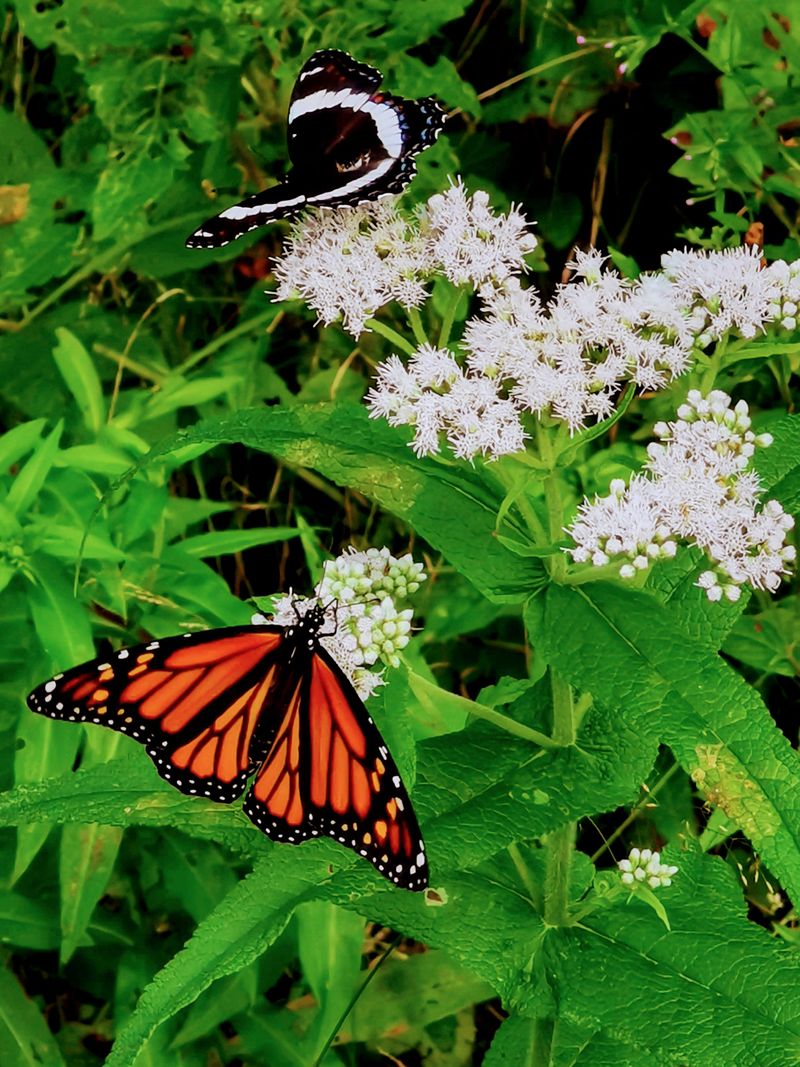
Bees and butterflies are not just pretty visitors. They are essential partners for a healthy garden ecosystem.
The problem is that native pollinators evolved to work with native plants. A bumblebee that developed alongside wild bergamot and prairie blazing star does not automatically know what to do with a French marigold.
Specialist bees are especially vulnerable here. Some species collect pollen from only one or two plant families, and when those plants disappear from the landscape, the bees follow.
Birds face a similar challenge. Many songbirds feed insects to their chicks, and those insects depend on native host plants to complete their life cycles. Pull out the native plants, and the insect supply chain collapses.
Non-native flowers can still attract some generalist pollinators, which fools gardeners into thinking everything is fine. But a garden buzzing with honeybees visiting non-native blooms is not the same as a garden supporting 50 species of native bees.
Your Iowa Garden Changes Every Week. Your Plan Should Too.
Gardening in Iowa changes quickly throughout the season. Every Friday you’ll receive a simple weekly plan showing exactly what to plant, prune, fertilize, harvest, and protect so you never miss the right timing.
Entomologist Doug Tallamy has spent years documenting this connection. His research shows that native oaks support over 500 caterpillar species, while many non-native ornamentals support fewer than five.
The same principle applies to wildflowers. Native species carry relationships with local wildlife that took millennia to build. A packet of mixed seeds from a checkout display cannot replicate that depth.
Choosing the right plants means choosing to support the whole web of life in your yard. That choice matters more than most gardeners realize.
How Some Mixes Introduce Invasive Species
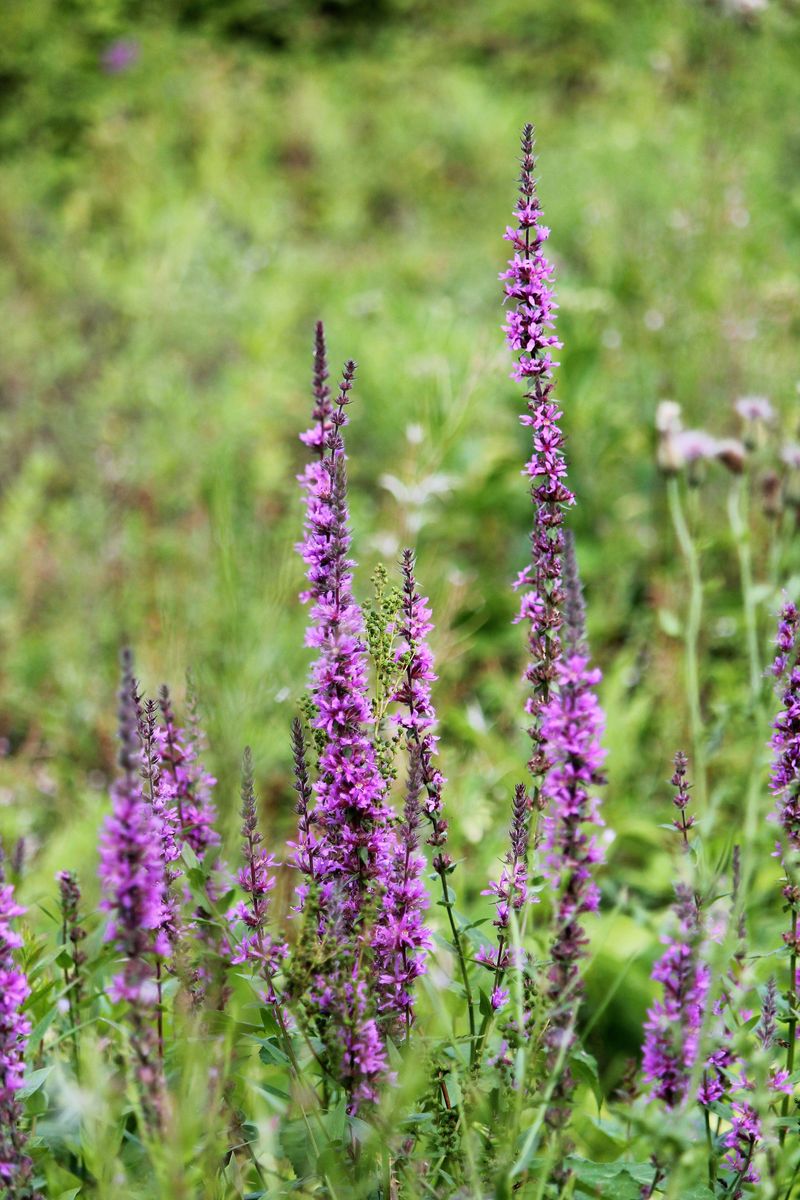
Some wildflower packets hide a genuine problem inside their cheerful paper envelopes. A handful of seeds labeled as ornamental can spiral into a serious problem for the surrounding landscape.
Purple loosestrife is one of the most notorious examples. It looks stunning in photographs, and it has appeared in wildflower mixes for decades. Once established, it takes over wetlands and chokes out native plants that waterfowl and amphibians depend on.
Dame’s rocket is another frequent offender. It resembles native phlox closely enough to fool most homeowners, but it spreads aggressively along roadsides and natural areas throughout the Midwest.
The Iowa Department of Agriculture maintains a list of noxious weeds that are illegal to plant or sell in the state. Some of these species have shown up in commercially sold wildflower mixes sold nationally.
Invasive plants do not respect property lines. Seeds travel by wind, water, and wildlife into natural areas far beyond your garden fence. A small planting in a suburban yard can seed a nature preserve miles away.
Once an invasive species gets a foothold, removal is costly and exhausting. Volunteer crews spend thousands of hours each year pulling garlic mustard from Iowa woodlands, all because of unchecked spreading.
Reading labels carefully is a start, but it is not enough on its own. Many mixes do not list every species included, or they use common names that obscure a plant’s true identity.
Checking with a local native plant society before buying gives you a reliable safety net. Protecting Iowa’s wild spaces starts with knowing exactly what you are planting.
Iowa Native Perennials That Deliver Real Results
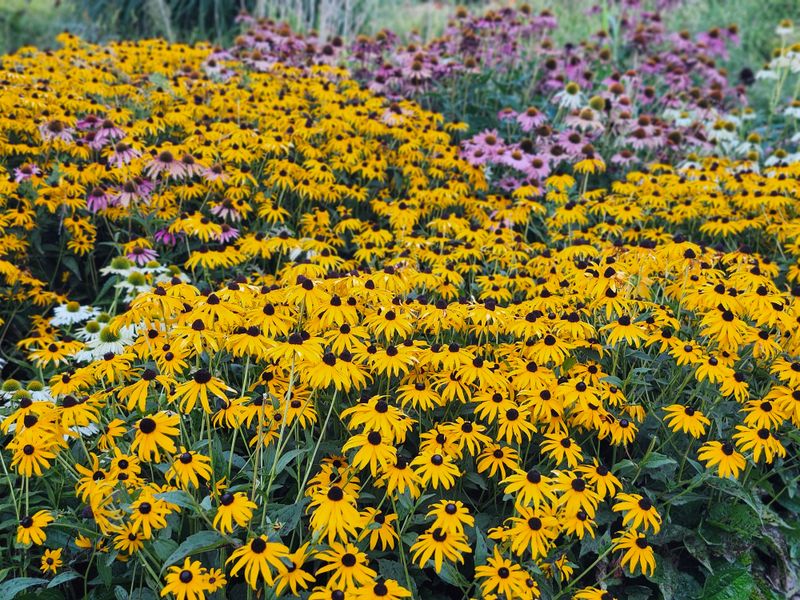
Forget the mixed bag of unknowns. A short list of proven Iowa natives will transform your yard faster than any seed packet promise.
Purple coneflower, known scientifically as Echinacea purpurea, is practically bulletproof in Iowa conditions. It blooms from midsummer into fall, feeds goldfinches with its seed heads, and comes back stronger every year.
Black-eyed Susan is another workhorse that thrives in full sun with minimal water once established. Its bright yellow blooms appear reliably each summer and attract a wide range of native bees and beetles.
Wild bergamot pulls double duty as both a pollinator magnet and a drought-tolerant ground cover for sunny spots. Bumblebees absolutely swarm it during peak bloom, making it one of the most rewarding plants to watch in any garden.
Rattlesnake master looks like something from another planet, with spiky globe-shaped flower heads on tall silvery stems. It draws specialist bees and adds dramatic texture that no generic seed mix can offer.
Prairie blazing star, or Liatris spicata, sends up tall purple spikes in late summer just when many other plants start to fade. Migrating monarchs treat it like a fuel station on their journey south.
Planting even three or four of these species together creates a functioning mini-ecosystem. You get visual interest across multiple seasons without fighting your climate every step of the way.
These plants ask for very little once they settle in. Giving them the right start pays off in ways that wildflower seed mixes simply cannot match.
Where To Source True Native Plants And Seeds
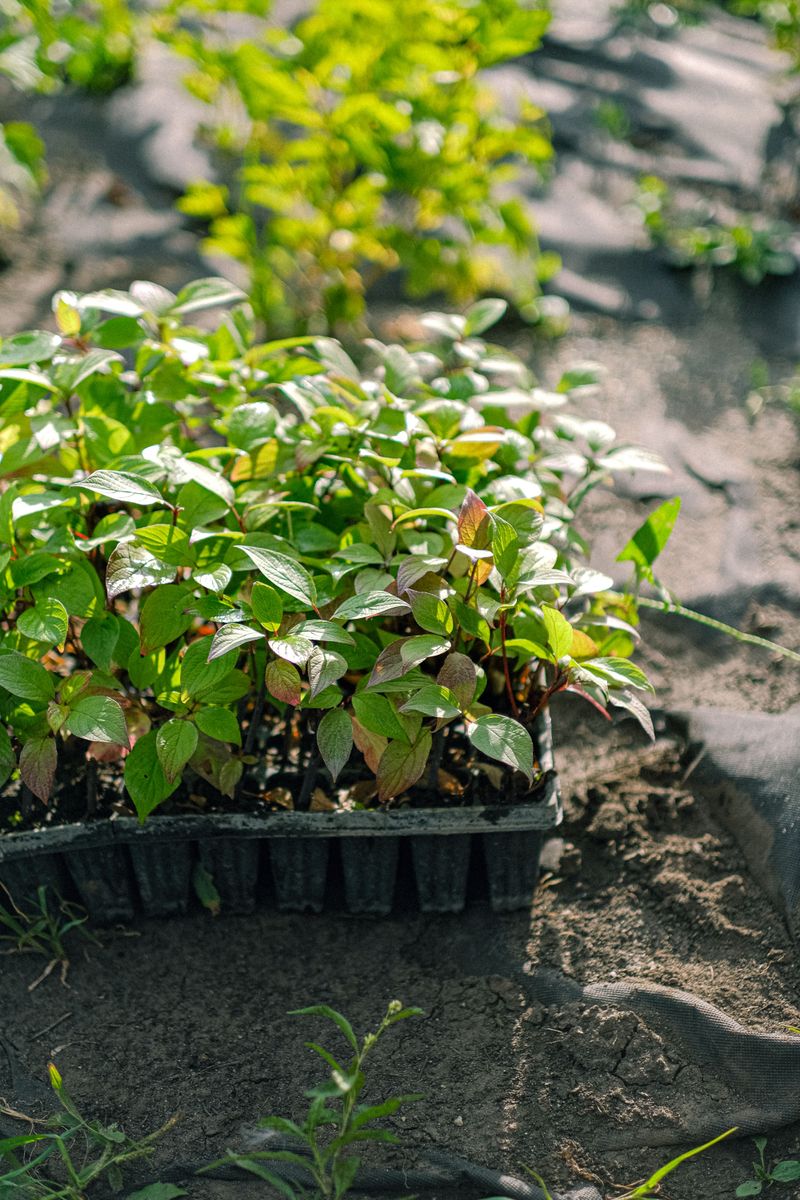
Finding genuine Iowa-ecotype native plants takes a little more effort than grabbing something off a big-box shelf. The search is absolutely worth it.
Ecotype matters more than most gardeners expect. A purple coneflower grown from seed collected in Georgia will behave differently in Iowa than one grown from local Iowa-collected seed. Local genetics mean local resilience.
The Iowa Native Plant Society hosts plant sales each spring and fall in communities across the state. These events bring together reputable growers and knowledgeable volunteers who can answer your specific questions.
Prairie Moon Nursery in Minnesota ships to Iowa and specializes in regionally appropriate native seed and plugs. Their website includes detailed growing information for each species, making it easy for beginners to choose wisely.
Shooting Star Native Seeds and Ion Exchange are two Iowa-based sources with strong reputations among restoration professionals. Buying from in-state suppliers keeps your money local and ensures your plants carry genuine Midwestern genetics.
Many county conservation boards and soil and water conservation districts hold annual plant giveaways. Signing up for their newsletters is a free way to access quality native plants at little or no cost.
University of Northern Iowa’s Tallgrass Prairie Center also offers resources and seed mixes specifically designed for Iowa conditions. Their mixes are research-backed and built around species proven to support local wildlife.
Choosing a trusted source over a mystery blend is a decision your yard keeps rewarding for years. Your garden becomes a genuine piece of Iowa’s natural heritage.
Starting Small With Just A Few Proven Species
Nobody needs to replant their entire yard in one weekend. Starting small is not settling, it is strategy.
Pick one sunny spot, maybe a 4-by-6-foot patch, and commit to filling it with two or three native species. That focused approach gives you a chance to learn each plant’s habits without feeling overwhelmed.
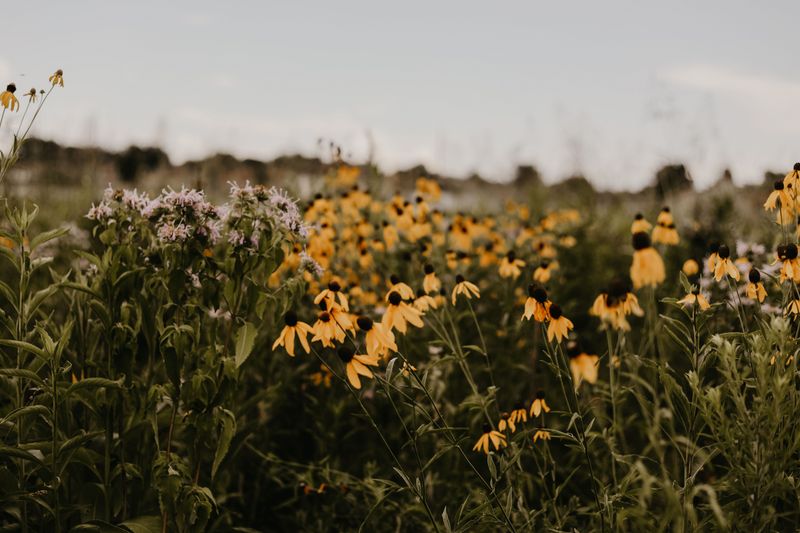
Purple coneflower and black-eyed Susan are a classic pairing for first-time native gardeners. They bloom at slightly different times, keep the space colorful from June through September, and require almost no maintenance after the first season.
Adding wild bergamot to that combination brings in a third bloom window and a completely different pollinator crowd. Suddenly your small patch supports a genuinely diverse community of bees, wasps, and beetles.
Resist the urge to fill every gap immediately. Native gardens often look sparse in year one while roots are establishing deep underground. By year two, the transformation usually surprises even skeptical neighbors.
Mulching around young plants with wood chips helps hold moisture and suppress weeds during that critical establishment phase. Keep the mulch a few inches away from plant stems to prevent rot.
Leaving those blends on the shelf means every single plant in your space earned its spot on purpose. There are no mystery plants, no unwanted spreaders, and no guessing whether what sprouted is a wildflower or a weed.
A small Iowa native garden done right outperforms a large chaotic seed mix every time. Start with confidence, grow with purpose, and let your patch become something genuinely worth tending.