The Natural Lawn Booster New York Homeowners Should Use This October
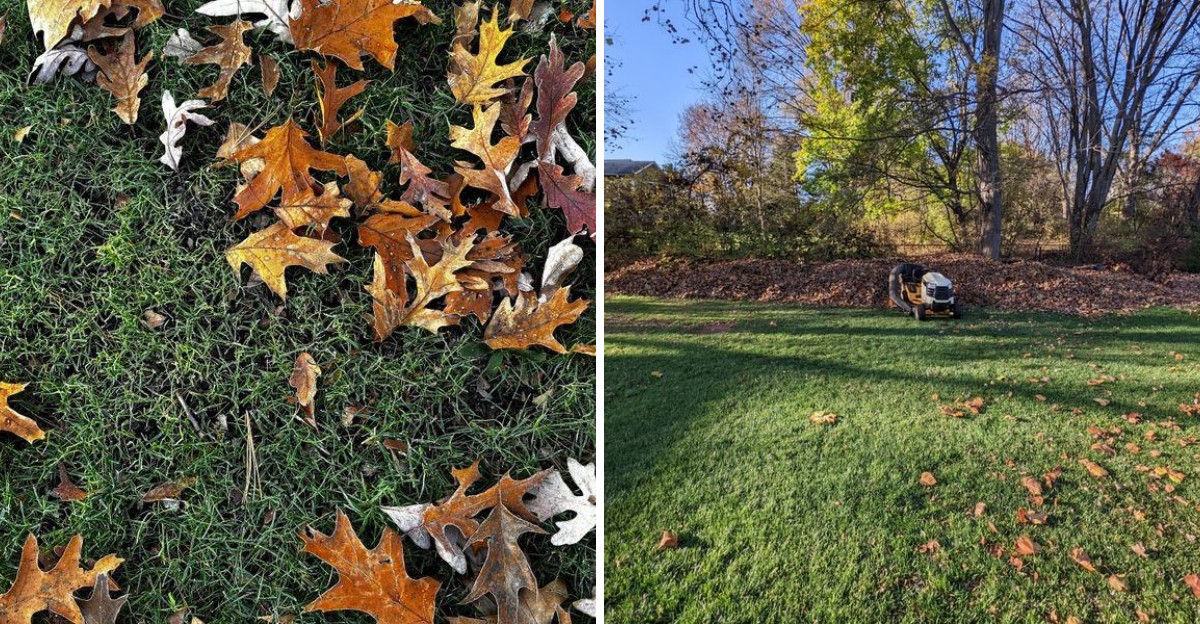
The best lawn treatment in New York this month costs nothing, and most homeowners rake it straight to the curb. Fallen maple and oak leaves are a natural fertilizer hiding in plain sight.
Many people spend money on bagged products while tossing out the real thing. As leaves break down, they feed the soil and help roots grow deeper.
The trick is handling them the right way. Left whole, a heavy layer can smother grass and turn into a soggy mat.
Shredded with a mower, those same leaves settle between the blades and disappear into the lawn. Done right, they can leave you with a thicker, greener yard next spring.
The guide below shows how to turn your leaf pile into a lawn booster. A few simple steps can save you money and a whole lot of raking.
Fallen Leaves Are The Free Item
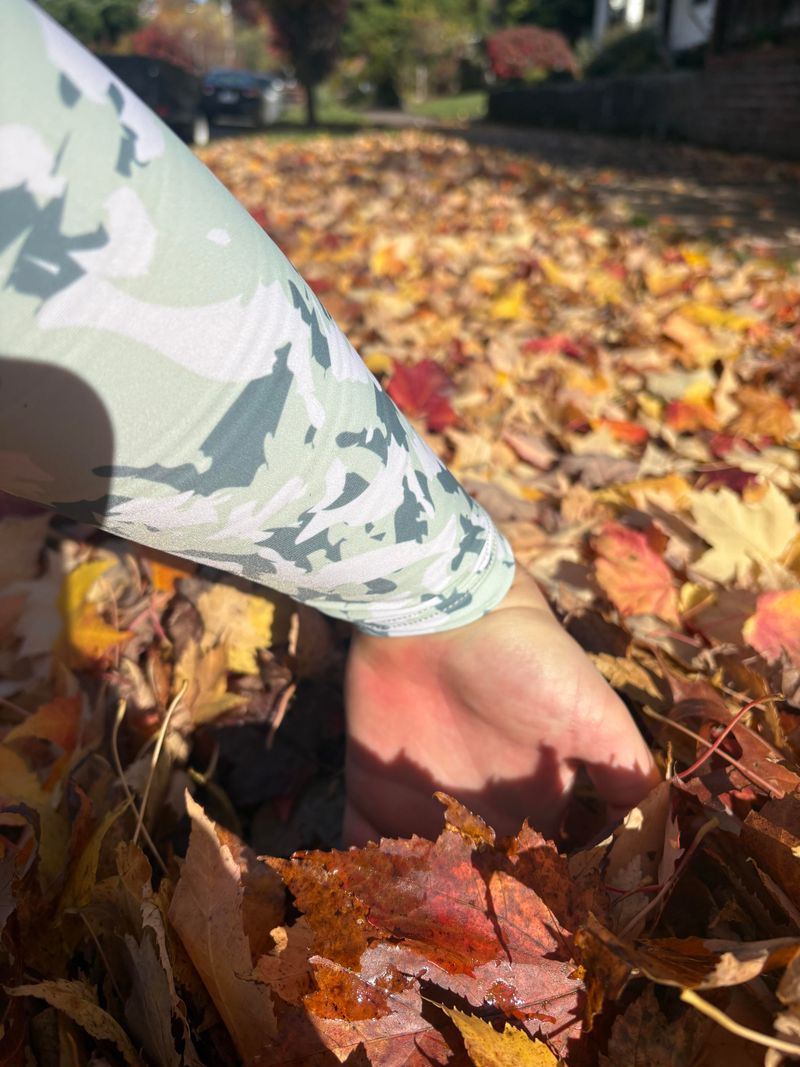
Every autumn, your trees hand you a gift and ask for nothing back. Most folks treat it like trash and drag it to the curb.
Fallen leaves are nature’s way of feeding the ground where plants grow. In forests, nobody rakes, and the soil stays rich year after year.
Trees pull nutrients from deep in the earth all summer long. A big share of those minerals ends up stored inside their leaves.
When leaves drop, those nutrients are ready to return to your yard. You just need to keep them there instead of shipping them away.
Think about what you pay for a bag of lawn food at the store. Now picture that same help raining down from your own maple tree.
New York yards are packed with oaks, maples, and birches. Each one can drop thousands of leaves in just a few short weeks.
Here is a fun fact worth sharing at dinner. A single mature tree can shed over 200,000 leaves in a season.
Before you buy anything this fall, take a walk around your property. Notice which trees drop the most and where the piles gather.
Those spots will become your main supply for the steps ahead. You might be surprised how much free material you already have.
Treat those leaves like a resource, not a chore. Your lawn, and your wallet, will thank you next spring.
Small mindset shifts often lead to the biggest yard improvements. Starting this October gives your grass months to soak up the benefits.
They Break Down Into Natural Fertilizer
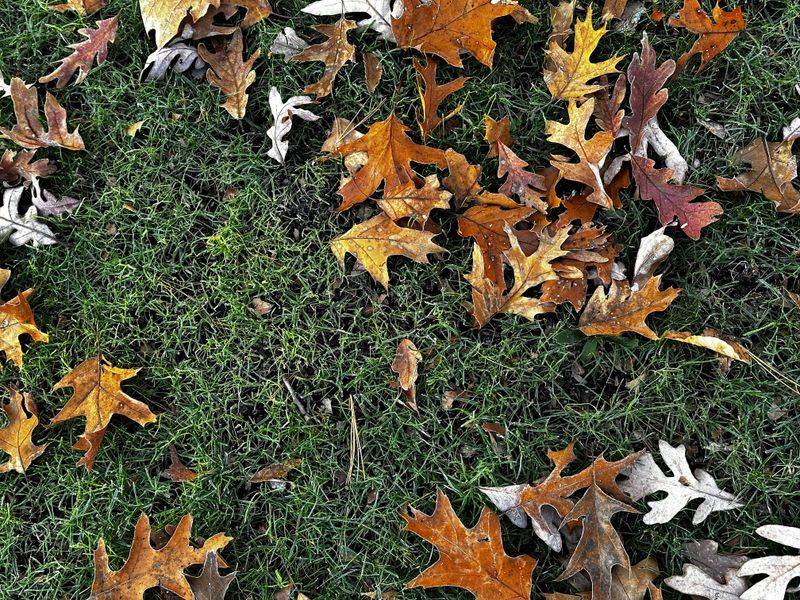
Picture a slow-cooking stew simmering under your grass all winter. Bits of leaves slowly soften and melt into the soil below.
As leaves decompose, they hand back the nutrients trees borrowed from the ground. Your lawn gets fed without a single trip to the garden center.
Mulched leaves release nitrogen, phosphorus, and potassium as they break apart. Those three are the same nutrients printed on most fertilizer bags.
Nitrogen helps grass grow green and leafy. Phosphorus supports roots, while potassium helps plants handle stress like cold snaps and drought.
Unlike some store-bought products, leaves release food slowly. Your grass gets a steady snack rather than one big rush that washes away.
Your New York Garden Changes Every Week. Your Plan Should Too.
Gardening in New York changes quickly throughout the season. Every Friday you’ll receive a simple weekly plan showing exactly what to plant, prune, fertilize, harvest, and protect so you never miss the right timing.
Tiny helpers do most of the work for you. Fungi, bacteria, and earthworms munch on leaf bits and turn them into rich soil.
Research from Michigan State University found mulched leaves did not harm lawns. Some test plots even greened up faster the next spring.
For best results, keep mowing leaves into your grass every week or so. Regular passes stop piles from building up too thick.
Many people still add a light fall fertilizer for extra help. With leaves doing part of the job, you may need less of it.
Patience matters with this method. Changes show up gradually over a season or two, but they tend to last longer.
Give your yard a few autumns of leaf feeding. You may notice deeper color and fewer weak spots each year.
Shredding Is What Makes Them Safe For Grass
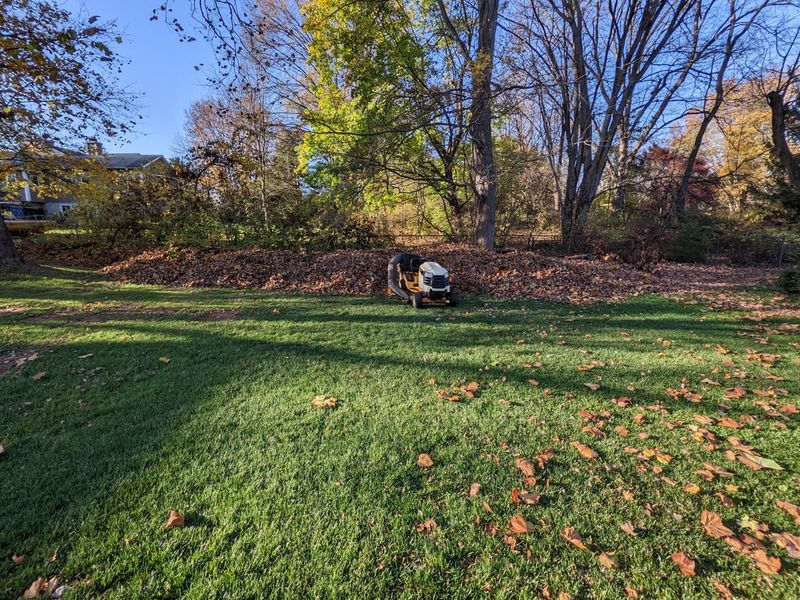
Whole leaves and shredded leaves act like two different materials. One can choke your grass, while the other quietly feeds it.
Shredding leaves finely is the key step that keeps your lawn healthy. Small pieces let air and water slip down to the soil surface.
Grass blades need sunlight, even in cooler months. Chopped leaves leave gaps so light still reaches the green parts of each plant.
Size also changes how fast leaves break down. More cut edges give microbes more places to start eating.
Think of it like a bar of soap versus soap flakes. The flakes dissolve much faster because they have more surface area.
Shredding also prevents those slimy leaf mats you see after rain. Those mats trap moisture and can invite mold and rot.
Oak leaves are thick and tough, so they need extra attention. Run over them twice if pieces still look large after one pass.
Maple leaves are thinner and chop up more easily. A single pass often handles them well on a dry afternoon.
Look closely at your lawn after mowing. You should see mostly green grass with small brown flecks scattered through it.
If the yard still looks brown, keep going. Another pass or two usually solves the problem in just a few minutes.
A good shredding job turns a risk into a reward. That simple habit separates a thriving lawn from a patchy one.
Dime-Sized Pieces Settle Right Into The Lawn
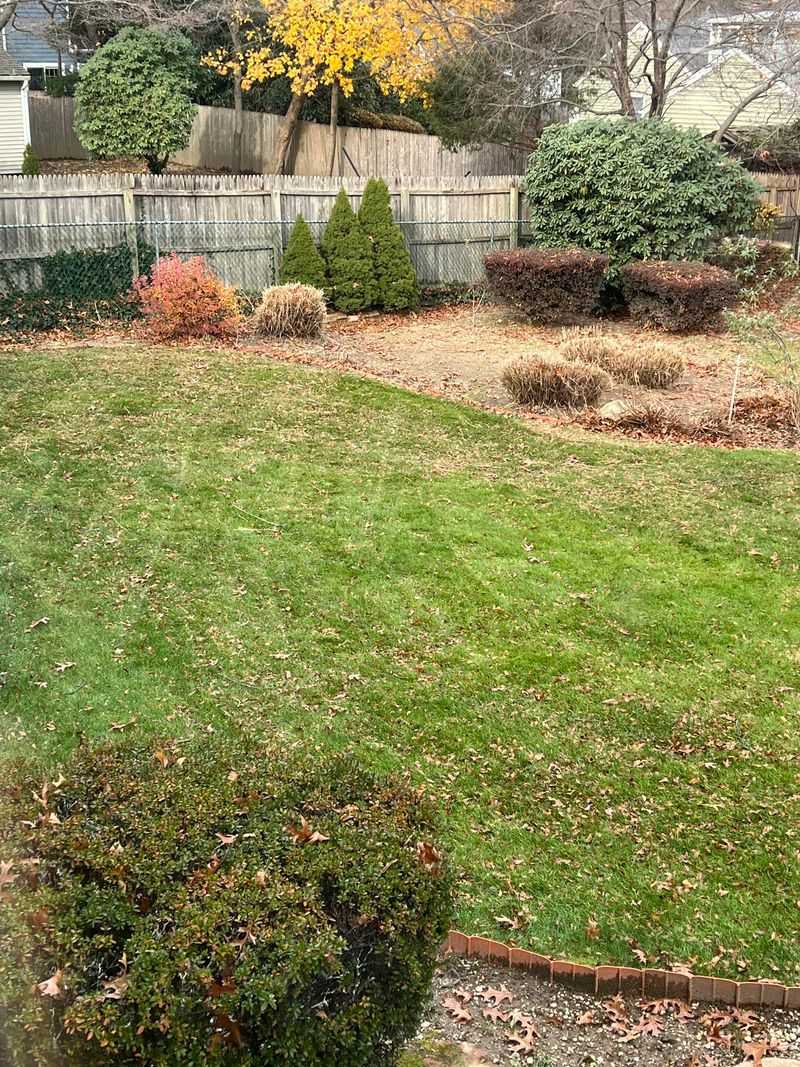
Grab a dime from your pocket and hold it up. That little coin is your best measuring tool for this whole project.
Experts suggest chopping leaves until pieces are about the size of a dime. At that size, they fall neatly between grass blades.
Once those bits drop down, they rest right on the soil. Worms and microbes find them quickly and start recycling them.
Bigger chunks tend to sit on top of the grass. They can block light and take much longer to break down.
Aim for a layer of shredded leaves no thicker than about half an inch. That amount helps the lawn without burying it.
A quick test works well here. If you can see grass poking through the leaf bits, you are in good shape.
Can you only see brown flakes covering everything? Rake some away or mow again to spread them thinner.
Earthworms love this layer and often pull pieces down into their tunnels. Their tunnels also help air and water move through the ground.
Here is a cool detail many people miss. Worm castings left behind are packed with plant-friendly nutrients.
By late fall, most dime-sized pieces nearly vanish from view. They are still working underground, slowly building better soil.
Check your lawn a few days after mowing. Seeing fewer flakes on top means the process is doing its job.
A Mulching Blade Does The Chopping
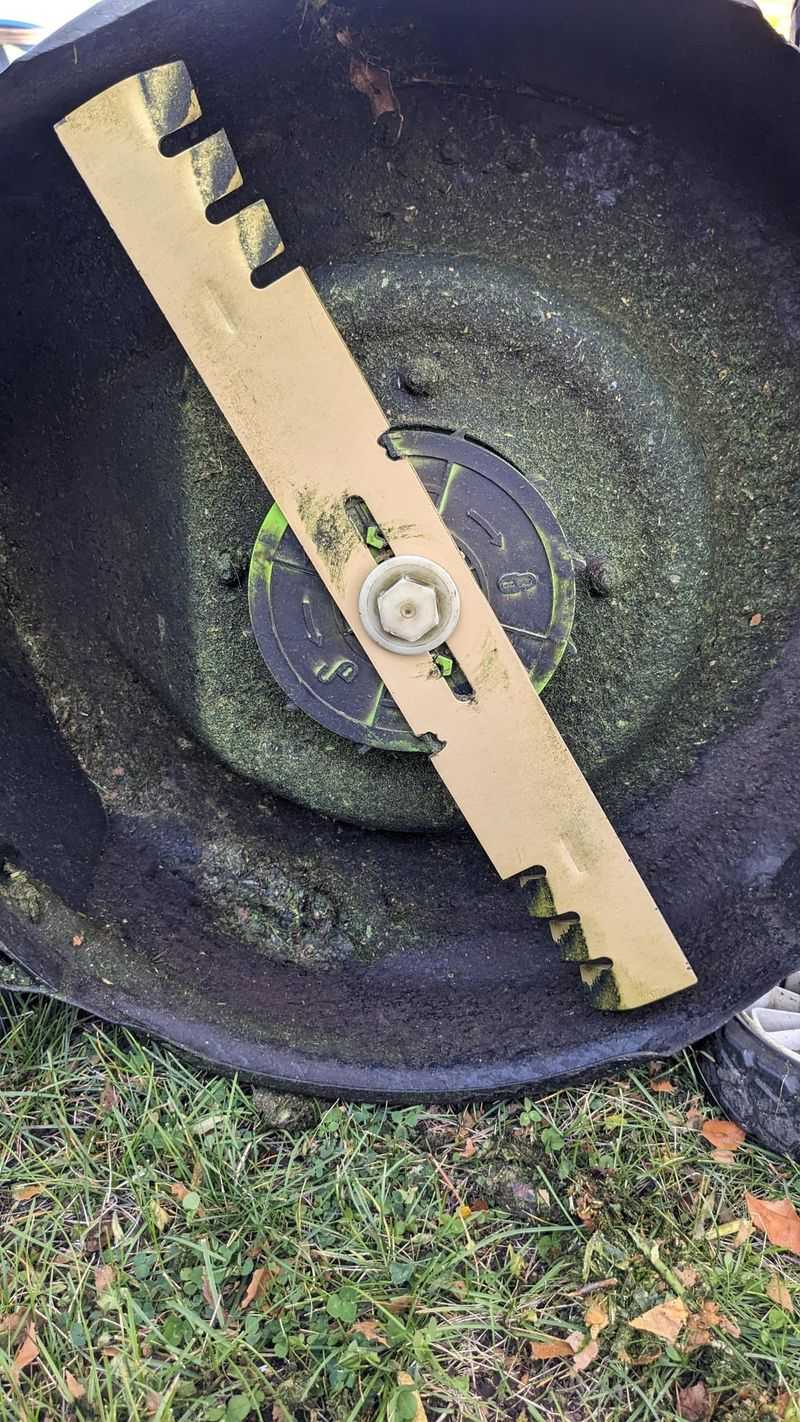
Your mower might already be a secret leaf shredder. A small blade swap can make it even better at the job.
Mulching blades have curved edges and extra cutting surfaces. They are built to chop leaves into tiny pieces again and again.
Inside the mower deck, the blade creates strong airflow. Leaves swirl around and get sliced several times before dropping out.
Regular blades can still work, though they take more passes. Close the side chute or bagging door so leaves stay under the deck longer.
Many hardware stores sell mulching blades for under thirty dollars. Check your mower model before buying one.
Installing a blade usually takes about fifteen minutes. Always disconnect the spark plug or remove the battery first for safety.
Sharp blades shred far better than dull ones. Get yours sharpened at least once a season for the cleanest cuts.
Set your mower to a medium-high height, around three inches. That setting leaves room for leaves to circulate and chop.
Mowing slowly gives the blade more time to work. Rushing through thick piles can clog the deck and leave big chunks.
Got a huge pile under one tree? Spread it out with a rake first so the mower can handle smaller amounts.
With the right blade, leaf season goes from dreaded chore to quick weekend task. Some folks even start to enjoy it.
Dry Leaves Shred Best
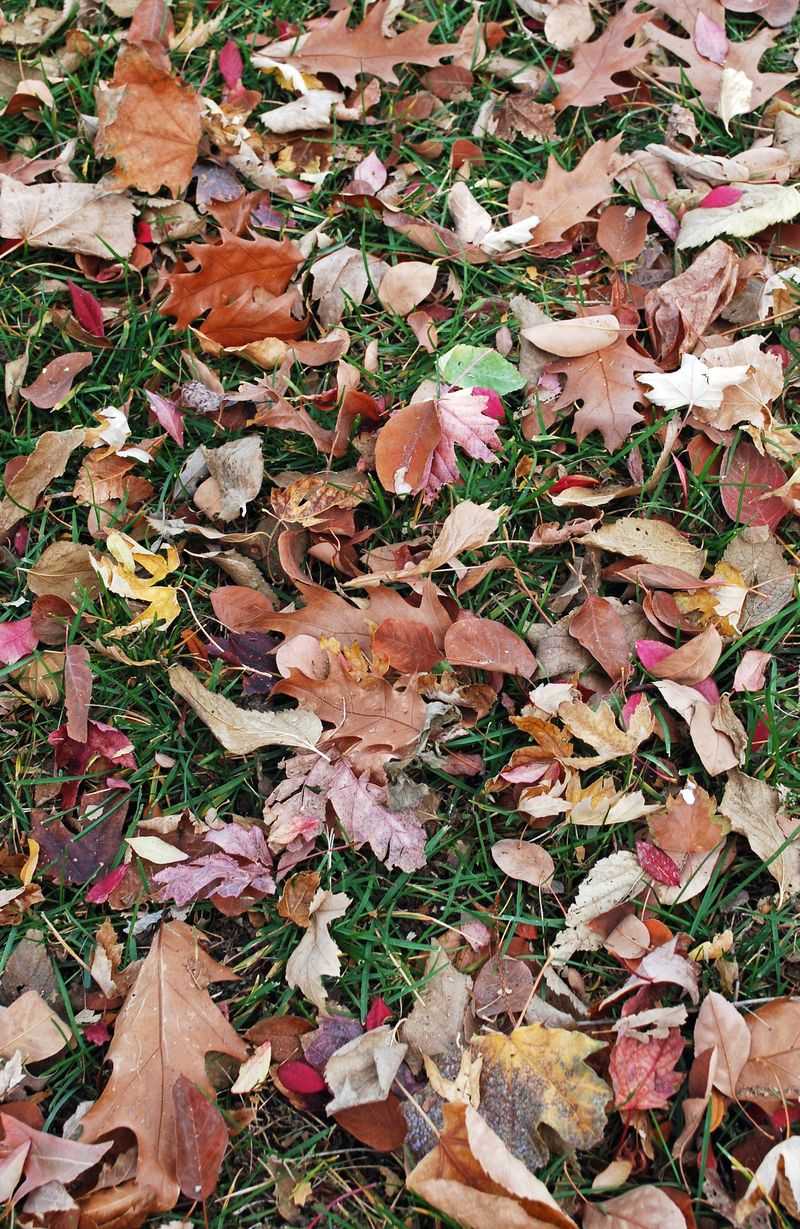
Crisp leaves crackle under your shoes for a reason. Their dryness makes them brittle, which is exactly what your mower wants.
Shredding dry leaves is much easier and more effective than tackling wet ones. Dry pieces break apart cleanly into small flakes.
Wet leaves act like soggy paper towels. They stick together, clog the mower deck, and leave clumps behind.
Choose a sunny day for your leaf mowing session. Afternoon often works better than morning, after the dew has burned off.
New York weather in October can swing from bright skies to chilly rain fast. Keep an eye on the forecast and plan around dry spells.
Waiting a day or two after rain usually pays off. Leaves on top dry quickly, even if the ground stays a little damp.
Wet clippings can also be hard on your mower. They build up under the deck and may cause rust over time.
Here is a handy trick for borderline days. Mow a small test strip first and see if the pieces come out fine.
If they look mushy or clumpy, hold off for now. A little patience saves a lot of cleanup later.
Clean the mower deck after each session using a stiff brush. Removing stuck bits helps the blade spin freely next time.
Timing really is everything with leaf mulching. Pick the right day, and the job feels almost effortless.
Whole Leaves Left Alone Can Smother Grass
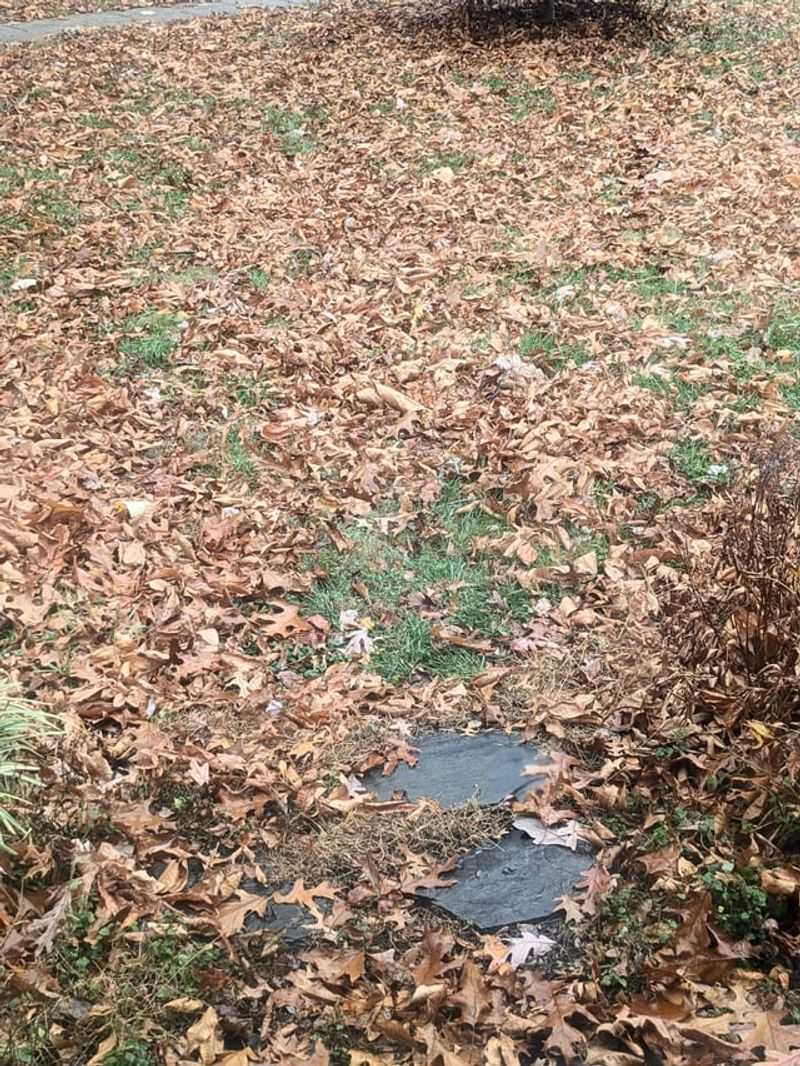
Ignoring leaves entirely sounds tempting, but your grass may pay the price. A thick blanket of whole leaves can cause real trouble.
Deep layers block sunlight, water, and air from reaching the grass. Without those basics, blades turn weak and pale.
Matted leaves trap lots of moisture against the ground. That damp, dark space becomes a perfect home for fungus.
Snow mold is one common result in snowy places. It shows up in spring as gray or pink circular patches.
Upstate New York gets plenty of snow cover each winter. Leaves trapped beneath it raise the risk of those ugly spots.
Bare patches often appear where leaves piled up the thickest. Grass under those spots simply could not breathe or grow.
Pests may also hide in heavy, soggy leaf piles. Voles sometimes tunnel through them and chew on grass below.
A thin, scattered layer of whole leaves is usually fine. Problems start when you cannot see grass through the cover.
Walk your yard weekly during peak leaf drop. Mow or rake any area where leaves start stacking up.
Corners near fences and buildings often collect the most leaves. Wind pushes them there, so check those spots first.
Taking action early keeps small piles from becoming big headaches. A few minutes now beats patching bare spots next May.
Extra Shredded Leaves Become Free Garden Mulch
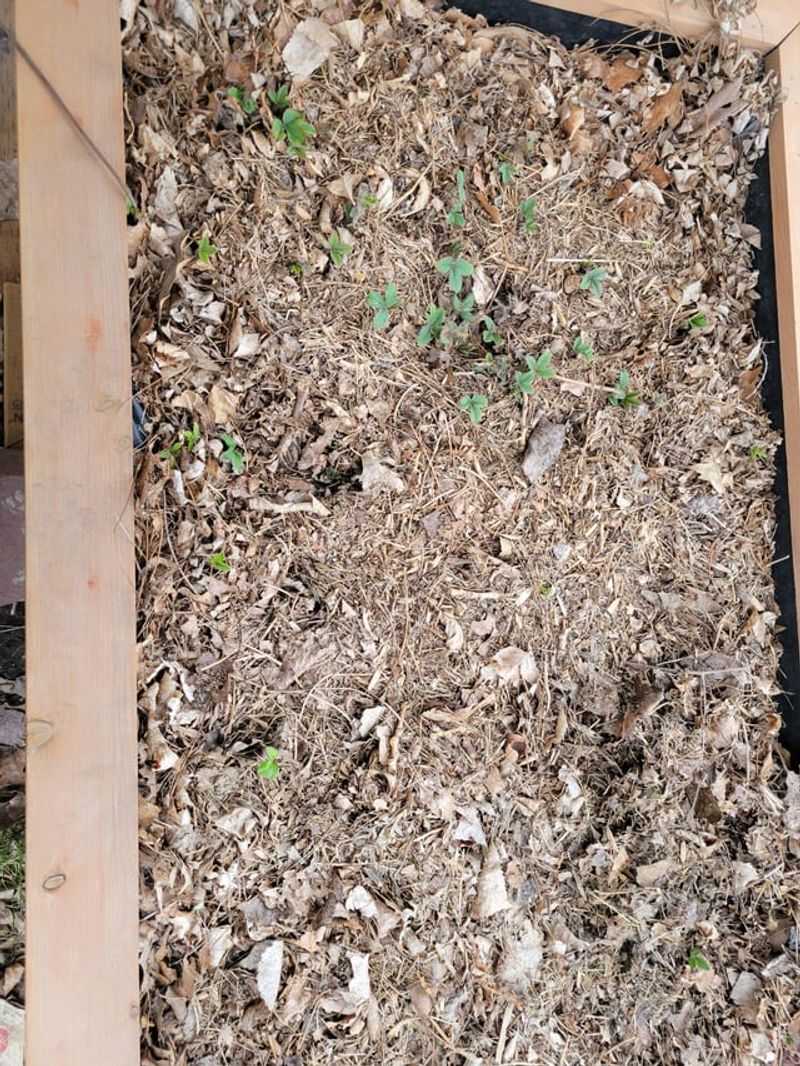
Sometimes your lawn simply cannot take any more leaves. Luckily, your flower beds are hungry for the leftovers.
Shredded leaves make excellent mulch for gardens, trees, and shrubs. They look natural and blend right into the landscape.
Spread a layer about two to four inches thick around plants. Keep it a few inches away from tree trunks and stems.
Leaf mulch helps soil hold onto moisture. Your plants stay hydrated longer, especially during dry spells.
Weeds struggle to push through a good leaf layer. Fewer weeds means less pulling for you next season.
Mulch also works like a cozy blanket in winter. It protects roots from harsh freezing and thawing cycles.
Gardeners in New York face wild temperature swings from November to March. A leaf layer helps perennials ride out those changes.
Vegetable gardens love this material too. Work the old mulch into the soil in spring for an extra boost.
Many gardeners call aged leaves leaf mold. That crumbly, earthy stuff is prized as a soil conditioner.
Want to make your own? Pile extra shredded leaves in a corner and let them sit for a year or so.
Collect shredded leaves using your mower bag after the lawn has enough. Then dump them straight onto beds without any extra steps.
Skipping The Bags Saves Time And Money
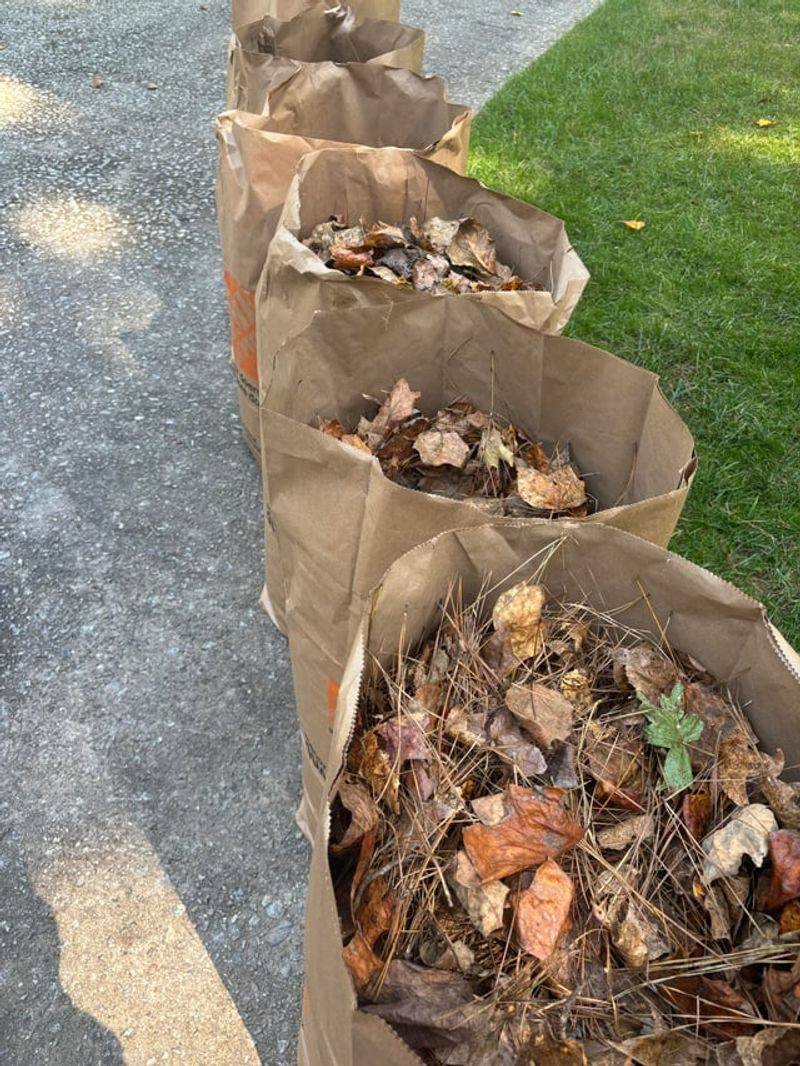
Remember those Saturday afternoons spent raking, stuffing, and hauling? Plenty of homeowners would gladly trade that routine for something easier.
Mulching leaves into the lawn cuts out most of that work. One mowing session can replace hours of raking.
Paper yard bags add up fast over a long fall season. Some towns also charge pickup fees for extra yard waste.
A busy yard might need dozens of bags each year. Skipping them could save you real money every autumn.
Landfills are another part of the story. Leaves buried there break down without air and release methane, a strong greenhouse gas.
Yard waste makes up a big chunk of what towns collect. Keeping leaves home eases the load on local services.
Many communities across the state now encourage residents to keep leaves on their property. Some even run programs teaching the method.
Your back will thank you too. Less raking means less bending, lifting, and next-day soreness.
Use the extra free time for fun fall activities. Apple picking or a leaf-peeping drive sounds way better than bagging.
Not ready to give up raking entirely? Start by mulching just the front or back yard this year.
Compare results next spring and see which side looks better. Many people never go back to bagging after one try.
Extra Organic Matter Loosens Soil For Deeper Roots
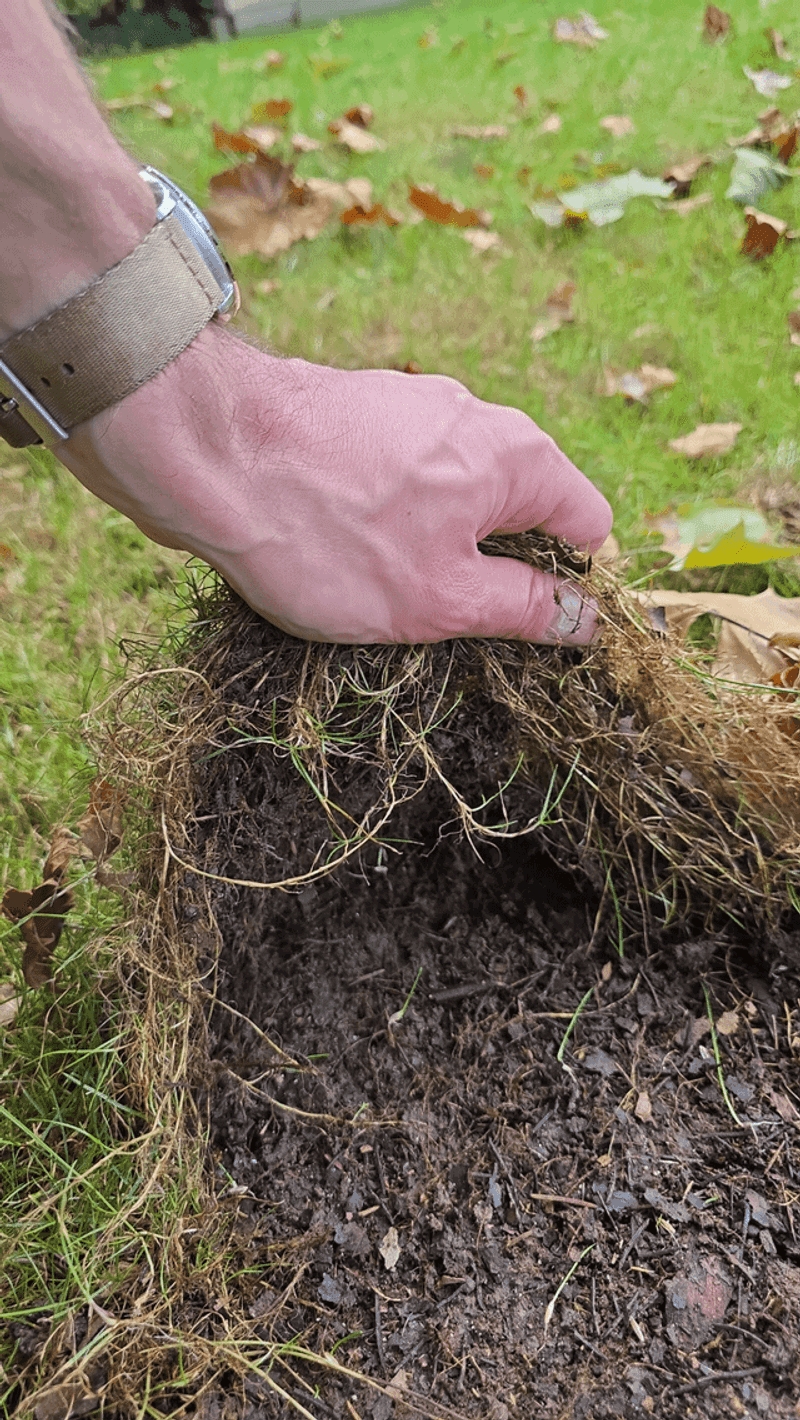
Dig a small hole in your lawn and take a good look. Hard, pale dirt tells a very different story than dark, crumbly soil.
Decomposing leaves add organic matter to the ground. Over time, that material changes how your soil feels and works.
Organic matter creates tiny pockets and spaces in the earth. Roots slip through those gaps and reach deeper than before.
Air and water move more freely through loose soil as well. Grass gets both without struggling against packed ground.
Clay soil is common across many parts of New York. Leaves help break up that heavy, sticky texture season after season.
Sandy soil benefits in another way. Organic matter helps it hold water instead of letting it drain away fast.
Deeper roots mean tougher grass. Your lawn can handle summer heat and dry weeks with less watering.
Healthy soil also supports a busy underground community. Worms, fungi, and microbes thrive when they have plenty to eat.
Results build slowly, so give it a few years. Each October adds another layer of improvement below the surface.
Try a simple test each spring with a screwdriver. If it pushes into the ground more easily, your soil is loosening up.
That small tool can show big progress. Watching your lawn grow stronger each year makes the leaf habit feel worthwhile.