These California Plants Could Be Banned In Even More Counties Next Year
Some of the most familiar plants in California yards carry a reputation that rarely shows up on nursery tags. They look harmless in a pot, grow with almost no effort, and often fill slopes, fences, and shady corners for decades.
Beyond the garden gate, though, several of them behave very differently.
Escaped patches creep along creeks, coastal bluffs, and canyons, crowding out native plants and adding fuel during fire season. Pressure to limit them keeps building in cities, counties, and land agencies across the state.
Knowing which plants face the most scrutiny can save money, effort, and a few headaches later.
Better yet, each one has a native stand-in waiting in the wings, ready to steal the spotlight.
Jubata Grass Is Already State Listed
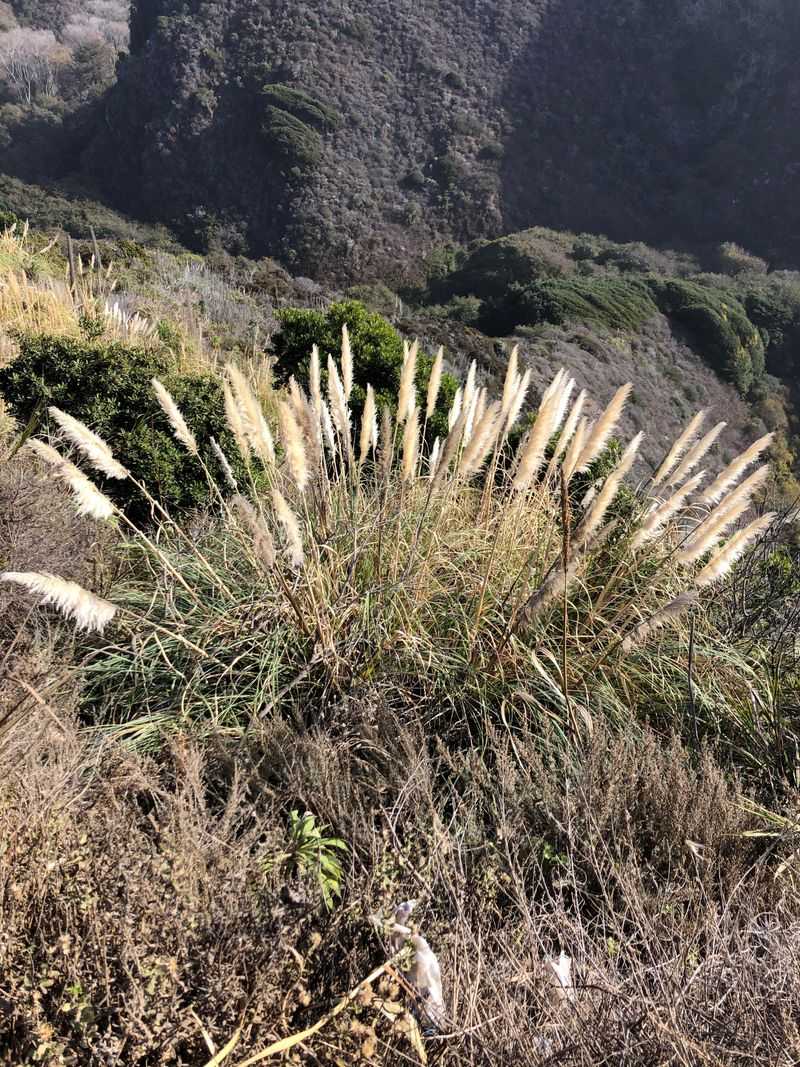
Pink-tinged plumes waving on a coastal cliff look harmless from the highway. Up close, jubata grass ranks among the most troublesome grasses along the California coast.
This close cousin of pampas grass carries a clever trick. It can produce seed without pollination, so a single plant growing alone can still spread far.
Each clump releases huge amounts of tiny, wind-carried seed. The California Invasive Plant Council, known as Cal-IPC, gives it a high rating for harm, and dense stands crowd out native coastal scrub.
Parks, land trusts, and coastal agencies already spend considerable effort pulling it from bluffs and forests. That ongoing work keeps jubata grass high on lists for stronger local action.
Several sources describe it as listed on the state noxious weed list. The California Department of Food and Agriculture’s noxious weed pages offer the best place to confirm current status.
State ratings matter because they shape what’s legal. Listed plants can face limits on sale, transport, or propagation, and ratings guide how county officials respond to new infestations.
Telling jubata grass from pampas grass takes a careful eye. Jubata plumes often look looser and pinkish to purple before fading to cream, and its leaves usually stay greener at the base.
A suspicious clump spreading near open land deserves a photo. The county Agricultural Commissioner’s office or local Cal-IPC partners can help confirm its identity.
Giant wildrye and deer grass make handsome native replacements on coastal properties.
Pampas Grass Is Legal But Widely Discouraged
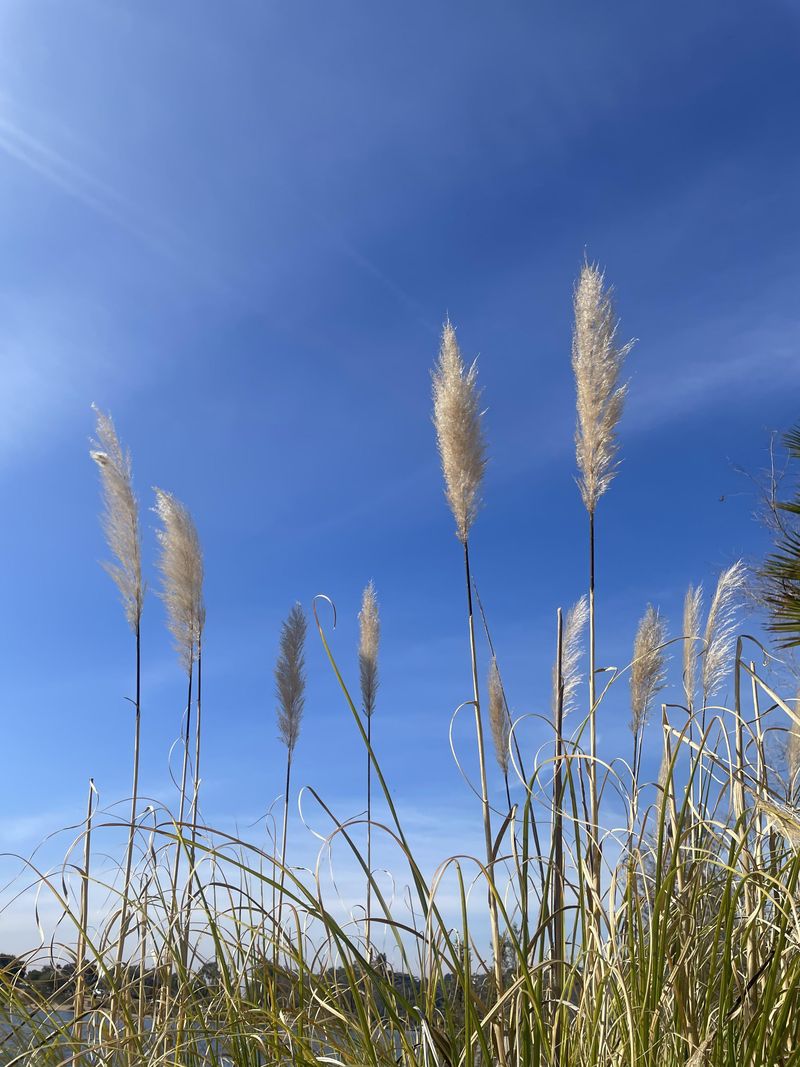
Fluffy plumes in wedding bouquets and home decor made pampas grass a social media favorite in recent years. Many shoppers have no idea it ranks among California’s worst garden escapes.
Owning or growing pampas grass remains legal under state law today. It doesn’t sit in the same category as plants the state restricts, so the clump in a backyard won’t bring a ticket.
Nearly every major plant group in California, however, asks gardeners to skip it. The California Department of Fish and Wildlife includes it on its Don’t Plant Me list.
Cal-IPC rates it high for harm, and the PlantRight program encourages nurseries to stop selling it. A single mature plant can scatter seed across a whole canyon.
Practical headaches come along, too. Leaf edges are sharp enough to cut skin, and big dry clumps can add fuel near homes during fire season.
Your California Garden Changes Every Week. Your Plan Should Too.
Gardening in California changes quickly throughout the season. Every Friday you’ll receive a simple weekly plan showing exactly what to plant, prune, fertilize, harvest, and protect so you never miss the right timing.
Removing an old clump often means heavy digging and many trips to the green waste bin. That effort alone convinces plenty of homeowners to choose something else.
Dried plumes for decor carry a sneaky risk as well. Seeds can drop and blow outdoors, starting new plants far from the vase.
Dried native grass stems or bleached wheat offer a similar look without the spreading worry.
CDFW suggests giant wildrye as a native swap. Its tall blue-green clumps hold slopes well and keep the dramatic height without seeding the neighborhood.
English Ivy And Big Periwinkle Top Avoid Lists
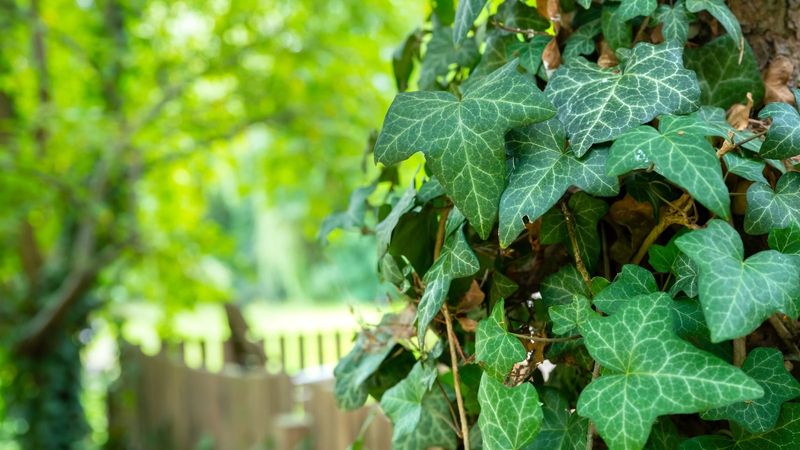
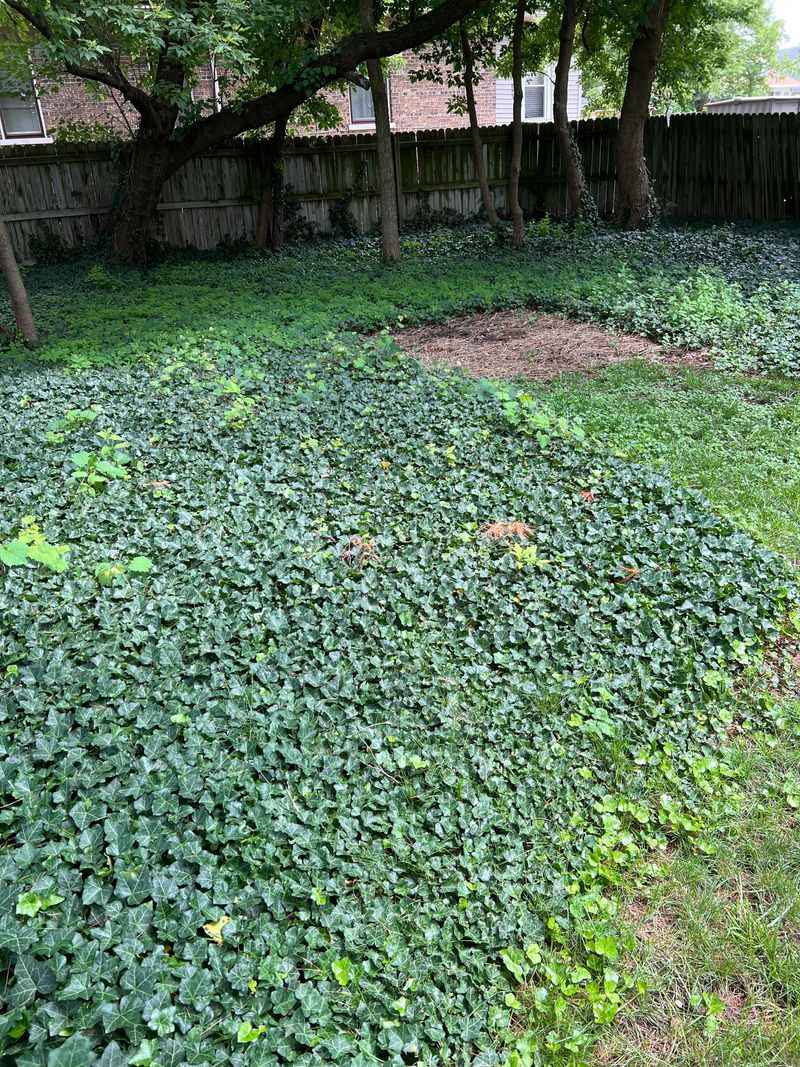
A shady creek in a city park can look like it’s wrapped in a green carpet. Up close, glossy ivy often climbs the trees while blue-flowered periwinkle smothers the banks below.
Both plants appear on CDFW’s Don’t Plant Me list. English ivy served as a classic groundcover for decades, and many older yards still carry it.
It spreads by creeping stems and by berries that birds carry into wild woods. Once vines climb trees, their weight can drag down branches and block light from native plants.
Big periwinkle grows fast in shade and along streams. Its stems root wherever they touch soil, and pieces washed downstream can start fresh patches miles away.
Thick mats push out the wildflowers and ferns that creek animals rely on. Neither plant is illegal to grow at home.
Both are discouraged because escaped patches cause serious problems in natural areas. Removal takes patience, since small root pieces often sprout again.
CDFW offers native swaps for each one. Alumroot replaces English ivy with tidy scalloped leaves and wands of tiny flowers.
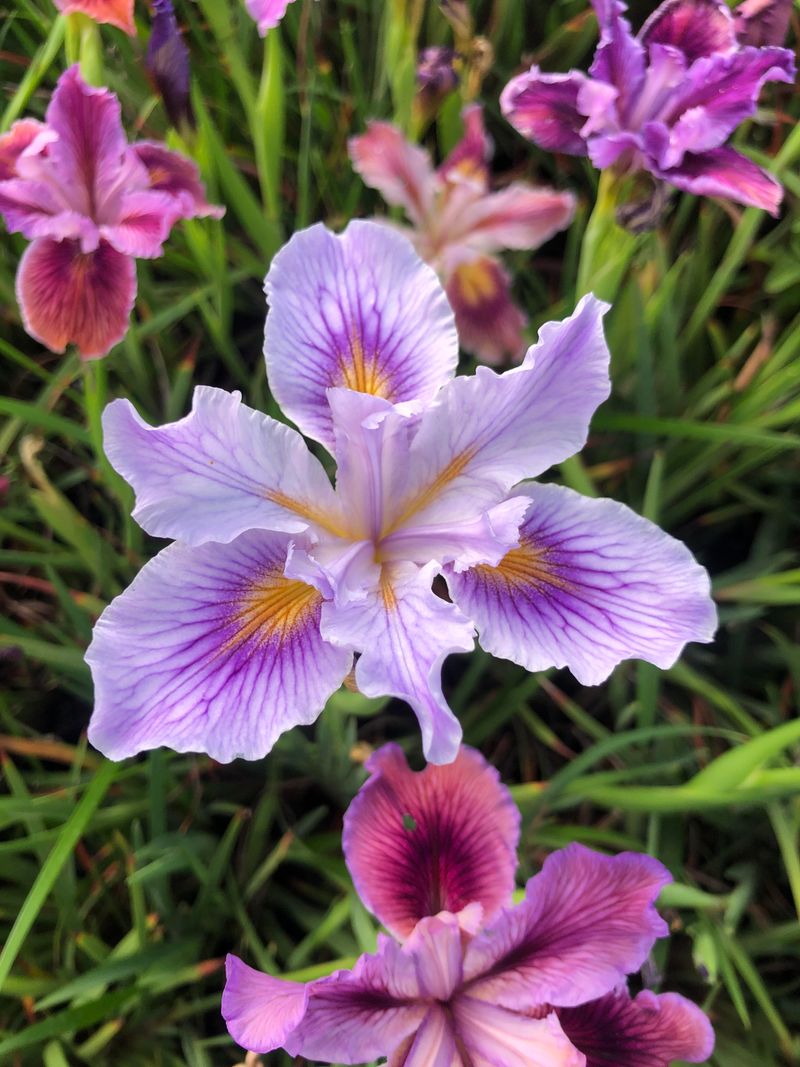
Douglas iris stands in for big periwinkle, brightening shade with purple or cream blooms. Both stay put rather than wandering into the nearest creek.
Pulling ivy and periwinkle before planting, then mulching well, gives the swap a clean start. Checks every few weeks catch sprouts early, saving backs and letting the natives win the turf war.
Iceplant And Giant Reed Spread Into Wild Areas
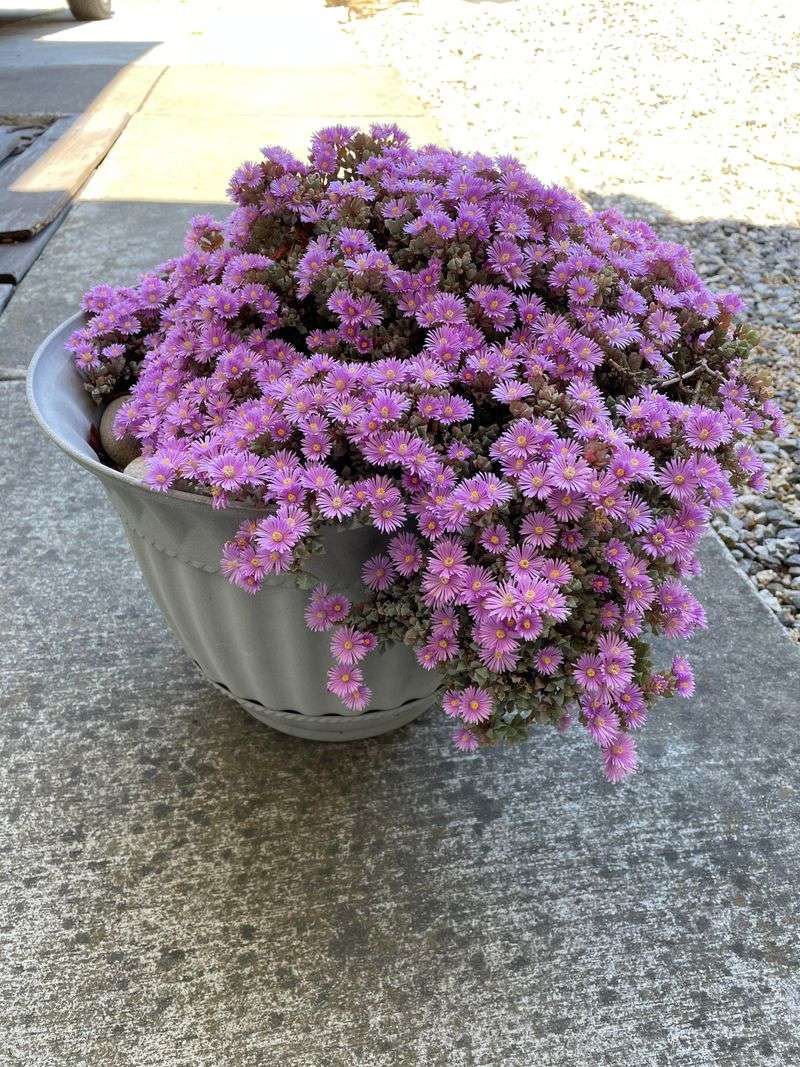
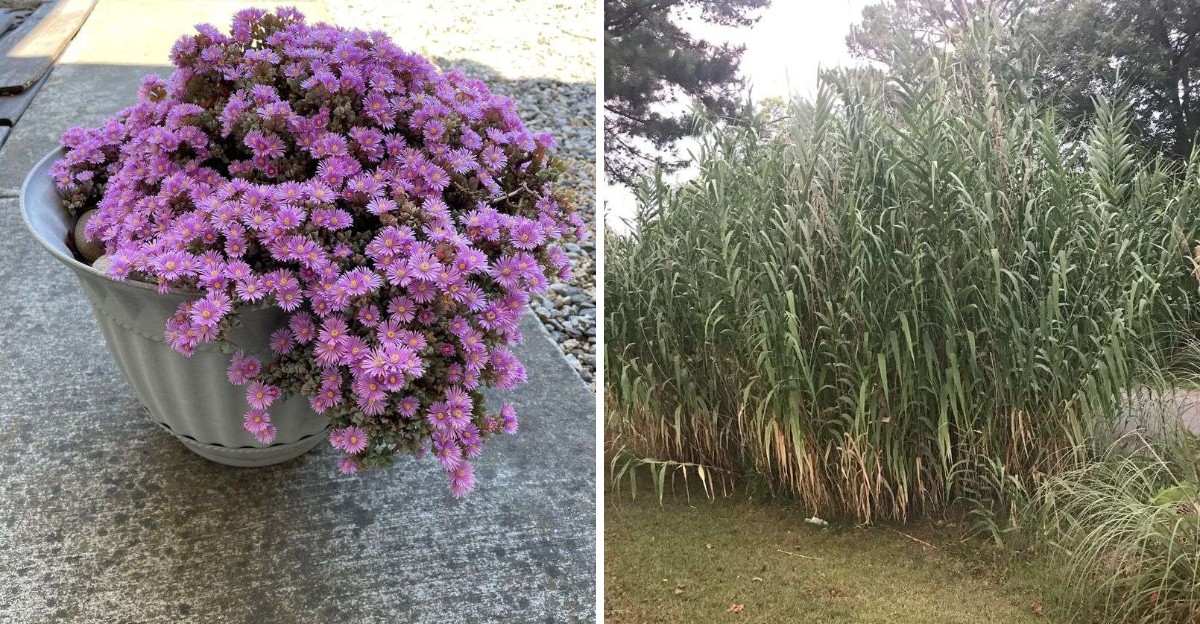
Freeway slopes across California were once planted with iceplant on purpose. Crews liked its fleshy leaves and quick cover, yet decades later, the same plant blankets coastal dunes where native plants once grew.
Iceplant lands on CDFW’s Don’t Plant Me list. It spreads by long trailing stems and by fruit that animals eat.
Dense mats change the soil underneath and crowd out rare dune plants. Thick mats on slopes can also grow heavy when soaked and slide downhill.
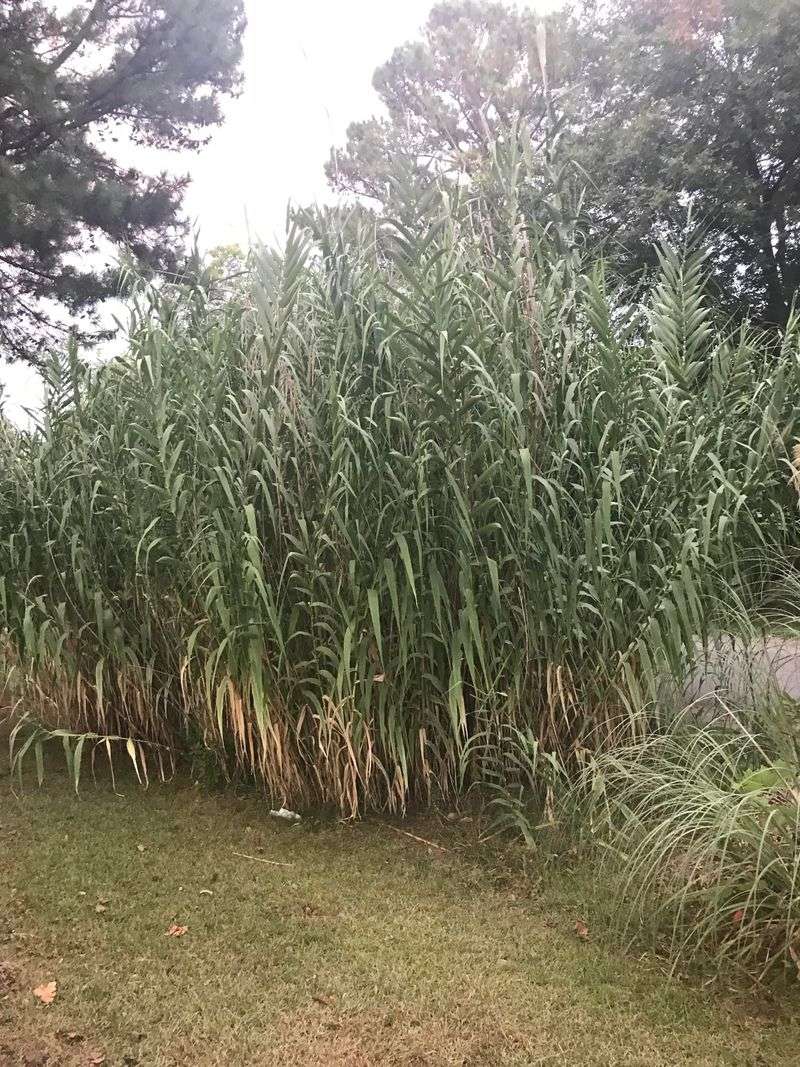
Giant reed causes trouble along rivers instead. It looks like bamboo and can grow taller than a basketball hoop.
Floods break the canes into pieces, and each piece can root downstream. Streamside forests then turn into solid walls of reed.
The plant also drinks heavily, which matters for creeks and fish during dry years. Its dry canes can add fuel to wildfires near streams, and local groups spend large sums clearing it from watersheds.
CDFW suggests native swaps for both. Purple sage, a fragrant shrub that bees adore, replaces iceplant on sunny slopes.
Willows take the place of giant reed near water. They hold stream banks, shelter birds, and grow quickly enough to form a natural screen.
Removal calls for a little caution. Cuttings dumped in open land or creeks can regrow from scraps.
Bagging them or using a green waste service keeps both plants from starting over somewhere new.
Voluntary Lists Differ From Legal Bans
Confusing an advice list with a law ranks among the most common mix-ups in this whole topic. Online articles often call any avoid list a ban, though the rules work very differently.
Legal restrictions come mainly from the California Department of Food and Agriculture’s noxious weed system. CDFA assigns ratings to listed weeds.
Depending on the rating and situation, a plant may face limits on sale, transport, propagation, or entry into the state. County agricultural officials help enforce those rules locally.
Voluntary lists work by persuasion instead. CDFW’s Don’t Plant Me list asks gardeners to skip certain invasive plants.
Cal-IPC rates plants by how much harm they cause in the wild. PlantRight works with nurseries so they choose to stop stocking problem plants.
None of those voluntary tools makes it illegal to own a plant in a yard. A nursery might still sell pampas grass or English ivy legally.
Some retailers stop carrying them anyway because customers ask for better options. Shopper demand often moves faster than any law.
Local rules add another layer. Some cities restrict plants in new landscaping, near open space, or in fire-prone areas, and homeowner associations can set their own lists.
Those rules vary widely from place to place. A plant can be legal statewide yet restricted in one city plan, or legal everywhere but strongly discouraged.
The source behind any list reveals which situation applies.
Native Swaps Exist For Each Plant
Pulling out a favorite plant can feel like losing an old friend. CDFW softens that blow by pairing problem plants on its Don’t Plant Me list with native alternatives that fill a similar role.
Several pairings make easy trades. Douglas iris replaces big periwinkle in shady spots, while alumroot steps in for English ivy.
Willows take the place of giant reed near water. Purple sage swaps in for iceplant on sunny slopes.
A few more pairings round out the list. California aster replaces onion grass, a weedy bulb that pops up in lawns and beds.
Giant wildrye stands in for pampas grass where tall, bold clumps are the goal. The CDFW page also covers other listed plants, such as red sesbania, Russian olive, and tree-of-heaven, so a quick check before shopping helps.
Native plants bring perks beyond staying off avoid lists. Many need less summer water once established.
They feed local bees, butterflies, and birds that evolved alongside them. Some stay neat with little pruning.
A fair start helps natives thrive. Fall planting lets winter rains settle roots, and deep watering during the first year, followed by a gradual taper, builds strength.
Heavy fertilizer is best skipped, since many natives prefer lean soil. Local native plant nurseries and California Native Plant Society chapters can match a swap to any yard.
A photo of the spot leads to a plan that truly grows on its owner.
Check Your County Agricultural Commissioner
A single phone call can beat hours of internet searching for questions about one plant in one yard. Every California county has an Agricultural Commissioner’s office, and plant rules are part of its job.
Those offices work with CDFA to carry out state pest and weed laws locally. Staff can explain whether a plant is restricted in a given area.
They also know about local programs that target certain weeds. Some offices help identify mystery plants from a sample or a clear photo.
A few details make the call more productive. The plant name, where it grows, and the size of the patch all help staff respond quickly.
Clear photos of leaves, flowers, and seeds add even more value. A question about city or county rules beyond state law rounds out the conversation.
City planning offices may have their own landscaping rules, too. Fire safety and water rules sometimes limit certain plants near homes.
Homeowner associations can add separate requirements on top of those. Checking each layer prevents surprises down the road.
Online resources fill in the rest. The CDFA noxious weed pages list current state ratings, while CDFW’s Don’t Plant Me page shows the avoid list and native swaps.
Cal-IPC and PlantRight explain why certain plants cause harm. Together, those sources replace rumors with facts.
Plants chosen from verified sources help the scary headlines lose their bite.