The New Jersey Lawn Mushroom Dog Owners Should Watch For After Storms
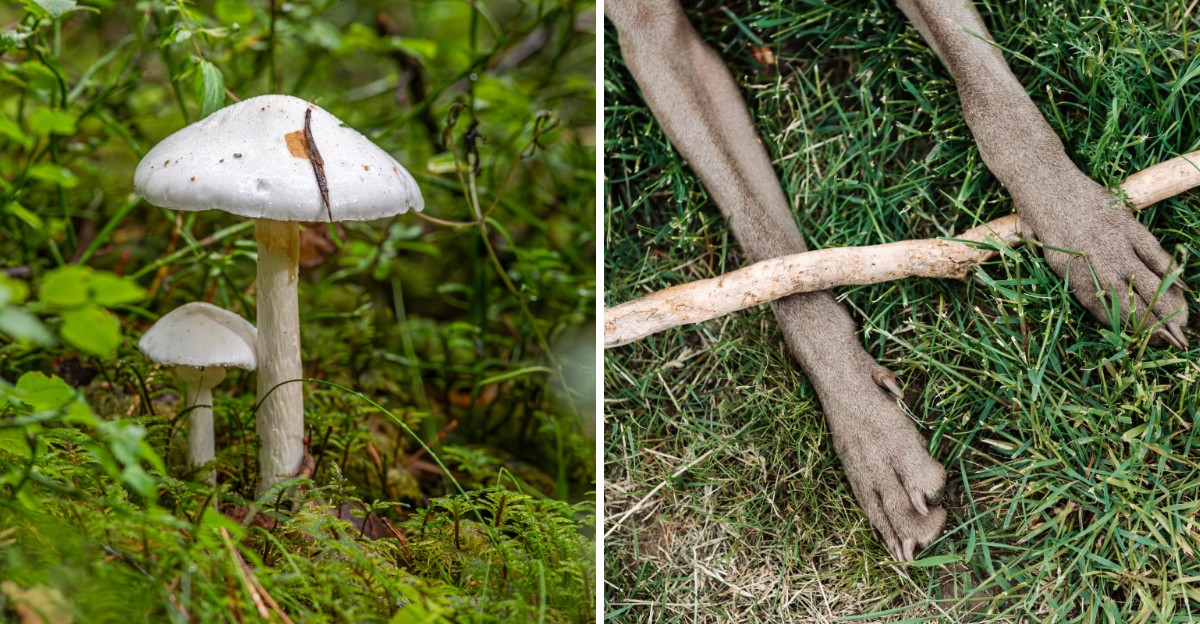
That pale cap near your oak could put your dog’s liver at risk. Storms across New Jersey push these strangers up through your lawn overnight.
Certain types love oaks, trading nutrients with your tree’s roots. Related types give off a fishy scent your dog finds irresistible.
Trouble can hide quietly for hours before any symptoms surface. Upset stomachs and drooling may ease, making it seem like he recovered.
Veterinarians across New Jersey urge owners to stay alert after storms. Identifying them from a quick glance can trip up even seasoned foragers.
Pull that cap with gloves, bag it, and snap a photo for your vet. Then scan the lawn beyond the oak, since more may appear scattered around it.
Knowing which signs matter and when to call your vet protects your pup. Your quick recall this morning bought him precious time.
The White Amanita Leads Lawn Mushroom Concerns
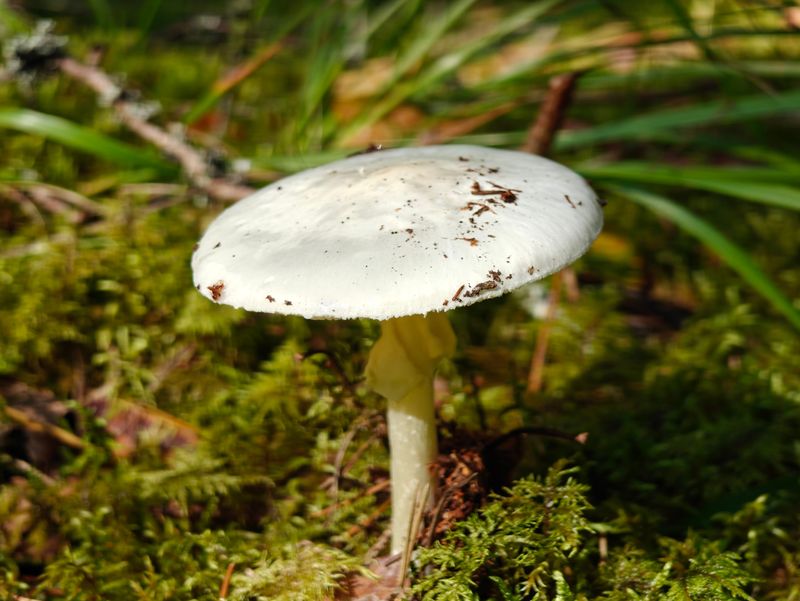
Picture a mushroom so pretty it could star in a fairy tale. In reality, the destroying angel ranks among the riskiest species.
Amanita bisporigera and its white Amanita cousins are among the most toxic mushrooms in New Jersey. They grow in lawns, parks, and wooded edges across the state.
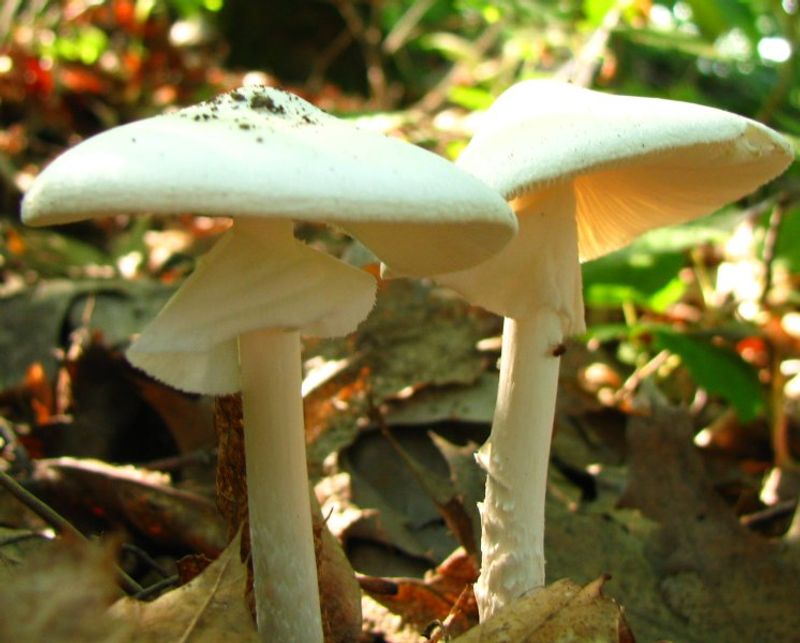
The whole mushroom is bright white, from cap to stem. The cap starts egg-shaped, then opens into a smooth dome or flat umbrella.
Flip one over with a gloved hand, and you will see white gills underneath. A thin, skirt-like ring often hangs near the top of the stem.
The biggest clue hides underground, so gentle digging matters. At the base sits a cup-shaped sac called a volva, like an egg shell.
Even a small amount can seriously harm a dog’s liver and kidneys. The poison, called amatoxin, does not break down with cooking or drying.
Dogs face extra risk from fishy-smelling mushrooms, though destroying angels often carry only a faint odor. Puppies and young dogs also tend to taste first and think later.
Veterinarians across the Northeast report mushroom poisoning cases, especially after wet weather. Knowing this mushroom by sight helps you act faster when it counts.
Snap a photo whenever you find a white mushroom in your yard. That picture could help a vet or mushroom expert make a quick call.
Local groups like the New Jersey Mycological Association may also help with identification. Check the group’s website to see how members handle photo requests from pet owners.
Storm Rain And Hidden Tree Roots Behind Each Sudden Crop
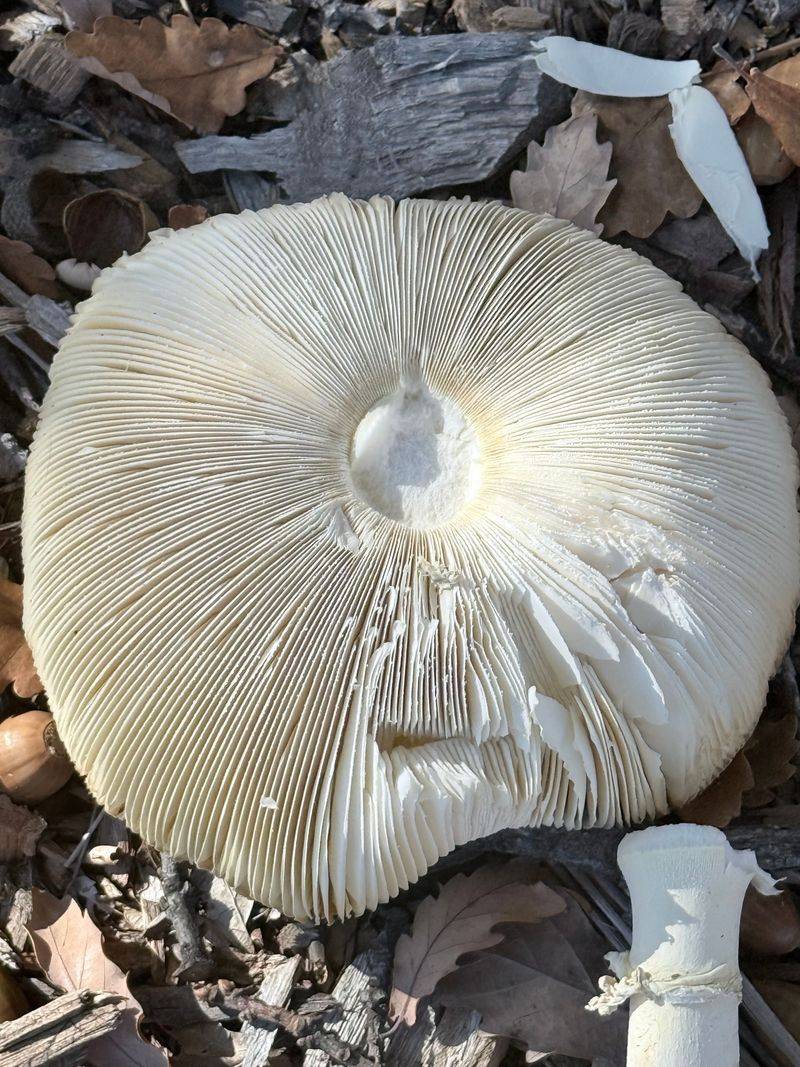
Mushrooms are like the tip of an iceberg, with most of the living organism hidden below. Under your lawn, a web of fine threads waits quietly for the right moment.
Destroying angels form a partnership with tree roots, especially oaks, beeches, and birches. The fungus trades nutrients with the tree, and both sides benefit.
That partnership explains why these mushrooms pop up near shade trees. You might find them several yards from the trunk, right where the roots spread.
A heavy storm acts like a starting pistol for the hidden fungus. Soaked soil and warm air tell it to push up mushrooms and release spores.
Your New Jersey Garden Changes Every Week. Your Plan Should Too.
Gardening in New Jersey changes quickly throughout the season. Every Friday you’ll receive a simple weekly plan showing exactly what to plant, prune, fertilize, harvest, and protect so you never miss the right timing.
New Jersey summers bring muggy heat and pop-up thunderstorms, which is perfect mushroom weather. Many homeowners notice a fresh crop within one to three days of steady rain.
The season runs from June through October, sometimes later. August and September tend to be the busiest months, especially after tropical storms roll through.
Lawns with old stumps or buried wood can host other surprise crops. Destroying angels, however, need living tree roots, so watch the ground near healthy trees.
Mushrooms can appear overnight and fade within a few days. That quick cycle means yesterday’s clean lawn may look very different this morning.
Keep a simple weather habit after every big storm. Check the yard the next morning and again two days later before letting your dog roam.
Pay extra attention to shady spots under trees, since sunlight dries out mushrooms faster. Those damp corners are where mushrooms tend to appear.
The Common Mix-Up With Harmless White Mushrooms
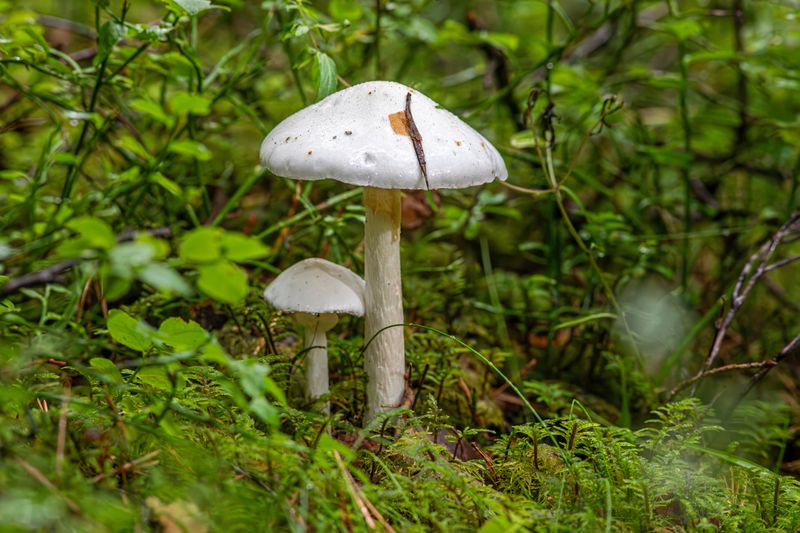
Plenty of smart people have been fooled by a friendly looking white mushroom. Mistaking a destroying angel for a harmless lookalike is a frequent, serious error.
Young destroying angels, still in their egg stage, look a lot like puffballs. Both are round, white, and smooth, and they can sit side by side.
A quick test helps tell them apart. Slice the button in half, and a hidden mushroom shape inside means it is an Amanita, not a puffball.
Another trap involves meadow mushrooms, which are cousins of the grocery store button. The key difference sits under the cap, where meadow mushrooms show pink or brown gills.
Destroying angels keep white gills from start to finish. Pulling a mushroom without its base can also cause confusion, because the volva often stays buried.
Some owners assume a dog would avoid something bad by instinct. Dogs do not carry any built-in mushroom radar, and curious dogs often investigate.
Another mistake is waiting for symptoms before calling a vet. Signs can take six to twenty-four hours to show, and by then absorption is often well underway.
Mowing over mushrooms is a sneaky slip too. Shredded caps scatter, and a sniffing dog can gobble tiny pieces.
Treat any wild mushroom with caution until an expert says otherwise. The death cap and green-spored parasol can also sicken dogs. Extra caution takes little effort, while misidentification carries real risk.
Folk tricks, like peel tests, do not work either. Only careful identification of the gills, ring, and base gives real answers.
A Fast Emergency Plan For A Curious Dog
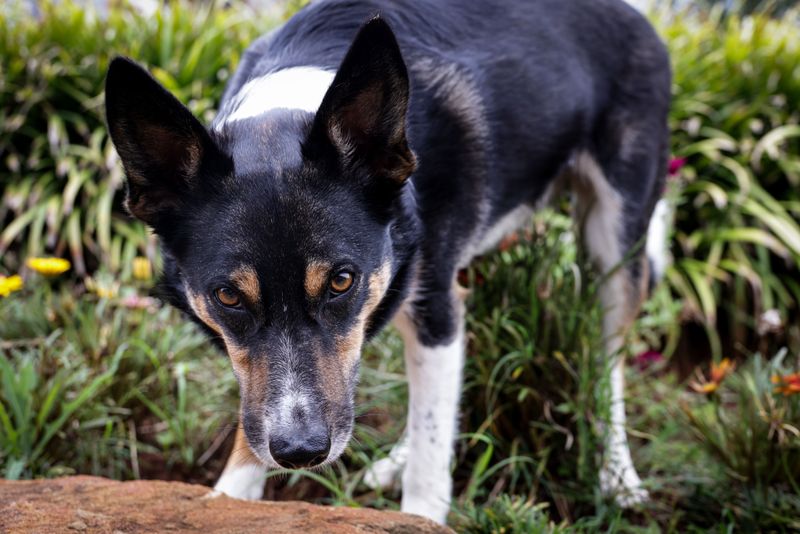
If you suddenly see a mushroom stem sticking out of your dog’s mouth, stay focused. Take a deep breath, because calm and quick action matters most right now.
First, gently remove any leftover pieces from your dog’s mouth. Wear gloves or use a paper towel to protect your own hands.
Next, grab a sample of the mushroom, including the base if possible. Place it in a paper bag, not plastic, so it stays in better shape.
Call your veterinarian or the nearest emergency animal hospital right away. The ASPCA Animal Poison Control Center at 888-426-4435 answers calls nonstop, though a fee may apply.
Do not try to make your dog vomit at home unless a vet tells you to. Home remedies like salt water can cause serious problems of their own.
At the clinic, the vet may safely trigger vomiting if the snack was recent. Activated charcoal often follows, since it soaks up toxins still in the gut.
Treatment may also include IV fluids and liver-protecting medicines. Blood tests help the team track how your dog’s organs are handling things.
Share every detail you know, such as the time and how much was eaten. Photos of the mushroom where it grew can help experts identify it faster.
Fast treatment matters most in these cases. Dogs treated within the first few hours have a much better shot at a smooth recovery.
Save the vet and poison control numbers in your phone today. Having both ready saves precious minutes in a real emergency.
Recovery Outlook And The Liver Watch Afterward
Amatoxin poisoning plays a tricky game with pet owners. Many dogs seem to bounce back after early stomach trouble, but liver effects may still be developing.
The first stage usually brings vomiting, diarrhea, and drooling within six to twenty-four hours. A quiet phase can follow, often lasting up to a day.
Vets call this the false recovery period, and it fools many families. Behind the scenes, the toxin can continue affecting liver cells.
The third stage can bring yellow gums, weakness, bruising, and confusion. Those signs point to serious liver trouble and need intensive care.
Outcomes depend heavily on how much was eaten and how fast treatment began. Small dogs face higher risk, since a tiny bite goes further in a smaller body.
Amatoxin poisoning in dogs can have serious outcomes, even with prompt veterinary care. Still, dogs that get early treatment often pull through and live happy lives.
Recovery can take several days in the animal hospital. Your vet will likely run repeat blood tests to check liver values as things improve.
Once home, your dog may need special food and liver support supplements for weeks. Follow-up visits help confirm the liver is healing on schedule.
Healthy livers have an amazing ability to regrow damaged tissue. That natural repair power is one reason fast care makes such a difference.
Keep an eye on energy, appetite, and gum color during the weeks after. Call your vet quickly if anything seems off, even something small.
Daily Yard Sweeps That Help Protect Paws

Think of your backyard as a runway that needs a quick safety check before takeoff. A five-minute walk after storms can help prevent an emergency vet visit.
Walk the lawn each morning during mushroom season, from June through October. Focus on shady spots, tree lines, and areas around old stumps.
Wear gloves and pull up every mushroom you find, base and all. For disposal, seal them in a bag and toss it in an outdoor trash can.
Skip the compost pile, since spores and scraps can spread there. Wash your hands afterward, even if you wore gloves the whole time.
Leash walks help a lot during wet weeks. A short leash lets you steer your dog away from suspicious patches at the park.
Teaching a solid leave it command is another smart move. Practice with treats at home, then reward your pup for ignoring things on walks.
Reducing shade and extra moisture can slow mushroom growth. Trimming low branches and fixing soggy spots with better drainage makes your lawn less inviting.
Grinding out old stumps and raking up rotting leaves also helps. Fungicides do not stop these mushrooms, because the fungus lives deep among tree roots.
Share what you know with neighbors who own dogs too. A quick text after a big storm can help protect every pup on the block.
A little routine goes a long way here. Your dog gets safe zoomies, and you get peace of mind with your morning coffee.