The North Carolina Bulbs To Plant In September For Beautiful Spring Color
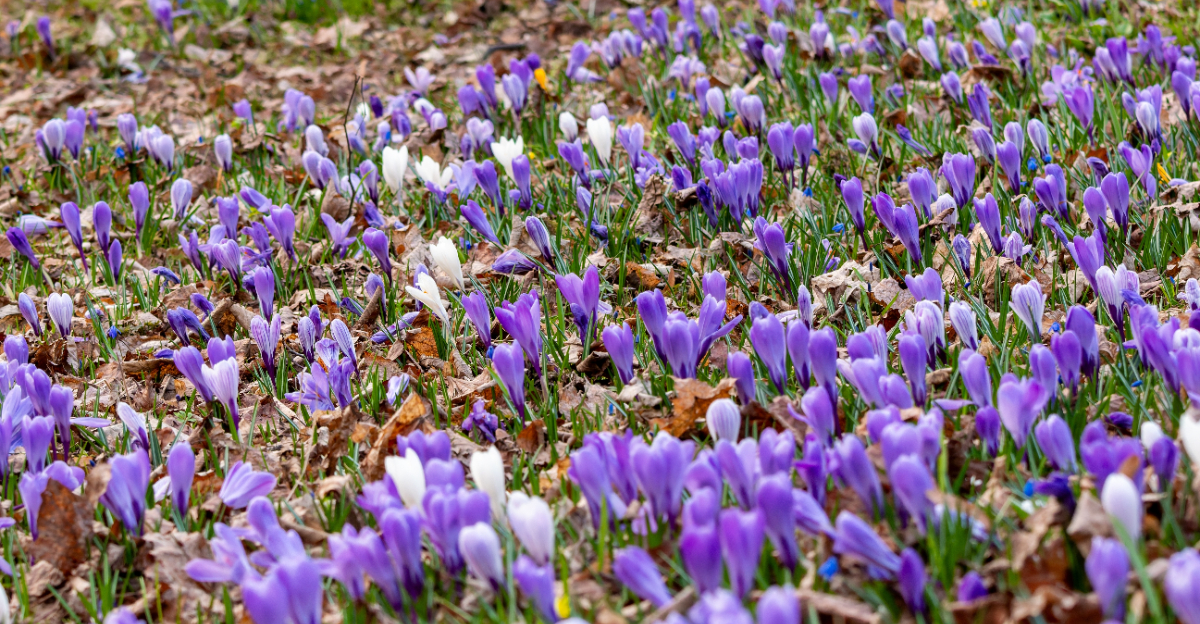
September might feel too early to think about spring, but several bulbs actually depend on this specific planting window to perform their best next year.
North Carolina gardeners who wait until the more obvious fall planting rush often miss the ideal timing these particular bulbs really need. Getting bulbs into the ground now allows enough time for root establishment before winter settles in for good.
Skip this early window, and you risk a noticeably weaker or delayed spring display compared to what’s actually possible. Understanding exactly which bulbs benefit from this earlier timing could make a real difference in how your yard looks come spring.
Many gardeners are surprised by how much of next year’s success depends on decisions made this early. A little planning now sets the stage for a spring display well worth the wait.
1. Daffodils Bring Reliable Spring Color
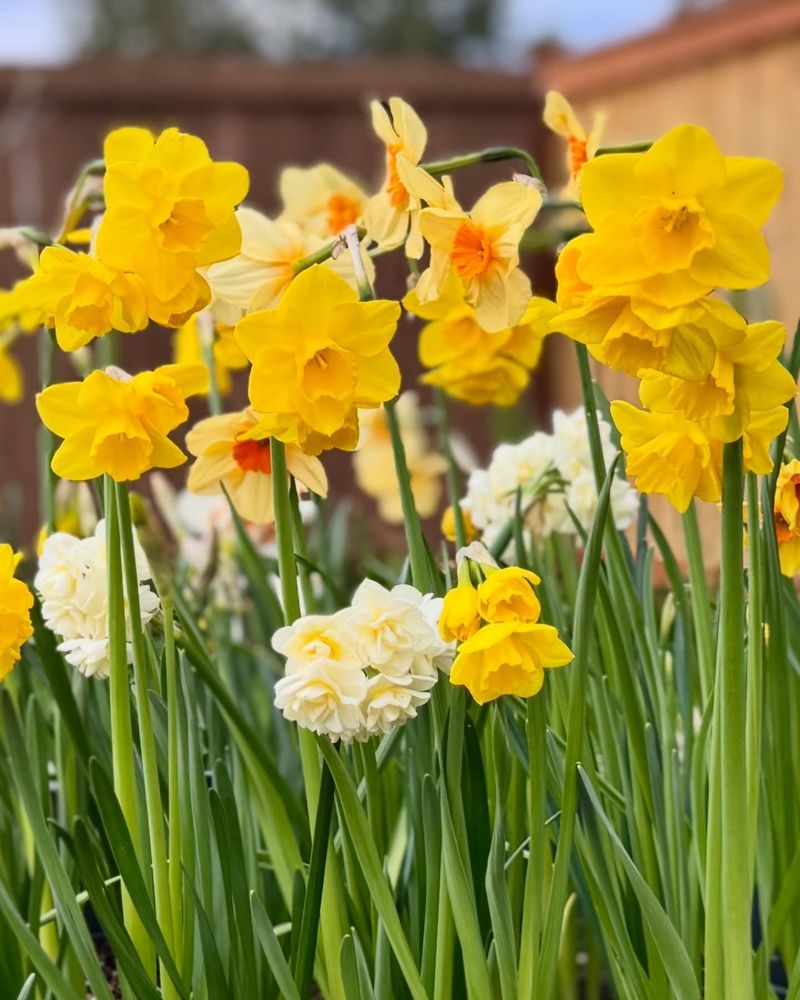
Few flowers say spring quite like a cheerful patch of daffodils. They pop up year after year, and in North Carolina they truly feel at home. Once you tuck them into the ground in September, they mostly take care of themselves.
What makes daffodils such a smart pick is how they multiply. A handful of bulbs can slowly spread into a big golden crowd over several seasons. You dig them in once and get more flowers every year without buying new bulbs.
Squirrels and deer tend to leave daffodils alone, which is a huge bonus if critters raid your garden. The bulbs have a bitter taste that keeps hungry animals away, so your hard work stays safe.
Plant them about six inches deep and point the pointy end up. Pick a spot with full sun or light shade and soil that drains well. Soggy ground is the one thing daffodils really dislike.
They come in more than just classic yellow, too. You can find white, orange, cream, and even soft pink blends that stretch the bloom season across many weeks. Mixing early and late types keeps the show going longer.
After the flowers fade, leave the leaves in place until they turn brown. Those green leaves soak up sunlight and feed the bulb for next spring. It may look messy for a bit, but that patience rewards you with a fuller display.
For beginners and busy gardeners, daffodils offer the best mix of easy care and dependable beauty.
2. Crocus Starts Spring Early
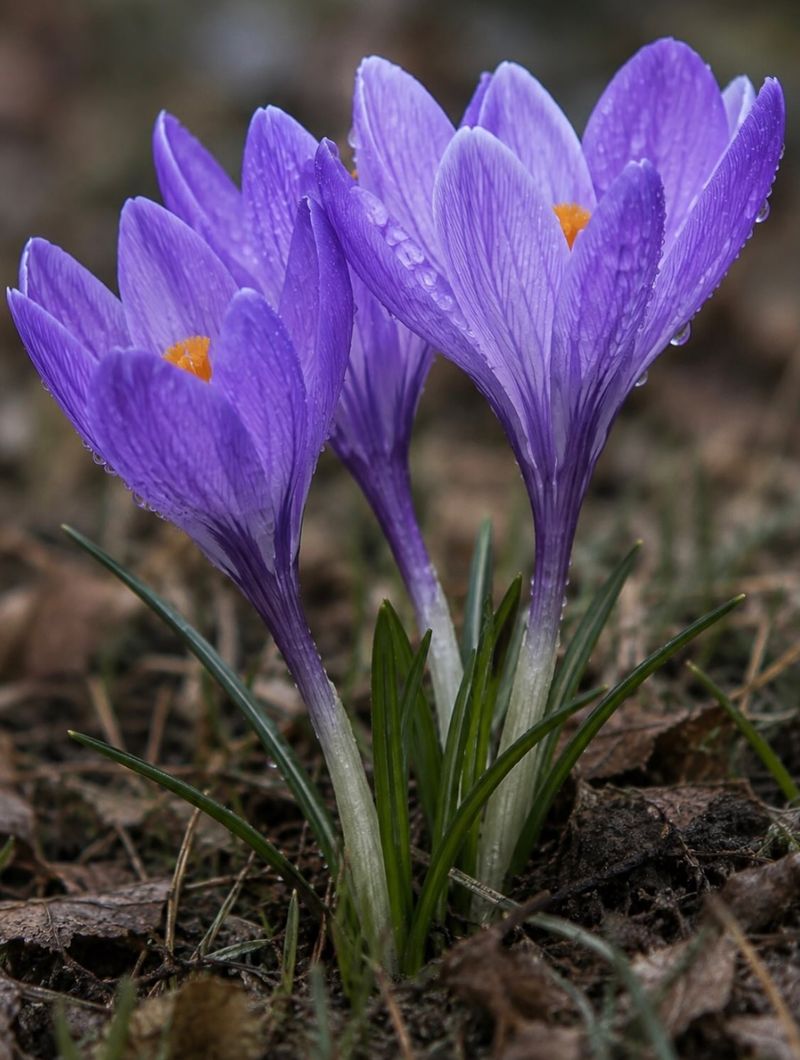
Just when winter feels like it will hang around forever, crocus flowers break through and change everything. These tiny cups of color are often the very first to bloom, sometimes while frost still lingers.
Their small size hides a big impact. A group of crocus scattered across a lawn or flower bed looks like a splash of purple, gold, and white paint on a gray day. That early color lifts your spirits when the rest of the yard is still sleeping.
Bees love crocus too, since these blooms give them one of their first meals of the year. Planting crocus helps pollinators wake up and get ready for the busy season ahead.
Your North Carolina Garden Changes Every Week. Your Plan Should Too.
Gardening in North Carolina changes quickly throughout the season. Every Friday you’ll receive a simple weekly plan showing exactly what to plant, prune, fertilize, harvest, and protect so you never miss the right timing.
Because the bulbs are small, planting goes fast. Set them about three inches deep in clusters, and choose a sunny or lightly shaded spot. They handle North Carolina winters with no fuss at all.
Crocus look wonderful when planted right into grass. As the flowers finish, the leaves fade quietly, and you can mow the area once the foliage yellows. This trick, called naturalizing, spreads color across a whole lawn.
They also do great in pots by the front door, giving you a close-up view of those first spring blooms. Tuck a few near walkways where you will notice them on chilly mornings.
For very little money and effort, crocus deliver one of the sweetest surprises in the garden. Plant a big batch in September, then forget about them until they cheer you up in late winter.
3. Hyacinths Add Strong Fragrance
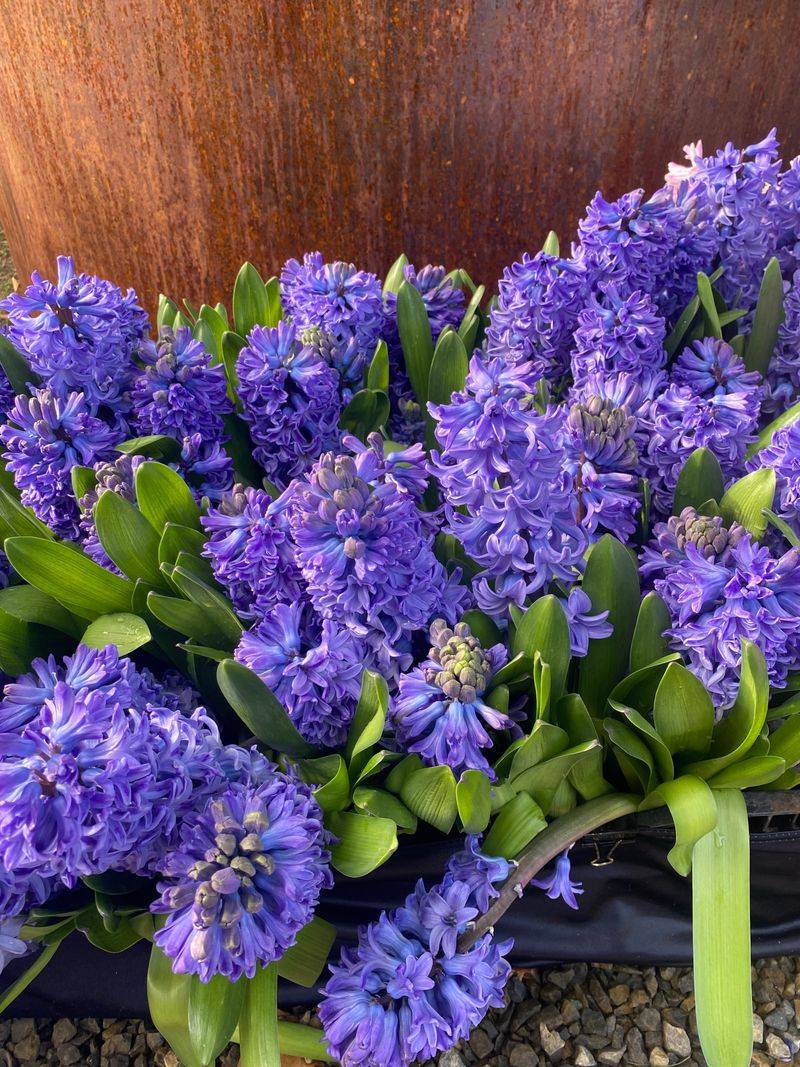
Walk past a blooming hyacinth and your nose will stop you in your tracks. That sweet, powerful scent is one of the best parts of spring, and a single plant can perfume a whole corner of the yard.
Beyond the smell, hyacinths bring thick spikes packed with star-shaped flowers. They come in rich shades of purple, pink, blue, white, and even soft peach. The blooms stand upright and full, making a bold statement in any bed.
These bulbs work beautifully near patios, doorways, and windows where you spend time outdoors. Placing them where you walk often means you catch that lovely fragrance every day during their bloom.
Plant hyacinth bulbs about six inches deep in September, with the pointed side facing up. They prefer full sun and soil that drains well, so avoid low spots where water collects.
One handy tip is to wear gloves when handling the bulbs, since they can itch some people’s skin. It is a small step that keeps planting comfortable.
Hyacinths often bloom biggest in their first spring, then grow a bit looser in later years. Many gardeners treat them as a fresh planting each fall to keep those fat, showy spikes coming.
You can also grow them indoors in a jar of water, watching the roots stretch through the glass. It is a fun project for kids and a cheerful way to bring spring inside.
For color plus scent in one tidy package, hyacinths are tough to beat in a North Carolina garden.
4. Tulips Create A Showy Display
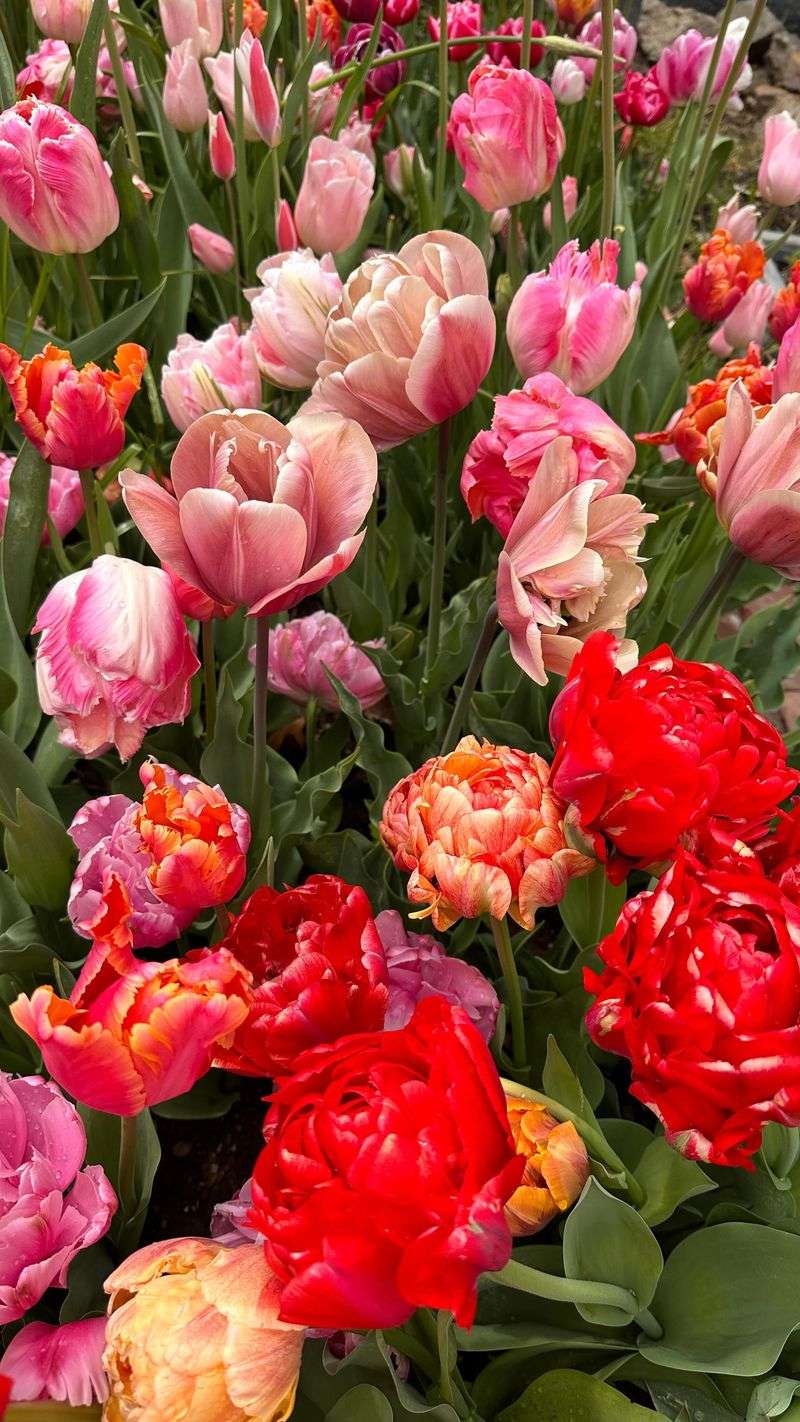
Nothing quite matches the drama of tulips in full bloom. Their smooth, cup-shaped flowers come in almost every color you can imagine, and a bed of them looks like a rainbow standing tall.
Tulips are the show-offs of the spring garden. You can plant a mix of colors for a wild look or a single shade for a clean, modern feel. Either way, they grab attention.
Here is the honest part, though. In the warmer parts of North Carolina, tulips often bloom their best only once. Our mild winters do not always give the bulbs the long cold rest they need to return strong.
Many gardeners plant tulips as a one-season treat, then add fresh bulbs each fall. To help them along, you can chill the bulbs in the fridge for six to eight weeks before planting. This cold trick tricks them into thinking they had a proper winter.
Plant them about six inches deep in a sunny, well-drained spot in late September or October, once the soil cools a little. Grouping them close together gives you that full, dramatic effect.
Deer and squirrels do enjoy tulips, so you may need a little fencing or a repellent to protect your bulbs. Planting them near daffodils can sometimes help keep animals confused and away.
Even if they last just one glorious spring, tulips reward you with color that feels worth every bit of effort. For a garden that truly wows, they earn their spot.
5. Grape Hyacinths Fill Empty Spaces
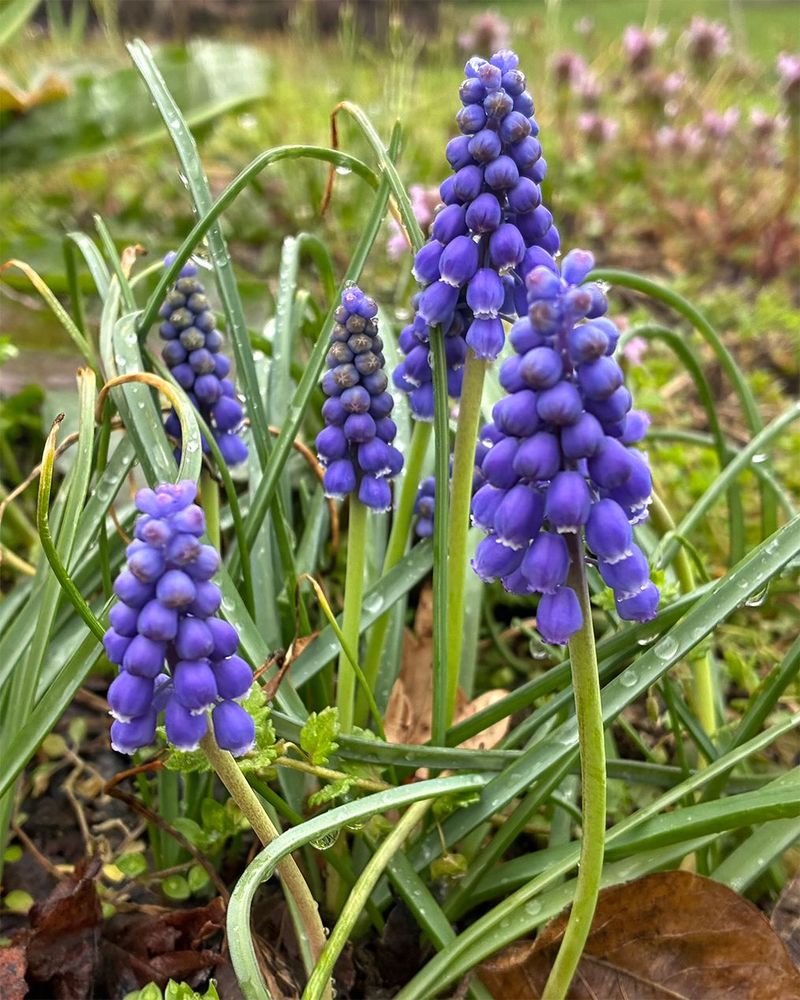
Small but mighty, grape hyacinths look just like little bunches of blue grapes standing on short stems. They may be tiny, but plant enough of them and they create a river of blue across your garden.
These bulbs shine at filling gaps. Bare spots along borders, edges of pathways, and the areas between larger plants all come alive when grape hyacinths move in. They soften hard lines and tie a garden bed together.
One of their best tricks is spreading on their own. Over time they multiply and naturalize, meaning they slowly fill an area with more and more blooms each spring. You get a fuller show without any extra work.
They mix wonderfully with taller bulbs like tulips and daffodils. Picture yellow daffodils rising above a carpet of blue, and you can see why gardeners love this pairing.
Planting is simple. Set the small bulbs about three inches deep in September, and choose a sunny or partly shaded spot with decent drainage. They are not picky and hold up well in our climate.
Grape hyacinths also do great in containers and rock gardens, where their neat clumps add charm. A pot near the steps brings that bright blue right up close.
Their leaves sometimes appear in fall and stick around through winter, which is normal and nothing to worry about. Come spring, those leaves feed the cheerful blooms.
For pennies per bulb, grape hyacinths deliver big color in small spaces and only get better with time.
6. Alliums Add Tall Spring Drama
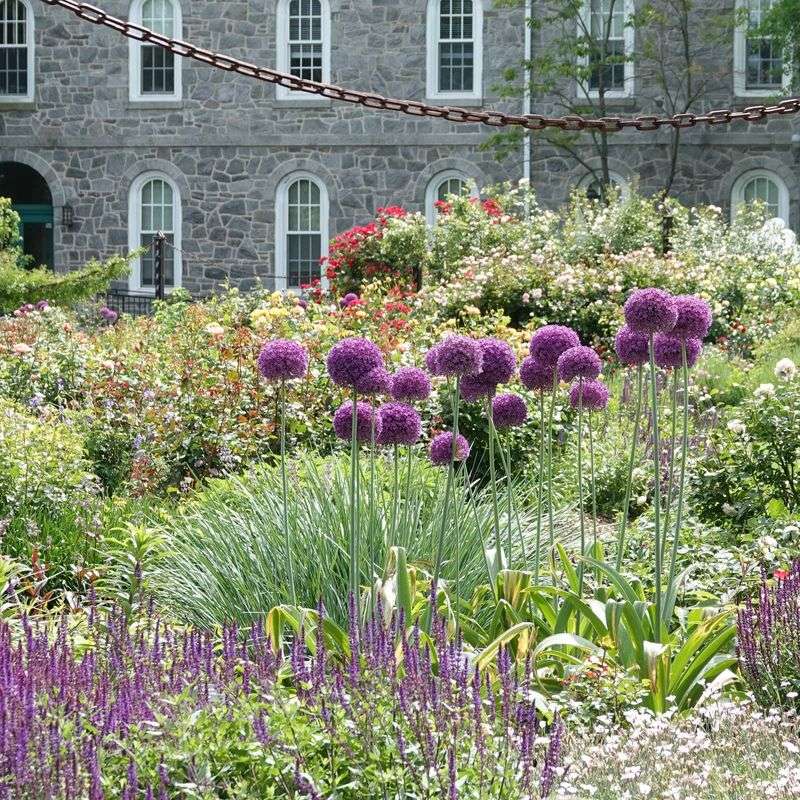
Imagine giant purple balls floating on tall green stems, and you have got the wonderful weirdness of alliums. These ornamental onions turn heads and give your garden a fun, architectural look.
Their round flower globes can grow as big as a softball, sitting high above everything else in the bed. That height and shape add structure, filling the space after smaller spring bulbs finish their show.
Timing is part of their charm. As daffodils and crocus fade, alliums step up and keep the color going into late spring and early summer. They bridge the gap so your garden never looks empty.
Bees and butterflies flock to those big blooms, making alliums a favorite for pollinator gardens. You will often see the flowers buzzing with happy visitors on sunny days.
Another bonus is that deer and rabbits usually skip alliums because of their oniony scent. That means less worry about your bulbs being nibbled.
Plant the bulbs deep, about three times their height, in a sunny spot with good drainage. September planting gives them time to root before winter sets in.
They come in many sizes, from small softball types to huge varieties on stems taller than a yardstick. Mixing sizes creates a playful, layered effect.
Even after the color fades, the dried flower heads look neat and can stay standing for weeks. Some gardeners cut them for dried arrangements indoors.
For height, drama, and easy care all rolled into one, alliums bring something truly special to a North Carolina spring.
7. Dutch Iris Brings Elegant Flowers
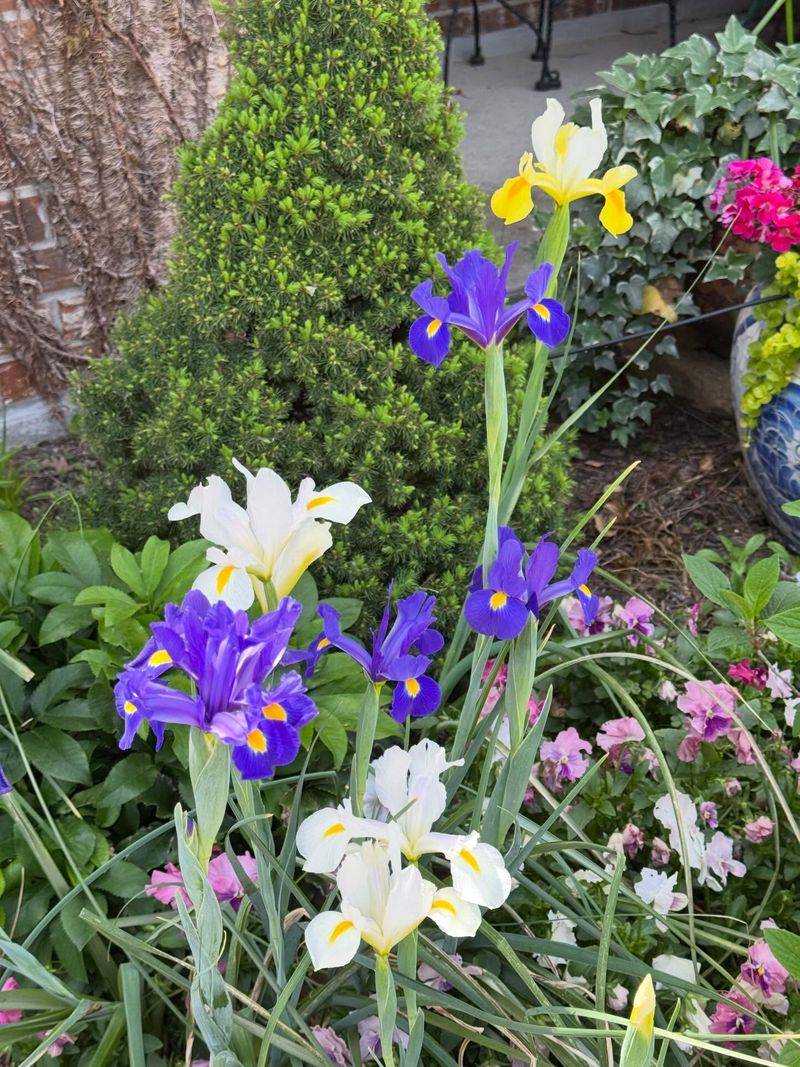
Graceful and colorful, Dutch iris looks like a flower dressed up for a special day. Its slim, upright stems hold blooms with delicate petals in blue, purple, yellow, and white.
These flowers add a touch of class to any garden. The blooms have a neat, sculpted shape that stands out among rounder spring flowers. They give beds a stylish, put-together feel.
Dutch iris grows tall and slender, so it fits nicely into small spaces and tight corners. You can tuck them between other plants where a wider flower would not fit.
They thrive in sunny beds with soil that drains well. Wet, soggy ground is the main thing to avoid, since the bulbs dislike sitting in water. Raised beds and slopes work great for them.
Plant the bulbs about four inches deep in September, and space them a few inches apart in small groups. Clusters look far better than single scattered bulbs.
One reason gardeners love Dutch iris is how well they work as cut flowers. Snip a few for a vase and they last a good while indoors, bringing that elegant color inside your home.
They bloom a bit later than crocus and daffodils, helping stretch your spring show. Pairing them with earlier bulbs keeps the garden full of color for weeks.
The blooms also attract bees looking for nectar, adding gentle motion to the garden. For anyone wanting refined beauty without fussy care, Dutch iris is a delightful choice that quietly steals the spotlight.
8. Plant In Groups For Bigger Impact
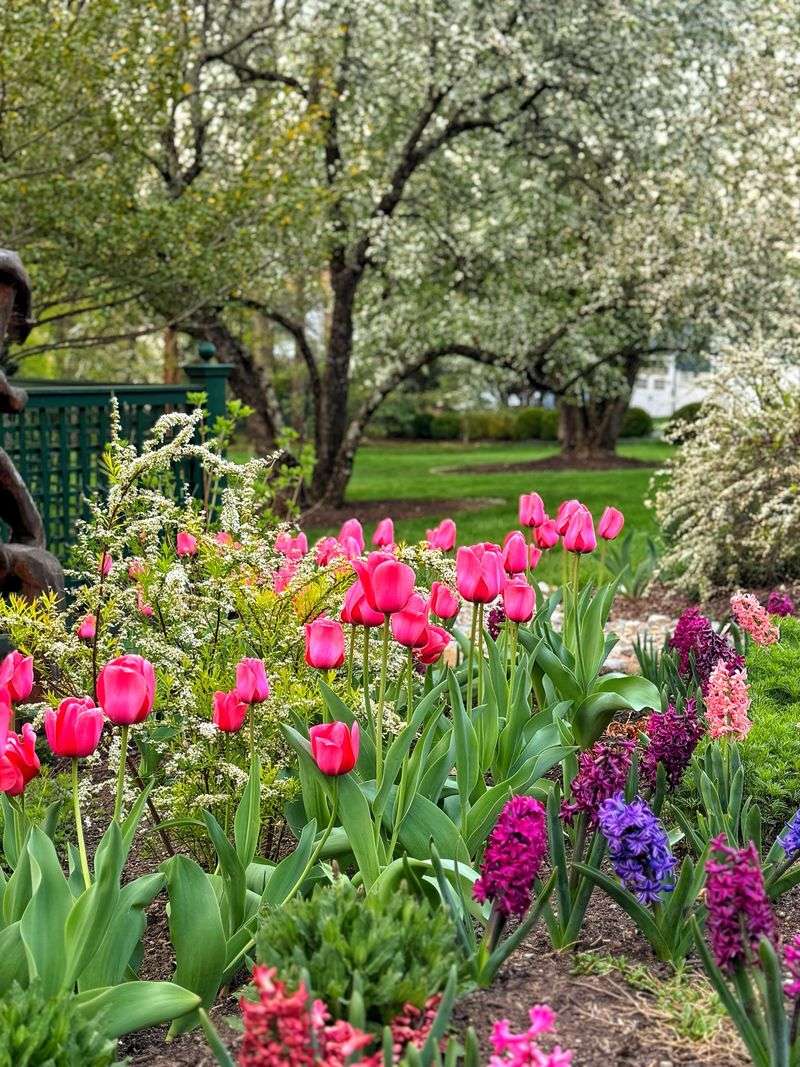
Here is a secret that separates so-so gardens from jaw-dropping ones. Planting bulbs in big clusters, rather than scattering a few here and there, makes all the difference in spring.
Think of it like this. One lonely daffodil is nice, but twenty of them together create a bold splash you can see from across the yard. Numbers turn simple flowers into a real show.
Gardeners call these big plantings drifts. A drift is a loose, natural-looking group that flows across a bed like a wave of color. It mimics how flowers grow in the wild.
To make a drift, dig one wide hole instead of many tiny ones. Set a whole handful of bulbs inside, spacing them a couple inches apart, then cover them all at once. This saves time and gives a fuller look.
Sticking to one color per group often looks the strongest. A solid patch of yellow or a bold block of red reads clearly, while a random mix can look scattered and busy.
You can also layer bulbs in the same hole, a trick called lasagna planting. Place bigger bulbs deep, smaller ones above, and enjoy waves of blooms over several weeks.
Odd numbers, like groups of five, seven, or nine, tend to look more natural than even ones. It is a small design tip that adds up.
Whatever bulbs you choose, planting them close and in generous batches gives you the biggest reward. Go bold in September, and your spring garden will thank you with unforgettable color.