What North Carolina Gardenias Need Right Now To Keep Blooming Through The Rest Of Summer
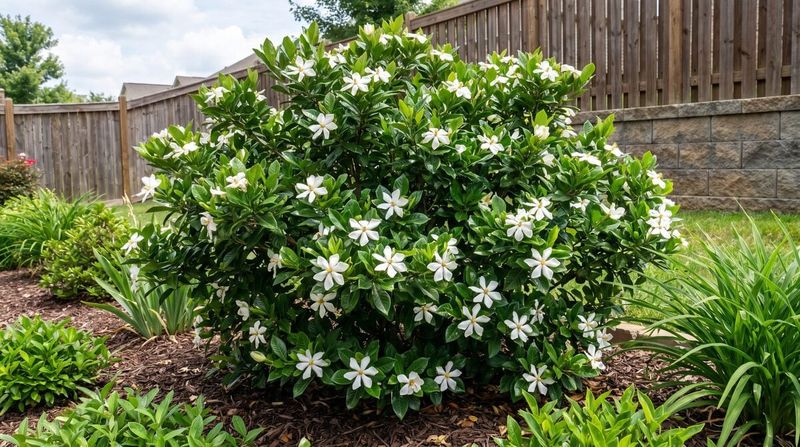
Gardenias can be the most rewarding shrubs in a North Carolina yard, or the most frustrating, and the difference often comes down to a few weeks in midsummer. Right now, while the heat is pressing down and afternoon storms roll through, the buds already forming on your plant are doing something quietly important: deciding whether to open or drop. A couple of focused moves can help protect what is already there. This article explains what those moves are, why they matter, and what no amount of summer care can actually guarantee.
Fall Flowers Depend On More Than Summer Care
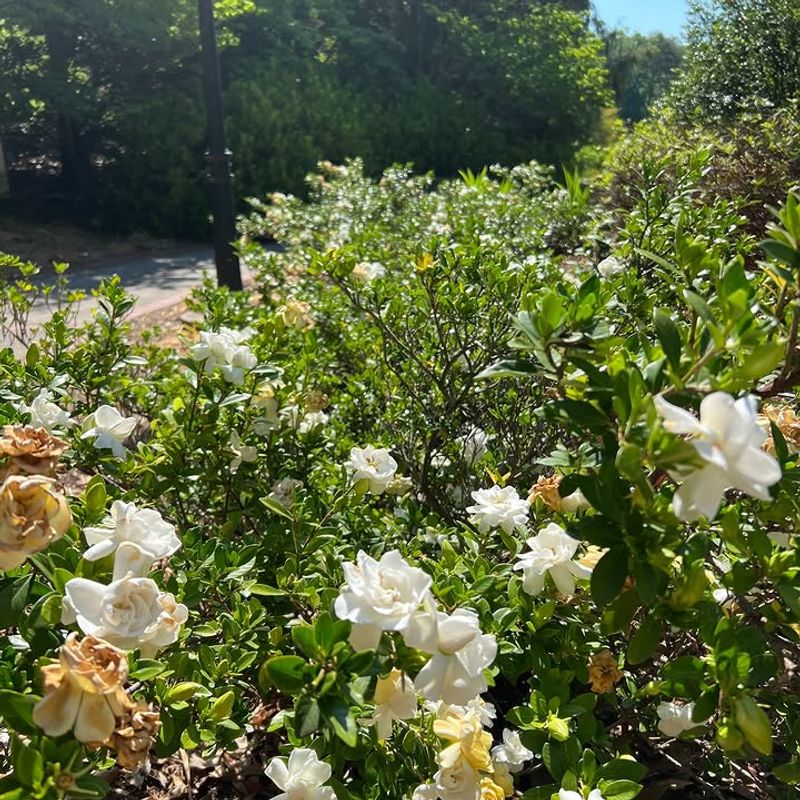
Gardenias, most commonly Gardenia jasminoides in home landscapes, are not all built the same. Some produce one generous flush of flowers in late spring or early summer and then they are done for the season. Others, particularly reblooming cultivars, can flower a second or even third time. UF/IFAS gardenia guidance notes that cultivars vary considerably in bloom time and duration, pointing to types like ‘Veitchii’ that may cycle through flowers more than once a year.
Knowing which type you have changes what midsummer care can realistically accomplish.
So when the headline asks what your gardenias need right now to keep blooming, the honest answer starts with a qualification. Midsummer care is mainly about protecting the buds already forming on your plant, not manufacturing new ones out of thin air. NC Cooperative Extension’s gardenia care guide emphasizes diagnosing site conditions, soil pH, drainage, and pest pressure rather than applying a single statewide fix. Conditions across North Carolina vary widely, from the humid coast to the cooler mountain elevations, and what works in one yard may not translate to the next.
Gardenias can drop unopened buds after stress from overwatering, drought, poor drainage, insufficient light, sudden temperature swings, pest pressure, or excess fertilizer, as
Clemson Extension’s factsheet on gardenia problems makes clear. That list matters because it points to the two priorities worth your attention right now: keeping root moisture steady and checking the plant for signs of stress or pest damage. Everything else in this article supports those two moves.Steady Moisture Protects The Buds You Have
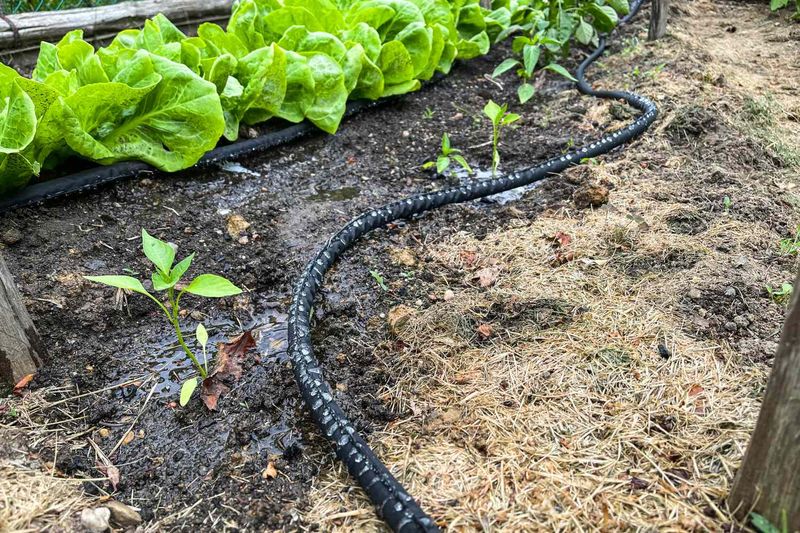
Picture a week in July where it storms hard on Tuesday, then nothing falls for ten days. Your gardenia’s root zone swings from soaked to bone-dry, and that swing is exactly the kind of stress that sends unopened buds to the ground. Bud drop from erratic soil moisture is one of the most common midsummer disappointments, and it is largely preventable with a little attention.
Clemson Extension recommends watering gardenias deeply during summer drought, moistening the full root zone and then allowing excess water to drain before watering again. That last part is just as important as the watering itself. Saturated soil that never drains can be as damaging as drought, because roots sitting in standing water cannot deliver the oxygen and nutrients the plant needs to hold its buds. The goal is consistent moisture without saturation, and how often that means watering depends on your soil, your container size, your sun exposure, and what the weather has actually done this week, not a fixed calendar schedule.
Your North Carolina Garden Changes Every Week. Your Plan Should Too.
Gardening in North Carolina changes quickly throughout the season. Every Friday you’ll receive a simple weekly plan showing exactly what to plant, prune, fertilize, harvest, and protect so you never miss the right timing.
A soaker hose or drip irrigation line does two things at once: it delivers water slowly to the root zone and keeps it off the leaves and flowers, which helps reduce the leaf-spot problems that wet foliage can invite. UC Integrated Pest Management identifies water deficit, excess water, and temperature fluctuations among the stress factors that affect gardenia performance. A 2- to 3-inch layer of mulch over the root zone can slow evaporation and buffer soil temperature through the hottest part of summer, just keep it pulled a few inches back from the main stems so moisture does not collect against the bark.
Light And Drainage Shape Flowering Success
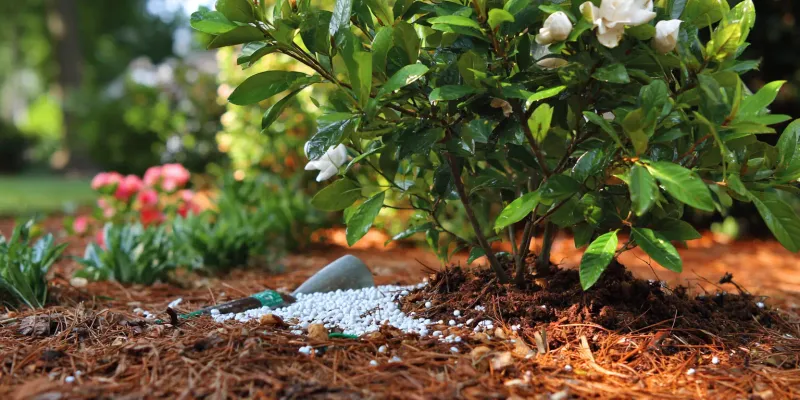
Watering correctly cannot save a gardenia that is struggling because of where it is planted. Site conditions set a ceiling on what the plant can do, and no amount of midsummer attention will raise that ceiling very far. Before you reach for the hose or a fertilizer bag, spend a few minutes reading what the plant and the soil are actually telling you.
Gardenias need enough light to flower, generally several hours of direct sun or bright filtered light per day. But intense afternoon heat on an exposed south-facing wall, combined with reflected heat from pavement or a fence, can push a plant past its comfort zone and trigger bud drop even when moisture seems fine. Clemson Extension lists insufficient light, high temperatures, and low humidity among the causes of gardenia bud drop, which means more sun is not always the answer for a plant already stressed by heat exposure. The fix is rarely moving a mature shrub mid-season, but a temporary shade cloth during the worst afternoon heat can sometimes help a plant in a container.
Drainage is the other piece. After a heavy rain, press your finger two inches into the soil near the root zone. If it feels muddy and water pools in the depression, drainage is the problem, not drought. Clemson’s main gardenia factsheet notes that well-drained, acidic soil is a core requirement, and NC Cooperative Extension emphasizes site drainage as a primary factor in gardenia performance.
Soil and drainage conditions vary across North Carolina, and a container gardenia has a different set of drainage risks than a bed plant. Diagnosing the actual site condition first keeps you from adding water or fertilizer to a problem that needs neither.
Pest Scouting Can Reveal A Source Of Stress
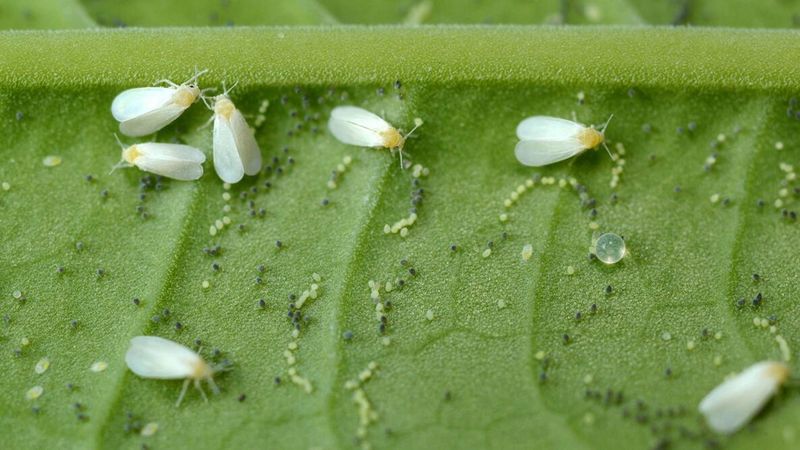
Flip a gardenia leaf over on a hot August afternoon and you might find the reason your buds are struggling. The underside of a leaf is where several of the most common gardenia pests set up camp, and they can be draining the plant quietly while you are focused on watering schedules.
NC State Extension identifies whiteflies, Japanese wax scale, aphids, and spider mites among the common pests of gardenia in the region. Whiteflies and certain scale insects produce a sticky waste called honeydew, and that honeydew becomes a surface where black sooty mold grows. The mold itself does not directly feed on the plant, but it blocks light from the leaf surface and signals that a sap-feeding pest is actively at work. Wiping away the mold without addressing the insect underneath does not solve the problem.
Clemson Extension’s factsheet on gardenia insects lists insecticidal soap and horticultural oil among possible controls, and Clemson’s guide to gardenia diseases and problems advises directing treatment at the insect rather than the mold. But the first step is always identification. Treat what you actually find, using a current product label as your guide, and avoid spraying any insecticide or oil on an open flower when pollinators may be visiting. Clemson’s main gardenia factsheet also cautions against routine preventive spraying.
Scouting can help you identify a potential source of stress before it compounds, but it is one piece of a broader approach, not a guaranteed bud-saver on its own.
Late Pruning Can Remove Developing Flower Buds
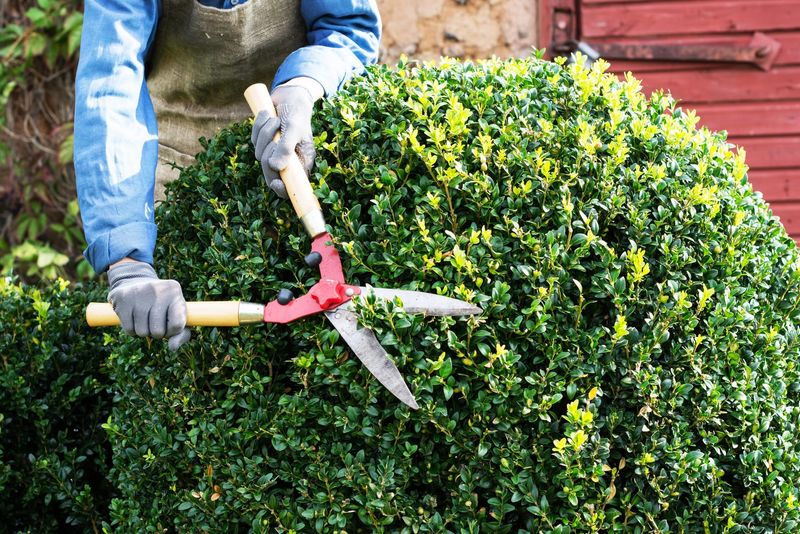
Here is where many gardeners make a well-intentioned mistake. The shrub looks a little ragged after its first flush of flowers, so out come the pruning shears. A hard trim feels productive, but if the timing is off, you may be cutting away the very buds that would have opened next.
Gardenias set their flower buds for the following season later in summer, which means pruning after that window closes removes buds that are already developing, even if you cannot see them yet. NC Cooperative Extension places gardenia pruning after flowering, generally from June into August depending on variety, and an NC Extension response advises completing pruning by around August 10 to avoid cutting into next season’s buds. That is a guideline based on a common bloom pattern, not a universal date for every cultivar in every part of the state, so the earlier you can finish, the safer you are.
When you do prune, be selective rather than shearing the whole plant. Remove dead, damaged, crossing, or badly straggly branches and leave the rest alone. Clemson Extension’s gardenia factsheet supports selective pruning after flowering rather than a heavy overall cut. University of Arkansas Extension also places pruning immediately after the bloom period for the same reason.
As for deadheading spent flowers, removing faded blooms can tidy up the plant’s appearance, but do not count on it to reliably trigger a second flush. Some cultivars will rebloom regardless, and others will not, no matter how promptly you deadhead.
Yellow Leaves Do Not Automatically Need Fertilizer
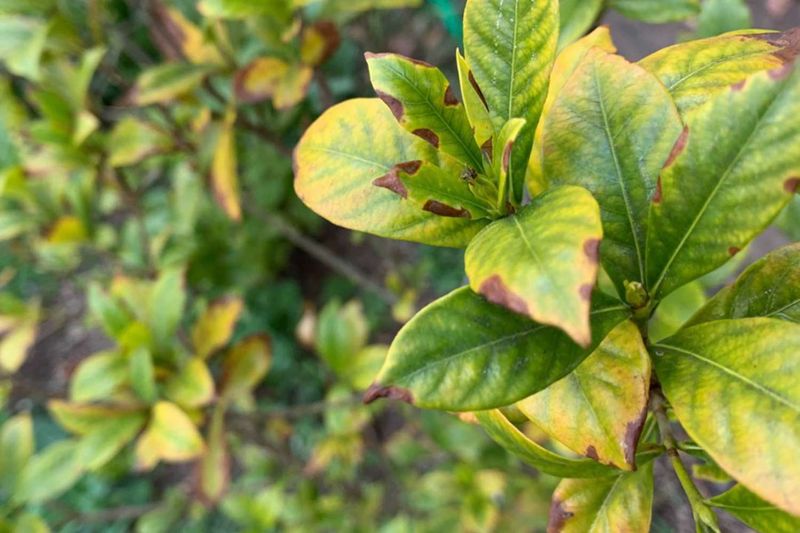
A gardenia with pale or yellow leaves looks like it is asking for food, and the instinct to reach for a fertilizer bag is understandable. But yellow leaves on a gardenia can come from several different directions, and feeding a plant that has a drainage problem, a pH issue, or root damage does not fix any of those things. It may actually make them worse.
High soil pH is one of the more common culprits. Gardenias need acidic conditions, generally a pH between 5.0 and 6.0, and when the soil drifts too alkaline, the plant struggles to absorb iron and other nutrients even when they are present. But the answer is not to guess and add iron. NC State Extension’s soil testing guide explains that a soil test is the reliable way to know what your pH and nutrient levels actually are before you add anything.
Without that information, you are guessing, and an unnecessary lime application or fertilizer push can shift the chemistry in the wrong direction.
NC State’s guide to fertilizing trees and shrubs notes that overfertilization can stimulate excessive soft growth and increase disease risk, and Clemson Extension specifically warns against fertilizing gardenias in fall because tender new growth pushed late in the season may be damaged by winter cold. If a soil test or a product label supports feeding, use a fertilizer formulated for acid-loving plants and follow the label rate exactly.
NC State’s soil acidity resource reinforces that adjusting pH without a test can worsen the problem rather than correct it. Yellow leaves are a symptom, and the diagnosis has to come before the treatment.Your Cultivar And Site Set The Bloom Ceiling
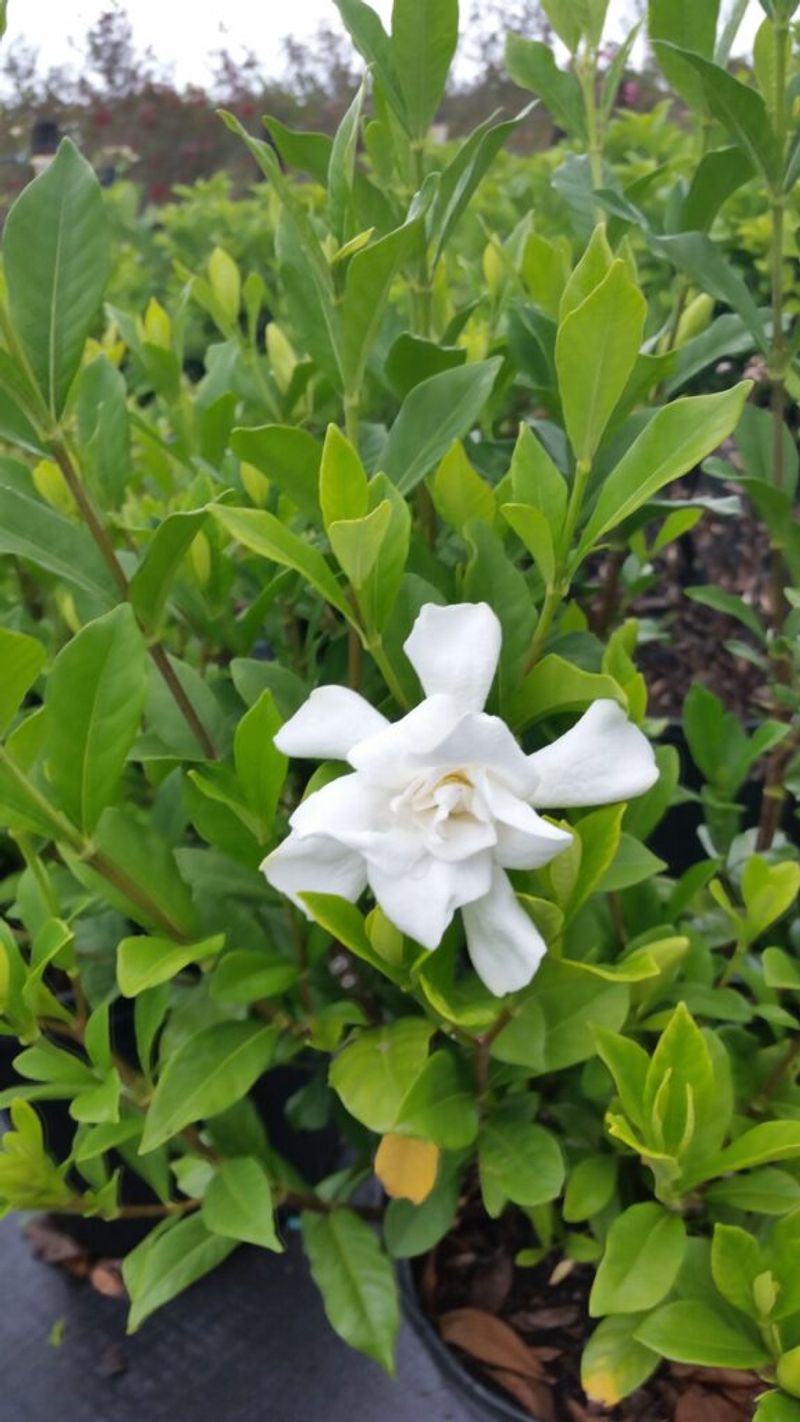
After a season of careful watering, pest checks, and well-timed pruning decisions, some gardenias will reward you with another round of flowers. Others will not, and that is not a failure of care. The cultivar you planted and the specific conditions of your site set a ceiling that midsummer attention can help you reach but cannot raise.
UF/IFAS notes that reblooming cultivars can flower two or three times yearly, while other types complete their main flush and stop. Cold hardiness adds another layer of complexity across North Carolina. Clemson Extension reports that many older gardenia cultivars are reliably hardy only to USDA Zone 8, while some newer or more compact types extend to at least Zone 7a. The USDA Plant Hardiness Zone Map can help you understand your winter risk, but a zone rating does not tell you how many times a plant will bloom or how it will respond to your specific microclimate, drainage, or summer heat load.
A gardenia tucked against a south-facing brick wall in Wilmington lives a different life than one in a container on a shaded Asheville porch, and both differ from a bed planting in the Piedmont or the Sandhills. NC Cooperative Extension’s guidance emphasizes site drainage, soil pH, fertility, and pest diagnosis as the real variables, not a single regional prescription. So the late-summer check worth doing is a short one: press a finger into the soil near the root zone, flip a few leaves and look at the undersides, note whether the plant is sitting in good light without brutal afternoon heat, and hold off on any pruning or fertilizer you are not sure about. Protect the buds already forming, accept what the plant can give, and you will have done what actually matters.