Why North Carolina Cabbage Heads Split Open After A Heavy Fall Rain
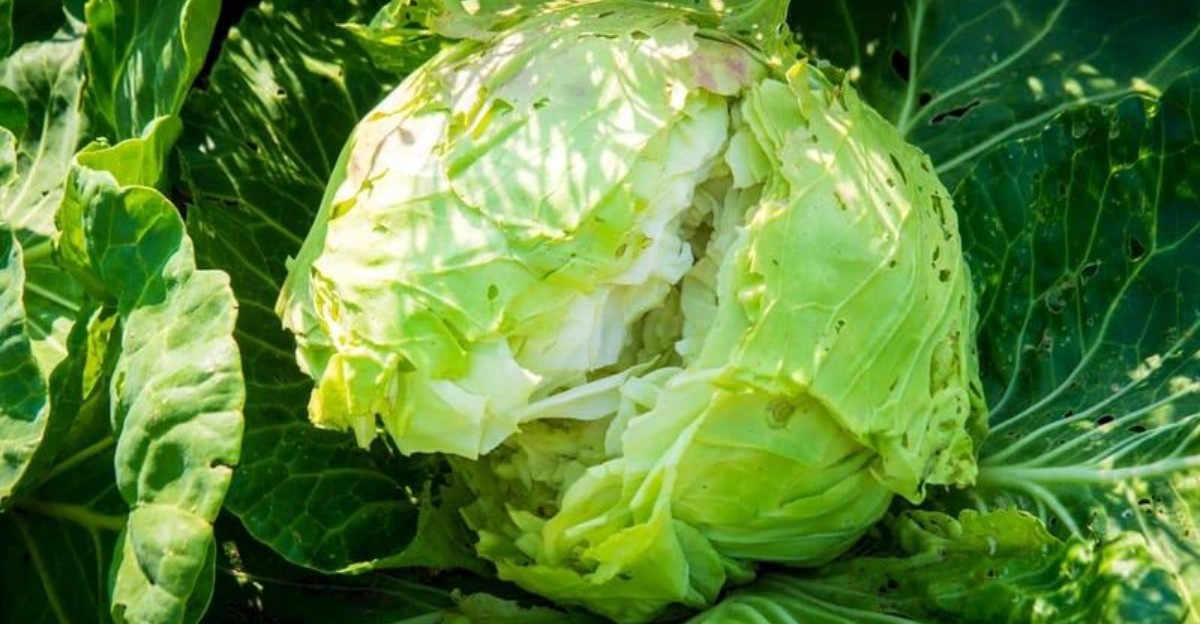
A cabbage head that looked perfectly solid one day can crack wide open after a single heavy rain, and this happens more often than most North Carolina gardeners expect.
Cabbage absorbs water quickly through its roots, and a sudden burst of moisture after a dry stretch can cause the head to expand faster than its outer leaves can stretch to accommodate.
This rapid internal growth puts pressure on the head from the inside, eventually causing it to split along its weakest point.
Because this issue is tied to sudden moisture swings rather than disease, consistent watering throughout the growing season helps prevent it far more effectively than any treatment after the fact.
Understanding this cause helps gardeners protect a nearly finished harvest from an entirely avoidable, weather-driven problem.
1. Sudden Water Uptake Makes The Head Burst
One stormy night can undo weeks of patient work. A cabbage plant soaks up water like a thirsty kid after recess, and when heavy rain drenches the soil, the roots pull in a huge amount very quickly.
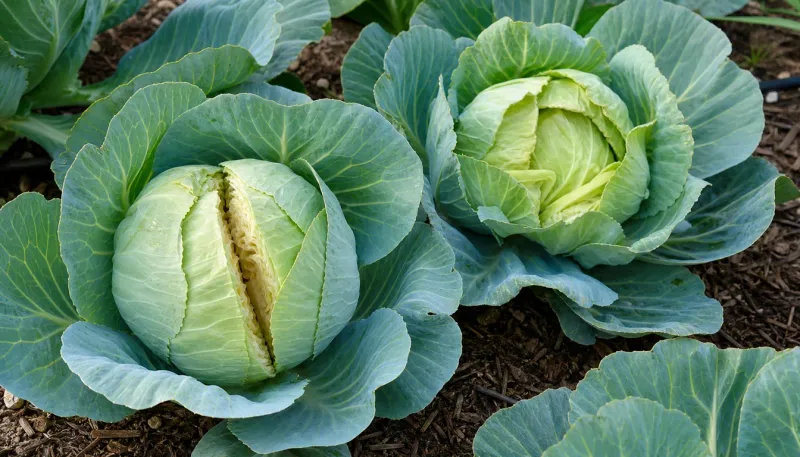
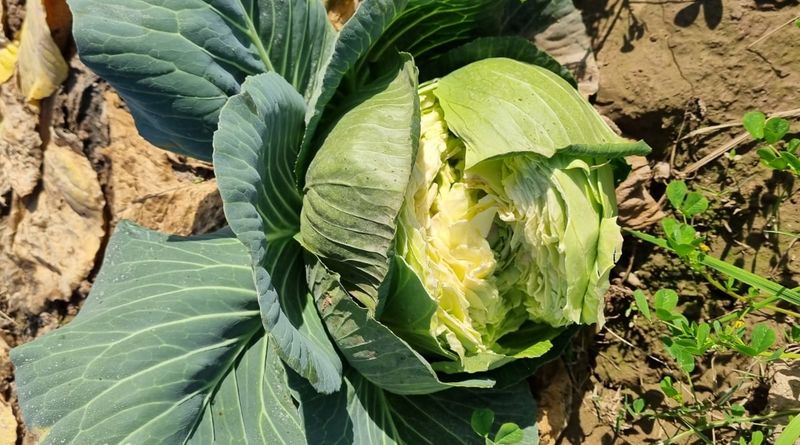
All that water rushes straight up into the head. The inner leaves keep swelling and growing, but the outer leaves are already wrapped tight and cannot stretch fast enough to keep up. Something has to give, and the result is a crack that pops open the head.
So what does it look like? Most splits show up as a clean crack across the top or down one side of the head. You usually spot them within a day or two after a big rain.
Some cracks stay small, while others open wide enough that you can see the pale, tender leaves tucked inside.
A split head is still safe to eat if you catch it early. Harvest it right away and use it soon, since the open area can invite insects, rot, and mold over time. North Carolina weather makes this problem extra common.
Fall often brings long dry stretches, and then a cold front or the leftovers of a tropical storm can dump several inches of rain in a single day. Plants that were sipping water suddenly get a flood, and that quick change is exactly what cracks heads.
Keeping an eye on the forecast is your first line of defense. When a soaking rain is headed your way, walk your rows and decide which heads need attention before the clouds roll in.
2. Mature Heads Are Most Likely To Split
Young cabbages rarely crack, and there is a simple reason why. A small, growing head still has loose leaves and plenty of room to expand, so extra water just helps it fill out.
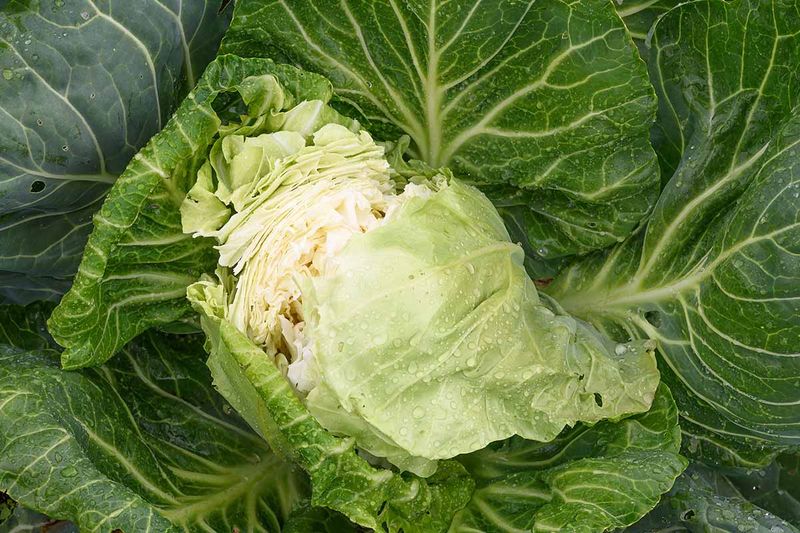
Everything changes once the head reaches full size. At that point it feels hard, heavy, and packed tight, with almost no empty space left inside. Any fresh burst of growth pushes directly against those snug outer leaves, and a crack is often the only way out.
Knowing when your heads are close to ready makes a big difference. Start checking them regularly as they near the days to maturity listed on your seed packet. Give each one a gentle squeeze with your hand.
Your North Carolina Garden Changes Every Week. Your Plan Should Too.
Gardening in North Carolina changes quickly throughout the season. Every Friday you’ll receive a simple weekly plan showing exactly what to plant, prune, fertilize, harvest, and protect so you never miss the right timing.
A soft or springy head still has growing to do, while a solid one that barely gives is ready or nearly there.
Pay extra attention to those firm heads whenever rain is in the forecast. They are the ones most at risk, so they deserve first place on your worry list. A quick walk through the garden before a storm can save your biggest and best cabbages.
Timing matters a lot here in North Carolina. Fall cabbage planted in late summer usually matures in October and November. That is the same window when strong fronts and late tropical systems tend to sweep through the state.
Because maturity and heavy rain often arrive together, fall growers have to stay alert. Treat every mature head like a ripe tomato that needs picking soon, and you will lose far fewer to cracking.
3. Dry Spells Before Rain Set The Stage
Ask any experienced grower about split cabbage, and they will likely mention uneven watering. The trouble often starts weeks before the rain ever falls.
When soil dries out for a while, the plant slows way down. Growth nearly stops, and the outer leaves of the head become tougher and less flexible. Then a heavy rain arrives and flips the switch.
The plant jumps into a fast growth spurt, and those stiff outer leaves simply cannot bend enough to hold everything in.
Steady moisture is the fix. During dry weather, water deeply and on a regular schedule so the soil stays evenly damp instead of swinging between dusty and soggy. About an inch of water per week, from rain or watering, is a good target for most gardens.
Checking the soil is easy. Push a finger a couple of inches down near the plants. If it feels dry at that depth, it is time to water. If it feels cool and slightly moist, you can wait a day or two.
Try not to let your beds dry out completely between rains. A soaker hose or drip line makes deep watering simple and keeps leaves dry, which also helps prevent disease.
North Carolina gardeners know fall can surprise them. September through November is often one of the driest times of the year, with weeks of sunshine and little rain. Then a big storm rolls in and soaks everything at once.
By keeping soil moist during those dry weeks, you help your cabbage handle that sudden downpour without bursting.
4. Warm Spells Speed Up Growth Inside The Head
Nobody complains about a sunny 80 degree day in October. Your cabbage, though, might have mixed feelings about it.
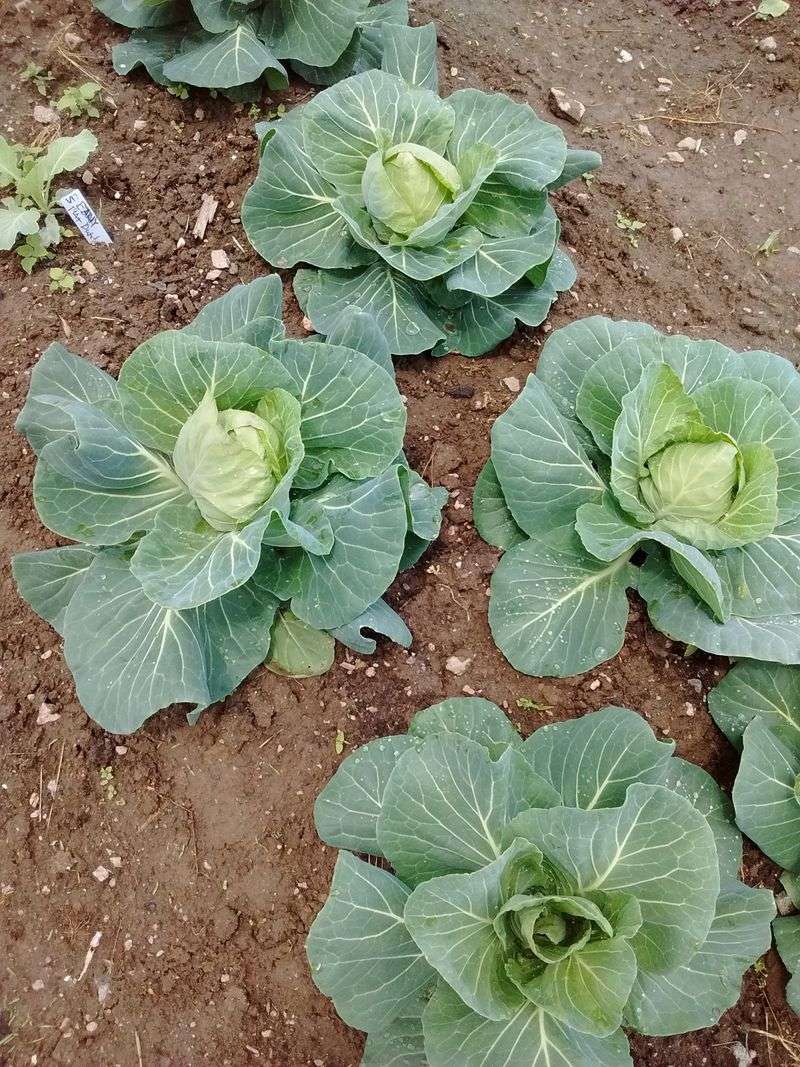
Cabbage is a cool season crop, but it still responds to warmth. When temperatures climb, the plant speeds up its growth. Add plenty of moisture to those warm days, and the head can start expanding from the inside much faster than normal.
The outer leaves, already tight on a mature head, get squeezed from within, and the risk of cracking goes up.
Think of it like a balloon being filled a little too quickly. A slow fill gives the rubber time to stretch, while a fast rush of air can make it pop. Warm weather plus rain is that fast rush for your cabbage.
Watching the weather helps you stay ahead. During warm spells, keep a closer eye on heads that are already firm, especially if rain is expected right after the heat. That combination is the one to worry about most.
If a head feels solid and a warm, wet stretch is coming, go ahead and harvest it. Letting a finished head keep growing in warm weather gives it more chances to split. A cabbage in your refrigerator is far better than a cracked one in the garden.
North Carolina falls are famous for these ups and downs. October often brings warm, summer-like days sandwiched between cool fronts. One week you need a jacket, and the next you are in short sleeves.
Those swings keep cabbage growing in bursts, so staying watchful during the warm days pays off.
5. Harvest Heads As Soon As They’re Firm
Here is the simplest trick of all: pick your cabbage on time. Timely harvest is one of the most reliable ways to prevent splitting, and it costs nothing but a few minutes.
A head left in the garden after it matures has nowhere left to grow. Every rain after that point adds pressure, so an overdue head sits at the highest risk of cracking. The longer it waits, the bigger the gamble.
Knowing when to cut is easy with a little practice. Squeeze the head gently. When it feels solid and firm all the way around, like a bowling ball wrapped in leaves, it is ready. Size alone can fool you, since some varieties stay small even when fully mature.
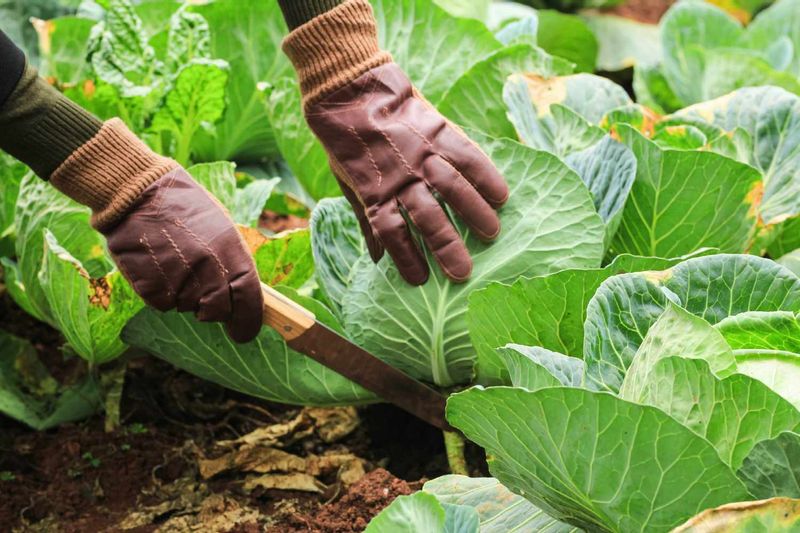
Grab a sharp knife for a clean cut. Slice through the stem just above the lower leaves, leaving the base of the plant in the ground. In many gardens, that stump will send out small side heads later, giving you a bonus mini harvest.
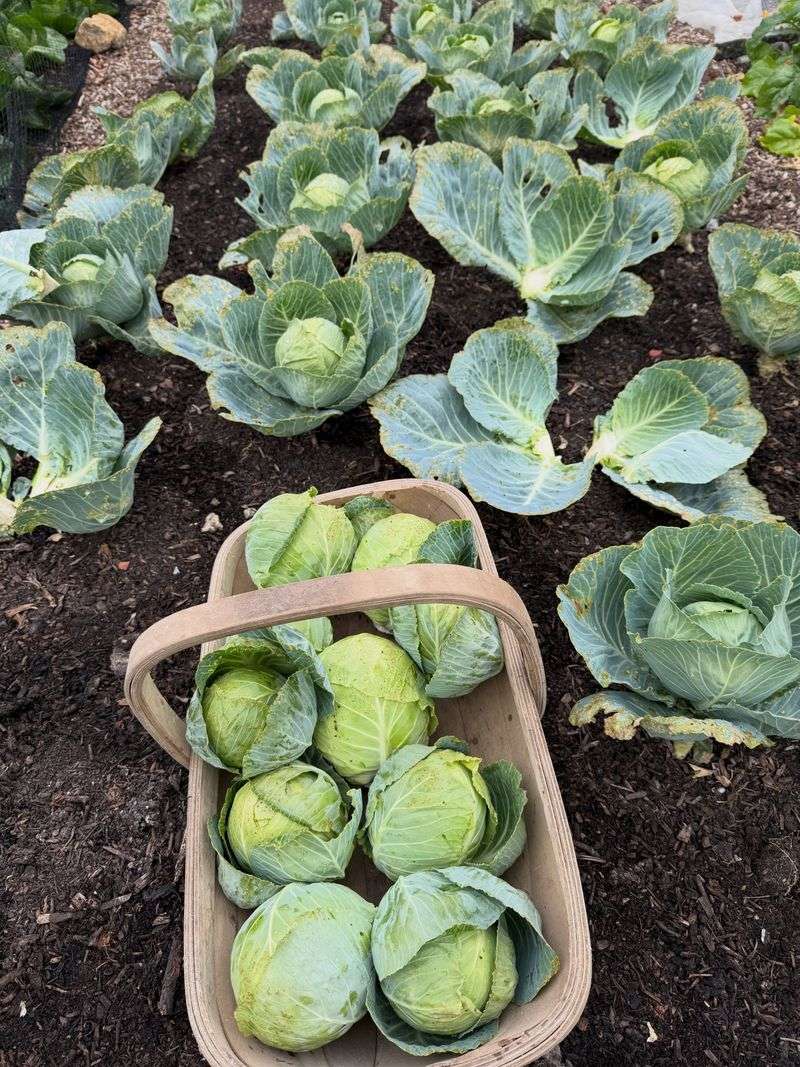
Storms change the plan. If heavy rain is in the forecast, harvest any mature heads before it arrives rather than hoping for the best. Whole heads store well in the refrigerator for several weeks, and even longer in a cool root cellar.
North Carolina fall weather gives you a little flexibility. Cool temperatures help cabbage hold in the garden for a while after maturing.
Still, that grace period ends quickly when rain returns, and a firm head can split overnight. When in doubt, cut it and enjoy some fresh coleslaw.
6. Twist Or Root Prune Heads To Slow Water Uptake
Old-time gardeners had a clever trick for cabbage they were not ready to pick. Grandparents across the South have used it for generations, and it still works today.
The idea is to slow the plant down on purpose. By loosening or cutting some of the roots, you reduce how much water the plant can pull in. With less water rushing up after a rain, the head expands more slowly and is less likely to crack.
There are two easy ways to do it. The first is the twist. Grab a mature head with both hands and turn it about a quarter to half a turn. You may feel a slight tug as some roots snap underground. That is exactly what you want.
The second method uses a spade. Push the blade straight down into the soil on one side of the plant, a few inches away from the stem. This cuts part of the root system while leaving the rest in place to keep the plant healthy.
Use either method only on heads that are already full size. A young, growing cabbage still needs all its roots to finish forming. Treating it too early can leave you with a small, weak head.
This technique is a real help for North Carolina gardeners during rainy fall weeks. Maybe you have too many heads to eat at once, or you want to spread out your harvest.
Twisting or root pruning lets you hold mature cabbage in the garden a little longer, giving you time without losing heads to cracking.
7. Mulch Helps Keep Moisture Even
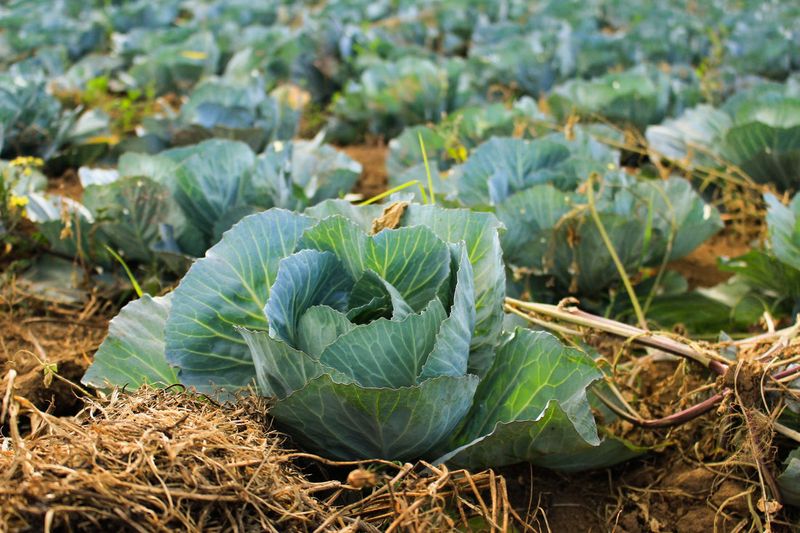
A blanket of mulch might be the hardest working helper in your garden. It sits quietly on the soil, yet it does a surprising amount to protect your cabbage from cracking.
Mulch works like a sponge and a shield at the same time. During dry spells, it keeps the sun and wind from pulling moisture out of the soil. During heavy rain, it slows down how fast water soaks in.
Together, those effects smooth out the wild swings in moisture that trigger sudden growth spurts.
Getting started is easy. Once your cabbage plants are established and growing well, spread a layer about 2 to 3 inches deep around them. Straw, shredded leaves, and pine straw all work nicely.
Many North Carolina gardeners already have pine straw or fallen leaves close at hand, which makes this a budget-friendly step.
Leave a little gap between the mulch and the stems. Mulch piled right against the stem can hold too much moisture there and invite rot or pests. A small ring of bare soil around each plant keeps things healthy.
Mulch is not a replacement for watering, though. Pair it with deep, regular watering during dry weather for the best results. The two together keep soil evenly moist far better than either one alone.
North Carolina falls love to swing between dry and wet. A few weeks of drought can end with a sudden soaking storm. Mulch softens that bumpy ride for your plants, and as a bonus, it also cuts down on weeds and keeps soil from splashing onto your heads.
8. Choose Split-Resistant Varieties
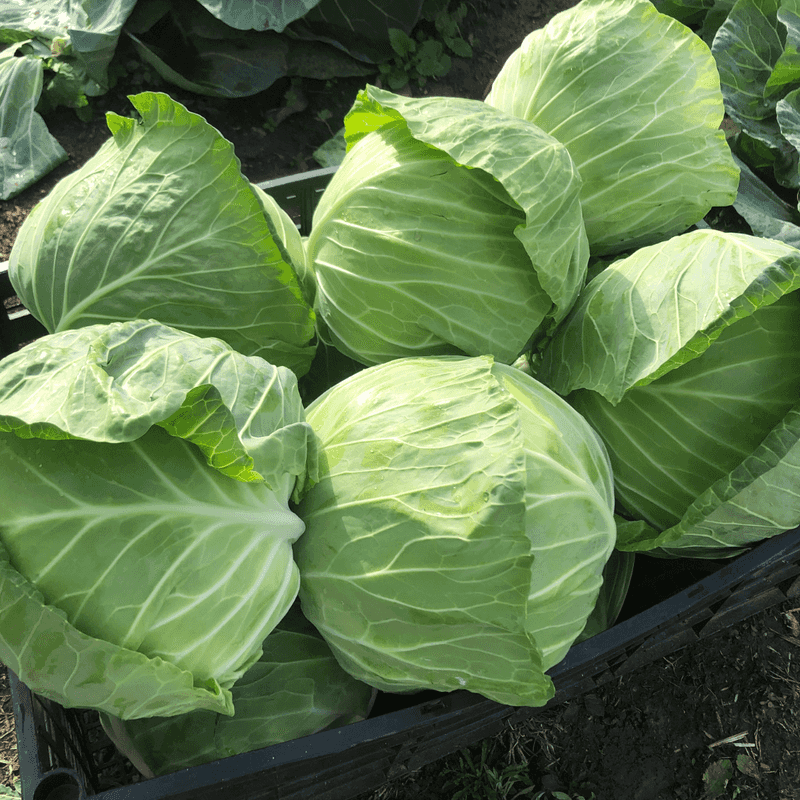
Not all cabbages are created equal. Some varieties crack at the first heavy shower, while others sit in the garden for weeks looking perfectly fine.
Plant breeders have worked for years to create cabbages that hold well in the field. These types can stay in the ground longer after they mature without splitting.
That extra time gives you more flexibility, so you are not rushing out with a knife every time a storm shows up on the radar.
Finding them takes a little reading. When you shop for seeds, look for words like split resistant, good field holding, or holds well in the field on seed packets and in catalogs.
Many seed companies include these notes because they know how much growers care about them.
Local extension offices and garden centers can also point you toward types that do well in your area.
Size and speed matter too. Smaller, early-maturing cabbages are often ready before the rainiest part of fall arrives. Harvesting them early means less time exposed to risky weather.
Growing a mix of early and later types can also spread out your harvest nicely. Keep notes each season about which varieties held up best in your garden. Over a few years, you will build your own list of reliable favorites.
North Carolina weather can change fast, and life gets busy. School, work, and family events do not always line up with perfect harvest days. Choosing tough, split-resistant varieties gives you a buffer, so your cabbage can wait patiently while you catch up.