This Tree Delivers The Most Spectacular Fall Color Of Any Native Texas Tree
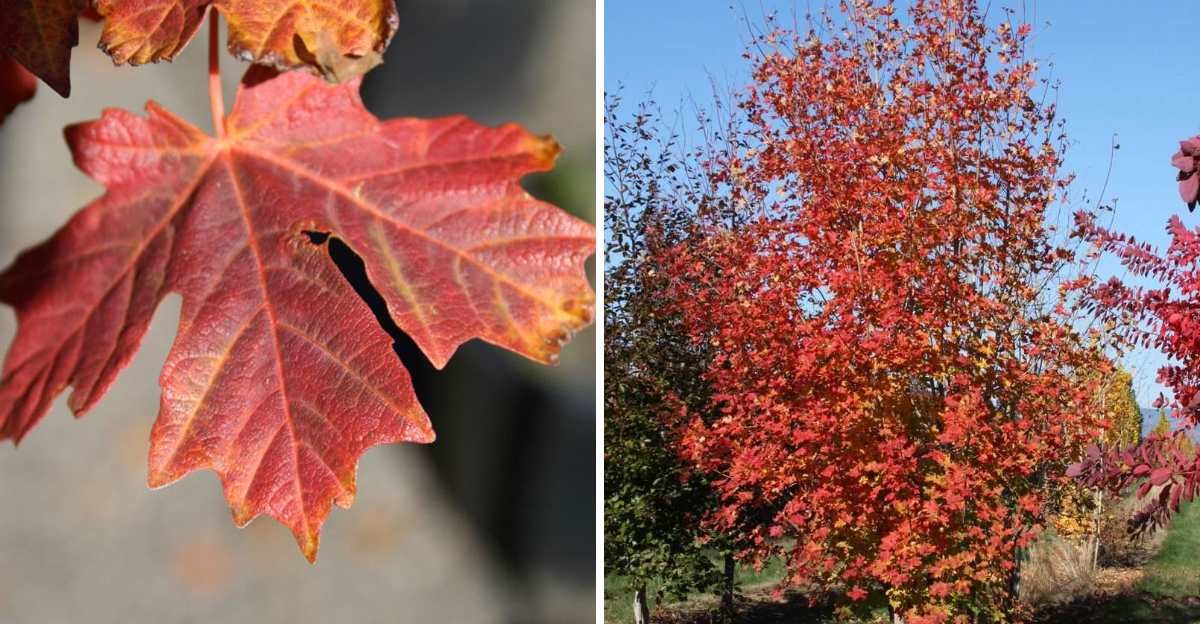
Texas does not always get the credit it deserves for fall color. The conversation about spectacular autumn foliage tends to center on New England, on the upper Midwest, on places where the seasonal change is dramatic and widely celebrated.
But Texas has a native tree that produces fall color so vivid and so striking that it genuinely stops people who encounter it for the first time in peak season. Most Texans have never heard of it. Fewer have planted it.
This tree delivers a fall display that rivals anything growing in states with far more celebrated foliage seasons, turning shades that feel almost theatrical against the late season Texas sky.
And unlike the imported ornamental trees that get planted for fall color in Texas landscapes, this one is native to the region, drought tolerant, adapted to the climate, and capable of thriving here for generations with minimal care.
If fall color is something your Texas yard has been missing, this is the tree worth knowing about.
Bigtooth Maple Is Texas’ Fall-Color Standout
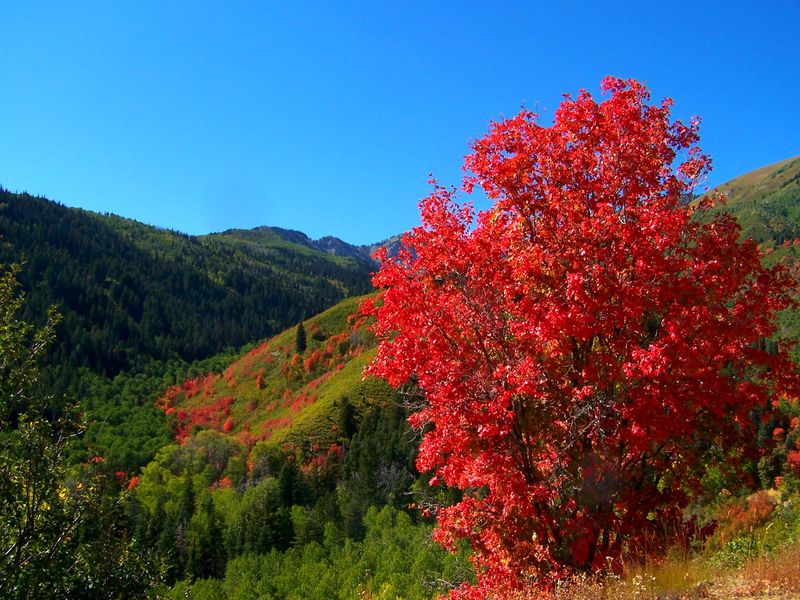
Walk into the Texas Hill Country on a crisp October morning, and you might think you took a wrong turn to Vermont. The bigtooth maple (Acer grandidentatum) is the undisputed champion of fall color among all native Texas trees.
No other native tree in the state comes close to matching its fiery display of red, orange, and yellow leaves.
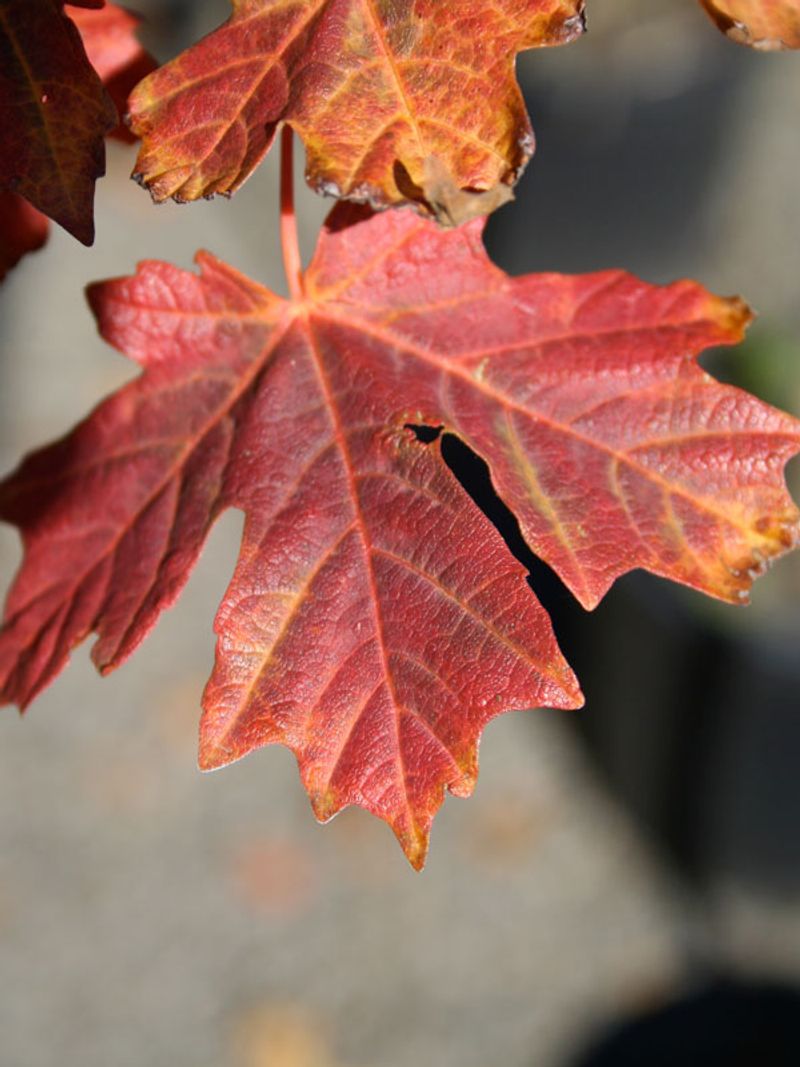
The bigtooth maple gets its name from the large, rounded teeth along the edges of its leaves. Those leaves are the star of the show every autumn.
When conditions are right, they shift from summer green into a breathtaking mix of scarlet, burnt orange, and golden yellow that lights up the landscape.
Unlike many shade trees that simply turn brown before dropping their leaves, the bigtooth maple delivers real color.
The intensity can rival fall displays seen in the Appalachians or New England. That makes it a beloved and treasured part of the Texas natural heritage.
Gardeners across Central Texas have discovered that bigtooth maple can thrive outside its native canyon habitat when given the right conditions. It grows at a moderate pace and can reach 20 to 30 feet tall at maturity.
The tree also provides welcome shade during the brutal Texas summer, making it useful long before fall arrives.
Native plant enthusiasts love it because it supports local wildlife. Birds, insects, and small mammals all benefit from the tree throughout the year.
Choosing a bigtooth maple for your landscape means you are planting something with deep roots in Texas history and ecology.
Lost Maples Shows Just How Dramatic It Can Be
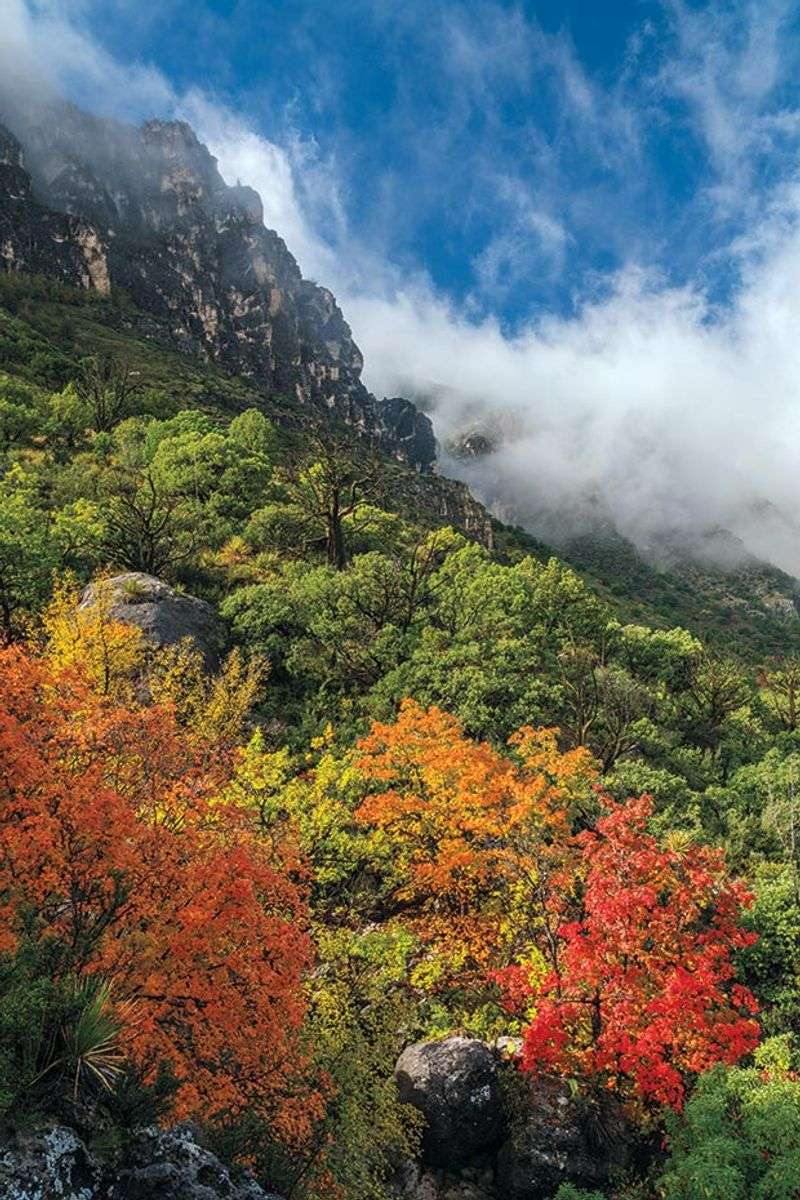
There is one place in Texas where the bigtooth maple truly steals the spotlight every single year.
Lost Maples State Natural Area, located near Vanderpool in Bandera County, is home to one of the largest and most spectacular stands of bigtooth maple in the entire state. Every fall, thousands of visitors make the trip just to see these trees in action.
The park sits along the Sabinal River canyon, where the sheltered terrain creates the perfect microclimate for these trees to flourish.
Your Texas Garden Changes Every Week. Your Plan Should Too.
Gardening in Texas changes quickly throughout the season. Every Friday you’ll receive a simple weekly plan showing exactly what to plant, prune, fertilize, harvest, and protect so you never miss the right timing.
The canyon walls protect the maples from harsh winds, and the limestone soil provides the drainage they love. As a result, the trees grow tall, healthy, and absolutely gorgeous when autumn arrives.
Hiking trails wind through groves of maples that blaze with color overhead. Standing beneath a canopy of red and orange leaves with sunlight filtering through is genuinely one of the most beautiful natural experiences Texas has to offer.
Many visitors say it feels like stepping into a completely different part of the country. The park gets so popular during peak color season that the Texas Parks and Wildlife Department often posts weekly fall foliage reports.
These reports help visitors plan their trips to catch the trees at their most vibrant. Weekends during peak season fill up fast, so planning ahead is a smart move.
Lost Maples is proof that Texas can compete with any state when it comes to fall foliage. The bigtooth maple is the reason this park earns its legendary reputation year after year, drawing nature lovers from across the Lone Star State and beyond.
Cooler Nights Bring Out The Best Color
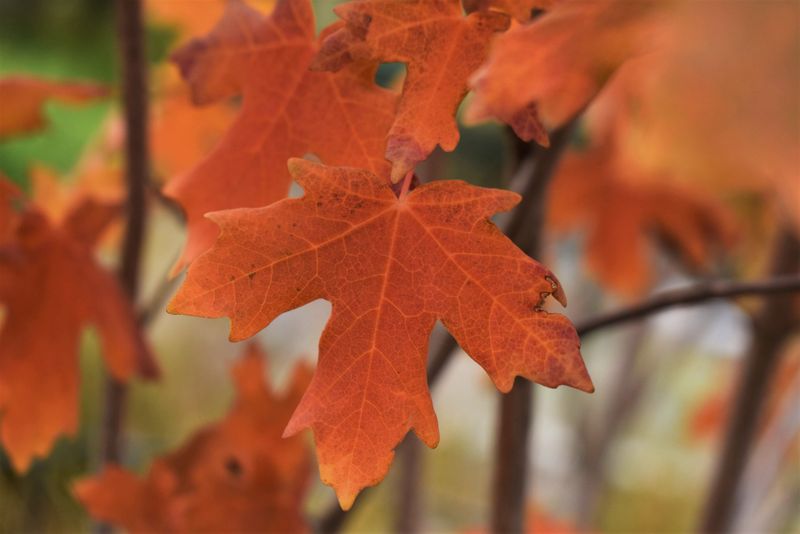
Fall color is not just about the calendar flipping to October. The real magic happens when the weather cooperates in just the right way.
For bigtooth maples, the formula involves warm sunny days paired with noticeably cooler nights. That combination signals the tree to slow down its food-making process and start breaking down the green pigment in its leaves.
As the green chlorophyll fades, the hidden pigments underneath finally get their moment. Reds and oranges come from pigments called anthocyanins, which actually form in response to bright sunlight and cool temperatures.
Yellows and golds come from carotenoids that were present all summer but hidden behind the green. Together, they create the stunning display that makes fall so special.
Rainfall also plays a big role. A summer with adequate moisture helps trees build up the sugars needed to produce vibrant anthocyanins in the fall.
A dry summer can dull the display, while a well-watered season often leads to richer, deeper reds. Texas weather being unpredictable, every year brings a slightly different show.
Frost can actually cut the season short. If a hard freeze arrives too early, the leaves drop before reaching peak color.
The best fall displays happen when temperatures gradually cool over several weeks without a sudden hard freeze. That slow transition gives the leaves time to develop the fullest, most vibrant color possible.
Paying attention to the weather forecast in October and November can help you time your visit to see bigtooth maples at their absolute best. A stretch of clear, cool nights followed by sunny days is the golden ticket for spectacular fall color in the Hill Country.
It Prefers The Right Texas Microclimate
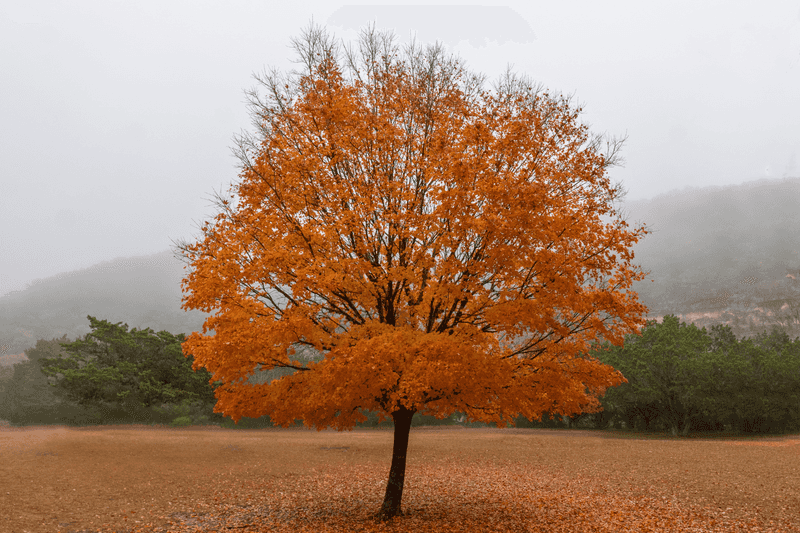
Not every corner of Texas is a perfect home for the bigtooth maple, and understanding where it naturally thrives helps you set it up for success. In the wild, bigtooth maples favor sheltered canyon settings with north-facing slopes and reliable moisture.
The limestone-rich soils of Central and West Texas are where this tree truly feels at home. Canyons provide natural protection from the intense Texas sun and drying winds. The shade from canyon walls keeps soil moisture levels higher than on open hillsides.
That extra moisture, combined with the excellent drainage that limestone provides, gives bigtooth maples the balanced conditions they need to grow strong and healthy.
The tree is native to a relatively narrow band of Texas geography. You will find wild populations in the Edwards Plateau region, which includes areas around Kerrville, Fredericksburg, and Vanderpool.
It also grows in portions of the Guadalupe and Davis Mountains further west. Outside these zones, the climate becomes too hot and humid or too dry for reliable success.
Gardeners in San Antonio, Austin, and nearby areas have had success growing bigtooth maple in home landscapes by mimicking its preferred conditions. Planting on the north or east side of a structure provides afternoon shade.
Amended soil with good drainage helps recreate the limestone canyon environment the tree loves.
Choosing the right planting spot is the single most important decision you will make for this tree. Get the microclimate right, and the bigtooth maple will reward you with decades of beauty.
Rush the placement without thinking it through, and the tree may struggle to establish itself properly in your landscape.
Give It Protection From Extreme Exposure
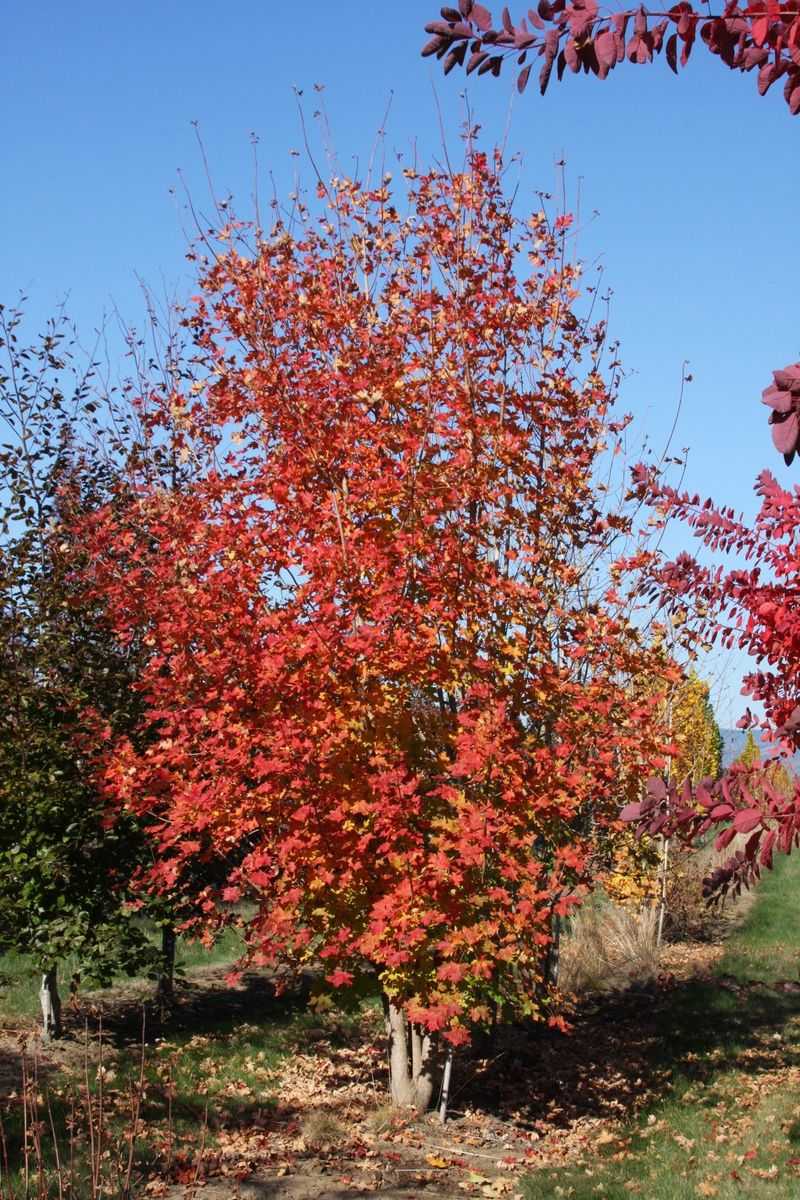
Young bigtooth maples are a little more sensitive than established ones, and giving them the right start makes a big difference in the long run. One of the most important things you can do is protect new trees from the harshest afternoon sun.
In Texas, the west-facing exposure in summer can be brutal, with temperatures and reflected heat reaching damaging levels for young trees.
Planting near a fence, wall, or larger tree that blocks afternoon sun can make a real difference. North and east-facing spots naturally receive gentler light conditions.
That softer exposure reduces water stress on the leaves and gives the roots more time to establish without fighting extreme heat at the same time.
Soil quality matters a great deal too. Bigtooth maples struggle in compacted clay soils that hold too much water or in shallow, rocky spots with very little topsoil.
Amending the planting area with compost improves drainage and adds nutrients that support healthy root development. A layer of mulch around the base of the tree also helps retain moisture and keep soil temperatures more stable.
Watering during the first two or three years is critical. Young trees need consistent moisture while their root systems spread and anchor into the soil.
Deep, infrequent watering is better than shallow daily watering. Letting the soil dry out slightly between waterings encourages roots to grow deeper in search of moisture.
Once established, bigtooth maples become considerably tougher and more drought-tolerant. The early investment in proper care and placement pays off with a stronger, more resilient tree that delivers beautiful fall color for many years to come without constant attention.
Fall Color Usually Peaks Later Than Many Gardeners Expect
Many people head out to see fall color in Texas too early and come home a little disappointed. The bigtooth maple does not follow the same schedule as trees in cooler northern states.
In the Texas Hill Country, peak color often does not arrive until late October, and in some years, the best displays stretch well into November.
The exact timing shifts from year to year depending on rainfall, temperature patterns, and when the first significant cool spells arrive. A warm October can push peak color back by two or more weeks.
A cooler-than-average fall can bring it on a bit earlier. There is no single date you can circle on the calendar and guarantee a perfect show.
Checking the Texas Parks and Wildlife Department’s fall foliage reports is one of the best ways to track what is happening.
These reports are updated regularly during the season and give a clear picture of color progress at key locations like Lost Maples State Natural Area. Following local nature groups and park social media pages also helps you stay informed.
Planning a weekday visit rather than a weekend trip can make the experience much more enjoyable. Peak weekends at popular viewing spots fill up parking areas quickly, and trails become crowded.
A quiet weekday visit lets you enjoy the trees at your own pace without the crowds. The wait is absolutely worth it. When the bigtooth maples finally hit their peak, the Hill Country transforms into a landscape that feels almost unreal for Texas.
Patience is the key ingredient for catching this tree at its most spectacular, and those who wait are rarely let down by the reward.