Why North Carolina Poinsettias Drop Their Leaves Days After You Bring Them Home
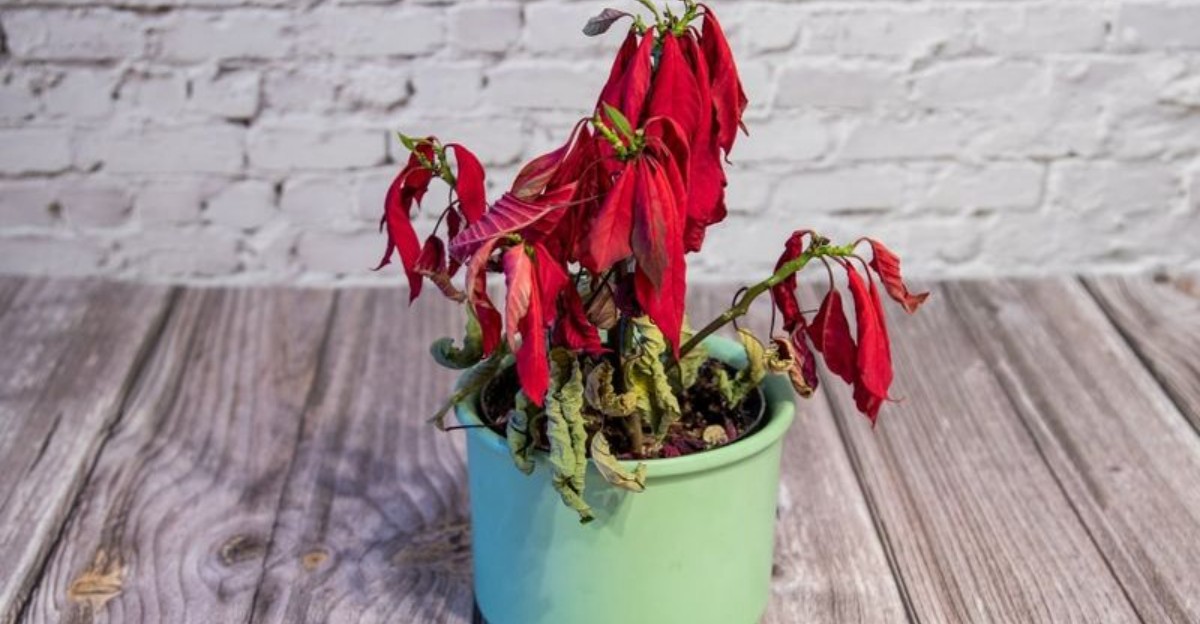
Those famous red petals on a holiday plant are not petals at all, but colorful leaves called bracts. The real flowers are tiny yellow buttons tucked in the center, and most shoppers walk right past them.
I love grabbing one of these cheerful pots at a North Carolina garden center each winter season. You can imagine my frustration when a few green leaves landed on my rug only three days later.
That sudden shedding feels personal, like the plant is sulking about its new home and its new owner. I believe most of us blame ourselves, yet the real trouble often starts before we even reach the car.
Growers across North Carolina raise these beauties in warm, carefully tuned greenhouses for months before they hit store shelves. So what happens in that short stretch between the greenhouse and your windowsill to cause such a fuss?
Your Plant Is Reacting To A Sudden Chill
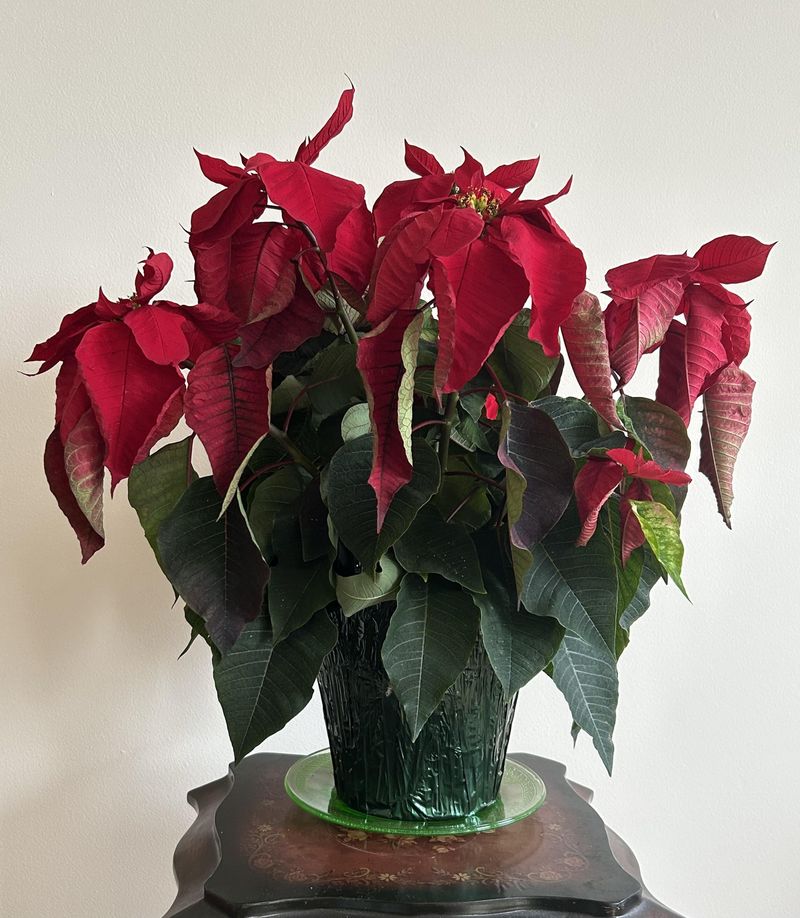
Poinsettias come from the warm Pacific slopes of Mexico, so cold air hits them much harder than most houseplants. Leaf drop is their way of saying the temperature dipped too low, even during a brief exposure.
Extension experts at NC State University warn that temperatures below about 50 degrees can injure the tender leaves. The damage often stays hidden at first, then shows up as yellowing or sudden drops a few days later.
That delay explains the mystery so many people notice after they carry a new plant into the house. The chill happened earlier, but the leaves need several days to react and finally let go of the stems.
In North Carolina, holiday shopping often lines up with frosty mornings and chilly nights in the mountains and Piedmont. Even the coast can see brisk December winds that slip right through a thin plastic sleeve on the walk.
Inside your home, the danger does not disappear just because the thermostat reads a cozy seventy degrees. Drafty doors, cold window glass, and chilly entryways can all chill the leaves that touch or sit near them.
Heat blasts cause trouble too, since vents and fireplaces dry out the foliage and stress the plant quickly. The sweet spot sits between 60 and 70 degrees, with steady air and no sudden swings.
Once you understand that this plant behaves like a tropical visitor, its dramatic leaf drop starts to make sense. Treat it like a guest who packed only summer clothes, and you will keep far more of its leaves.
The Trip Home Matters More Than You Think
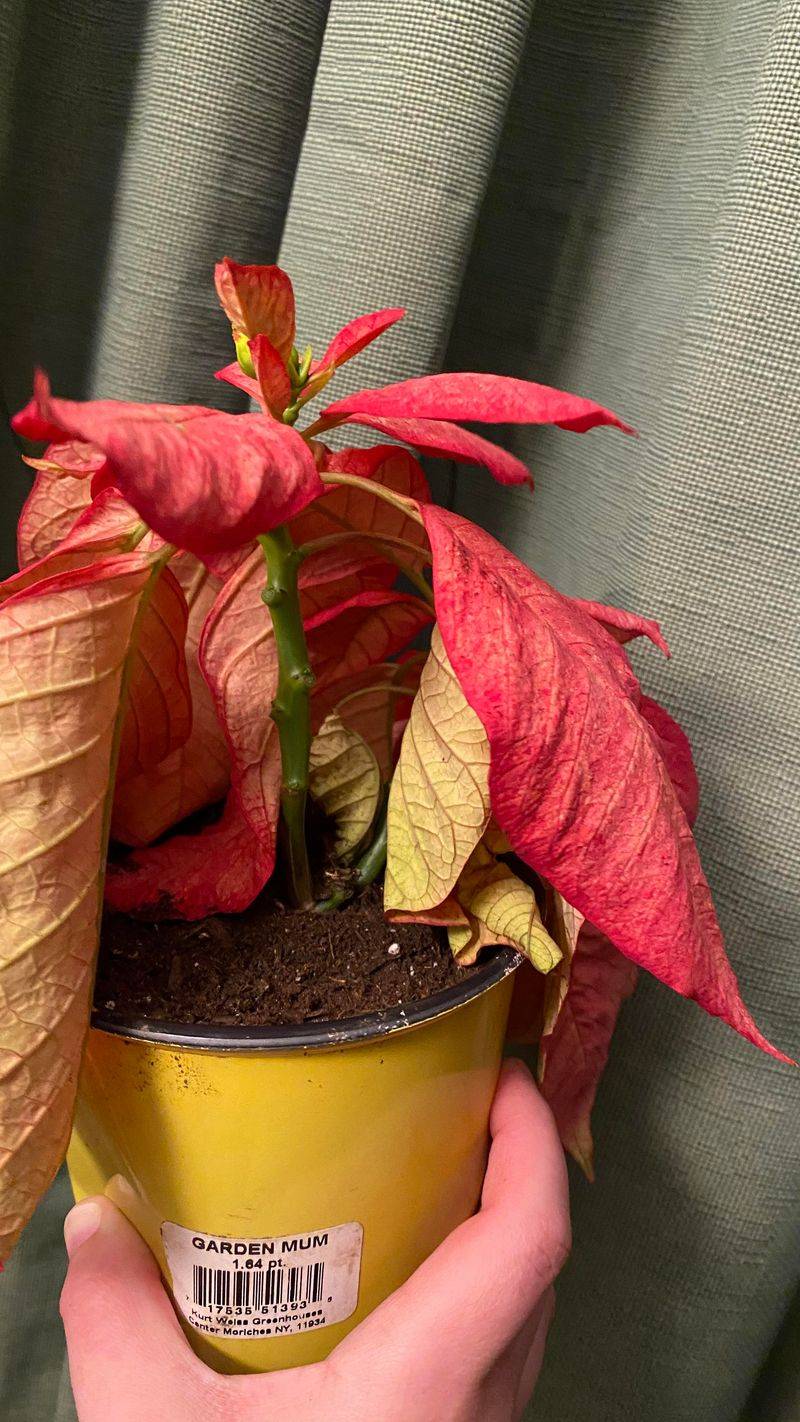
A short walk across a windy parking lot sounds harmless, yet cold air can chill the plant before it ever reaches the car. Many people learn this lesson the hard way after a quick stop on a cold December afternoon.
Store sleeves exist for a reason, since they shield the plant from wind on the way to your car. Ask the cashier for a sleeve or a large paper bag if one is not already wrapped around it.
Leaving the plant in a parked car is another common slip that often leads to leaf drop later. A car cools down fast in winter, so make the garden center your final errand before heading home.
Your North Carolina Garden Changes Every Week. Your Plan Should Too.
Gardening in North Carolina changes quickly throughout the season. Every Friday you’ll receive a simple weekly plan showing exactly what to plant, prune, fertilize, harvest, and protect so you never miss the right timing.
Once you arrive, remove the sleeve fairly soon, since extension specialists warn about leaving it on too long. Plants release a natural gas called ethylene, and trapped ethylene can cause the leaves to droop and curl downward.
That drooping has a fancy name, epinasty, and it often appears when sleeved plants sit boxed for days. Plants shipped to busy North Carolina stores may stay sleeved for a while before anyone unpacks them.
Carefully cut the sleeve open with scissors rather than tugging it, since the stems snap easily. That small step takes seconds and spares you the heartbreak of a broken branch on day one.
A little planning on the ride home pays off for weeks, especially during a frosty stretch of weather. Think of the car trip as the plant’s first test, and help it pass with flying colors.
Soggy Soil Can Quietly Ruin The Roots
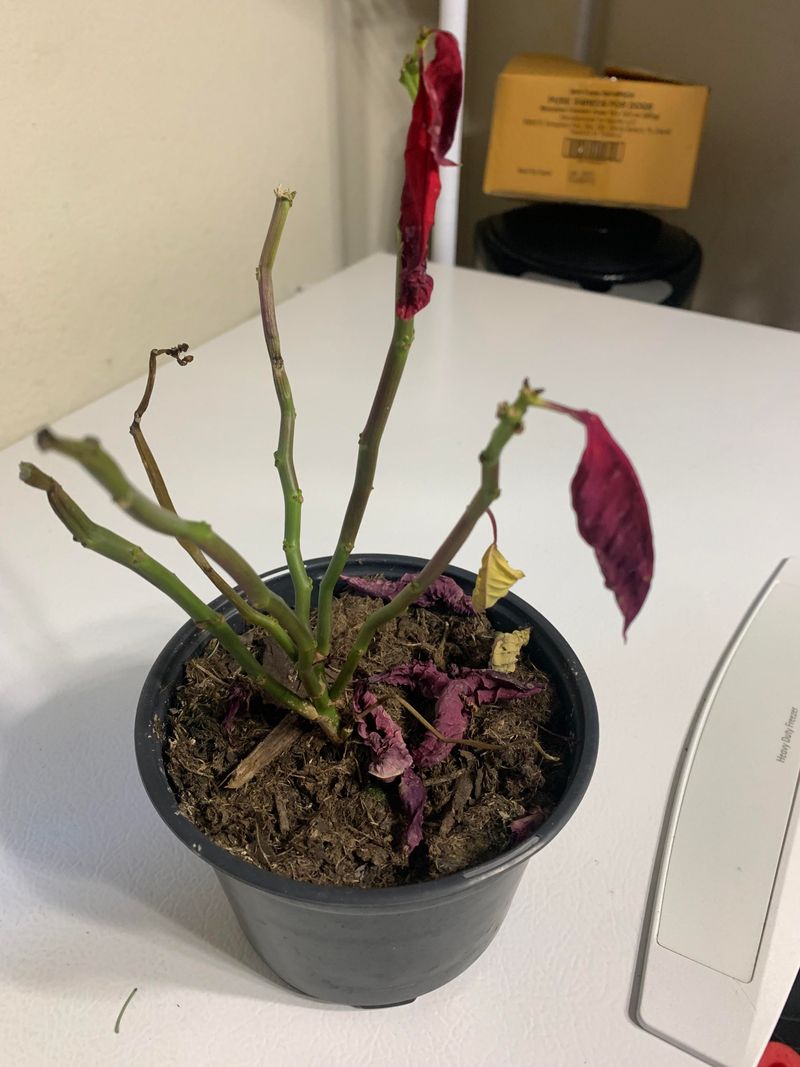
Foil wrappers look festive, but they hide a sneaky problem that causes plenty of leaf drop in homes. Water collects inside that shiny wrap, and the roots end up sitting in a cold, soggy puddle.
Roots need air as much as they need water, and soaked soil squeezes that air right out. When roots cannot breathe, they start to rot, and the leaves above begin to yellow and fall.
Oddly enough, an overwatered plant can wilt just like a thirsty one, which confuses many well meaning owners. They see droopy leaves, pour in more water, and accidentally make the root problem much worse over time.
Before watering, press a finger into the soil to check how damp it feels below the surface layer. Extension resources suggest watering only when the top of the soil feels dry to the touch.
Carry the pot to the sink, poke holes in the foil bottom, and water until it drains freely. Let the extra water run out for a few minutes before you set the plant back on display.
Dry indoor heat during a North Carolina winter can swing things the other way, so keep checking often. A plant left bone dry for too long will also shed leaves, though usually with crispy edges first.
Use room temperature water, since an icy splash can shock tropical roots that already dislike the cold. Finding that middle ground between soggy and parched is the quiet secret behind a plant that holds its leaves.
Your Living Room May Feel Too Dim
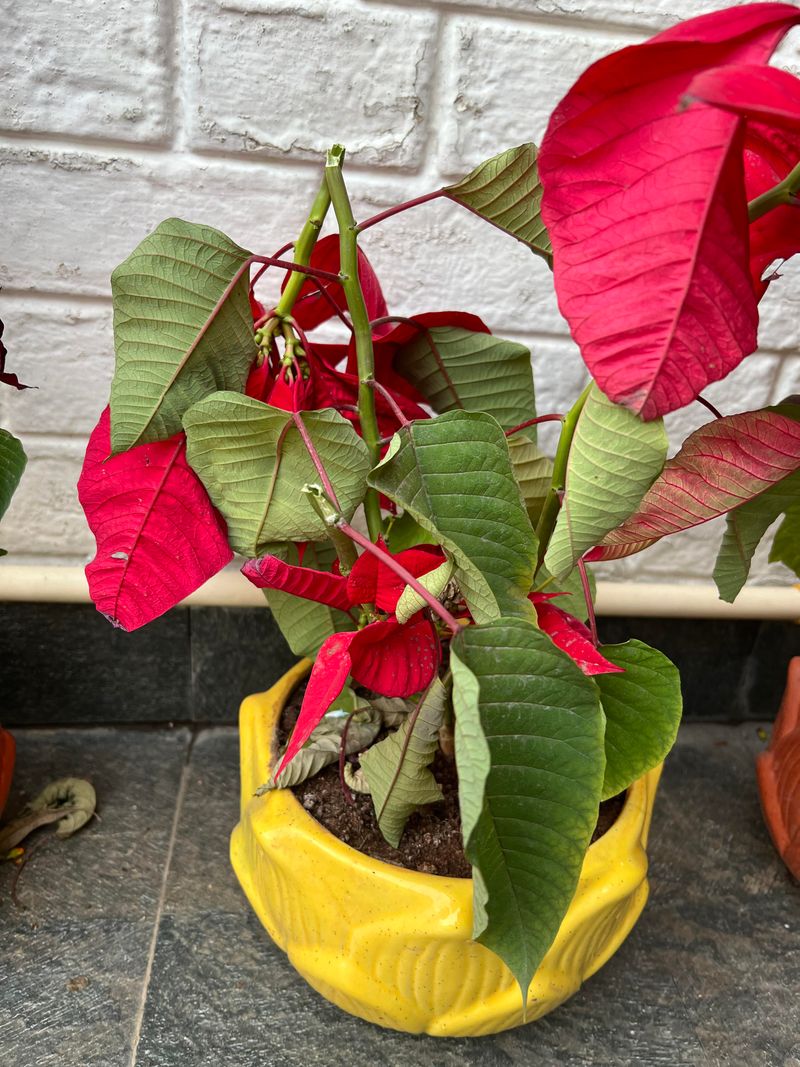
Greenhouse life is bright, so moving into a shady corner of the living room feels like a gloomy shock. Low light is another trigger that can make lower leaves turn yellow and drop over a week or two.
Experts often recommend at least six hours of bright, indirect light each day to keep the foliage healthy. A spot near a sunny east, south, or west window usually works well in most homes.
Watch out for the glass itself, though, because cold panes can chill any leaves that press against them. Leave a few inches of space between the plant and the window so the bracts stay warm and bright.
Short winter days in North Carolina mean less natural light reaching your windowsill than in early fall. Cloudy stretches make things trickier, so the brightest window in your home is often the best choice.
Many of us place holiday plants on dining tables or mantels, far from any window, purely for looks. A simple fix is to keep the plant near light most of the day and move it for parties.
Mantels deserve extra caution, since rising heat from a fireplace can dry the leaves faster than you expect. A short visit for dinner is fine, but a week on a warm mantel often ends in heavy shedding.
Fun fact for curious gardeners, the colorful bracts change color because of long nights, not bright days. Once they color up, though, daytime light becomes the fuel that keeps the green leaves firmly attached.
Fallen Leaves Do Not Mean The End
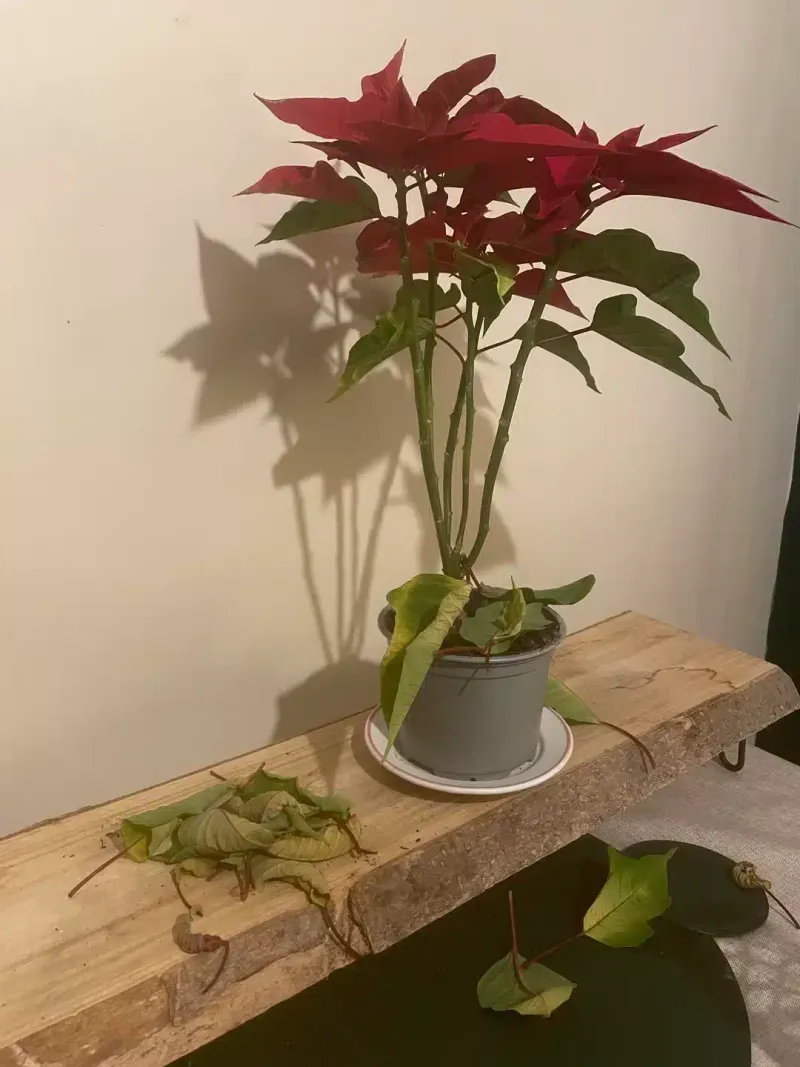
Take a deep breath before tossing that bare looking plant onto the compost pile behind your shed. Losing several leaves is often a stress reaction, and many plants recover once their conditions improve.
Start by checking the stems, which should feel firm and bend slightly rather than snapping or turning mushy. Firm stems and white or light tan roots suggest the plant still has plenty of life left inside.
Brown, smelly roots tell a sadder story, usually pointing to root rot from water sitting too long. Plants in that condition rarely bounce back, so enjoying the remaining bracts for a few weeks is reasonable.
For a stressed but healthy plant, move it to a bright spot with steady warmth between 65 and 70 degrees. Keep watering moderate, and skip fertilizer while the plant is in bloom, as most extension resources advise.
Pick up fallen leaves from the soil surface, since decaying foliage can invite fungus gnats and mold. Wear gloves if your skin is sensitive, because the milky sap can cause mild irritation for some people.
Contrary to an old rumor, these plants are not highly poisonous, according to poison control experts and veterinarians. Pets may still get an upset stomach from chewing leaves, so keep curious cats away from fallen foliage.
New leaves can sprout along the stems within a few weeks if the plant receives steady, gentle care. Many North Carolina gardeners even keep recovered plants through spring, then move them outdoors once frost passes.
Smart Shopping Habits Prevent Most Leaf Drop

October is the perfect month to plan ahead, since growers are busy coaxing their crops into holiday color. North Carolina often ranks among the leading states for growing these plants, so local greenhouses offer fresh choices.
Buying from a nearby grower or garden center often means less time in shipping boxes and dark trucks. Big box stores can carry lovely plants too, but check how long they have sat near those drafty doors.
Peek at the tiny yellow flowers in the center, called cyathia, before choosing a plant to take home. Tight, fresh buds with little or no pollen showing suggest a younger plant that will hold color longer.
Look for dark green foliage reaching all the way down the stems to the soil line. Bare lower stems or yellow leaves at the store hint that trouble has already started before purchase.
Skip plants displayed in crowded, sleeved rows for days, because trapped ethylene may cause drooping later. Also avoid any pot sitting in soggy soil or one that feels oddly light from drying out.
Shop on a milder afternoon if you can, and bring the plant straight home without extra stops. Have a bright, draft free spot ready before you leave, so the plant settles in right away.
Gardeners hoping to rebloom an older plant can start giving it fourteen hours of darkness nightly in early October. A closet or a box works well, and with patience, those leaves may stay put through the holidays.