The One Thing Texas Gardeners Should Add To Beds Before December Freezes
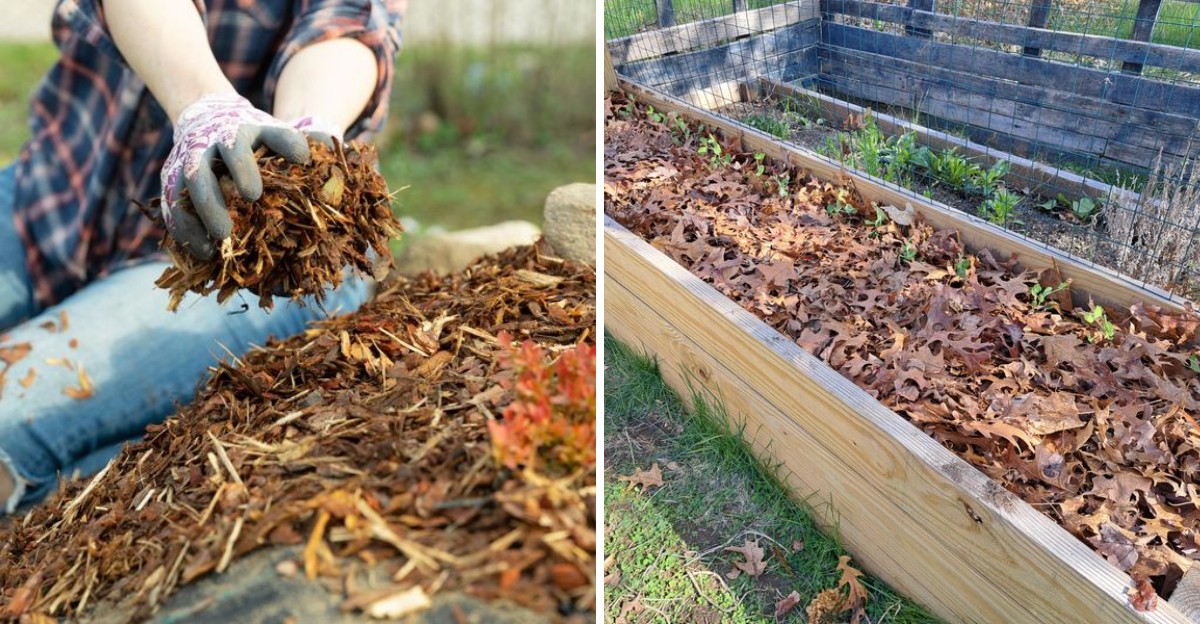
A Texas forecast can swing from 75 degrees one afternoon to a hard freeze two nights later. Plants can’t grab a jacket, but their roots can still get some real protection from what’s lying on top of the soil.
That protection comes from something cheap, easy to find, and sometimes completely free. It works mostly by slowing heat loss from the ground, and you may already have a pile of it sitting in your yard right now.
Most of us spend more time fussing over frost cloth than over the dirt beneath our plants. Yet a few inches of something earthy often ends up doing more of the heavy lifting.
What should go on your beds before the first hard freeze shows up in December?
1. Mulch Matters Most Before a Texas Freeze
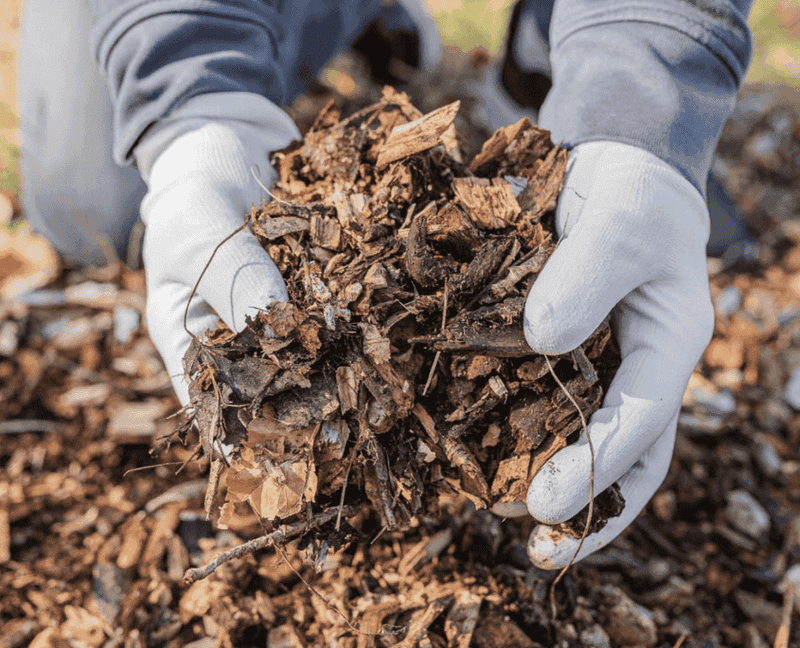
Frost cloth gets all the attention, but the real winter hero in your garden is lying flat on the ground. A fresh layer of mulch is the single most useful thing you can add to beds before a December cold front rolls in.
Texas AgriLife Extension experts often describe mulch as an insulating blanket for soil. It slows heat loss from the ground at night and keeps soil temperatures steadier from day to day.
That steadiness is a big deal in a state where it can be 75 degrees on Tuesday and 25 degrees on Thursday.
Roots do not like whiplash. When soil warms and cools rapidly, plants can get stressed or even start pushing new growth too early.
Mulch smooths out those swings so roots can rest quietly through winter.
Timing matters too. The best window is late November or early December, after the soil has cooled a bit but before the first hard freeze arrives.
In the Panhandle, that window may close earlier, while Rio Grande Valley gardeners often have more breathing room.
I like to think of mulch as a once-a-year chore with year-round payoff. It holds moisture, smothers many winter weeds, and slowly feeds the soil as it breaks down.
Protecting roots from cold is simply the most urgent job on its list right now.
So before you buy another plant cover, take a look at your beds. Bare soil is the first thing worth fixing.
2. Mulch Protects Roots From Sudden Cold Snaps
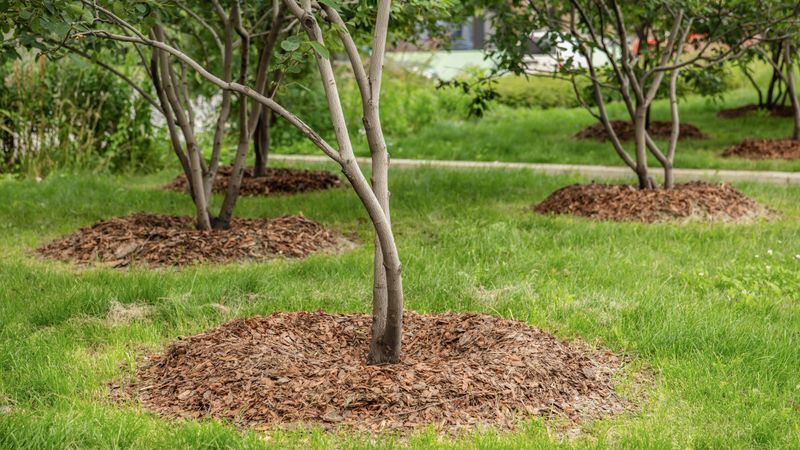
Roots sitting in the top few inches of soil feel a blue norther much faster than deeper roots do. Many shallow-rooted perennials, groundcovers, and young shrubs keep most of their feeder roots right near the surface.
A layer of mulch acts like a buffer between cold air and those tender roots. Air pockets trapped inside the mulch slow the movement of heat out of the ground.
On a clear, still night, that can mean noticeably warmer soil underneath.
Another sneaky problem shows up during repeated freezing and thawing. When wet soil freezes, it expands, and when it thaws, it shrinks again.
Over several cycles, this movement can damage roots and even push small or newly planted perennials up out of the ground, a process gardeners call frost heaving.
Mulch reduces how often the soil actually freezes and thaws. Fewer cycles mean less stress, less root damage, and fewer plants sitting crooked by January.
Here in my own beds, I notice the difference most with fall transplants. Anything planted in October or November has not had time to grow deep roots yet.
Those newcomers count on mulch more than anything else in the garden.
Keep in mind that mulch protects roots, not leaves. Tender foliage above ground can still get frostbite on a hard freeze night.
Pair your mulch with a light cover for sensitive tops, and the roots below can carry the plant through to spring.
3. Moist Soil Holds Heat Better Than Dry Soil
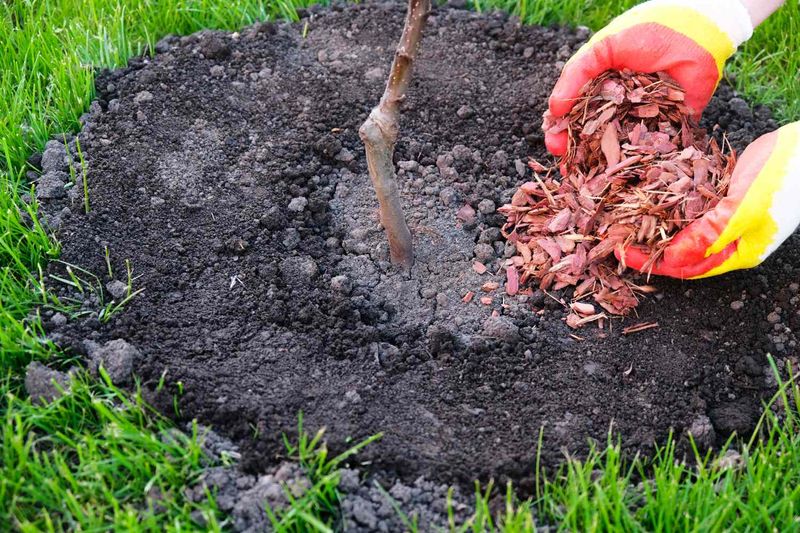
Water is surprisingly good at storing warmth. That simple bit of physics is why watering before a freeze has become standard advice from Texas extension horticulturists.
Moist soil absorbs more heat during the day than dry soil does. At night, it releases that heat slowly, keeping the root zone and the air just above it a little warmer.
Dry soil, on the other hand, loses heat quickly and leaves roots exposed.
Thirsty plants also handle cold poorly. Freezing air pulls moisture from leaves, and roots in dry ground cannot replace it fast enough.
Well-watered plants stay better hydrated and are often more cold tolerant.
So how does this tie back to mulch? Mulch keeps that moisture right where you want it.
Without a cover, wind and sunshine can dry out bare soil within a day or two, even in winter.
A practical routine works like this. Water deeply a day or two before a predicted hard freeze, ideally in the morning or early afternoon.
Then make sure your mulch layer is in place to slow evaporation.
Skip watering if your soil is already soggy, especially in heavy clay. Waterlogged ground can lead to root rot, and it does not add extra protection.
You are aiming for evenly moist soil, like a wrung-out sponge.
Container plants dry out fastest, so give them a good drink too. Their roots sit above ground and need every bit of help available.
4. Several Mulch Types Work Well in Texas Garden Beds
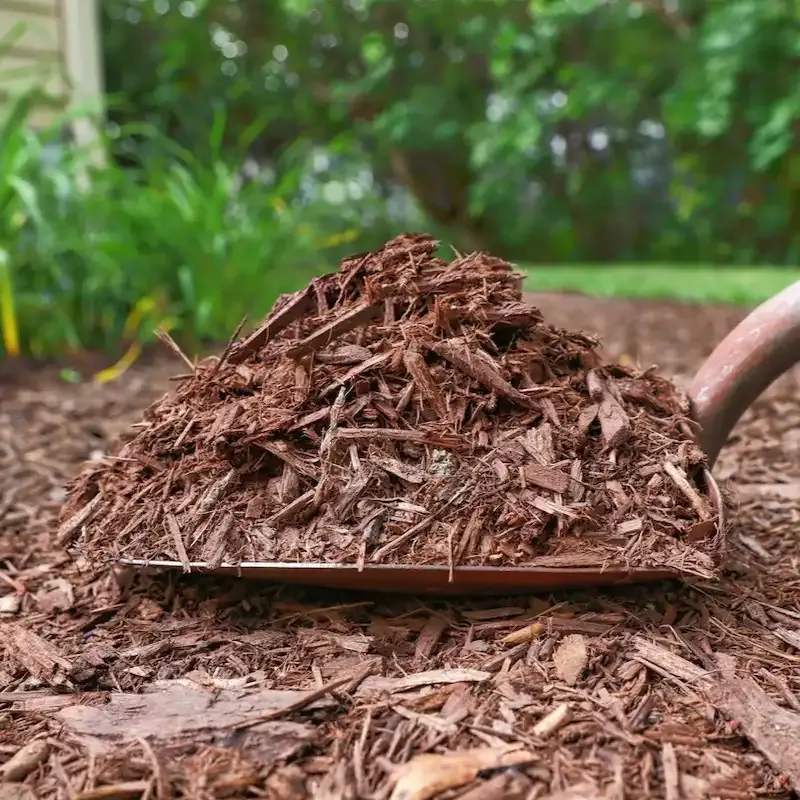
Walk into any Texas garden center in late fall and you will find a whole aisle of bagged options. Picking one can feel confusing, but most organic mulches do a fine job of insulating soil.
Shredded hardwood is a dependable all-rounder. It knits together loosely, stays put in wind, and breaks down at a moderate pace while feeding the soil.
Many Texas gardeners favor it for flower beds and shrub borders.
Native cedar mulch, often made from Ashe juniper, is another popular choice. It lasts longer than many other mulches and has a pleasant smell.
Some people say it repels pests, but the evidence is mixed, so treat that as a small bonus at best.
Pine straw is light, fluffy, and traps plenty of air. It works especially well in East Texas, where pine trees are common and the soils tend to be more acidic.
Rumors that it dramatically acidifies soil are mostly overstated.
Compost can serve as a thin top layer, though it breaks down fast and may encourage weeds if used alone. Many gardeners spread an inch of compost first, then top it with coarser mulch.
Plain straw works for vegetable beds, but choose a weed-free source. Hay often carries seeds you will regret later.
One choice to skip is rubber mulch. It does not improve soil, and it can hold extra heat in summer.
Organic material gives you more benefits for your money.
5. Fallen Leaves Make Great Free Mulch
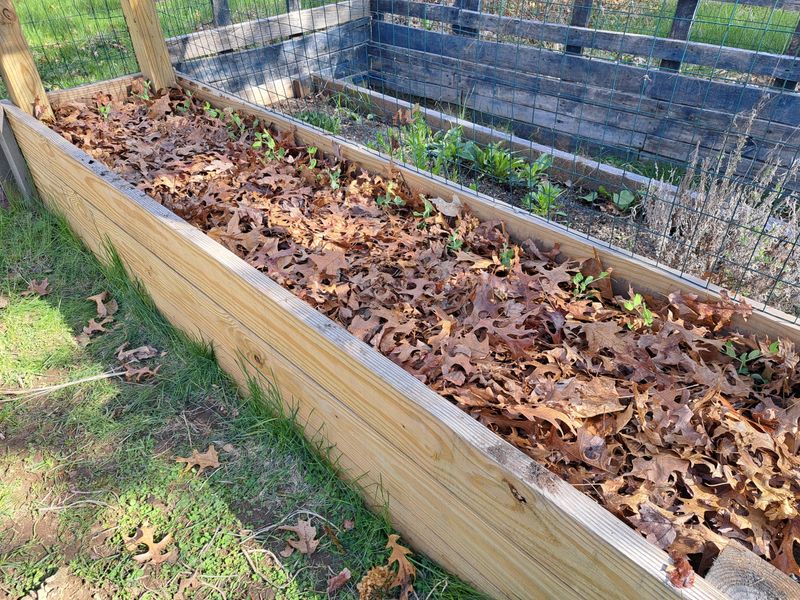
Every November, curbs across Texas fill up with bags of leaves waiting for trash pickup. Honestly, it always makes me a little sad, because that pile is some of the best free mulch around.
Leaves insulate beautifully and break down into rich, crumbly organic matter. Texas AgriLife has long encouraged gardeners to keep leaves in the yard instead of sending them to landfills.
They also provide winter shelter for beneficial insects, including many native bees and butterfly pupae.
Whole leaves have one bad habit, though. They tend to mat together into a soggy sheet that blocks air and water.
Shredding solves that problem nicely.
The easiest method uses your lawn mower. Run over a layer of leaves with the bagger attached, then empty the chopped bits straight onto your beds.
Shredded leaves stay in place better and decompose faster.
Oak leaves deserve a quick note since live oaks and red oaks are everywhere in the state. They break down slowly and contain tannins, but research shows they rarely harm established plants when shredded and used at normal depths.
Mixing them with other leaves or grass clippings helps them decompose sooner.
Leaves from black walnut trees are the main ones to keep out of vegetable beds. They contain juglone, a compound that can stunt tomatoes and some other plants.
Ask neighbors for their bagged leaves too. Most people will happily hand them over.
6. Two to Three Inches of Mulch Is Usually Enough
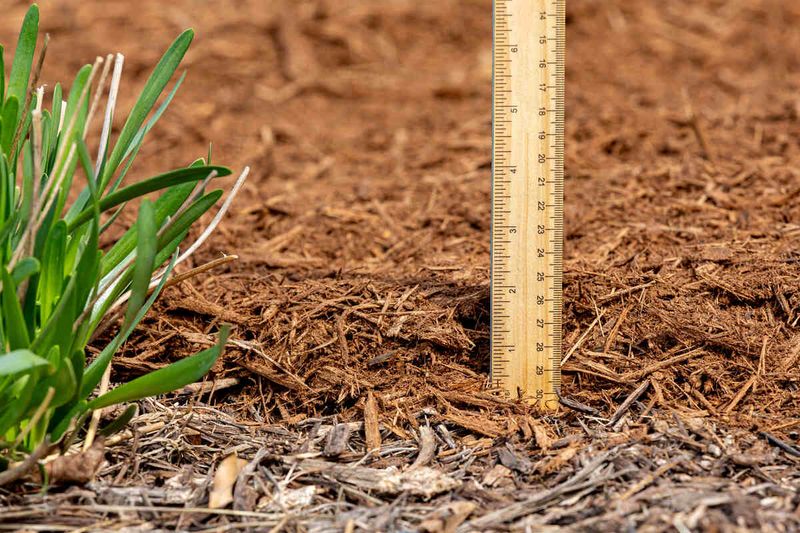
More is not always better, and mulch proves it. A layer around two to three inches deep gives most Texas beds plenty of winter insulation without causing new problems.
Thin layers of an inch or less offer little protection. Cold air slips through, weeds poke up, and moisture escapes quickly.
You get most of the benefits once you reach about two inches.
Piling it much deeper than three or four inches can backfire. Thick layers may keep soil too wet, reduce oxygen around roots, and encourage fungal trouble.
Voles and other small critters also love nesting in deep, fluffy mulch.
Soil type should shape your decision a bit. Gardeners on heavy blackland clay around Dallas, Fort Worth, and Austin often do better near the two-inch mark, since clay already holds water and drains slowly.
Sandy soils in East Texas and parts of the coast can handle closer to three or four inches.
Coarse materials like pine straw or chunky bark settle a lot after a few weeks. You can start them a little thicker, knowing they will compress.
Fine materials such as compost pack down tightly, so keep those thinner.
Before adding fresh mulch, check what is already there. Last spring’s layer may still be two inches deep.
Fluff it with a rake and top it off rather than stacking a new pile on top.
A simple ruler or your finger makes measuring easy.
7. Mulch Should Stay Away From Stems and Trunks
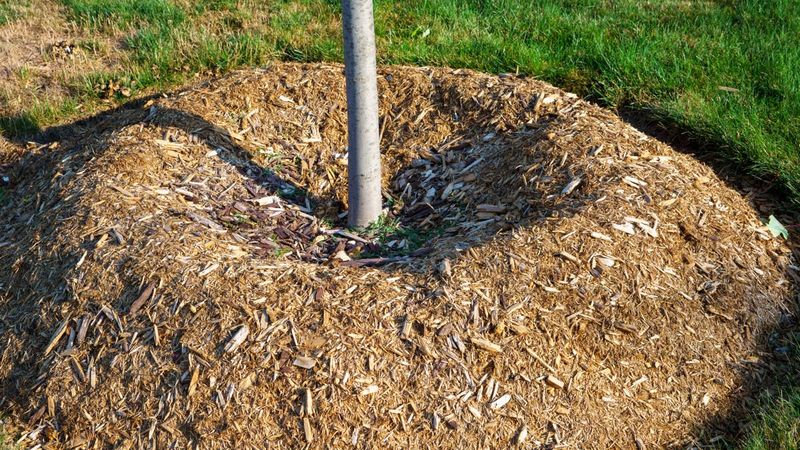
Drive through almost any neighborhood and you will spot them. Tall cones of mulch heaped against tree trunks look tidy, but arborists call them mulch volcanoes for good reason.
Bark is designed to stay dry. When wet mulch sits against it for weeks, the bark softens and invites rot, fungal disease, and boring insects.
Over time, a tree can even grow circling roots up into that mulch pile.
The same rule applies to perennials and shrubs. Lantana, salvia, and roses all appreciate some breathing room at their base.
Crowding mulch against stems can lead to crown rot, especially in clay soil.
The fix takes about ten seconds per plant. Pull mulch back so you leave a gap of roughly two to three inches around small plants.
For trees, keep it several inches from the trunk and make sure the root flare, where the trunk widens at the soil line, stays visible.
Picture the ideal shape as a donut, not a volcano. Spread mulch outward in a wide, even ring, ideally reaching toward the drip line where many feeder roots grow.
One small exception comes up with tender perennials that freeze back to the ground. Some gardeners loosely mound mulch over the crown for extra winter protection.
If you try that, pull it back in early spring once growth begins.
Checking your trees this weekend is a quick and worthwhile chore.
8. Tender Perennials Benefit Most From a Thick Layer
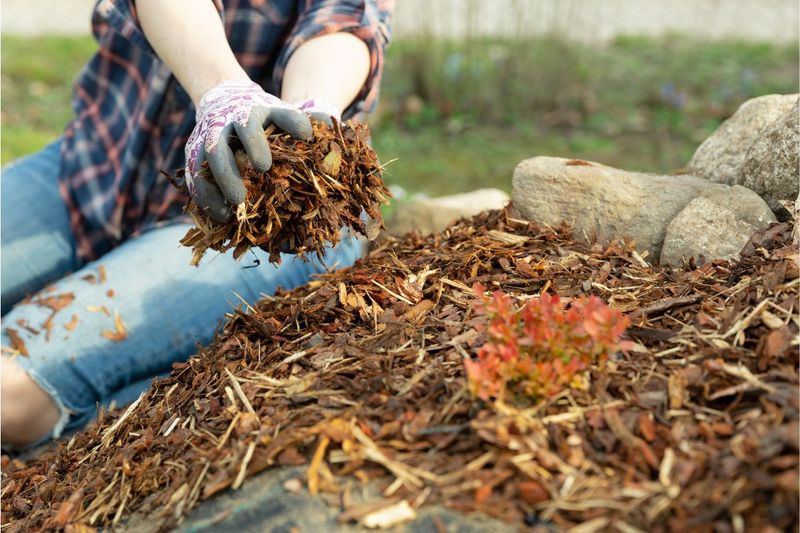
Some plants shrug off winter, while others need a little coddling. Tender perennials sit at the top of the list when it comes to mulch.
Plants like esperanza, firebush, pentas, and some lantanas often freeze to the ground in Central and North Texas. The tops may turn brown and mushy, yet the roots frequently survive if they stay protected.
A slightly thicker layer, around three to four inches, can make that comeback far more likely.
Plant placement matters too. Perennials growing near the edge of their hardiness zone carry the most risk.
A plant rated for Zone 9 might sail through winter in Houston but struggle in a Zone 7 Panhandle garden.
Newly planted shrubs and young trees also deserve extra attention. Their roots have not spread deep enough to escape the cold yet.
A solid ring of mulch buys them valuable time.
Resist the urge to prune frozen tops right away. Brown stems help shield the crown below, and cutting too early can invite more damage.
Many Texas horticulturists suggest waiting until new growth appears in spring.
Potted plants are the most exposed of all, since cold reaches roots from every side. Group them together, mulch the soil surface, and move them against a warm wall or into a garage on hard freeze nights.
A bag or two of mulch now could save you from replacing favorite plants in March. That trade feels like a bargain to me.