7 Things That Attract Skunks To Your Pennsylvania Yard
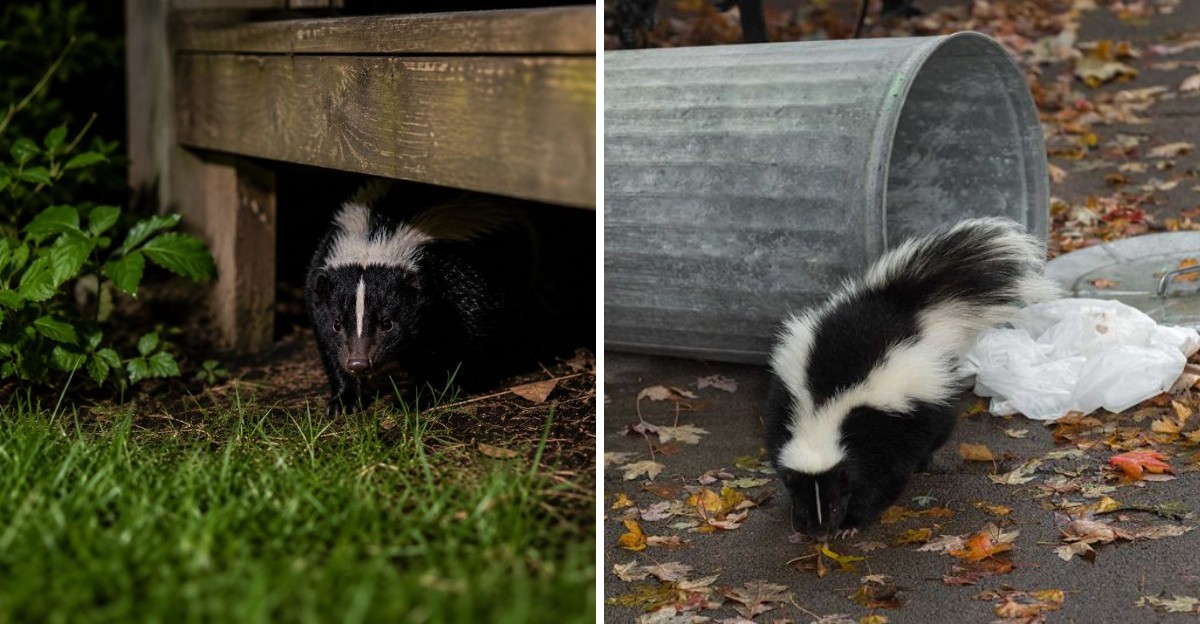
A skunk can spray with surprising accuracy from about 10 feet away. The smell can drift for more than a mile and cling to fur, clothes, and siding for days. That’s not something you want happening in your backyard.
Yet every fall, skunks across Pennsylvania go looking for new places to eat and settle in before winter. They’re not picky about where they end up.
If your yard offers an easy meal and a quiet place to hide, it can quickly become their favorite nighttime stop.
The tricky part is that the biggest attractions aren’t always obvious. Some of them are things you’d never think twice about, like a well-watered lawn or that small gap under the shed.
These common yard features could be inviting skunks in right now. A few quick changes can send them somewhere else before they get comfortable.
1. Grubs Hiding In Your Lawn
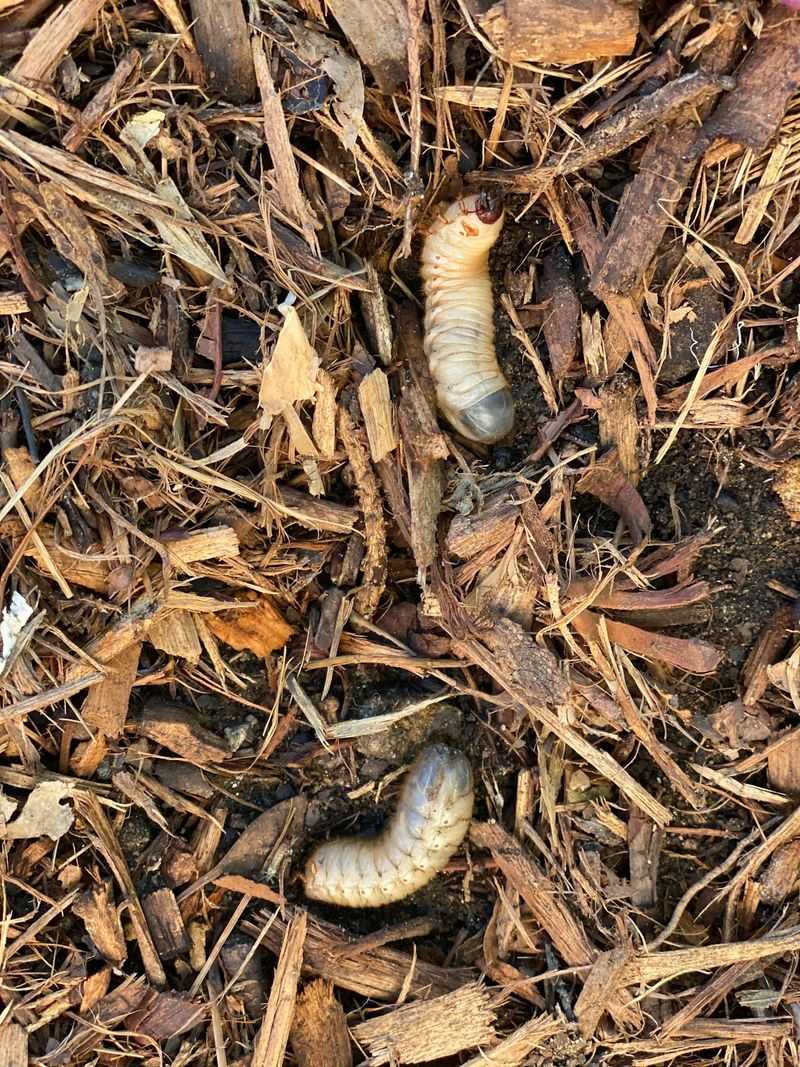
Tiny holes popped up all over my neighbor’s lawn one spring morning. They looked like someone had poked the grass with a spoon. The culprit was a hungry skunk hunting for grubs.
Grubs are the young form of beetles, like Japanese beetles and June bugs. They live just under the soil and munch on grass roots. To a skunk, a lawn full of grubs is like a free buffet.
Skunks have a great sense of smell. They can sniff out grubs from above ground. Then they use their strong front claws to dig small, cone-shaped holes about three or four inches wide.
Pennsylvania lawns often have lots of grubs in late summer and early fall. That is when the young beetles grow big and juicy. It is also when skunks are fattening up for winter.
So how do you stop the digging? The best plan is to cut down on the grubs themselves. You can check your lawn by pulling back a square foot of turf. If you see more than five or ten grubs, you may have a problem.
Many homeowners use milky spore or helpful tiny worms called nematodes. Both are natural options that target grubs without harsh chemicals. Keeping your grass healthy also helps it bounce back from damage.
Watering too much can make things worse. Beetles like to lay eggs in soft, damp soil. Try watering deeply but less often.
Fun fact: one skunk can eat hundreds of insects in a single night. That makes them helpful in the wild. Still, you probably want them hunting somewhere other than your front yard.
2. Trash Cans With Loose Lids
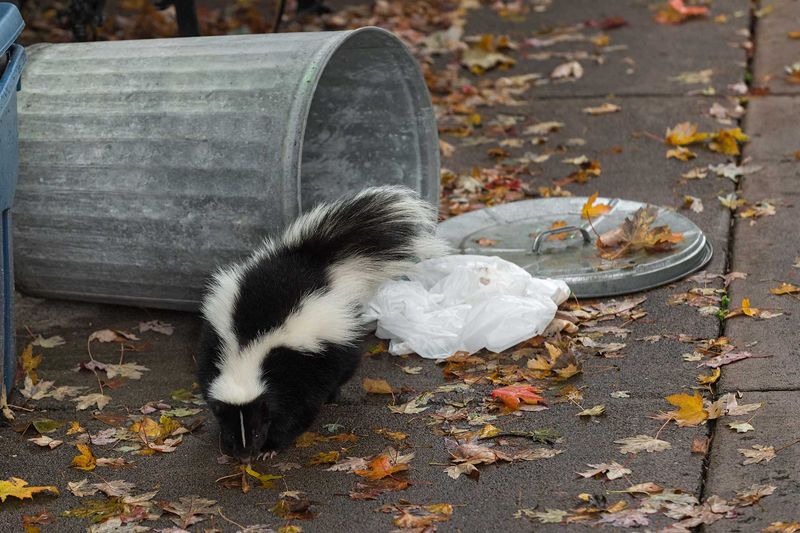
Garbage night can turn into a party for the wrong guests. A trash can with a loose lid smells like dinner to a skunk. Leftover chicken bones, pizza crusts, and fruit peels are hard for them to resist.
Unlike raccoons, skunks are not great climbers. They usually cannot pry open a tall, sealed can. But if the lid is cracked, missing, or the can tips over, they will happily dig in.
Bags left on the curb are even easier. A skunk can tear through plastic in seconds. By morning, you might find a mess spread across your driveway.
Your Pennsylvania Garden Changes Every Week. Your Plan Should Too.
Gardening in Pennsylvania changes quickly throughout the season. Every Friday you’ll receive a simple weekly plan showing exactly what to plant, prune, fertilize, harvest, and protect so you never miss the right timing.
Here is the thing. Once a skunk finds food in one spot, it will come back again and again. Animals remember where meals are easy to get. A few simple habits can fix this problem fast:
Use sturdy cans with tight-fitting or locking lids. Bungee cords work well to keep lids snug. Store cans in a garage or shed until pickup day if you can.
Put trash out in the morning instead of the night before. Skunks are most active after dark, so less time outside means less temptation. Rinse food containers before tossing them to cut down on smells.
Cleaning your cans also helps. A quick spray with a hose and a splash of vinegar or dish soap removes lingering odors. You will notice the difference, and so will the critters.
Many Pennsylvania towns have rules about how trash is set out. Check with your local township for tips. Some even offer animal-proof cans to residents.
3. Pet Food Left Outside
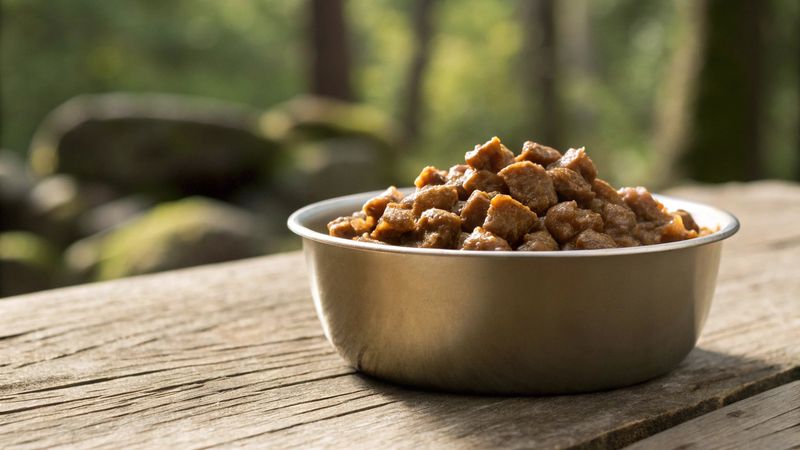
Ask any vet in Pennsylvania about skunk spray, and they will have stories. A surprising number start the same way. Someone left the dog or cat food bowl on the porch overnight.
Pet food is packed with protein and fat. It smells strong, and skunks can pick up that scent from far away. To them, a full bowl is an open invitation.
Outdoor cats are often fed on porches or decks. Farm families may leave kibble in barns for working cats. Both setups can pull in skunks, along with raccoons and opossums.
The bigger worry is your pet. When a dog finds a skunk eating from its bowl, trouble follows. The skunk feels trapped and sprays. Now you have a stinky dog and a long night of bathing.
Skunks can also carry rabies. Pennsylvania sees cases every year, and skunks are one of the more common carriers. Keeping them away from your pets is smart for safety, not just smell. Try these easy changes:
Feed pets indoors whenever possible. If they must eat outside, feed them in the morning and pick up the bowl within an hour. Never leave food out after sunset.
Store big bags of pet food in metal or thick plastic bins with sealed lids. Skunks can chew through paper bags in a garage or shed.
Wipe up spilled kibble and water around feeding areas. Even small crumbs can keep a skunk coming back. A tidy feeding spot keeps your furry friends safe and your nose happy.
4. Bird Feeders Dropping Seeds
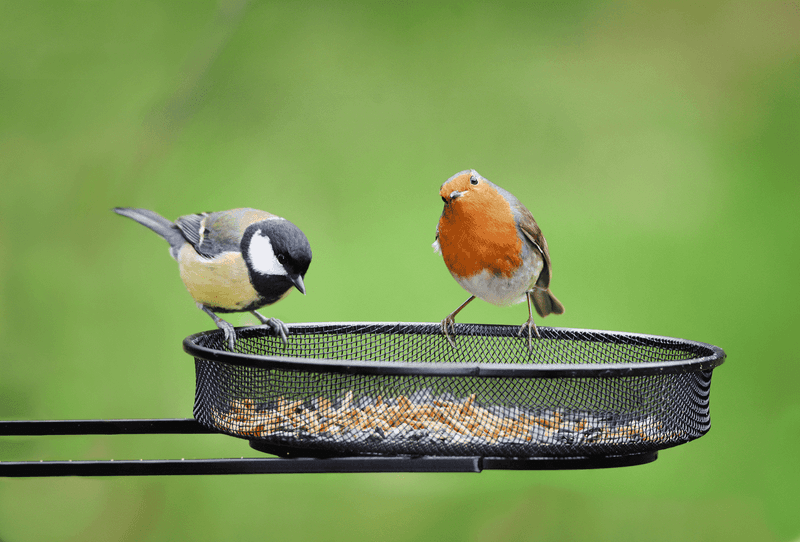
Bird lovers, this one might sting a little. Your cheerful feeder full of sunflower seeds could be feeding more than cardinals and chickadees. Skunks love the seeds that fall to the ground.
Birds are messy eaters. They toss seeds, drop shells, and scatter food all over. By nighttime, the ground below a feeder can look like a snack bar.
Skunks cannot climb up to most feeders. They do not need to. Everything they want is already lying in the grass.
There is another catch. Spilled seed draws mice and voles. Skunks eat those too. So a feeder can bring in a whole chain of hungry animals. Do not worry, you do not have to give up bird watching. You just need a cleaner setup.
Choose a feeder with a wide tray underneath to catch falling seeds. Hulled or shell-free seed makes less mess, since birds eat the whole thing. Nyjer seed is another good pick because fewer critters care for it.
Rake or sweep under the feeder every few days. Some people bring feeders inside at night when skunks are out and about. That one step can make a big change.
Placement matters too. Hang feeders away from your house, deck, and shed. That way, any visitor stays far from spots where it might want to move in.
Did you know? Pennsylvania is home to more than 400 kinds of birds. Many of them stick around all winter. With a few tweaks, you can enjoy every one of them without inviting a skunk to the show.
5. Cozy Spaces Under Decks And Sheds
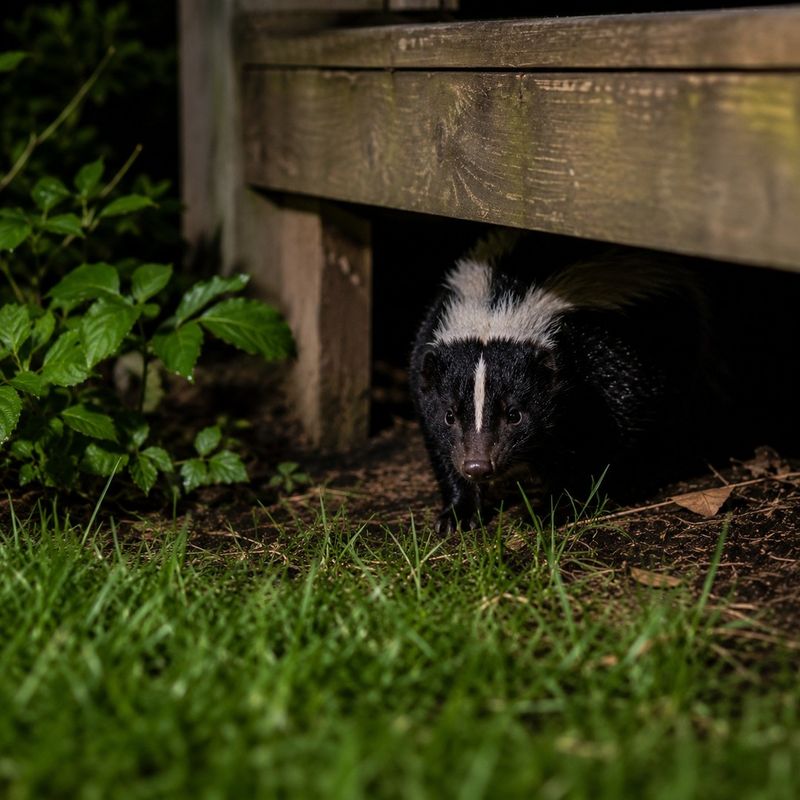
Real estate is tight in the skunk world. A dry, dark spot under your deck is prime property. To a mother skunk looking for a place to raise babies, it feels like a dream home.
Skunks do not like to dig deep dens of their own. They prefer to borrow space. Gaps under porches, sheds, stairs, and crawl spaces are perfect hideouts.
In Pennsylvania, skunks often look for shelter in late winter. That is mating season. By May or June, a mother may have four to seven kits tucked away under your steps.
How can you tell if you have a tenant? Look for fresh dirt pushed out from a hole. You might notice a faint musky smell or tracks in mud or snow. Some folks spot a skunk waddling out at dusk.
Blocking these spaces is the key. But timing matters a lot. You never want to seal an animal inside, especially babies.
First, check if the space is empty. Sprinkle flour at the entrance and look for tracks the next morning. Or loosely stuff the hole with newspaper and see if it gets pushed aside.
Once you know it is empty, close it off. Use sturdy hardware cloth or wire mesh. Bury it about a foot deep and bend it outward in an L shape. That stops skunks from digging under.
Late summer or fall is usually the best time for this job. The young skunks have grown and moved on. If you are unsure, a licensed wildlife pro can help.
6. Fallen Fruit And Garden Treats
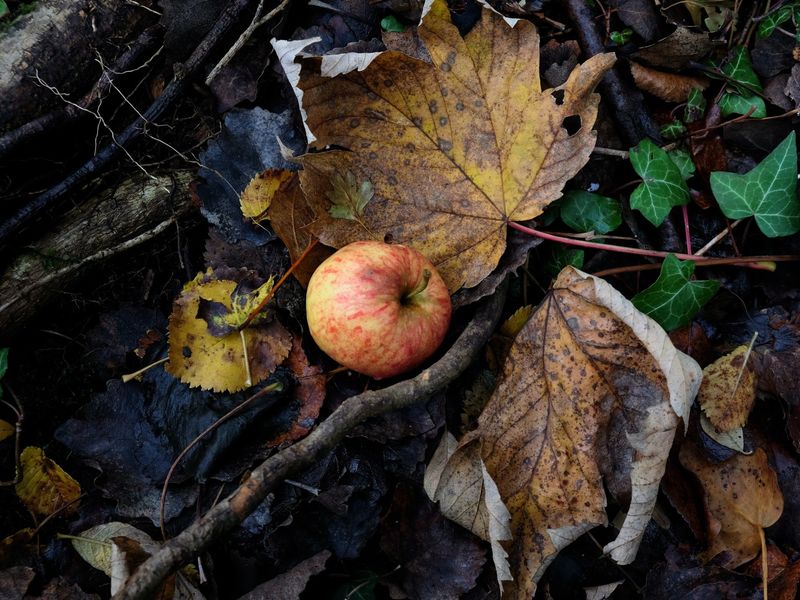
Summer gardens are one of the best parts of living in Pennsylvania. Juicy tomatoes, sweet corn, and backyard apples are hard to beat. Unfortunately, skunks agree.
These animals are true omnivores. That means they eat both plants and animals. Ripe fruit, berries, and veggies are all on the menu.
Fruit trees cause the most trouble. Apples, pears, and peaches drop to the ground as they ripen. If nobody picks them up, they rot and give off a sweet smell. Skunks follow that scent right to your yard.
Gardens also attract bugs, worms, and slugs. Skunks enjoy those as a bonus. A single garden bed can offer a full meal. Luckily, a little cleanup goes a long way.
Pick up fallen fruit every day or two during harvest season. Toss it in a sealed bin or compost it the right way. Harvest veggies as soon as they are ripe instead of letting them sit on the vine.
Compost piles need extra care. Open piles with food scraps are like a buffet sign. Use a closed compost bin and skip meat, dairy, and oily foods.
A low fence can help protect garden beds. Skunks are poor climbers, so a two or three foot fence buried a few inches into the ground works well.
Some gardeners swear by motion-activated sprinklers. A sudden burst of water startles skunks without hurting them.
It is a harmless trick that often sends them packing. Your garden should feed your family, not the neighborhood wildlife.
7. Easy Water Sources
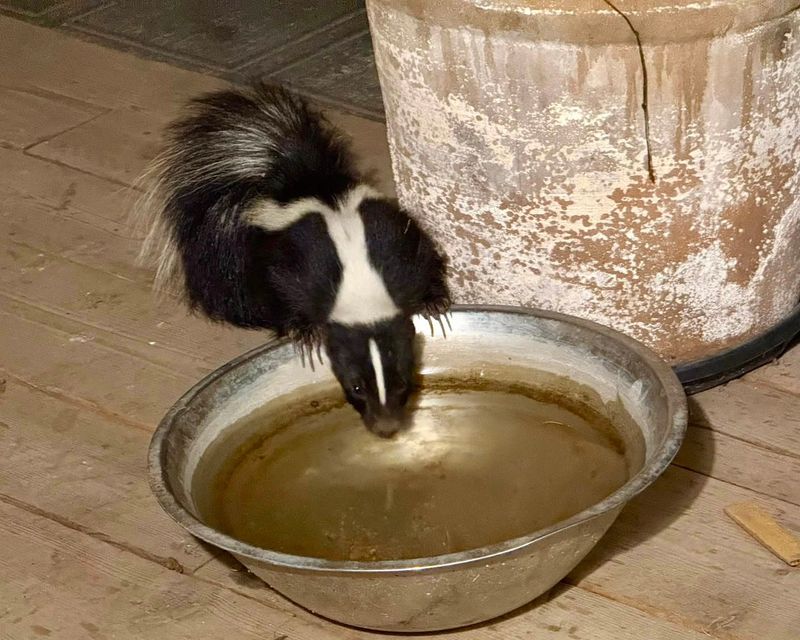
Thirsty animals will travel for a drink. During a dry Pennsylvania summer, water can be harder to find than food. A yard with easy water becomes a popular stop.
Skunks need water every day, just like us. Birdbaths, pet water bowls, leaky hoses, and small ponds all fit the bill. Even puddles near a dripping faucet can draw them in.
Standing water brings another problem. It attracts insects, frogs, and other small creatures. For a skunk, that means dinner and a drink in one spot.
Think of your yard from a skunk’s point of view. Food here, water there, and a cozy spot under the shed. That is everything an animal needs to settle down for good. Cutting off water is often overlooked, but it really works.
Fix leaky outdoor faucets and hoses. Check your gutters and downspouts too. Clogged gutters can spill water and create soggy spots near your home’s foundation.
Empty pet water bowls at night and bring them inside. Dump out buckets, kiddie pools, and old flower pots after rain. Standing water also breeds mosquitoes, so you get two benefits in one.
If you have a birdbath, try cleaning and refilling it in the morning only. Letting it run low by evening makes it less appealing at night.
Garden ponds are harder to manage. Adding netting or edging with rocks can make access trickier. Motion lights nearby can also discourage night visits.
Quick tip: skunks dislike bright light. A few well-placed solar lights can make your whole yard feel less welcoming after dark.