The Ohio Bulbs Squirrels Leave Alone – Plant These If Your Tulips Keep Disappearing
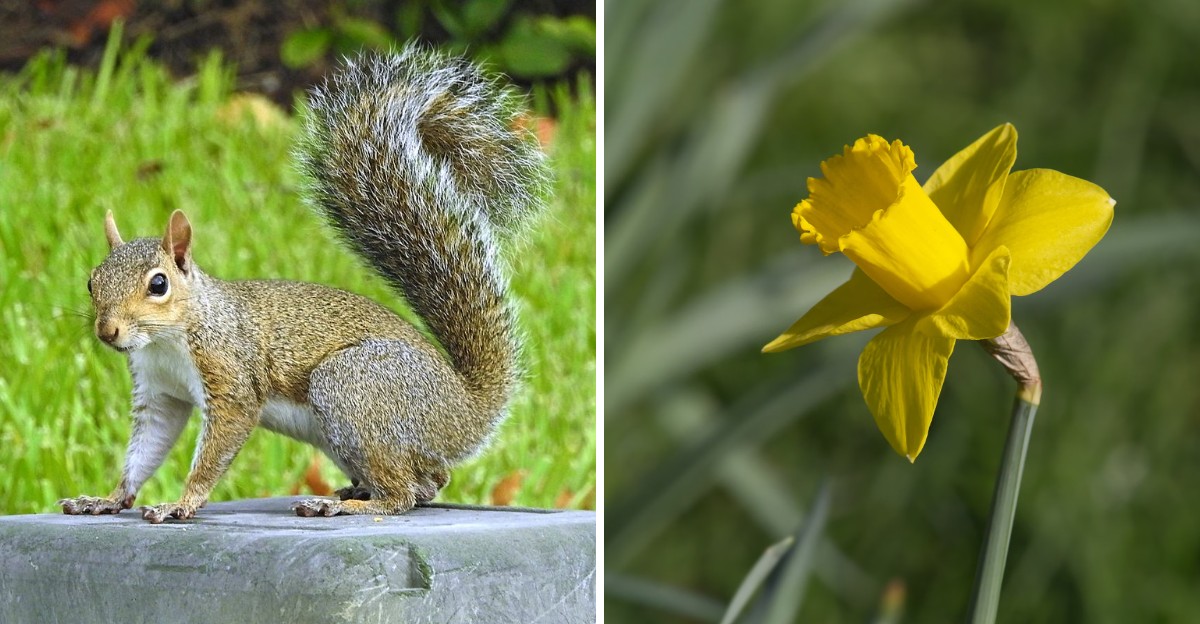
You plant two dozen tulips in October, and by April a lonely stem or two pokes through the soil like the survivors of a heist.
Squirrels in Ohio treat a freshly planted bulb bed like a buffet with a very generous host. They dig, snack, and leave little craters behind as a calling card.
Gardeners fight back with wire, pepper, and a fair amount of muttering, and the furry bandits just keep coming.
A smarter move skips the fight altogether. Certain bulbs taste terrible to squirrels, and they still bloom with just as much color.
Some even multiply on their own after a few seasons.
Few of them get top billing at the garden center, which is why so many yards still go without.
Swap your order before the bulbs hit the ground. Spring will reward the change.
1. Daffodils, The Bulb Squirrels Avoid Most
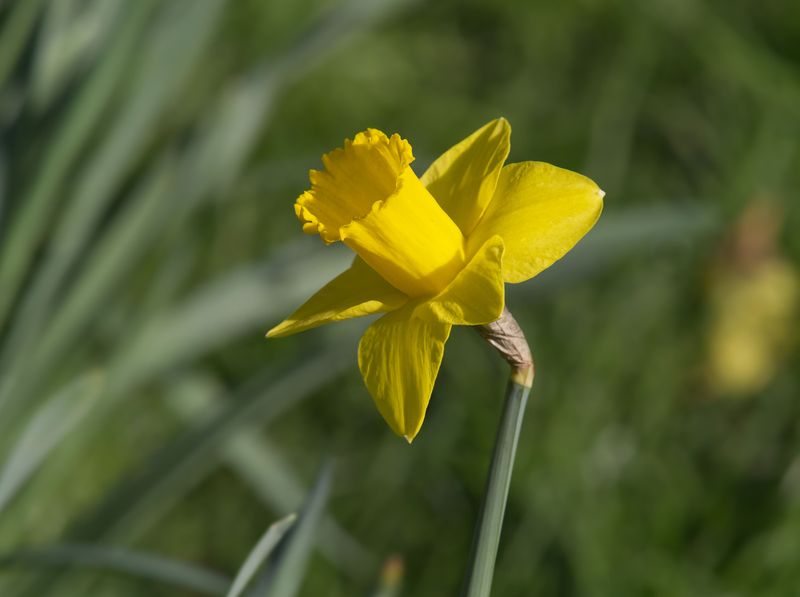
Ask any Ohio gardener which bulb wins the squirrel battle, and most will point to the daffodil. These sunny flowers carry natural toxins and a bitter taste that critters find nasty.
A squirrel may dig one up out of curiosity, but it rarely takes a second bite. That means your daffodils can come back year after year with very little fuss.
Daffodils grow well in USDA Zones 3 to 8, which covers all of Ohio. You can pick from trumpet shapes, large cups, and small cups.
Colors range from gold and lemon yellow to creamy white and soft pastels.
Many types are bicolor, like a white petal ring around an orange cup. By choosing early, middle, and late types, you can enjoy blooms from March into May.
Plant the bulbs in fall, about six inches deep, with the pointy end facing up. Pick a sunny spot with soil that drains well, since soggy ground can cause rot.
After the flowers fade, let the leaves stay green for about six weeks. Those leaves are busy making food for next spring’s show.
Here is a fun trick worth trying. Plant daffodils in a ring around your tulips, and the bitter neighbors may help steer hungry diggers away from your favorites.
2. Alliums With Their Strong Onion Scent
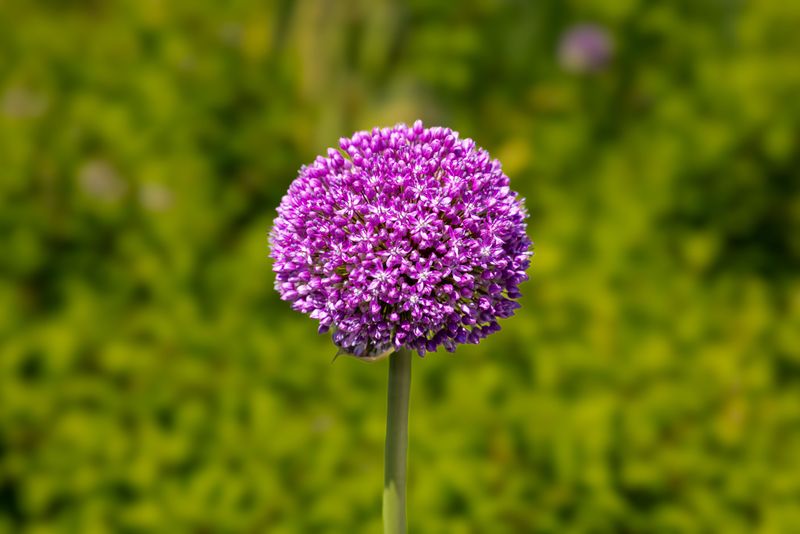
Picture a giant purple lollipop floating above your garden bed. That is the allium, and squirrels want nothing to do with it.
Alliums are ornamental onions, so they share the same sharp smell as the ones in your kitchen. Sulfur compounds and allicin give them that pungent kick that turns furry noses away.
The papery outer skin also makes the bulbs tough to chew. A squirrel looking for a quick snack will usually move along to easier pickings.
Don’t worry about your yard smelling like a pizza shop, though. People only notice the onion scent when leaves or stems get crushed or bruised.
Alliums bloom from late spring into early summer. That timing is handy, because they fill the gap after tulips and daffodils finish their show.
The round flower clusters come in purple, white, and purplish pink. Some stalks reach up to three feet tall, adding drama above lower plants.
Your Ohio Garden Changes Every Week. Your Plan Should Too.
Gardening in Ohio changes quickly throughout the season. Every Friday you’ll receive a simple weekly plan showing exactly what to plant, prune, fertilize, harvest, and protect so you never miss the right timing.
Give them full sun and well-drained soil for the best results. Plant bulbs in fall at a depth about three times their height.
As a bonus, bees and butterflies adore the blooms. The dried seed heads also look striking in the garden or in a vase, so you can enjoy them long after the color fades.
3. Fritillaria, Including The Showy Crown Imperial
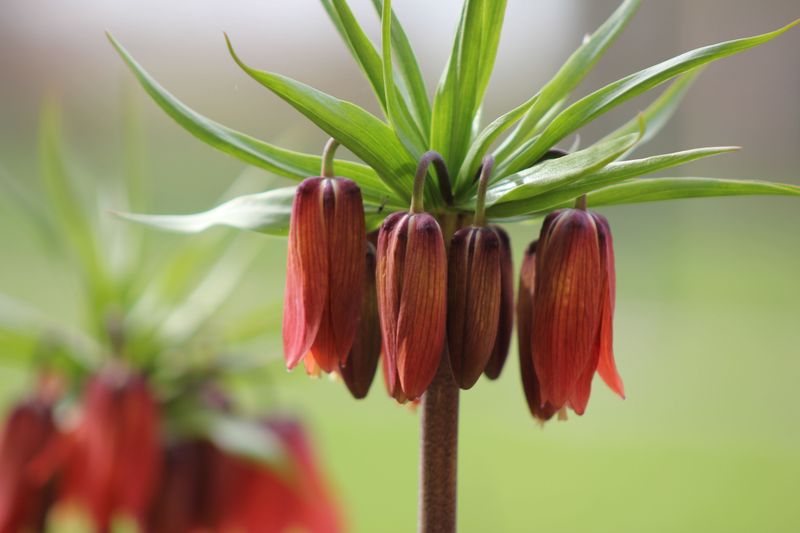
Some flowers whisper, but the Crown Imperial shouts from across the yard. Tall stems hold a ring of hanging bells topped with a leafy tuft, like a tiny palm tree in bloom.
Here is the funny part. Crown Imperial gives off a skunky smell that many gardeners compare to a wet dog or a fox.
We may wrinkle our noses, but squirrels truly hate it. Some people believe the odor can also send moles packing.
The blooms come in bold shades of yellow, red, and orange. Smaller fritillaria types, such as the checkered snake’s head, add a quirky pattern to shady corners.
Drainage is the big secret to growing these bulbs well. Fritillaria bulbs have a hollow center that can collect water and rot during wet Ohio winters.
To help, plant the bulbs tipped on their side. Mixing a little gravel or sand into heavy clay soil also helps extra water slip away.
Plant them in early fall, about eight inches deep, in a sunny spot. Handle them gently, since the bulbs are fleshy and bruise easily.
Fritillaria makes a great conversation starter too. Neighbors will stop and ask what that wild-looking plant is, and you get to share your clever squirrel-dodging secret.
4. Snowdrops For The Earliest Blooms Of Spring
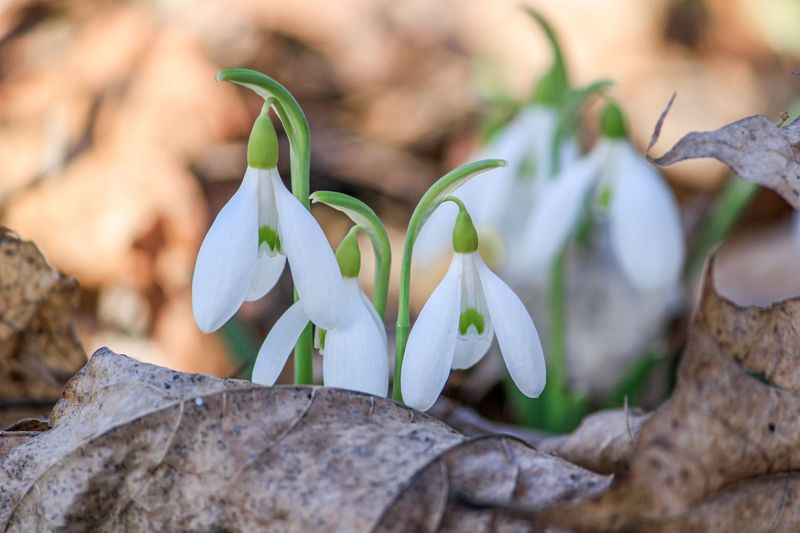
Late winter in Ohio can feel like it lasts forever. Then, one gray February day, little white bells peek up through the snow and remind you that spring is coming.
Snowdrops, known to scientists as Galanthus, are among the first flowers of the year. They often bloom in February and March, when almost nothing else is awake.
Squirrels steer clear of them for a smart reason. The bulbs contain alkaloids like galantamine, which upset an animal’s stomach if eaten.
These small bulbs love part shade and rich soil. They are perfect for planting under trees, where the ground gets sun before the leaves fill in.
Over time, snowdrops spread and form soft white carpets. A handful of bulbs today can turn into a lovely patch within a few years.
Common snowdrops grow about three to six inches tall. Giant snowdrops are a little bolder, reaching six to twelve inches, and both are hardy in Zones 3 to 7.
Plant them in fall about three inches deep and in groups of ten or more. Small flowers look best when they gather in crowds.
Many gardeners say the best part is the hope they bring. Spotting that first flash of white feels like winter finally losing its grip.
5. Hyacinths For Bold, Fragrant Color
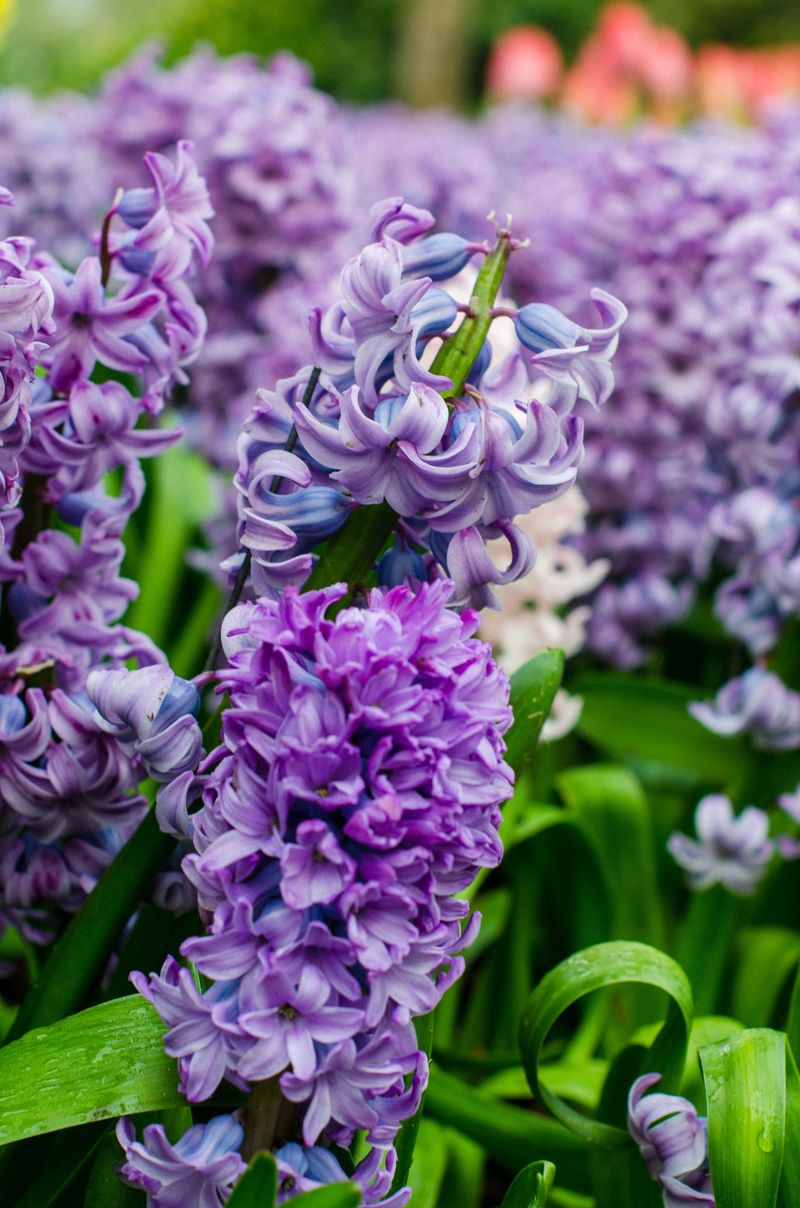
Step outside on an April morning and you may smell hyacinths before you see them. Their sweet perfume can fill an entire front walk.
Squirrels, however, are not fans. Hyacinth bulbs contain oxalic acid, which can sting a squirrel’s paws and mouth.
The bulbs also taste bitter, so most rodents give up after one sniff. Tip for you: wear gloves when planting, because the bulbs can make human skin itchy too.
Hyacinths grow about eight to twelve inches tall. Their thick spikes of tiny star-shaped blossoms look almost like they were sculpted.
The color choices are amazing. You can find true blue, pink, yellow, peach, white, and many shades of purple.
Because they stay short and tidy, hyacinths shine along borders and walkways. They also look sharp in pots by the front door, where guests can enjoy the scent.
Plant the bulbs in fall, about six inches deep, in full sun or light shade. Make sure the soil drains well so they don’t sit in puddles.
Hyacinths are hardy in Zones 3 to 8, so Ohio winters are no problem. The first year’s blooms are the fattest, while later years bring looser, more relaxed spikes that many people find charming.
6. Grape Hyacinths To Edge Your Beds
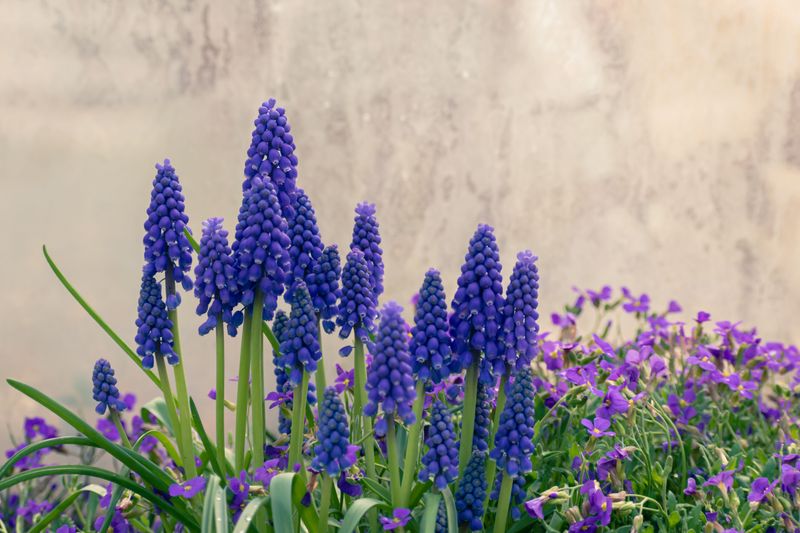
Tiny but mighty, grape hyacinths look like little bunches of purple grapes standing on end. Kids love them, and squirrels mostly ignore them.
These miniature bulbs, called Muscari, carry a musky scent along with bitter compounds called saponins. That combo makes them an unappealing meal for critters hunting for snacks.
To be fair, a few gardeners have reported squirrels nibbling them now and then. Still, losses are usually rare compared to what happens with tulips.
Grape hyacinths bloom from March to May and handle USDA Zones 3 to 9 with ease. You can find them in dark purple, soft pastel blue, pink, and white.
Their small size makes them perfect for edging beds and paths. Plant a ribbon of blue along the front of a border, and it frames everything behind it.
Many people pair them with daffodils for a classic yellow and blue look. They also work nicely tucked under shrubs or scattered through the lawn.
Plant bulbs in fall, about three inches deep and a few inches apart. Full sun to part shade suits them well.
Here is a quirky fact. Grape hyacinths often send up leaves in autumn, so don’t panic if you see green in October, since the flowers will still arrive in spring.
7. Camassia For Late-Spring Blue Spikes
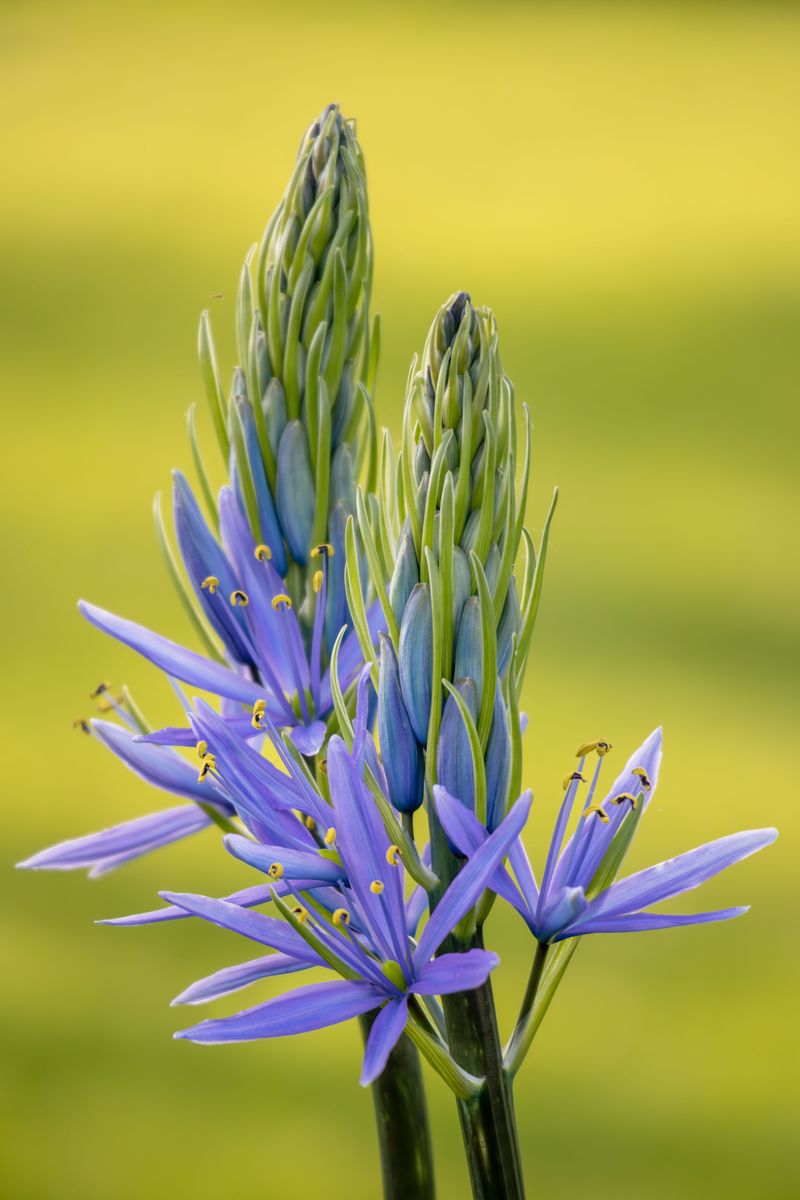
Long before Ohio had suburbs, camassia bloomed wild across North American meadows. This native beauty is ready to bring that prairie spirit to your yard.
Squirrels tend to pass right by it. They find the bulbs bitter, unappealing, and much harder to chew than a soft tulip.
Camassia sends up tall, graceful spikes covered in starry blossoms. The colors include rich blue, gentle lavender, and crisp white.
Blooms appear in late spring, usually around May or June. That makes camassia a great bridge between early bulbs and summer flowers.
The plants grow 18 to 36 inches tall, so give them room toward the middle or back of a bed. They also look stunning in a natural meadow or along a pond edge.
Here is what makes camassia special for tricky yards. It enjoys steady moisture in spring, so it handles damp spots where other bulbs might rot.
Once flowering wraps up, it tolerates drier summer soil just fine. It is hardy in Zones 4 to 8, a good match for Ohio.
Plant bulbs in fall, about four inches deep, in sun or light shade. Most garden camassias are western natives, but Ohio has its own wild species, Camassia scilloides, so look for it at native plant nurseries if you want a true local.
Either way, bees and other pollinators will thank you.
8. Summer Snowflake For Nodding White Bells
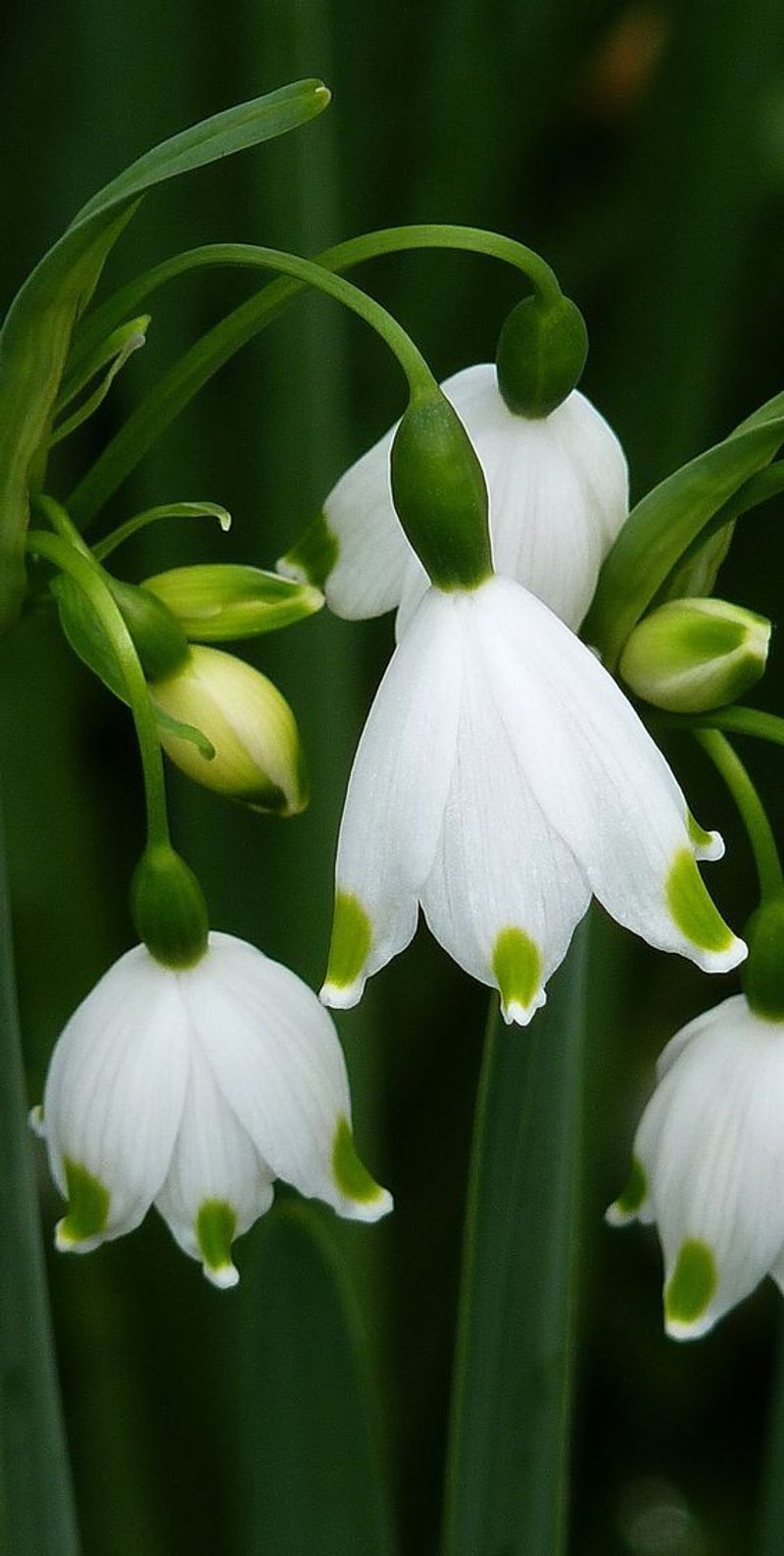
Don’t let the name fool you. Summer Snowflake actually blooms in mid-spring, usually around late April here in Ohio.
This plant, known as Leucojum aestivum, belongs to the Amaryllis family. That makes it a cousin of daffodils and snowdrops, and it shares their talent for staying off critter menus.
Parts of the plant are poisonous to eat, so deer and rabbits pass it by. Squirrels usually leave it in peace too.
Each stem holds two to eight white bells that dangle like tiny lanterns. Look closely and you’ll spot a neat green dot at the tip of every petal.
The plants grow 12 to 24 inches tall with glossy, strap-shaped leaves. They look lovely near a porch or path, where you can admire those little green-tipped details.
Here is the real bonus for Ohio gardeners. Summer Snowflake handles damp spots and heavy clay soil, which many bulbs dislike.
If you have a low corner that stays soggy, this flower may be your answer. It is hardy in Zones 4 to 8.
Plant bulbs in fall about four inches deep in sun or part shade. Leave them be, and they will slowly form fuller clumps that bloom better each year.
9. Tommies, The Crocus Squirrels Usually Skip
Crocuses are usually squirrel candy. Plant regular ones, and you may find empty holes by winter’s end.
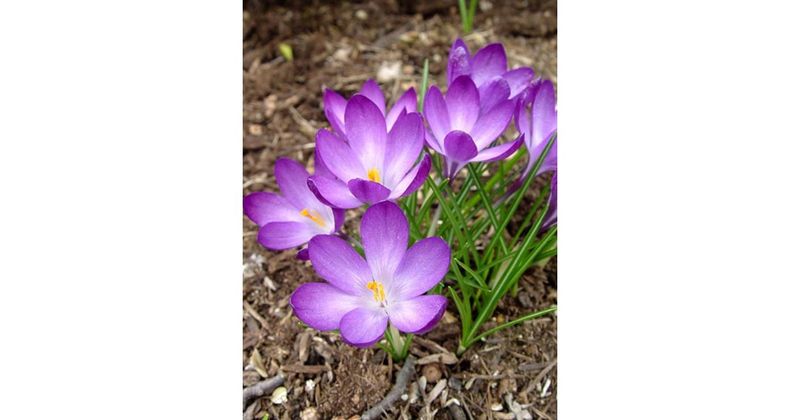
Tommies are the happy exception. Their full name is Crocus tommasinianus, and they rank as the most squirrel-resistant crocus around.
Nobody is fully sure why squirrels skip them, but gardeners have noticed it for years. Swapping your usual crocus for Tommies is an easy way to keep early color safe.
These little flowers bloom mostly in shades of purple and soft lavender. On sunny days, the petals open wide and glow, showing off bright orange centers.
Bees waking up in early spring love them. Tommies give hungry pollinators a much-needed meal when few other flowers are open.
One of their best tricks is spreading on their own. Tommies re-seed easily, so a small planting can grow into a purple carpet over a few seasons.
That makes them great for naturalizing in lawns. Just wait until the leaves turn yellow before mowing so the bulbs can store energy.
Plant the small bulbs in fall, about three inches deep, in sun or light shade. Toss them in loose handfuls and plant where they land for a natural look, and you’ll greet March with a smile.