The Ohio Native Shrub Replacing Burning Bush After the State Ban
Ohio wants the most popular red shrub of autumn out of its yards. Its seeds ride in bird bellies and sprout deep in local woods, far from any garden. Shaded forests now fill with thick carpets of its seedlings.
I love bold fall color as much as anyone. Still, I can’t justify a plant that crowds out wildflowers and young trees. You need a swap that keeps the drama and helps wild neighbors too.
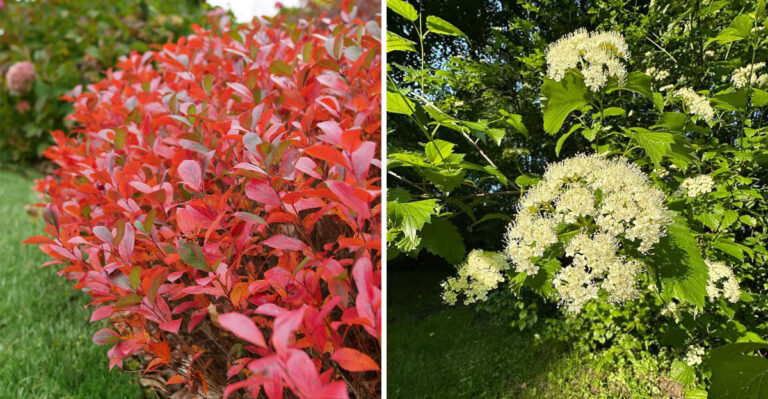
A tidy native shrub fits the bill beautifully. It turns a glowing wine red in October. Spring brings clusters of white flowers, and dark berries hang on into winter for hungry birds.
Personally, I think it beats the old favorite on almost every count. You’re in for a big surprise with how tough and tidy it stays. Which spot in your yard will you clear first?
That Fiery Burning Bush In Your Yard Has A Wild Side
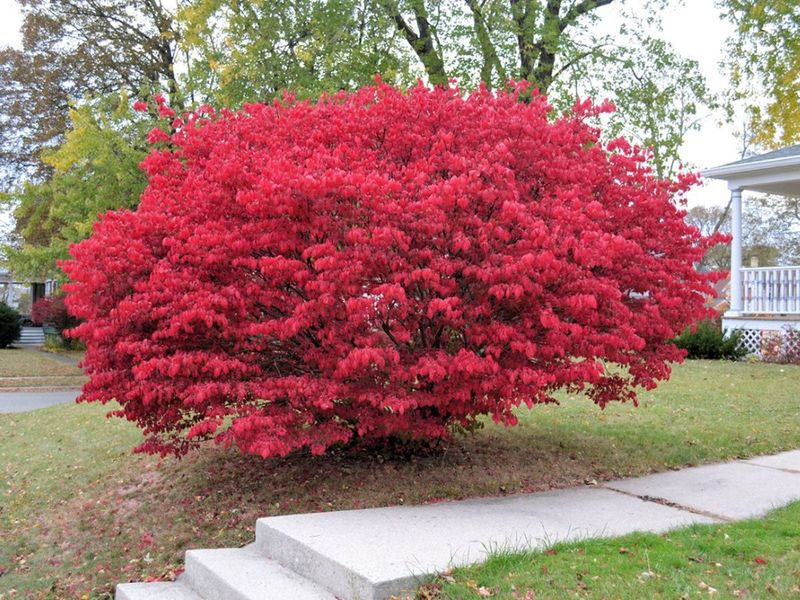
Few shrubs glow like burning bush in October. That neon red made it a favorite around Ohio homes, schools, and parking lots for decades.
Behind the pretty show, though, hides a sneaky habit.
Burning bush, or Euonymus alatus, comes from northeast Asia. Each fall it drops loads of small orange-red seeds.
Birds gobble them up and carry them into nearby woods, fields, and stream banks.
Once there, the seedlings handle deep shade with ease. They can form dense thickets that crowd out native wildflowers, ferns, and young trees.
Ohio State University Extension and the Ohio Department of Natural Resources both list it as a serious invasive problem.
The legal side gets a little confusing. Ohio regulates invasive plants through the Ohio Department of Agriculture, and burning bush has been part of the push to phase it out.
Rules and timelines can change, so check the current state list before you buy or sell any shrub.
Fun fact: the corky ridges on its stems earned it the nickname winged euonymus. Those wings make it easy to spot in winter.
Even if the law lags behind, the smart move is clear. Swap it out for something that belongs here.
Black Chokeberry Brings The Red Fall Color You Love
Meet the shrub that steals the spotlight without stealing habitat. Black chokeberry, known to botanists as Aronia melanocarpa, grows wild in Ohio bogs, sandy woods, and rocky slopes.
It has been here long before any garden center arrived.
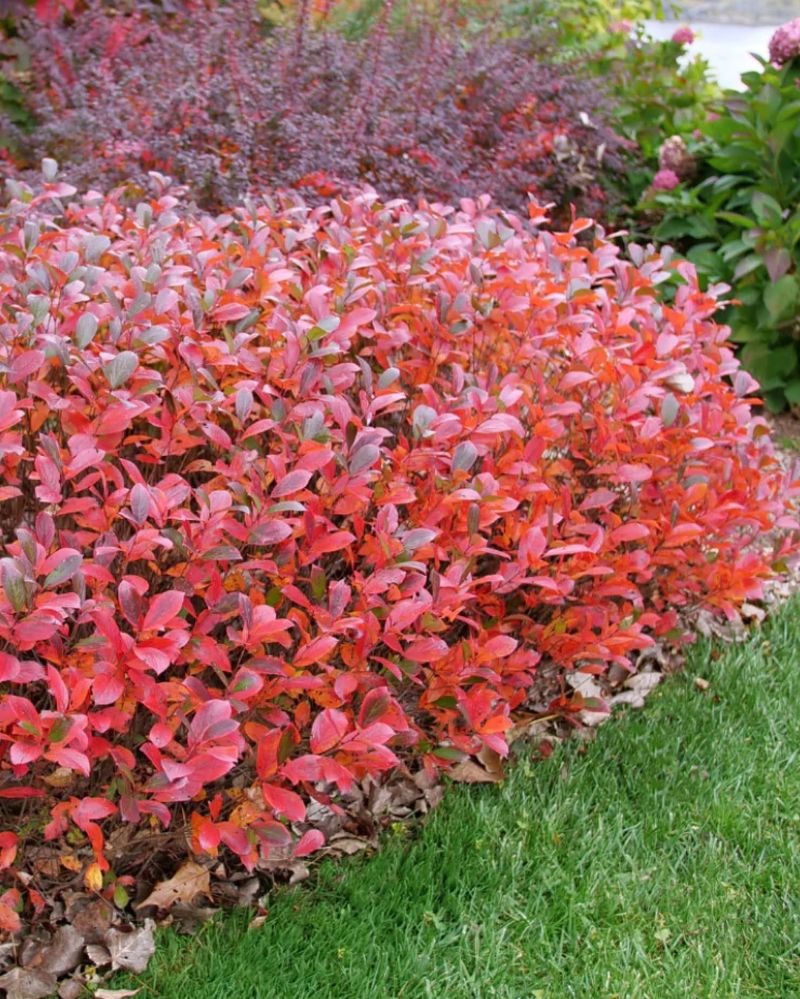
Come autumn, its glossy leaves shift to deep scarlet, burgundy, and purple. On a sunny afternoon, a row of them looks like a slow-burning ember.
Many gardeners say the shade of red feels richer than the flat neon of burning bush.
Size works in its favor too. Most plants reach three to six feet tall and wide.
That fits foundation beds, hedges, and the same spots where burning bush once stood.
Compact picks make swapping even easier. Look for these at native nurseries:
Low Scape Mound stays around one to two feet tall. Iroquois Beauty tops out near three feet.
Viking is a taller choice grown for heavy fruit.
Aronia is hardy in USDA zones 3 to 8. That covers every corner of the state, from the snowy Lake Erie shore to the warmer Ohio River valley.
You get dependable color no matter where your yard sits.
Birds And Bees Get A Lot More From Aronia Berries And Blooms
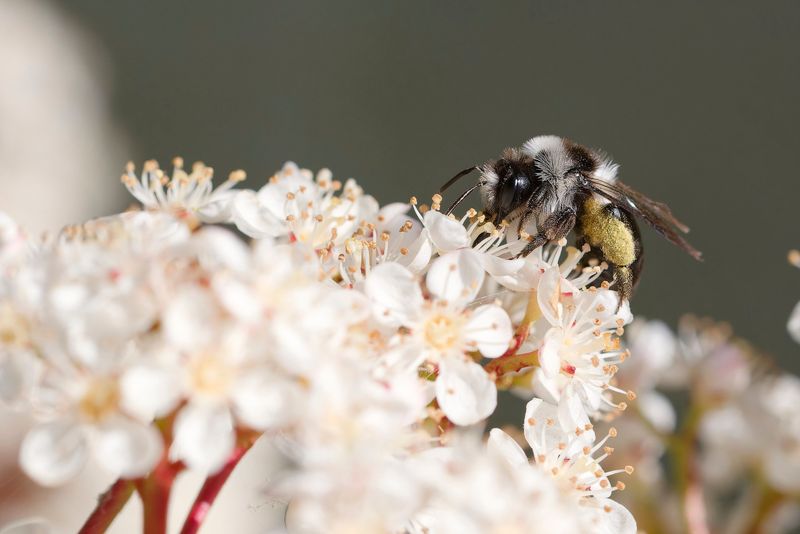
Spring in a chokeberry patch sounds like a soft buzz. In May, the branches fill with flat clusters of small white flowers with pink centers.
Native bees, small flies, and early butterflies visit them for pollen and nectar.
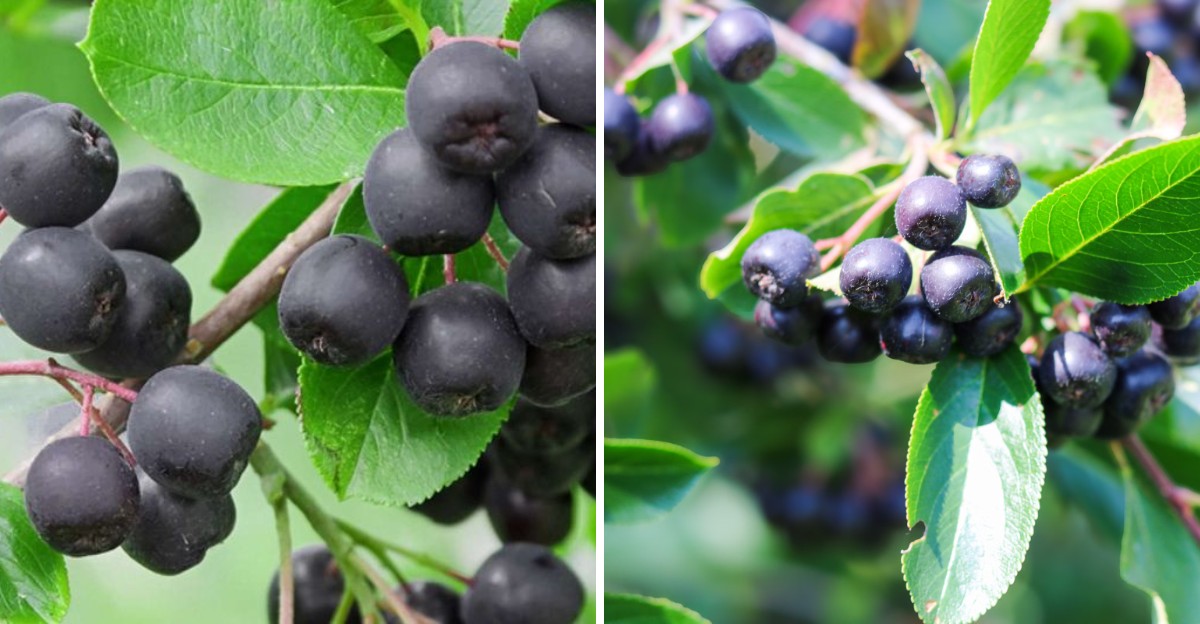
By late summer, those blooms turn into shiny black berries. They taste very tart, which is how the plant got its chokeberry name.
Birds often skip them at first, then come back in late winter when other food runs short.
That timing matters more than you might guess. A berry that lasts into February can feed cedar waxwings, robins, and other birds during the leanest weeks.
Small mammals nibble the fallen fruit too.
The leaves also feed a range of native moth caterpillars. Those caterpillars, in turn, become baby food for nesting songbirds in spring.
Burning bush offers far less to local insects. Very few native caterpillars munch its foliage, so it adds little to the food web.
Did you know? People eat aronia berries as well.
They are packed with antioxidants and shine in jams, syrups, and baked goods. Just share a few with the birds.
Plant Your Chokeberry Shrub This Fall For A Strong Start
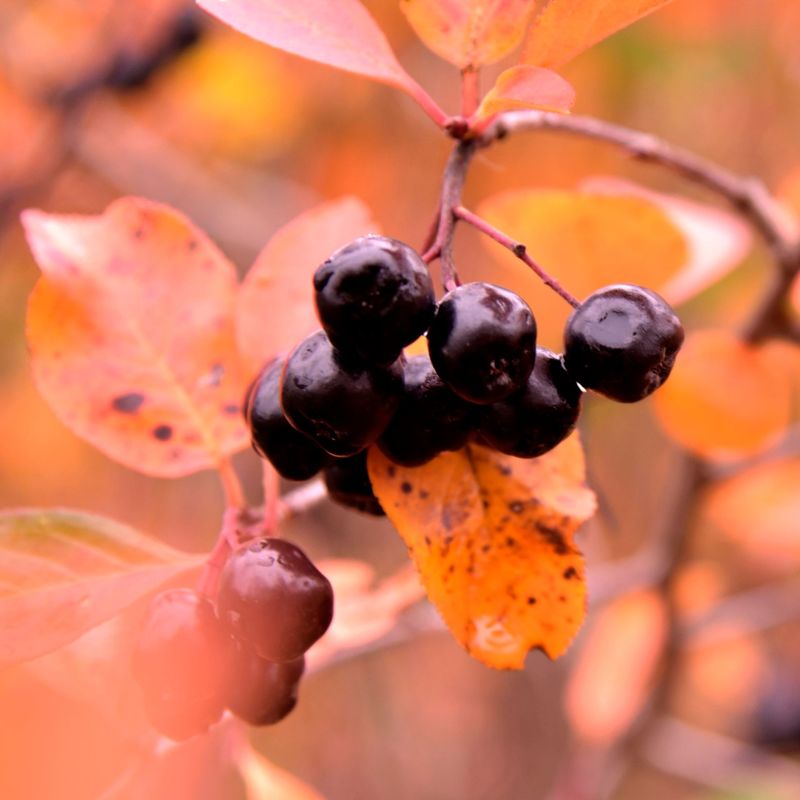
October is prime planting time across Ohio. The soil stays warm while the air cools down.
Roots keep growing for weeks, even after the leaves start to color.
Pick a spot with full sun to part shade. Six or more hours of sun gives you the brightest fall red and the heaviest berry crop.
In heavier shade, the plant still grows but may look thinner.
Soil is rarely a problem. Black chokeberry handles wet clay, sandy ground, and average loam.
It even thrives in rain gardens and low spots where water sits after storms.
Follow these simple steps:
Dig a hole two to three times wider than the root ball but no deeper. Loosen circling roots with your fingers.
Set the plant so its top sits level with the ground.
Backfill with the soil you removed. Skip heavy fertilizer, since aronia does fine without it.
Water deeply right away, then add two to three inches of shredded bark mulch. Keep the mulch a few inches from the stems.
Give it about an inch of water each week until the ground freezes, and your new shrub should wake up strong next spring.
You Will Barely Lift A Finger Caring For Black Chokeberry
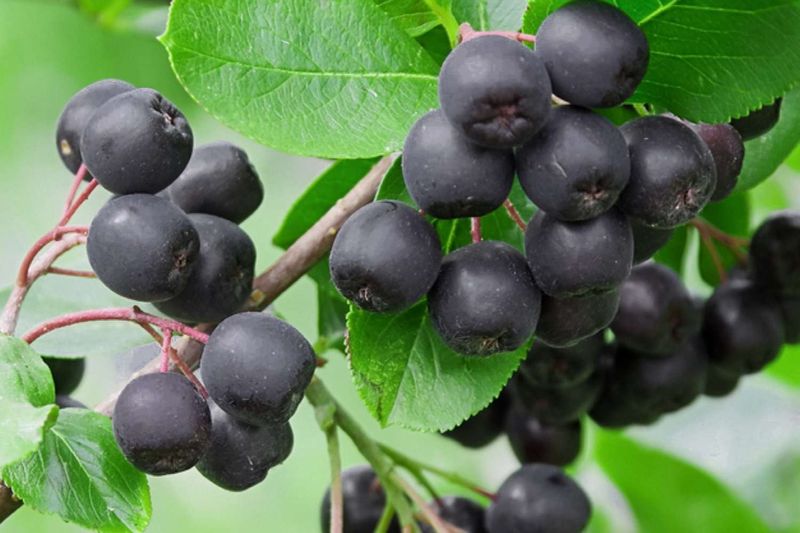
Lazy gardeners, rejoice. Once black chokeberry settles in, it asks for very little.
Most of your work happens in the first year.
Water regularly during that first growing season, especially in hot spells. After that, the roots handle short dry stretches well.
Extra water during a long summer drought still helps it look its best.
Pests rarely cause major trouble. Leaf spot or a little rust may show up in humid years.
Good airflow and watering at the base, not over the leaves, usually keep these issues minor.
The one habit to watch is suckering. Aronia sends up new stems from its roots, slowly widening into a small colony.
That trait works great for a natural hedge or a slope that needs holding.
Want a tidier look? Try these pruning tips:
Snip unwanted suckers at ground level whenever they appear. In late winter, cut out a few of the oldest, thickest stems.
Fresh young canes will replace them and keep the plant full.
Skip shearing into tight balls. Natural shapes bloom and fruit better.
A light hand each year keeps the shrub neat for decades.
Native Shrubs Like Aronia Keep Ohio Caterpillars And Songbirds Fed
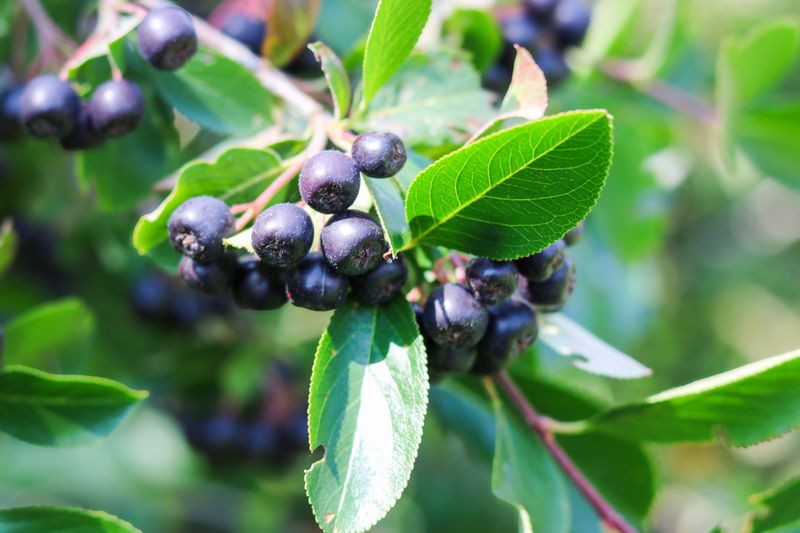
Here is a surprising number. A single pair of chickadees may need thousands of caterpillars to raise one nest of chicks.
Most of those caterpillars feed on native plants.
Research from entomologist Doug Tallamy shows that native woody plants host far more caterpillar species than most imported shrubs. Fewer caterpillars means less food for baby birds.
Every native shrub you add helps close that gap.
Natives also fit local conditions. They evolved with Ohio winters, summer heat, and regional soils.
Once established, they often need less water, fertilizer, and fuss than plants from far away.
Black chokeberry is a wonderful start, but it works even better with friends. Consider mixing in a few other native shrubs:
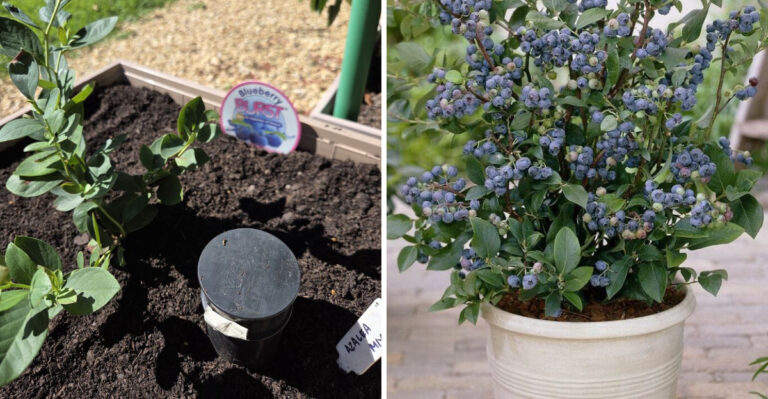
Fragrant sumac gives orange and red fall color on tough, low mounds. Highbush blueberry offers scarlet leaves and tasty fruit in acidic soil.
Spicebush glows bright yellow in fall and hosts the spicebush swallowtail butterfly.
Group several kinds together for layers of flowers, berries, and color through the seasons. Your yard turns into a small habitat patch.
Linked with neighbors doing the same, those patches form stepping stones for wildlife across town.
Pull Out That Old Burning Bush And Make Room For Aronia
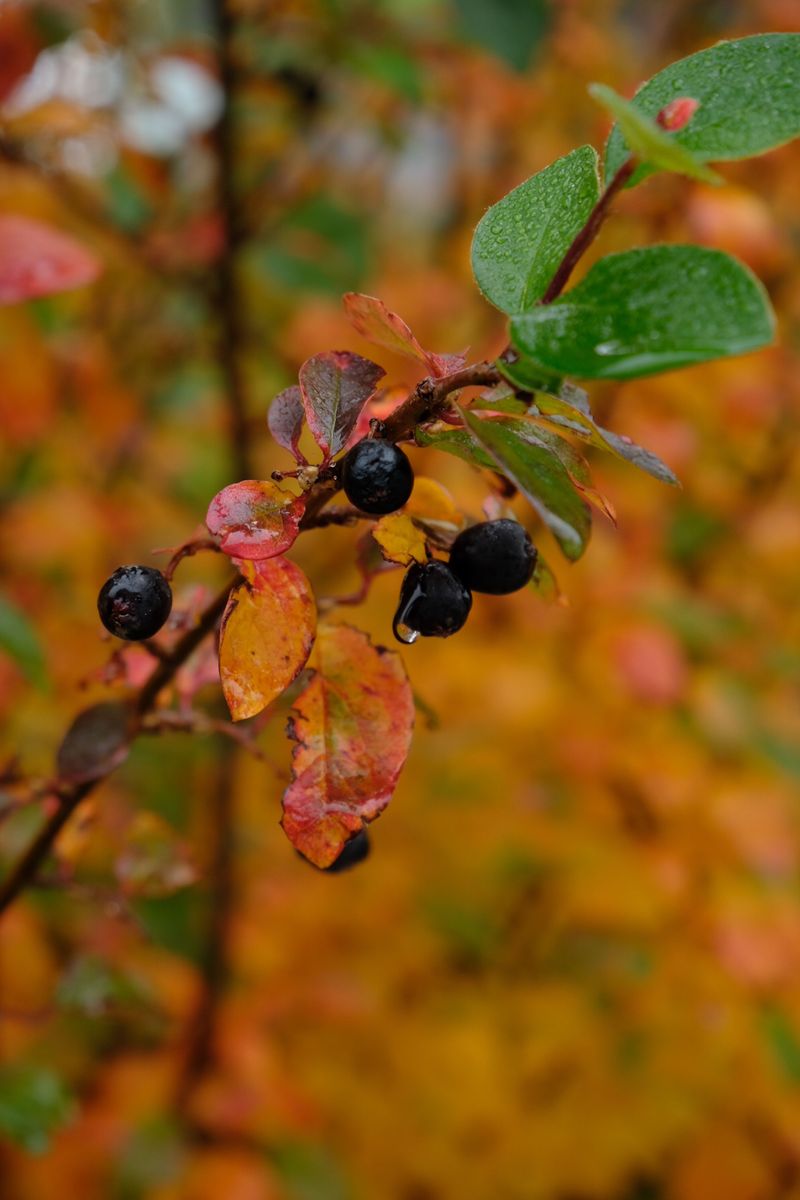
Saying goodbye can feel strange, especially to a shrub that has glowed by your porch for years. The upside is a fresh start with something better.
A little planning makes the job smooth.
First, confirm what you have. Burning bush has opposite leaves, corky wings on its stems, and orange-red seed capsules in fall.
Snap a photo and compare it with an Ohio State University Extension fact sheet if you feel unsure.
Small plants often pull up by hand, especially after rain. Medium shrubs come out with a shovel or a root puller tool.
Try to get as much of the root as you can.
Large, old shrubs take more effort. Cut the trunks close to the ground.
Then either dig out the stump or treat it right away with an herbicide labeled for woody plants, following every label direction.
Timing helps too. Remove plants before the seeds ripen, or bag the berries so birds cannot spread them.
Watch the area for sprouts over the next year or two. Then plant your chokeberry in the cleared spot.
Next October, that same corner will blaze red again, this time with a native.