The Ohio Native Shrub That Blocks Wind Without Constant Cleanup
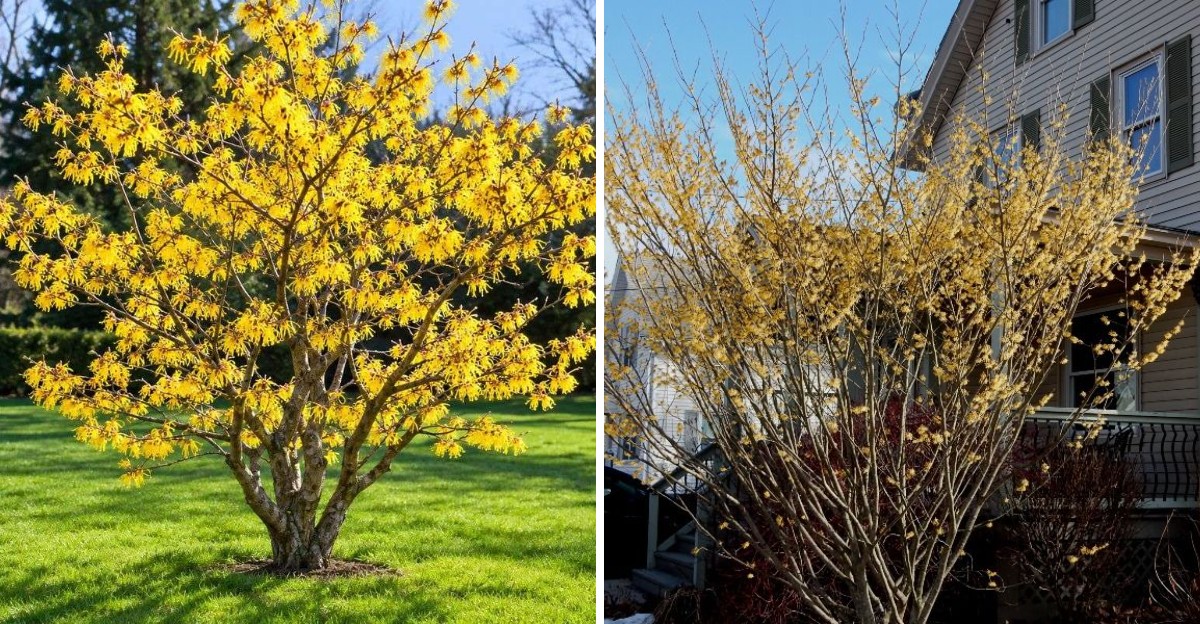
One native Ohio shrub fires its own seeds like tiny cannonballs, launching them as far as 30 feet. It saves that trick for autumn, right around the time its spidery yellow flowers open.
Yes, flowers in November.
I love a plant with a sense of humor, and this one has plenty. It grows wild along woodland edges and stream banks, so it already knows how to handle gusty weather.
The twiggy branches form a thick, layered screen that slows the breeze rather than fighting it.
My patience ran out with hedges that demand a ladder and shears every few weeks. This shrub keeps a tidy shape on its own and drops no sticky fruit or gooey berries on your patio.
Somehow, this little firecracker of a shrub is still missing from most Ohio backyards. You’re in for a fun surprise once you see what it can do for a windy corner.
That Woodland Shrub With Zigzag Branches Is Built For Breezy Yards
Walk any wooded hillside in the state and you will likely pass this shrub without noticing it. It loves forest edges, ravines, and creek banks, which are some of the breeziest spots in nature.
Living in those places has shaped how it grows. Instead of one thick trunk, it sends up several stems that spread into a wide, vase-like crown.
The branches zigzag and overlap, creating layers that catch moving air.
That layering matters more than you might expect. Researchers who study windbreaks note that a barrier with some gaps often works better than a solid wall.
A solid fence can push wind up and over, creating swirls on the other side.
A porous screen slows the air down instead. Extension foresters often suggest aiming for roughly 40 to 60 percent density for a home windbreak, and a leafy shrub with crisscrossing stems fits that idea nicely.
I find it reassuring that this plant has been handling gusty weather for thousands of years without any help from us. You are simply borrowing a design that already works.
Of course, a shrub this sturdy deserves a proper name, and it has a pretty memorable one.
American Witchhazel Is The Native Windbreak Worth Planting
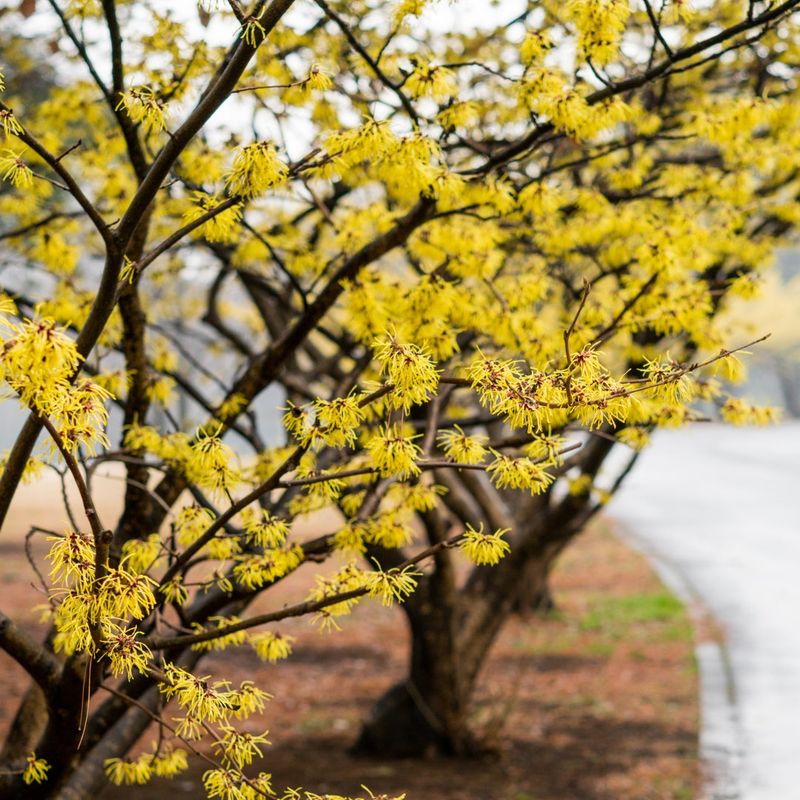
Meet the mystery plant officially: American witchhazel, known to botanists as Hamamelis virginiana. Ohio Department of Natural Resources lists it as a common native, found in woods across much of the state.
Most plants reach about 15 to 20 feet tall and nearly as wide, though some stay closer to 10 feet. That size is perfect for blocking wind near a patio, garden bed, or property line without towering over your house.
Here is the honest part. American witchhazel is deciduous, so it drops its leaves in fall.
Your best wind protection comes from late spring through autumn, when the crown is thick with oval, wavy-edged leaves.
In winter, the bare twigs still break up some of the gusts, just less than an evergreen would. If you need strong year-round protection, pair it with a native evergreen like eastern red cedar on the windward side.
The shrub is hardy in USDA zones 3 through 8. That comfortably covers every corner of the state, from the cooler lake-effect areas near Lake Erie to the warmer river valleys down south.
Fun fact: the soothing witch hazel bottle in your medicine cabinet traces back to this very plant’s bark and twigs.
Put Away The Hedge Trimmers Because Witchhazel Shapes Itself
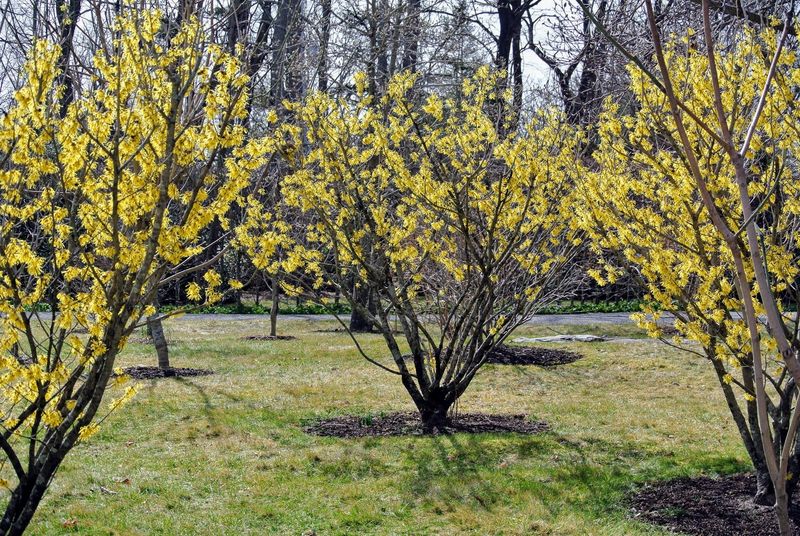
Honestly, the cleanup promise is what sold me. Many popular hedges need shearing several times a year just to look respectable, and this native skips most of that work.
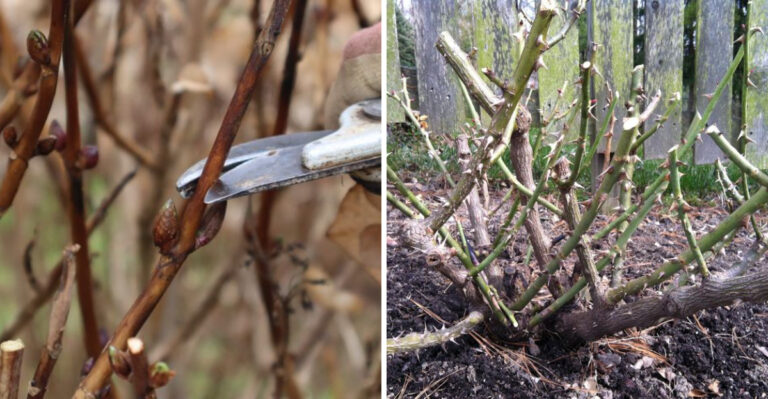
American witchhazel grows into a graceful, open shape on its own. Most gardeners prune only to remove a crossing branch, a broken limb, or a stem that wanders into a walkway.
There is also no messy fruit. You will not find squishy berries staining your deck or sticky pods gumming up your shoes.
The small seed capsules stay on the branches and do their popping act right there.
Fallen leaves are the main chore, and even those are easy to handle. They turn a buttery yellow in fall and break down quickly, so you can rake them under the shrub as free mulch.
Leaving that leaf layer in place also helps fireflies, moths, and other insects that spend winter in leaf litter. Less raking, happier wildlife, and better soil sounds like a fair trade to me.
One small task to watch for is suckers. Witchhazel sometimes sends up new shoots from its base.
Snip any you do not want each spring, and the shrub stays neat.
Plant Your Witchhazel Where The Wind Hits Hardest
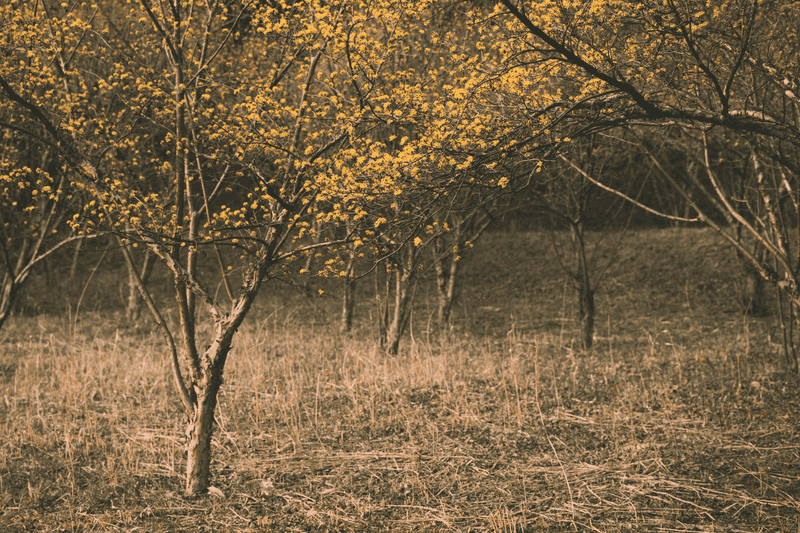
Location makes or breaks a windbreak. In much of the state, the strongest winter winds blow from the west and northwest, so those sides of your yard are the usual targets.
Watch your own space for a few breezy days first. Notice where leaves pile up and where your patio umbrella keeps tipping over.
Those clues show you where the air rushes through.
Witchhazel handles full sun to partial shade, which gives you plenty of options. More sun usually means denser branches and more flowers, while deep shade can leave it thin and leggy.
It prefers moist, well-drained soil that leans slightly acidic, much like its woodland home. Heavy clay is common in many yards here, so mix in compost and avoid spots where water puddles for days.
Give each plant room to spread. Space shrubs about 8 to 10 feet apart if you want them to knit together into a loose screen.
Early fall and spring are great planting times. Water deeply once or twice a week through the first year, especially during dry summer stretches, and spread a few inches of shredded bark or leaves around the base.
Spidery Yellow Witchhazel Flowers Show Up In November
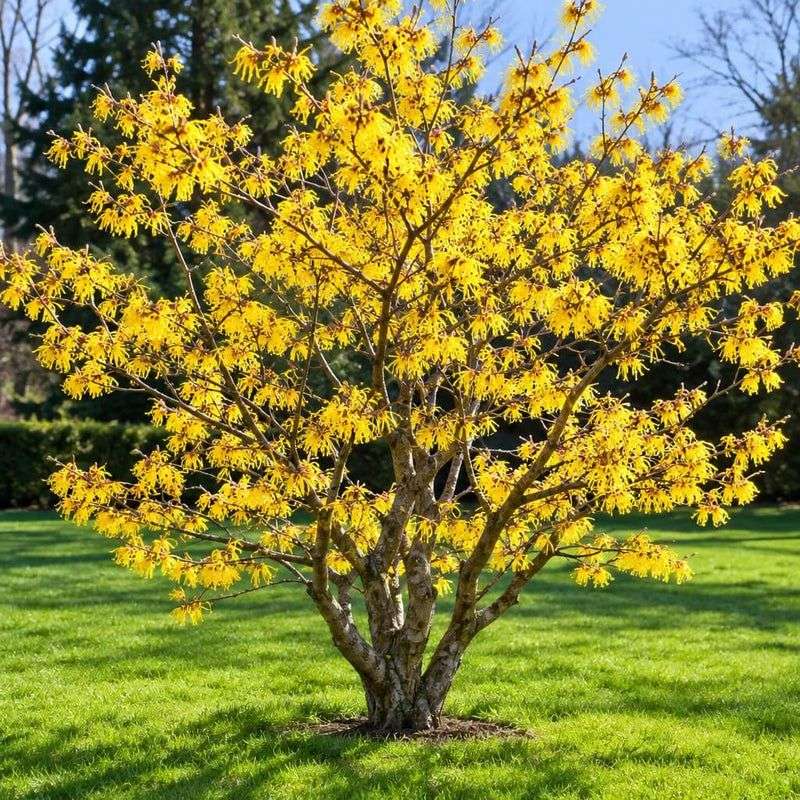
Late October rolls around, the maples are bare, and suddenly this shrub decides it is party time. American witchhazel blooms from about mid-October into November, sometimes lingering into early December.
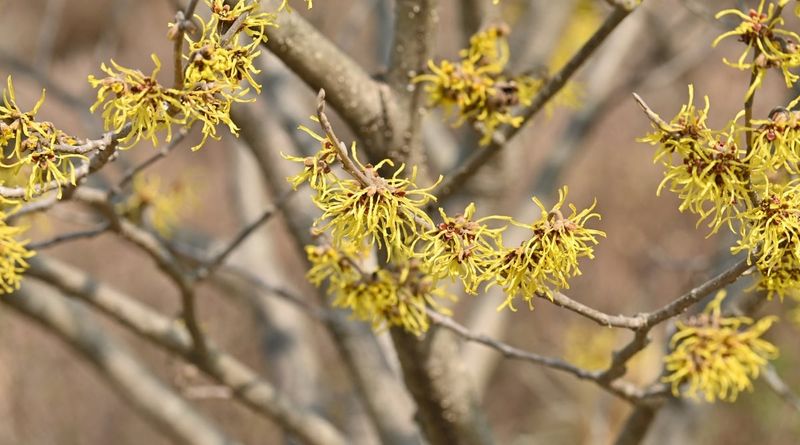
Each flower has four skinny, crinkled yellow petals that look like tiny ribbons or strands of shredded paper. They cluster along the twigs and give off a light, sweet fragrance on mild afternoons.
Sometimes the blooms open while the yellow leaves are still hanging on, which can make them hard to spot. Once the leaves fall, the flowers really stand out against the gray branches.
Here is a neat trick these petals pull. On very cold days, they curl up tight to protect themselves, then unroll again when temperatures warm.
Frost rarely ruins the show.
I like planting one where I can see it from a kitchen window. A burst of yellow on a gloomy November morning feels like a small reward for surviving the start of cold season.
Do not confuse it with vernal witchhazel or the popular hybrid types. Those bloom in late winter and early spring.
Our native fall bloomer is the one that keeps autumn going a little longer.
Night-Flying Moths And Hungry Birds Love Your Witchhazel Shrub
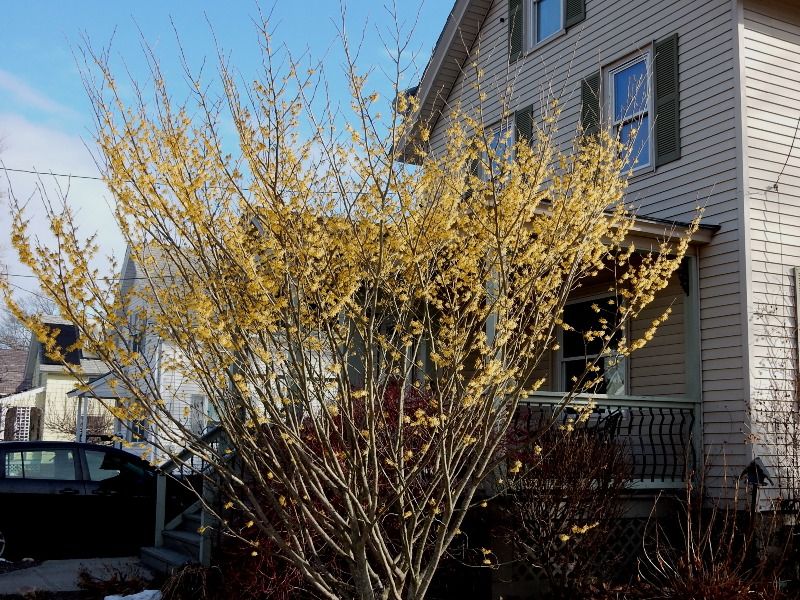
So who pollinates a flower in November, when most bees have called it quits? The answer surprised me the first time I read about it.
Research has shown that owlet moths are major pollinators of American witchhazel. These fuzzy moths can warm their flight muscles by shivering, letting them fly on chilly nights when other insects stay hidden.
On warm autumn days, you may also spot flies, gnats, and a few late bees visiting the blooms. Any nectar source this late in the year is a real gift for insects stocking up before winter.
Then come the seeds. After flowering, the capsules take about a year to mature.
When they finally dry out, they split and shoot the shiny black seeds several yards away, sometimes up to 30 feet.
Wild turkeys, ruffed grouse, and other birds eat those seeds, along with some small mammals. Deer and rabbits sometimes browse the twigs, so young shrubs may need a wire cage for a few years.
Listen closely on a quiet fall day near a mature plant. You might actually hear the faint snap of capsules firing, a sound few gardeners ever notice.
Those Bumpy Cone Galls On Witchhazel Leaves Are Mostly Harmless
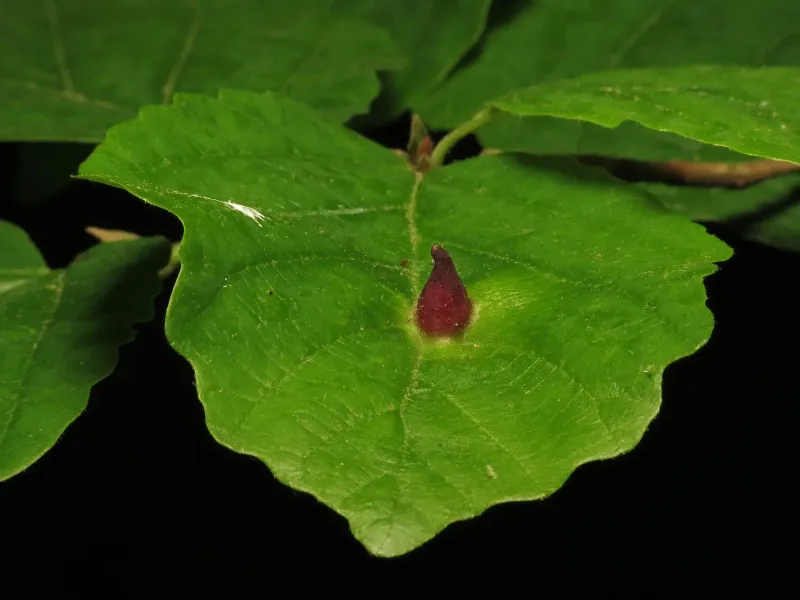
Sooner or later, you may flip a witchhazel leaf and find odd little green or red cones poking up from the surface. Do not panic, because your shrub is fine.
Those bumps are galls made by the witch-hazel cone gall aphid. The tiny insect causes the leaf to grow a protective pocket around it.
Extension experts consider these galls a cosmetic issue that rarely harms healthy plants.
Spraying is not worth it. By the time you notice the galls, the aphids are already safely tucked inside, and sprays would mostly harm helpful insects instead.
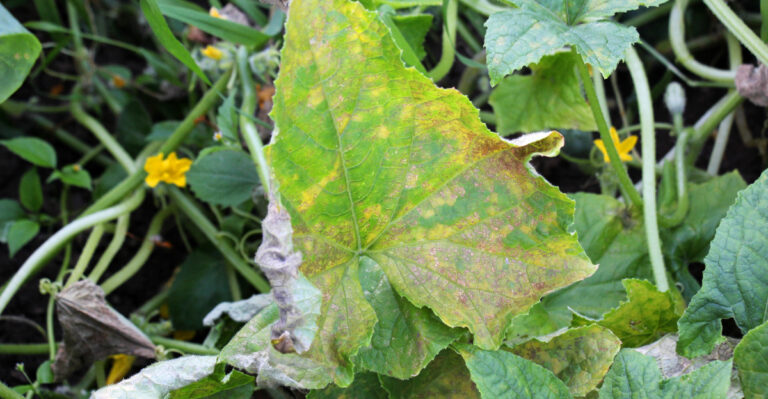
Powdery mildew can show up during humid summers, leaving a dusty white coating on leaves. Good airflow and a sunny spot help a lot, and the shrub usually shakes it off by the next season.
Leaf scorch is another occasional visitor. Brown, crispy edges during hot, dry spells usually mean the roots need a deep drink.
A layer of mulch helps hold moisture in the soil.
Overall, American witchhazel is one of the easier natives to grow. Few serious pests bother it, which means more time enjoying your sheltered patio and less time hunting for problems.
Mix Witchhazel With Native Evergreens For A Year-Round Wind Shield

My favorite next step is building a small team around your witchhazel. One shrub helps, but a mixed planting does the heavy lifting in every season.
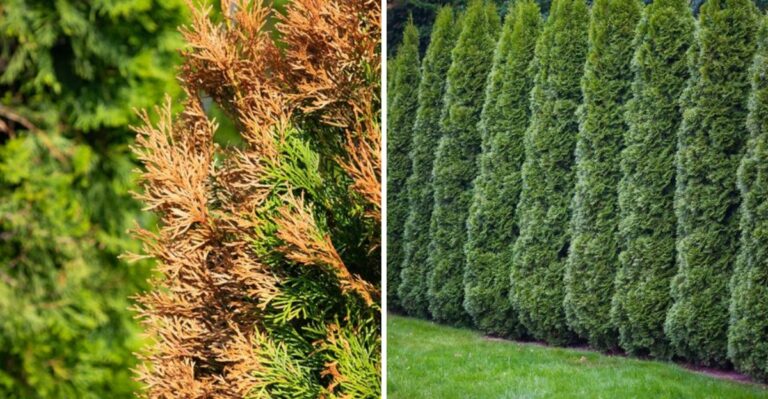
Place a row of native evergreens on the windiest side, then tuck witchhazel in front of them. Eastern red cedar handles poor, dry soil, while American arborvitae suits moist, cooler sites in parts of Ohio.
The evergreens block winter gusts, and the witchhazel adds summer density, fall color, and late flowers. Together they create a living screen with layers of height and texture.
Want even more variety? Native gray dogwood, arrowwood viburnum, and spicebush also handle local conditions well.
Skip invasive choices like burning bush, privet, and bush honeysuckle, which spread aggressively into nearby woods.
Buy plants from a reputable native nursery when possible. Plants grown from local seed sources tend to be well suited to our climate and soils.
Start small if your budget is tight. Even one witchhazel planted this fall can make your patio noticeably calmer within a few seasons.
Add more shrubs over time, and you will have a quiet, wildlife-friendly corner that mostly takes care of itself.