How To Help Backyard Lizards Survive Arizona Heat Waves
It is hard to enjoy a backyard when everything looks worn down by relentless heat. Even the smallest signs of wildlife seem to disappear once temperatures keep climbing day after day.
That quiet change often makes people wonder what happened. Many creatures simply need a little help getting through the hottest weeks.
Small adjustments around the yard can make a surprising difference without adding extra work or changing the entire landscape.
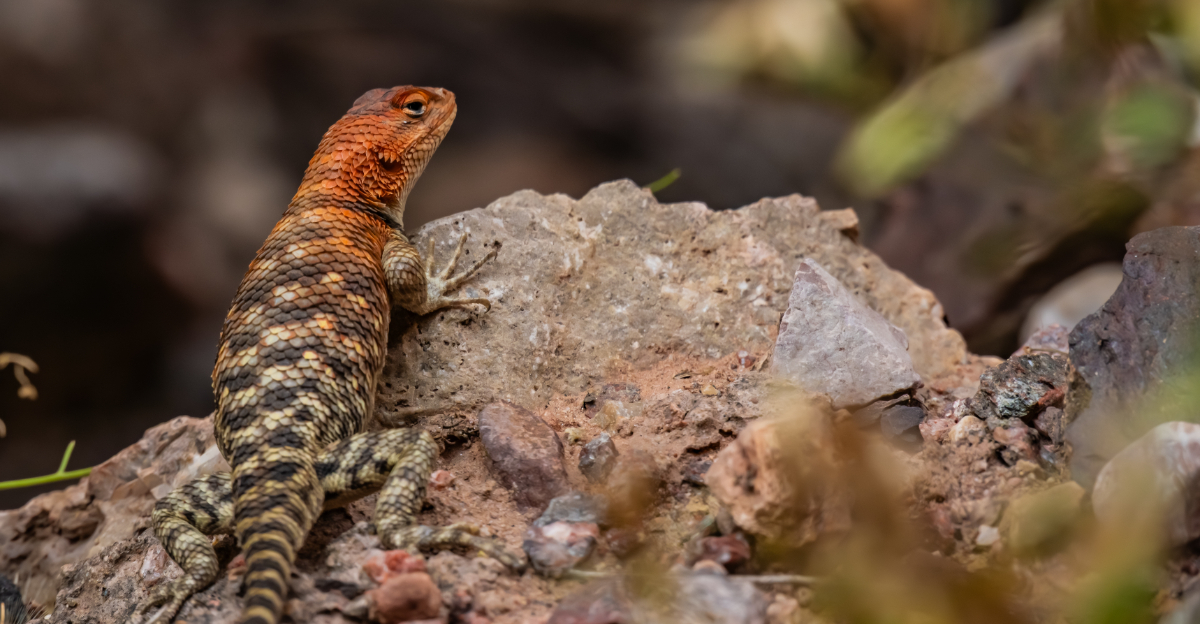
Backyard lizards are among the animals that struggle when heat waves become more intense.
Arizona experiences long stretches of extreme summer temperatures that can push them beyond their normal comfort range.
A few simple changes can give them cooler places to rest, safer shelter, and better access to water. Helping them survive also supports a healthier, more balanced backyard ecosystem throughout the hottest part of summer.
1. Provide Shade Where Lizards Can Cool Down
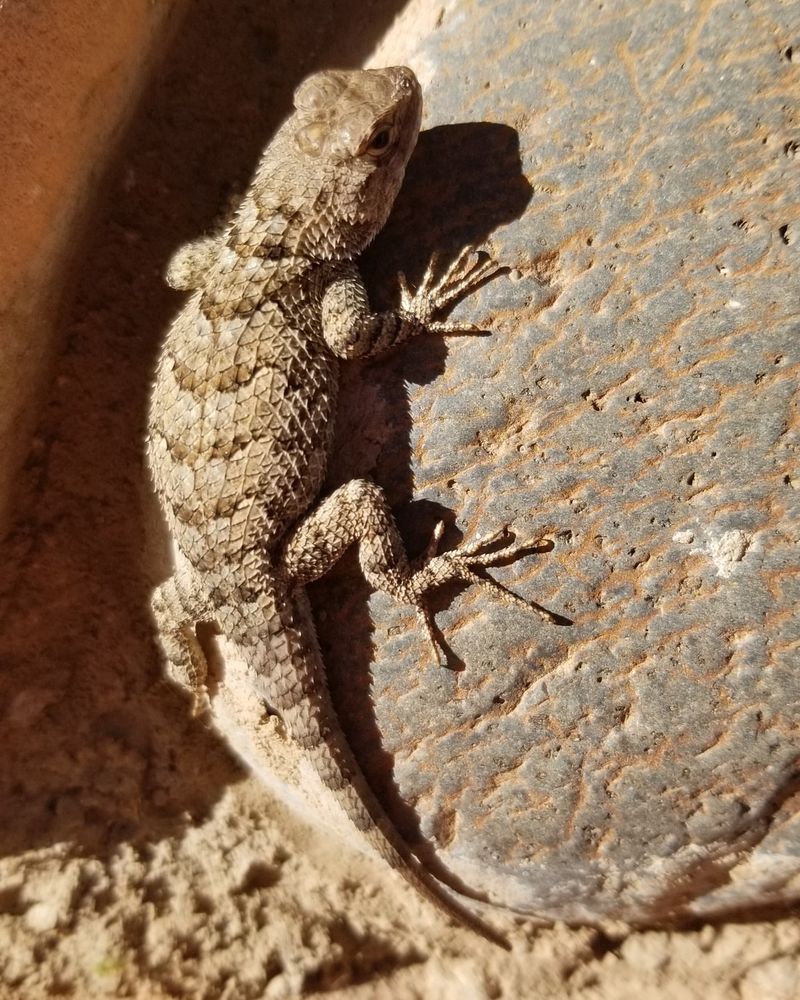
Shade is not optional for lizards during a heat wave. Without it, ground temperatures can spike well above air temperature, making open soil nearly unbearable for small reptiles.
Flat rocks placed under a patio overhang or a wooden shade cloth stretched across a corner of the yard can drop the surface temperature by a noticeable amount. Lizards use shaded rock surfaces to regulate their warmth without overheating.
A simple shade sail from a hardware store works well. Position it low enough to block afternoon sun, which tends to be the most intense between 2 and 5 p.m.
Stacked cinder blocks also create cool pockets underneath. Lizards can slip between them easily and rest where direct sunlight cannot reach.
Even a leaning piece of plywood against a fence gives lizards a shaded retreat. It does not need to look fancy to be functional.
Natural shade from trees and shrubs works even better. Mesquite and palo verde trees create dappled cover that lizards seem to use regularly during peak heat hours.
Aim to create multiple shaded zones across the yard rather than just one.
2. Leave Shallow Water In Safe Places
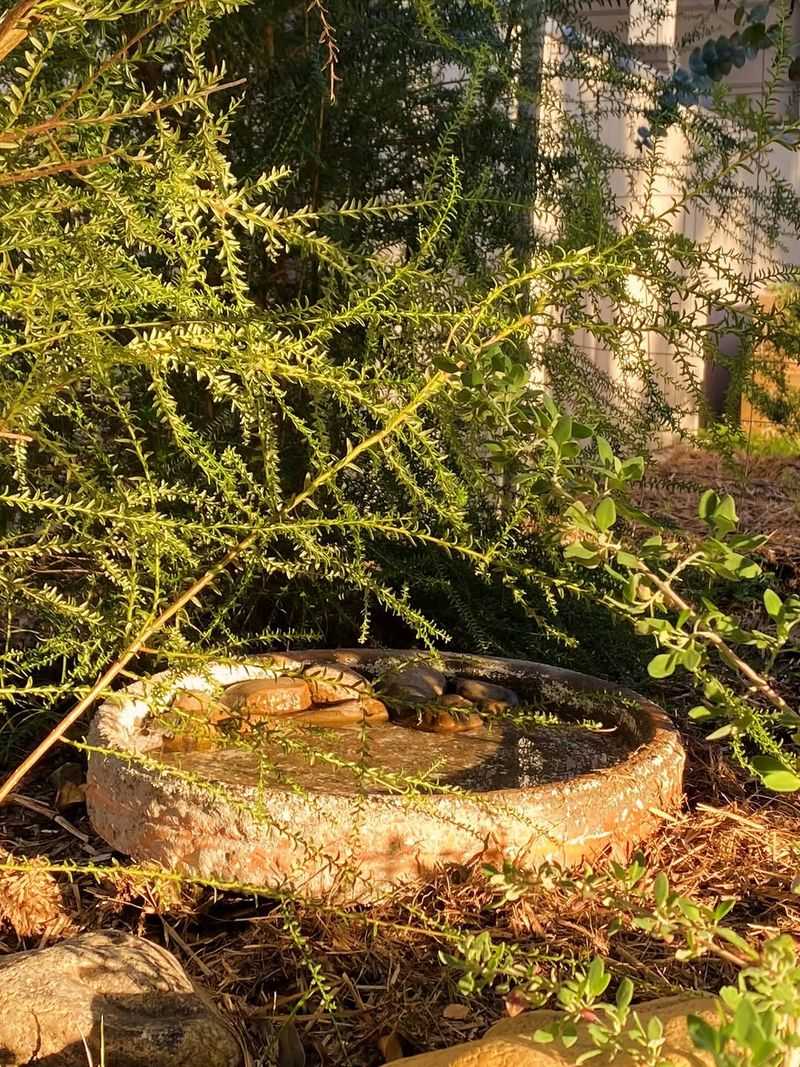
Most people do not realize lizards drink water at all. Many desert species absorb moisture through their skin or get it from prey, but during extreme heat waves, access to standing water can genuinely help.
A shallow dish, like a clay plant saucer, works well. Fill it with just enough water to cover the bottom by half an inch.
Deep water poses a risk for small lizards that cannot climb out easily.
Place the dish near rocks or plants where lizards already spend time. Putting it in an open, exposed area often means lizards will avoid it out of caution from predators.
Change the water every day or two. Stagnant water breeds mosquitoes fast in hot weather, which creates a different problem entirely.
Adding a small flat rock inside the dish gives lizards a stable surface to stand on while drinking. It also helps any small insects or bees escape if they fall in.
Morning is a good time to refresh the dish. Lizards tend to be more active in early hours before the worst heat sets in, so fresh water is most useful when placed out before 8 a.m.
Your Arizona Garden Changes Every Week. Your Plan Should Too.
Gardening in Arizona changes quickly throughout the season. Every Friday you’ll receive a simple weekly plan showing exactly what to plant, prune, fertilize, harvest, and protect so you never miss the right timing.
Keep the dish in partial shade so the water stays cooler longer.
3. Build Rock Piles For Hiding Spots
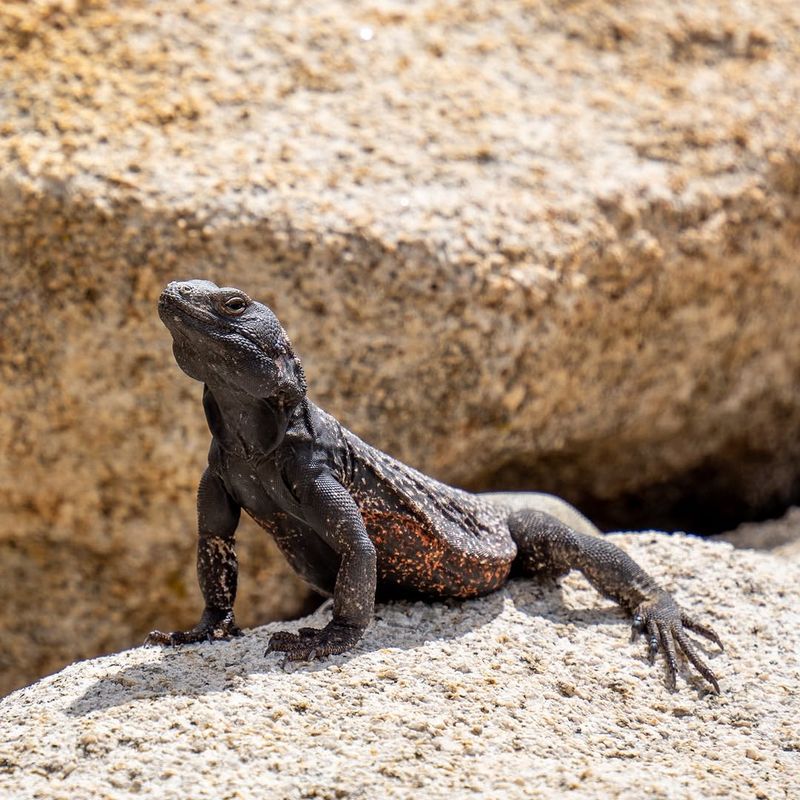
Rock piles are one of the best things you can add to a lizard-friendly yard. Rocks absorb heat slowly and release it even more slowly, creating temperature gradients that lizards can use to stay comfortable throughout the day.
Stack rocks of varying sizes to create gaps and tunnels between them. Lizards need tight spaces to feel safe, and a loose, open pile does not offer much protection from heat or predators.
Use locally sourced rocks when possible. Granite, sandstone, and basalt are common in the Southwest and blend naturally into the landscape while providing the right thermal mass.
Avoid placing rock piles directly against the house foundation. Pest concerns aside, those spots tend to trap reflected heat from walls, making them hotter rather than cooler.
Position the pile so at least one side faces north or east. That orientation keeps part of the structure shaded during the hottest afternoon hours while still allowing lizards to bask in morning sun.
Larger rocks on top help insulate the spaces below. Even on a 115-degree day, the air inside a well-built rock pile can be noticeably cooler just a few inches below the surface.
Adding a few flat capstone rocks on top creates basking platforms for the cooler morning hours.
4. Avoid Pesticides That Reduce Their Food
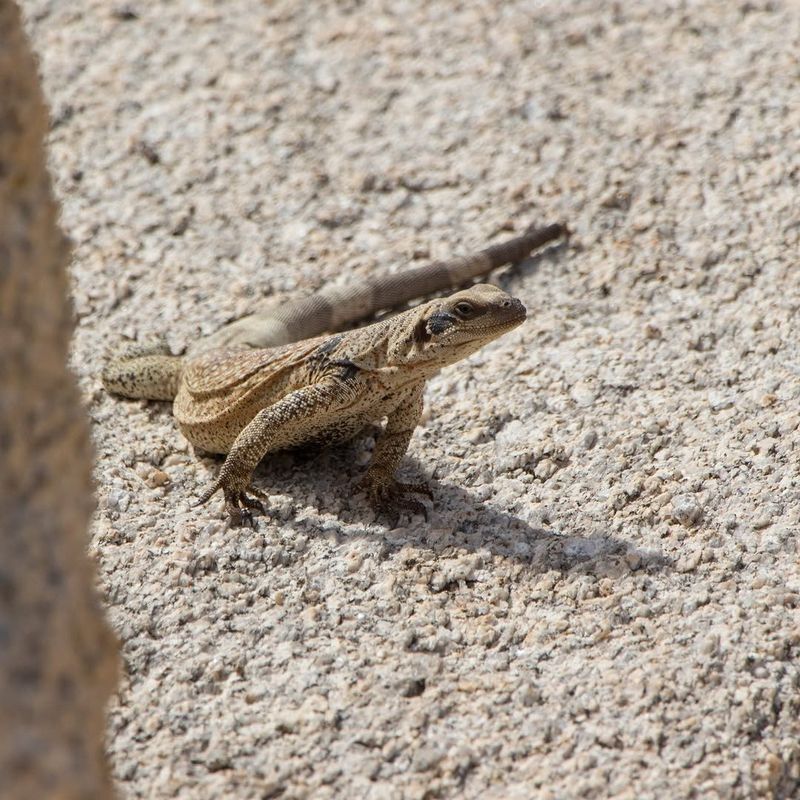
Lizards are insect hunters. Beetles, ants, crickets, and moths make up a big part of their diet, and when pesticides wipe out that food supply, lizards struggle to get enough energy to cope with heat stress.
Broad-spectrum insecticides are especially damaging.
Products that target multiple insect types do not spare the harmless bugs that lizards rely on, and residues can linger in soil and on plant surfaces for days or weeks.
Granular pesticides spread across lawns or garden beds are particularly risky. Lizards forage low to the ground and come into direct contact with treated surfaces regularly.
Switching to targeted pest control helps a lot. If you need to manage a specific problem like aphids, use a narrow-spectrum approach like insecticidal soap rather than a chemical that affects a wide range of insects.
Companion planting is another solid option.
Marigolds, basil, and certain native herbs deter common garden pests without removing the insects lizards depend on for food.
Letting leaf litter accumulate in low-traffic corners of the yard naturally supports insect populations. Beetles and isopods thrive in decomposing plant material, and lizards will actively hunt those areas.
Reducing or pausing pesticide use during heat waves gives lizards a better chance to feed during the cooler morning windows when they are most active.
A well-fed lizard handles heat stress far better than one running on an empty stomach.
5. Keep Pets Away During Extreme Heat
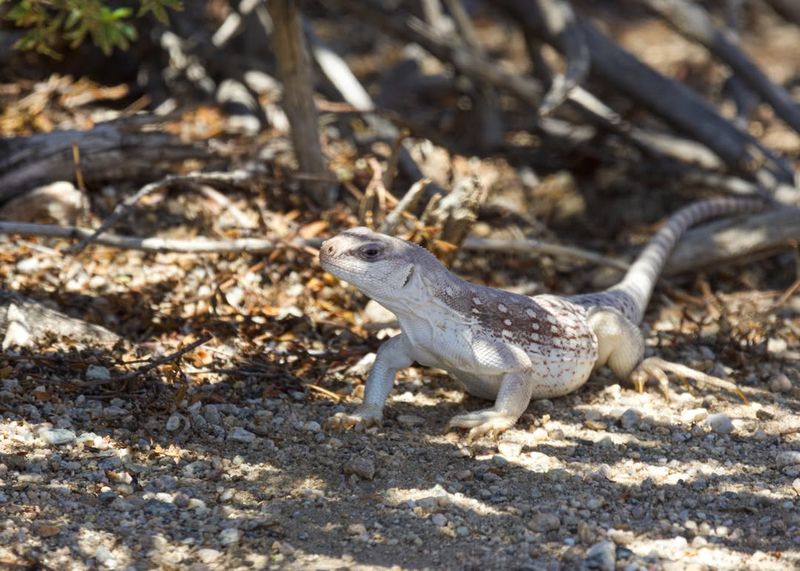
Cats are skilled hunters, and lizards already stressed by heat have slower reaction times than usual. A lizard trying to conserve energy in the shade is far more vulnerable to a curious cat than one in peak condition.
Dogs can also disrupt lizard activity without meaning any harm. Heavy foot traffic through areas where lizards rest causes repeated stress that burns energy the lizards cannot afford to waste during extreme temperatures.
Keeping pets indoors during the hottest parts of the day protects lizards and is also healthier for the pets themselves. Pavement and soil temperatures during an Arizona summer can injure paw pads quickly.
If cats roam freely, consider adding a section of the yard that is fenced or screened at ground level. Even a small protected zone gives lizards a refuge where they can rest without disturbance.
Bells on cat collars can make approaching cats easier for lizards and other small wildlife to detect, though they are not foolproof.
Combined with supervised outdoor time, they can help lower the impact on backyard wildlife.
Timing matters here. Early morning and late afternoon are peak activity windows for lizards.
Keeping pets inside during those windows reduces encounters significantly.
Backyard lizards are not aggressive and pose no real risk to pets.
6. Leave Natural Ground Cover In Place
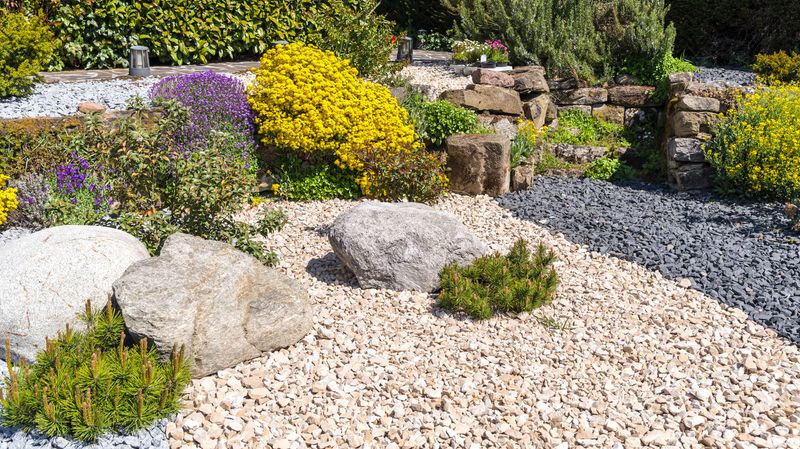
Bare soil heats up fast. On a 110-degree day, exposed desert ground can reach surface temperatures well above 150 degrees, which is far beyond what any lizard can tolerate for long.
Leaf litter, dried grasses, and low-growing native plants create a buffer zone between lizards and scorching ground. Even a thin layer of organic material can lower surface temperature by several degrees.
Resist the urge to rake everything clean. Tidy yards often look nice but offer very little to the wildlife trying to use the space.
A few untidy corners filled with natural debris are genuinely valuable.
Fallen bark, pine needles, and dried flower stalks all count as useful cover. Lizards tuck into these materials to rest, find food, and escape direct sun without having to travel far.
Ground cover also supports the insect populations lizards eat. Decomposing plant material feeds beetles, ants, and other small invertebrates that form the base of a lizard’s diet.
In areas of the yard with full sun exposure, consider adding a layer of coarse gravel or wood chip mulch. It does not retain heat the way packed soil does and gives lizards something cooler to walk across.
Keeping at least a portion of the yard in a more natural, undisturbed state costs nothing and requires almost no effort.
7. Grow Native Plants For Better Shelter
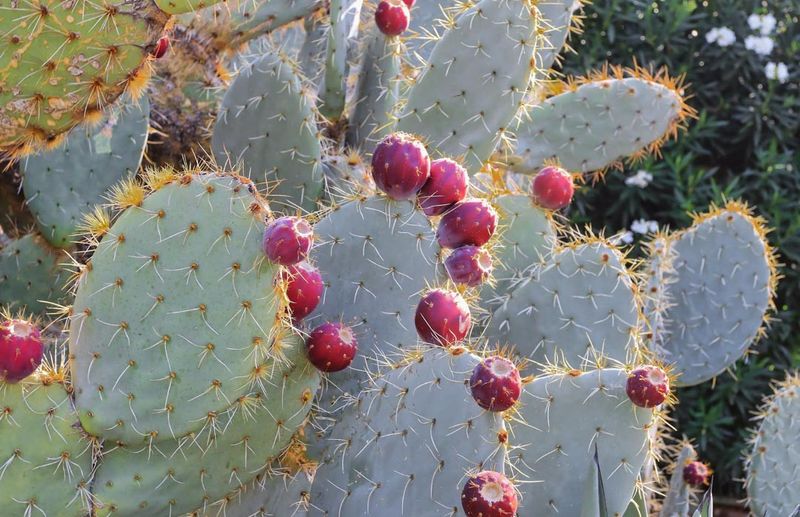
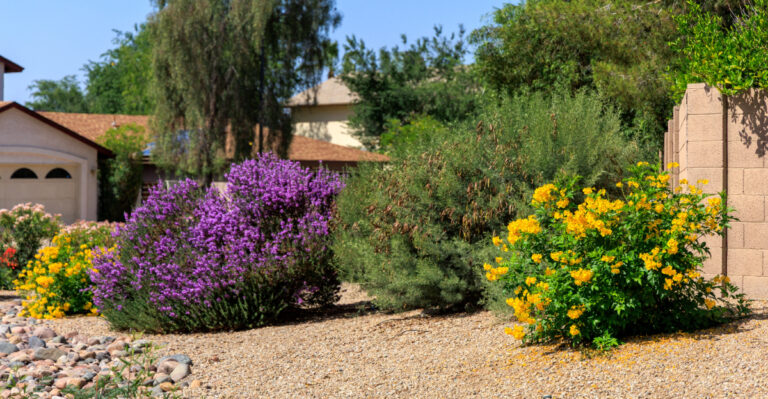
Native plants are built for this climate. They grow dense canopies low to the ground, hold moisture longer than non-native species, and support the insects that lizards hunt throughout the season.
Brittlebush, desert marigold, and globe mallow are all excellent options. Their branching structure creates natural sheltered pockets at ground level that lizards use as both shade and hunting grounds.
Non-native ornamental plants often look good but offer less practical value. Smooth-stemmed, wide-spaced plants leave ground-level gaps that provide little cover during the intense midday hours.
Planting in clusters rather than rows creates denser zones of shelter. A tight grouping of three or four native shrubs creates a microhabitat that stays noticeably cooler underneath than open ground nearby.
Agaves and cacti add structure and shade at different heights. Lizards often rest near the base of agave rosettes where the broad leaves block overhead sun effectively.
Planting near existing rock piles or shade structures ties everything together.
Lizards benefit most when shade, water, cover, and food sources are close to each other rather than spread across a large yard.
Native plants generally need less water once established, which means less disruption to lizard habitat from frequent irrigation.