What California Homeowners Can Legally Do When A Neighbor’s Bamboo Crosses The Fence
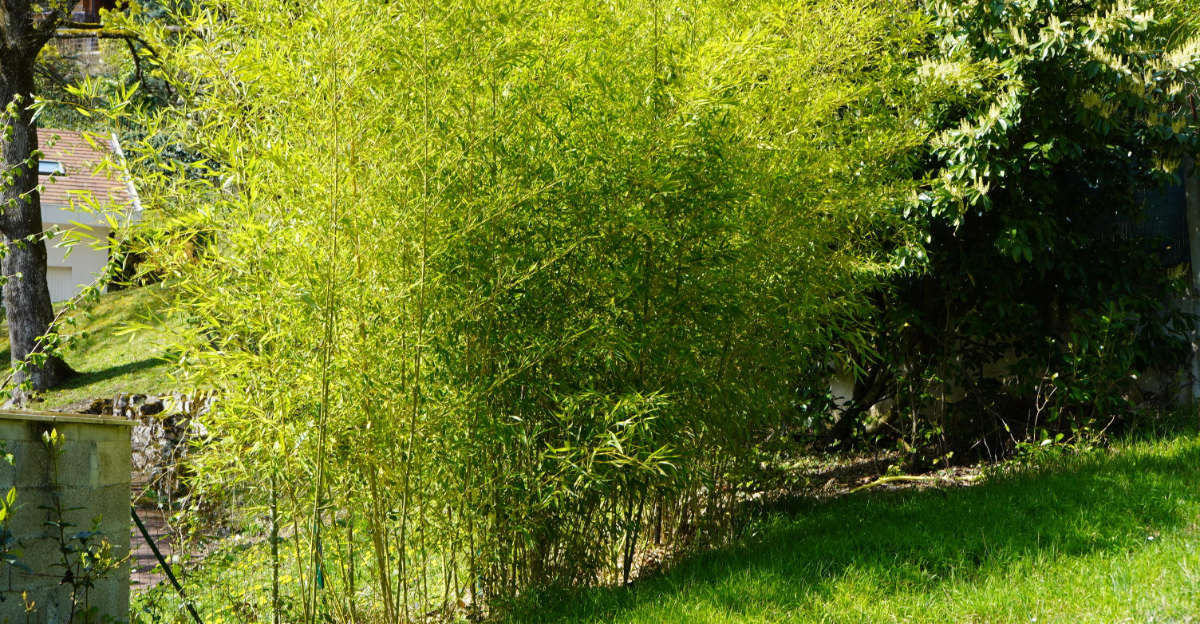
Bamboo can turn a simple fence line into a neighbor problem fast. One day it looks like a green screen, and the next it is pushing into places it was never meant to grow.
For California homeowners, the big question is not just how to control it. It is what you are legally allowed to do once those canes or roots cross onto your side.
The answer can depend on property lines, local rules, and how much damage the bamboo is causing. Acting too quickly can make the situation messier.
Waiting too long can make the spread harder to manage. Before cutting, digging, or calling for removal, it helps to know where your rights usually begin and where they stop.
1. Confirm The Bamboo Is Crossing The Property Line
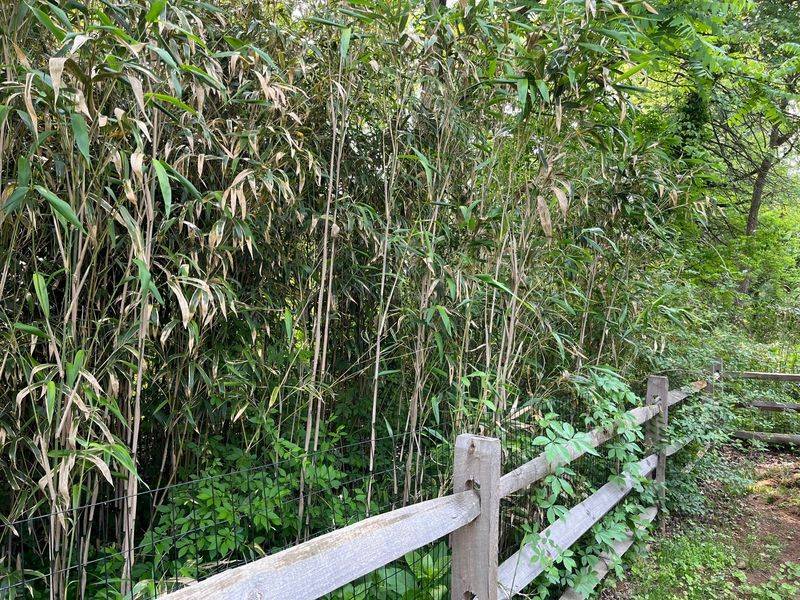
Before you do anything else, make sure the bamboo is actually crossing onto your property and not just growing close to the fence.
This might sound obvious, but a lot of disputes start because one neighbor assumes the plant is encroaching without actually checking. Feelings can run high, and acting too fast can make things worse.
Start by pulling out your property survey. Most homeowners received one when they bought their house.
If you cannot find it, you can order a new one from a licensed land surveyor. The survey will show you exactly where your property line sits in relation to the fence.
Keep in mind that fences are not always built exactly on the property line. Sometimes a fence sits a foot or two inside one neighbor’s yard.
So even if bamboo is growing right up to the fence, it may not technically be on your land yet.
Once you know where the line is, walk along it and look for bamboo roots, shoots, or rhizomes coming through. Rhizomes are the underground stems that running bamboo uses to spread.
They can travel several feet underground before popping up above ground. Confirming the exact location of the encroachment gives you a solid starting point.
It also protects you legally if the situation ever escalates to a formal complaint or small claims court.
2. Document Shoots, Roots, And Any Damage First
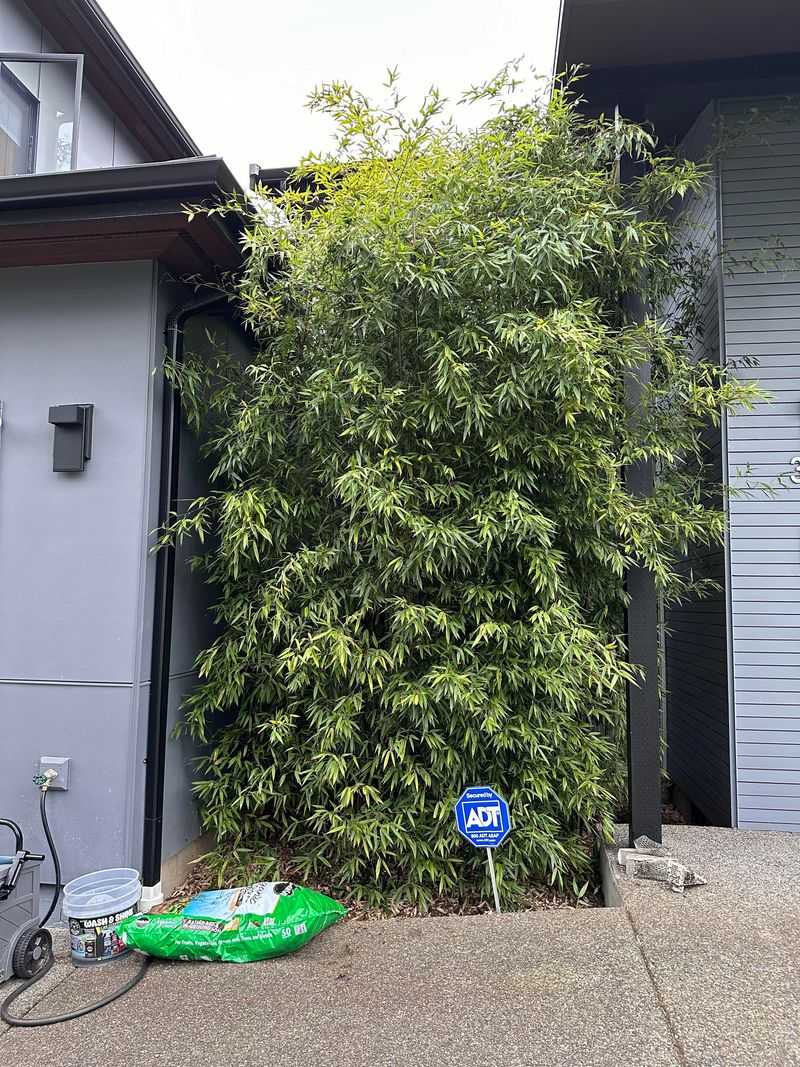
Good documentation is one of the most powerful tools you have in any property dispute.
Once you have confirmed the bamboo is on your side of the line, start gathering evidence right away. Photos and videos are your best friends here.
Take clear pictures of every bamboo shoot, root, and rhizome you can see on your property. Make sure to include the fence and any landmarks so the location is obvious.
Timestamp your photos if possible, and store them somewhere safe like a cloud folder or email thread.
Also document any damage the bamboo has caused. Did roots crack your patio?
Did shoots push through your garden beds or damage your irrigation system? Write it all down with dates.
Keep a simple log in a notebook or a notes app on your phone.
If the bamboo has damaged a structure like a shed, retaining wall, or underground pipe, get a written estimate from a contractor.
Your California Garden Changes Every Week. Your Plan Should Too.
Gardening in California changes quickly throughout the season. Every Friday you’ll receive a simple weekly plan showing exactly what to plant, prune, fertilize, harvest, and protect so you never miss the right timing.
This kind of paper trail becomes very important if you ever need to ask a court to order your neighbor to pay for repairs.
Courts in California take property damage seriously, especially when there is clear evidence of ongoing encroachment.
Strong documentation also shows your neighbor that you mean business, which can sometimes be enough to get them to act on their own without any legal pressure needed.
3. Talk To The Neighbor Before Cutting Anything
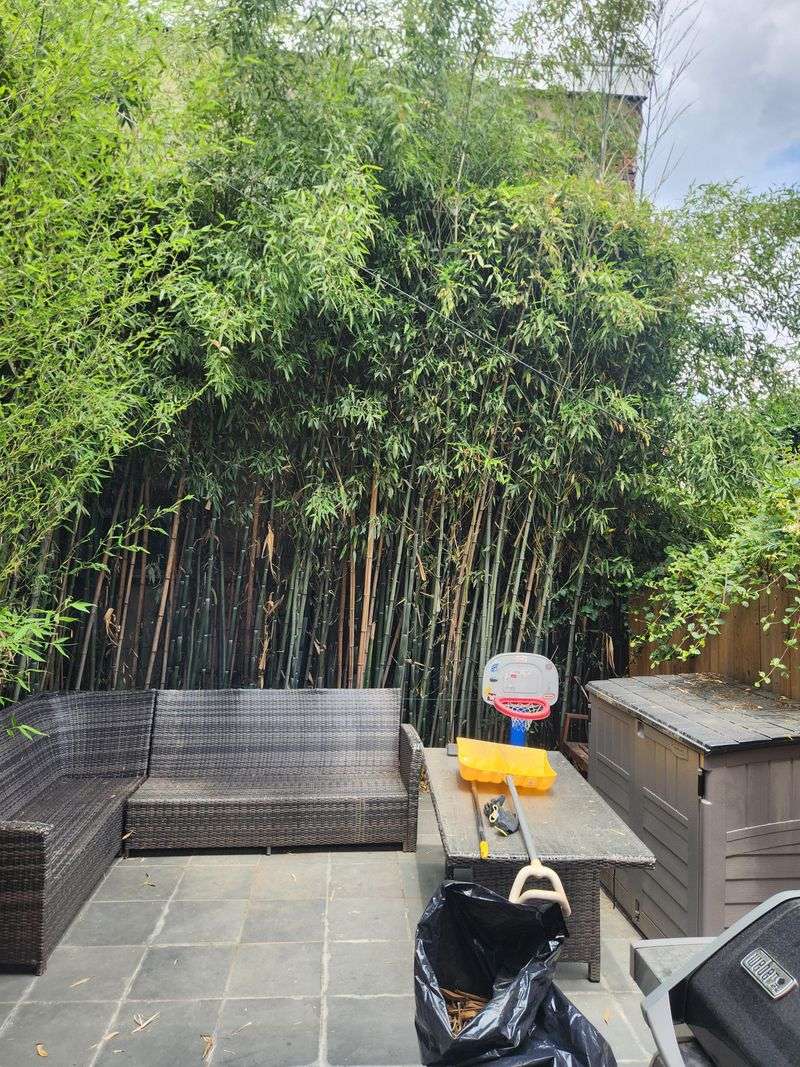
A direct, calm conversation with your neighbor is almost always the best first move. Many people do not realize how fast their bamboo spreads, and your neighbor may genuinely have no idea the plant has made its way onto your property.
Pick a relaxed time to knock on their door or catch them outside. Avoid doing this when either of you is rushed or stressed.
Start the conversation in a friendly, low-key way. Show them your photos and explain what you found.
Most reasonable people respond better when they feel respected rather than accused.
Ask them nicely if they would be willing to trim back the bamboo on their side and install a root barrier to stop future spread.
You can even offer to split the cost of a barrier if that helps move things forward. A cooperative neighbor is worth a lot more than a legal victory.
If the conversation goes well, follow it up with a short written message, like a text or email, summarizing what was discussed and agreed upon. This creates a record without being aggressive.
It just keeps both parties on the same page. If the neighbor refuses to cooperate or gets defensive, do not push too hard in the first conversation. Give them a few days to think about it.
You still have other options available, and keeping the relationship civil will make everything easier down the road.
4. Cut Bamboo Back Only On Your Side
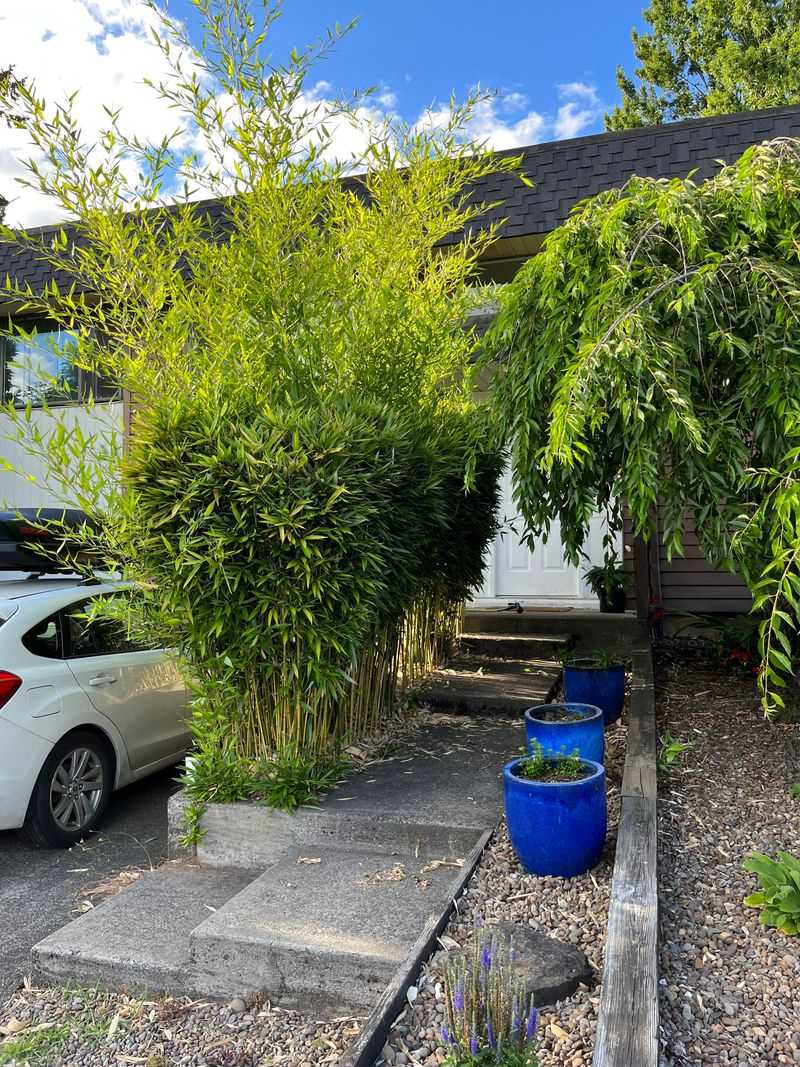
Here is something many homeowners do not know: under California law, you have the right to cut back any plant, including bamboo, up to the property line.
This includes roots, shoots, and branches that have crossed onto your land. You do not need your neighbor’s permission to do this.
However, there is one very important rule. You can only cut what is on your side of the fence.
You cannot go onto your neighbor’s property to remove bamboo, even if it is the source of the problem.
Crossing that line without permission could put you in legal trouble, no matter how frustrating the situation feels.
Use the right tools for the job. Bamboo is tough, and regular pruning shears may not be enough.
You will likely need loppers, a pruning saw, or even a reciprocating saw for thicker stalks. For underground rhizomes, a mattock or a sharp spade works well for digging them out.
After cutting, do not leave the debris in a pile near the fence. Bamboo can re-root from cuttings if left on moist soil.
Bag the cuttings and put them in the trash, or take them to a green waste facility. Do not add bamboo to a compost pile unless you are sure it cannot sprout.
Cutting back regularly keeps the growth under control while you work on a longer-term solution.
5. Avoid Trespassing To Remove The Main Clump
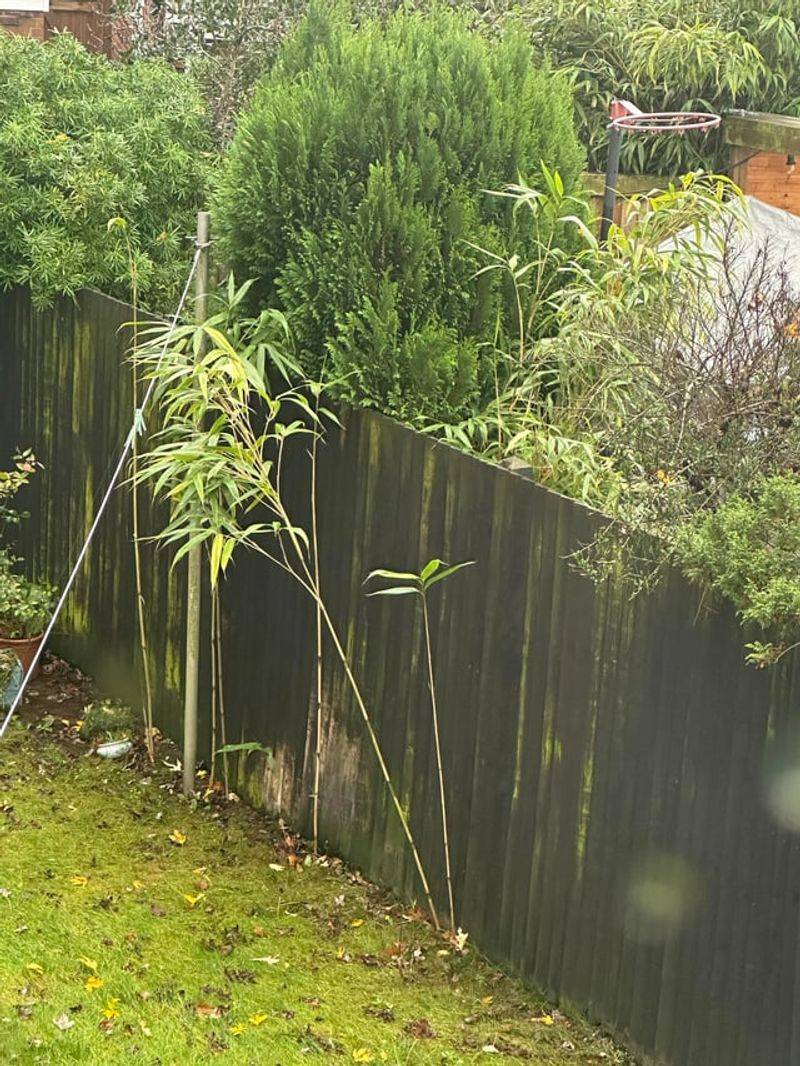
No matter how tempting it might be, never cross onto your neighbor’s property to pull out bamboo without their explicit permission.
Trespassing is a legal issue in California, and doing so can seriously weaken your position if you later need to take the dispute to court.
Even if the main bamboo clump is clearly the source of all your problems, you have no legal right to enter your neighbor’s yard and remove it without their consent. Doing so could expose you to a trespassing claim, a property damage claim, or both.
It could also shift the focus of any legal dispute away from the bamboo and onto your actions instead.
If your neighbor has given you verbal permission to come onto their property to help with removal, get it in writing first. A simple text message or signed note is enough.
This protects both of you and makes the agreement clear.
If your neighbor refuses to cooperate and you cannot resolve the issue through conversation, there are proper legal channels available to you.
You can send a formal written notice, file a complaint with your city or county, or take the matter to small claims court for damages.
A mediator can also help both parties reach an agreement without going to court.
Patience and proper process protect you. Acting out of frustration can create new legal problems that are harder to solve than the bamboo itself.
6. Install A Root Barrier Along Your Fence
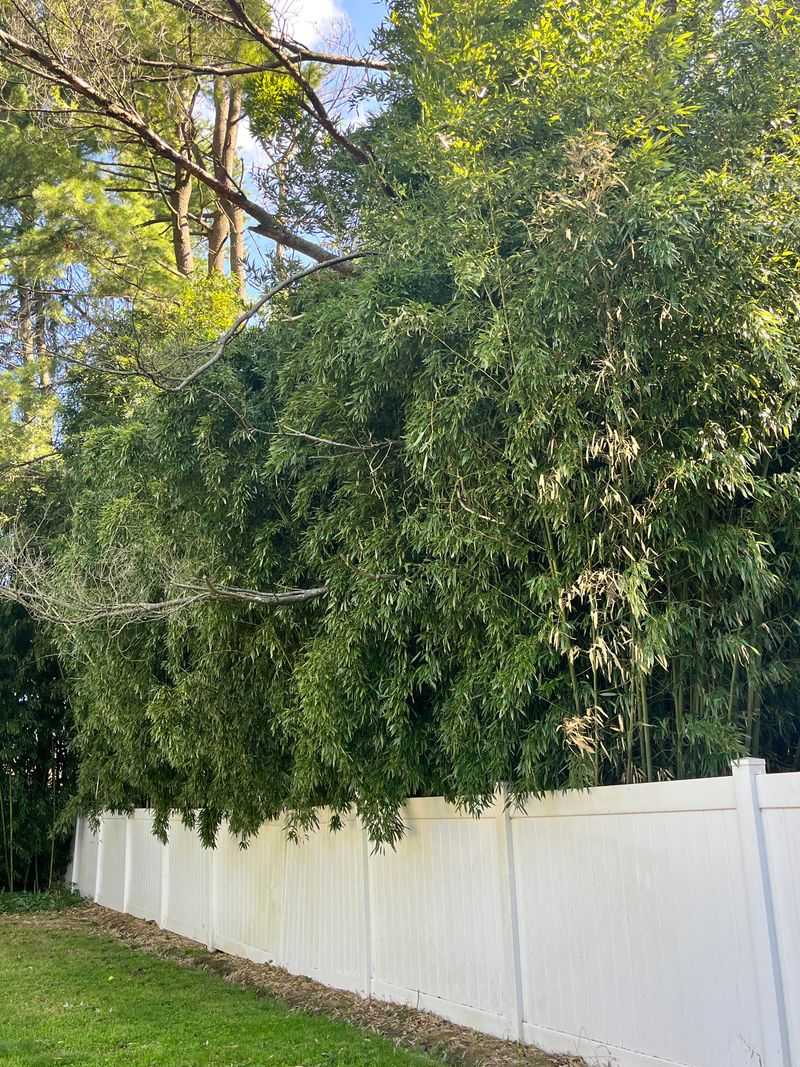
One of the most effective long-term solutions for bamboo encroachment is installing a root barrier along your fence line.
A root barrier is a thick sheet of high-density polyethylene plastic that you bury vertically in the ground to block underground rhizomes from crossing into your yard.
For bamboo, you need a barrier that is at least 60 to 70 millimeters thick and buried at least 24 to 30 inches deep.
Thinner or shallower barriers may slow the bamboo down, but running bamboo is surprisingly strong and can push through or under weaker materials over time.
The barrier should angle slightly outward at the top, so that any rhizomes trying to cross are redirected upward where they can be spotted and cut.
Leave about two inches of the barrier above the soil surface so you can check for any rhizomes trying to sneak over the top.
You can install this yourself with a rented trencher, or hire a landscaping professional to do it for you. Professional installation typically costs between a few hundred and a few thousand dollars depending on the length of the fence line.
Keep your receipts, because this expense may be recoverable in court if your neighbor is found liable for the encroachment.
A properly installed root barrier can protect your yard for decades, giving you real peace of mind without relying on your neighbor to manage their plants responsibly.
7. Keep Receipts For Removal And Repairs
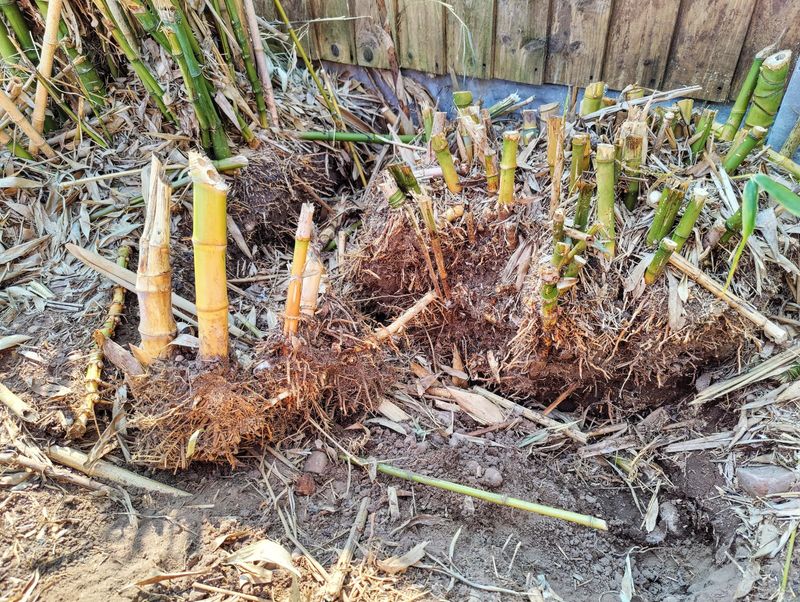
Money matters a lot in property disputes, and keeping good financial records can make a real difference if you ever need to seek compensation.
From the moment you start dealing with bamboo encroachment, save every receipt, invoice, and estimate related to the problem.
This includes receipts for tools you bought to cut back the bamboo, professional removal services, root barrier materials and installation, and any repairs to your property caused by the roots or shoots.
If bamboo cracked your concrete patio, damaged your sprinkler lines, or pushed over a garden wall, those repair costs are potentially your neighbor’s financial responsibility.
In California, courts have ruled that a landowner can be held responsible for damage caused by invasive plants that spread from their property.
This legal concept is called a nuisance claim, and bamboo has been at the center of several successful cases.
Having detailed financial records strengthens your claim significantly.
Organize everything in a folder, either physical or digital. Write a short note on each receipt explaining what it was for and when it happened.
A clear, organized paper trail shows the court that you took the problem seriously and handled it in a responsible way.
Even if you never go to court, having these records gives you leverage in a negotiation with your neighbor.
Most people are more willing to cooperate when they see a real dollar amount attached to the problem they helped create.
8. Check City Or HOA Rules Before Escalating
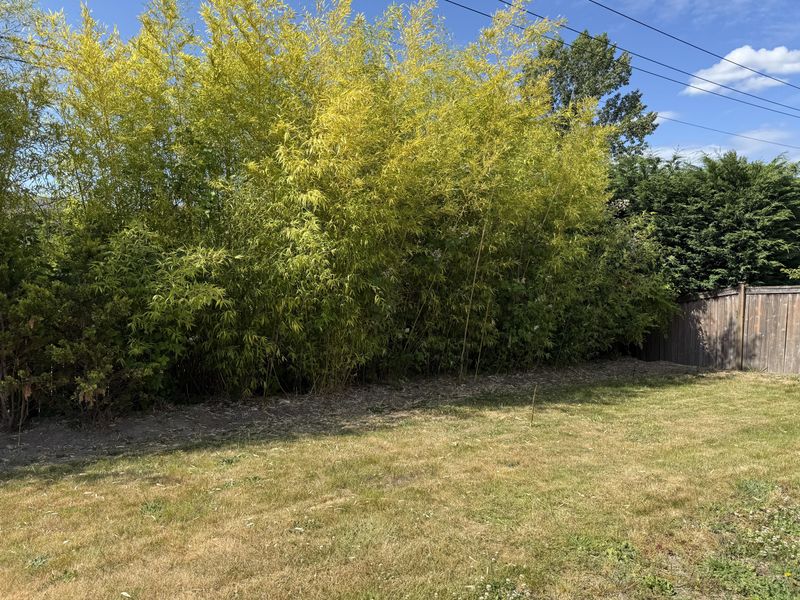
Before you send a formal letter, file a complaint, or take any legal action, it is worth checking whether your city, county, or homeowners association already has rules that apply to bamboo.
Some local governments in California have specific ordinances about invasive or nuisance plants, and bamboo often falls into that category.
Running bamboo, which is the most common type that spreads aggressively, has been restricted or regulated in several municipalities across California.
If your city has an ordinance, that gives you a much faster and cheaper path to resolution than going through the courts.
You can simply file a complaint with your local code enforcement office.
If you live in a neighborhood with a homeowners association, check your CC and R documents. Many HOAs have rules about plants that can damage neighboring properties or common areas.
Your HOA board may be able to send a formal notice to your neighbor on your behalf, which often gets results faster than a personal request.
If neither city rules nor HOA regulations apply, you still have options. You can send a certified letter to your neighbor outlining the problem, the damage caused, and what you are asking them to do.
This creates a formal paper trail. If that does not work, small claims court in California allows you to seek up to ten thousand dollars in damages without needing a lawyer, which makes it a very accessible option for most homeowners.