The Best California Arboretums Worth A Weekend Trip
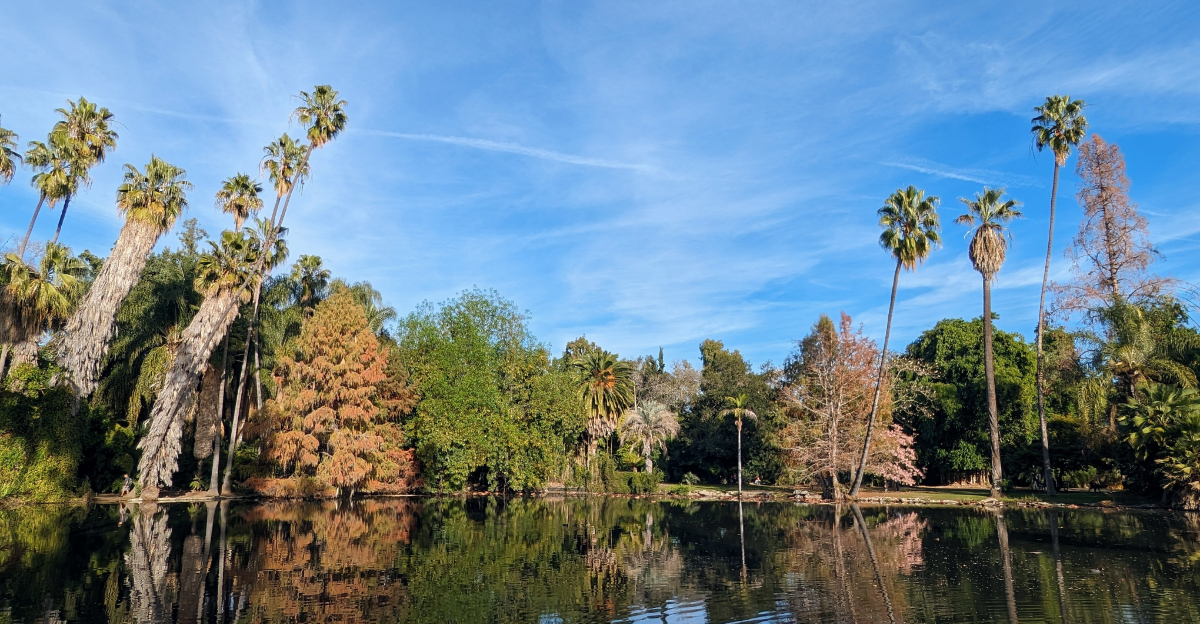
Some weekend plans start with brunch. Others begin with the irresistible urge to wander beneath towering trees, photograph unusual flowers, and pretend you know the name of every plant you pass.
California arboretums make that kind of day wonderfully easy. These leafy escapes offer a refreshing break from crowded attractions and predictable outings. One minute, you are strolling along a quiet path.
The next, you are staring at a plant that looks like it belongs on another planet. Nature loves showing off.
A visit can feel peaceful, surprising, and just adventurous enough without requiring hiking boots or a complicated itinerary.
Bring comfortable shoes, a charged phone, and someone who will patiently wait while you take seventeen pictures of the same blossom.
California has plenty of gorgeous places to explore, but its arboretums bring their own special charm.
They are calm, colorful, and perfect for turning an ordinary weekend into something memorable.
1. Los Angeles County Arboretum Makes Arcadia A Weekend Garden Escape
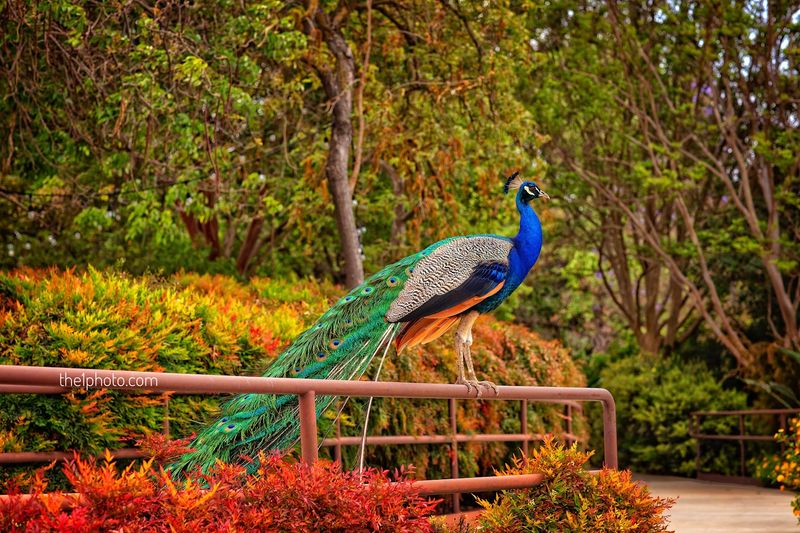
Few places in Southern California pack as much wonder into 127 acres as this beloved garden in Arcadia.
Peacocks roam freely across the grounds, greeting visitors with their colorful feathers and bold personalities.
That alone makes it unforgettable, even before you explore the plants.
The garden is organized into geographically themed areas, including the Americas, Asia, Africa, and Australia. A standout is the California Garden, which holds nearly 50,000 native and dry-climate plants.
The Desert Garden features one of the world’s largest collections of cacti and succulents, some of which are incredibly old.
Other highlights include an Aquatic Garden, a Tropical Rainforest with over 60 bamboo species, and the scenic Meyberg Waterfall.
The Rose Garden and Herb Garden are perfect for a slow, relaxing stroll. Every season brings something new to admire.
History lovers will appreciate the site’s rich past. The area was once called “Aleupkigna,” meaning “the place of many waters,” by Native people thousands of years ago.
The Queen Anne Cottage, built in 1885 and listed on the National Register of Historic Places, is famously recognized from the TV show Fantasy Island.
The Hugo Reid Adobe from 1840 and the Santa Anita Depot from 1890 add even more character to the visit.
Concerts, nature classes, and gardening workshops happen throughout the year, giving visitors many reasons to return again and again.
2. UC Santa Cruz Arboretum Shows Off Plants From Mediterranean Climates
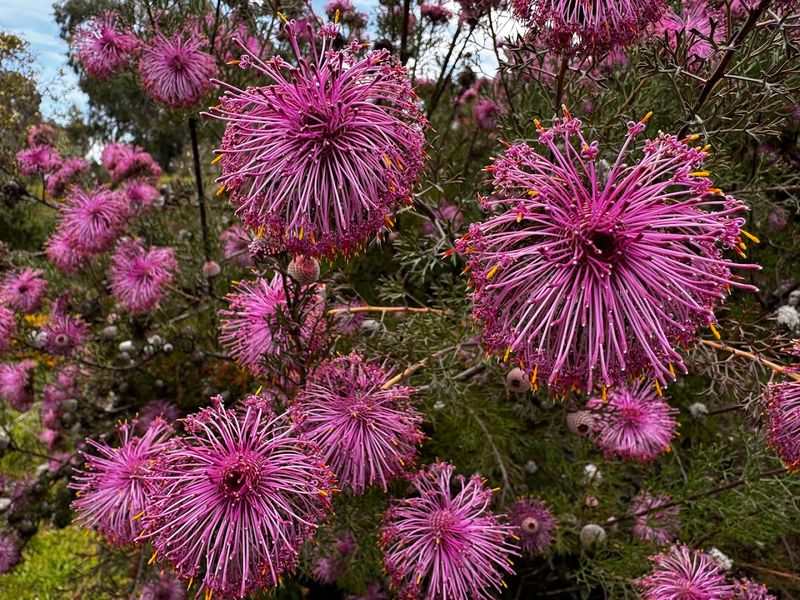
Tucked among redwood-covered hills on the UC Santa Cruz campus, this 115-acre garden feels like a world tour through some of the planet’s most fascinating plant life.
It focuses on regions that share a Mediterranean-like climate with our state, including Australia, New Zealand, and South Africa.
That shared climate means the plants here actually thrive, not just survive.
The South African Garden is a showstopper. It features the bold King Protea, which blooms in mid-winter and lights up the landscape with rich color.
Over 600 species of Erica flowers grow here, making it the largest collection of its kind outside of Africa.
Your California Garden Changes Every Week. Your Plan Should Too.
Gardening in California changes quickly throughout the season. Every Friday you’ll receive a simple weekly plan showing exactly what to plant, prune, fertilize, harvest, and protect so you never miss the right timing.
Australia is also well represented, with towering eucalyptus trees, banksias, and grevilleas drawing hummingbirds by the dozens.
The New Zealand Garden adds art installations to the mix, including John Hylton’s carved wooden figures called “Sun Catchers.” It is a thoughtful blend of culture and nature.
For those who love local flora, the California Natives Garden features Ponderosa Pines, Coast Live Oaks, and bright California Poppies. A Butterfly Garden, Succulent Garden, and Redwood Grove round out the experience nicely.
Wildlife watchers will be thrilled. Anna’s and Allen’s hummingbirds are year-round visitors, and scrub jays, rabbits, and American robins are commonly spotted too.
Quiet paths invite self-guided walks, and guided group tours are available for deeper learning. Picnic benches scattered throughout make it easy to settle in and stay awhile.
3. UC Davis Arboretum Turns A Campus Walk Into A Garden Trip
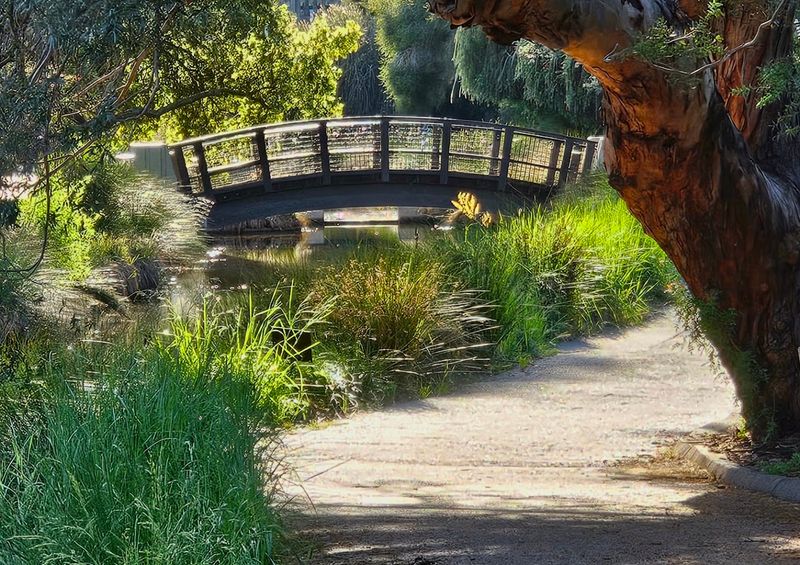
Right in the heart of one of the country’s top agricultural universities, this living museum stretches across the UC Davis campus like a green ribbon of discovery.
It connects people with the value of plants through hands-on learning and world-class collections. Science and beauty walk side by side here.
The California Foothill Collection is a must-see. It features majestic 200-year-old Valley oaks, native pines, and ceanothus shrubs that paint the landscape with color.
Native grasses used as groundcovers add a soft, natural texture to the area.
The Desert Collection shows off the incredible ways plants adapt to heat and drought. Cacti, succulents, fan palms, and mesquites fill this section with rugged beauty.
It is a great reminder of how tough and creative nature can be. One of the most peaceful spots on the grounds is the T. Elliot Weier Redwood Grove.
It holds one of the largest collections of coast redwoods outside their natural habitat, creating a shady, cathedral-like atmosphere. Visitors often say it feels like stepping into a different world entirely.
The Mediterranean Collection wraps around a scenic lagoon on a curving hillside, with medicinal and culinary herbs adding fragrance to the air. The Warren G.
Roberts Redbud Collection honors trees historically important to Native Californians. A Home Demonstration Garden, Water Conservation displays, and the Learning by Leading program make this arboretum one of the most educational in the entire state.
4. Cal State Fullerton’s Arboretum Hides A Lush Orange County Retreat
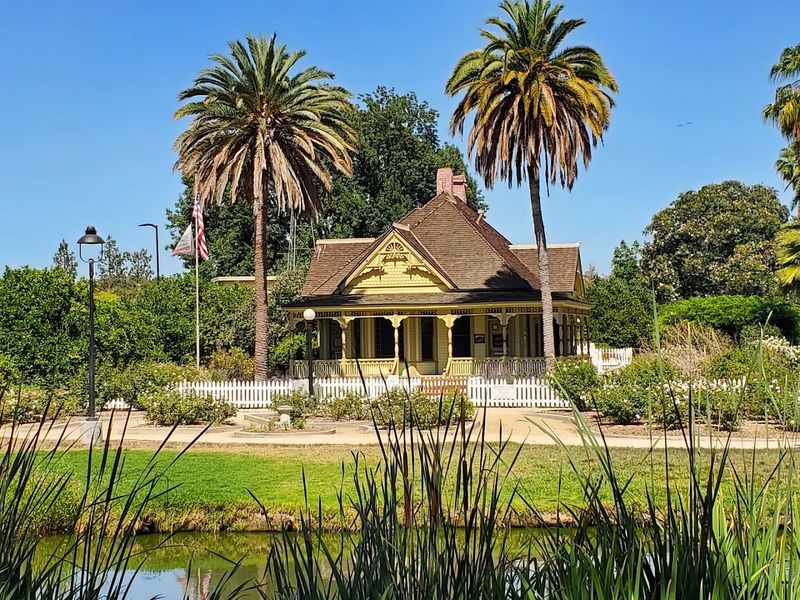
Orange County’s largest botanical garden sits right on the Cal State Fullerton campus, and it earns that title with ease. Spread across 26 acres, it holds over 4,000 unique plant species from around the world.
It also carries Level IV accreditation from ArbNet, the highest honor an arboretum can receive, shared by only three gardens in the entire state.
The garden is divided into four major collections: Cultivated, Woodlands, Mediterranean, and Desert. Each one has its own feel and focus.
The Woodlands section, filled with towering oaks and sycamores, is especially calming on a warm afternoon.
A Rare Fruit Grove offers year-round ripening fruit, and the historic Citrus and Avocado section is part of a nationally recognized collection.
The Channel Islands Garden and an extensive Cycad Collection add even more variety to an already impressive lineup.
History is woven throughout the property. The Heritage House, an Eastlake Victorian home built in 1894, gives visitors a window into 1890s family life.
The Orange County Agricultural and Nikkei Heritage Museum on the grounds tells the story of the region’s farming roots.
Originally a diseased orange grove, the land was transformed into organic gardening plots and now includes an 11,000 square foot organic vegetable garden. A Children’s Garden invites younger visitors to explore freely.
Summer Evening Strolls featuring live jazz and fruit tastings make this garden a community favorite well beyond the typical daytime visit.
5. Leaning Pine Arboretum Brings Dry-Garden Beauty To San Luis Obispo
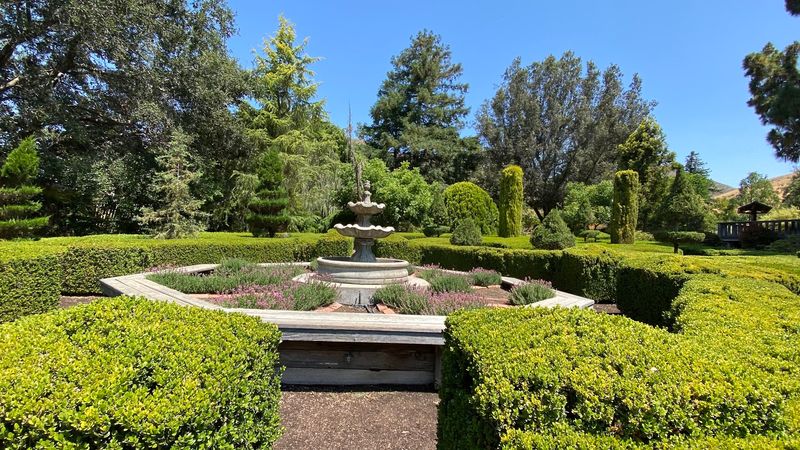
Perched on the Cal Poly campus with sweeping views of the Morros and Santa Lucia mountain ranges, this five-acre gem is the Central Coast’s top horticultural display garden.
It may be small in size, but it punches well above its weight in charm, variety, and educational value. Every corner reveals something unexpected.
Plants are arranged by geographic origin, with a focus on the world’s five Mediterranean climate regions.
Those include Australia, our own state, Chile, the Mediterranean basin, and South Africa. The result is a garden that feels like a world journey compressed into a short, scenic walk.
The Formal Garden is a visual treat, with symmetrical patterns, neatly trimmed hedges, and a tiered fountain best admired from an overlook deck above.
The Primitive Garden takes visitors back millions of years with prehistoric plants like ginkgo, horsetail, and a large cycad collection. It has a quiet, almost otherworldly atmosphere.
Hummingbirds flock to the Australian Garden, which is full of vibrant bottlebrush, grevillea, and exotic banksias.
The Mediterranean Garden features rosemary, lavender, and an olive grove, giving it a warm, fragrant feel.
California native species like Ceanothus and bright poppies shine in the Californian Garden.
Students design, build, and maintain everything here as part of a “Learn By Doing” philosophy. The garden is open year-round, Monday through Saturday, with no admission fee.
Guided tours are available by reservation, and self-guided brochures make solo visits just as rewarding.
6. McConnell Arboretum Makes Redding A Northern California Garden Stop
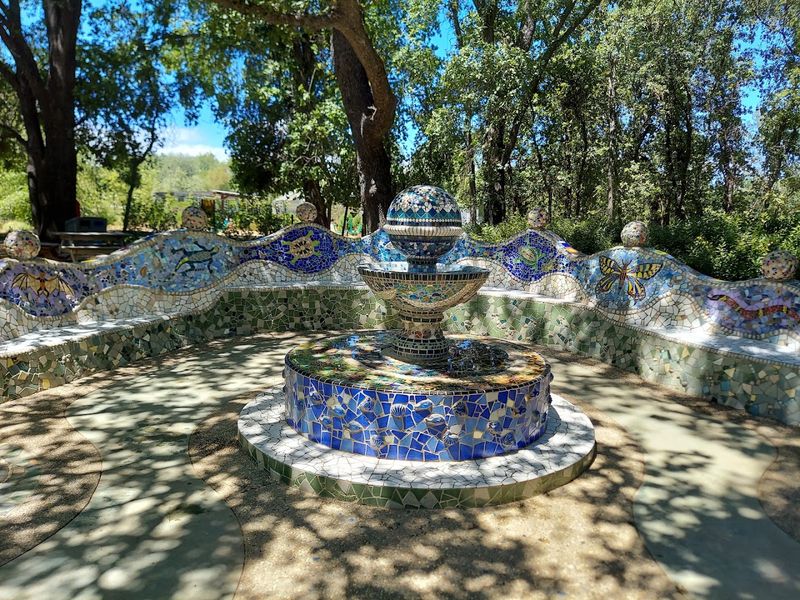
Up in the northern reaches of the state, Redding is home to one of the most expansive and underrated green spaces in the region.
McConnell Arboretum and Botanical Gardens spans over 200 acres of arboretum land and 20 to 25 acres of curated botanical gardens within Turtle Bay Exploration Park.
The iconic Sundial Bridge sits just to the south, making the whole area feel like a destination in itself.
The gardens officially opened in 2005 and specialize in drought-tolerant, Mediterranean-climate plants.
Collections span South Africa, Chile, the Mediterranean Basin, and both southern and western Australia.
A dedicated California Garden showcases native plants specific to Shasta County.
Families with kids will love the Children’s Garden, which features the whimsical Mosaic Oasis water feature, an ornamental fountain, and a creative play structure.
Fun and unusual plants from around the world are scattered throughout, keeping younger visitors curious and engaged.
A Butterfly Garden, designed with both nectar and host plants, attracts beautiful winged visitors throughout the warmer months.
Carl and Leah’s Meadow bursts with wildflowers in season, adding sweeping color to the landscape.
A Medicinal Garden with ten planting beds highlights plants historically used in herbal remedies.
Over 200 acres of riparian forest and oak savanna surround the gardens, actively being restored with native species.
A one-mile walking trail connects to the Sacramento River Trail, perfect for extending the adventure.
Free monthly guided walks and school field trips make this a community cornerstone in the north.
7. Chavez Ravine Arboretum Is L.A.’s Hidden Historic Tree Collection

Most people driving past Elysian Park on their way to a Dodgers game have no idea they are passing right by the oldest arboretum in Southern California.
Founded in 1893 by the Los Angeles Horticultural Society, Chavez Ravine Arboretum has been quietly growing its remarkable tree collection for well over a century.
It was officially declared a Los Angeles Historic-Cultural Monument in 1967.
The grounds hold over 100 varieties of trees from across the globe, many of which are record-breaking specimens.
The tallest Queensland kauri in the continental United States stands here at a towering 120 feet.
What are believed to be the oldest and largest Cape chestnut, Kauri, and Tipu trees in the country also call this place home.
One of the most striking features is the Avenue of the Palms, a magnificent double row of Canary Island date palms lining Stadium Way. It creates a dramatic, almost regal entrance that surprises first-time visitors.
Other fascinating trees include the Moreton Bay chestnut, Chinese cedar, Indian rosewood, and a remarkable collection of oaks.
The atmosphere here is more exploratory than polished, which gives it a sense of discovery that feels refreshing. There are no ticket booths or gift shops, just trees, shade, and stillness.
Admission is completely free, maintained by the Los Angeles Department of Recreation and Parks.
For anyone craving a quiet reset from city noise, this hidden gem delivers. It is an ideal spot for a slow morning walk, a solo picnic, or simply sitting beneath a centuries-old tree and breathing deeply.