The Florida Plant List That Actually Determines What Nurseries Cannot Sell
A nursery can sell you a plant that will strangle a hundred acres of wetland in ten years. It just can’t sell you the plant that will strangle a hundred and one.
That’s not an exaggeration. Somewhere in state regulations sits a specific list, plants Florida decided crossed a line and made illegal to sell.
Plants nearly as destructive stay on shelves right next to them. They just haven’t technically earned that same designation yet.
The line between an invasive nightmare and something still legal to buy at any garden center is thinner, and stranger, than most gardeners assume.
What’s actually on that list, and what it takes for a plant to end up there, explains a lot about the mess already growing wild across the state right now.
1. Start With The List That Actually Carries Legal Weight
Ask ten gardeners which agency decides what a nursery can sell, and you will hear ten guesses. The correct answer is the Florida Department of Agriculture and Consumer Services, usually shortened to FDACS.
Inside FDACS sits the Division of Plant Industry, often called DPI. That division handles the sale and movement of plants across the state, and its inspectors visit nurseries in person.
For plants regulated as state noxious weeds, the key legal list is the Florida Noxious Weed List in Rule 5B-57.007 of the Florida Administrative Code.
Plants regulated as noxious weeds are subject to restrictions on introduction, possession, movement, cultivation, and other activities, with permits available for certain authorized circumstances.
The exact restriction depends on the applicable rule and activity, so homeowners and growers should check the current rule before moving or planting a listed species.
The purpose behind the rule is practical rather than fussy. State agriculture and natural areas both face serious pressure from plants that spread faster than crews can manage them.
For shoppers, the takeaway is simple. If someone tells you a plant is banned, ask whether it appears in Rule 5B-57.007 or is merely discouraged by a group with opinions.
Once you know the rule number, checking a claim takes only a couple of minutes online. That small habit saves money, prevents awkward returns, and keeps your garden fully legal.
2. Do Not Confuse An Invasive Label With A Sales Ban
Here is where most confusion begins. The word invasive gets used constantly, but it describes behavior, not legal status.
“Invasive” and “noxious weed” are not interchangeable legal terms. An invasive plant can spread aggressively and harm native ecosystems without necessarily appearing on state’s legal noxious-weed list.
Still, the overlap is partial. Groups such as the Florida Invasive Species Council publish their own assessments, and UF/IFAS publishes plants it advises against growing.
Those lists are built on research and field observation. What they are not is a statute, so a plant can be flagged as invasive and remain perfectly legal to sell.
A sales or possession restriction must come from an applicable law or rule. For noxious weeds, the primary state list is found in Rule 5B-57.007; other plants, including certain aquatic species, can be regulated under separate rules.
Your Florida Garden Changes Every Week. Your Plan Should Too.
Gardening in Florida changes quickly throughout the season. Every Friday you’ll receive a simple weekly plan showing exactly what to plant, prune, fertilize, harvest, and protect so you never miss the right timing.
Picture it as two circles that partly overlap. One circle holds ecological warnings, the other holds enforceable prohibitions, and only the shared middle means a nursery faces penalties.
Knowing the difference helps you avoid arguments at the checkout counter. A staff member selling a flagged but legal plant is not breaking rules, though you may still choose something tamer.
Responsible shopping often goes beyond the minimum. Legal and wise are two separate questions worth asking together.
3. Look To Rule 5B-57.007 For Florida’s Noxious Weeds
Rule numbers sound intimidating until you actually open one. Rule 5B-57.007 of the Florida Administrative Code is essentially a long alphabetical roster of plants the state has designated as noxious weeds.
Plants on the roster are subject to state’s noxious-weed restrictions, but the exact requirements depend on the activity and applicable rule.
FDACS regulates activities including introduction, possession, movement, cultivation, and sale, with permits available for certain authorized uses.
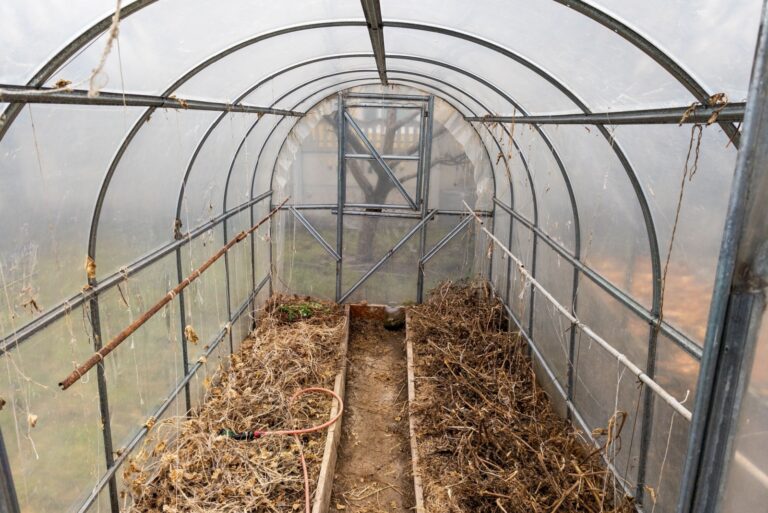
Notice how broad those verbs are. Cultivating counts, so a plant growing quietly in a nursery hoop house is still a problem even if nobody has bought it.
The list covers both land plants and water plants. Something floating in a pond display can be just as restricted as a shrub in a three-gallon container.
Three reasons land a plant on the roster: threats to the environment, threats to agricultural interests, or risks to public health. Some species manage to check more than one box.
Reading the rule is easier than it sounds. Pull it up on the Florida Administrative Code website, scan for the species you care about, and you have your answer.
Growers often keep a printed copy near the receiving dock. When a new shipment arrives, a quick cross-check beats discovering a violation during an inspection weeks later.
One rule, one list, one clear standard. That simplicity is genuinely useful.
4. Know When An Aquatic Plant Falls Under A Different Rule
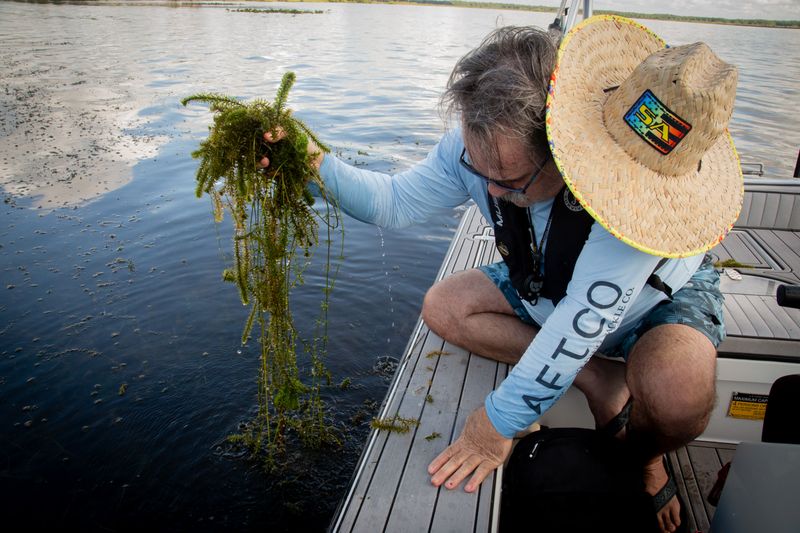
Aquatic plants have a separate regulatory framework, which is why checking only the Noxious Weed List is not enough.
The state maintains rules governing prohibited and regulated aquatic plants, and different agencies can have different responsibilities depending on the plant and the activity involved.
Chapter 68-5 of the Administrative Code is administered by the Florida Fish and Wildlife Conservation Commission and addresses certain nonnative species.
The Florida’s plant regulations also contain separate provisions governing aquatic plants. FDACS identifies Rule 5B-64 as the state’s Prohibited Aquatic Plants rule.
That distinction matters for anyone selling or keeping plants associated with ponds, canals, or other aquatic settings. A plant that does not appear on the noxious-weed list is not automatically unrestricted under every other state rule.
Before buying, moving, or disposing of a questionable aquatic plant, check the current rule that applies to that species and activity. Never release unwanted aquatic plants into canals, lakes, ditches, or other natural waterways.
When the regulatory status is unclear, checking the official FDACS and FWC resources is safer than relying on an old nursery list or a social-media post.
5. Remember That Nursery Registration Does Not Override Plant Restrictions
A common misunderstanding shows up at plant sales every spring. Someone insists a vendor must be allowed to sell a species because the business is registered with the state.
Registration is real and required. The state nurseries are required to register with FDACS and comply with the state’s nursery regulations to operate legally.
What that certificate confirms is compliance with general plant health and sanitation standards. Inspectors look for pests, disease issues, and clean growing practices during their visits.
The certificate does not function as a golden ticket. It grants no exemption from the prohibition on possessing or selling plants named as Florida Noxious Weeds or other restricted species.
Think of it like a driver license. Holding one lets you operate a vehicle, yet it does not permit you to ignore posted speed limits.
Nurseries remain responsible for following all state and federal regulations regarding prohibited plants, no matter how long they have been registered. Longevity in the business changes nothing about the requirement.
For shoppers, that means a professional-looking operation is not automatic proof that every item on the bench is permitted. Mistakes happen, especially with inherited inventory or unlabeled donations.
Asking a polite question costs nothing. Good growers appreciate customers who care about the rules.
6. Check The Scientific Name Before Assuming A Plant Is Allowed
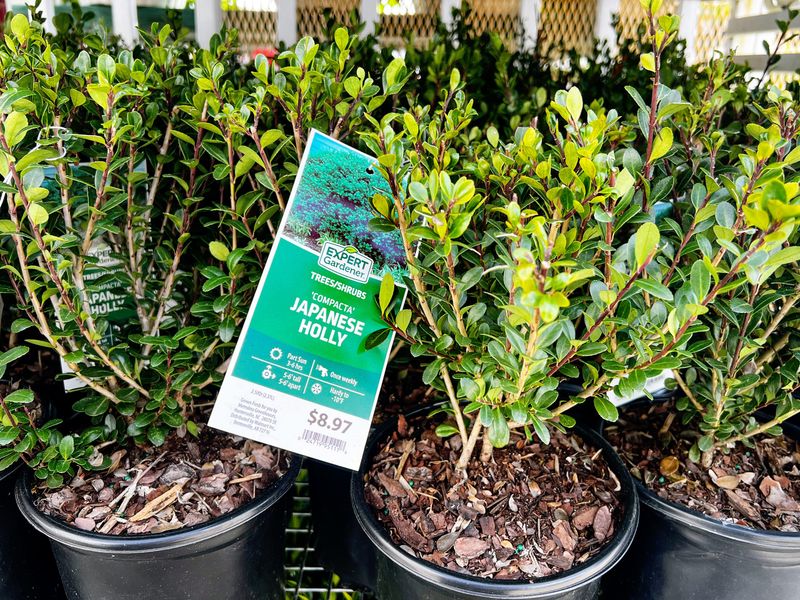
Common names are charming and wildly unreliable. Ask three people what a snowbush or an air potato is, and you may get three different plants.
Regional nicknames multiply over time. A single catchy common name can attach itself to several unrelated species, sometimes across entirely different plant families.
The state’s official lists sidestep that mess by using scientific names only. The Noxious Weed List identifies each restricted plant by genus and species, written in Latin and usually italicized.
That precision exists for a reason. Two species in the same genus can behave very differently, with one restricted and its relative sold freely.
Before buying or stocking anything unfamiliar, find the botanical name on the tag. If the tag shows only a common name, ask a staff member or search a reliable plant database.
Relying on nicknames alone can lead to unknowingly selling or purchasing a prohibited plant. Nobody intends to break a rule, yet intent does not undo a violation.
Here is a small habit worth building. Snap a photo of the tag, then compare the Latin name against the rule text before the plant goes into the ground.
Two minutes of checking beats a season of regret. Precision in naming is your best protection.
7. Watch For Permits And Exceptions That Change What A Nursery Can Handle
Prohibited does not mean untouchable in every circumstance. The state’s system includes permits that allow specific restricted plants to be possessed or moved under controlled conditions.
FDACS issues those permits. Typical reasons include scientific research, educational programs, or other specialized purposes where handling the plant serves a genuine public benefit.
Strings come attached, and they are not loose. Permit conditions focus heavily on preventing escape or spread, which can mean enclosed structures, secure disposal steps, and detailed record keeping.
Any nursery involved in such work has to secure the permit first and keep it current. Letting paperwork lapse turns a legitimate operation into a violation overnight.
Worth remembering: a permit held by a research facility does not extend to the general public. You cannot buy a restricted plant from a permitted grower simply because that grower has authorization.
The permit is tied to the holder and the approved activity, not to the plant itself. Ownership of the paperwork matters as much as ownership of the pot.
If someone offers you a rare specimen and mentions a special permit, ask questions. Legitimate permit holders understand the limits of their authorization and will explain them.
Exceptions exist to serve science, not to create loopholes for collectors chasing unusual foliage.
8. Follow Formal Rule Changes Instead Of Relying On Old Plant Lists
Plant lists age faster than people expect. A printout tacked to a nursery wall three years ago may no longer match what the state currently prohibits.
Florida’s roster of restricted plants shifts as new threats appear and as scientific understanding improves. Species get added, and occasionally details get clarified or corrected.
Changes do not happen by rumor. Updates to the Florida Noxious Weed List move through a formal rule-making process that includes public notice and opportunities for input.
The result is an amendment to the Administrative Code, specifically Rule 5B-57.007. Until that amendment takes effect, the existing text remains the standard.
Growers and gardeners both benefit from checking the source directly. The official FDACS website and the Florida Administrative Code carry the current version, while blog posts and old handouts may not.
Setting a reminder helps. A quarterly look at the rule takes minutes and catches additions before inventory decisions get expensive.
Trade associations and extension newsletters often flag proposed changes early. Reading those alerts gives a nursery time to adjust orders rather than scramble later.
Old lists are useful history, not a legal defense. When compliance matters, the current version of the applicable rule is the one to check rather than relying on an old list or outdated article.
9. Use UF/IFAS Guidance Without Mistaking Recommendations For Florida Law
Few resources in Florida gardening earn as much respect as UF/IFAS. The University of Florida Institute of Food and Agricultural Sciences produces research-backed guidance that growers genuinely rely on.
Among its publications are assessments of invasive species and lists of plants not recommended for cultivation in the state. The science behind them is thorough and regularly reviewed.
Here is the distinction that matters. Those recommendations, however well supported, do not carry the force of law.
A plant flagged as not recommended by UF/IFAS is not automatically illegal to sell. Legal prohibitions come from applicable statutes and administrative rules.
For noxious weeds, Rule 5B-57.007 is the key list; other plant restrictions can appear elsewhere in state’s regulations.
So the two resources answer different questions. UF/IFAS tells you what is wise for your landscape and your region, while the rule tells you what is permitted.
Smart gardeners use both. Checking the rule keeps you compliant, and checking the extension guidance keeps your yard from becoming a headache in five years.
Extension offices exist in nearly every county, staffed by people happy to talk plants. A quick visit often clears up questions faster than hours of searching online.
Treat recommendations as expert advice worth following. Treat the Administrative Code as the line you do not cross.