Why Texas Crape Myrtles Are Covered In Black Sooty Mold In June
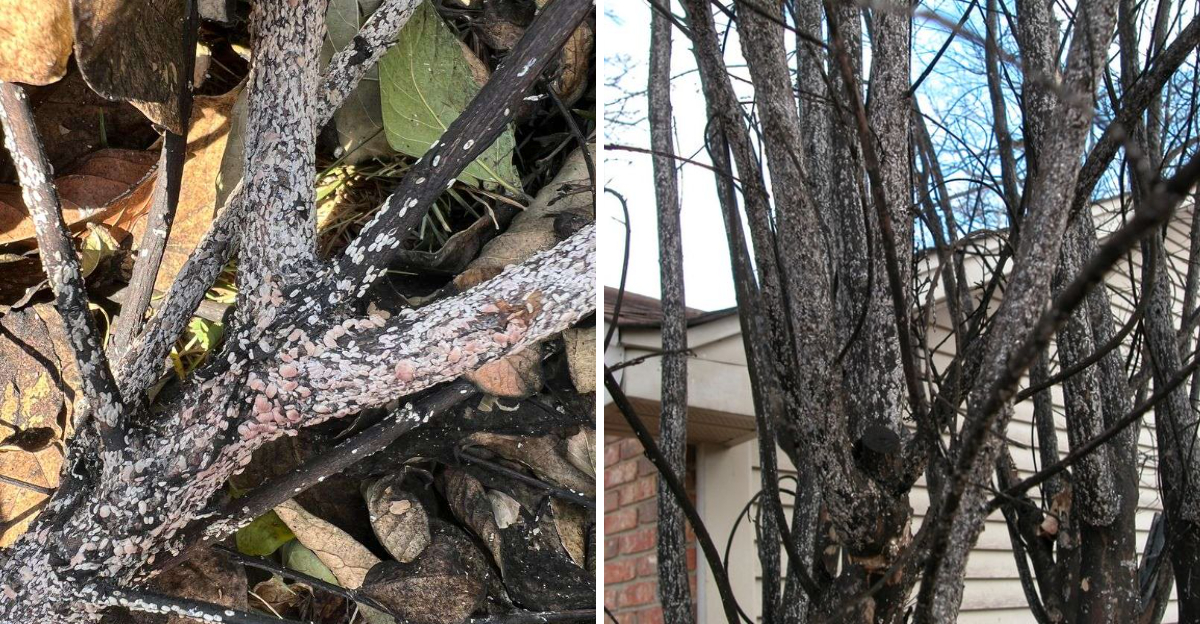
A crape myrtle covered in black sooty mold in June is one of those garden problems that looks alarming and turns out to be more connected and more fixable than it first appears.
The black coating that builds up on leaves, stems, and sometimes even the ground beneath the tree is not a disease attacking the crape myrtle directly.
It is a secondary problem, and understanding what is actually driving it is the difference between treating the symptom and addressing the real cause.
Texas June conditions, with warmth building rapidly and pest activity peaking across the landscape, create exactly the environment where this problem develops and spreads quickly on crape myrtles that are not being monitored closely.
By the time the black coating is thick enough to be visually obvious, the underlying issue has usually been going on for long enough that a prompt response is worth prioritizing.
Getting to the root of what is happening is the only path to getting the tree clean and keeping it that way through the rest of the season.
1. The Black Sooty Mold On Texas Crape Myrtles
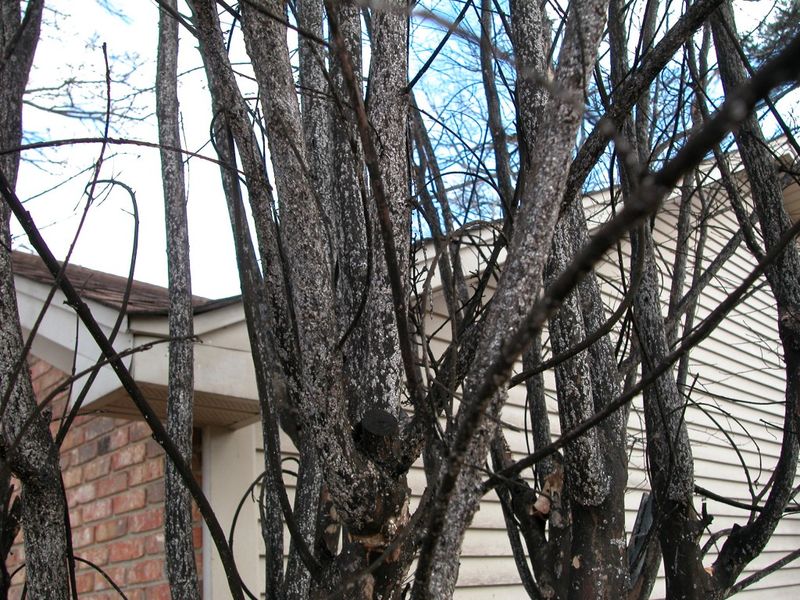
Walk outside on a warm June morning in Texas and you might do a double take when you spot your crape myrtle. The leaves look like someone smeared them with black grease or ash.
That strange coating is sooty mold, a type of fungus that grows on the outside of plant surfaces.
Sooty mold does not actually infect the plant tissue the way other diseases do. It does not burrow into the leaves or attack the roots.
Instead, it sits on top of the surface, feeding on a sticky substance called honeydew. Honeydew is a sugary liquid left behind by certain insects that feed on the tree.
The mold itself is made up of dark fungal spores that clump together and form a thick, black layer. Over time, that layer can cover entire branches, stems, and leaves.
It can make a healthy crape myrtle look seriously sick even when the plant is doing just fine underneath.
Texas crape myrtles are especially vulnerable because of the warm climate and the types of insects that thrive here.
June is when insect populations explode and honeydew production goes through the roof. The mold follows the honeydew wherever it lands.
Understanding that sooty mold is a symptom, not a cause, is the first step toward fixing the problem. You cannot simply wipe off the mold and call it done.
The real issue starts with the insects feeding on your tree. Once you tackle those, the mold will stop spreading and eventually go away on its own with a little help from rain and wind.
2. The Real Culprits: Aphids And Scale Insects
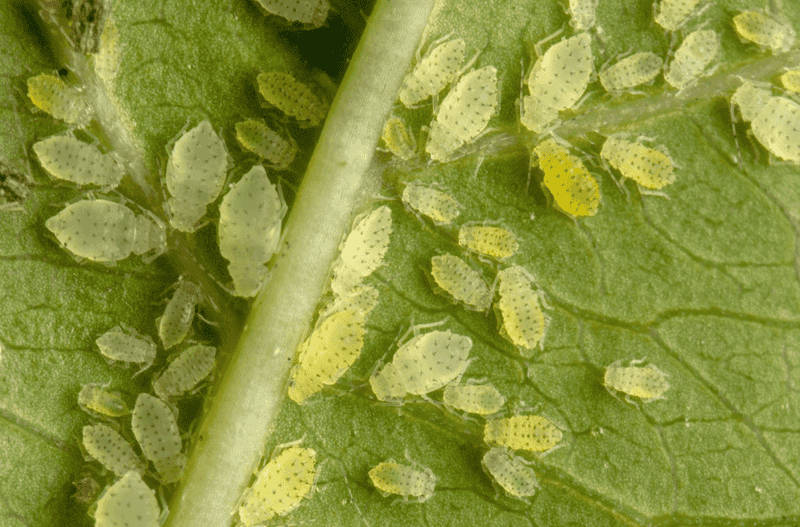
Blame the bugs. Aphids and scale insects are the main reason sooty mold shows up on crape myrtles every summer.
These tiny creatures are sap-suckers, which means they stick their mouthparts into the soft tissue of leaves and stems and pull out the plant’s sugary juices. As they feed, they produce a sticky waste product called honeydew.
Your Texas Garden Changes Every Week. Your Plan Should Too.
Gardening in Texas changes quickly throughout the season. Every Friday you’ll receive a simple weekly plan showing exactly what to plant, prune, fertilize, harvest, and protect so you never miss the right timing.
Aphids are small, soft-bodied insects that come in green, yellow, brown, or black. They tend to cluster on new growth and the undersides of leaves.
A single crape myrtle branch can hold hundreds of aphids at once, and they reproduce fast. One generation can be followed by another in just a few days during warm weather.
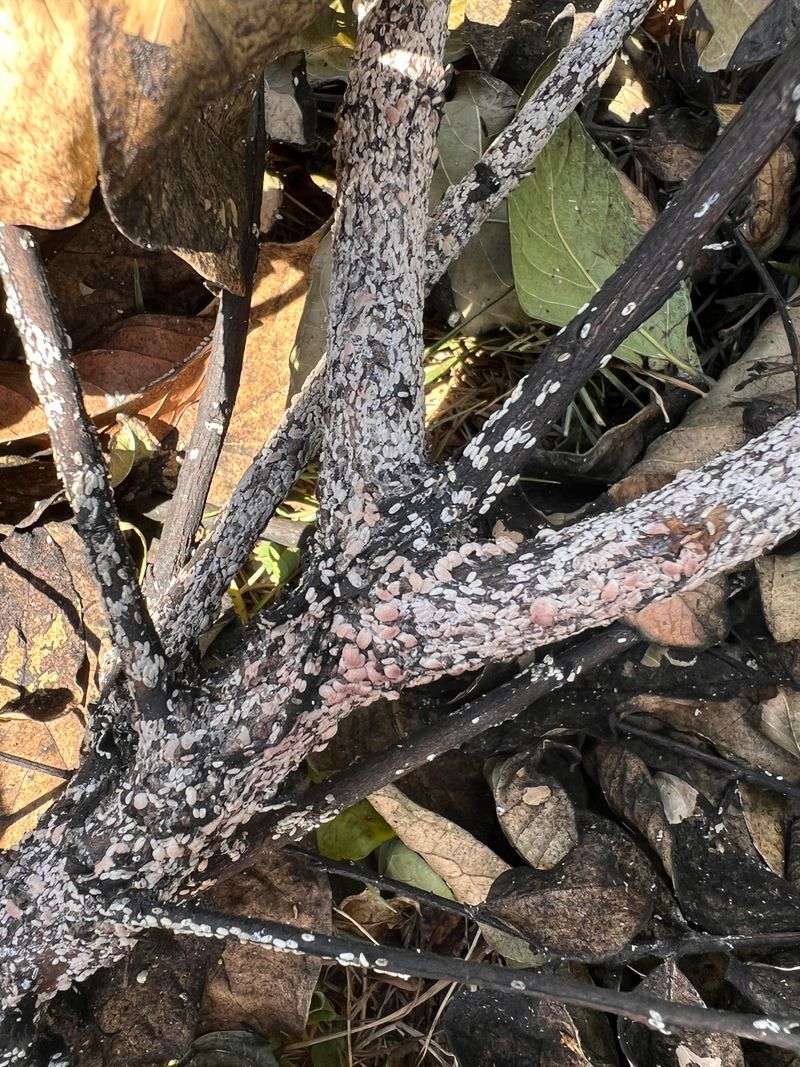
Scale insects look very different from aphids. They appear as tiny bumps on stems and branches, almost like small shells or waxy dots.
Many gardeners mistake them for part of the plant. Beneath those waxy coverings, the insects are quietly feeding and pumping out honeydew just like aphids do.
Both insects are drawn to crape myrtles because the trees produce tender, sugary new growth throughout the growing season. Texas summers give these bugs the warm temperatures they need to thrive and multiply quickly.
Did you know that ants actually protect aphids from predators? Ants feed on honeydew and will guard aphid colonies to keep the supply flowing.
So if you see ants climbing your crape myrtle, there is a good chance aphids are already at work up in the branches. Spotting ants early can help you catch an infestation before it gets out of hand.
3. Why June Is Prime Time
June in Texas is basically a paradise for insects and fungi. Temperatures climb fast, humidity stays high, and afternoon thunderstorms roll through on a regular basis.
That combination creates the perfect environment for aphids to multiply and sooty mold to spread across crape myrtle trees.
Warm temperatures speed up insect reproduction. Aphids can go from egg to adult in less than two weeks when conditions are right.
By early June, populations that started small in April can balloon into massive colonies covering entire branches.
More insects mean more honeydew, and more honeydew means more mold. Humidity plays a big role too. Sooty mold spores need moisture to germinate and spread.
When the air is thick and damp, as it often is in Texas during early summer, the mold grows faster and sticks more aggressively to leaf surfaces coated in honeydew. A single rainy week can turn a light dusting of mold into a full-blown black coating.
Crape myrtles also go through a growth surge in late spring and early June. Fresh, tender leaves and new shoot tips are exactly what aphids love most.
So just as the tree is putting out its best new growth, the insects are arriving in full force to take advantage.
The timing is not a coincidence. Insects, weather, and plant growth all align in June to create the worst possible conditions for sooty mold outbreaks.
Knowing this helps you stay ahead of the problem. Start checking your trees in late May so you can catch insect activity before the mold has a chance to take hold and spread widely.
4. Identifying Sooty Mold
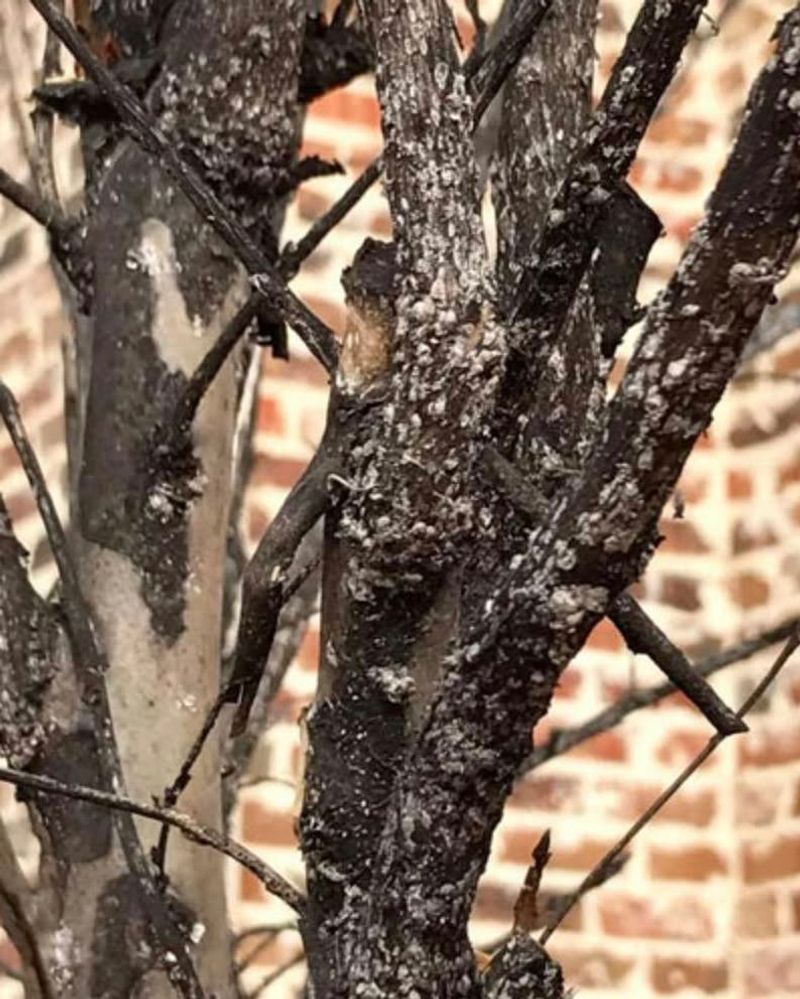
Not sure if what you are seeing is sooty mold or something else entirely? There are some clear signs to look for.
Sooty mold usually appears as a black, shiny, or powdery coating on the surface of leaves, stems, and even fruit. It looks a lot like someone rubbed charcoal dust all over the plant.
One easy way to confirm it is sooty mold is to rub the leaf between your fingers. The black coating will smear or flake off, which tells you it is sitting on top of the surface rather than being part of the leaf itself.
A fungal leaf spot disease, by comparison, would be embedded in the leaf tissue and would not rub off the same way.
You might also notice that the mold tends to follow the path of honeydew drips. Leaves directly below heavily infested branches often show more mold than leaves farther away.
That pattern points straight to an insect problem above. Heavy sooty mold coverage can reduce photosynthesis. Photosynthesis is the process plants use to turn sunlight into energy.
When thick layers of mold block sunlight from reaching the leaf surface, the plant cannot make as much food for itself. In most cases, the effect is minor, but a severe infestation left untreated for weeks can slow growth and reduce flowering.
For most homeowners, sooty mold is mostly a cosmetic issue. The tree looks terrible, but it is usually not in serious danger.
Still, letting it go unchecked season after season is not a great idea. Getting a handle on it early keeps your crape myrtle looking beautiful and blooming strong all summer long.
5. Treatment Strategies
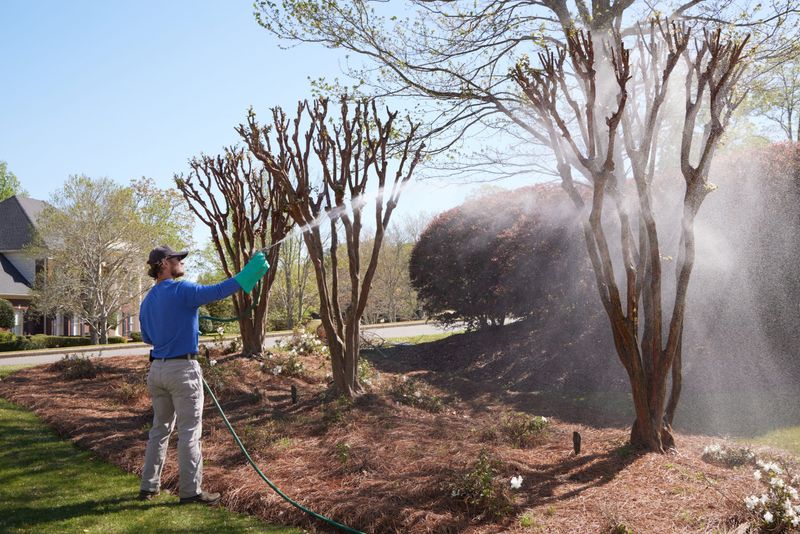
Ready to fight back? The most important step in treating sooty mold is going after the insects causing it.
No amount of scrubbing the mold off will help if aphids and scale insects are still feeding and pumping out fresh honeydew every day. You have to stop the source first.
Insecticidal soap is one of the most effective and least harmful options available. You mix it with water and spray it directly onto the insects.
It works by breaking down the soft outer layer of the bug’s body. It is safe for most beneficial insects when used correctly and breaks down quickly in the environment.
Horticultural oil works in a similar way and is especially good against scale insects. You can also bring in nature’s own helpers. Ladybugs and lacewings are natural predators that love to snack on aphids.
You can buy them at garden centers or attract them by planting flowers like dill, fennel, or marigolds nearby. Encouraging these beneficial insects creates a natural balance that keeps aphid populations in check without chemicals.
Once you have the insects under control, spray the affected leaves with a strong stream of water from your garden hose. This washes away honeydew and loosens the mold so it can dry up and fall off.
A few good rinses over several days can make a noticeable difference in how the tree looks. For stubborn mold buildup on branches, a gentle scrub with a soft brush and diluted dish soap can help. Always rinse thoroughly afterward.
With consistent effort over two to three weeks, most crape myrtles bounce back quickly and return to their natural beauty.
6. Preventive Measures
Prevention is always easier than treatment. Keeping your crape myrtles healthy year-round is the single best thing you can do to reduce the risk of sooty mold showing up in June.
Strong, well-nourished trees are better able to handle minor insect pressure without developing serious mold problems.
Proper watering is a great place to start. Crape myrtles do not like sitting in soggy soil, but they also suffer when they get too dry.
Deep, infrequent watering encourages strong root growth and keeps the tree resilient. Avoid overhead watering, which can create the wet leaf conditions that mold loves.
Be careful with fertilizer. Too much nitrogen causes rapid, lush growth that attracts aphids like a magnet.
Use a balanced fertilizer and follow the label instructions. Healthy, moderate growth is much less attractive to sap-sucking insects than a tree that is being pushed into overdrive.
Start monitoring your trees in late April and May, before insect populations build up. Check the undersides of leaves and look for sticky residue on branches, which is an early sign of honeydew.
Catching a small aphid colony early makes treatment much easier and prevents mold from ever getting a foothold.
Planting pollinator-friendly flowers near your crape myrtles invites ladybugs, parasitic wasps, and other beneficial insects into your yard. These natural predators patrol your plants for free and help keep pest populations at a manageable level all season long.
A garden with a good mix of plants tends to stay healthier overall because the ecosystem stays balanced. A little planning in spring goes a long way toward keeping your crape myrtles mold-free all summer.