The One Thing California Rosemary Needs To Keep From Turning Woody
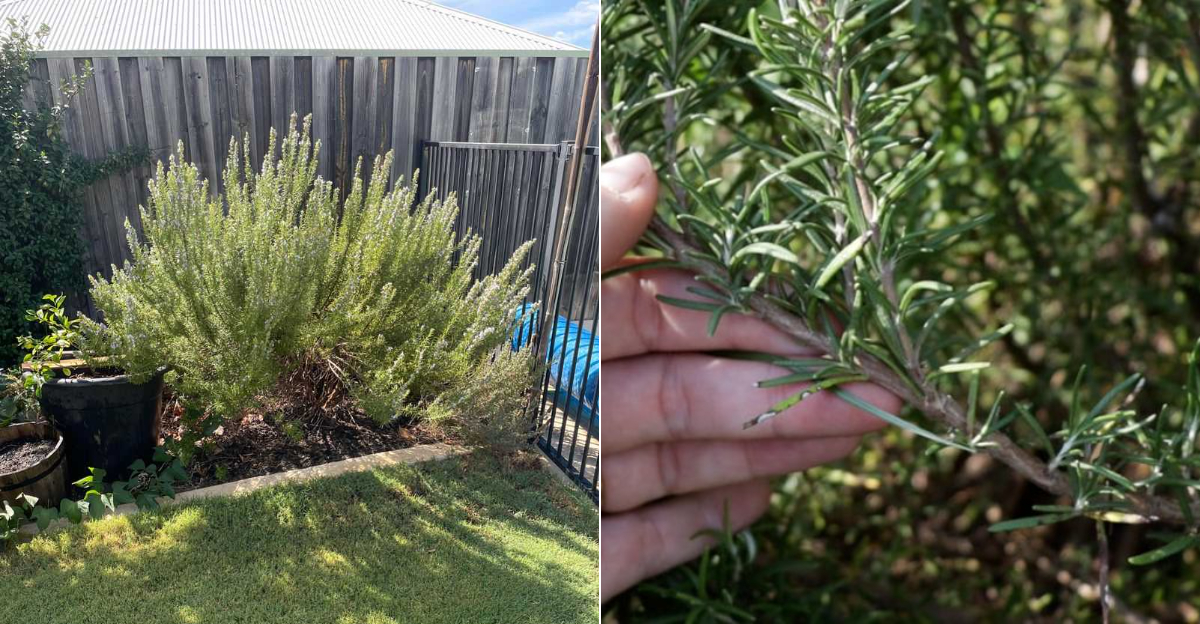
California rosemary is tough, fragrant, and usually low drama, until it starts turning woody like it has retired early. The one thing it needs is regular light pruning, not a dramatic chop after years of neglect.
A few smart snips help encourage fresh growth and keep the plant fuller, softer, and less stick-like. The trick is trimming before rosemary gets leggy and stubborn.
Once the lower stems turn bare and woody, they do not always bounce back politely. California sun can push fast growth, but that growth can toughen up just as fast.
Light pruning keeps the plant from putting all its energy into long, rigid stems. Skip the harsh cutback into old wood and focus on gentle shaping instead.
Your rosemary stays tidier, greener, and much more useful in the kitchen.
1. Light Pruning Keeps Rosemary Compact
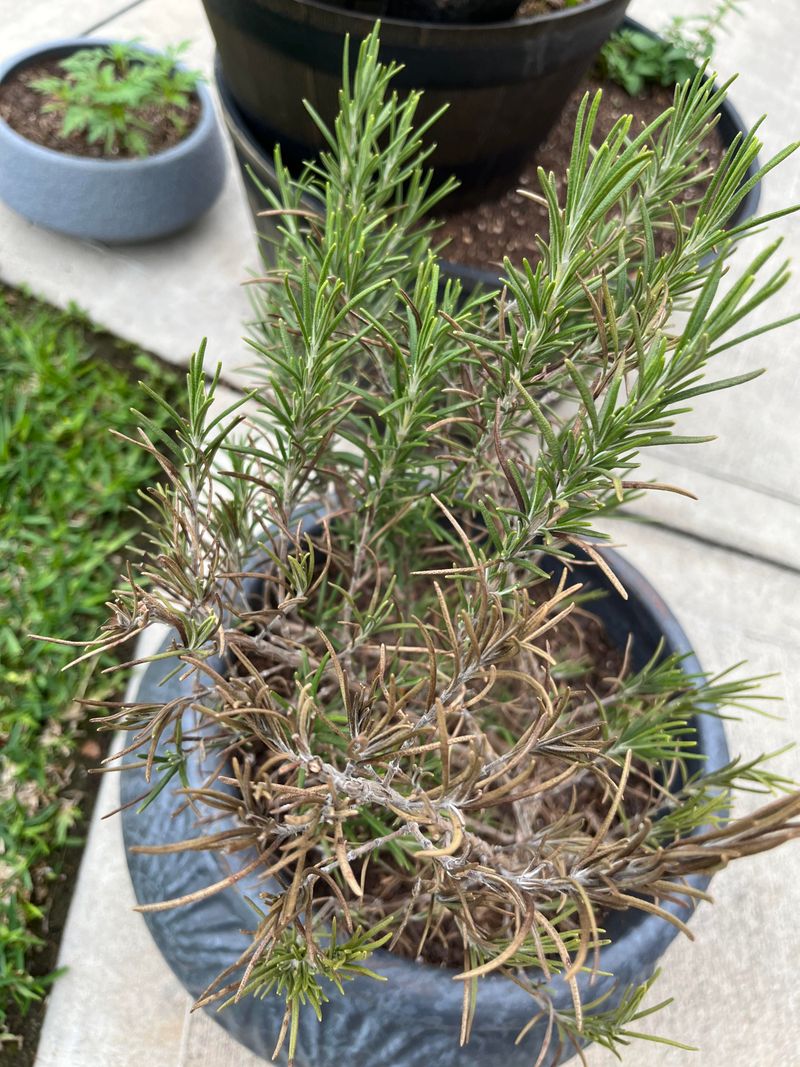
Most people wait until their rosemary looks out of control before they pick up a pair of scissors. By then, the damage is already done.
Light, frequent pruning is one of the best habits you can build as a gardener in California.
When you take off just a little bit at a time, you encourage the plant to push out fresh new growth from the sides. That keeps the whole bush thick and compact instead of tall and spindly.
Think of it like getting a regular haircut versus letting your hair grow wild for two years and then chopping it all off at once.
Rosemary responds really well to small, consistent cuts. Even removing just an inch or two of new growth every few weeks during the growing season makes a big difference.
The plant stays bushy, the stems stay flexible, and you end up with more harvestable tips to use in the kitchen.
Compact rosemary also handles wind and drought better than a plant that has grown long and floppy. In our warm, dry climate, that matters a lot.
A tighter shape means less stem breakage and better air circulation through the plant, which helps reduce the risk of fungal issues during the cooler, wetter months of the year.
2. Trim After The Main Bloom Fades
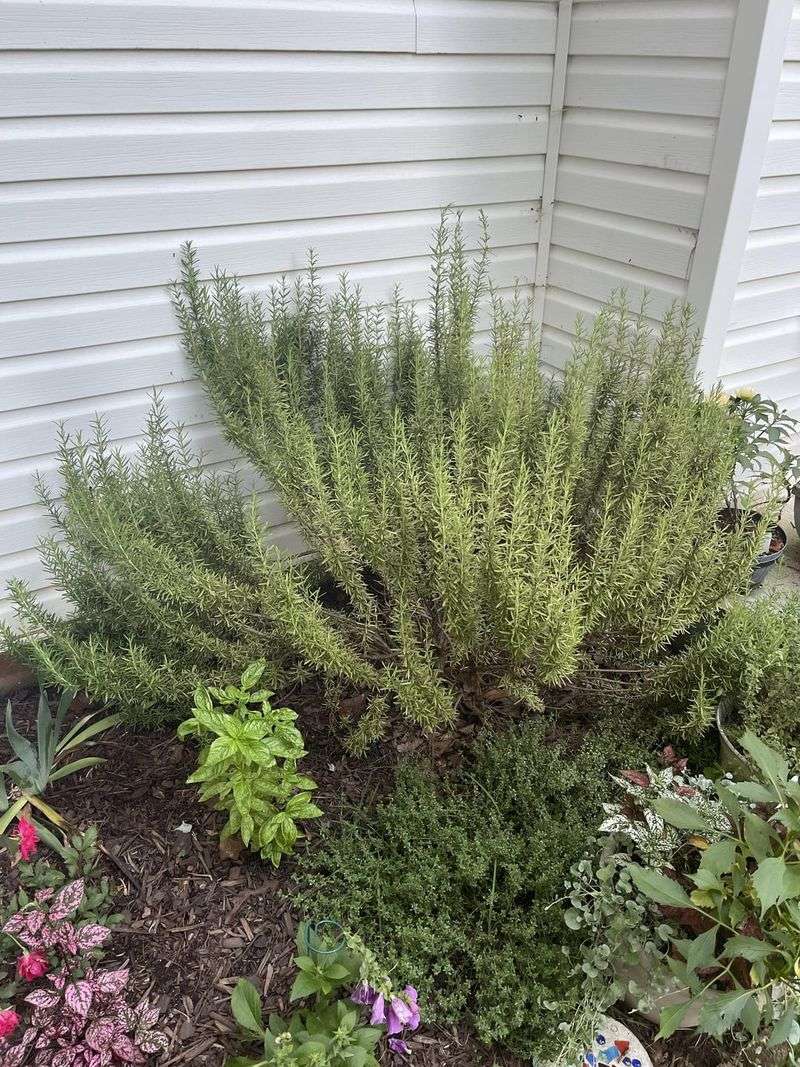
Rosemary puts on a beautiful show of tiny purple, blue, or white flowers, usually in late winter through spring in California. Those flowers attract pollinators and add real charm to any garden bed.
But once the blooms start to fade and drop, that is your signal to grab your pruners.
Trimming right after the bloom fades gives the plant a fresh start. It redirects the plant’s energy away from seed production and back into growing new leafy stems.
That is exactly what you want if your goal is a full, green, productive rosemary bush.
If you skip this post-bloom trim, the plant tends to get a little gangly. The stems that held the flowers often keep stretching without branching out.
Over time, that leads to the kind of tall, bare-stemmed growth that eventually turns woody and stops producing leaves at the bottom.
You do not need to do a heavy prune right after blooming. A light shaping is enough.
Your California Garden Changes Every Week. Your Plan Should Too.
Gardening in California changes quickly throughout the season. Every Friday you’ll receive a simple weekly plan showing exactly what to plant, prune, fertilize, harvest, and protect so you never miss the right timing.
Just take off the spent flower tips and a small amount of the newest growth below them. This simple step sets the plant up for strong, bushy regrowth throughout the rest of the warm season.
In northern parts of California, this usually falls somewhere between April and June, depending on how early spring arrives in your area.
3. Cut Green Growth, Not Bare Wood
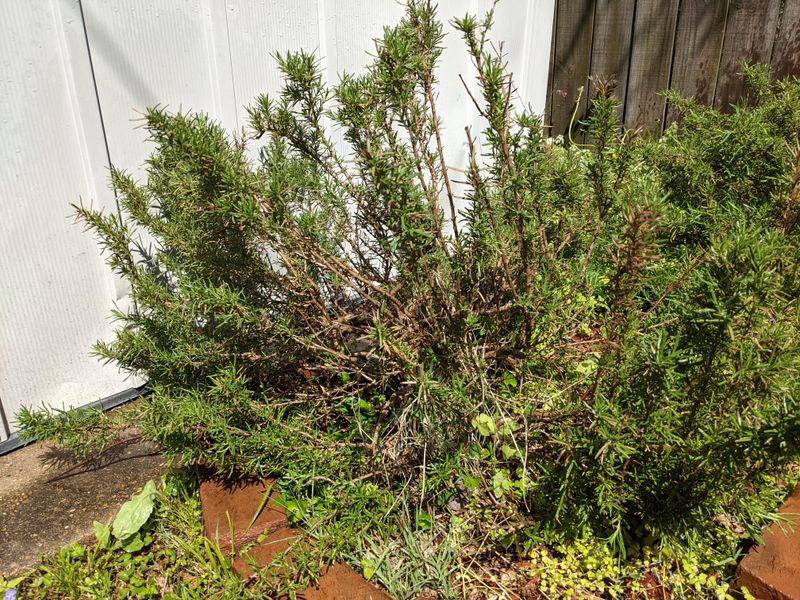
Here is something every rosemary grower needs to know early on: the plant cannot regrow from bare wood.
If you cut back into a stem that has no leaves on it at all, that stem will not sprout new growth. It will just sit there, dry and lifeless.
Green stems, on the other hand, have dormant buds hiding under the surface. When you cut into green growth, those buds wake up and send out fresh shoots.
That is how pruning encourages new, bushy growth rather than just leaving you with stumps.
A good rule to follow is to always make sure there are leaves below your cut. Before you snip, look down the stem and find where the green, leafy growth ends.
Make your cut somewhere in that green zone, and you are good to go.
This is especially important for gardeners who are dealing with older rosemary plants. As the plant ages, the base of each stem naturally turns brown and woody.
The green zone moves further and further toward the tips. Your job as a pruner is to stay in that green zone every single time.
Never chase the cut too far down toward the base just to make the plant shorter. It is better to have a taller plant with green leaves than a short one with nothing left to regrow from.
4. Small Snips Beat One Hard Chop
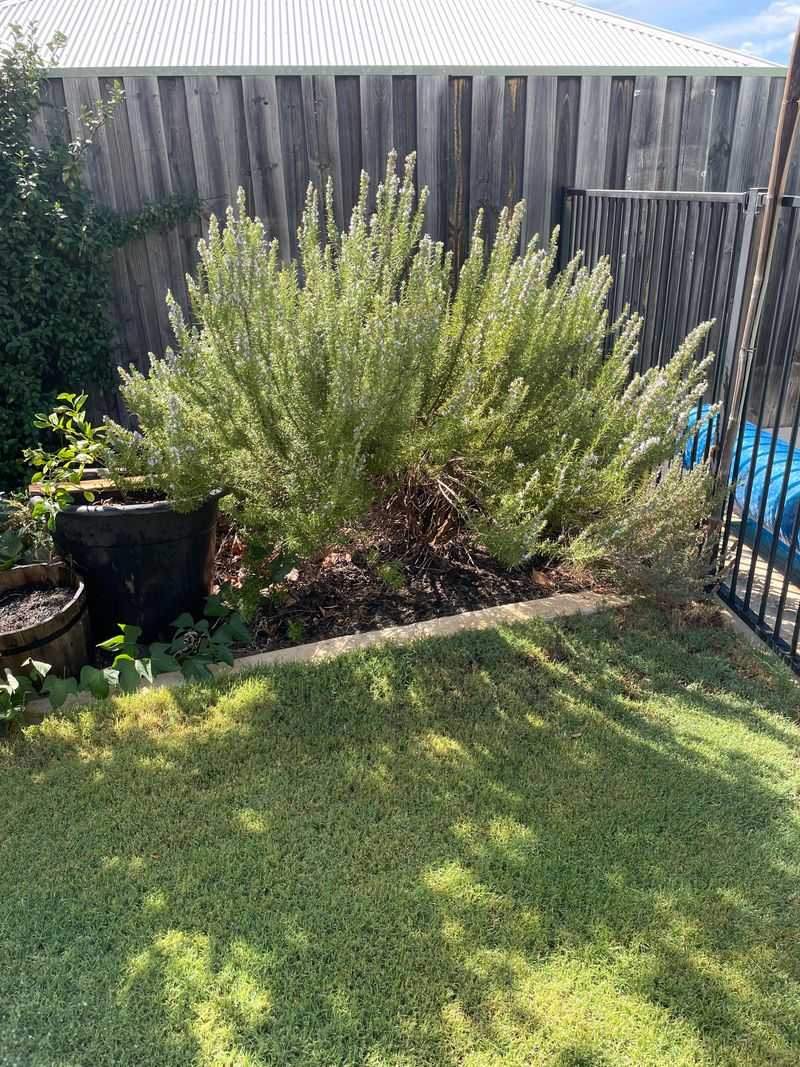
There is a temptation with any overgrown plant to just grab the hedge trimmer and go to town. With rosemary, that approach can seriously backfire.
One aggressive chop might feel satisfying in the moment, but it often pushes the plant into a state it cannot recover from.
When you remove too much at once, you stress the plant and force it to work overtime trying to recover. Rosemary is resilient, but it has limits.
A hard, all-at-once shearing often cuts into bare wood, especially on older plants, and that means no regrowth from those spots.
Smaller, more frequent cuts spread the work out over time. Each little snip removes just a bit of growth, the plant adjusts easily, and new buds form right where you made the cut.
It is a much gentler and more effective approach.
Think of it like this: if you trim a little every few weeks, you never have to do a big, risky chop. The plant stays manageable, and you stay in control.
Many experienced gardeners in California make rosemary trimming part of their regular garden walk. Every time they walk past, they pinch off a few tips.
That casual, consistent attention is honestly one of the best things you can do for the long-term health of your rosemary plant. Small and steady always wins with this herb.
5. Follow Each Stem Back To Leaves
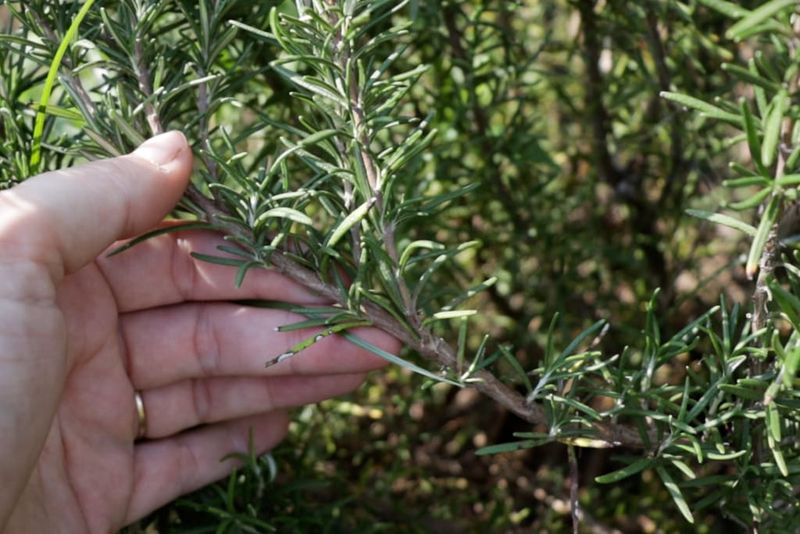
Before making any cut on your rosemary plant, take a few seconds to follow the stem you are about to trim. Run your fingers from the tip down toward the base and notice where the leaves stop growing.
That spot is your boundary line.
Your cut should always land above that boundary, in the zone where leaves are still present. Cutting at or just above a leaf node gives the plant a clear signal.
It knows to send new growth out from that point, and within a week or two, you will usually see tiny new shoots emerging right where you made the cut.
This technique sounds simple, but a lot of gardeners skip it because they are in a hurry or just eyeballing the plant from a distance. Getting up close and really looking at each stem before you cut makes a real difference in how well the plant responds to pruning.
California rosemary grows quickly during the warm months, so you will have plenty of chances to practice this habit. Over time, it becomes second nature.
You start to see the plant differently, noticing where the green growth is healthy and where stems are starting to lose their leaves at the base.
That awareness helps you catch early signs of woodiness before it spreads too far and becomes hard to fix. Stay observant and the plant will reward you.
6. Never Shear Into Leafless Stems
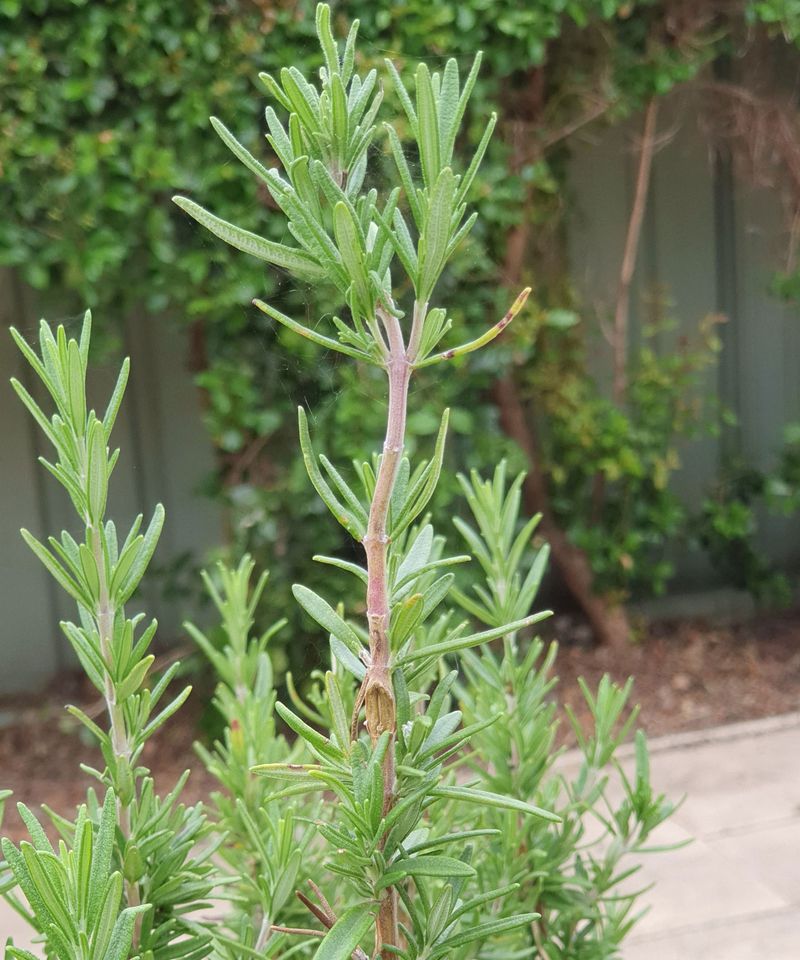
Shearing a rosemary plant flat, like you would a boxwood hedge, is one of the most common mistakes gardeners make.
It looks neat right after you do it, but it often cuts deep into stems that have no leaves left. Those stems simply cannot bounce back.
Leafless stems on rosemary are essentially dormant in the wrong way. They do not have the energy or the active growth buds needed to push out new shoots.
Once you cut into that bare zone, you are left with a brown, lifeless stub that will not recover no matter how much you water or fertilize.
The only time a leafless stem might eventually sprout is if a tiny bit of green is still clinging to it somewhere.
Even one small leaf cluster can be enough to trigger regrowth if conditions are right. But it is a gamble, and it is not worth taking when a smarter approach is available.
Always stop your shears before you reach bare wood. If the plant has gotten so large that you cannot shape it without hitting bare stems, it may be time to take a different approach entirely, trimming selectively one stem at a time rather than using broad sweeping cuts.
In our warm coastal and inland regions, rosemary can get quite large over the years. Staying on top of pruning while the plant is young is the best way to avoid ever being in this tricky situation.
7. Harvesting Counts As Gentle Pruning
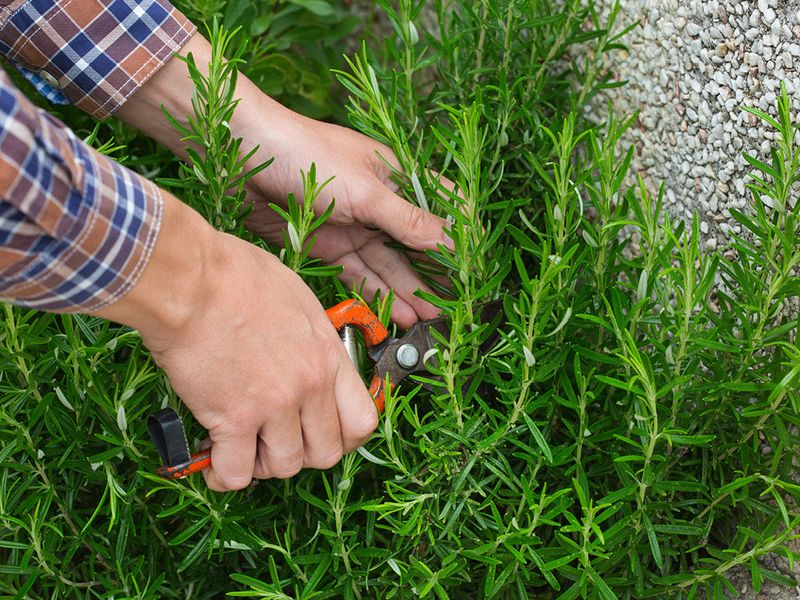
Here is something that might surprise you: every time you snip a sprig of rosemary for cooking, you are actually pruning the plant.
Regular harvesting works the same way as intentional pruning because you are removing the tip of a stem and encouraging branching below the cut.
Gardeners who cook with fresh rosemary often have some of the fullest, most productive plants around. That is no coincidence.
The act of regularly taking small amounts keeps the plant compact and constantly producing new leafy growth. It is a happy cycle where using the herb actually makes the plant stronger.
If you grow rosemary but rarely use it in the kitchen, try to make a habit of harvesting a few sprigs every week or two anyway, even if you do not need them right away.
You can dry them, bundle them for later use, or just toss them in a pot of soup.
The point is to keep those tips getting trimmed regularly. In California, fresh rosemary is available from the garden nearly all year long thanks to the mild climate.
That means you have a long window to keep harvesting and naturally pruning at the same time.
Even in the cooler months of northern regions, the plant keeps some active growth going. Take advantage of that by staying engaged with your plant throughout the seasons rather than only tending to it once or twice a year.
8. Shape The Plant Before It Gets Leggy
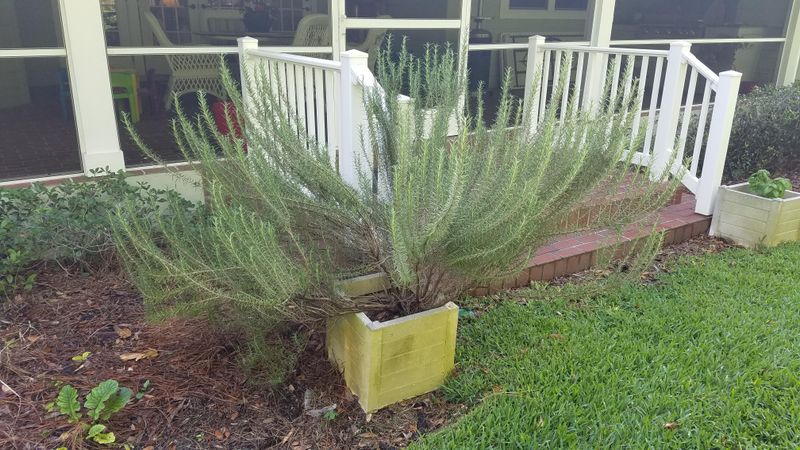
Prevention is always easier than correction when it comes to rosemary. Shaping the plant while it is still young and flexible saves you from a much harder job down the road.
A leggy, overgrown rosemary with long bare stems at the base is genuinely difficult to fix without risking permanent damage.
Start shaping your rosemary in its first or second year of growth. At that stage, the stems are still soft and green all the way to the base, which means you have a lot of flexibility in how you cut.
Encouraging a rounded, compact shape early on sets the plant up for years of healthy, manageable growth.
Pay attention to any stems that seem to be stretching out faster than the others. Those are the ones that will turn leggy first if left alone.
Pinch them back a little sooner than the rest to keep the overall shape balanced and even.
In California, rosemary can grow surprisingly fast during warm stretches of weather. A plant that looked perfectly shaped in spring might be noticeably lopsided or stretched out by late summer if you have not been keeping up with it.
Check on your plant every couple of weeks and make small adjustments as needed. A well-shaped rosemary is not just prettier to look at.
It is also healthier, more productive, and far easier to manage for years to come. Start early and stay consistent.