The One Thing Florida Desert Rose Owners Skip In August That Costs Them Fall Blooms
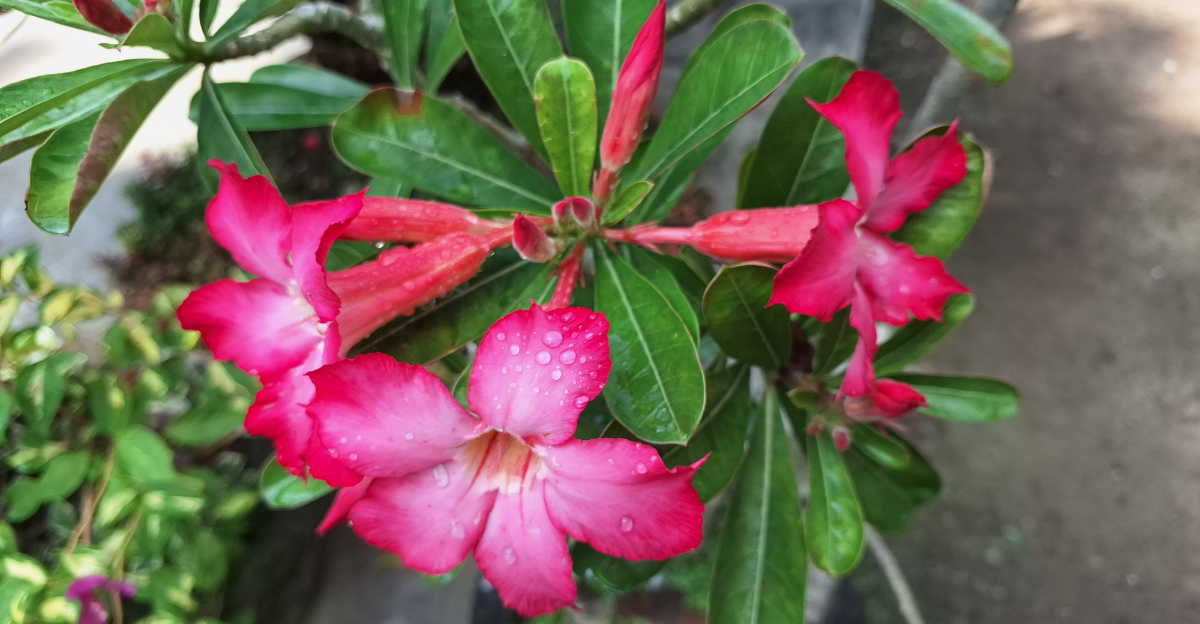
Desert rose in August looks like it is handling Florida summer on its own terms. Bold stems, thick leaves, apparently unbothered by the heat that has worn out everything else in the yard.
That self-sufficient appearance is exactly what makes the one thing it needs in August so easy to skip. August is when desert rose sets the trajectory for fall blooms.
Not September, not when the weather cools and expectations rise. Right now, while the plant is still in active growth and the window is still open.
Skip what it needs this month and fall arrives with a plant that looks healthy and produces almost nothing. The capacity was there.
The timing was not honored. One task.
Done in August. The difference between a desert rose that blooms into October and one that makes you wonder what went wrong with a plant that looked perfectly fine all summer.
1. Adjust Watering Before August Rain Stacks Up
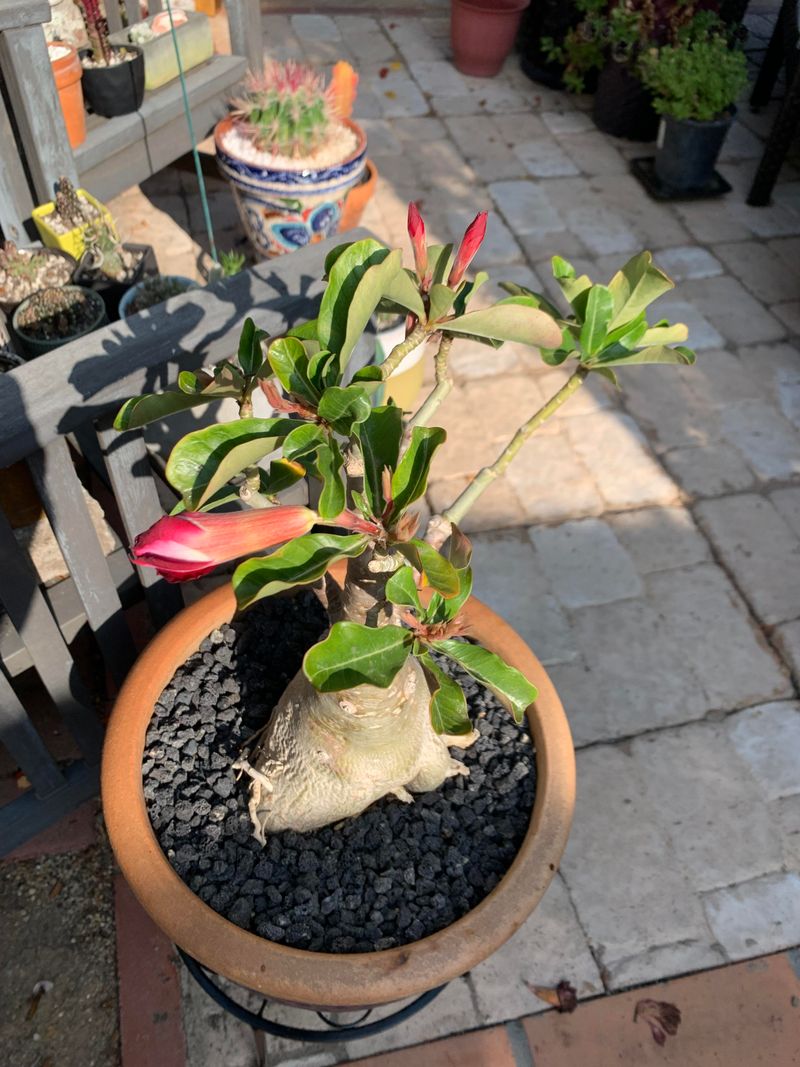
A pot that sits through three Florida afternoon storms in a row without draining properly is already in trouble, even if the plant looks fine on top. August in warm-weather regions brings heavy, repeated rain that can stack up faster than gardeners expect.
The biggest watering mistake desert rose owners make this month is not adjusting their routine when storms arrive.
Adjusting does not mean watering less every day automatically. It means checking the soil and skipping a watering session when the pot is already wet from rain.
It also means watering more promptly when a pot sits under a covered porch roof and misses every storm entirely. Placement changes everything about how a container dries.
Pot size matters too. A small container dries faster than a large one, even in humid weather.
A clay pot breathes differently than a plastic one. Growers who water on a fixed schedule without checking real soil conditions are not adjusting to August at all.
They are just repeating a summer habit that does not match what the plant actually needs.
A responsive routine means checking soil dryness before reaching for the hose, watching where rain actually lands, and making small changes as conditions shift.
That simple adjustment, made early in the month, can protect root health well into the season when fall bloom potential is still possible.
2. Let The Soil Dry Before Watering Again
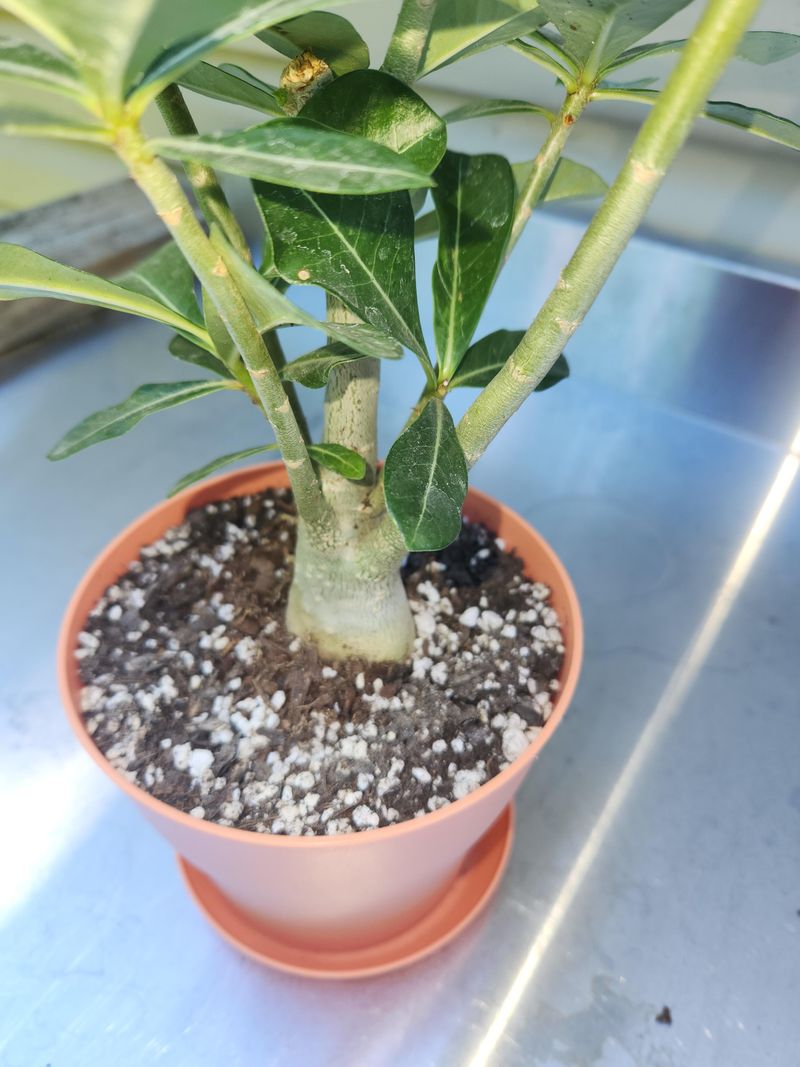
Routine can be a trap. When gardeners water every other day out of habit, they often miss what the soil is actually telling them.
A dry surface does not always mean the whole pot is dry, and a moist top layer can hide roots that are already sitting in too much water below.
The most reliable way to judge watering need is to press a finger about one to two inches into the potting mix. If it feels damp at that depth, skip the water for now.
If it feels dry all the way down, and the plant has been in active growth, watering is likely appropriate. Lifting a smaller pot can also help.
Your Florida Garden Changes Every Week. Your Plan Should Too.
Gardening in Florida changes quickly throughout the season. Every Friday you’ll receive a simple weekly plan showing exactly what to plant, prune, fertilize, harvest, and protect so you never miss the right timing.
A lighter pot usually means the soil has dried through.
Watch the plant for signals, but do not overreact to every small change. Slight softness in older leaves can be normal in heat.
Wrinkled or shriveling stems are a stronger sign of drought stress. Yellowing lower leaves during a wet stretch often point to too much moisture, not too little.
Desert rose is not a plant that thrives on neglect during active summer growth. Leaving it completely dry for weeks in August heat can stress it just as much as soggy roots can.
The goal is consistent drying between waterings, not extended drought. Checking soil first, every single time, keeps the routine honest and plant-health focused.
3. Check Containers After Every Heavy Storm
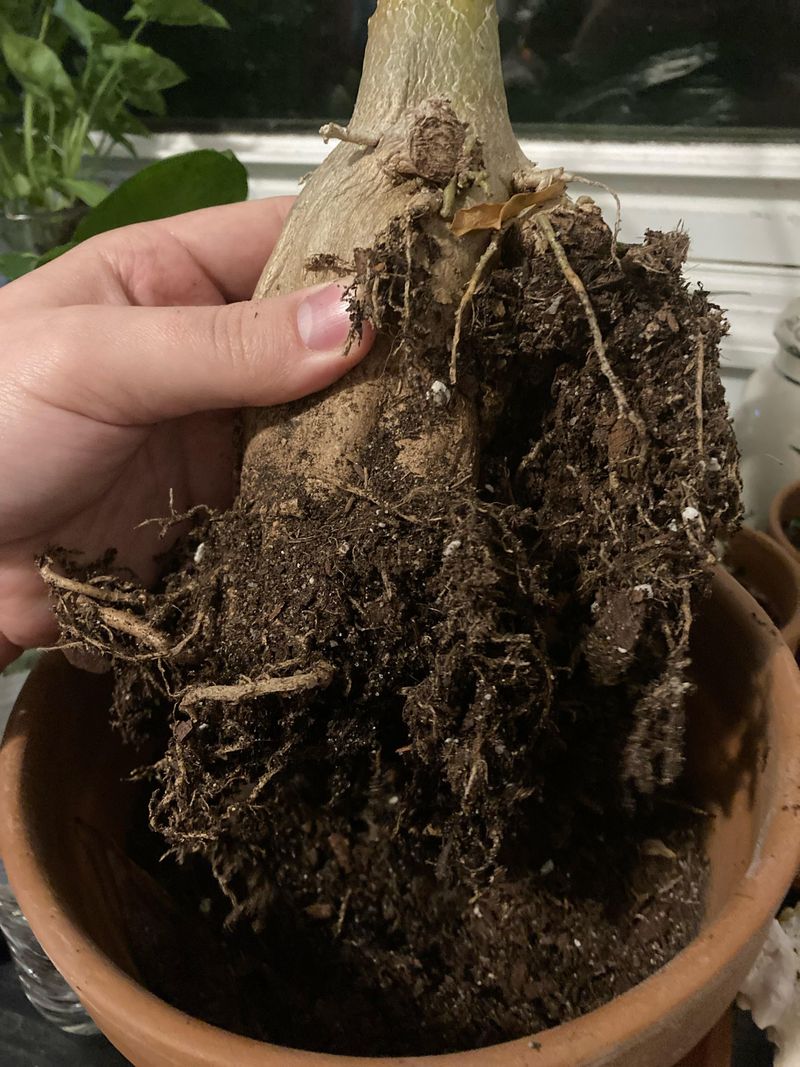
After a hard afternoon storm passes, most Florida growers head inside and assume the plant is fine. That quick assumption can cost a desert rose weeks of root health.
Post-storm checks take only a few minutes, but they catch problems that quietly build up when no one is looking.
Start by checking the drainage holes at the bottom of the pot. Roots, compacted soil, or debris can clog them during a heavy downpour.
If water is not flowing out freely, the potting mix may stay saturated for hours or even days. A saucer sitting beneath the pot can fill with runoff and hold standing water right against the drain holes, which defeats the purpose of drainage entirely.
Also check where the pot is sitting. Roof runoff, gutter drips, and sloped patio surfaces can direct extra water straight into a container that looks like it is in a safe spot.
A tilted pot may collect water on one side of the root zone without showing any visible signs on top.
When storms are forecast to repeat over several days, moving a porch or patio container to a more sheltered but still bright spot can reduce water accumulation. Do this only when it is safe and practical.
During active lightning or flooding, plant care is not the priority. Once conditions are calm, a quick inspection and an empty saucer go a long way toward protecting roots through a rainy August stretch.
4. Keep The Caudex Out Of Soggy Soil
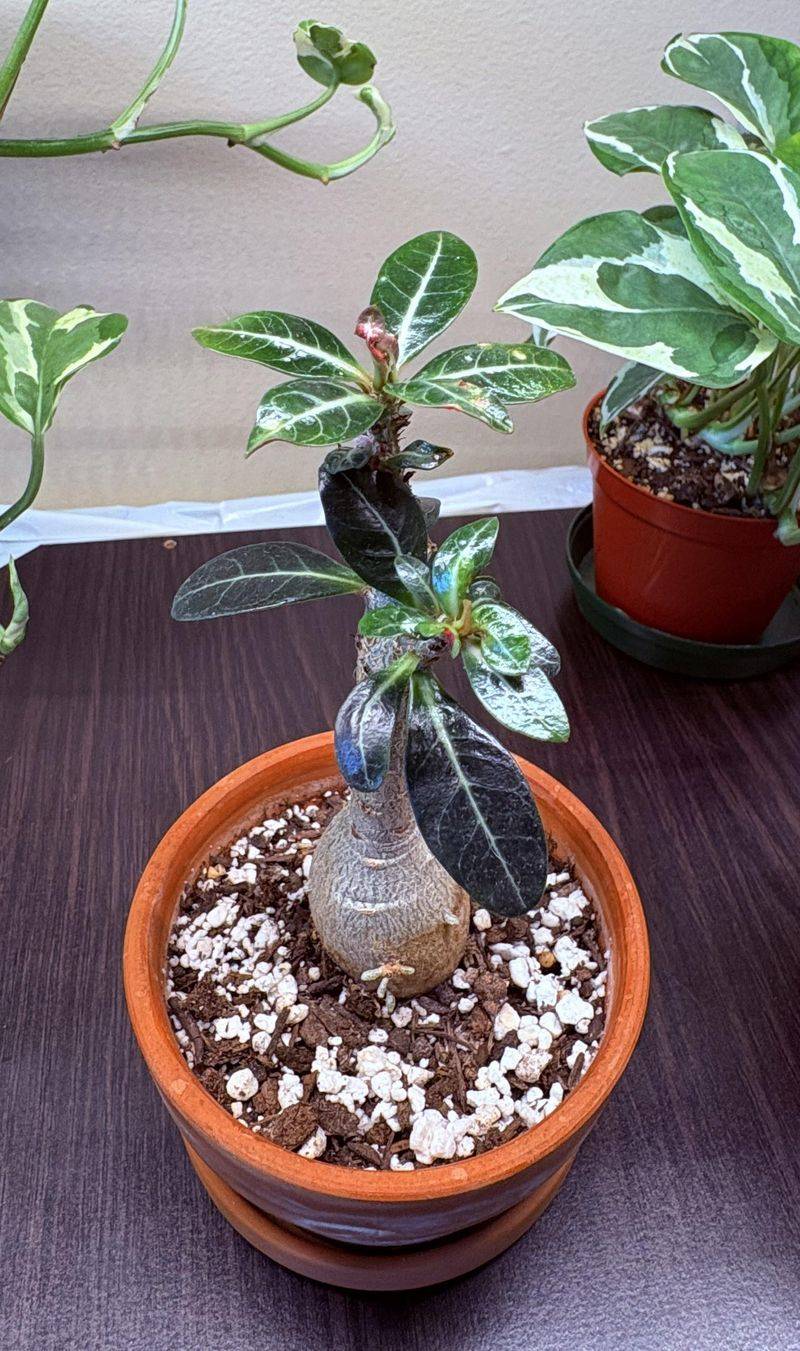
That swollen, sculptural base is one of the most distinctive features of a desert rose, and it is also one of the most vulnerable parts of the plant during a wet August.
The caudex stores water and nutrients, which is exactly why it cannot afford to sit in saturated soil for long stretches.
Good planting depth matters more than most growers realize. The caudex base and the upper roots should sit at or just above the soil line, not buried deep in the potting mix.
When the base is buried, moisture clings to it longer and airflow around it drops. Over time, this can lead to softening, discoloration, and a foul smell that signals serious root trouble.
The potting mix itself plays a major role. A fast-draining blend, often one made with coarse sand, perlite, or a cactus and succulent mix, helps water move through quickly rather than pooling around the roots.
Heavy, moisture-retaining mixes are not a good fit for desert rose in any season, and they become a real problem during rainy months.
Avoid pressing mulch, wet leaves, or soggy debris against the caudex. These materials hold moisture and reduce airflow right at the most sensitive point.
A firm caudex that feels solid to the touch is a healthy sign. If softness or an off smell appears, consult a local extension office or experienced grower before taking action.
Catching it early gives the plant a better chance to recover.
5. Give Full Sun Without Trapping Wet Roots
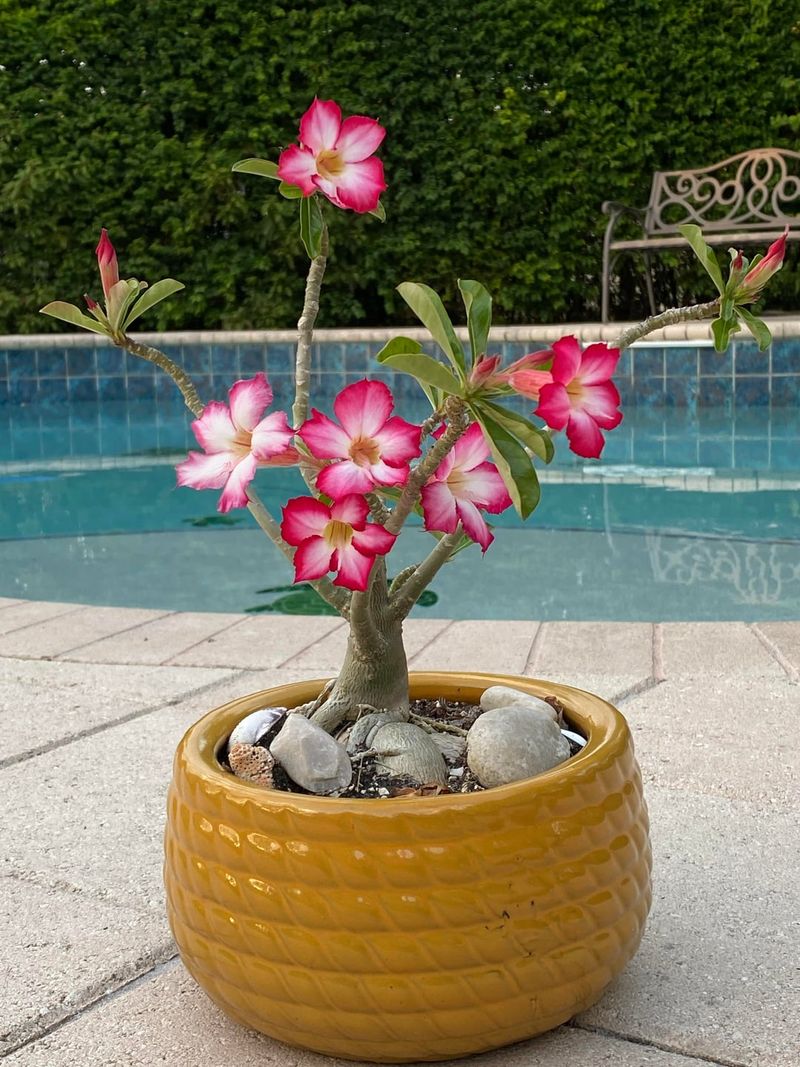
Strong light is one of the best things a desert rose can get, and most Florida growers in this state have plenty of it available. The challenge in August is that full sun alone cannot fix a drainage problem.
A plant sitting in bright light all day with roots trapped in wet soil is still a stressed plant.
Desert rose generally performs best with six or more hours of direct sun daily. Good light supports photosynthesis, encourages sturdy stems, and helps the potting mix dry more evenly between waterings.
On a covered lanai or porch, the plant may receive filtered or partial light, which can slow drying and reduce bloom potential over time.
Reflected heat from concrete patios, stucco walls, or metal railings can raise the temperature around pots significantly. This extra warmth can actually help soil dry faster, but it can also stress a plant that is already short on water.
Understanding the specific microclimate where your container sits helps you make smarter watering decisions.
If a pot has been in lower light and you want to move it to a sunnier spot, do it gradually over one to two weeks. Sudden full-sun exposure can scorch leaves that have adapted to shade.
The goal is bright, consistent light paired with fast drainage and soil that dries at a reasonable pace. That combination supports the root health desert rose needs to develop fall blooms rather than just surviving the rainy season.
6. Skip Heavy Feeding During Rainy Weeks
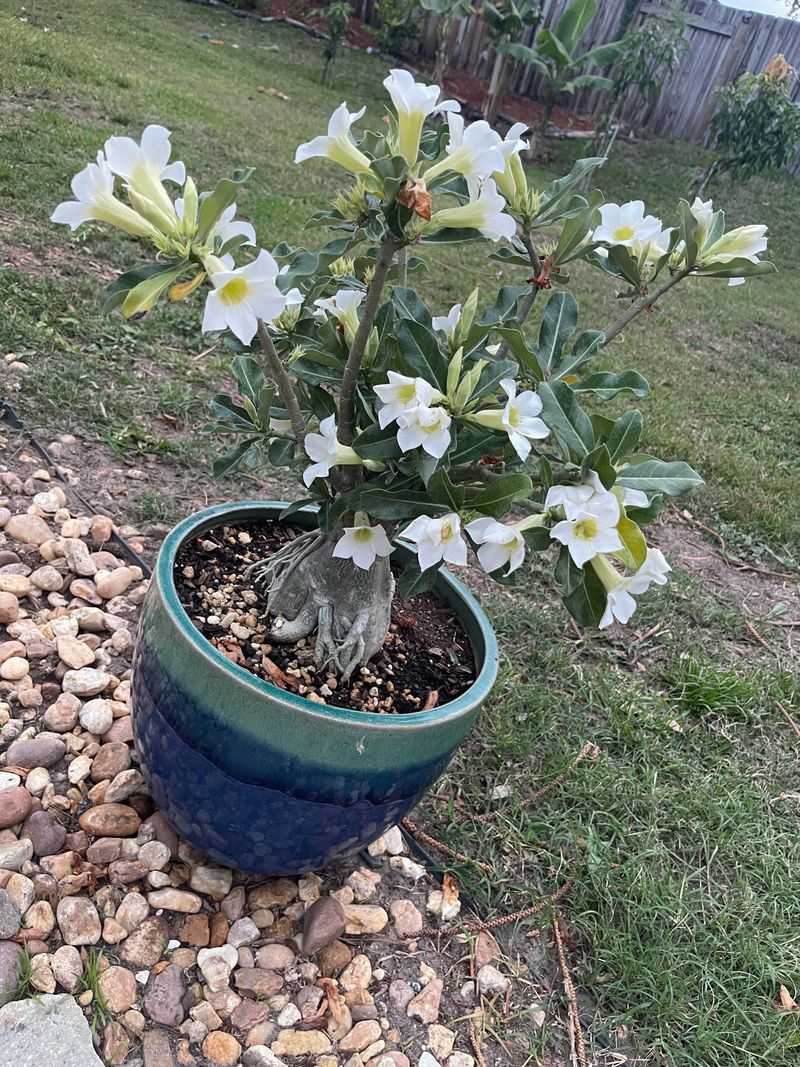
Fertilizer is not a shortcut to fall flowers. Reaching for a bloom booster during a rainy, wet week in August in Florida can actually set the plant back rather than push it forward.
When drainage is inconsistent and roots are already dealing with excess moisture, adding fertilizer introduces more stress to a system that is already working hard.
Heavy rain leaches nutrients out of containers quickly, which can tempt growers to compensate by feeding more often. But repeated fertilizing during wet stretches can also cause salt buildup in the potting mix.
That damages fine roots and makes water harder for the plant to absorb. More feeding does not replace good drainage and consistent watering habits.
When conditions are stable, the plant is actively growing, and the mix drains well, modest fertilizer can support healthy growth. Always follow label directions.
University extension resources, including UF/IFAS guidance, recommend feeding container plants carefully. Use amounts suited to the pot size and plant stage.
Avoid feeding a plant that is showing yellowing leaves, soft growth, or other signs of stress. Address the root cause first, whether that is drainage, overwatering, or pest pressure, before adding any nutrition.
Fertilizer works best as a support tool for a plant that is already in good health, not as a rescue measure for one that is struggling through a wet August.
7. Watch Buds Before Heat Stress Builds
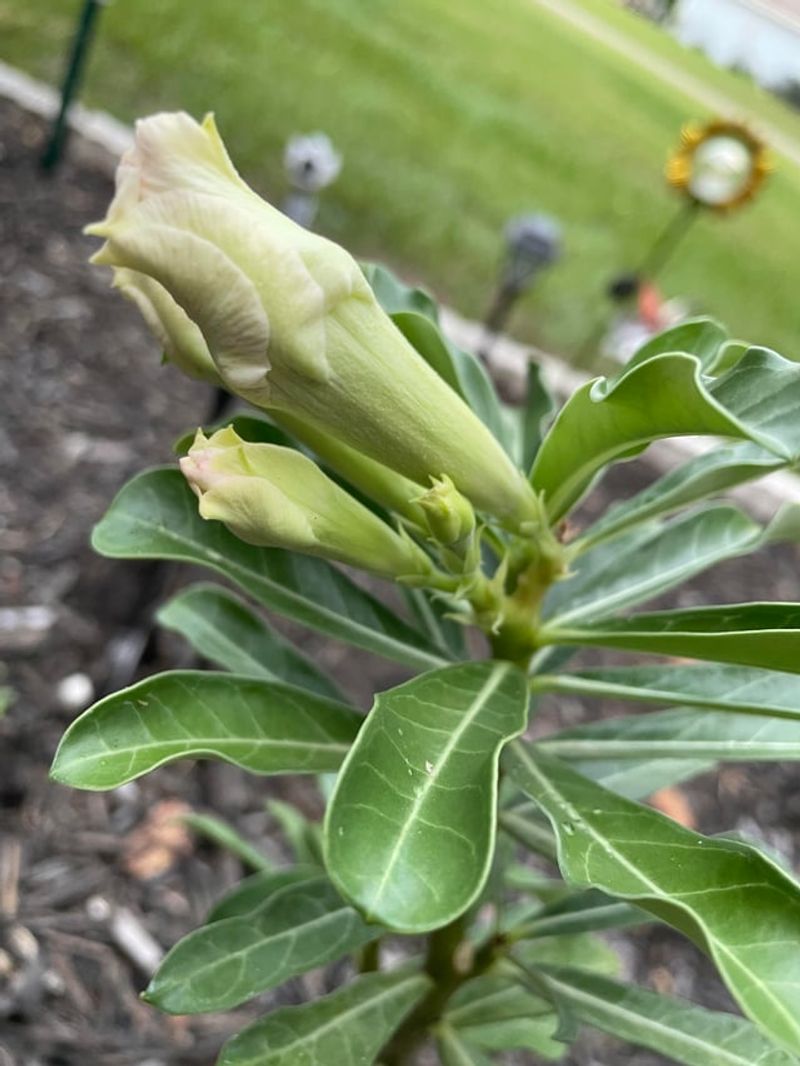
Buds forming in late summer carry the promise of fall color, but they are also among the most sensitive parts of the plant when conditions shift.
A sudden dry spell after a wet stretch, or a pot that swings from soaked to bone-dry in a few days, can cause buds to drop before they ever open.
Heat stress builds gradually on a patio or porch, especially when containers sit against walls, concrete, or metal surfaces that absorb and radiate warmth. A plant that looks fine in the morning may be sitting in intense reflected heat by early afternoon.
This does not mean moving every pot indoors, but it does mean paying attention to where buds are developing and how the nearby surface temperature feels.
Wilting that recovers after sunset is usually a sign of heat stress rather than drought. Checking soil moisture before adding water is always the right first step.
If the mix is still damp and the plant is wilting during peak afternoon heat, extra watering is unlikely to help and may make things worse.
Yellowing leaves near the base of the plant during a humid stretch in Florida often signal that roots are staying too wet, not that the plant needs more water. When buds are present, reduce any source of stress.
Waterlogged soil, reflected heat, and erratic watering can all interfere with fall bloom development.
8. Protect Fall Blooms With Drier Roots
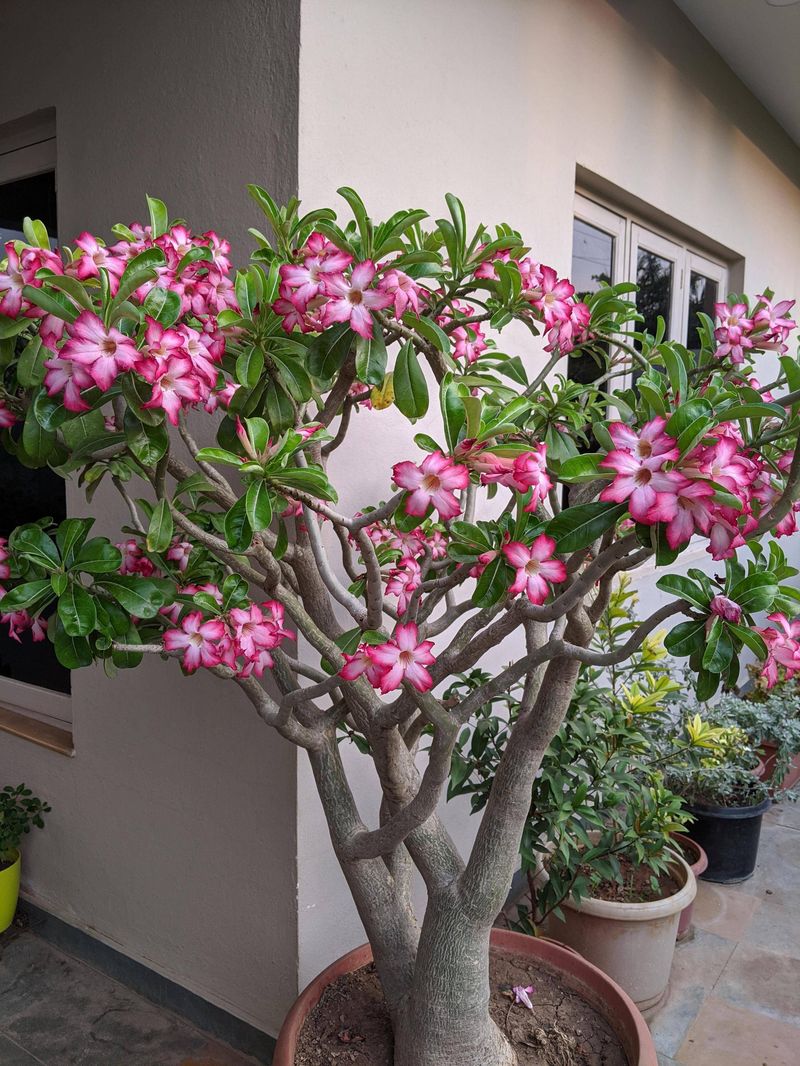
Fall blooms on a desert rose do not appear by accident in Florida. They are the result of a plant that has stayed healthy through the most challenging stretch of the growing season.
Getting roots through August without extended wet periods is one of the most important things a grower can do to protect that bloom potential.
Drier roots does not mean a neglected plant. It means roots are not kept wet too long between waterings.
They drain freely after rain or irrigation and sit in a mix designed to release moisture. A pot with clear drainage holes, a fast-draining soil blend, and no standing water in the saucer is already ahead of most setups.
Fall flowering in desert rose also depends on sunlight, plant maturity, cultivar, pruning history, pest pressure, and overall plant health going into the cooler months. No single August adjustment guarantees a full bloom cycle.
But skipping the watering adjustment, and letting roots sit in poor drainage through storm after storm, can reduce bloom potential significantly.
Keep the routine responsive rather than rigid. Check soil before watering.
Empty saucers after rain. Move pots out of repeated downpours when it is safe to do so.
Feed modestly when conditions are stable. Watch buds for signs of stress.
These small, consistent choices made throughout August add up to a plant that arrives at fall in strong enough shape to reward you with flowers.