The One Thing Georgia Hydrangea Owners Keep Doing In June That Ruins Blooms By Next Spring
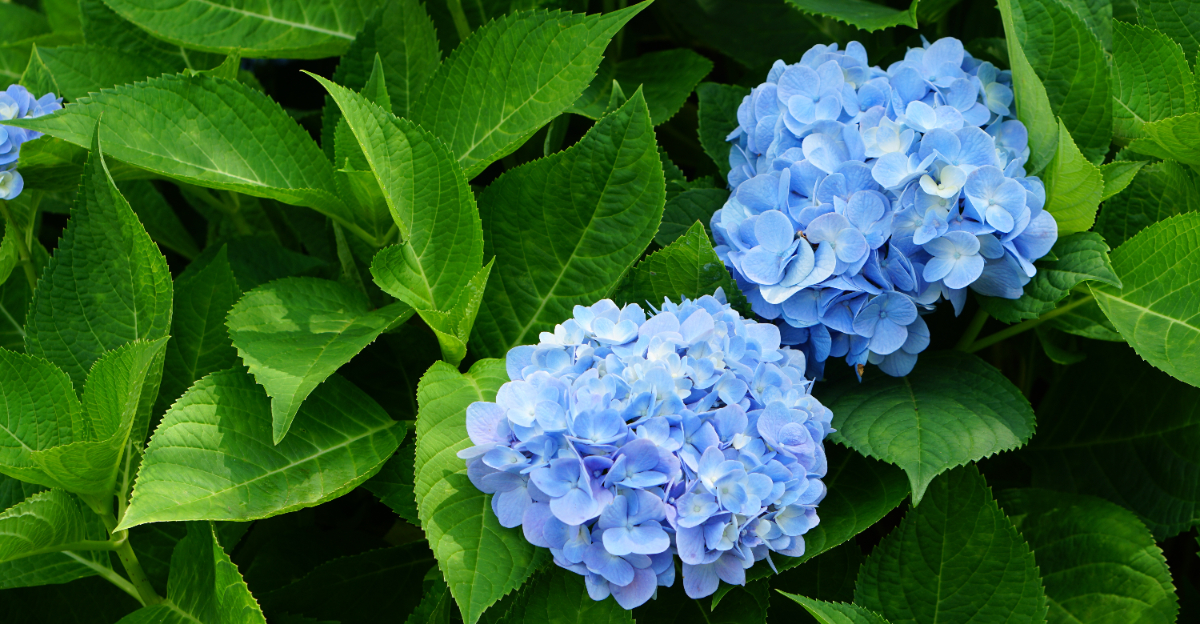
Hydrangeas have a way of becoming the stars of the yard when they are covered in blooms. It is easy to spend most of the season admiring the flowers and assuming everything is on track for another great display next year.
After all, a healthy-looking shrub rarely gives homeowners a reason to think something might be wrong.
The surprising part is that problems affecting next year’s blooms often begin long before anyone notices the results. A plant can look perfectly fine through summer and still end up producing fewer flowers when the following season arrives.
That delay makes it difficult to connect a disappointing bloom display with something that happened months earlier.
Many hydrangea owners focus on watering, fertilizing, and general care while overlooking a simple June habit that can have lasting consequences.
In Georgia, it is one of the most common reasons a shrub blooms less impressively the following spring.
1. Pruning In June Can Remove Next Year’s Blooms
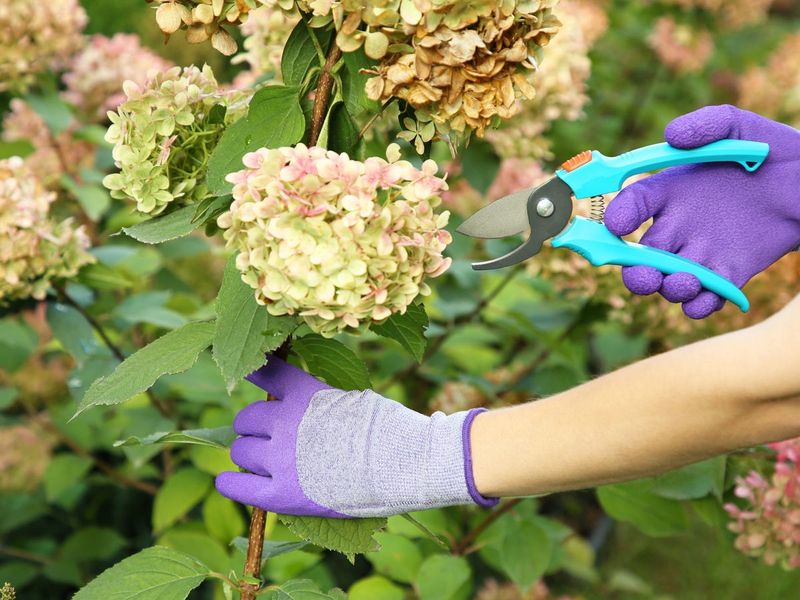
Reaching for the pruning shears in June feels logical. Shrubs look overgrown, spent blooms hang heavy, and the yard looks messy.
But cutting at the wrong time costs you next spring’s entire flower display.
Most classic hydrangeas in Georgia bloom on what gardeners call “old wood.” That means the flower buds for next spring are already forming on the current year’s stems, often as early as late summer. Cutting in June removes those developing buds before they ever get a chance.
Gardeners are sometimes surprised to learn that a plant can look perfectly healthy after a June trim yet produce zero flowers the following spring. The stems look fine.
New leaves push out. Nothing seems wrong until spring arrives and the shrub stays green but bloomless.
Timing matters more than technique here. A clean, precise cut made at the wrong time does more harm than a rough cut made correctly in late summer or early fall.
Sharpness of your tool is not the issue.
If you pruned in June and your shrubs did not bloom last spring, this is almost certainly why. Skipping the June trim entirely is often the single best decision a hydrangea grower can make.
2. Bigleaf Hydrangeas Set Flower Buds Earlier Than Many Realize
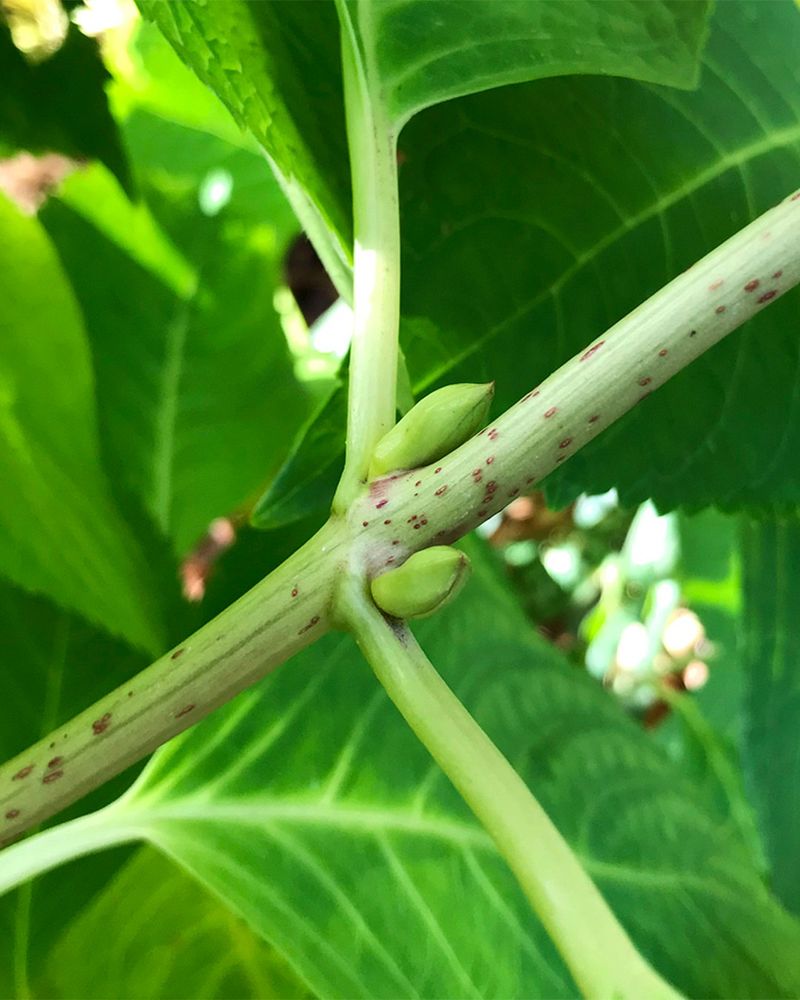
Bigleaf hydrangeas move fast. By mid-July, many varieties have already begun forming the tiny buds that will become next spring’s flowers.
Most gardeners have no idea this process starts so early.
Hydrangea macrophylla, the classic mophead and lacecap type seen across Southern gardens, is the most common variety planted in yards from Atlanta to Savannah. It is also the most frequently over-pruned.
Gardeners treat it like a shrub that can be shaped anytime, but bud set timing makes that approach risky.
Cool nights in late summer trigger the plant to shift energy toward bud formation. Even while daytime temperatures stay high, the shrub is quietly preparing for next year.
Cutting after that process starts removes buds you cannot see yet.
Some gardeners notice that stems cut in June show no visible buds at all. That makes the cut feel harmless.
Your Georgia Garden Changes Every Week. Your Plan Should Too.
Gardening in Georgia changes quickly throughout the season. Every Friday you’ll receive a simple weekly plan showing exactly what to plant, prune, fertilize, harvest, and protect so you never miss the right timing.
But absence of visible buds does not mean bud formation has not begun at the cellular level. Microscopic changes happen before anything is visible to the naked eye.
Knowing this changes how you approach summer maintenance. Instead of cutting to tidy up the plant, focus on removing only faded flower heads just below the bloom.
3. Fresh Green Growth Is Not A Sign To Start Cutting
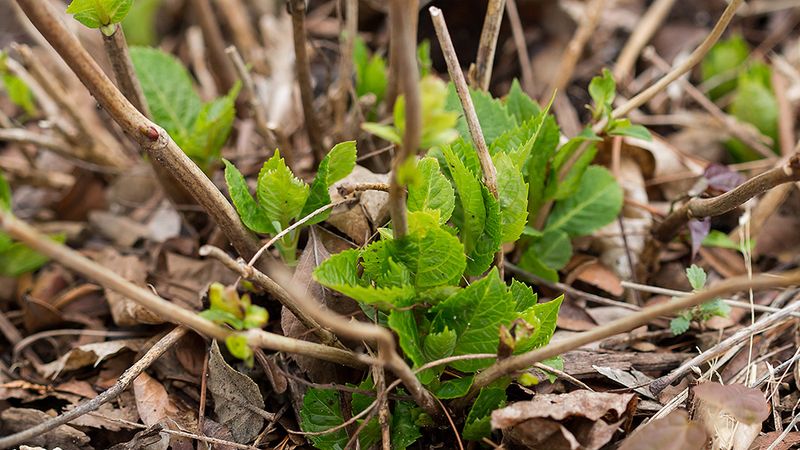
Flush green growth in June looks like an invitation to prune. Stems are strong, leaves are vibrant, and the plant seems to be begging for a shape-up.
That instinct leads many gardeners astray every single year.
New growth emerging in early summer is not a signal that the plant is ready for cutting. It is actually a sign that the shrub is in active growth mode, pushing energy into stems and leaves.
Interrupting that process by cutting can stress the plant and remove buds forming just below the surface.
Gardeners often confuse vigorous growth with excess growth. A hydrangea that looks full and leafy in June is doing exactly what it should.
Cutting it back to control size or shape at this stage strips away the very stems carrying next year’s buds.
Spring fertilizing can make growth look especially lush and overgrown by June. That extra fullness sometimes triggers the urge to trim.
Resist it. A well-fed plant producing strong new growth is storing energy and setting buds, not asking to be cut back.
Wait until the blooms have fully faded and the plant has finished its main flowering cycle before making any cuts.
4. Old Wood Carries Most Of Next Season’s Flowers
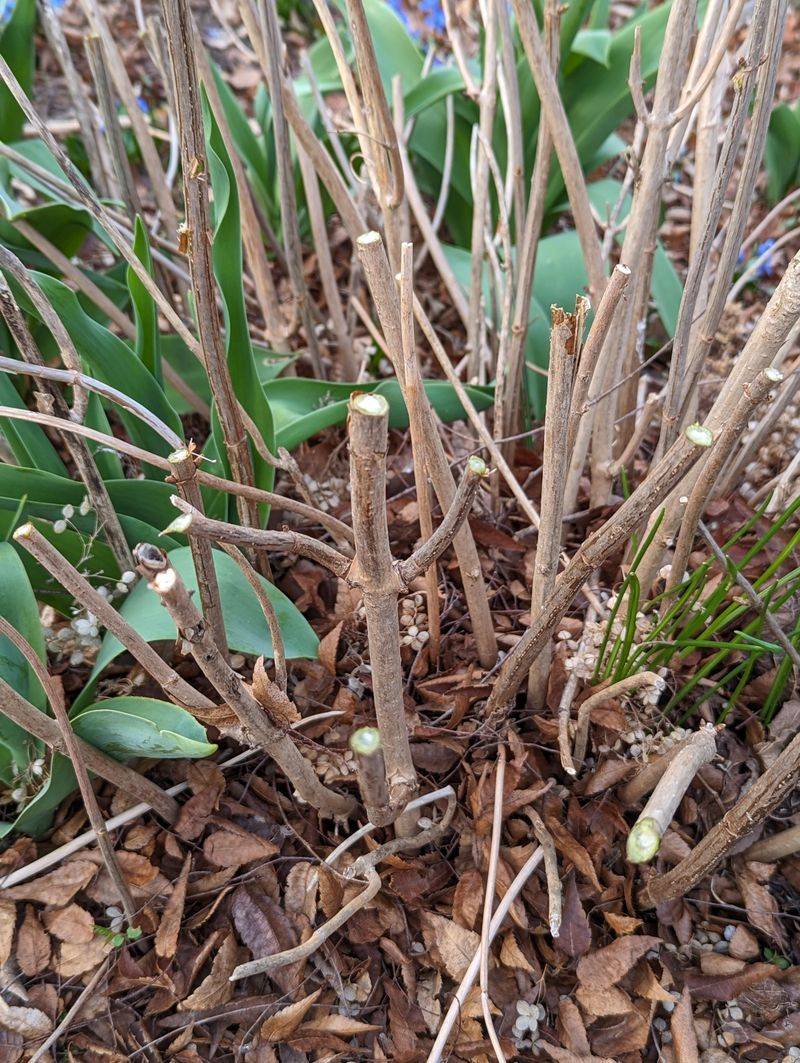
Old wood is the backbone of a traditional hydrangea’s bloom cycle. Without it, the plant has nothing to flower from the following spring.
Cutting it away in June is like clearing out next year’s entire inventory before the season even starts.
Old wood refers to stems that grew during the previous season and survived winter. These stems already carry dormant flower buds along their length.
When spring arrives, those buds wake up and push out the blooms everyone looks forward to each year.
New wood, by contrast, grows fresh each spring. It is green, flexible, and full of leaves, but it carries no buds for the current season.
Confusing new wood for old wood is one of the most common errors home gardeners make when deciding what to cut.
A quick way to tell the difference: old wood is typically tan or light brown, slightly rough, and firmer to the touch. New growth is bright green and softer.
Cutting only the new, soft green stems while leaving the older tan ones alone protects the bud-bearing wood.
Over time, old wood does become less productive. Thick, very old canes with peeling bark and few leaves can be removed at the base in late summer without affecting next year’s bloom.
5. Endless Summer Varieties Follow Different Rules
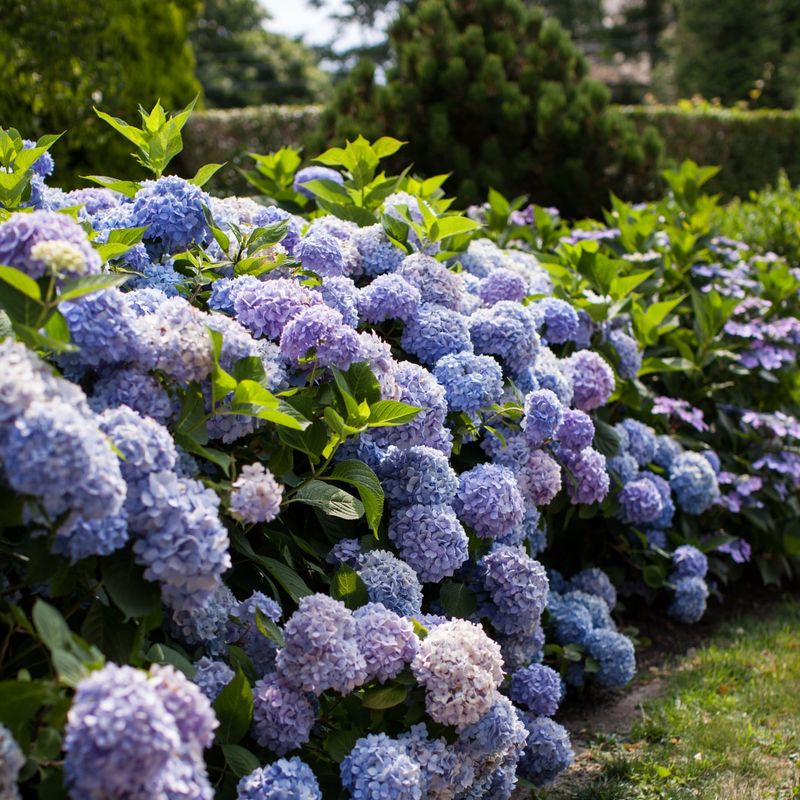
Not every hydrangea follows the same rules. Endless Summer and other reblooming varieties were developed specifically to bloom on both old and new wood, which changes the pruning equation significantly.
Reblooming types can produce flowers even if old wood gets removed. They push out new buds on fresh growth throughout the season, which is why they are marketed as more forgiving.
But even these varieties perform best when old wood is preserved through winter and into early summer.
Gardeners sometimes hear that Endless Summer varieties can be pruned anytime and take that as permission to cut freely in June. That is an oversimplification.
Heavy cutting in early summer still reduces the overall bloom count, even if some flowers eventually return later in the season.
Light deadheading on reblooming types in June is fine. Removing faded flower clusters encourages the plant to push out new buds.
But cutting stems back hard, or reshaping the whole shrub, reduces flowering potential even on the most forgiving varieties.
Knowing which type of hydrangea you have is the starting point for any pruning decision. Check the tag, look up the variety name, or ask at a local garden center.
6. Storm Damage Does Not Always Require Heavy Pruning
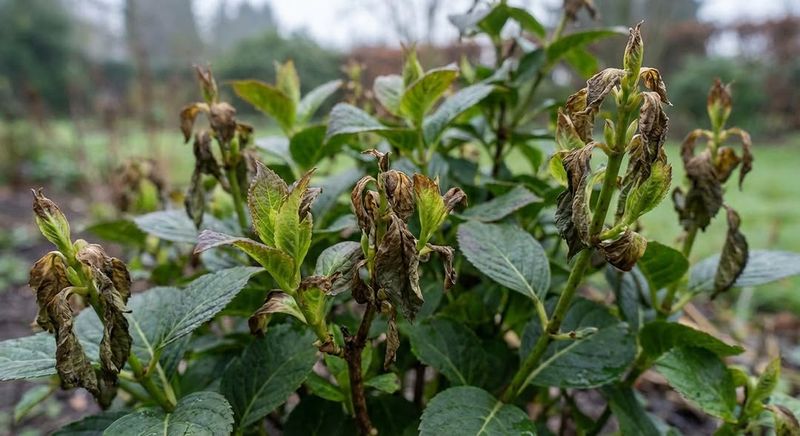
Summer storms roll through Southern gardens fast and hard. Branches snap, stems bend, and the whole shrub can look wrecked after a bad night.
The natural response is to grab clippers and clean everything up immediately.
But storm cleanup does not have to mean heavy pruning. Snapping off a few damaged stems is fine and even necessary.
Cutting healthy stems at the same time, just to make the plant look even, removes bud-bearing wood without any good reason.
After a storm, assess the damage carefully. Remove only what is actually broken, split, or crushed against the ground.
Bent stems that still have their bark intact often recover on their own. Give the plant a few days before deciding what truly needs to go.
Crossing stems that rub together can eventually cause bark damage, so those are worth removing. But removing them does not require a full trim.
Target just the problem areas and leave everything else untouched.
Gardeners sometimes feel compelled to tidy the whole shrub while they already have tools in hand. That impulse is understandable but costly in June.
A slightly uneven shrub that keeps its bud-bearing stems will outperform a neatly shaped plant with no buds every single time.
7. Waiting Until The Right Time Protects Spring Color
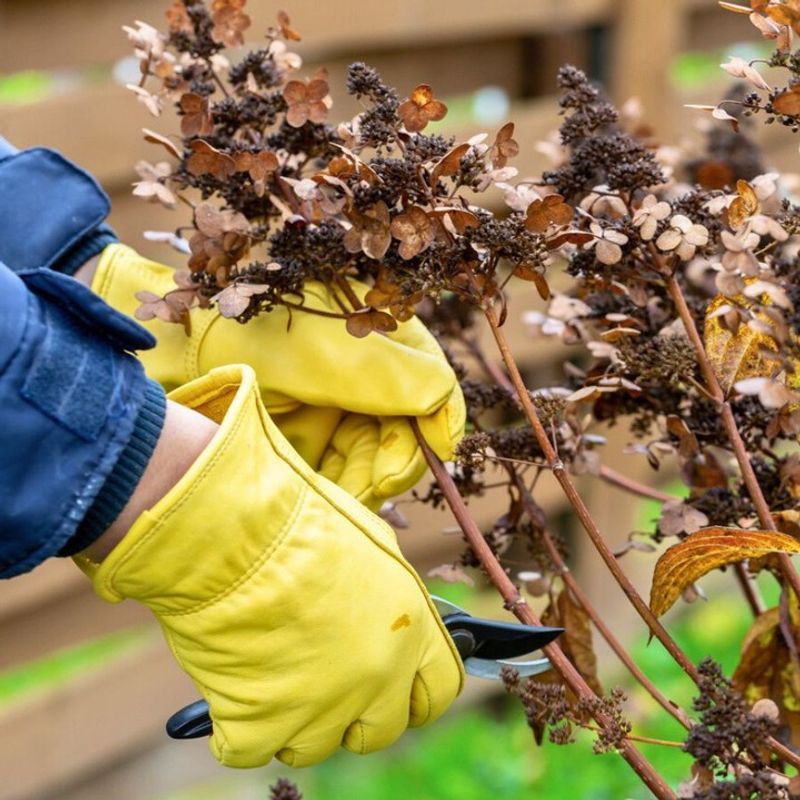
Patience is genuinely the most effective pruning tool a hydrangea grower has. Waiting for the right window, rather than acting when the plant looks untidy, protects the buds that produce spring color.
Late summer through early fall is the safest pruning window for most traditional hydrangeas. In warmer Southern climates, some gardeners push that window into early October without issue.
Cutting during this period removes spent blooms and old canes while leaving plenty of time for any remaining bud activity to settle before winter.
Avoid pruning once temperatures start dropping consistently in fall. Cold air triggers the plant to harden off, and cutting at that point can leave fresh wounds exposed to frost.
Early fall cuts give stems time to callus before cold weather arrives.
Deadheading throughout the season is different from pruning. Snipping off faded flowers just below the bloom head keeps the plant looking tidy without removing the stem.
Do that anytime. Full stem cuts are what require careful timing.
Marking your calendar helps.
Set a reminder for late August or early September as your first opportunity to assess what needs cutting.