The One Thing Michigan Boxwood Needs In September To Reduce Winter Burn
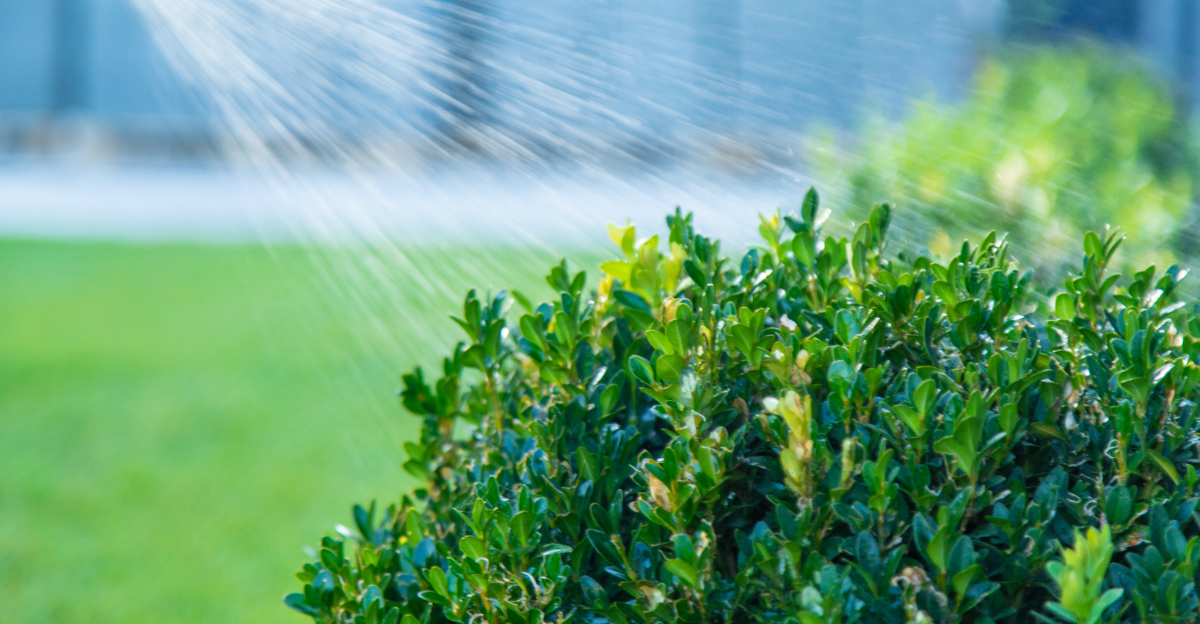
Boxwood often looks perfectly fine heading into fall, giving Michigan gardeners little reason to think ahead toward the harsh winter conditions still months away.
But one specific September task makes a real difference in whether these evergreens come through winter looking healthy or scorched and discolored by spring.
It has nothing to do with fertilizer or extra watering, and everything to do with a step most gardeners never think to add to their fall routine.
Understanding what boxwood actually needs this time of year could completely change how your shrubs look once the snow finally melts.
Many gardeners only discover this connection after a winter that leaves their boxwood looking noticeably worse for wear.
A few minutes of attention now could protect your boxwood from a problem that’s much harder to fix once winter damage has already set in.
1. Keep The Root Zone Moist
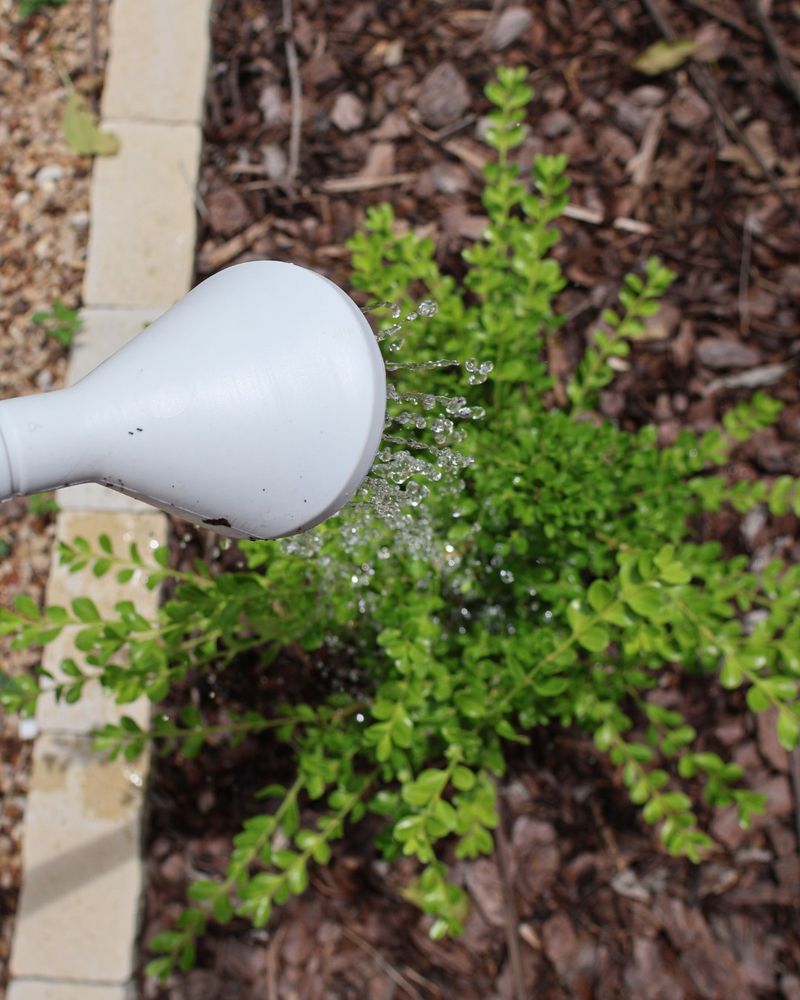
Michigan winters can be rough on boxwood, and the trouble often starts long before the first snow falls. When your shrub heads into cold weather with dry roots, it has very little water stored up to survive the frozen months ahead.
September is the perfect time to fix that. The soil is still soft and warm, which means the roots can soak up moisture and get ready for what is coming.
Once the ground freezes, your boxwood cannot pull much water at all, so whatever it has stored must last a long time.
Think of it like packing supplies before a long trip. A boxwood that enters winter well watered has a full tank, while a thirsty one starts the season already struggling.
Dry roots in early fall also stress the whole plant. Stressed shrubs are far more likely to show brown, scorched leaves once winter sun and wind arrive.
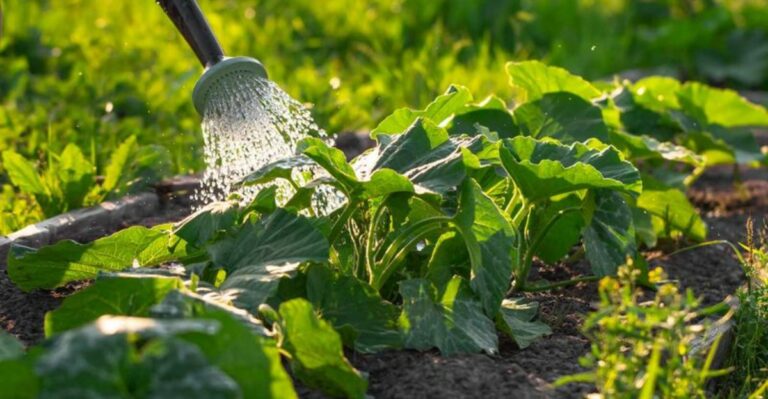
Aim to keep the root zone evenly moist through the month, especially if rain has been light. A steady supply of water helps the roots grow strong and lets the leaves stay plump and healthy.
You do not need fancy tools to do this well. A garden hose, a little patience, and regular attention are enough to give your boxwood a solid head start.
By caring for the roots now, you set your plant up for a much greener spring. That small effort in September makes a huge difference by the time the snow melts.
2. Check The Soil Before Watering
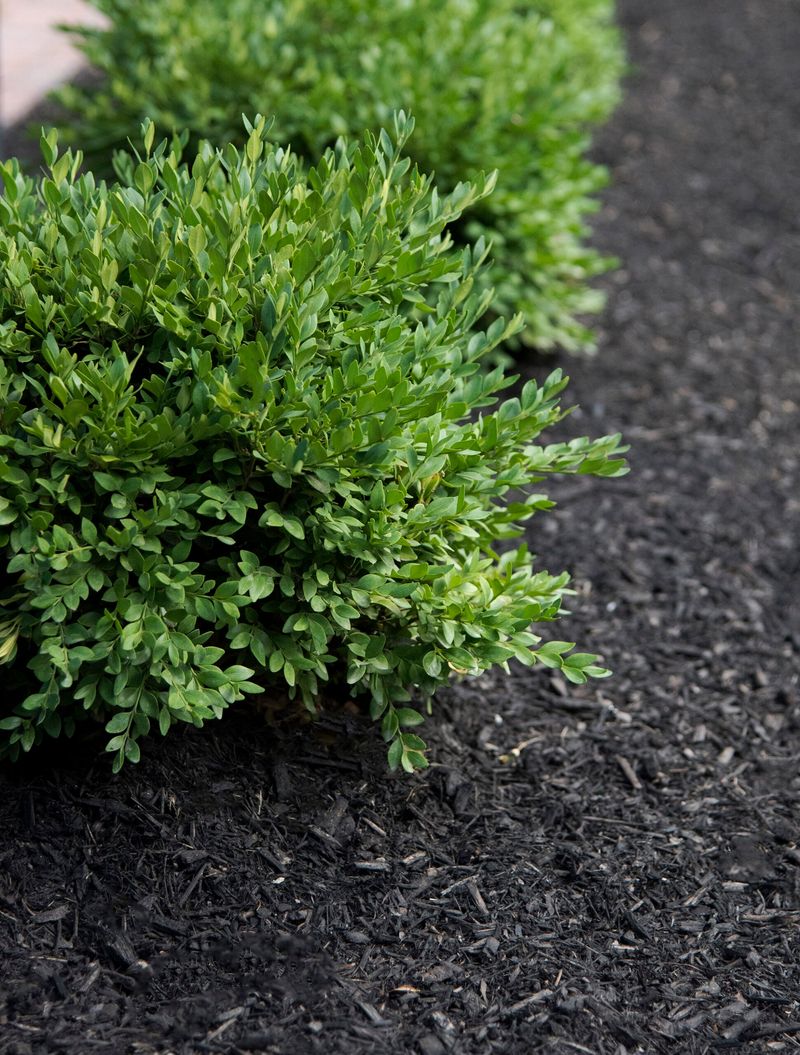
Guessing when to water almost never works well. Some days the soil looks dry on top but stays damp just an inch or two down, and that hidden moisture matters most to your boxwood.
Before you reach for the hose, push your finger into the ground near the roots. If the soil feels moist a couple inches below the surface, your shrub is fine and does not need more water yet.
When the deeper soil feels dry and crumbly, that is your signal to water. This simple test saves you from adding too much or too little, both of which can cause problems.
Your Michigan Garden Changes Every Week. Your Plan Should Too.
Gardening in Michigan changes quickly throughout the season. Every Friday you’ll receive a simple weekly plan showing exactly what to plant, prune, fertilize, harvest, and protect so you never miss the right timing.
The surface dries out fast in September breezes, so trusting only the top layer can trick you. Roots live deeper, and that is where you want to feel for moisture.
You can also use a small trowel to dig a tiny test hole if you prefer not to use your hands. Either way, checking below the surface gives you real information instead of a guess.
Different spots in your yard may dry at different speeds too. A boxwood in full sun near a wall might need water sooner than one tucked in shade.
Getting into the habit of checking first keeps your watering smart and steady. Your plant gets exactly what it needs, and you avoid wasting water on soil that is already damp.
A quick soil check takes only seconds, but it makes your fall watering far more effective. Small habits like this keep boxwood happy through the toughest seasons.
3. Water Deeply Instead Of Lightly
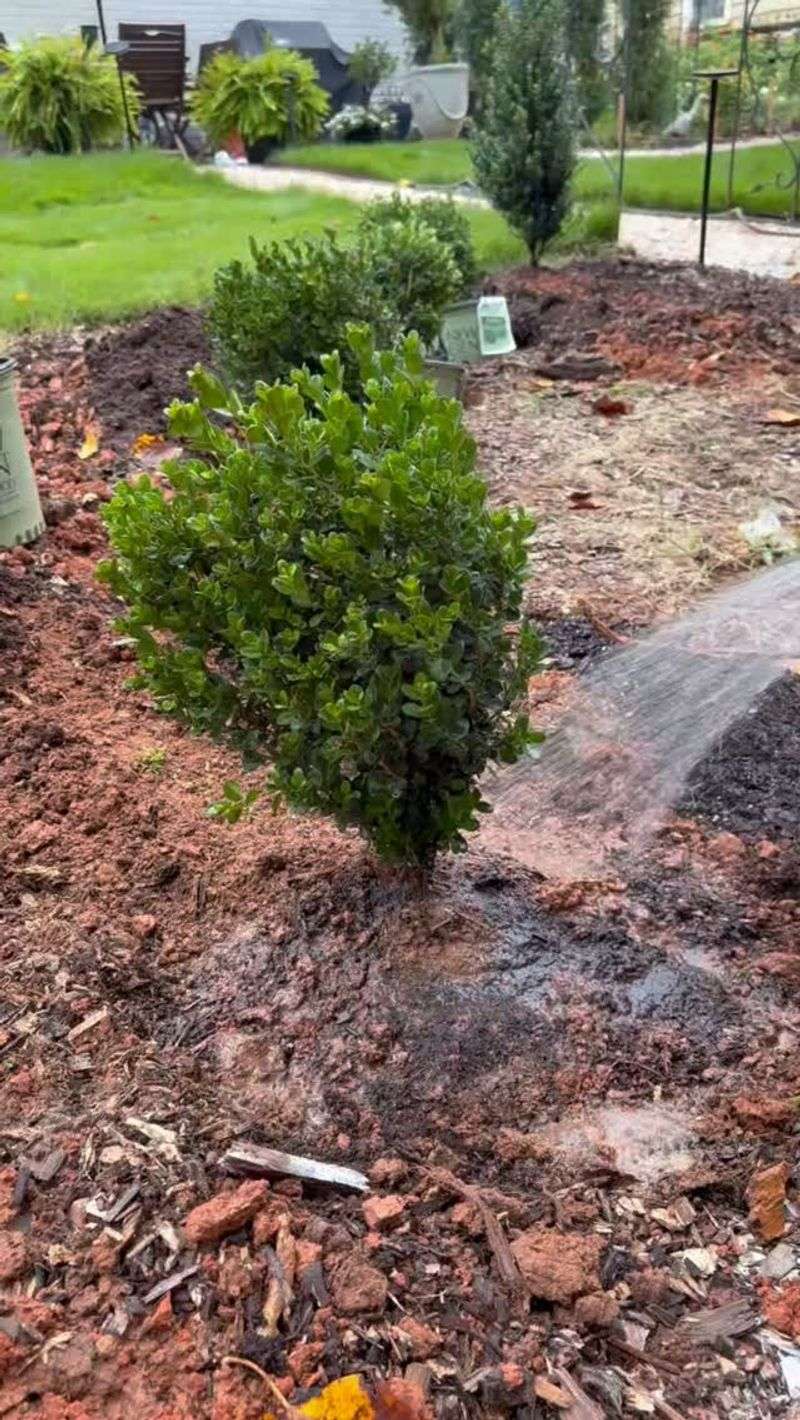
A quick splash of water might feel helpful, but it barely reaches where your boxwood truly needs it. Light sprinkles only wet the very top of the soil, leaving the deeper roots dry and thirsty.
Deep watering changes everything. When you let water soak slowly and thoroughly, it travels down to the full root zone and gives the whole plant a proper drink.
Roots grow toward moisture. If you only wet the surface, roots stay shallow and weak, which makes your shrub far less ready for a harsh Michigan winter.
Try running your hose at a slow trickle at the base of the plant for a while, letting the water sink in gradually. This gentle, steady approach beats a fast blast that runs off before it soaks in.
You can also use a soaker hose looped around the shrub. It releases water slowly and evenly, which is exactly what deep roots love.
One good deep watering usually does more than several shallow ones. Fewer, longer sessions encourage roots to reach down and grow strong.
After watering, wait and check the soil again in a few days rather than rushing back with more. Deep moisture lasts longer, so you will water less often than you might expect.
This method also helps during dry September stretches when rain is scarce. A deep soak keeps roots hydrated even when the weather stays warm and windy.
Watering with patience now builds a tougher plant later. Come winter, those deep, well fed roots will help your boxwood hold its green color beautifully.
4. Do Not Keep The Roots Soggy
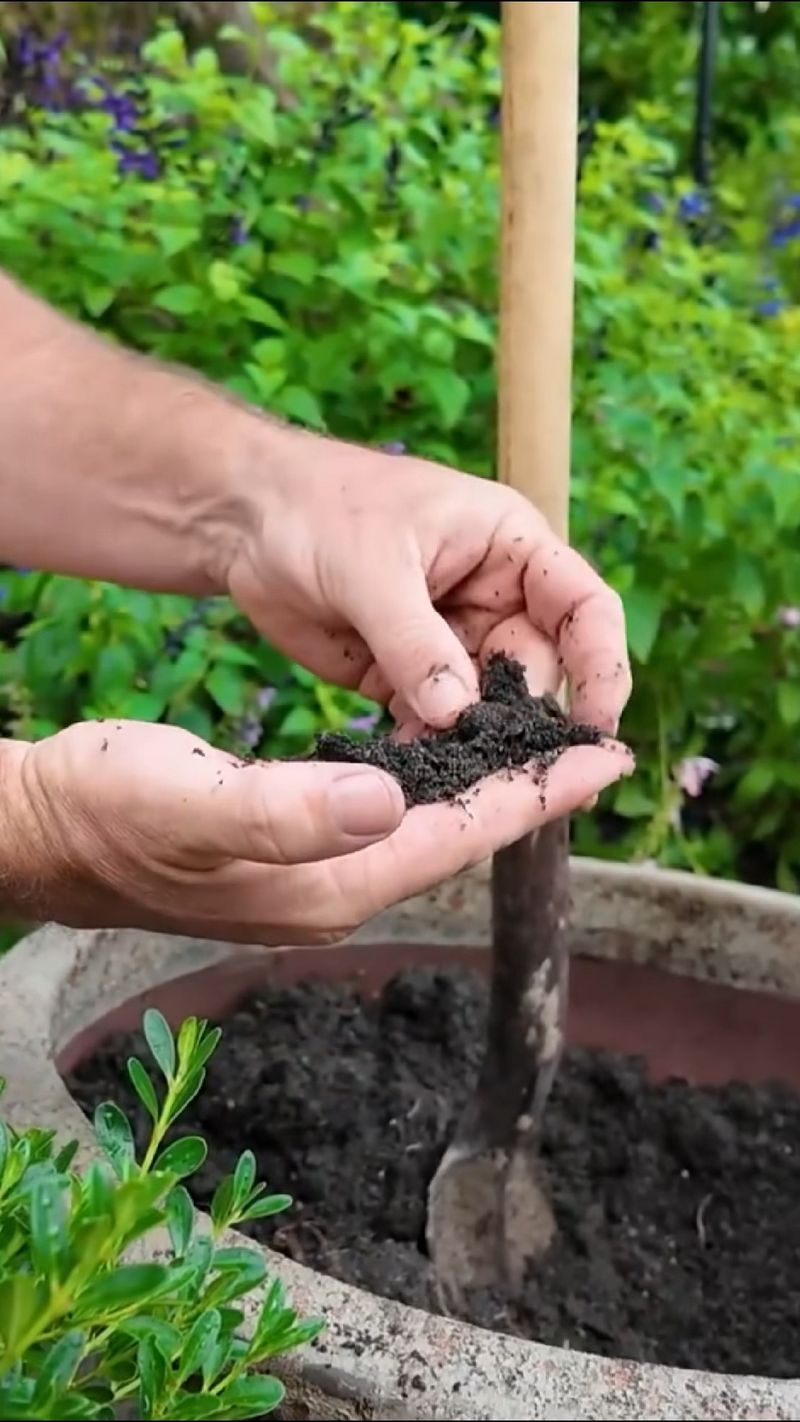
More water is not always better, and boxwood proves that point clearly. While these shrubs need steady moisture, they truly cannot stand soil that stays soaked and muddy.
Roots need air just as much as they need water. When soil turns into a swamp, air spaces fill up and the roots struggle to breathe, which weakens the entire plant.
Good drainage is the balance you are aiming for. The soil should feel damp like a wrung out sponge, not sloppy and dripping wet.
If water pools around your boxwood after every soaking, the spot may drain poorly. Adding compost or planting in a slightly raised area can help excess water move away.
Heavy clay soil, common in parts of Michigan, tends to hold water longer. In those spots, you should water a little less often and always check moisture first.
Soggy roots also become weak and prone to rot, which is a problem you really want to avoid before winter. A rotting root system cannot support healthy leaves once cold weather hits.
The goal is simple. Keep the root zone comfortably moist, then let it drain and breathe before the next watering.
Watch how your soil behaves after rain too. If puddles stick around for hours, your shrub is getting more water than it can use.
By giving boxwood moisture without drowning it, you keep the roots strong and happy. That healthy balance is what carries the plant safely through the freezing months and into a bright green spring.
5. Pay Extra Attention To New Boxwoods

Newly planted boxwoods are the ones that need the most love in fall. Because they went into the ground recently, their roots are still small and have not spread out far into the soil.
Smaller roots mean less reach. An established shrub can pull water from a wide area, but a young plant depends on the little zone right around its base.
That limited reach makes new boxwoods dry out much faster. A warm, breezy September day can pull moisture from their soil before you even notice.
Keep a closer eye on these young shrubs and check their soil more often than the older ones. They may need water every few days when rain stays away.
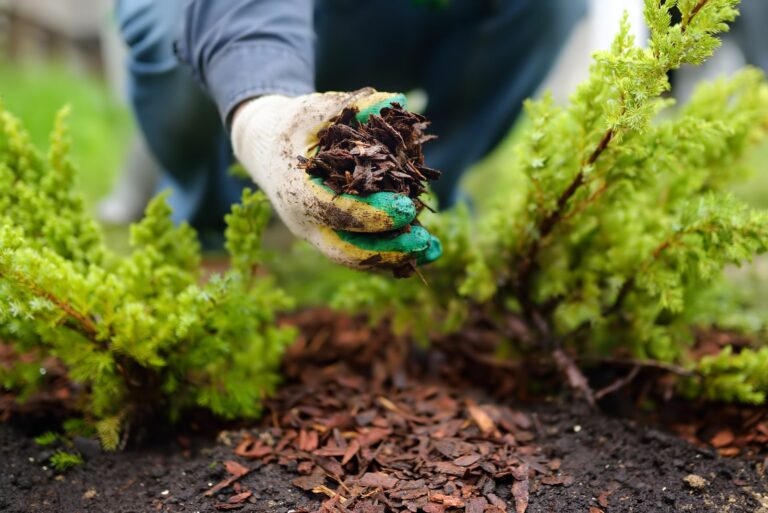
Adding a layer of mulch around new plantings helps a lot too. Mulch holds moisture in the soil and keeps the roots cooler and more even in temperature.
Just be sure to leave a small gap between the mulch and the main stems. Piling mulch against the trunk can trap too much dampness right where you do not want it.
Young boxwoods heading into their first Michigan winter are especially at risk of browning. Giving them steady moisture now builds the root strength they need to hold on.
Think of new shrubs as the ones still finding their footing. A little extra care in these early months pays off for years to come.
Watch them closely, water them wisely, and they will reward you by settling in strong and staying green when the cold sweeps through.
6. Do Not Stop After September
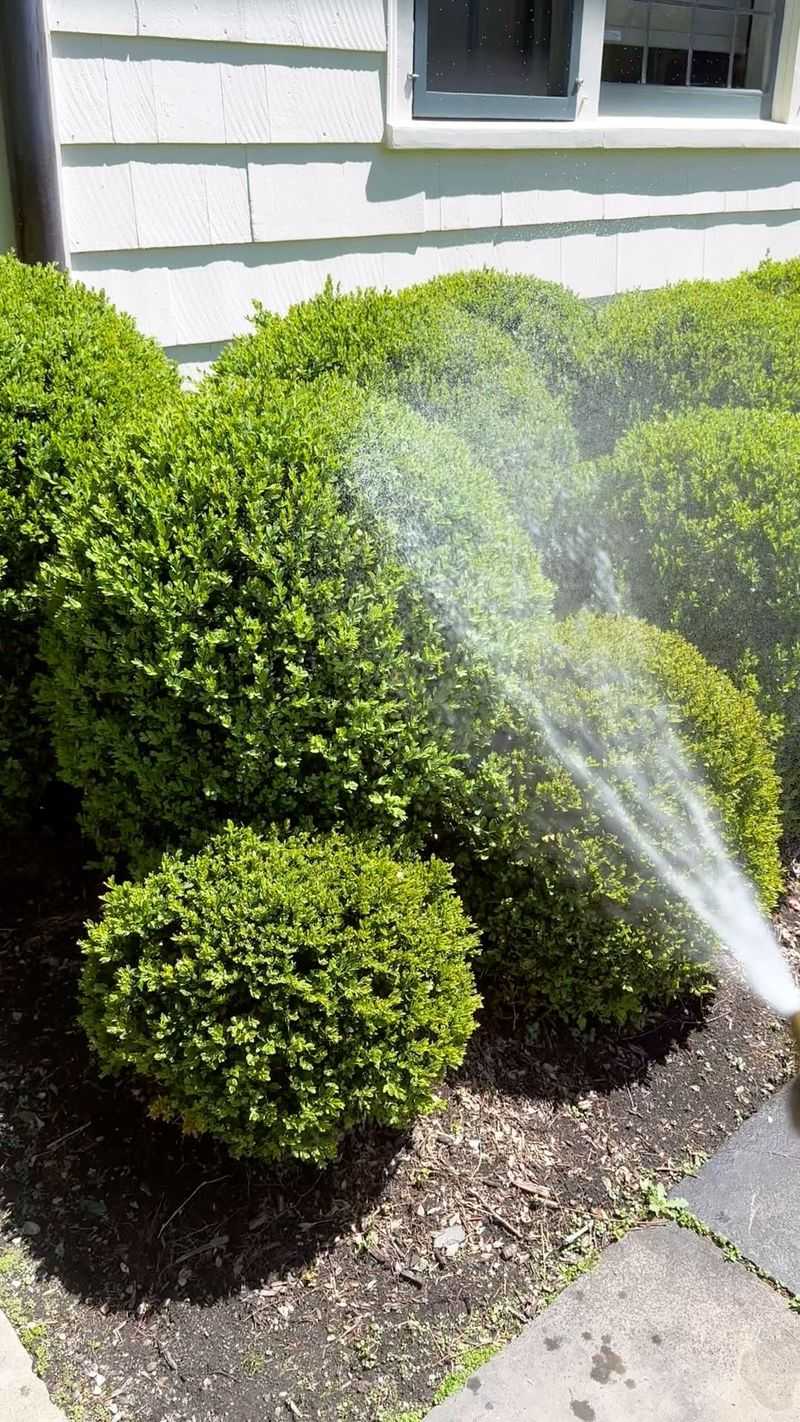
September is a great starting point, but the job is not finished when the calendar flips. Boxwood needs steady moisture care all the way through fall until the ground finally freezes solid.
Michigan weather can be unpredictable in October and November. Some years bring plenty of rain, while others stay dry and windy, leaving the soil parched.
On those dry autumn stretches, your shrub still needs your help. Keep checking the soil regularly, and give a deep drink whenever the root zone starts feeling dry.
The plant is quietly storing water during these weeks. Every good soaking before the freeze adds to the supply it will rely on all winter long.
Once the ground locks up with cold, watering becomes almost useless because roots can no longer take up moisture. That is why the weeks before the freeze matter so much.
Do not be fooled by cooler temperatures either. Even when the air feels crisp, dry soil can still stress your boxwood.
Keep watering until you notice the ground getting hard and the top layer beginning to freeze. That is your natural signal to stop for the season.
Falling leaves and shorter days can make it easy to forget your shrubs. Setting a simple reminder helps you stay on track through the busy fall season.
By carrying your watering habit through autumn, you give boxwood the best possible chance. A well hydrated plant going into the freeze is a plant that stays green and full when spring returns.
7. Moisture Helps Fight Winter Drying
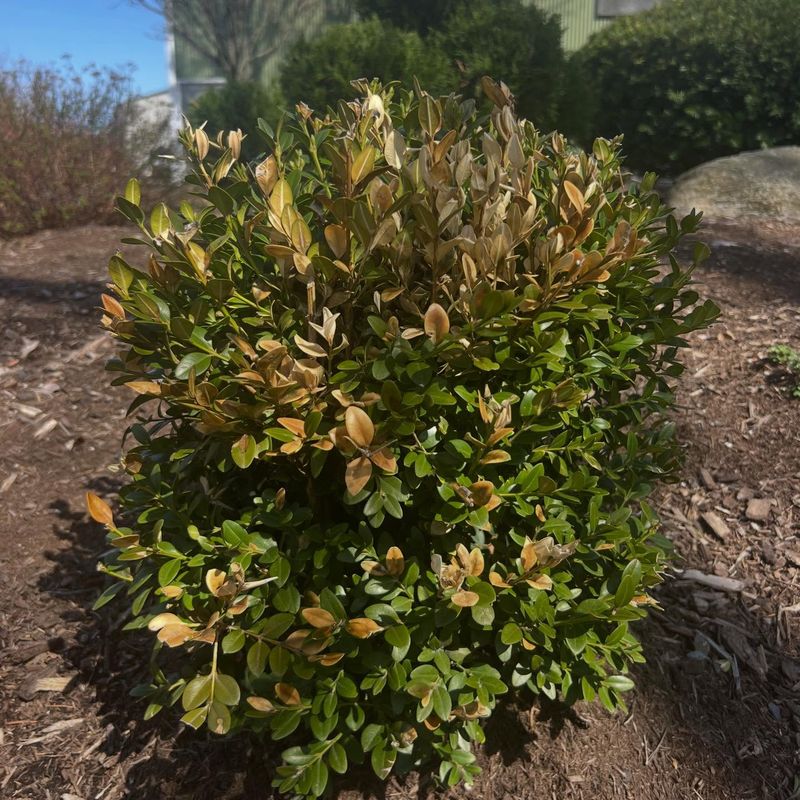
Winter burn has a sneaky cause that surprises many gardeners. It is not just the cold that browns boxwood leaves, but the drying power of winter sun and wind.
Boxwood keeps its leaves all year, which means those leaves stay exposed to the weather even in January. Bright winter sun and sharp wind slowly pull moisture right out of them.
On a warm afternoon, the leaves lose water and try to replace it from the roots. The trouble is that frozen soil holds that water tight, so the roots cannot send any up.
When leaves lose more moisture than they can replace, they dry out and turn brown. That damage is exactly what we call winter burn.
Here is where your fall watering pays off. A plant that stored plenty of moisture before the freeze has more reserves to draw from during those harsh days.
Well hydrated leaves stay plump and better able to handle the wind and sun. Dry, thirsty leaves scorch far more easily.
You cannot control the winter weather, but you can control how prepared your boxwood is when it arrives. Moisture in the roots is your best defense.
Some gardeners add burlap screens for extra protection, and that helps too. Still, none of it works as well without healthy, hydrated roots underneath.
The lesson is clear and simple. Water deeply in fall, and your boxwood carries a hidden supply that shields it against the drying force of a Michigan winter.
8. Skip The Late Pruning And Keep Watering
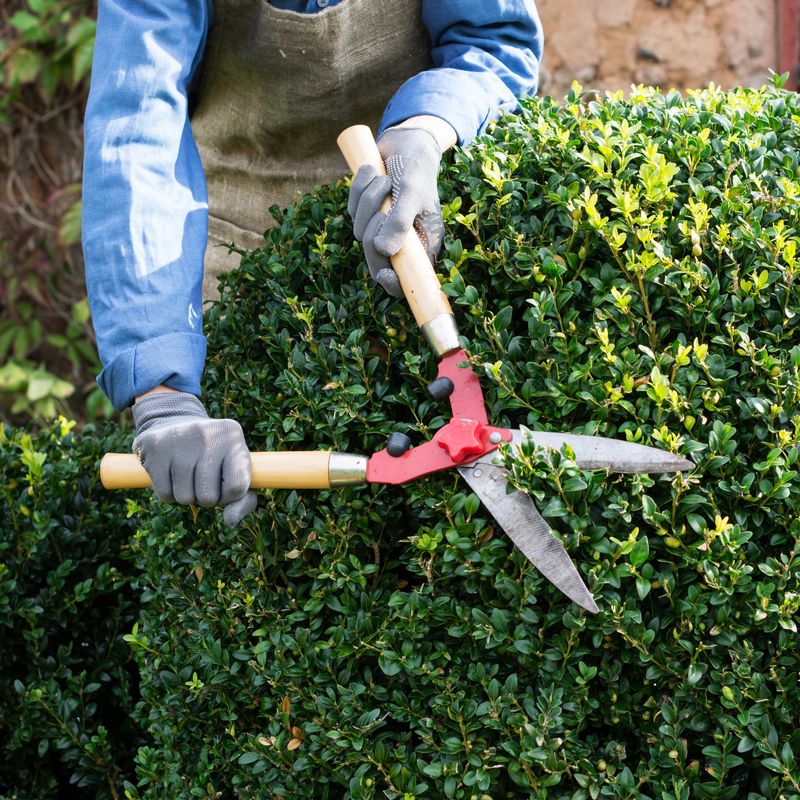
It can be tempting to tidy up your boxwood with a fresh trim in early fall. Resist that urge, because late pruning creates problems you really want to avoid.
When you cut boxwood, the plant responds by pushing out new, tender growth. That soft new growth is fragile and simply cannot handle the cold weather ahead.
Fresh shoots have no time to toughen up before the freeze arrives. They often turn brown quickly, undoing the neat look you were hoping for.
Instead of trimming, put your fall energy into watering. Keeping the soil evenly moist does far more good than any shaping ever could this time of year.
If your boxwood truly needs a heavy prune, save it for late winter or early spring. That timing lets new growth appear when warm weather can support it.
A light touch up of stray branches is usually fine, but big cuts should wait. The safest choice in September is to leave the shears in the shed.
Focus your attention on the roots and the soil instead. That is where the real winter protection comes from.
A well watered shrub with mature, hardened leaves stands up to winter far better than a freshly cut one. Its existing growth is already ready for the cold.
By skipping the late trim and staying loyal to your watering routine, you give boxwood exactly what it needs. Come spring, your patient care shows up as a full, healthy, richly green shrub that looks better than any rushed autumn haircut ever could.