The Florida September Yard Cleanup Mistake That Can Put You Face-To-Face With A Hidden Snake
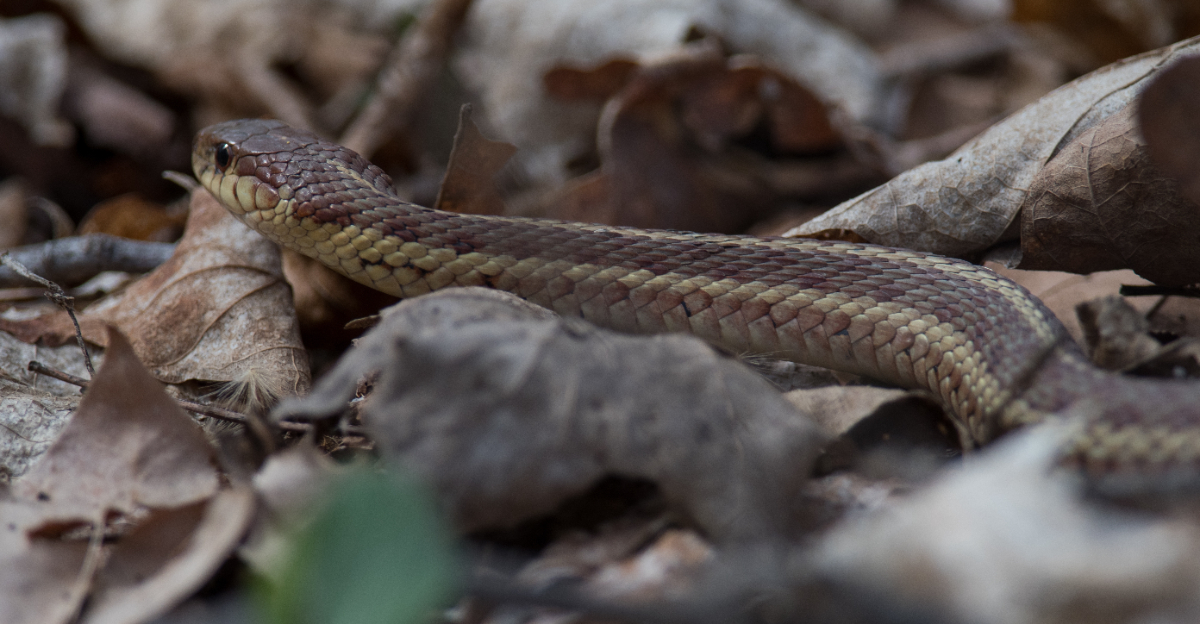
September yard cleanup in Florida can turn routine work into a much closer wildlife encounter than you planned. A pile of palm fronds, stacked branches, thick ground cover, or forgotten debris may look like nothing more than another chore on your list.
To a snake, that same spot can offer shade, cover, and a quiet place to stay out of sight. The surprise usually comes when a homeowner reaches in, shifts a pile, or clears a corner without checking what has settled underneath.
Florida’s late-summer warmth keeps plenty of snakes active, which makes this part of the season worth a little extra attention.
You do not need to fear every messy patch of the yard, but you do need to know which cleanup habit creates the easiest setup for an unwanted close encounter.
A few seconds of caution can make a big difference before your hands go where your eyes have not.
1. Never Reach Into A Pile You Cannot See Through
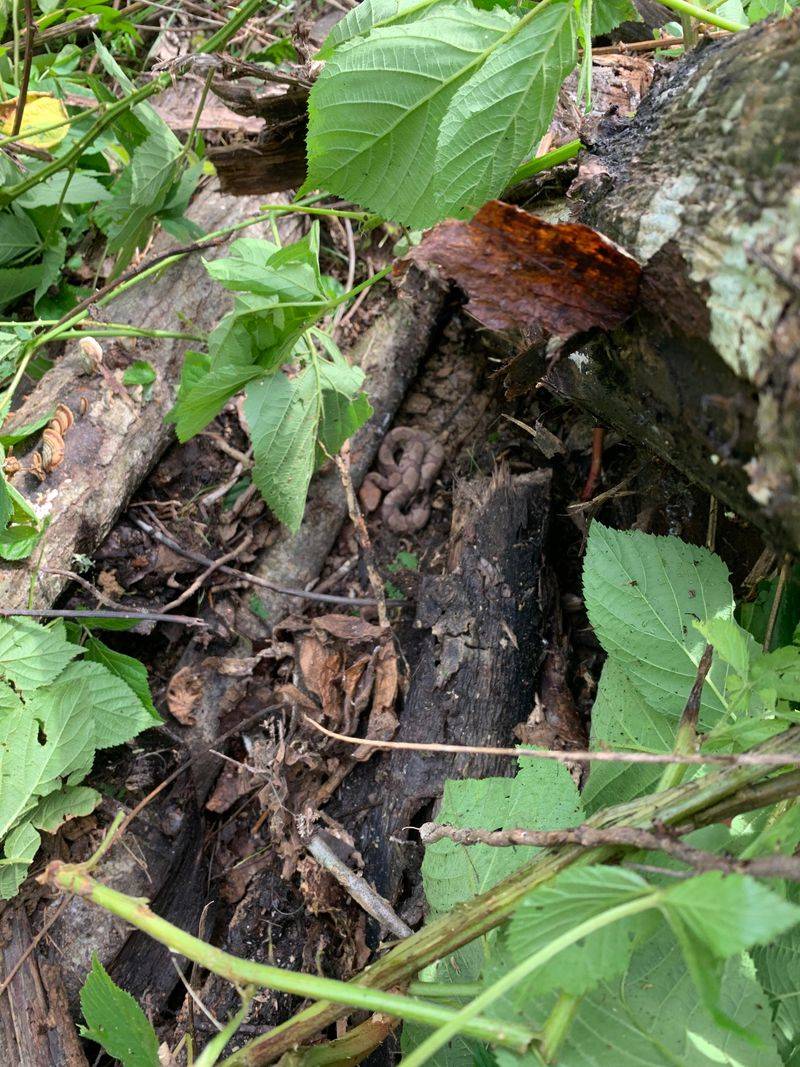
Grabbing a handful of leaves or branches without looking first is the central cleanup mistake that can lead to an unexpected close encounter. Thick piles of yard debris create shaded, sheltered spaces at ground level.
A snake resting in that material has no reason to announce itself before your hand arrives.
Work gloves are a smart habit during any outdoor cleanup. According to University of Florida IFAS Extension guidance, sturdy gloves reduce injury risk during yard work involving hidden objects and rough material.
Keep in mind that gloves are not a tool for handling wildlife. The goal is protecting your hands from accidental contact, not giving you confidence to dig blindly into a pile.
Before shifting any concealed material, take a moment to look at the full area. Use a rake or long-handled tool to gently disturb the surface first.
Move debris in small sections rather than grabbing large armfuls at once. Good lighting helps too.
Working in dim conditions or deep shade makes it harder to spot movement before it matters.
Knowing where your hands and feet are going before they go there is a straightforward habit. Clearing a yard corner does not have to be rushed.
Slow and steady movement through debris gives anything resting underneath a chance to move away before contact happens.
2. Deep Leaf Litter Can Hide A Snake In Plain Sight
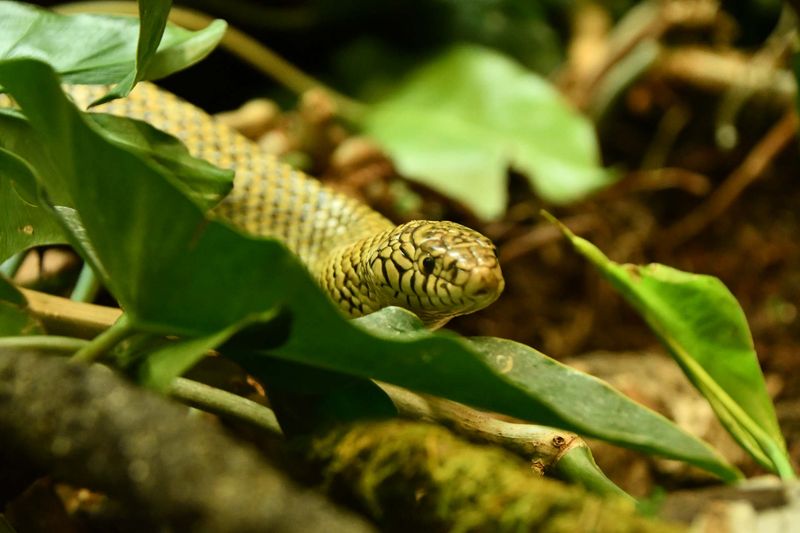
Leaf litter does a remarkable job of breaking up shapes and blending colors. A small brown or gray snake resting on top of or just beneath a layer of fallen leaves can be nearly invisible even at arm’s length.
Many Florida homeowners have moved leaves only to find a small snake that had been there the entire time.
Both harmless and venomous species may use ground-level cover depending on habitat and location. The Florida Museum of Natural History notes that several native species are strongly associated with leaf litter and forest floor environments.
Camouflage is a natural survival strategy, not a deliberate attempt to hide from people.
Your Florida Garden Changes Every Week. Your Plan Should Too.
Gardening in Florida changes quickly throughout the season. Every Friday you’ll receive a simple weekly plan showing exactly what to plant, prune, fertilize, harvest, and protect so you never miss the right timing.
The concern is not every fallen leaf in the yard. Leaf litter has real ecological value, supporting insects, moisture retention, and soil health.
The real focus should be on deep or dense accumulations in spots where hands and feet regularly go, such as near garden beds, walkways, doorsteps, and shed entrances.
Raking carefully rather than scooping by hand gives you a better view of what is underneath. Moving material in small sections keeps the process slow enough to notice any movement before getting too close.
Visibility, not a spotless yard, is what makes the difference during a September cleanup.
3. Boards And Wood Piles Create Ready-Made Hiding Places
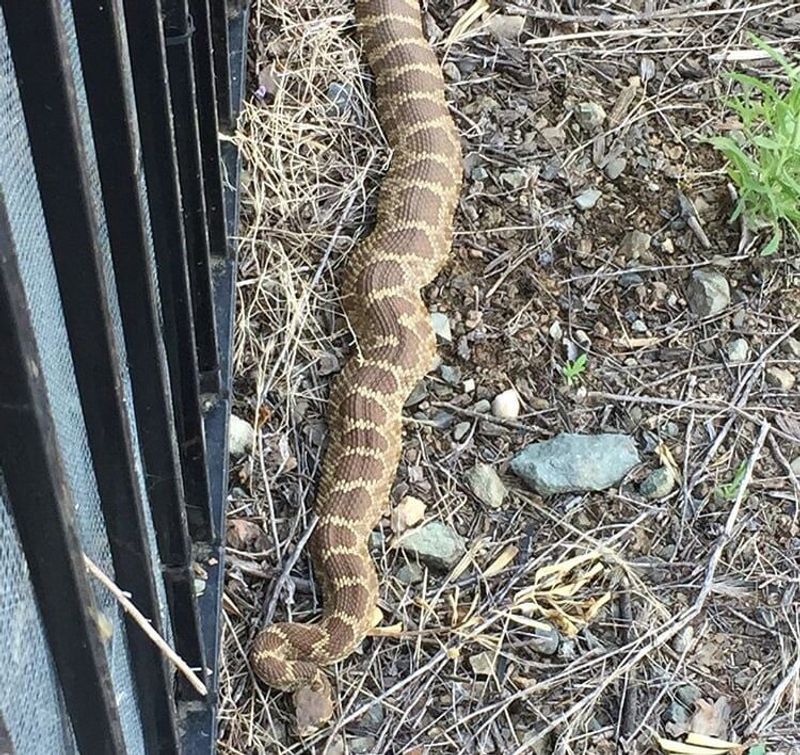
Lifting a loose board from the ground can feel routine during a yard cleanup. However, flat objects resting directly on soil create a dark, sheltered space that holds warmth and moisture.
That combination makes them useful resting spots for a range of small animals, including snakes.
Firewood stacks, loose landscape timbers, old pallets, and leftover lumber are common in Florida yards. Objects that have been sitting in place through a long, wet summer may have become well-settled cover.
According to Florida Fish and Wildlife Conservation Commission resources, objects resting on or near the ground can shelter native wildlife. Depending on the region, that can include both harmless and venomous snake species.
Suddenly lifting one of these objects removes the animal’s cover instantly. That places the person and the snake very close together with no warning for either one.
Moving boards and logs with a tool before using your hands gives any resident animal a moment to retreat on its own.
Storing firewood off the ground on a rack also reduces the amount of ground-contact cover near your home. That is not about eliminating snakes from the property.
It is simply about reducing the number of concealed spaces right beside doors, patios, and areas where people walk and work regularly.
4. Tall Summer Growth Can Hide What Is Near Your Feet
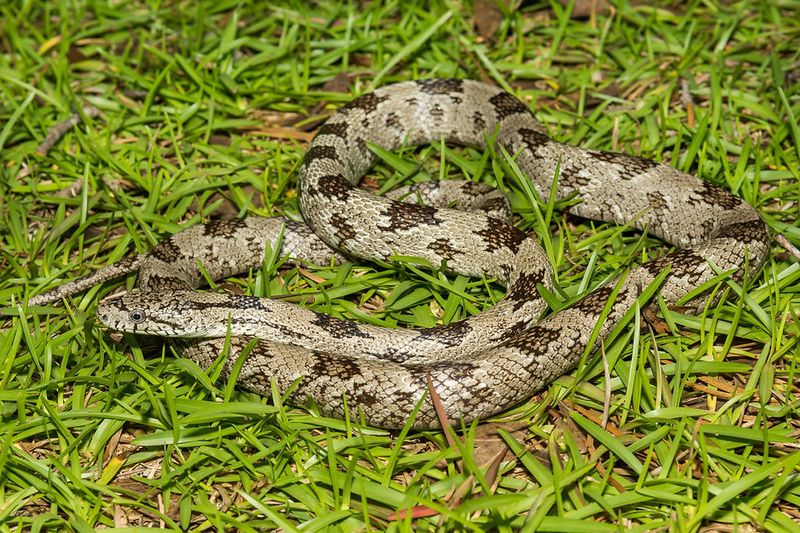
Stepping into a patch of tall grass or overgrown weeds puts your feet and ankles into a space you cannot fully see. Summer growth in Florida can be aggressive.
By September, unmowed edges, overgrown garden borders, and weedy fence lines may have reached knee height or taller in some spots.
Dense low vegetation reduces your ability to see what is at ground level before your foot gets there. UF/IFAS Extension recommends wearing closed-toe shoes or boots and long pants when working through thick vegetation.
That practical advice applies directly to September cleanup when tall growth gets cut back for the first time in months.
Moving slowly through dense areas before clearing them gives animals resting nearby a chance to detect your approach and move away.
Most encounters near vegetation happen because a person moved quickly and quietly into a space an animal was already occupying.
Noise and vibration from your movement often prompt retreat before visual contact ever happens.
Using a long-handled tool to push back tall growth before stepping through it adds a useful margin of visibility. Clearing in sections rather than walking straight through a dense patch keeps the process deliberate.
Boots with ankle coverage are a straightforward protective choice that costs nothing extra during a routine cleanup.
5. Rodents Can Make The Same Messy Corner More Useful
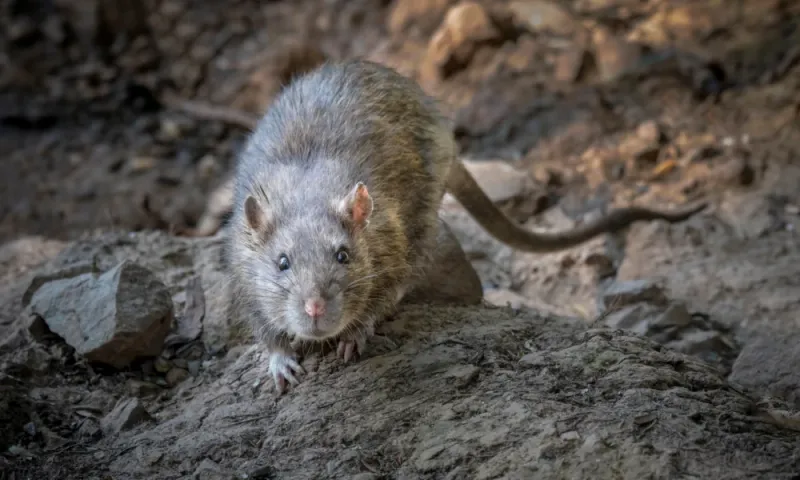
A neglected corner of the yard can quietly become a busy place. Clutter, accumulated debris, and nearby food sources can support mice and rats.
Spilled birdseed beneath a feeder, unsecured pet food left outside, and dense piles of junk are all conditions that can make a spot more useful to small rodents.
Some snake species are drawn to areas where prey is available. The University of Florida IFAS Extension notes that certain native snakes are active hunters of small rodents.
A yard corner that supports both dense cover and a steady prey supply can become useful to more than just the rodents themselves.
This connection is not a guarantee. Not every brush pile near a shed is sheltering a snake that is actively hunting.
The point is simply that shelter and prey can sometimes make the same neglected space attractive to multiple animals at once. Managing one condition can reduce the overall draw of an area.
Securing birdseed in covered containers, keeping pet food indoors, and clearing clutter reduces conditions that support rodent activity. That, in turn, may make a corner less useful overall.
Routine debris management near high-use areas addresses multiple issues at once without requiring any dramatic changes to the yard as a whole.
6. The Hidden Snake May Be Harmless But Guessing Is The Mistake
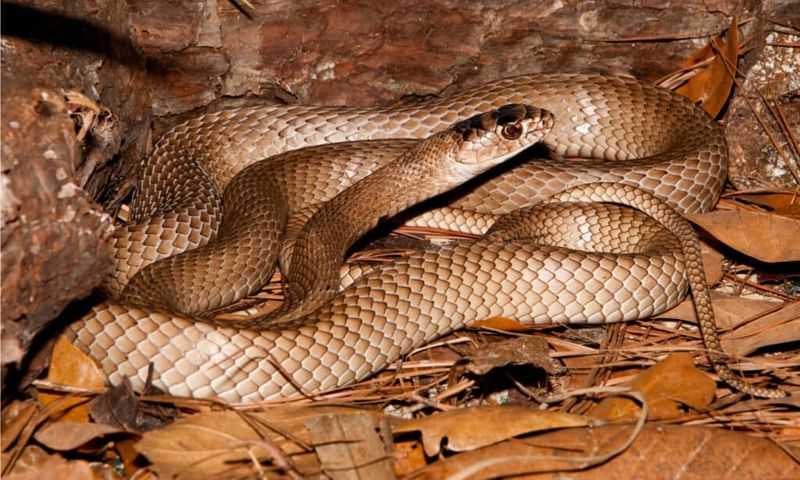
Most snakes found around Florida homes and yards are nonvenomous. Species like the Florida brown snake, the southern ring-necked snake, and the rough earth snake are small, secretive, and completely harmless to people.
They use the same leaves, mulch, boards, and low vegetation that other species may also occupy.
The Florida Museum of Natural History documents dozens of native snake species for the state, the large majority of which pose no venom risk. However, a few venomous species do share overlapping habitat.
The problem with guessing is that accurate identification requires a close look at features most people cannot safely assess from a safe distance.
Advice that tells you to check pupil shape, head profile, or scale patterns requires getting close enough to make those observations clearly. That close approach is exactly the situation worth avoiding.
An unidentified snake resting in your yard simply needs space, not a quick inspection from two feet away.
Giving any unidentified snake room to move away on its own is always the right call. You do not need to confirm species before stepping back.
A snake that is left alone and given an exit will almost always use it. That response keeps both the person and the animal out of an uncomfortable situation.
7. Cornering A Snake During Cleanup Can Turn A Sighting Into A Close Call
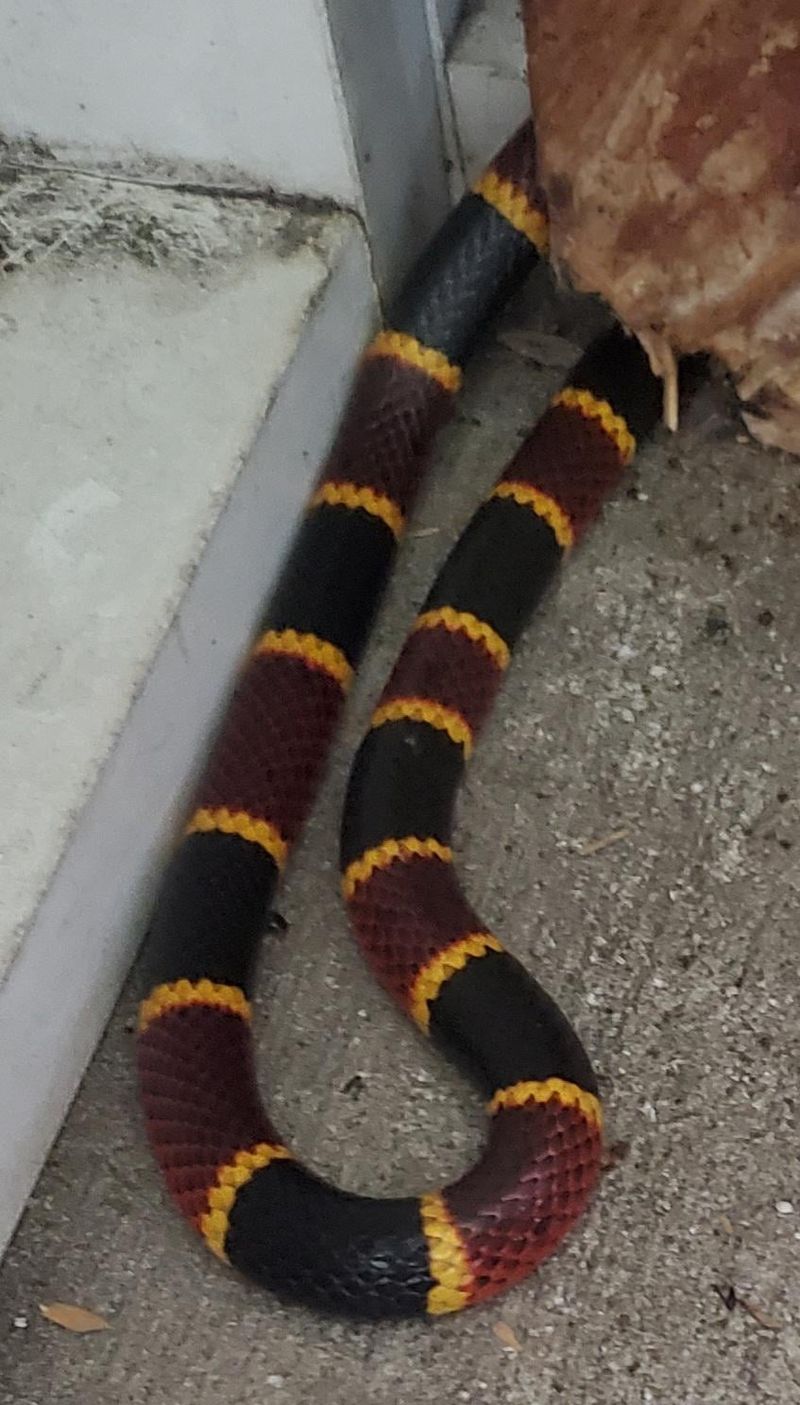
Uncovering a snake during yard work is startling for the person and disorienting for the animal. A snake that suddenly loses its cover has limited options.
Its first preference is almost always to retreat. That retreat depends on having somewhere to go.
Surrounding the animal, moving toward it repeatedly, or poking at it with a tool removes that option. Florida Fish and Wildlife Conservation Commission materials note that defensive behavior in snakes is typically a response to feeling cornered or threatened.
A snake that cannot retreat may hold its ground or react defensively in ways it would not otherwise choose.
Myths about snakes chasing people are not supported by herpetology research. Defensive posturing is not aggression.
A snake that faces toward you while you are close is responding to proximity, not planning an attack. The practical response is simply to step back and create distance.
No handling, pinning, or DIY relocation attempt is needed. A snake given a clear exit and a few undisturbed minutes will typically move away on its own.
If an animal is inside a structure or a space where it cannot safely leave, contacting a licensed wildlife professional is the appropriate step. Attempting to move it yourself adds risk without solving the problem faster.
8. Clean The Yard Without Turning Cleanup Into A Surprise Encounter

A thorough September cleanup does not require turning the yard into a bare lot. Leaf litter, brush, and natural ground cover have real value for birds, beneficial insects, and soil health.
The goal is managing dense hidden cover in the specific spots where people work, walk, and play most often.
Putting on boots and sturdy gloves before starting is a simple first step. Using a rake or long-handled tool to move debris before using your hands adds a useful margin of visibility.
Working in sections rather than grabbing large armfuls at once keeps the process slow enough to notice movement.
Focus cleanup attention near doors, shed entrances, patios, play areas, and walkways. Those are the spaces where a surprise encounter would be most likely and most disruptive.
Areas farther from regular foot traffic can hold more natural cover without posing the same practical concern.
Managing rodent attractants like spilled seed, accessible pet food, and clutter reduces conditions that may make a corner useful to multiple animals at once.
Good visibility, protective footwear, and deliberate movement through dense material address most of the real risk without requiring dramatic changes.
The real September cleanup mistake is not having leaves or wildlife habitat in the yard. It is putting hands and feet into concealed cover without first checking what may be resting underneath.