What White Dust On Michigan Zinnias Means Before The Whole Bed Looks Tired
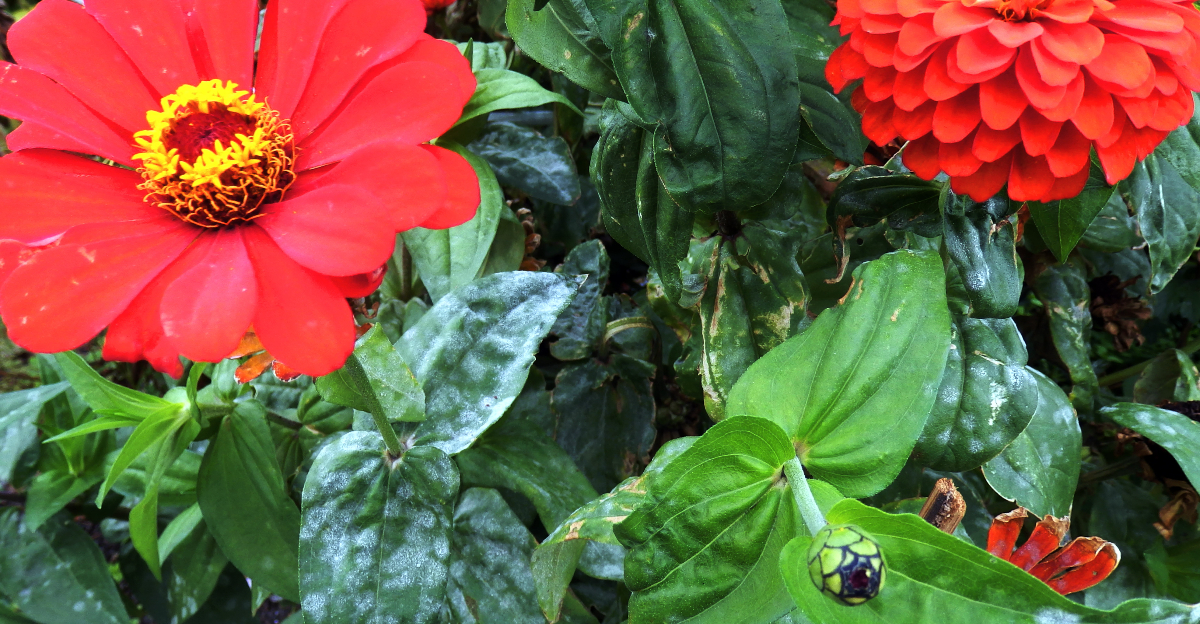
White dust on zinnia leaves in Michigan July is one of those garden signals that is easy to notice and even easier to ignore for a few days while other tasks take priority. Those few days matter more than they seem to at the time.
Powdery mildew on zinnias moves through a bed faster than most fungal problems in a Michigan summer because zinnias are so susceptible and because the warm days and cool nights of late July create near-ideal conditions for rapid spread.
The white coating visible on a few leaves today reflects a colony that has been developing for longer than it appears, and the leaves that look clean right now are already within range of spores looking for the next surface to colonize.
1. White Dust Usually Means Powdery Mildew
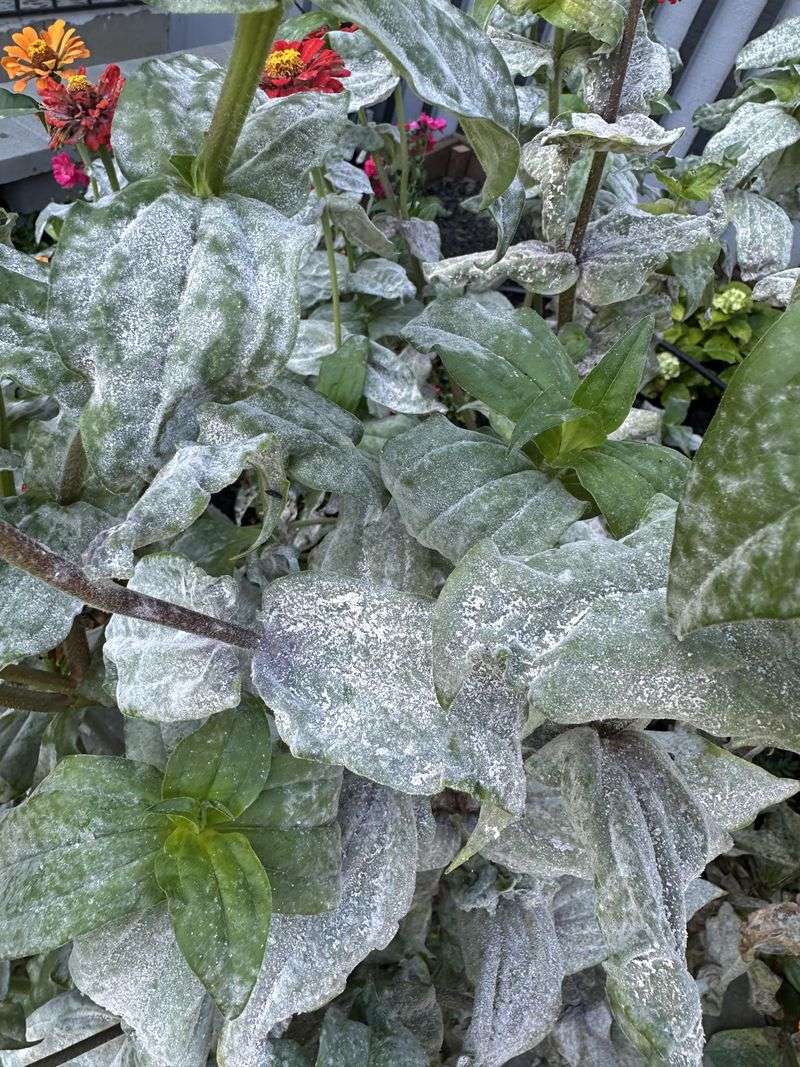
That chalky coating on your zinnia leaves is not dirt, fertilizer residue, or anything you accidentally sprayed.
Most of the time, white dust on zinnia foliage points directly to powdery mildew, a common fungal problem that gardeners across Michigan run into every single season.
It looks exactly like someone dusted flour over the leaves, and once you know what it is, you will recognize it instantly.
Powdery mildew is caused by fungal spores that land on leaf surfaces and start growing without needing much moisture at all.
Unlike many other plant fungi, powdery mildew actually prefers dry leaf surfaces combined with humid air around the plant.
That combination is surprisingly common in Michigan during the warmer months, which is why zinnias seem to attract it so reliably.
Before assuming the white coating is harmless, take a close look at the pattern. Powdery mildew usually starts as small circular patches on the upper side of the leaf, then spreads outward and merges into larger areas.
Harmless dust or residue tends to look more random and uneven. If the white coating is growing in a soft, fuzzy pattern, powdery mildew is almost certainly the cause.
Catching it early matters because the fungus spreads through airborne spores, meaning one affected plant can pass it along to neighbors quickly.
The plants do not collapse overnight, but they start looking faded, dull, and tired as the season progresses.
Acting early gives you the best shot at keeping your zinnia bed looking bright and full of color all summer long.
2. It Often Shows Up In Mid To Late Summer
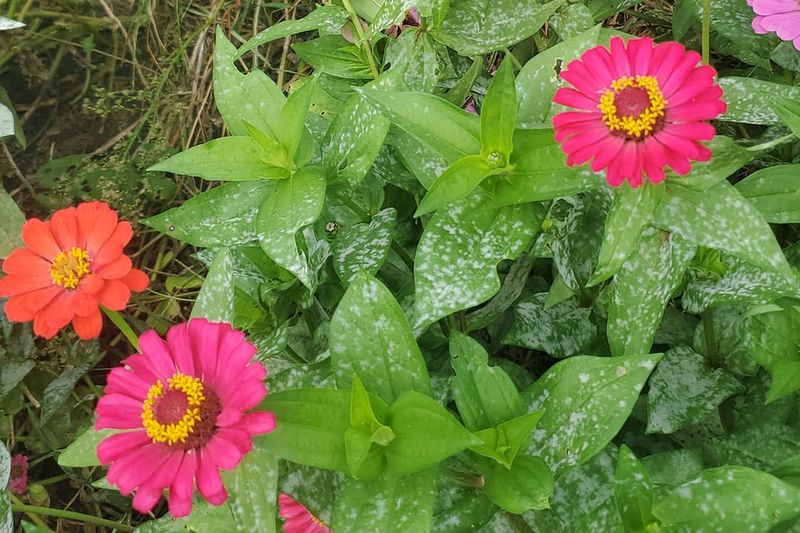
Powdery mildew rarely shows up the moment you plant your zinnias in June. Most Michigan gardeners notice it creeping in somewhere between late July and August, right when the plants are at their tallest and most crowded.
The timing is not random at all. It follows a very predictable seasonal pattern that makes sense once you understand what conditions the fungus needs to grow.
Warm days combined with cooler nights create the kind of humidity that powdery mildew thrives in. Michigan summers are famous for exactly that kind of weather, especially once August rolls around.
The temperature swings between day and night can cause moisture to sit on and around the foliage longer than it would during consistently warm stretches.
Your Michigan Garden Changes Every Week. Your Plan Should Too.
Gardening in Michigan changes quickly throughout the season. Every Friday you’ll receive a simple weekly plan showing exactly what to plant, prune, fertilize, harvest, and protect so you never miss the right timing.
By mid to late summer, zinnia plants have also been growing for weeks, which means the foliage is denser, older, and more tightly packed.
Older leaves near the base of the plant tend to get less airflow and less direct sun, making them the first spots where powdery mildew takes hold.
You might notice the bottom of the plant looks dusty while the top still looks clean and healthy.
Understanding this seasonal timeline helps you stay a step ahead. When July hits and your zinnias are looking lush, that is actually the best time to start watching for the earliest white patches.
Staying aware during that window means you catch the problem while it is still small, manageable, and far easier to address before it spreads across the whole bed.
3. Crowded Plants Stay Damp And Stuffy
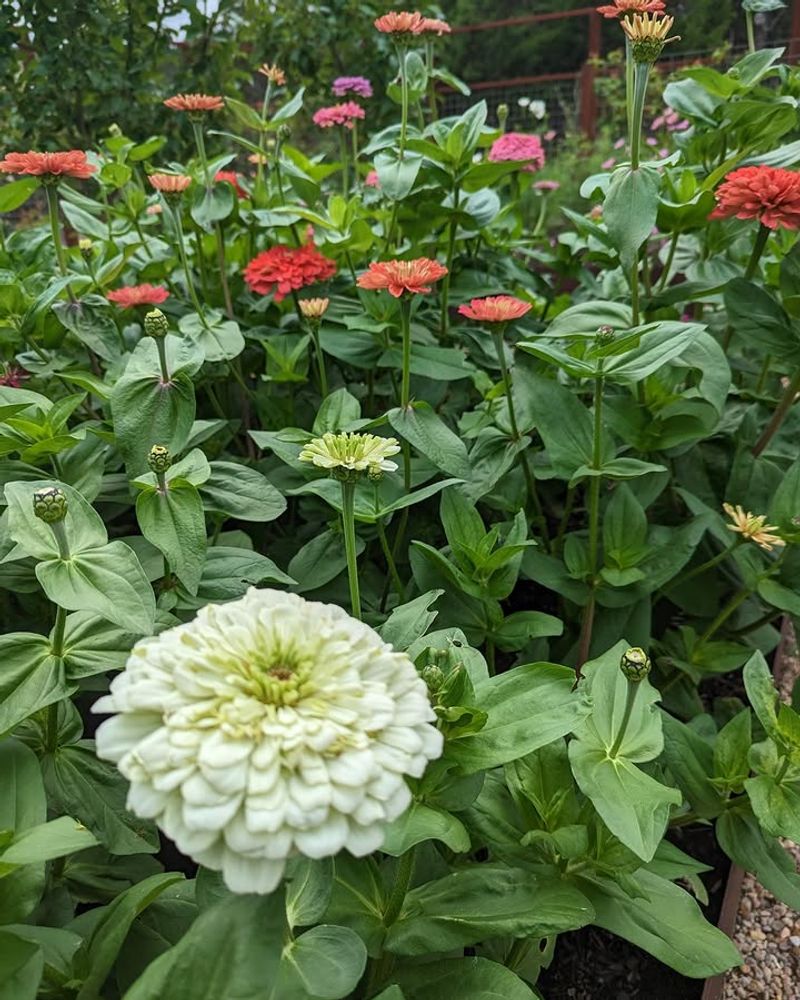
Zinnias are generous growers, and it is easy to underestimate how much space they need when you are planting seeds or transplants in spring. When plants grow too close together, the air between them barely moves.
That stagnant, stuffy environment is exactly what powdery mildew spores are waiting for, and a crowded zinnia bed can go from looking healthy to looking dusty surprisingly fast.
Good airflow is one of the most underrated tools in a gardener’s toolkit. When air moves freely around plant stems and leaves, moisture evaporates faster after rain or morning dew.
Leaves dry out more quickly, which gives fungal spores far fewer opportunities to settle in and start growing.
Crowded plants rob each other of that natural drying process, keeping the foliage damp and the air around them humid for longer stretches of the day.
Most zinnia varieties do best with about 12 inches of space between plants, though larger types benefit from even more room.
If you planted seeds heavily and skipped thinning, the bed might look full and beautiful in early summer but become a powdery mildew magnet by August.
Thinning feels wasteful in the moment, but it genuinely makes a big difference in how the bed holds up through the rest of the season.
If your plants are already established and crowded, you can carefully remove a few of the weakest ones to open up the bed a bit.
Even a small improvement in airflow can slow the spread of powdery mildew and keep the remaining plants looking healthier and more vibrant well into fall.
4. Shade Can Make Zinnias More Vulnerable
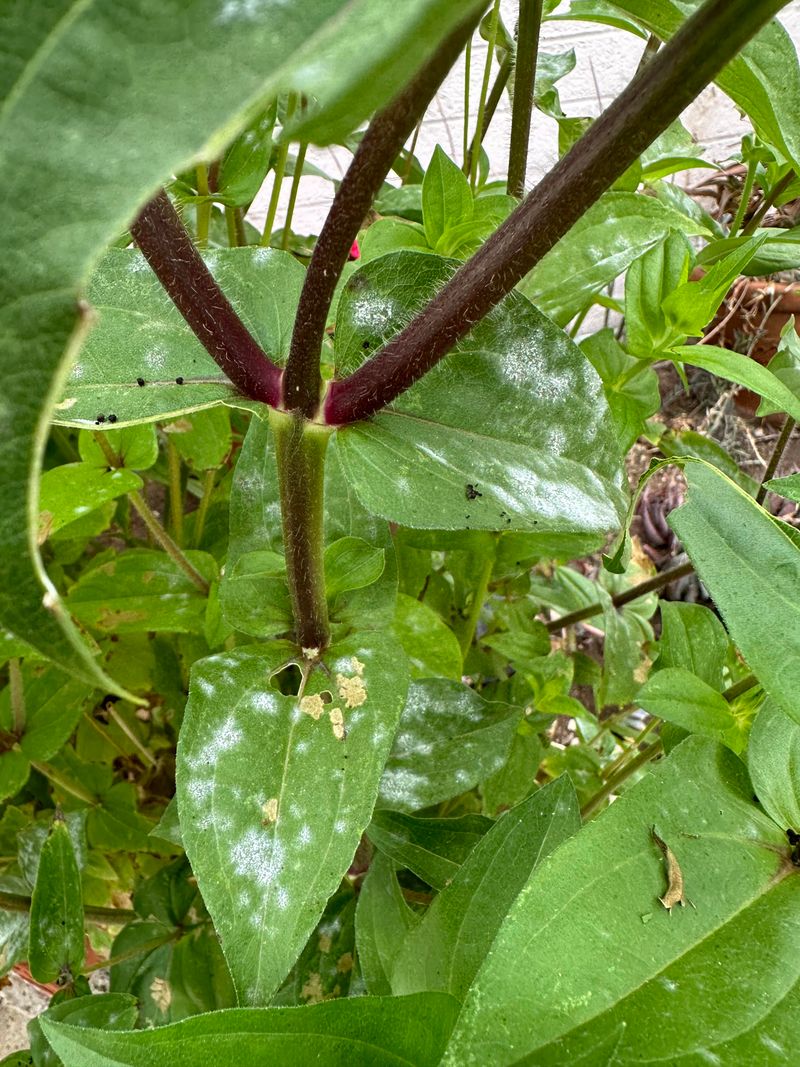
Zinnias are full-sun plants, plain and simple. They were built for bright, open spaces where the sun hits them for at least six to eight hours a day, and when they end up in shadier spots, they do not perform the same way.
Shade does not just slow their growth or reduce blooming. It also makes the foliage softer, slower to dry, and noticeably more susceptible to powdery mildew.
When leaves stay in shade, they take much longer to dry out after morning dew or a rain shower. That extra moisture sitting on the leaf surface gives fungal spores a better chance to germinate and spread.
Sun-drenched leaves dry quickly and stay more resilient, while shaded leaves tend to stay slightly damp and cool, which is a welcoming environment for mildew to establish itself.
Michigan gardens often have tricky light situations. A bed that gets full sun in June might end up partially shaded by mid-July as nearby trees leaf out fully.
If your zinnia bed is near a fence, a large shrub, or a tree canopy, the light levels might shift more than you expect over the course of the season. That shift can explain why mildew shows up even when the plants seemed perfectly placed in the spring.
Relocating a bed is not always practical, but knowing that shade is a contributing factor helps you plan smarter next year.
Choosing a sunnier spot, trimming back nearby shrubs, or simply accepting that shaded zinnias need closer monitoring can all help you stay ahead of that white dusty problem before it takes over.
5. Overhead Watering Can Add To Leaf Stress
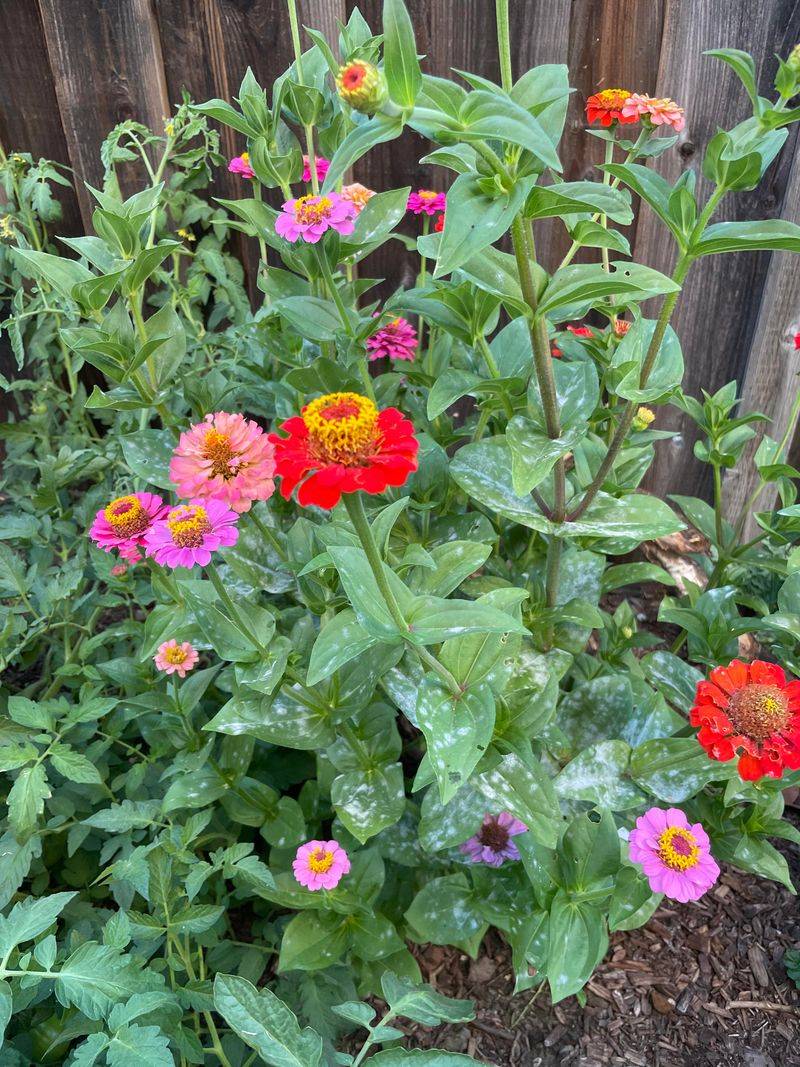
Watering zinnias seems simple enough, but the method you use actually matters quite a bit when powdery mildew is already a concern. Many gardeners reach for a hose and spray the whole plant from above, which wets the foliage along with the soil.
Wet leaves stay wet longer, especially on humid Michigan mornings, and that extra moisture on the leaf surface gives powdery mildew exactly the conditions it loves.
Switching to soil-level watering is one of the easiest changes you can make. A soaker hose, a drip line, or simply aiming your hose at the base of the plant delivers water directly to the roots without splashing the leaves at all.
The plants get everything they need, and the foliage stays dry. That might sound like a small adjustment, but it genuinely helps reduce the conditions that encourage fungal growth.
Timing matters too. If you do water from above for any reason, morning is far better than evening.
Morning watering gives the sun several hours to dry the leaves before temperatures drop at night.
Evening watering leaves foliage damp overnight, which is one of the worst things you can do when powdery mildew is already present or likely to appear. Cool, damp nights are prime time for fungal spores to take hold.
Pairing soil-level watering with good plant spacing creates a noticeably drier, airier environment around your zinnias.
Those two changes together can slow the spread of powdery mildew significantly and keep your bed looking cleaner and more colorful through the tail end of Michigan’s summer season.
6. Early Spots Are Easier To Manage Than A Whole Dusty Bed
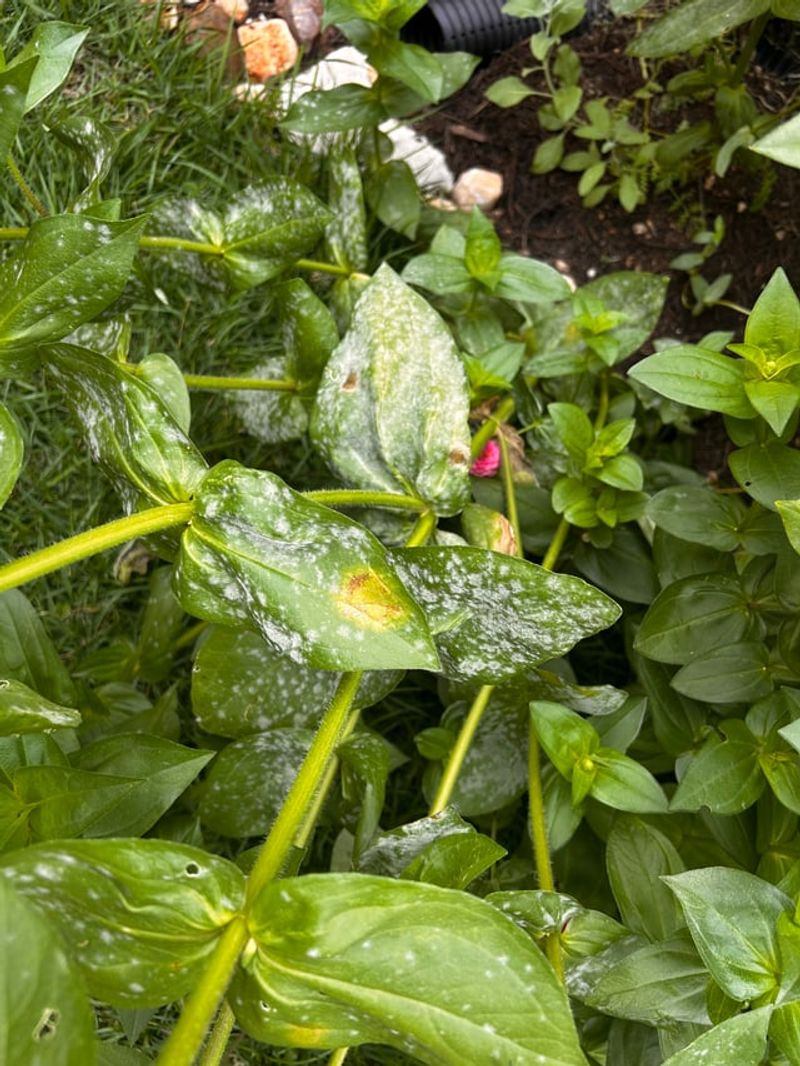
Spotting powdery mildew when it first appears is genuinely one of the best things that can happen in your garden. A few small white patches on a handful of leaves is a very manageable situation.
A whole bed coated in dusty gray-white film is a much harder problem to reverse. The difference between those two situations often comes down to how quickly you notice and respond.
When you see the first affected leaves, remove them right away. Pinch or cut them off cleanly and toss them in the trash rather than the compost pile, since composting infected leaves can allow spores to survive and spread.
You do not need to remove entire plants at this stage. Targeting the worst-looking leaves and cleaning them out of the bed is often enough to slow things down considerably.
Avoid working in the bed when the foliage is wet. Spores travel easily on hands, tools, and clothing, and moving through a damp bed can accidentally carry them from one plant to another.
Doing your pruning and cleanup during dry, sunny parts of the day reduces that risk and keeps the spread more contained.
Improving spacing where you can also helps at this stage. If two plants are leaning against each other, gently staking or redirecting them can open up airflow without removing the whole plant.
Small adjustments like these, made early, add up to a real difference in how the bed looks by the end of summer. Acting fast while the problem is still small is always the smartest move.
7. Some Zinnia Types Handle Powdery Mildew Better
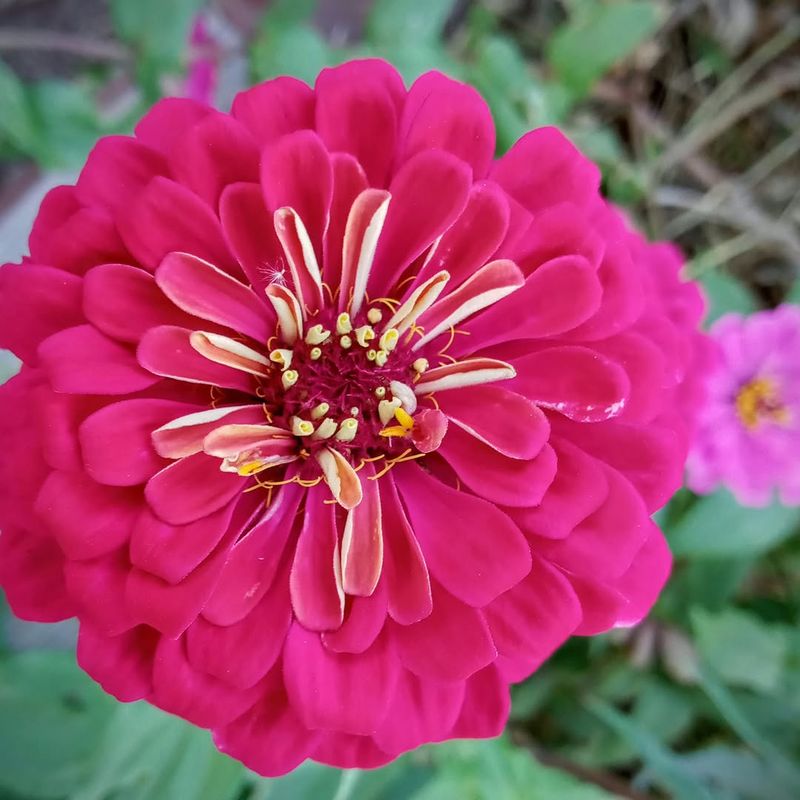
Not all zinnias are equally vulnerable to powdery mildew, and that is genuinely good news for gardeners who feel like they fight this problem every single year.
Plant breeders have spent years developing zinnia varieties with stronger natural resistance to fungal diseases, and some of those varieties perform noticeably better in Michigan’s warm, humid late summers than older or standard types.
The Zahara series is one of the most well-known for disease resistance and has earned a strong reputation among gardeners who grow in humid climates.
Zahara zinnias are compact, heat-tolerant, and significantly less likely to show powdery mildew compared to many traditional tall zinnia types.
The Profusion series is another popular choice, bred specifically for better disease tolerance and lower-maintenance performance throughout the season.
When shopping for seeds or transplants, look for words like “disease resistant” or “mildew tolerant” on the packaging or in the catalog description.
These labels are not just marketing language. They reflect actual breeding work done to improve how the plant holds up under pressure.
Choosing resistant varieties does not mean powdery mildew can never appear, but it does mean the plants handle stress more gracefully and stay looking better longer.
If you have been growing the same zinnia type for several seasons and keep running into the same dusty problem, switching varieties is one of the most practical changes you can make.
Pairing a resistant variety with good spacing and smart watering habits gives your Michigan zinnia bed the strongest possible foundation for a long, colorful, healthy growing season.
8. The Takeaway Is To Improve Air, Sun, And Cleanliness
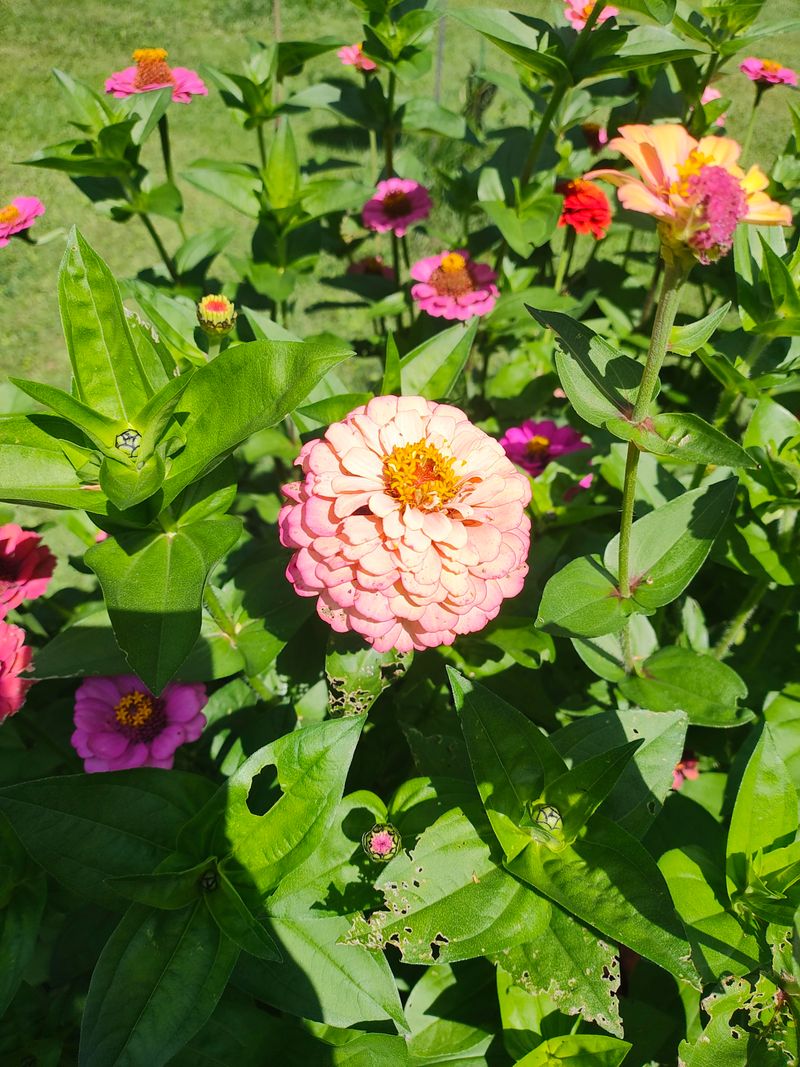
White dust on your Michigan zinnias is almost always powdery mildew, and while it is frustrating to see, it is also one of the most manageable fungal problems in the home garden.
The key is understanding what makes it worse and then making a few smart changes that work together.
No single fix solves everything, but the right combination of habits creates an environment where powdery mildew struggles to gain a foothold.
Full sun is the foundation. Zinnias planted in six to eight hours of direct sunlight dry out faster, grow stronger foliage, and hold up better through the season.
Pair that with proper spacing so air moves freely between plants, and you have already eliminated two of the biggest contributing factors.
Soil-level watering keeps the leaves dry, and removing heavily affected foliage as soon as you notice it stops the spread before it takes over the whole bed.
Cleaning up old plant debris at the end of the season is also worth doing carefully. Fungal spores can survive in dry plant material left on the soil surface over winter, so clearing out the bed in fall gives you a cleaner start the following spring.
It is a small task that pays off in a noticeably healthier bed next year. Choosing resistant zinnia varieties rounds out the approach beautifully.
When you combine sun, spacing, smart watering, timely cleanup, and better plant genetics, powdery mildew stops being an annual headache and starts becoming a minor, manageable nuisance.
Your zinnia bed deserves to look bright and full of life from planting day all the way through Michigan’s last warm days of fall.