What Fresh Deer Nips On Michigan Perennials Tell You About What They’ll Eat Next
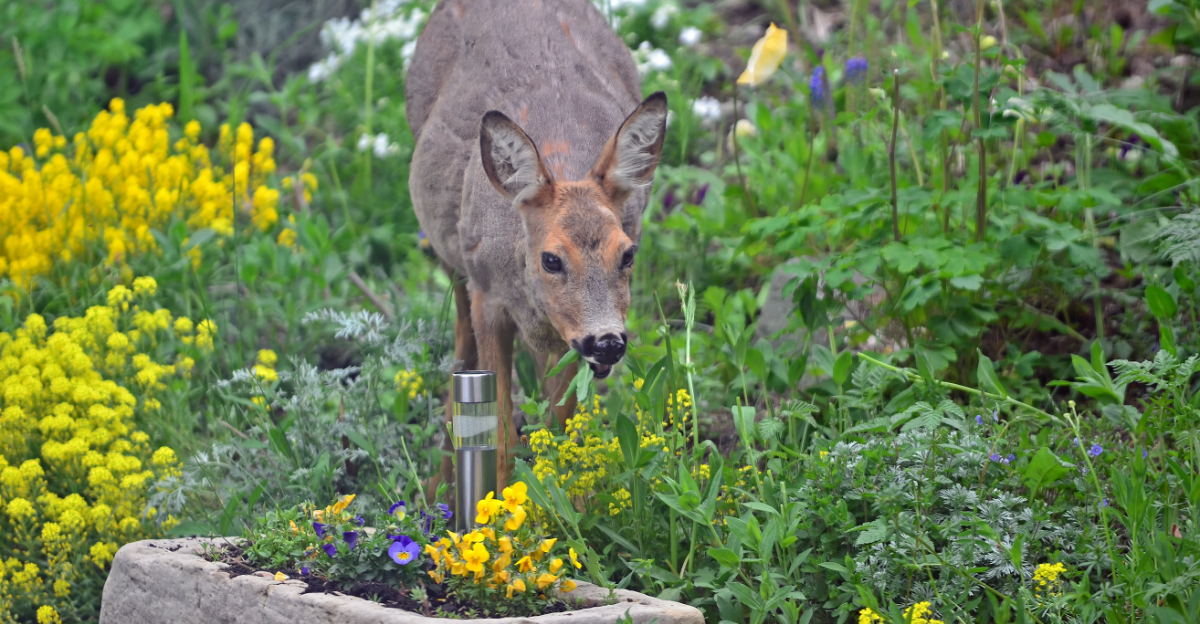
Fresh deer nips on perennials often reveal more than just recent damage, giving Michigan gardeners a hint at what might get targeted next.
Clean, angled cuts near the top of a plant usually indicate deer, since they lack upper front teeth and tear rather than snip cleanly.
Deer tend to sample a variety of plants before settling on favorites, which explains why nearby perennials often show similar light damage.
Checking which plants have been nipped versus completely ignored helps predict future browsing patterns in your yard.
Tender new growth and flower buds are usually targeted first, since they’re easier to chew and more nutritious. Noticing this pattern early allows gardeners to apply repellents before damage becomes more severe.
Rotating vulnerable plants or adding deterrents near frequently nipped areas can reduce repeat visits. A little observation now helps protect the rest of your perennial bed later.
1. The Remaining Shoots On The Same Plant Are First In Line
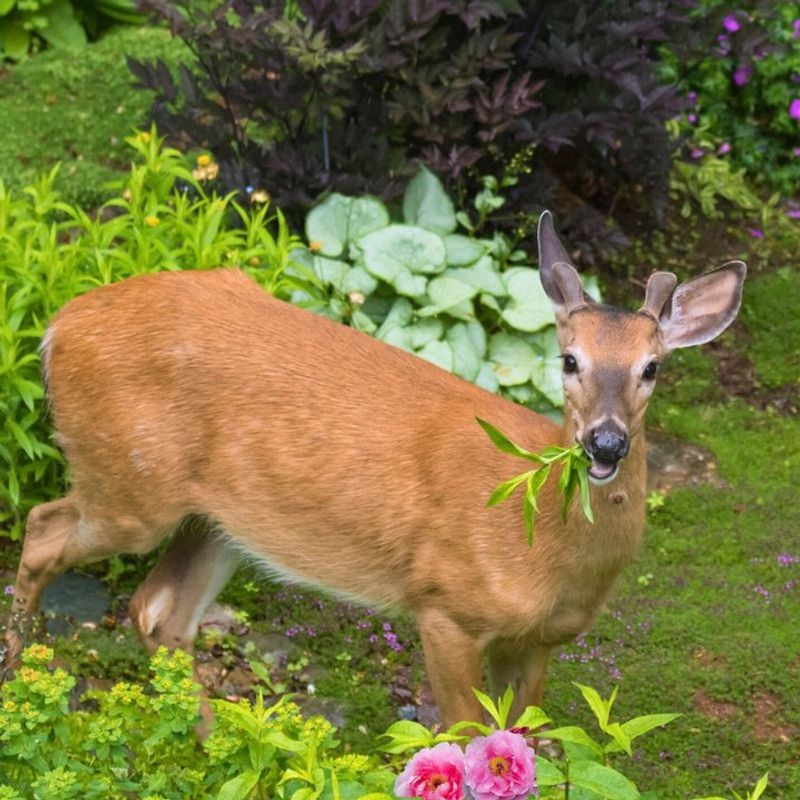
One fresh bite on a perennial is rarely the whole story. When a deer samples a growing tip and finds it acceptable, that plant just became a confirmed food source.
The deer may wander off briefly, but the scent memory and the taste of tender growth can bring it right back to finish what it started.
Outer leaves, flower stems, and soft buds sitting along the edges of a plant are usually the easiest targets on the next visit. Growth tucked deep inside a clump offers a bit more protection simply because it takes more effort to reach.
Still, a motivated deer browsing a familiar yard will work around that obstacle without much trouble.
Protecting the entire plant right away is a smarter move than covering only the damaged stem. A repellent spray, a wire cage, or a mesh cover placed over the whole plant signals that easier food exists elsewhere.
Waiting to see whether the deer returns before acting usually means losing more of the plant than necessary.
One bite does not guarantee a return visit on its own, but repeated damage becomes far more likely when the plant stays accessible along a familiar feeding path.
Deer are creatures of habit, and a route that delivered a reward once tends to get repeated. Covering the whole plant quickly gives you the best shot at breaking that habit before it becomes a pattern.
2. Nearby Plants Of The Same Kind May Be Next
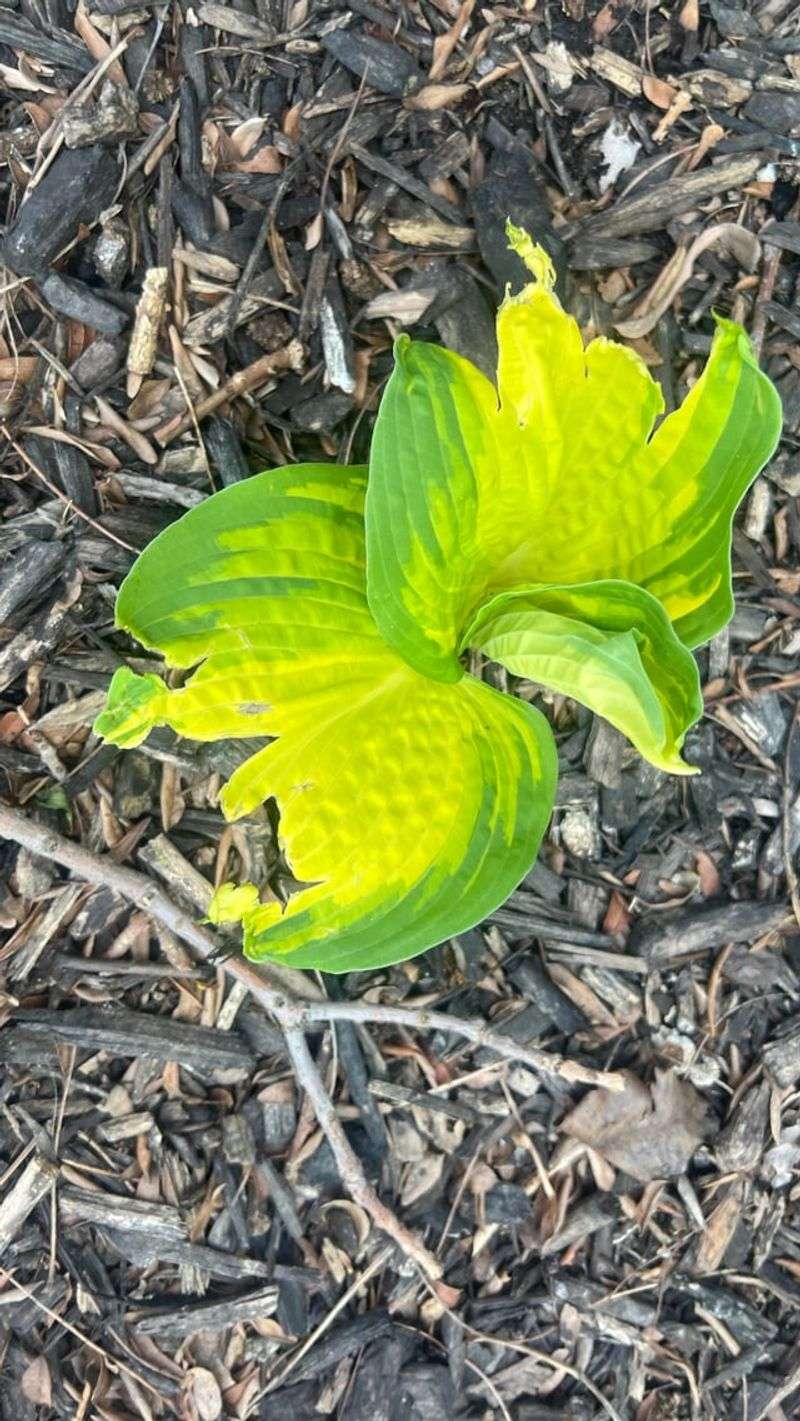
Deer are surprisingly consistent shoppers. Once one hosta, daylily, coneflower, or garden phlox passes the taste test, the identical plants growing just a few feet away become obvious candidates for the next snack.
Matching scent, texture, and leaf tenderness make each neighboring specimen easy to recognize as the same reliable food.
Gardeners sometimes make the mistake of protecting only the plant that shows visible damage and leaving the rest of the group exposed.
That approach often leads to a frustrating morning where several more plants in the same bed show fresh browse marks.
Deer do not necessarily move in a straight line, so specimens several yards away from the original damage are just as much at risk as the ones right next door.
Your Michigan Garden Changes Every Week. Your Plan Should Too.
Gardening in Michigan changes quickly throughout the season. Every Friday you’ll receive a simple weekly plan showing exactly what to plant, prune, fertilize, harvest, and protect so you never miss the right timing.
Checking every similar plant in the bed right after spotting the first damage is one of the most practical steps you can take. Look for torn leaf edges, missing stem tips, and freshly exposed pale tissue that has not yet had time to dry out.
Those signs confirm recent activity and help you map out exactly how far the feeding went.
Protecting the entire group rather than waiting for visible damage on each individual plant saves both time and frustration.
Applying repellent to every similar specimen in the yard, even those that look untouched, creates a broader barrier that makes the whole bed feel less welcoming.
A small investment of time right after the first damage can protect a full season of growth across multiple plants.
3. Fresh Growth After Watering Will Stand Out
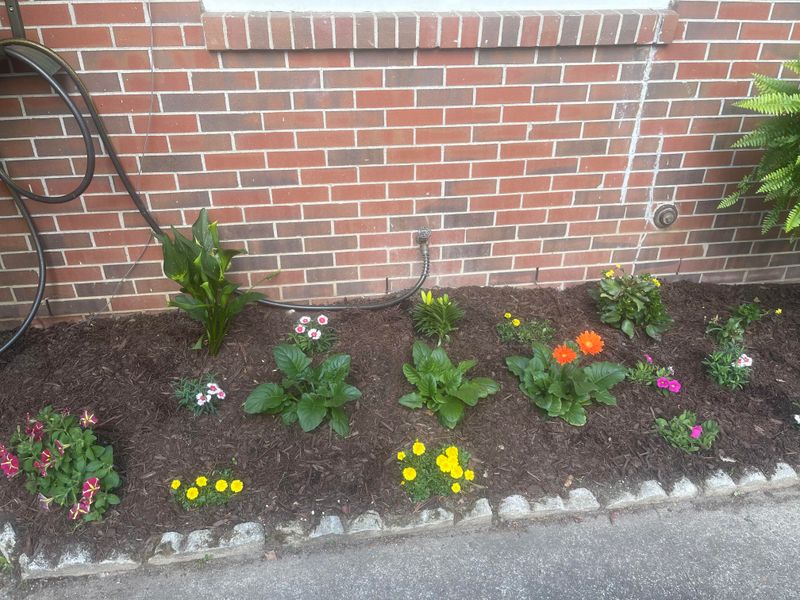
During a dry Michigan August, a well-watered garden can look like the only green buffet for miles around.
Irrigated perennials hold onto moisture longer, and that moisture keeps leaves soft, bright, and tender while surrounding vegetation turns firm and less appealing.
Deer notice the difference quickly, and a garden that stays green during a drought becomes a reliable destination on their nightly route.
New growth produced after consistent watering is especially attractive because it has not yet developed the tougher cell walls that older foliage builds over time.
Soft, young shoots are easier to bite through and carry more water content, which makes them more satisfying for deer on a warm evening.
This is one reason why a plant that seemed untouched all spring can suddenly start showing damage during a dry spell in late summer.
Adjusting your watering schedule to make plants less appealing is not a realistic strategy, and creating drought stress on valuable perennials causes more harm than a deer visit ever would.
The smarter approach is to continue watering according to each plant’s needs while adding a physical barrier or a repellent product to the mix.
Cages, deer netting, and spray repellents all work better when applied before the feeding pattern gets established rather than after several plants have already been sampled.
Staying consistent with protection during dry stretches pays off at the end of the season when your perennials are still full and blooming while neighboring unprotected gardens show the damage of repeated visits.
4. Flower Buds And Soft Stems May Disappear Next
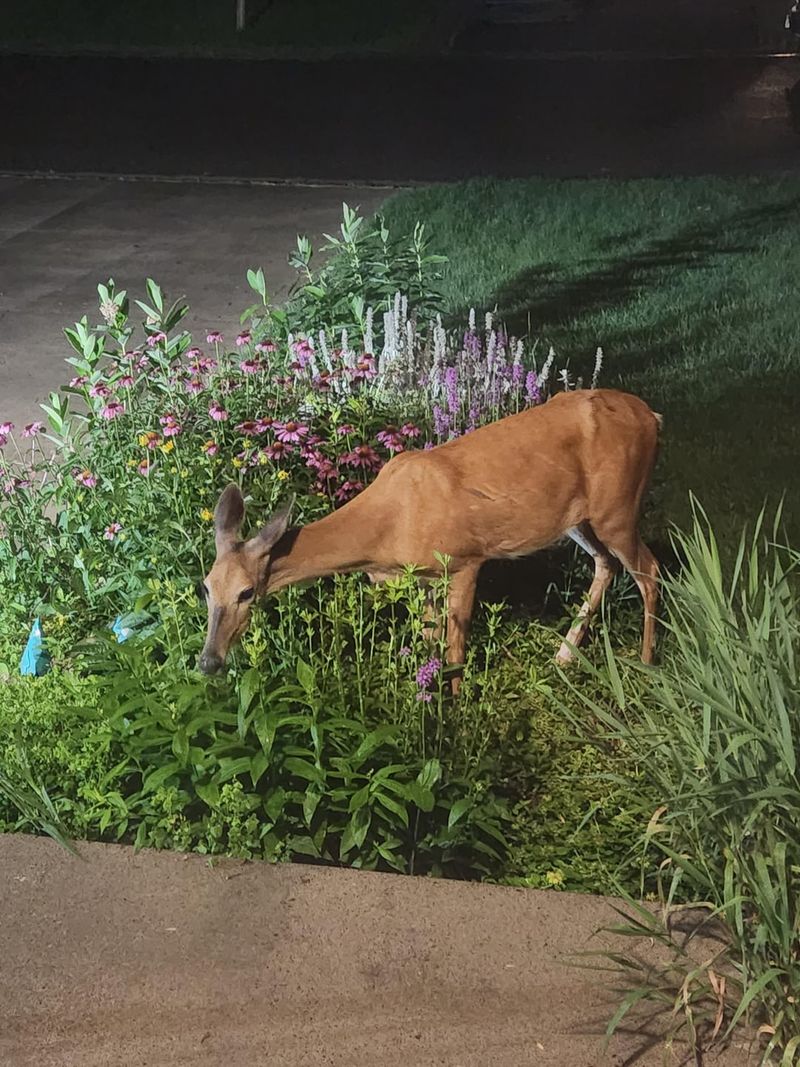
A single leaf nip might seem minor, but it often comes with a warning attached.
Flower buds, unopened blooms, and the soft new stems holding them up are some of the most tender structures on any perennial, and deer recognize that tenderness just as well as any experienced gardener does.
Once a plant has been sampled, those buds become the obvious next target on a return visit.
Plants growing within standard deer browsing height, roughly the zone between ground level and about five feet up, are especially vulnerable during the weeks leading up to bloom.
Late-blooming asters, garden phlox, hostas, hydrangeas, and coneflowers all carry significant bud loads through late summer and into fall.
Losing that growth to a single feeding visit can wipe out most of what the plant was building toward for months.
Protecting plants before the buds open is far more effective than waiting until the first blooms appear. Once deer learn that a specific plant reliably produces accessible, tender buds at a certain time of year, they begin timing their visits accordingly.
Applying repellent to the entire plant, including the stem bases and any visible buds, creates a scent barrier that discourages browsing before the habit forms.
Keep in mind that preference varies with plant type and local deer pressure. A garden with light deer traffic may see only occasional bud damage, while a yard along a heavily used deer corridor can lose an entire season of blooms in just a few nights.
Knowing your local pressure level helps you decide how much protection each plant actually needs.
5. Plants Along The Same Entry Route Face Greater Risk
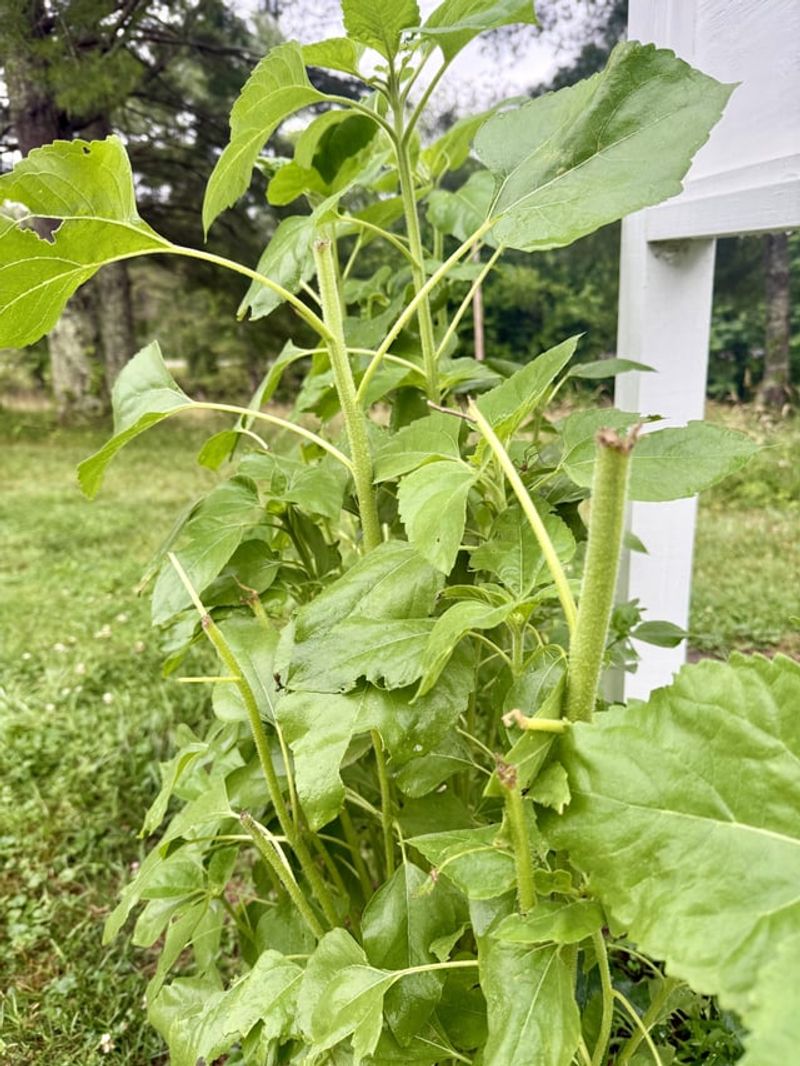
Fresh damage on one side of a garden bed is often more than just a random snack stop. It can reveal exactly where deer are entering your yard, and that information is genuinely useful for planning your protection strategy.
Torn shoots, hoof prints pressed into soft soil, scattered droppings, and a narrow path worn through low vegetation are all clues pointing toward the same entry corridor. Plants positioned farther along that same route become the next logical feeding stops.
A deer that enters from a woodland edge along your back fence and samples a plant near the entry point may continue moving through the yard, checking plants as it goes.
The farther it travels into the garden without encountering a barrier or an unpleasant scent, the more plants end up on the menu during that single visit.
Focusing your first round of protection on the entry side of the garden makes practical sense.
Blocking or discouraging access at the point where deer are most comfortable entering can interrupt the entire feeding route before it reaches the plants you care about most.
Look for any attractants near that entry zone too, including fallen fruit, bird seed scattered on the ground, or other accessible food that may be rewarding repeated visits.
One damaged plant alone does not prove the exact entry route without additional supporting signs, so take a few minutes to look around the surrounding area carefully.
Combining multiple clues gives you a much clearer picture of how deer are moving through your property and where a well-placed barrier will do the most good.
6. Similar Plants At The Same Height Are Vulnerable
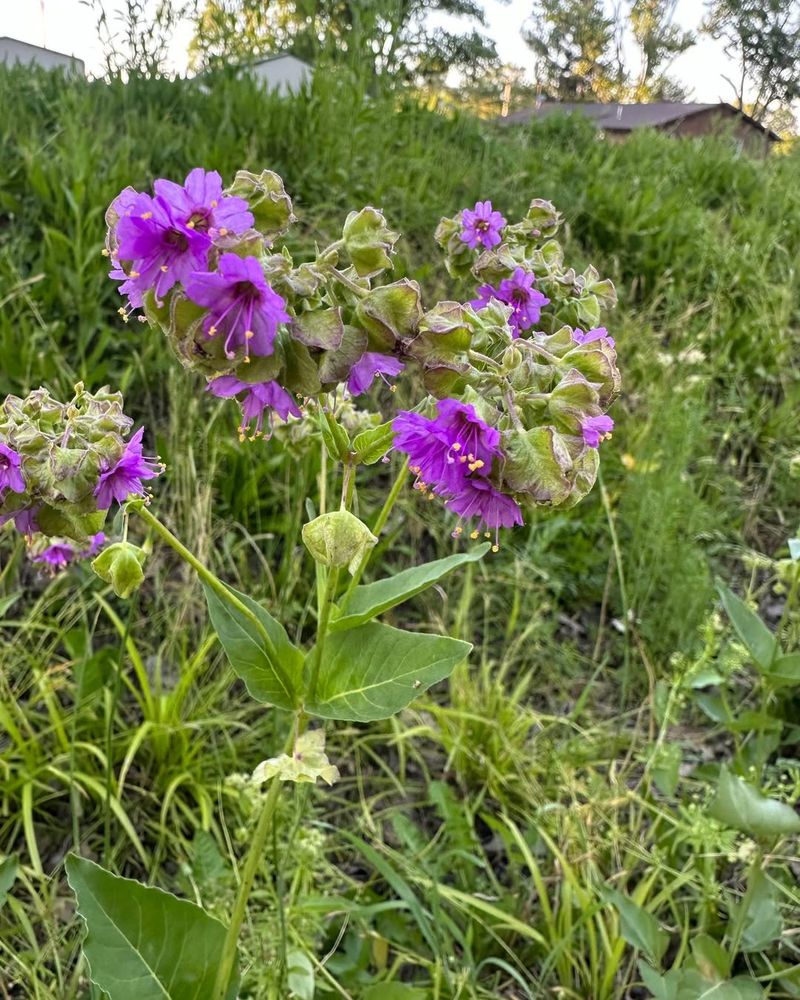
There is something almost geometric about the way deer feed through a garden border.
Look carefully at a bed that has received recent visits and you may notice a fairly consistent line where the top growth is missing, almost as if someone trimmed across the bed with a rough pair of shears.
That line marks the most accessible feeding zone, and it tells you exactly which plants are sitting at the right height to be browsed next.
Deer tend to move through a planting and harvest from the easiest layer of leaves, buds, and stems within comfortable reach.
They rarely go out of their way to stretch for something difficult when plenty of accessible growth is available at the same level.
This means that plants from completely different species can end up damaged in the same visit simply because they share a similar growth height at that moment in the season.
Inspecting every plant with foliage or buds sitting at that same level is a smart move after spotting the first damage.
Even a plant that deer do not normally prefer can end up sampled when it happens to be growing at the ideal browsing height alongside more favored specimens.
Young transplants and recently trimmed perennials are especially worth checking because all of their new growth sits within this accessible zone.
Adding a short wire cage or a ring of repellent-treated stakes around plants at that height can interrupt the easy feeding line without requiring a full garden fence.
Small targeted interventions placed at the right level often stop a browsing session before it works its way across the entire bed.
7. Favored Plants Deeper In The Bed May Follow
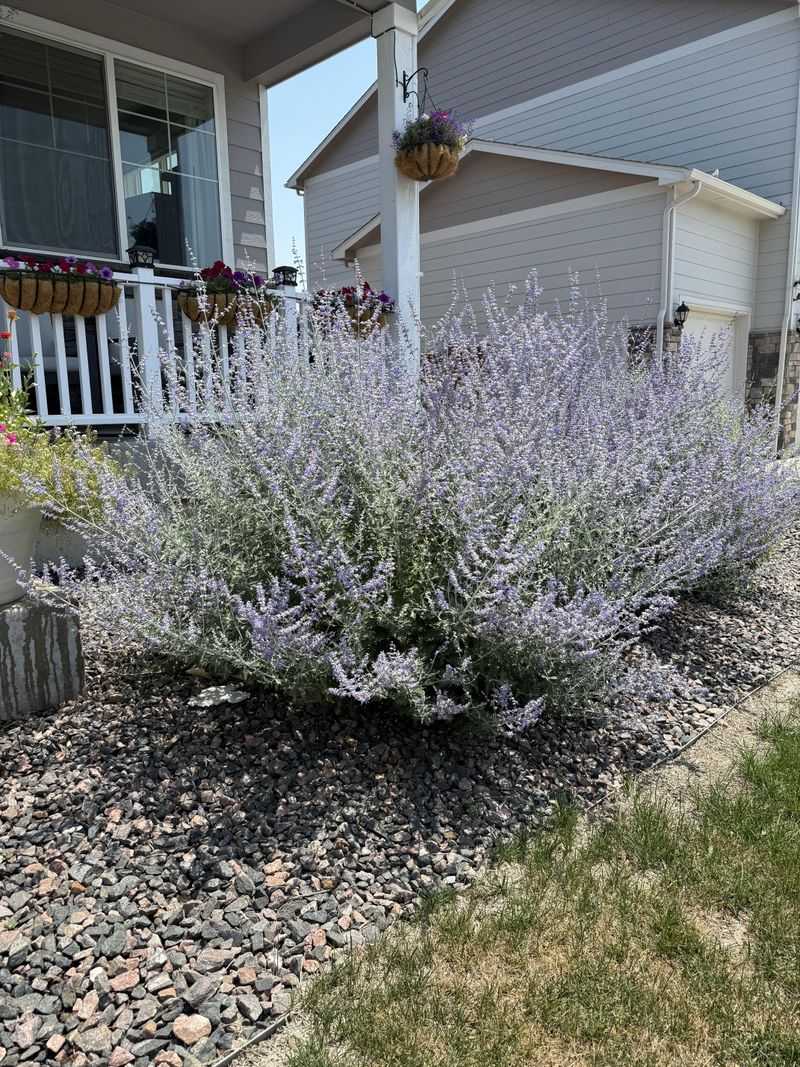
Planting aromatic herbs or rough-textured perennials along the front edge of a garden bed is a popular strategy, and it does add some level of deterrence. The catch is that it does not create a physical wall.
Deer are perfectly capable of stepping through lavender, Russian sage, or ornamental grasses to reach something more appealing growing a few feet behind them.
Fresh nips on those outer plants are a clear sign that deer are comfortable enough to explore further.
Hostas, roses, daylilies, and fruiting plants tucked deeper in a garden bed are exactly the kind of high-value targets that motivate a deer to push past the less interesting stuff at the border.
Once a deer has sampled the outer edge and found it acceptable or simply unimpressive enough to walk through, the path to the interior of the bed is basically open. The inner plants then become the main course after a brief detour through the appetizers.
Relying on aromatic companions alone to guard your most valuable plants is a gamble that often does not pay off when deer pressure is high.
Actual fencing, individual wire cages, or deer netting held a few inches away from the foliage provides the kind of dependable protection that aromatic neighbors simply cannot match.
Netting placed directly against leaves is less effective because deer can bite through it to reach the plant beneath.
Treating the outer and inner sections of your bed as two separate protection zones gives you a more realistic defense plan, especially in gardens located near active deer corridors or woodland edges.
8. Damage To Less Preferred Plants Signals Strong Pressure
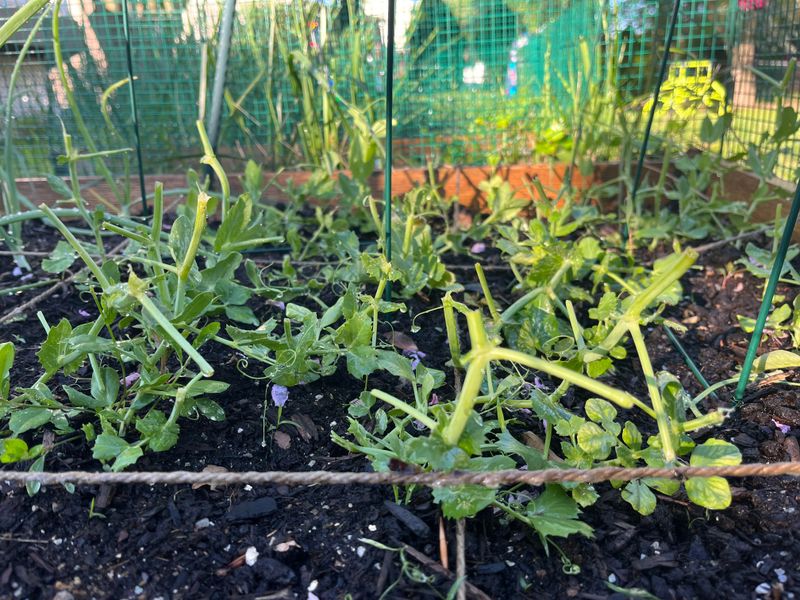
When a deer starts sampling plants that gardeners typically consider unappealing, that is a meaningful shift worth paying attention to.
Russian sage, ornamental grasses, strongly scented herbs, and other plants that usually sit at the bottom of a deer’s preference list do not get browsed casually.
Seeing fresh damage indicates a shift in local feeding habits, such as increased population pressure or a shortage of familiar food sources. Alternatively, it may simply mean local deer have grown more comfortable exploring unfamiliar plants in your garden.
No perennial is completely off the menu when a deer is genuinely hungry and confident enough to move through a yard without hesitation.
Gardeners sometimes feel a false sense of security after planting a bed full of supposedly deer-resistant varieties, only to find browse marks across the whole thing during a dry summer or a hard autumn.
Deer-resistant is a helpful guideline, not a guarantee, and fresh damage on the resistant plants is the clearest possible signal that the guideline no longer applies in your yard right now.
Acting before the damage spreads is the most effective response to this kind of warning. Protect your highest-value plants first, apply repellent according to the product label, and plan to renew it after every significant rain and after any flush of new growth.
Repellent that has washed off or been outgrown by new foliage offers very little protection.
Walking the yard each morning during active periods gives you the earliest possible look at new damage so you can respond before a feeding visit turns into a nightly routine.
Fresh nips are an early warning, and early warnings are most valuable when you act on them right away.